Meeting Reports May 2026
“The society’s aims are to continue to document, …..the objective being to have a record of each survey undertaken.”
.
Four members of the society (including one new member attending her first outdoor meeting) met at the fisherman’s car park off Gainsborough Road, Bawtry at 10.30am on a hot and sunny May day, towards the end of a week of ridiculously hot weather. As the group were investigating plants and invertebrates on the margin of the fishing pond, two members rolled up late as ever (yes that included me!), and a third member came even later and decided to investigate the river upstream independently (which is not unusual).
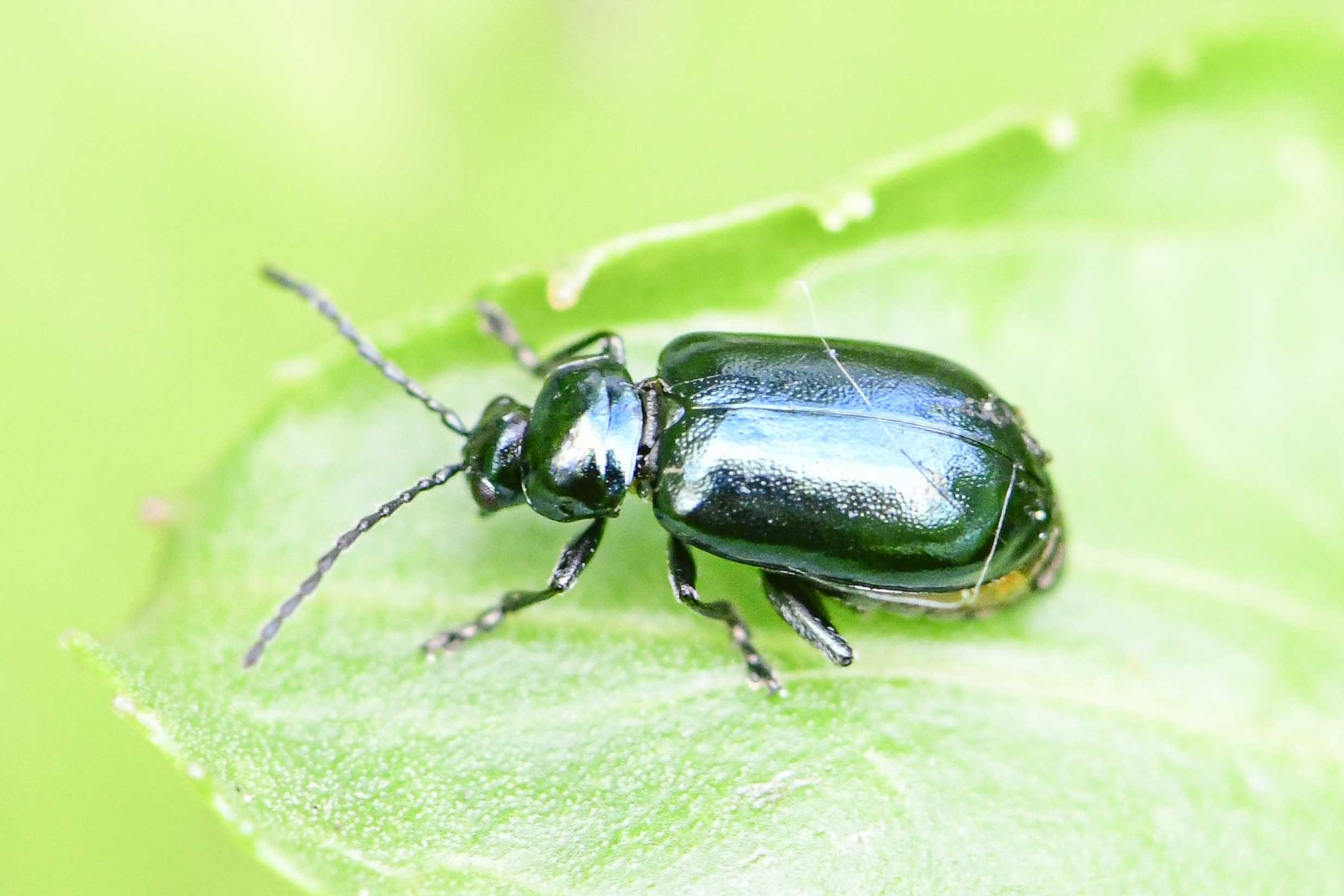
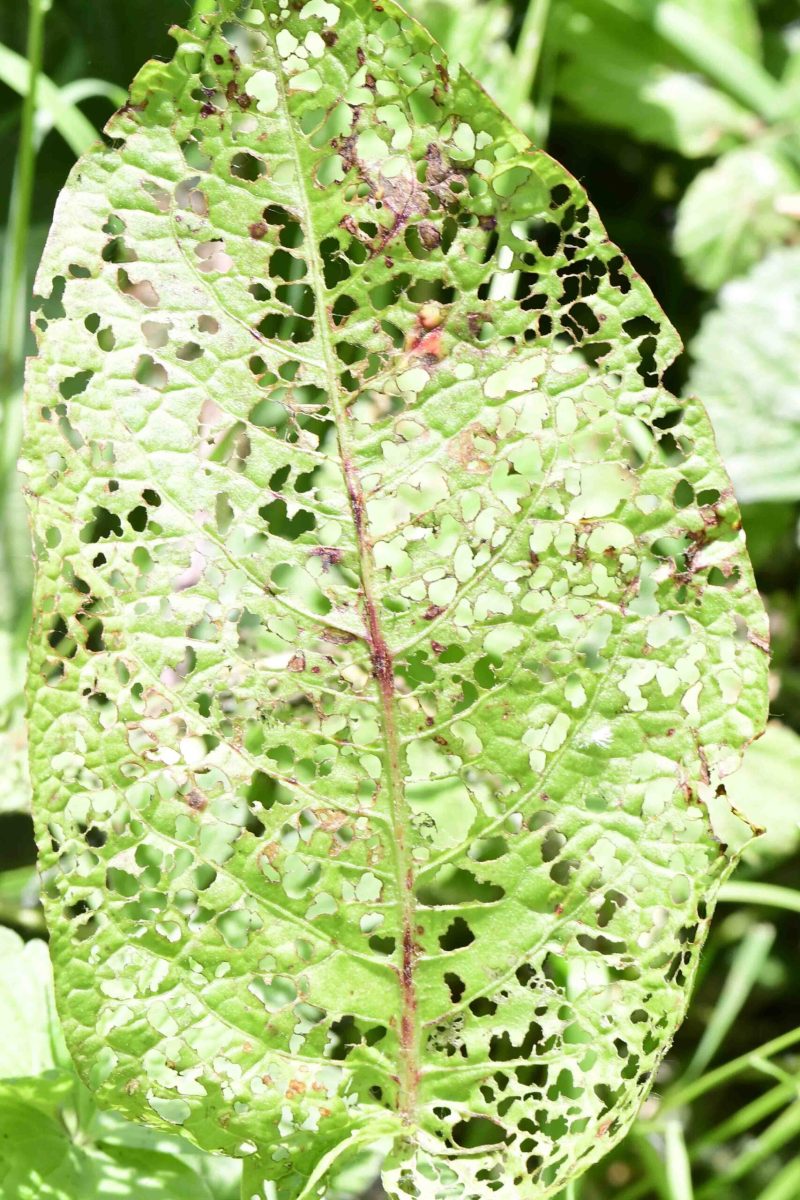
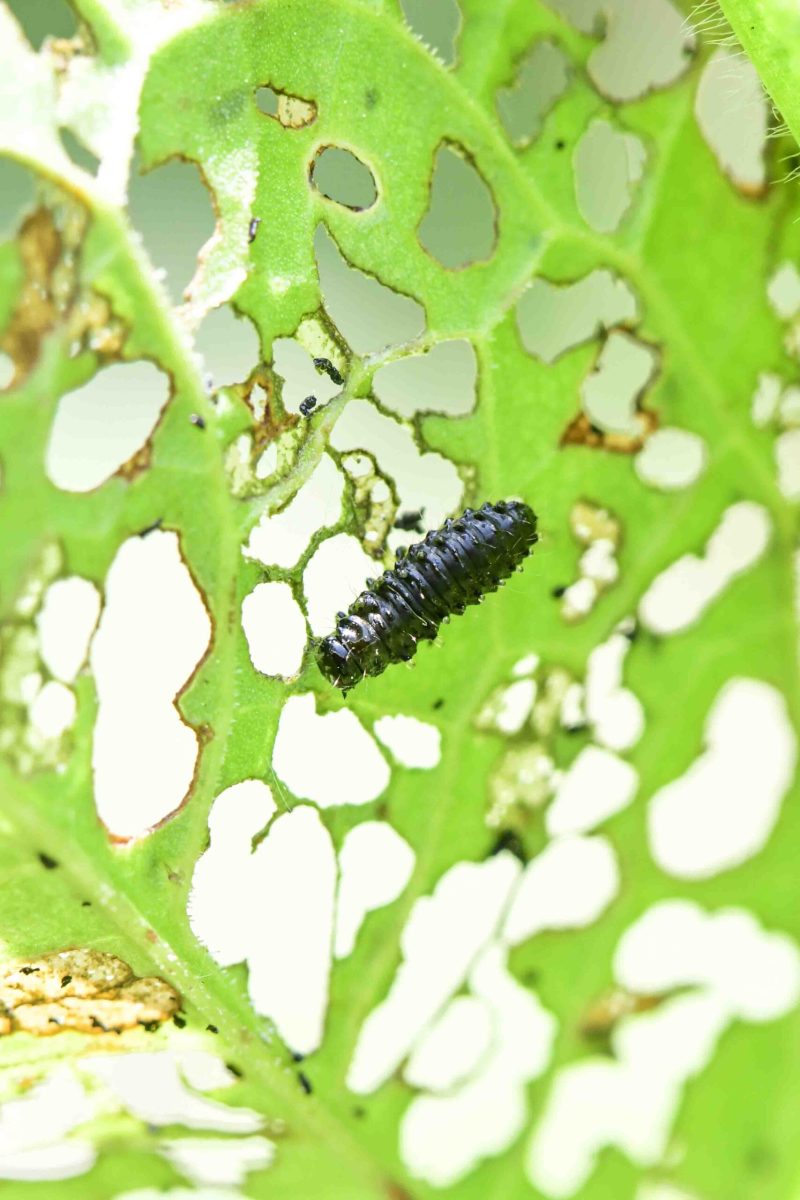
Having negotiated the crossing of the main road, the group of six took the footpath north from Wentworth Court and passed under a railway arch to a path which follows a drain on the eastern side of the East Coast Main Line viaduct. Painted Lady butterflies were enjoying the warm conditions and the larvae of Dock Beetles were making short work of converting the leaves of the Broad-leaved Docks to an intricate lacework. Just after a gateway to an un-named lane leading to Wharfe Street, the path turned eastwards to follow the old course of the River Idle. A Cuckoo was heard calling almost continually nearby.
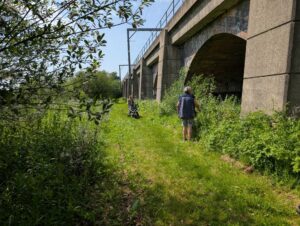
Footpath runs alongside railway viaduct, Bawtry.
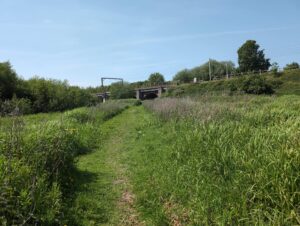
Footpath leaving the railway viaduct, Bawtry.
Lunch was consumed in the welcome shade of a large White Willow, where the path meets the present day river course. House Martins and Blackheaded Gulls were skimming the water and Banded Demoiselles were dancing amongst the Reed Sweet-grass.
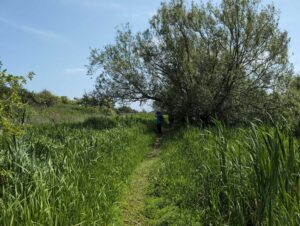
Footpath follows the old river channel, Bawtry.
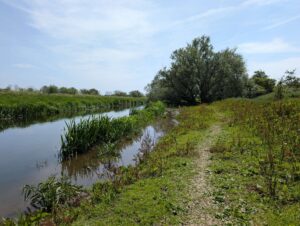
White Willow by the River Idle, Bawtry.
After lunch the party continued on the margin of the river, with a floodplain pond to our left, as a group on inflatable paddle boards passed downstream to our right! Turning north-west and walking for a short distance through a vast acreage of flowering Curled Dock the group paused near a lone mature Oak tree to wrangle with the identification of Marsh Ragwort using the Flora Incognita App for the first time.
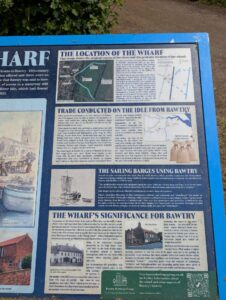
As the temperature rose to nearly 28°C we retraced our steps to the meeting point, taking a short diversion to view an information sign near Wharfe Street explaining the history of the 12th Century Port.
L.A.H. 28-05-2026
List of species recorded during the main visit can be found here
While a list of species for the alternate survey upstream can be found here





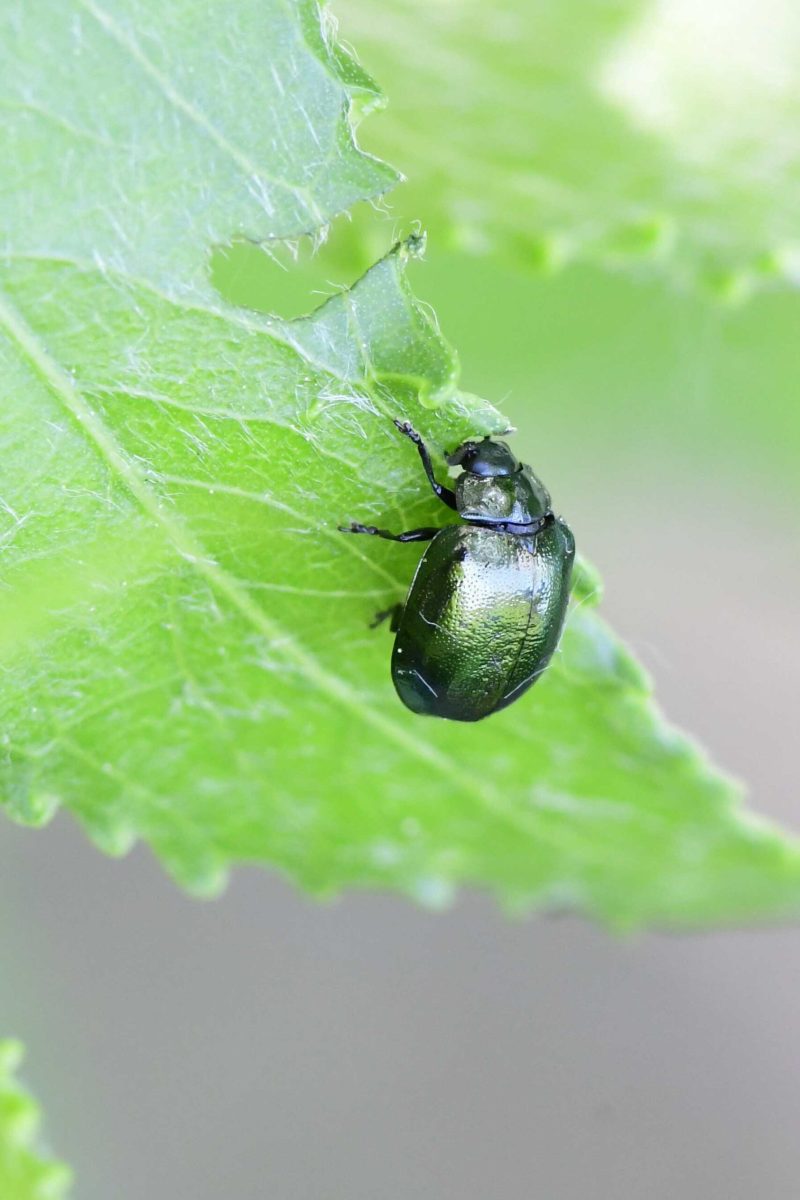
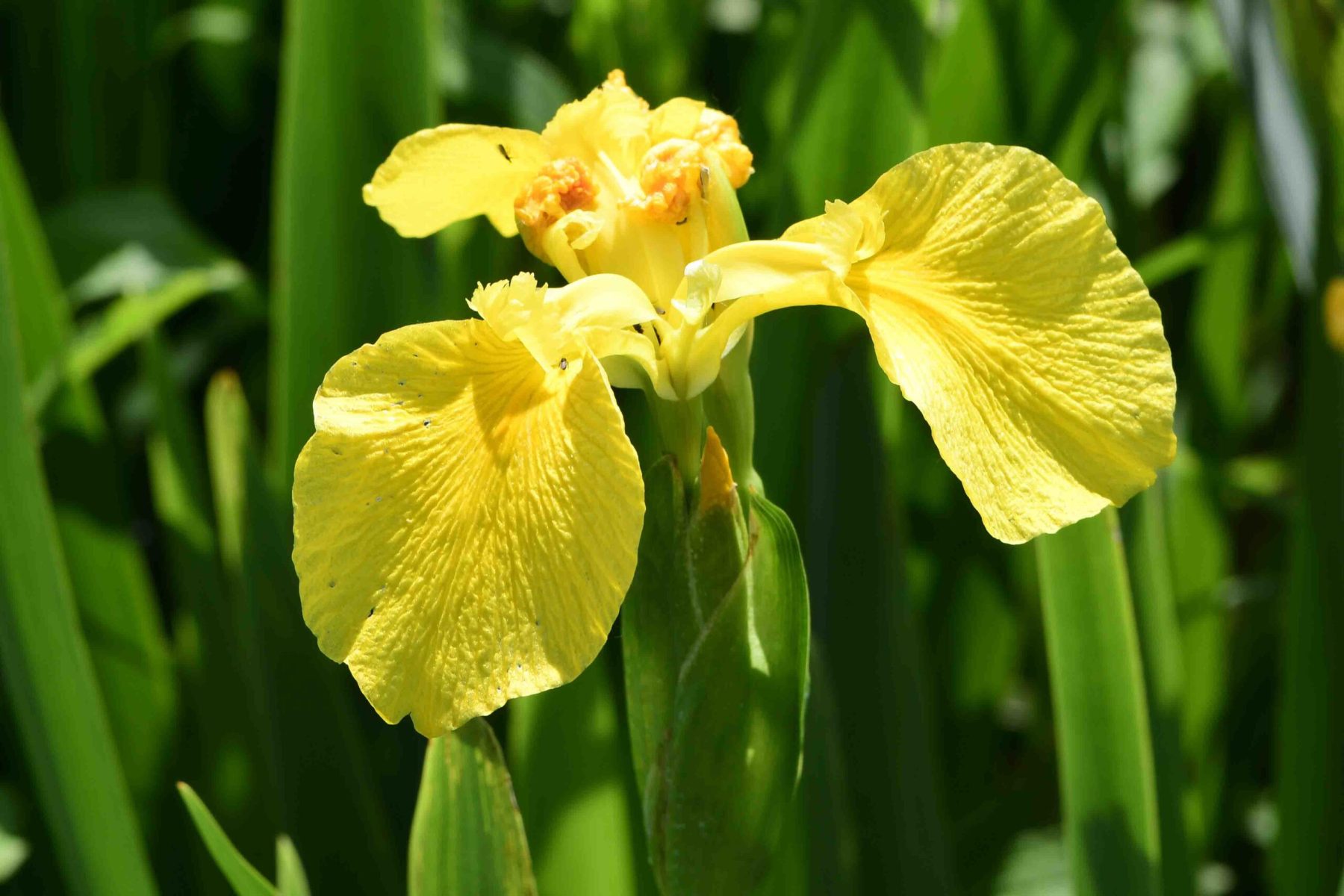
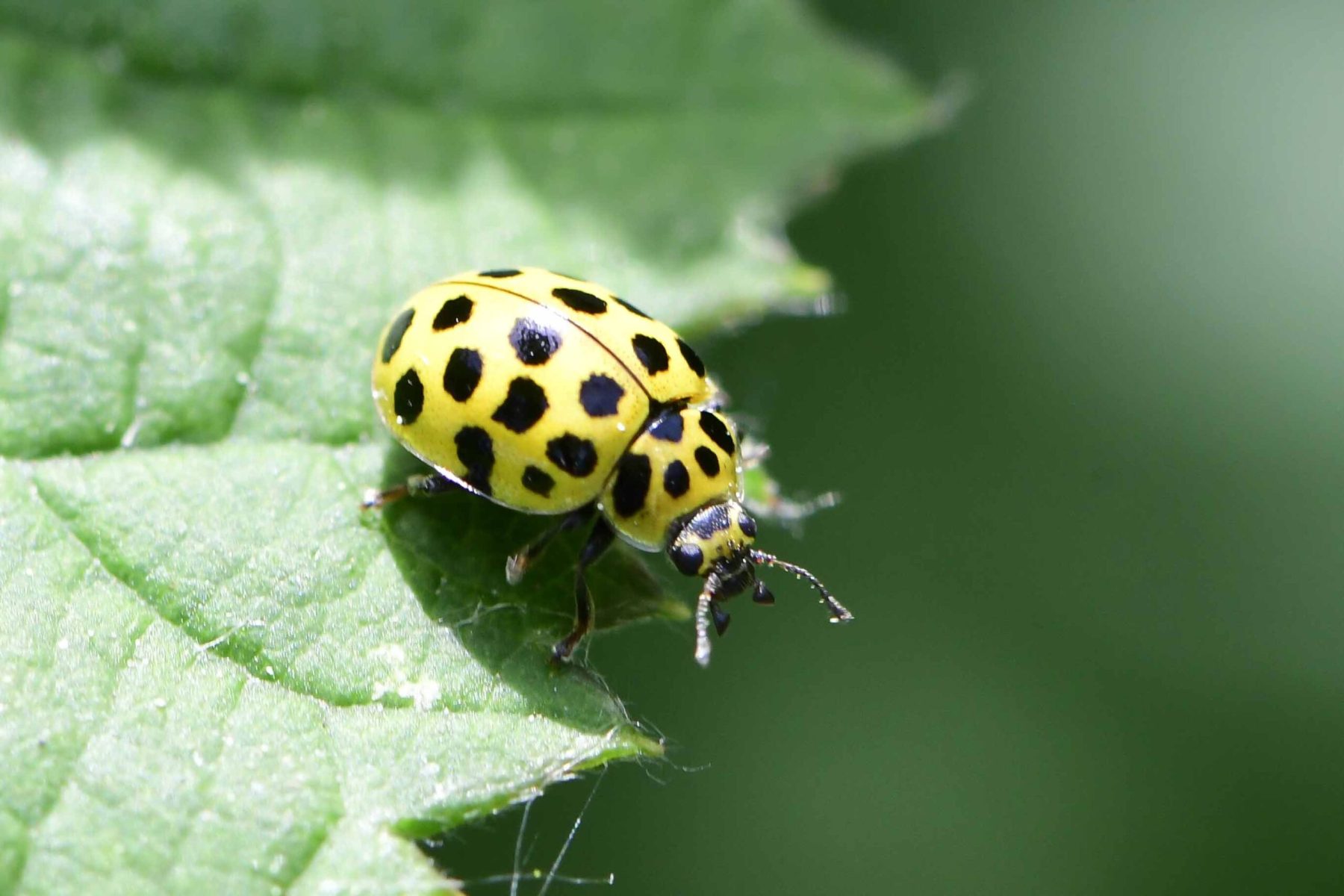

A small interesting nature reserve belonging to Les Driffield who was our guide for the visit.
Below is a view from the reserve that looks out towards East Hardwick and Ackworth showing that the predominant arable crop is a monoculture of Oilseed Rape.
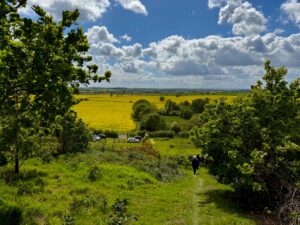
Photograph by Samantha Batty
Attendees : JB (President); JS & PS; JN; Ian Farmer; Colin A. Howes; Les Coe; Samantha & Graham Batty and Les Driffield (site owner)
Situated to the west of the village of Wentbridge and on the steep, west-facing slope of the Carboniferous coal measures Sandstone and capped by Permian Magnesian Limestone. This land formed part of the geography which penned in a substantial lake of glacial meltwater which ultimately burst through the limestone ridge at Wentbridge, forming the Went Gorge and the course of the current river Went.
The owner, Les Driffield, took over this former agricultural land with a view to developing its biodiversity and potential as a Nature Reserve in an otherwise heavily arableised landscape.
This steep site which had evidently proved difficult to farm, had latterly been used to dump stone ploughed from adjacent arable fields and to dispose of failed or un-marketed crops, such as rotting potatoes. It had also been used as a mountain bike trials circuit, complete with jumps and hazards.
These major difficulties had been magnificently overcome by dint of persistent hard physical labour, producing a site with a network of grassy paths leading between a series of grassland, shrubby and even aquatic habitats, all within a boundary of species-rich hedgerows.
I have compiled an alphabetical plant list based on my notebook entries (see here) and see also the results of the excellent photographs of invertebrates taken under very difficult blustery conditions by Samantha Batty and Les Coe.
Thanks to Joyce for organising an interesting location to visit and record in, which we hope might contribute towards the site species list that Les Driffield maintains.
A list of plant galls compiled by Ian Farmer.

A collection of photos taken during the visit by Samantha & Les follows.
CAH.
Arachnida – Spiders
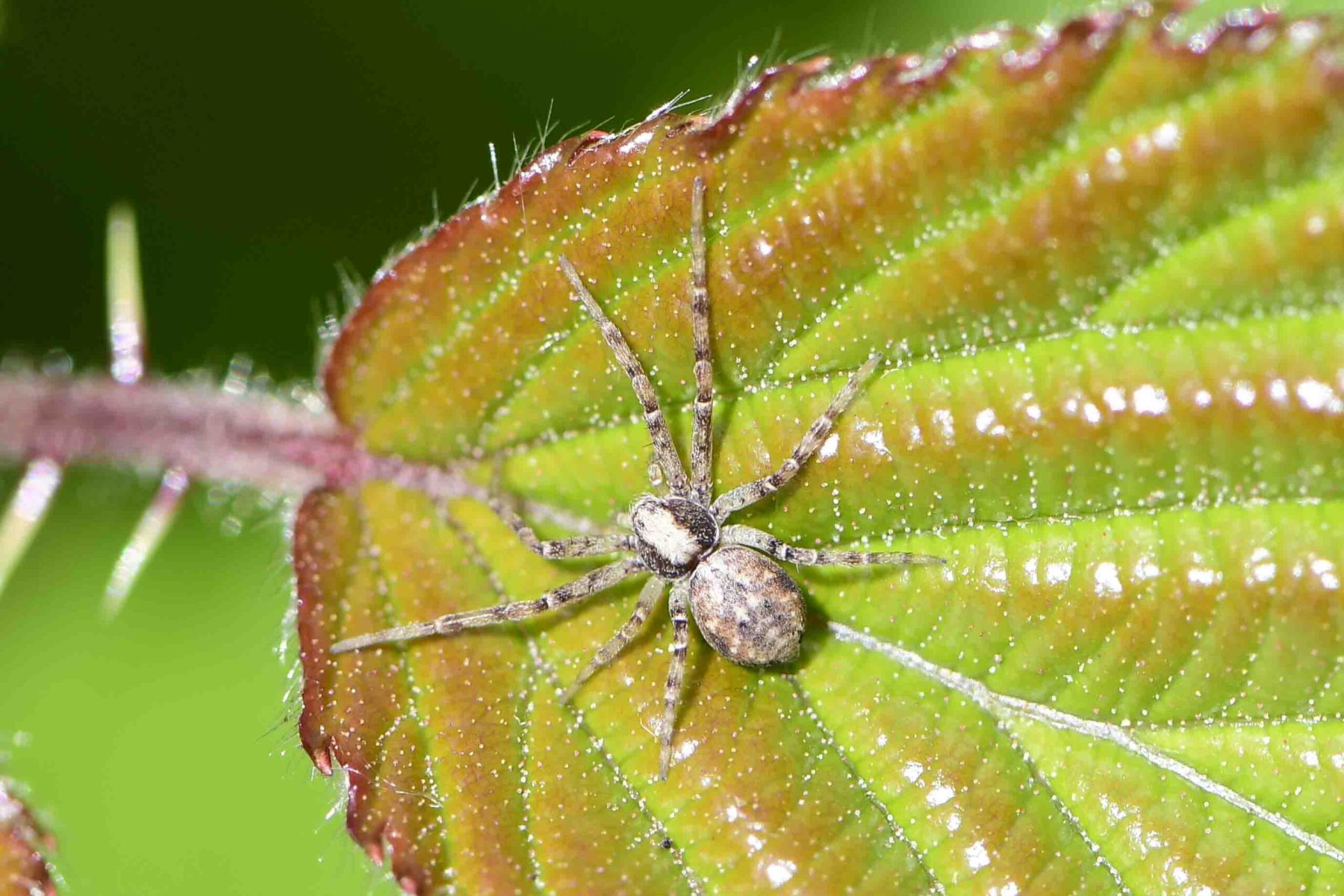
Philodromus agg. (unable to identify to species level from a photo). A southern species that is expanding northwards
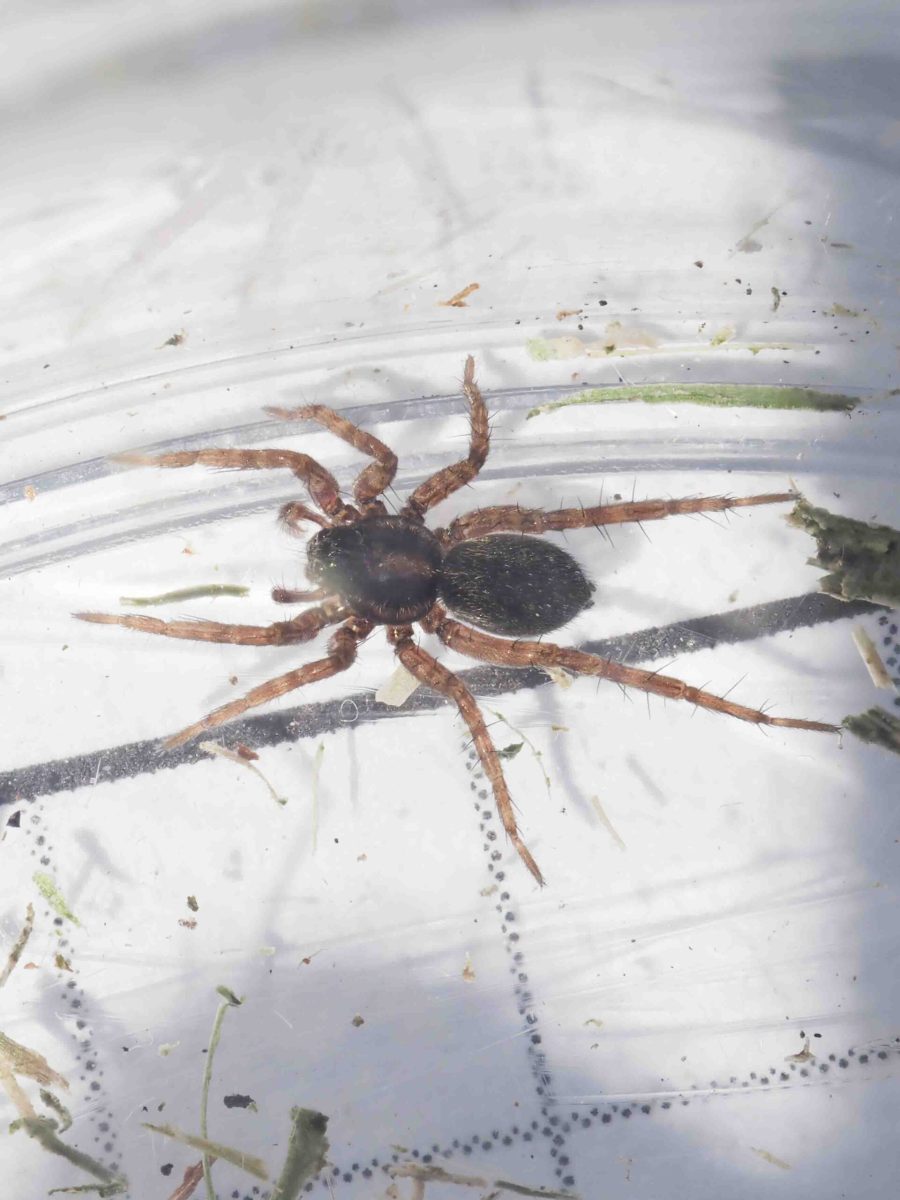
Pardosa pullata – a Wolf Spider

Coleoptera – Beetles
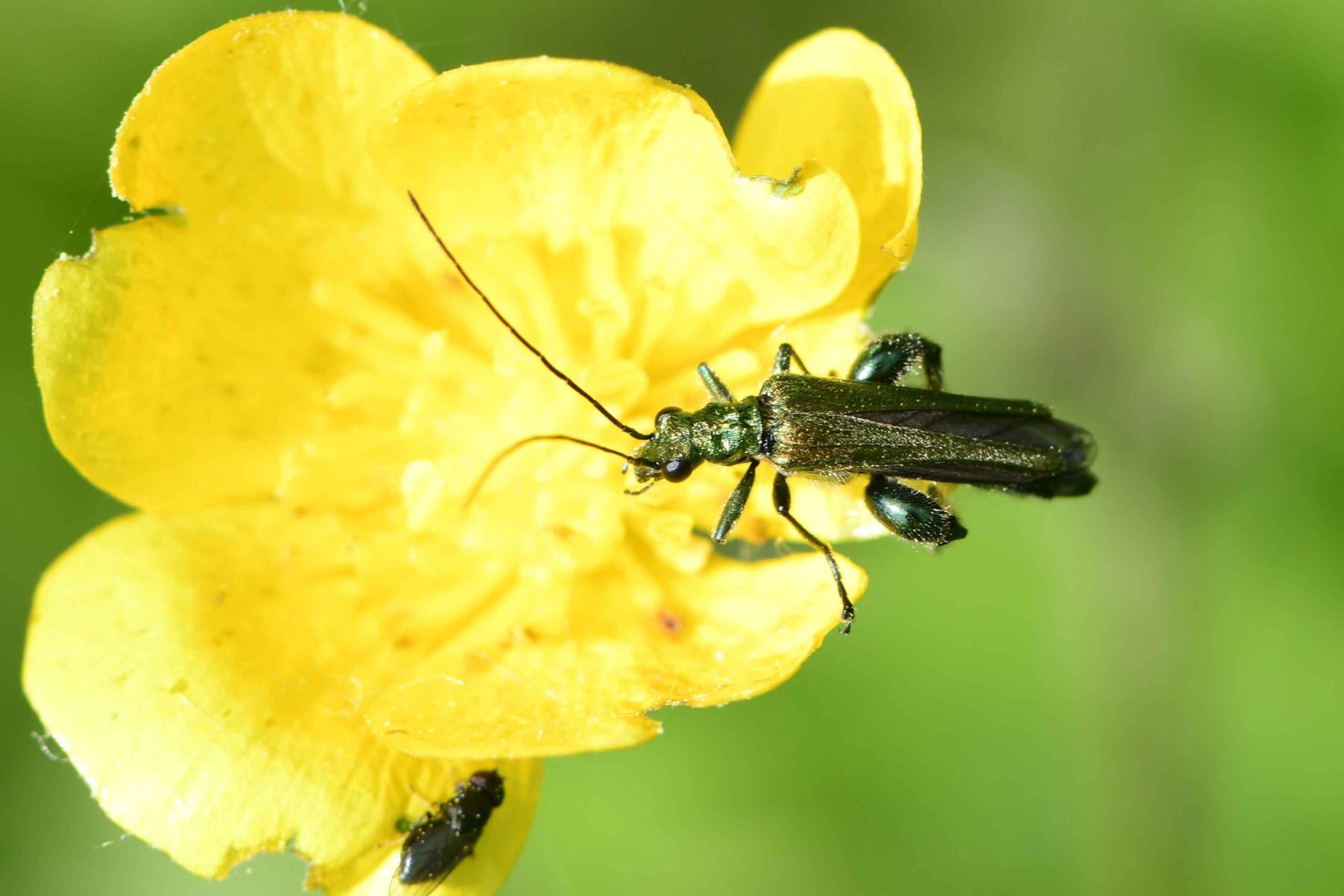
Oedemera nobilis – Swollen-thighed Beetle.
Cassida rubiginosa – Thistle Tortoise Beetle.
Pyrochroa serraticornis – Cardinal Beetle.
Malachius bipustulatus – Common Malachite Beetle.


Diptera – Flies
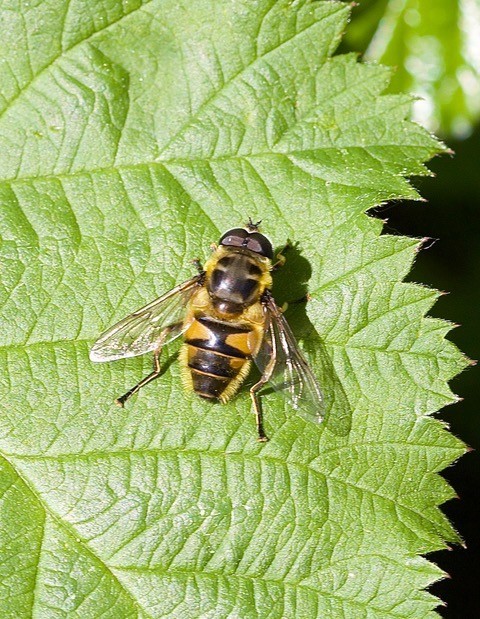
Myathropa florea – Batman Hoverfly.
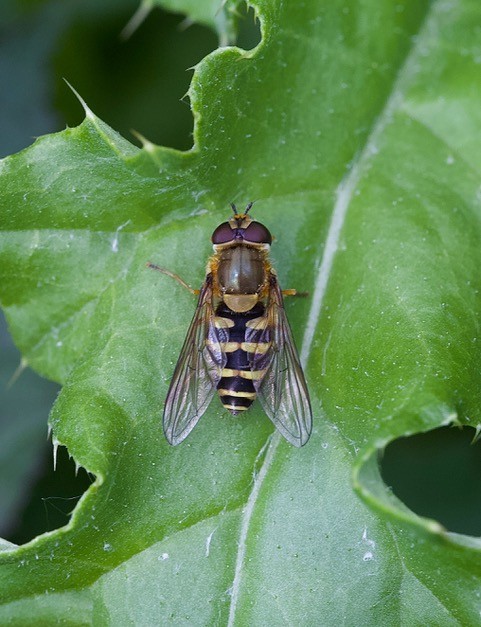
Surplus ribesii – Hoverfly
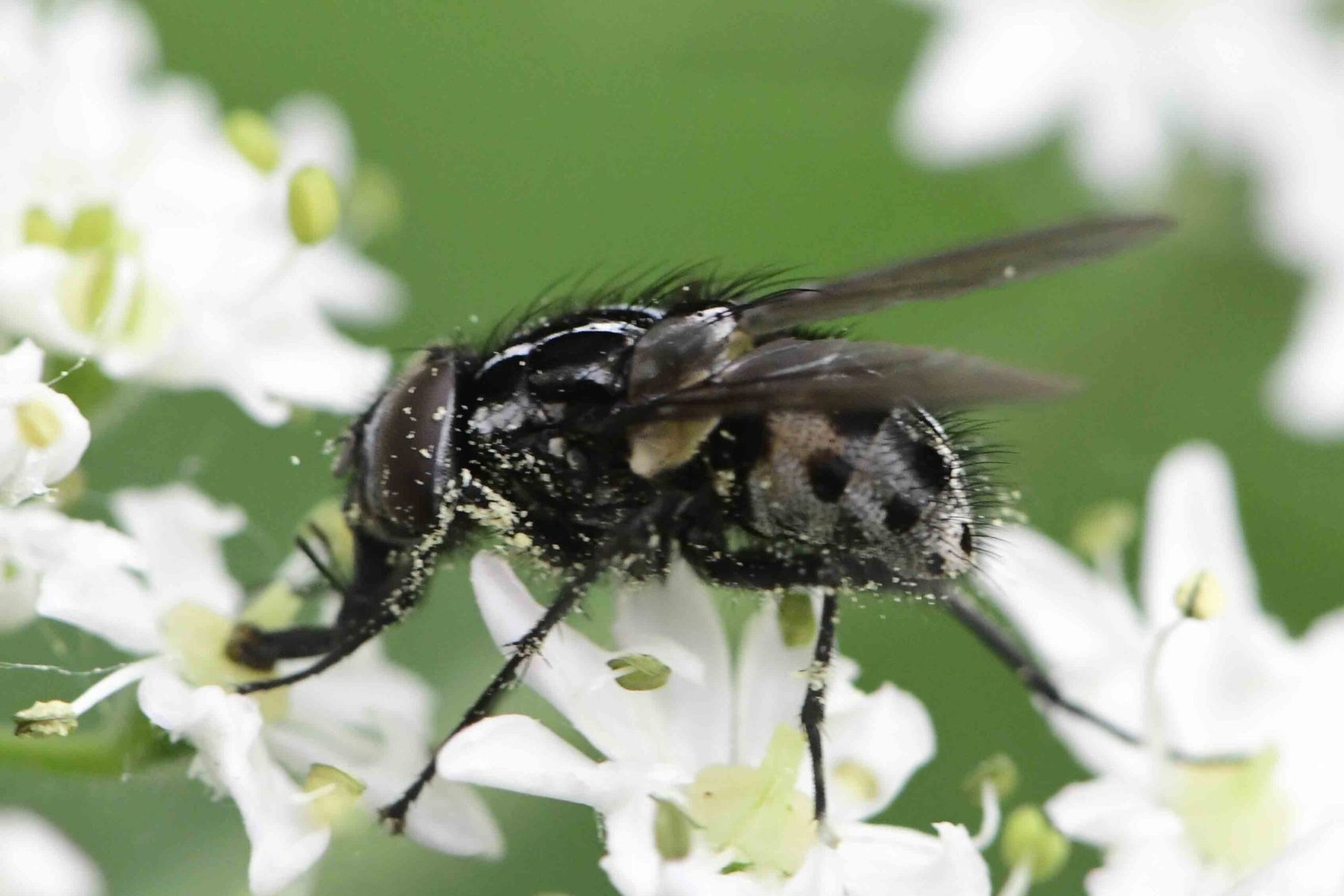
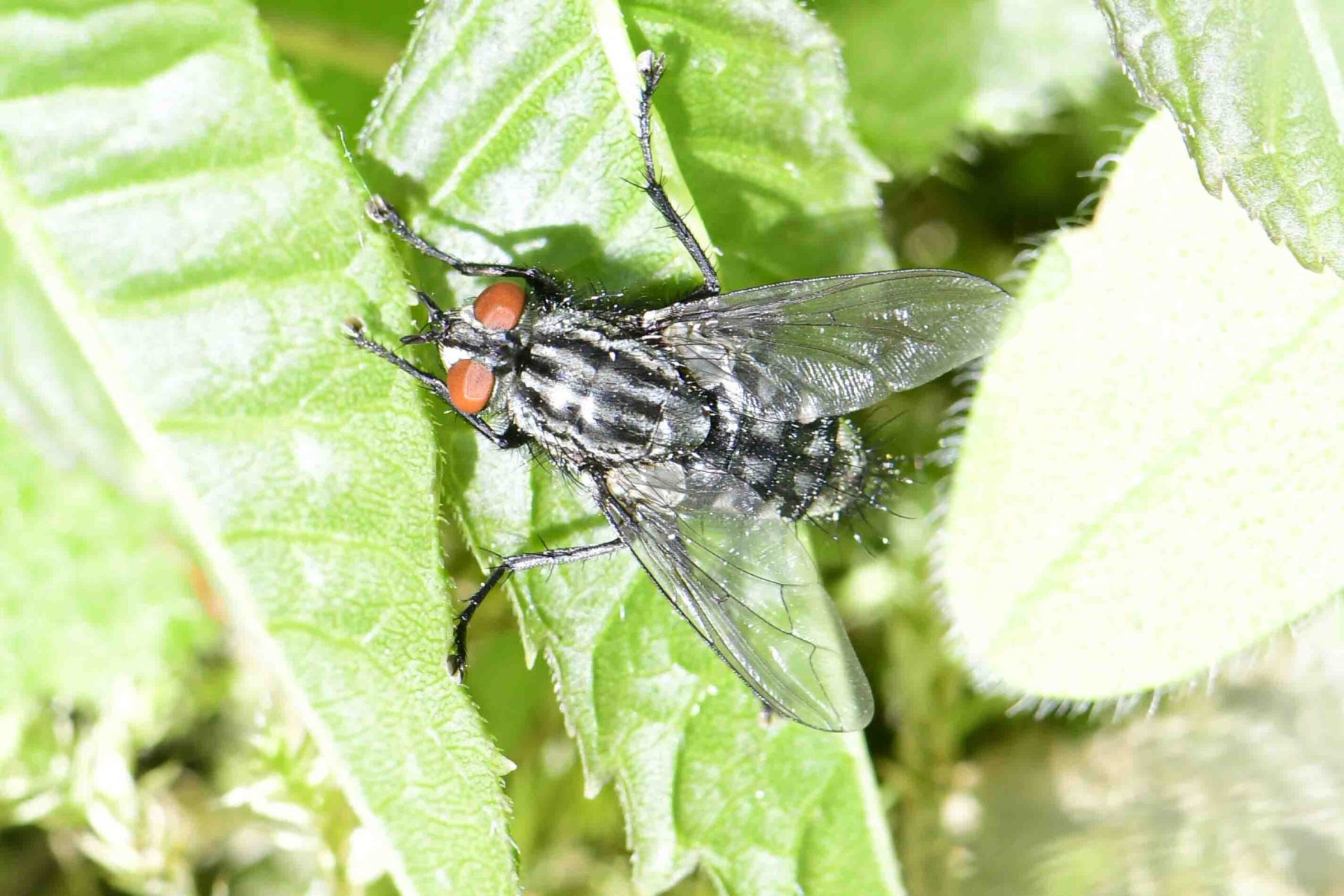
Sarcophaga carnaria – Flesh Fly
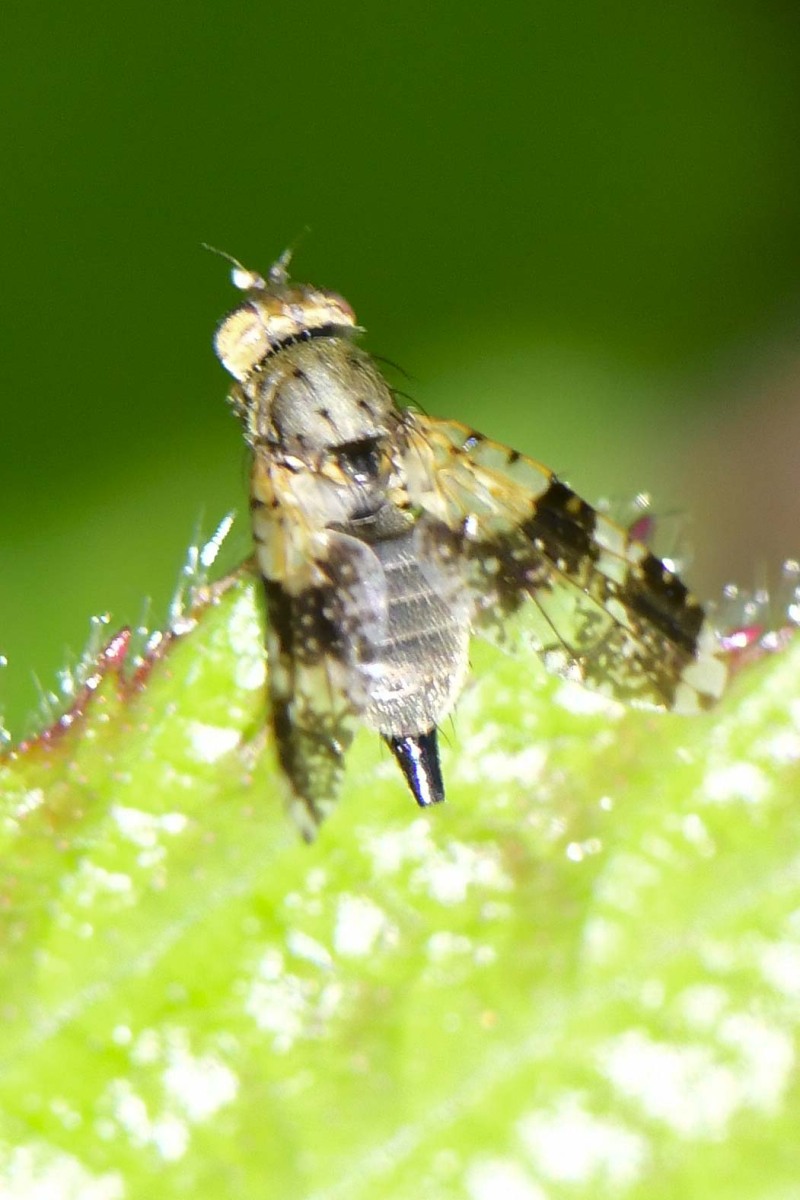
Tephritis formosa – Sowthistle Tephritis
Chlorops hypostigma – Grass Fly
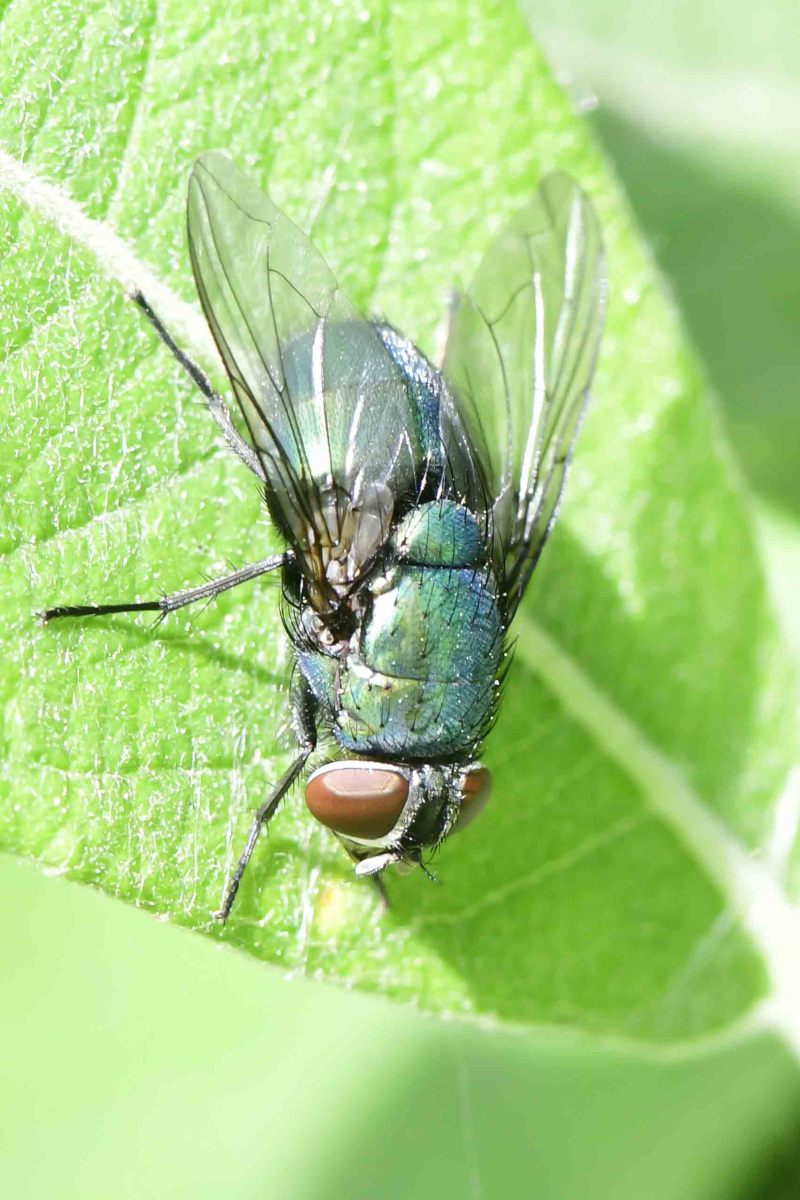
Lucilia sericata – Greenbottle
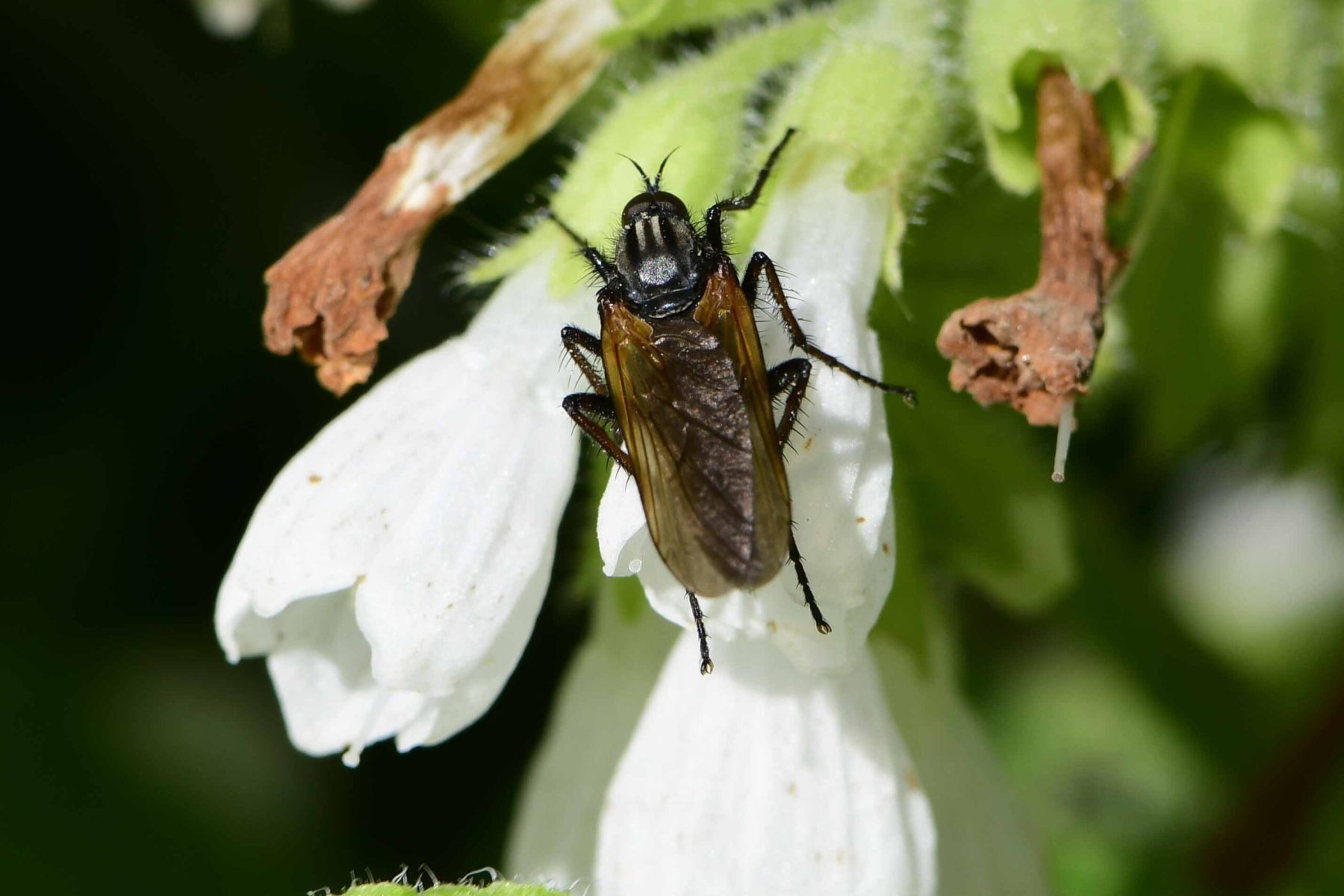
Empis tessellata – Dance Fly
an ID unknown Fly



Hemiptera – Bugs
Coreus marginatus – Dock Bug.
Dolycoris baccarum – Hairy shieldbug.
Piezodorus lituratus – Gorse shieldbug.


Hymenoptera – Bees, Wasps & Ants
Lasioglossum sp. – Base-banded furrow bees
Andrena hemorrhoa – Mining Bee
Nomada flava – Flavous Nomad Bee
Nomarda hirtipes – Cuckoo Bee
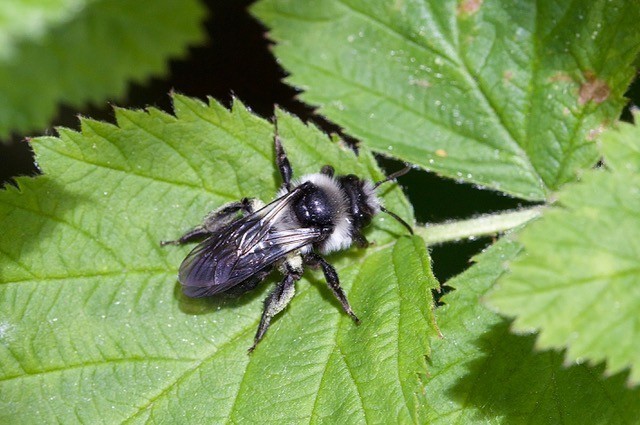
Andrena cineraria – Ashy Mining Bee


Lepidoptera – Butterflies & Moths
Anthocharis cardamines – Orange Tip Butterfly
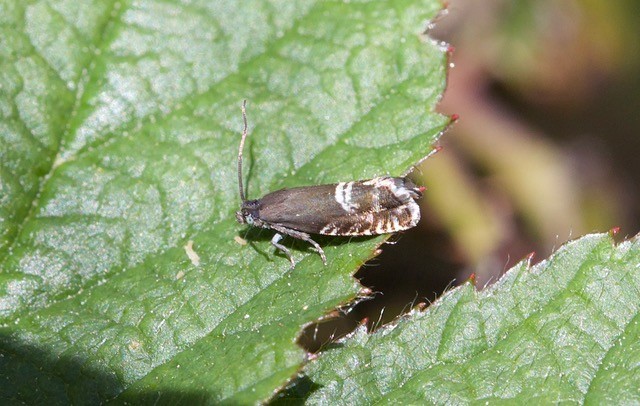
Grapholita internana – Moth

Odonata – Dragonflies
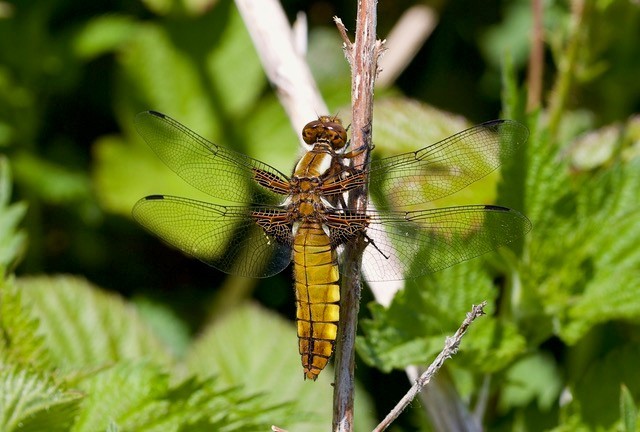
Libellula depressa – Broad-bodied Chaser.
Leader : Mick Townsend
A spring walk around the reserve
Leader : Jim Burnett
Kings Wood for bluebells and Gally Hills grassland for spring flowers.
Another visit to Loversall Delf by Colin & Les, (cut short due to an emergency car tyre repair.)
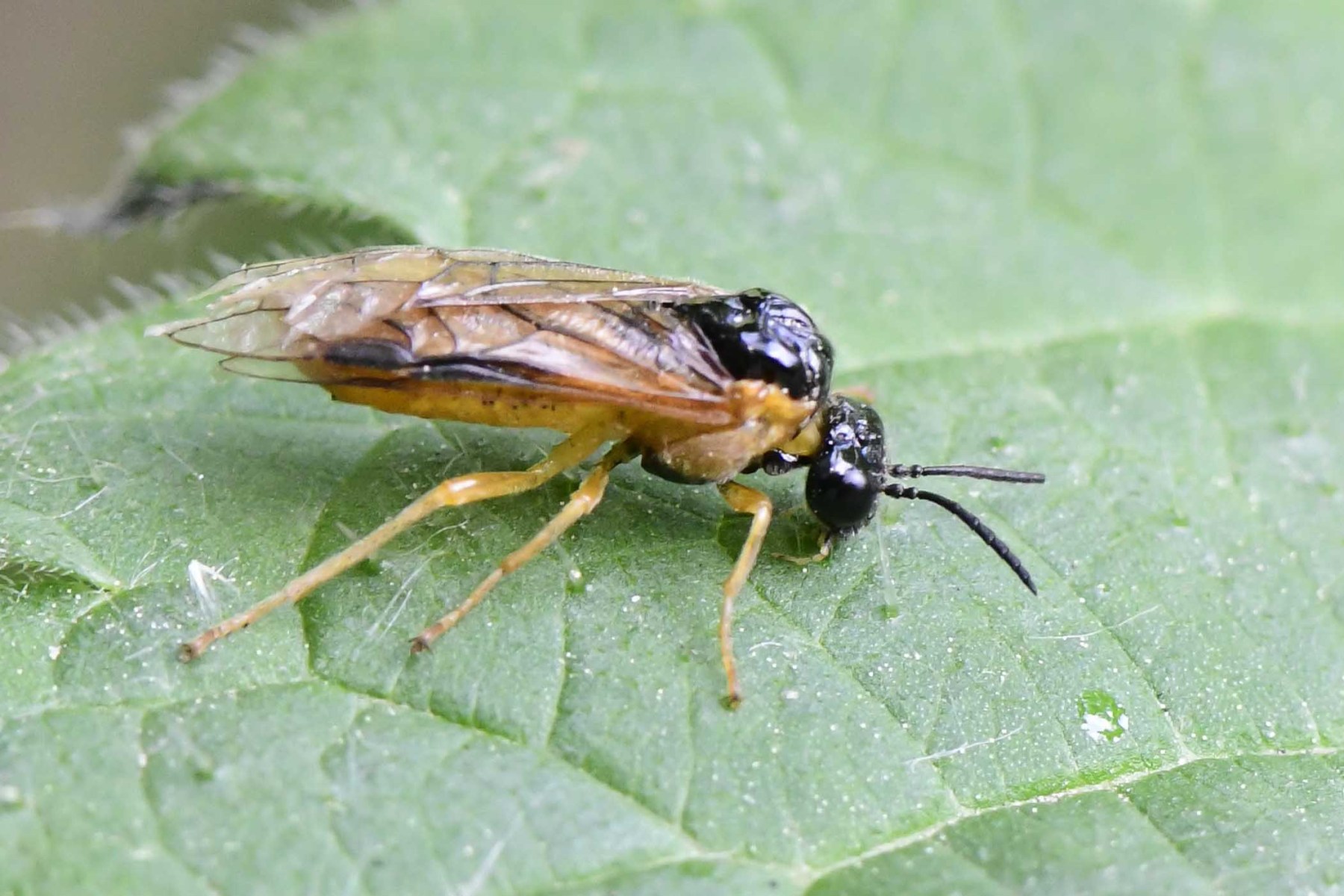
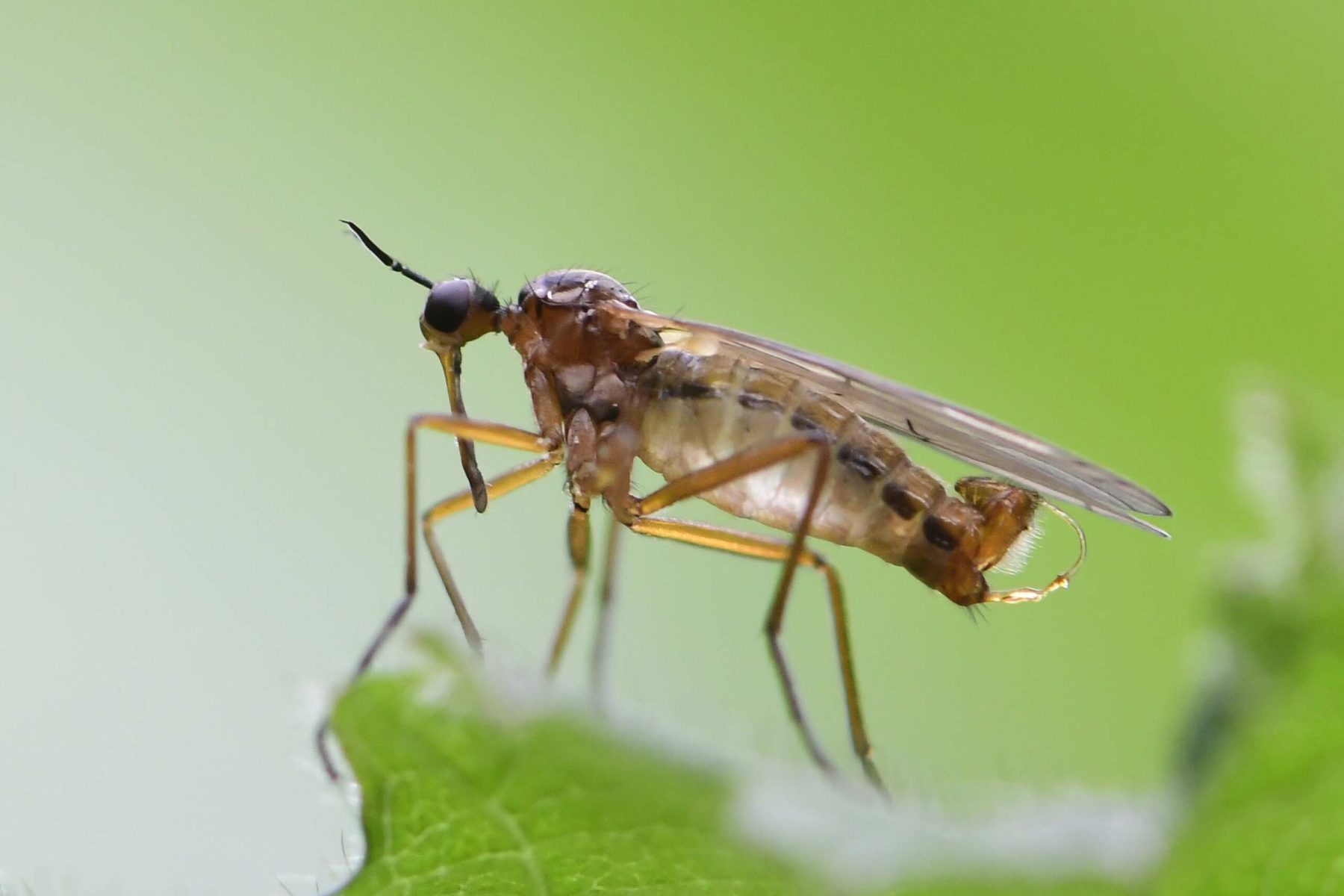
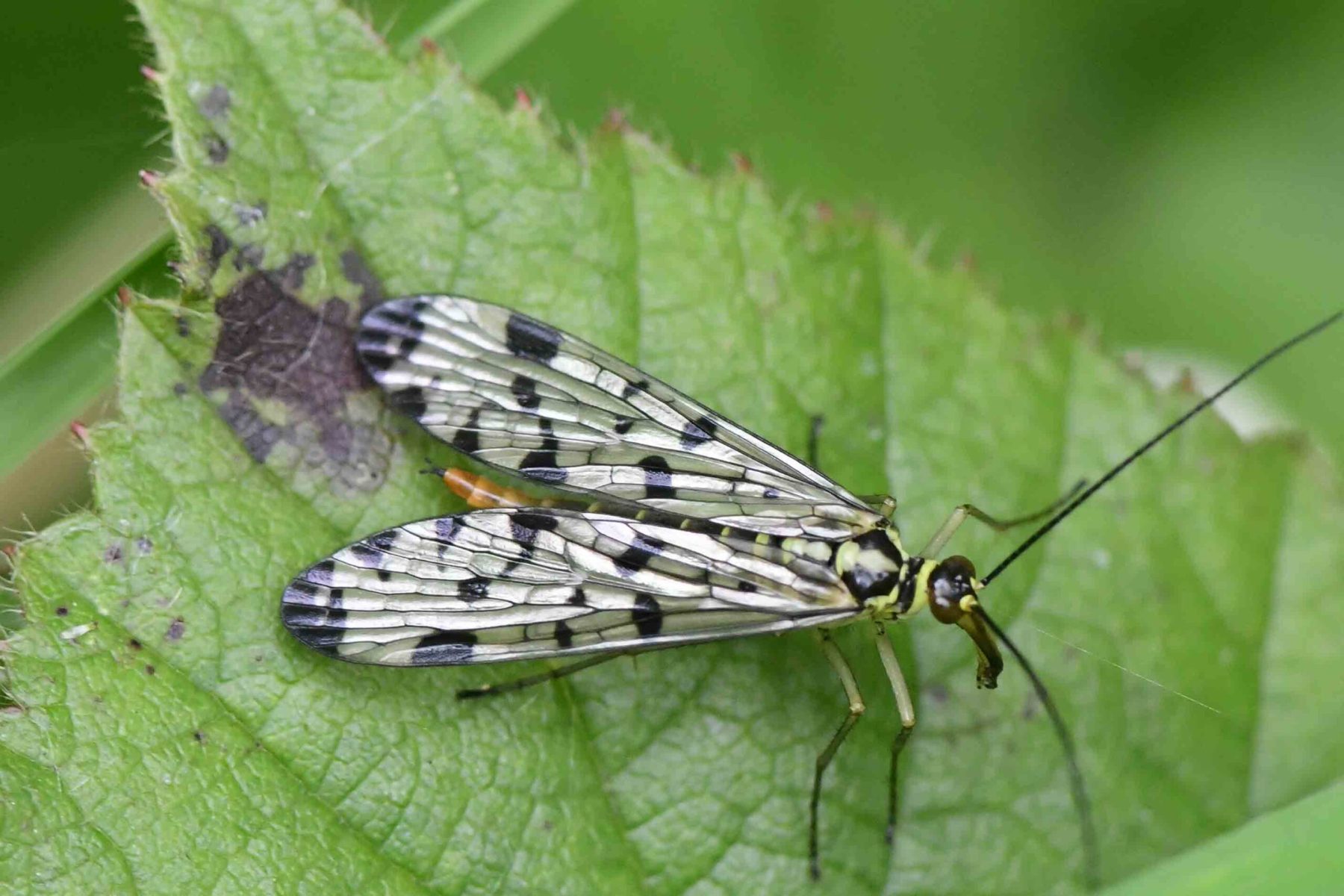
The first damselfly of the season seen, a large red (Pyrrhosoma nymphula), a puzzling woodwasp, a dance fly (Empis tessellata) that might be confused with a scorpion fly. No sieving of litter today so all spiders are found in situ; once again Philodromus agg. was found so it seems firmly established in the north now.
Luckily, Colin recovered a tick which was climbing his trouser leg before it found it’s way inside.
Arachnida – Spiders
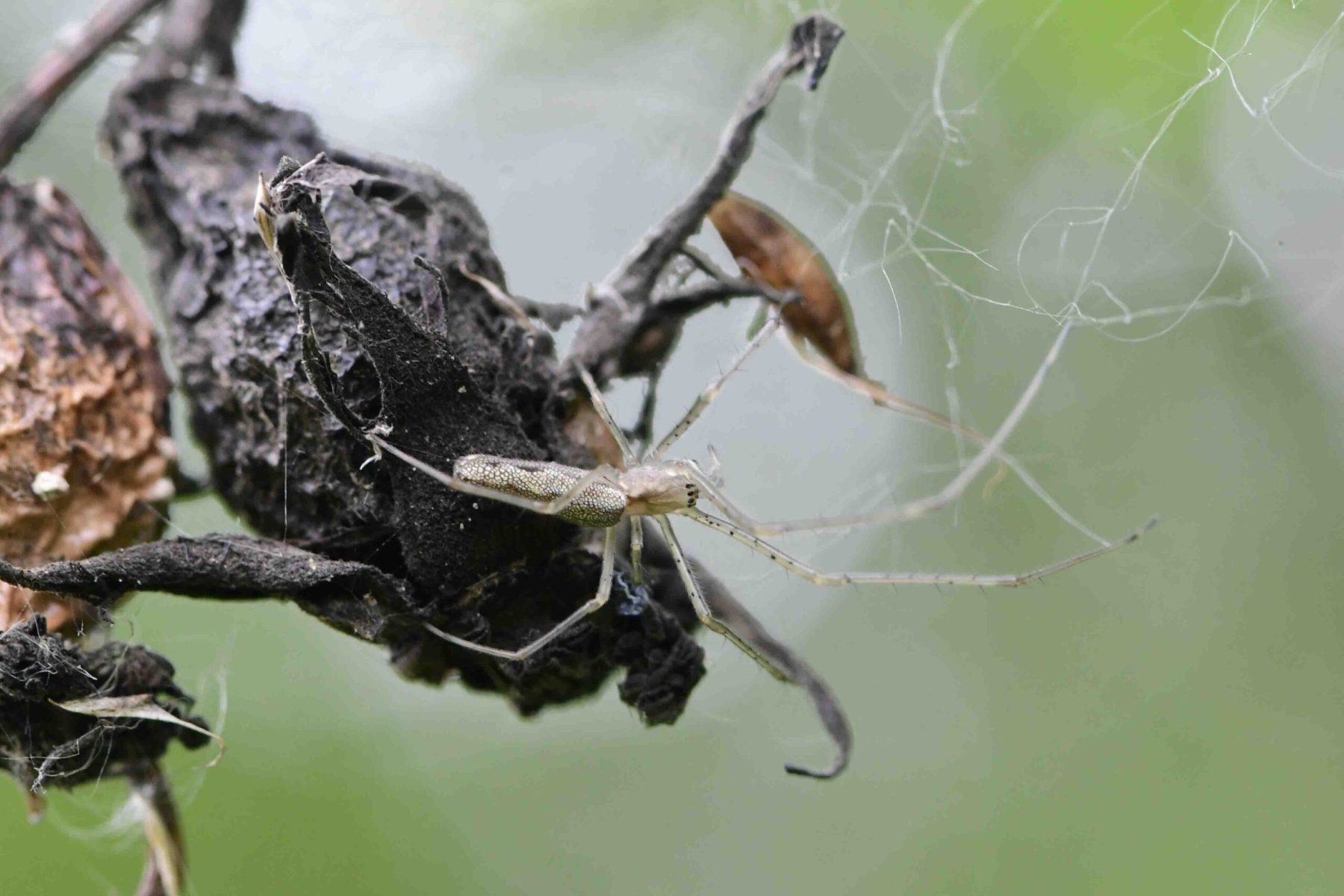
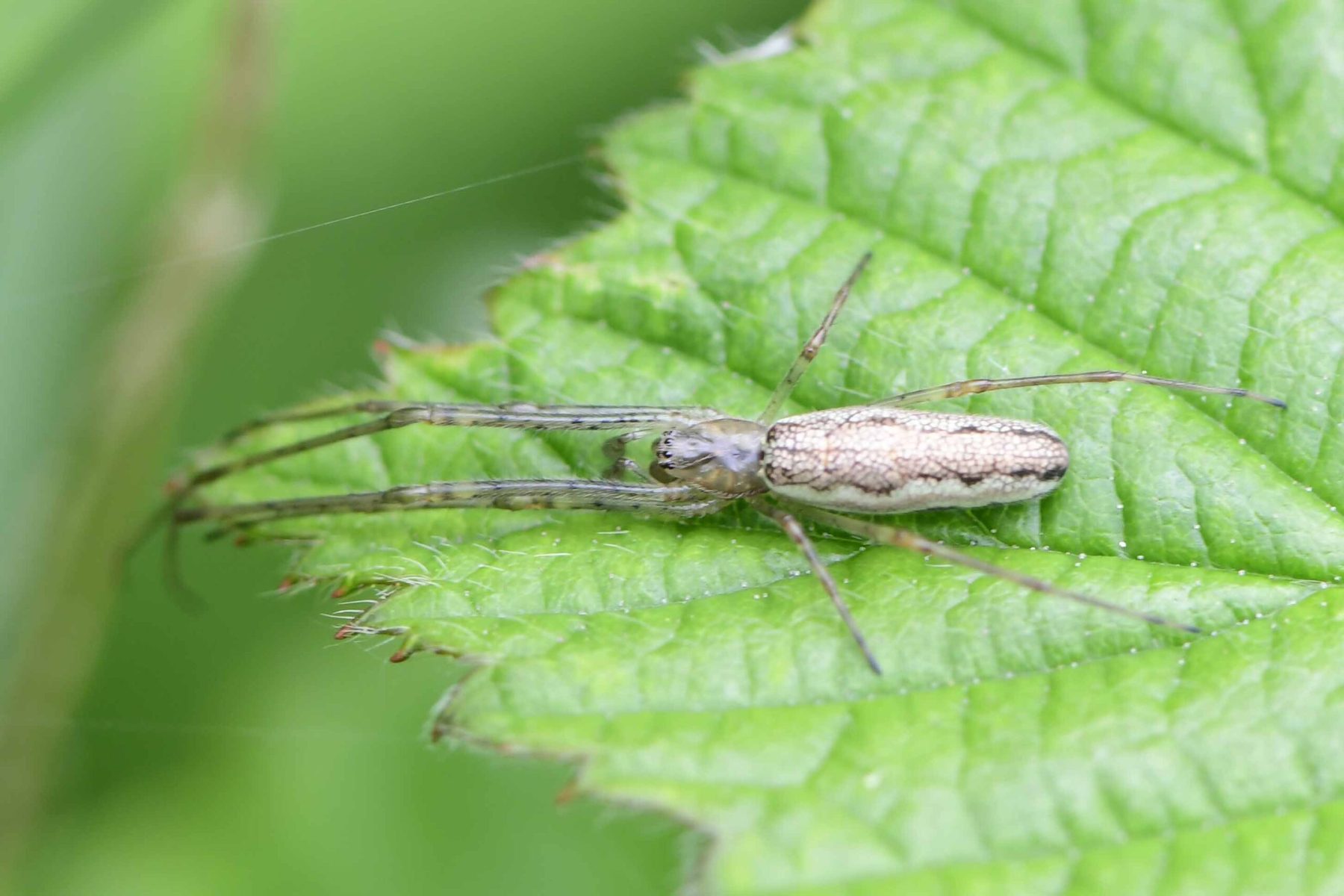
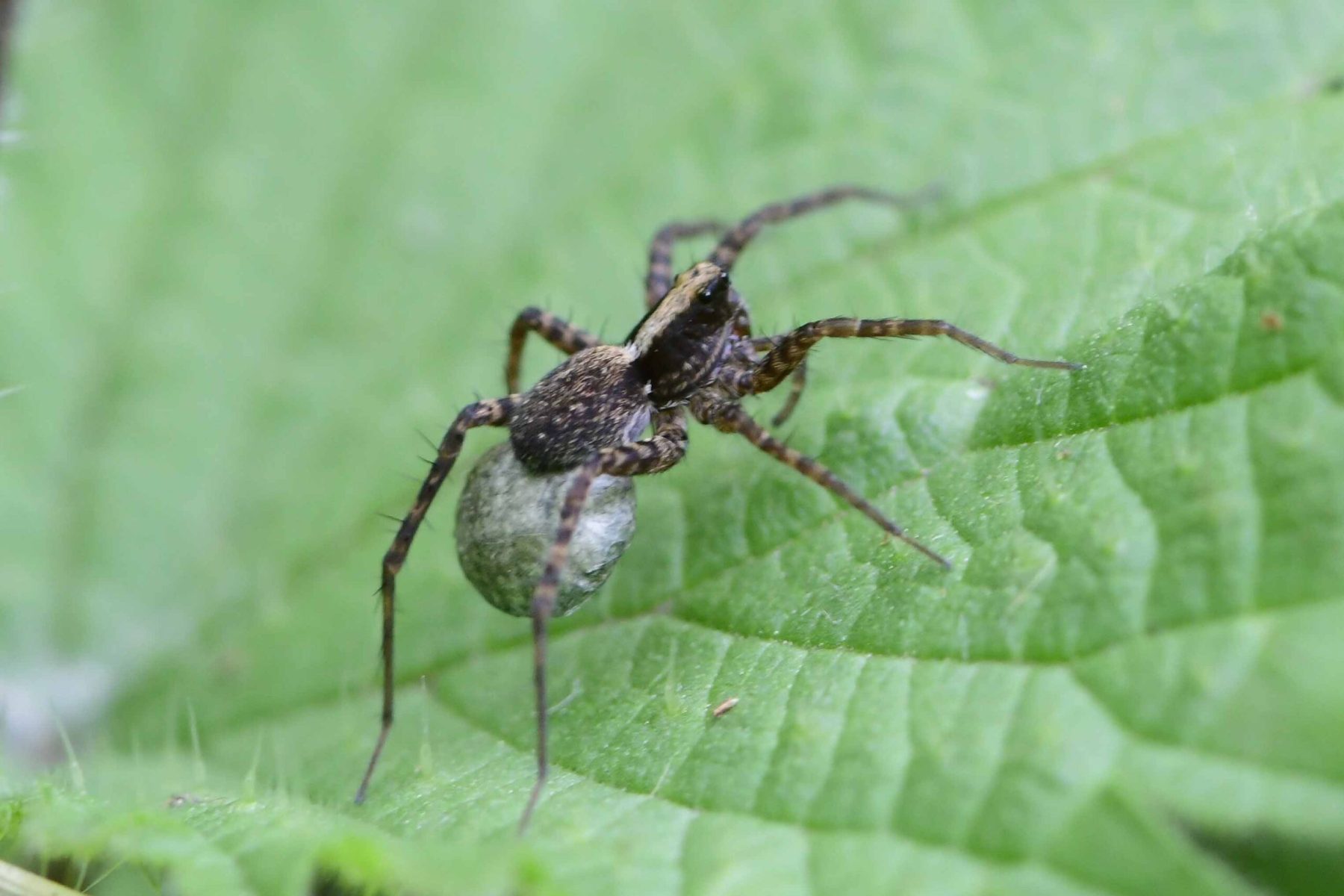

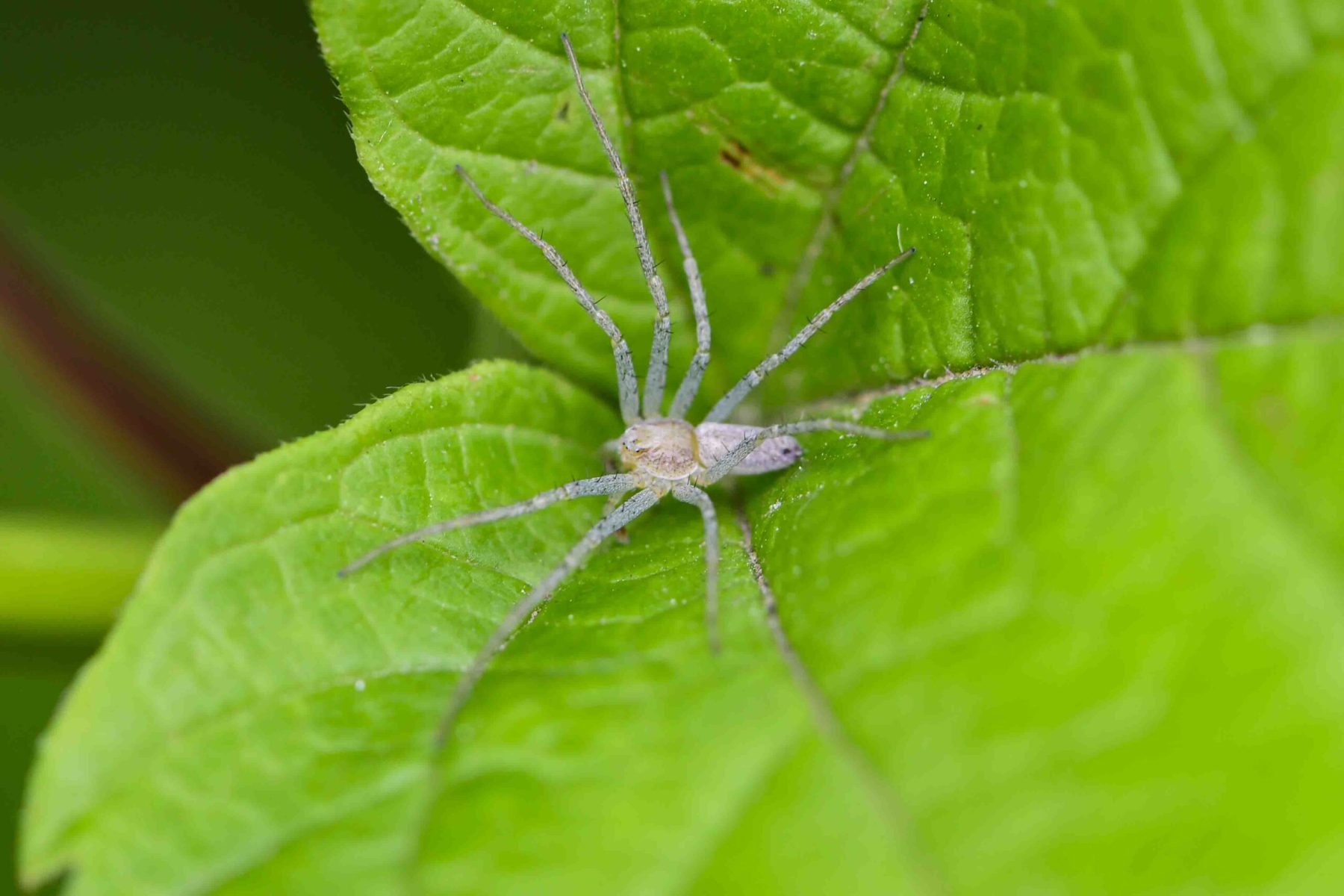
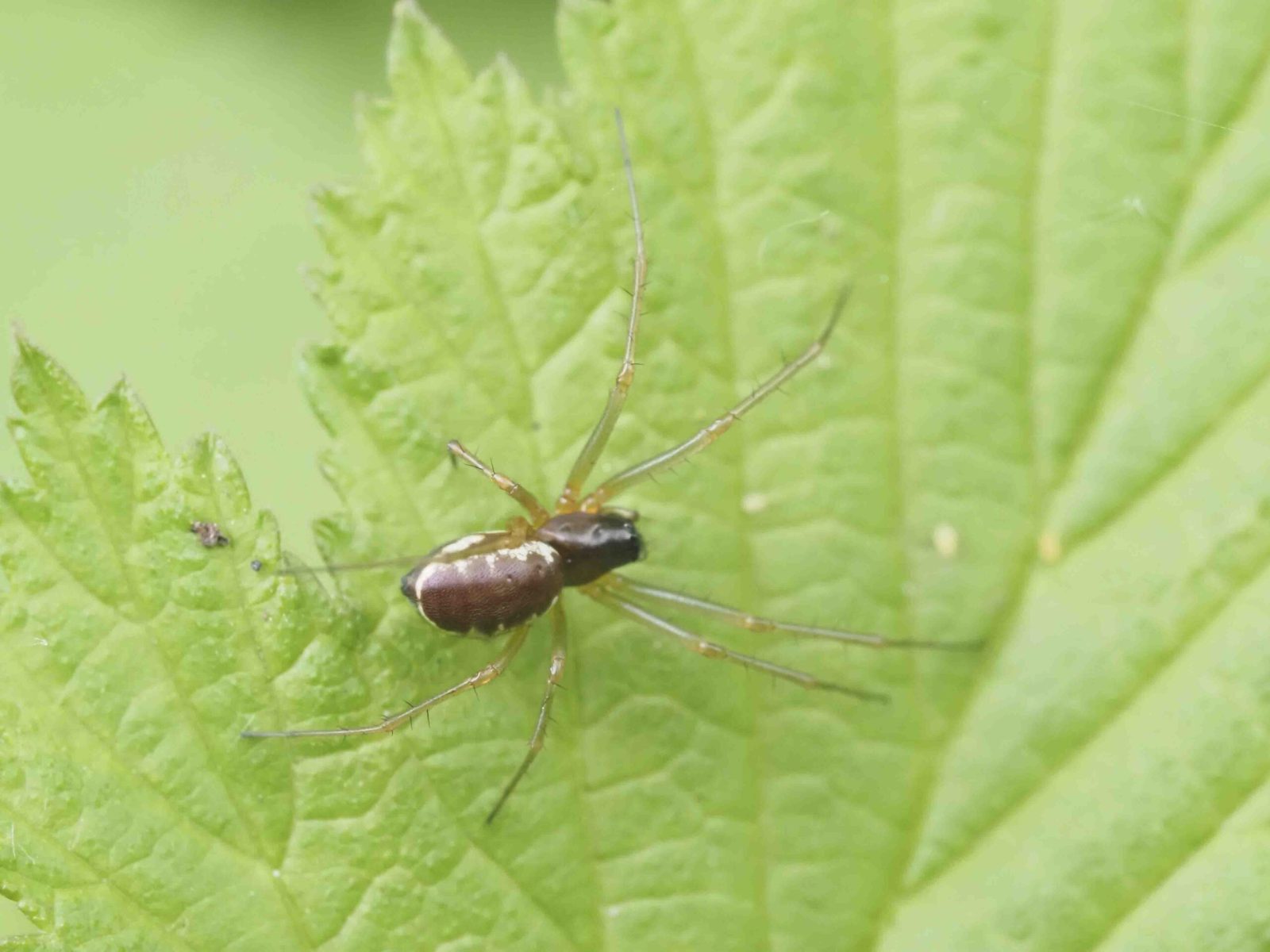

Richard Wilson reports that the unnamed spider is a mature male Philodromus species.
Coenagrionidae – Damselflies

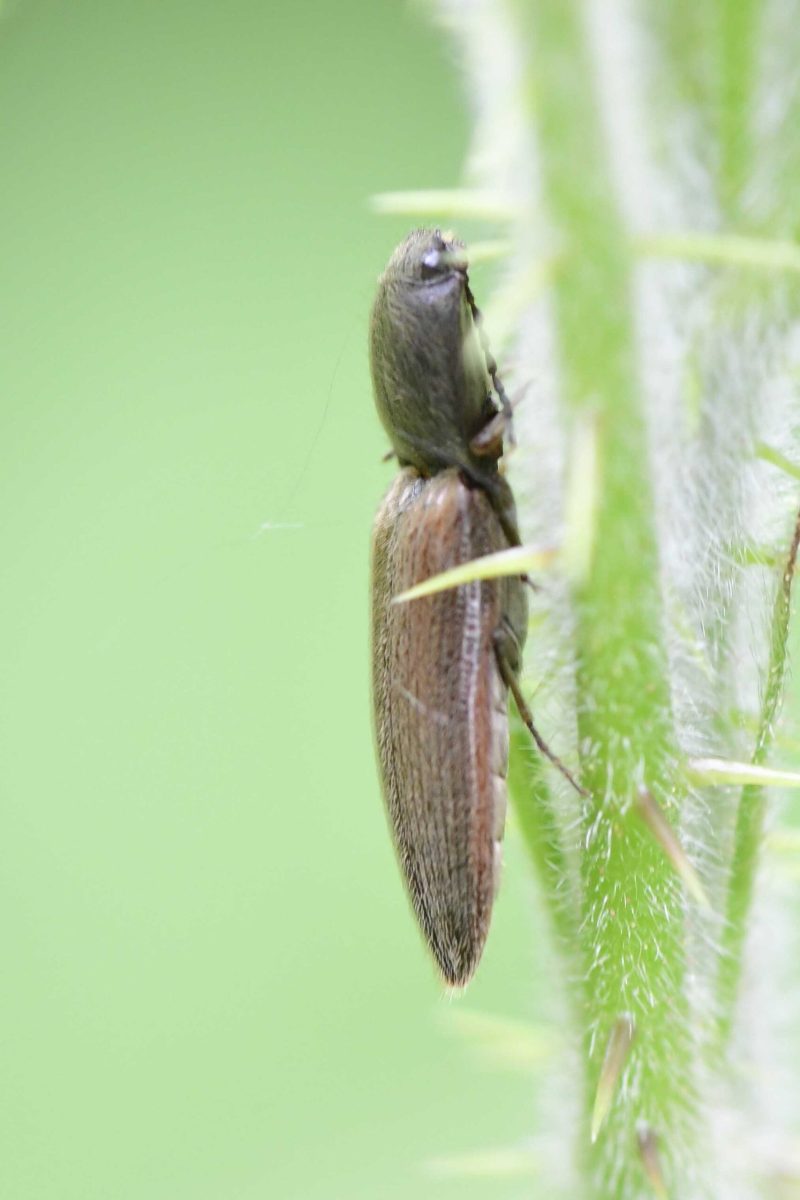
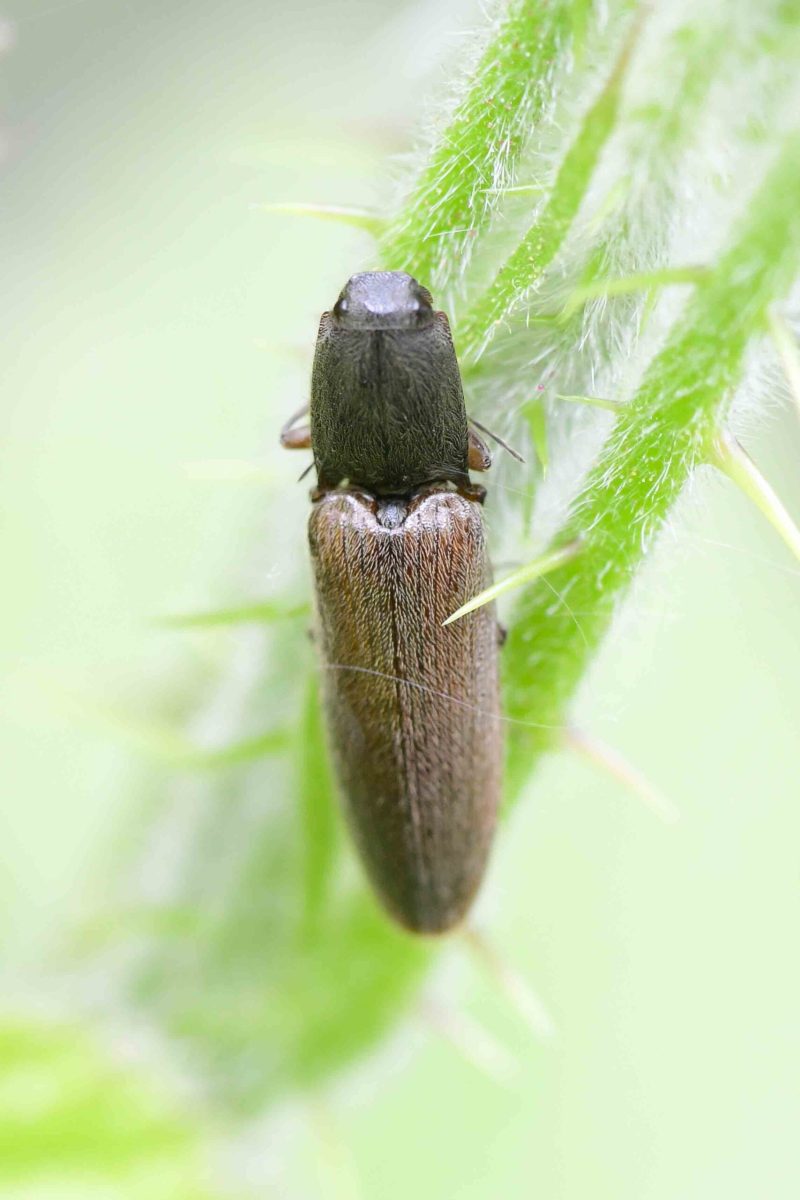
Coleoptera – Beetles

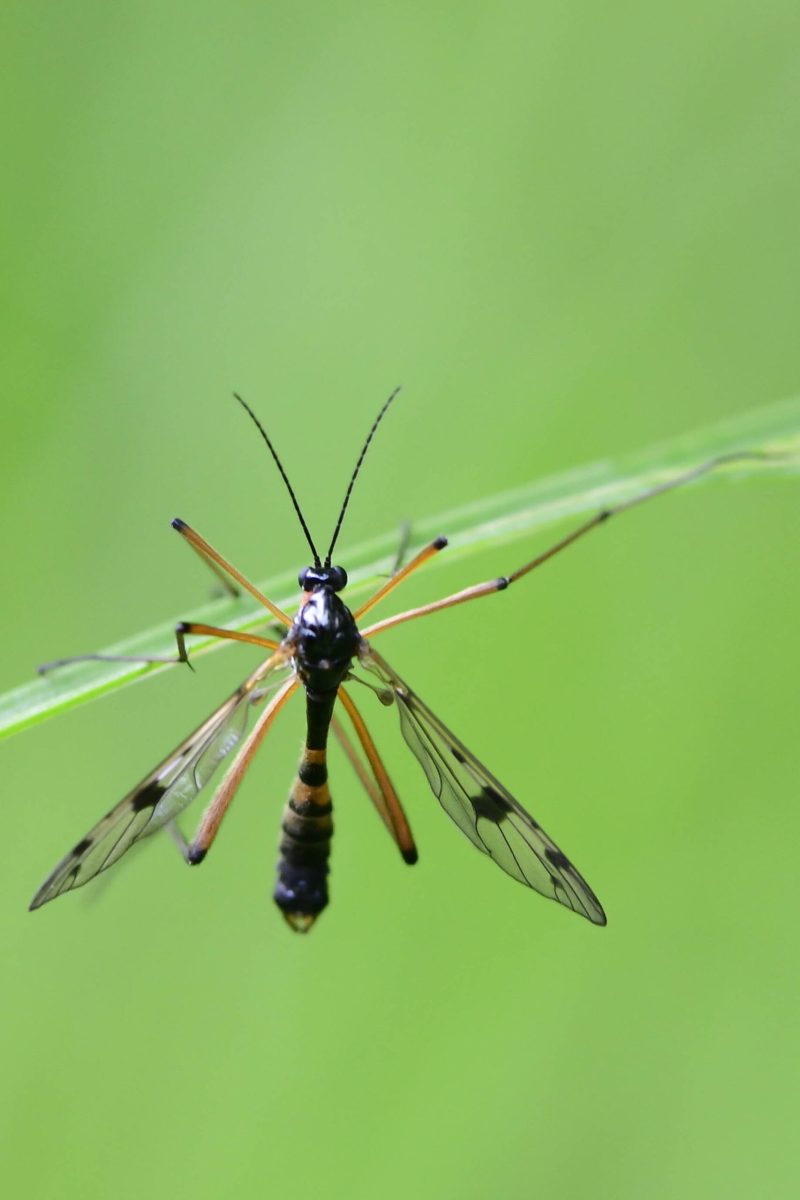
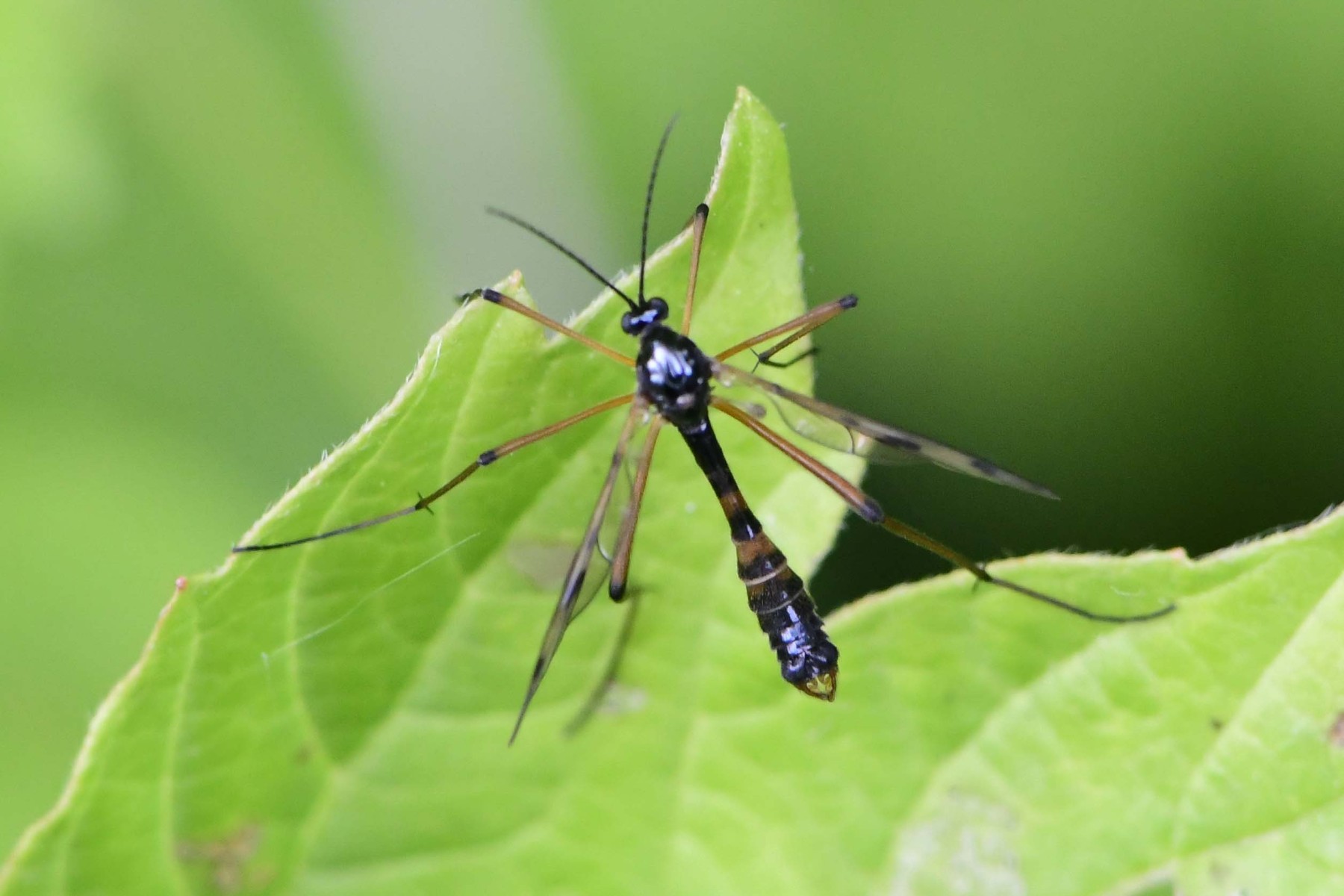
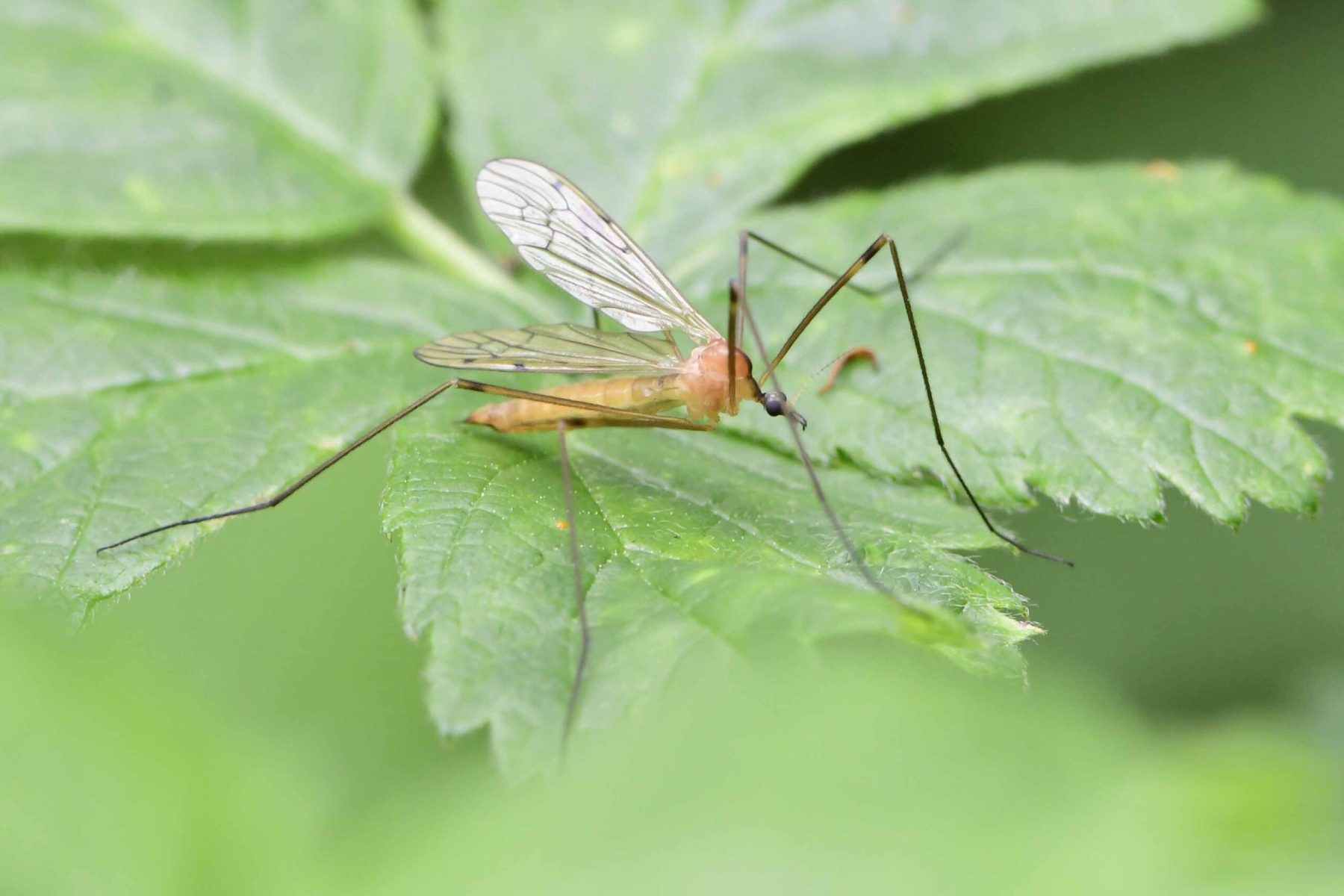
Diptera – Flies

Fungi – Fungus
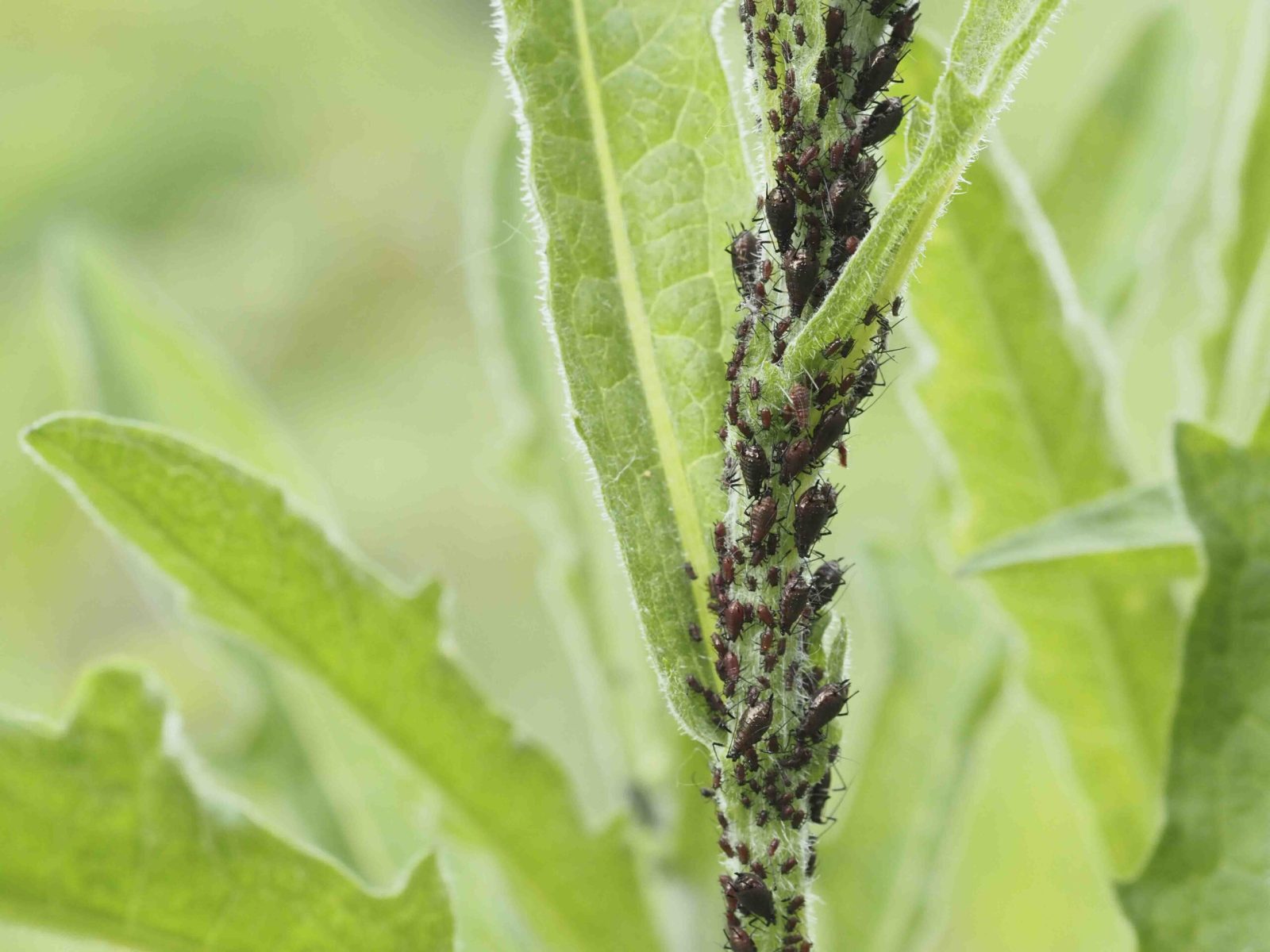
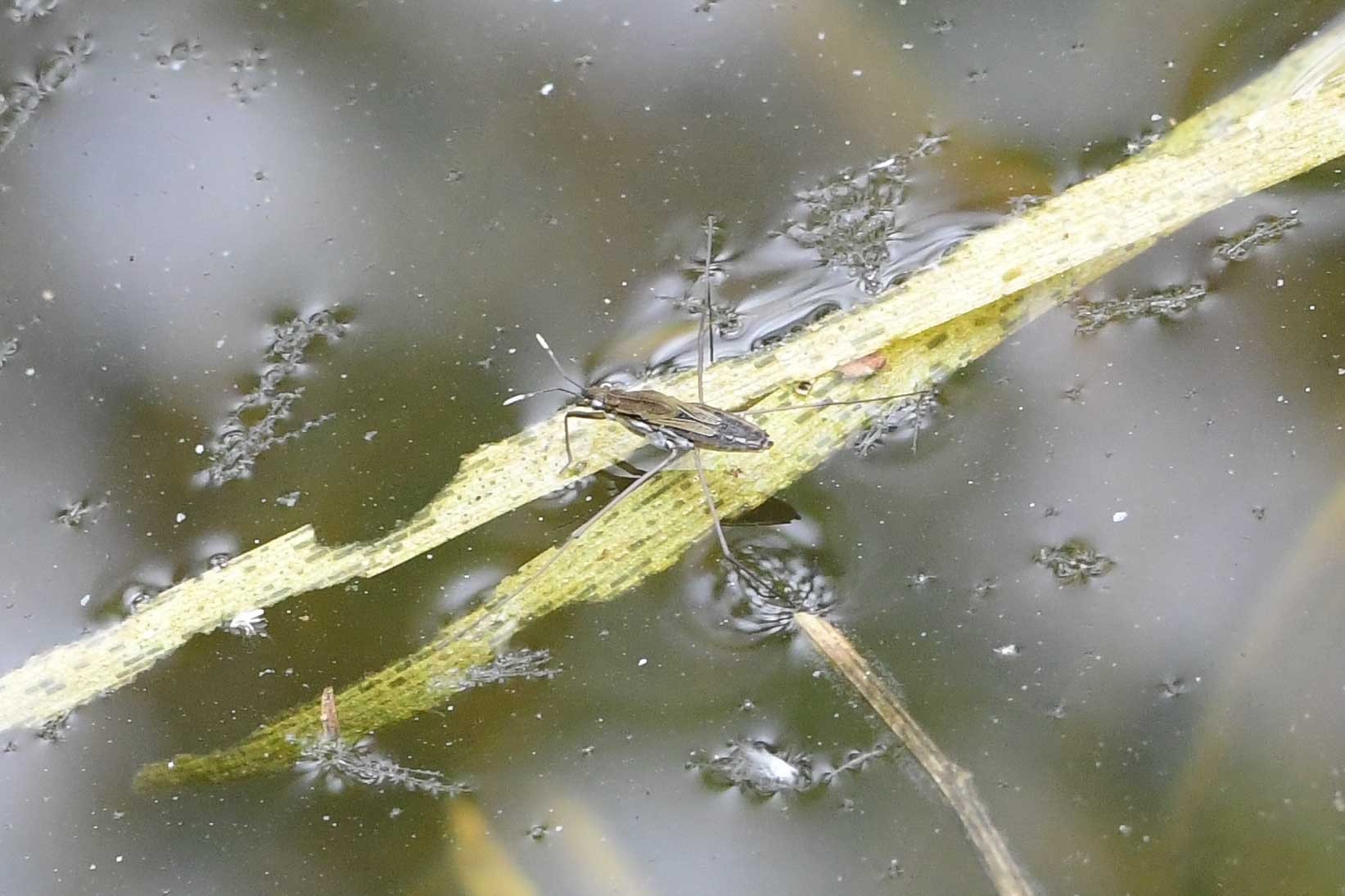
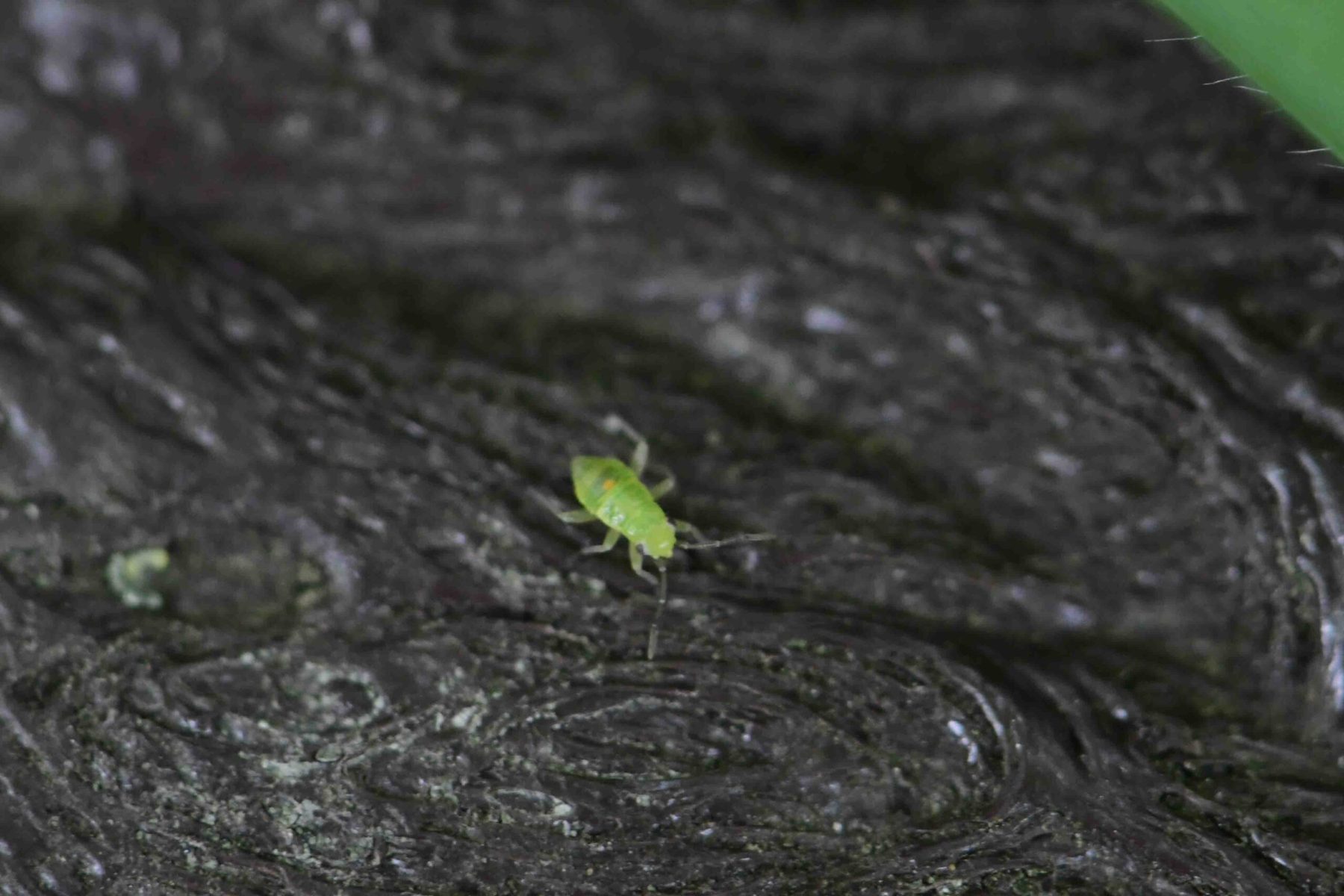
Hemiptera – Bugs

Lepidoptera – Butterflies & Moths

Sandall Beat Dawn Chorus meeting between 4.30 to 7.00 am.
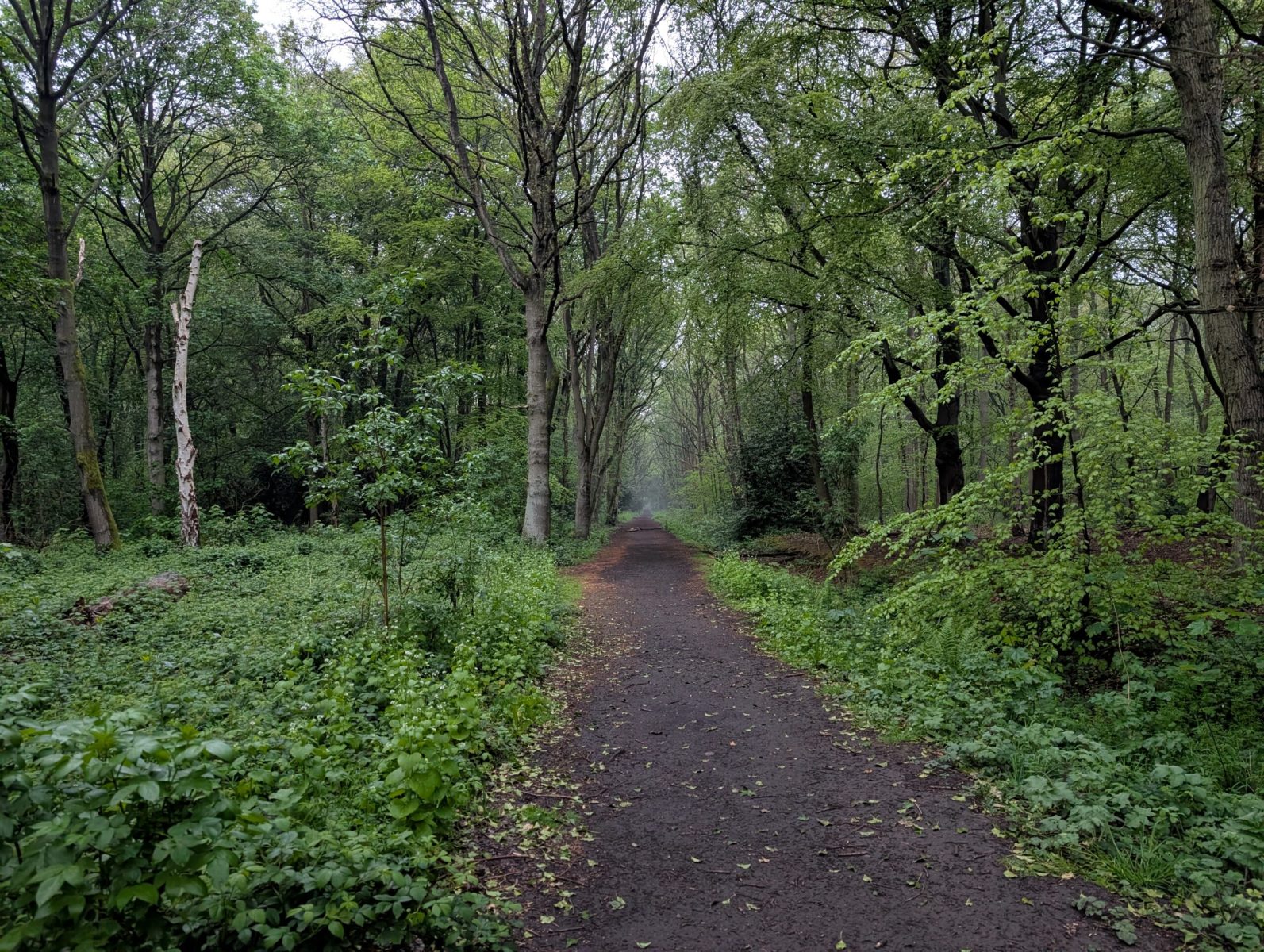


Attendees : LAH, TP, LB, & CAH
Weather Conditions: Overnight heavy rain had just cleared. Trees dripping. Overcast and misty. Dark at start – only able to read by Recording Station 6 . Commenced 4.30am in silence. Finished 7am. Merlin App also in use.
See here for full 19 station report
Notes on recordings.
- Notable for the number of Song Thrush and Blackcap. Nuthatch more widespread than usual (including between station 9 and 10 near Pot Hill Fields) and tree creeper confirmed but suspected presence elsewhere.
- Great Spotted Woodpecker seen heard and also observed feeding with Nuthatch in the same tree.
- Adult Toad seen on ride north of car park – enjoying the recent rain.
- Drains dry
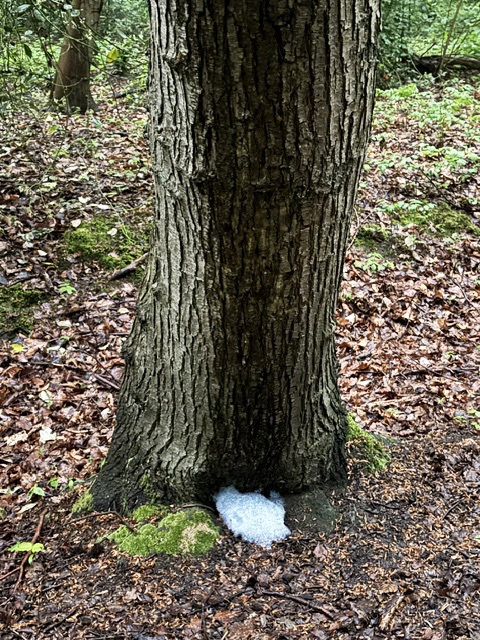
- Tree Foam seen at base of elm near recording station 17 (see photo)
- Family party of black squirrels seen on tree beside car park Station 1) on exit at 7am
- Chestnut brown specimen of brown lipped banded snail on ride between Stations 18 and 19 (see photo)
We have some interesting non-ornithological observations – including some foam at the base of a tree (see attached photos).
Apparently this is a natural phenomenon caused by dust, algae and plant exudates on the surface of bark being washed down and concentrated into runnels on the tree trunk. It is a natural ‘soap’ that occurs with heavy rain after a period of dry weather and seems to be more prevalent on trees with a rough bark. I have never seen it before!
Colin also suspects he heard the staccato ‘chack-chack’ sound of a Muntjac bark, coming from the woodland to the rear of the children’s play area.
Louise
Lesley found this link https://www.pei-untamed.com/post/tree-foam
The following contribution is from Colin:
Black Grey Squirrels
On returning to the Car Park, Tim and Louise noticed a movement high up on a cluster of tall Sycamores. This turned out to be a group (?
family) of an adult and two young Grey Squirrels Sciurus carolinensis exhibiting very dark pelage. Although the two smaller animals moved off into an adjacent tree canopy, the adult remained in an exposed position on the dead and leafless Sycamore, where it clearly showed as an example of a BLACK Grey Squirrel.
None of us had ever seen black squirrels before and though the colour form was known to be spreading from its first recorded site (1912 in Woburn, Bedfordshire) at an estimated rate of ½ a mile per year, none were yet known in Yorkshire or due to arrive here for some years.
Black squirrels in the UK are primarily found in Bedfordshire, Hertfordshire, and Cambridgeshire, with occasional sightings in Shropshire, Kent, London, Exeter, and Cornwall.
CAH
Les Coe
Over the past week (1 May – 7 May), this post has been viewed 30 times by 15 visitors.
In total, this post has been viewed 37 times by 20 visitors.
Over the past week (12 May – 18 May), this post has been viewed 44 times by 27 visitors.
In total, this post has been viewed 97 times by 57 visitors.