The transcription of the Minute Books from the Archive cupboard in the Museum that appear in the archive.
Minute Book One (1880-1886) – Commenced 9 March 2025 completed 12 May 2025 (word count 22,013)
Minute Book Two (1886-1894) – Commenced 22 May 2025, competed 9 June 2025 (word count 32,519)
Minute Book Three (1894-1901) – Commenced 17 July 2025, completed 31 July 2025 (word count 45,619)
Minute Book Four (1901-1906) – Commenced 5 August 2025, completed 11 Sept 2025 (word count 36,990)
Minute Book Five (1906-1913) – Commenced 19 September 2025, Completed 15 December 2025 (word count 67,739)
Minute Book Six – (1913-1922) Commenced 29 January 2026, to be continued by others
August 15
The website provides a ready means of keeping the membership informed of the activities of the society, a means of displaying archival material, of displaying past issues of the society’s publications, and of recording society’s meetings, etc.
I have tried to manage the website in the best interests of members, but have failed in areas I consider necessary, so it is time to step aside.
Potteric Carr, August 11
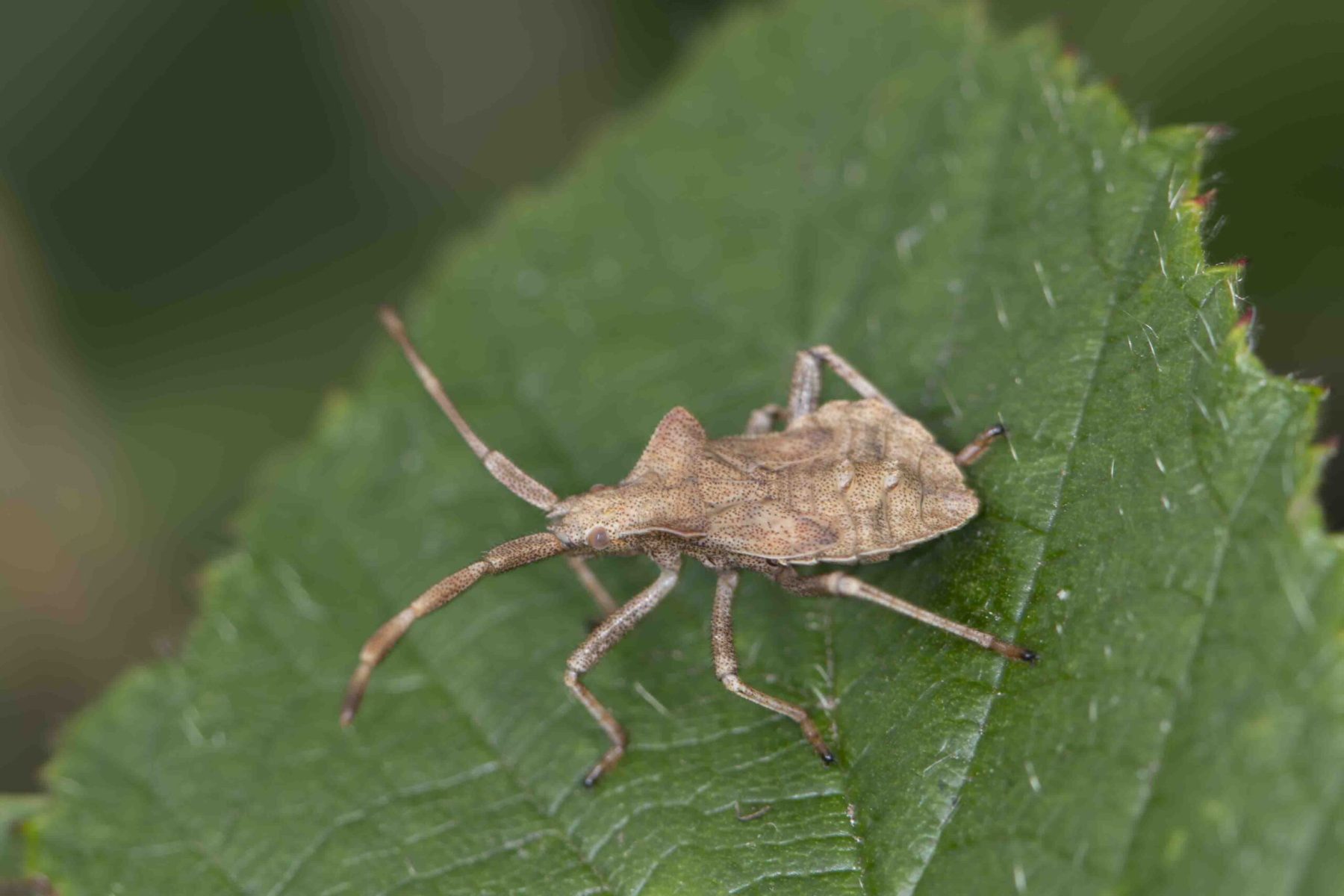
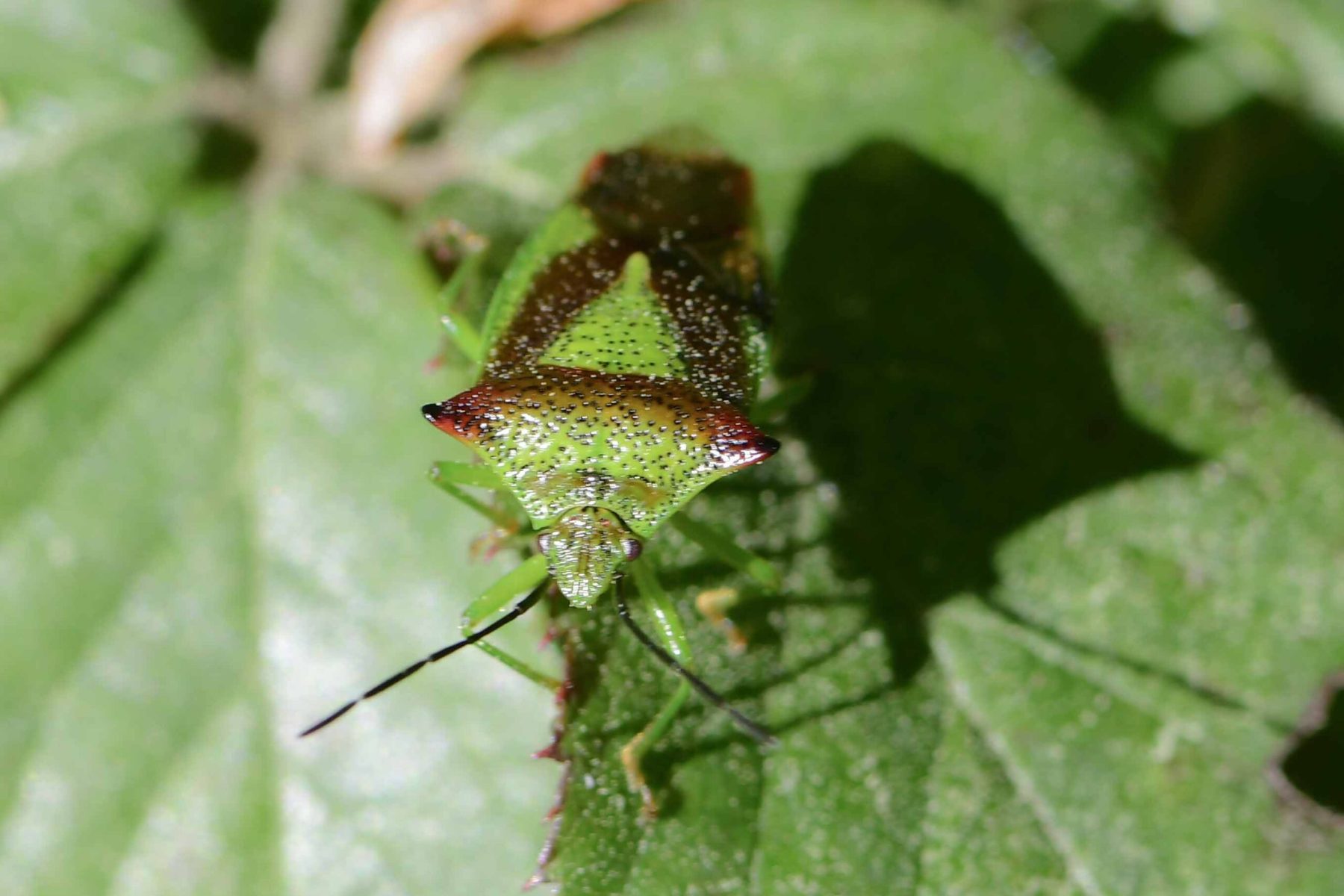
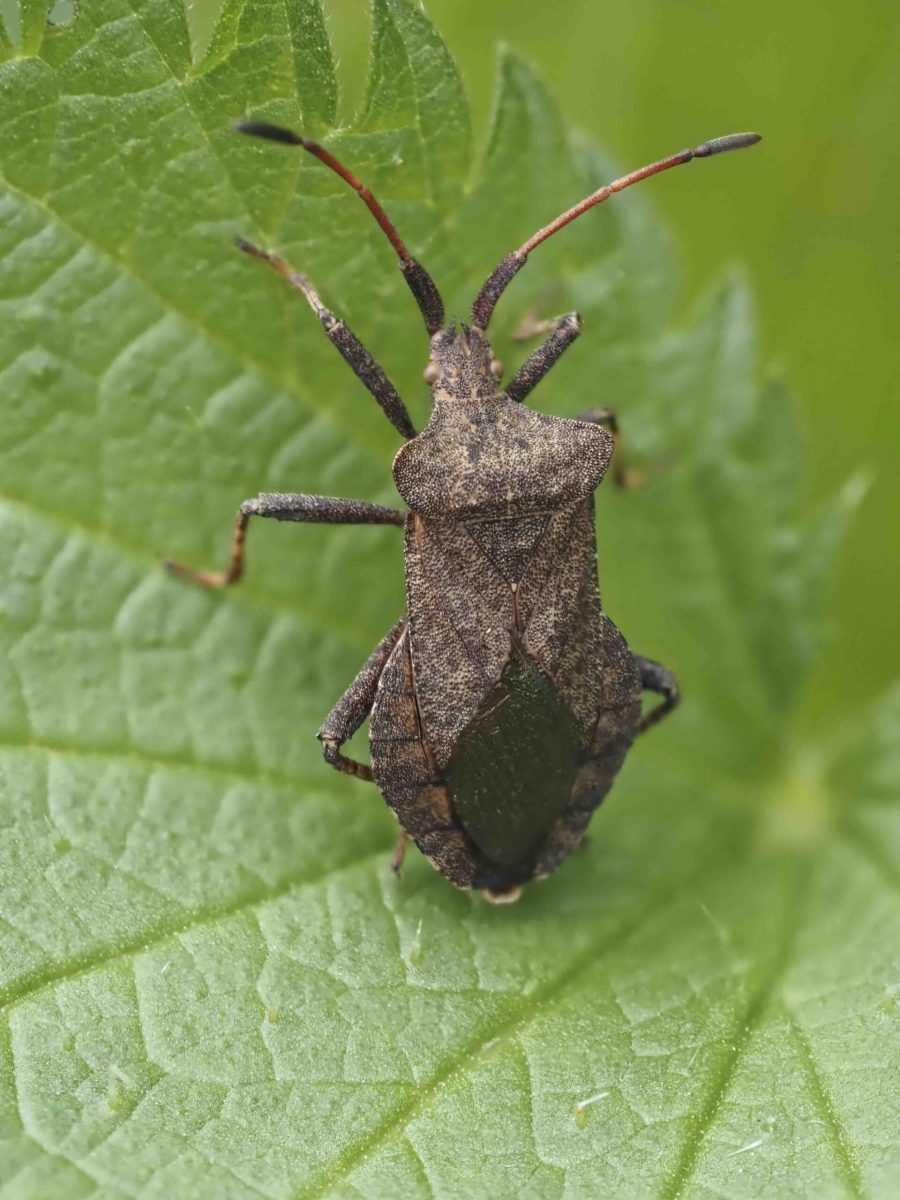
Dock Bug – Coreus marginatus (early instar)
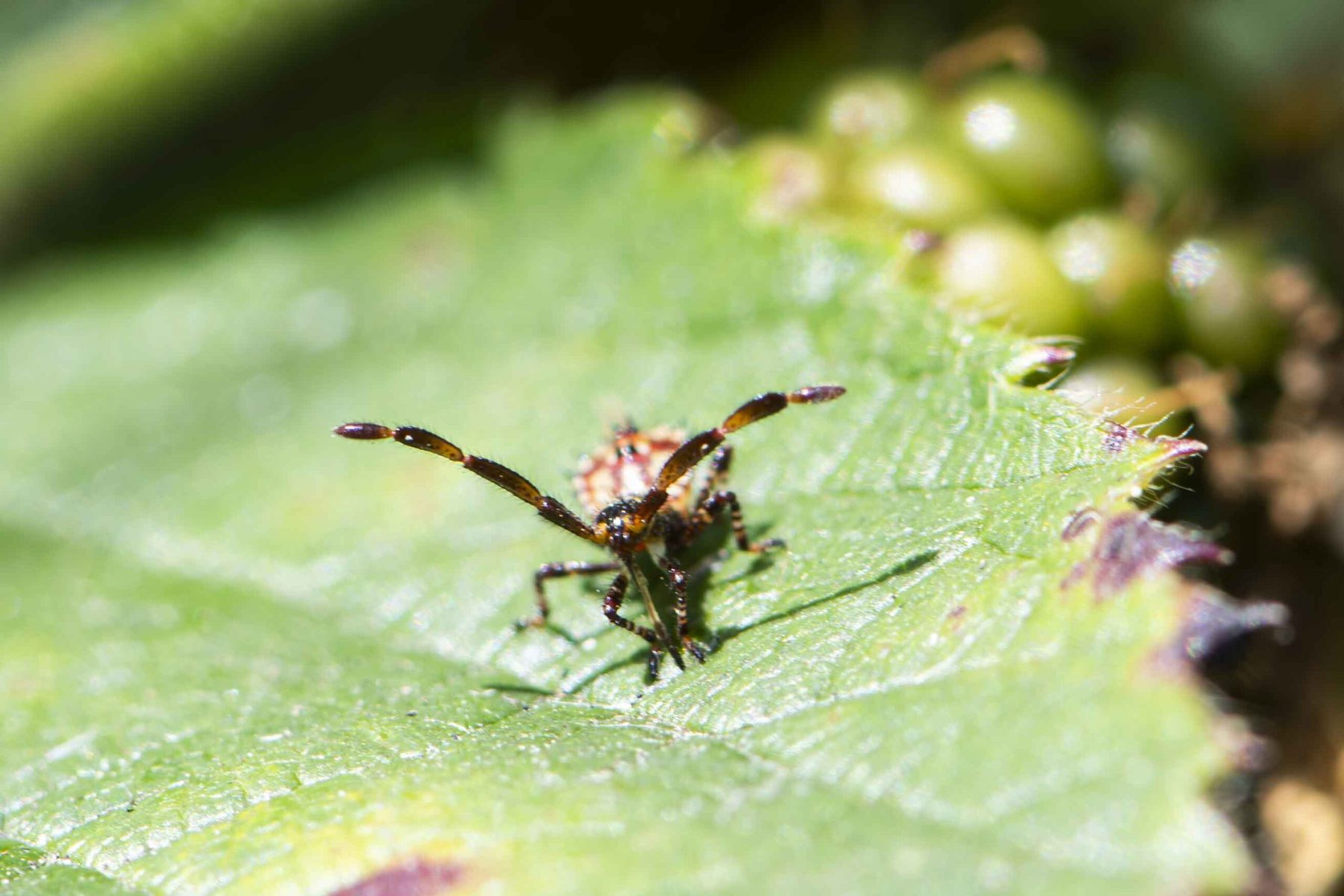
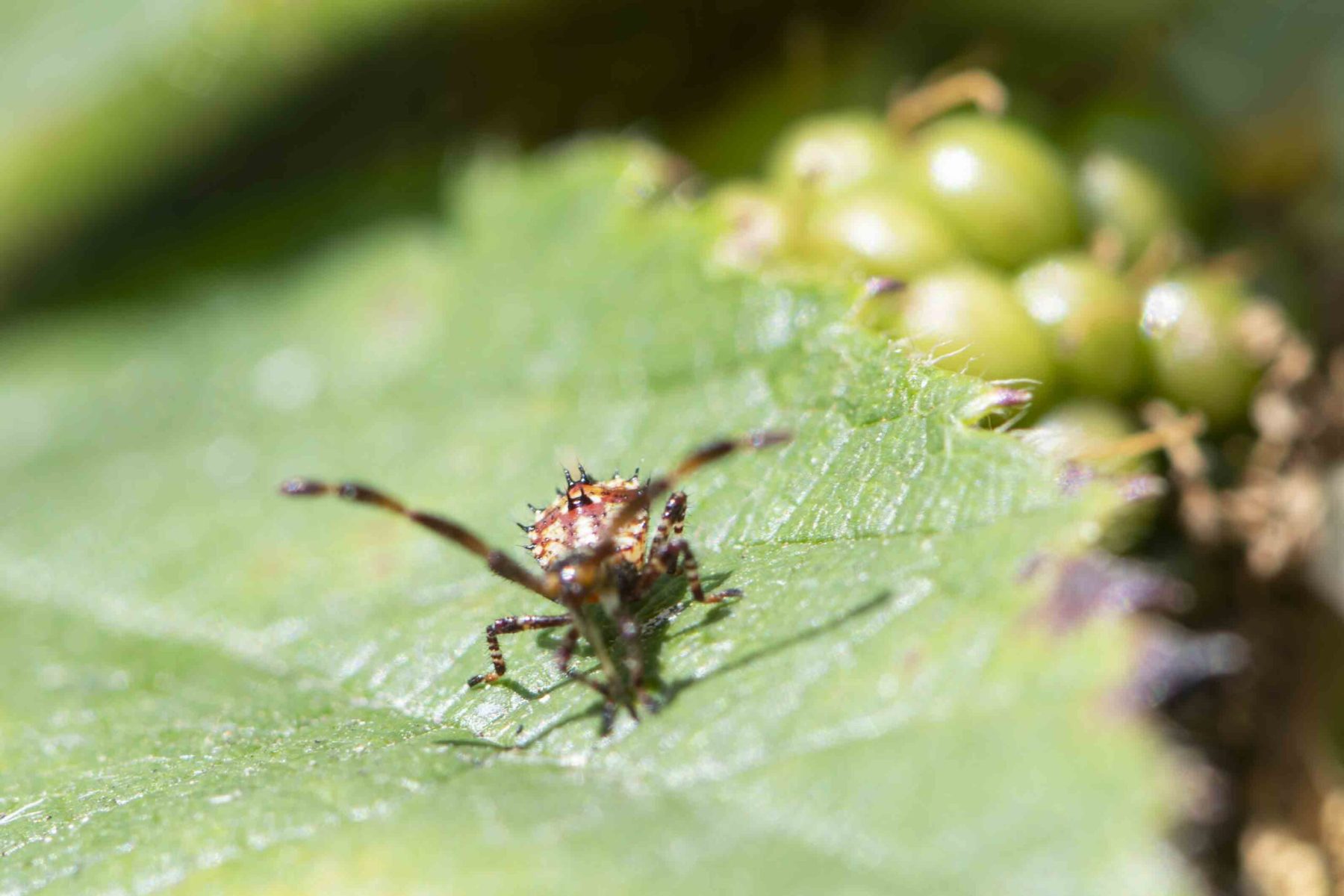
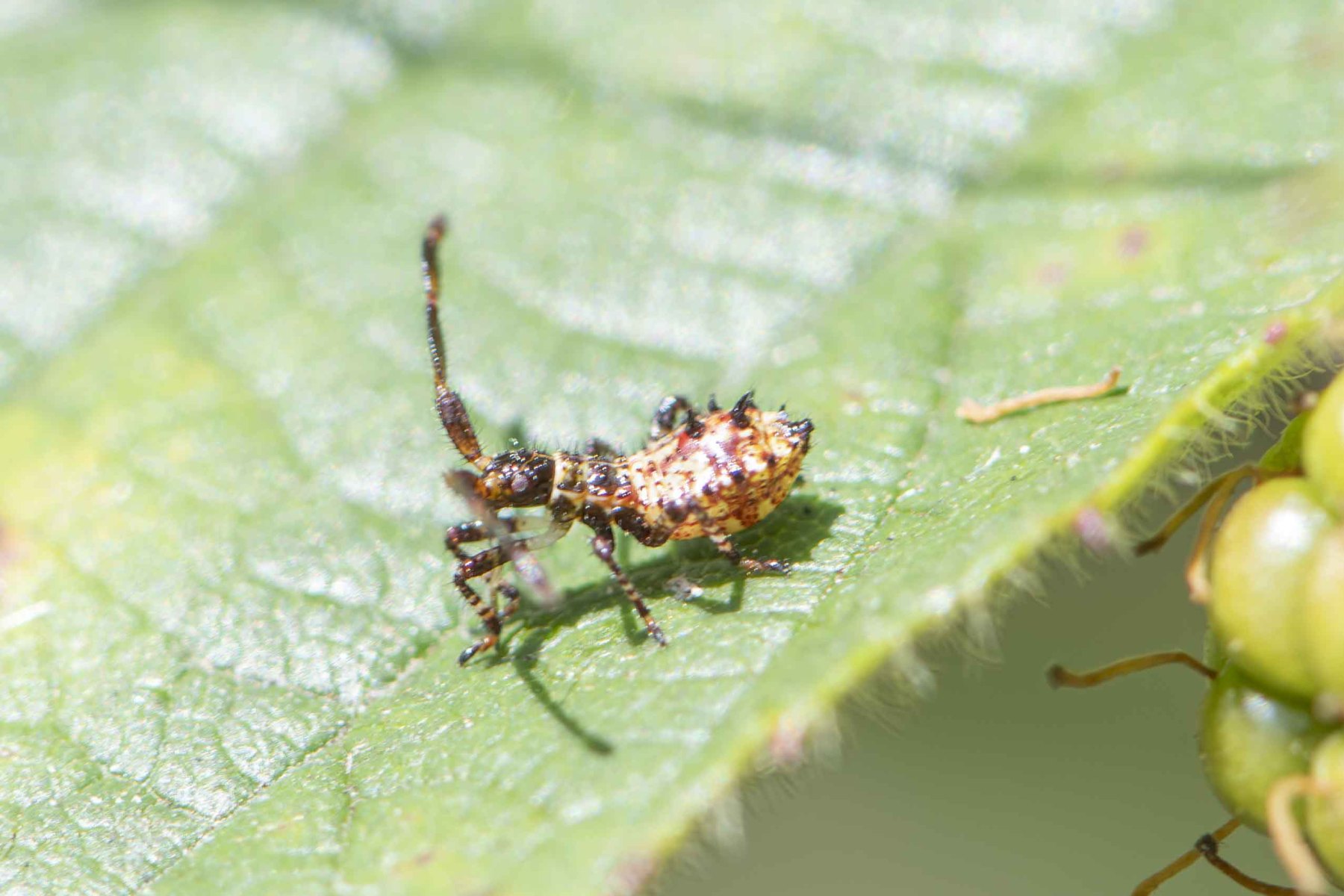
Potteric Carr, August 7
Colin & I met at Potteric to continue with the study of Angelena labyrinthica, its habitats etc.
We have determined a study area, being a few linked paths, whose spider habitats are mainly bramble or short grass.
Today, our objective is to try and determine if the male spider’s web retreat would be any different in length when compared with the female retreat. To do this we would need to find a web being occupied by a male spider.
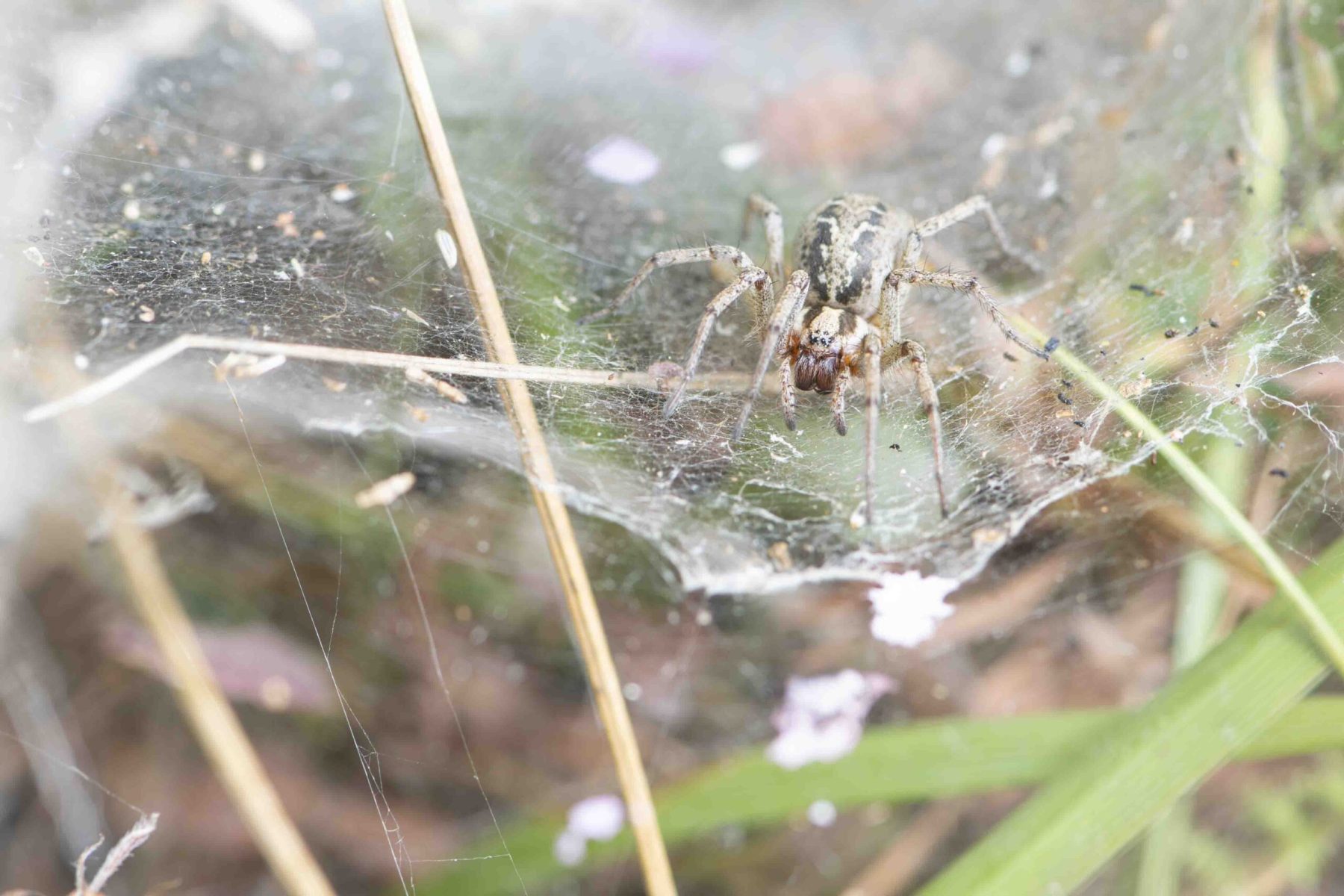
After visiting the first few webs to see if we could observe the spider in its retreat, another question began to be formed. We had noticed that a retreat in one of the webs appeared to be sealed. Was this a typical behaviour of the female, after the creation of the cocoon, to seal herself into the retreat to protect her eggs from predation?
Whilst working our way along the grassy habitat along a raised bank where the webs were raised just enough above ground level to allow a retreat to be constructed below the sheet web. Most of the sheet webs, which were often not anywhere as extensive as those found on bramble, had suffered the ravages of time and the weather, being almost non existent in some cases, leaving only the retreat still attached to the grass stems.
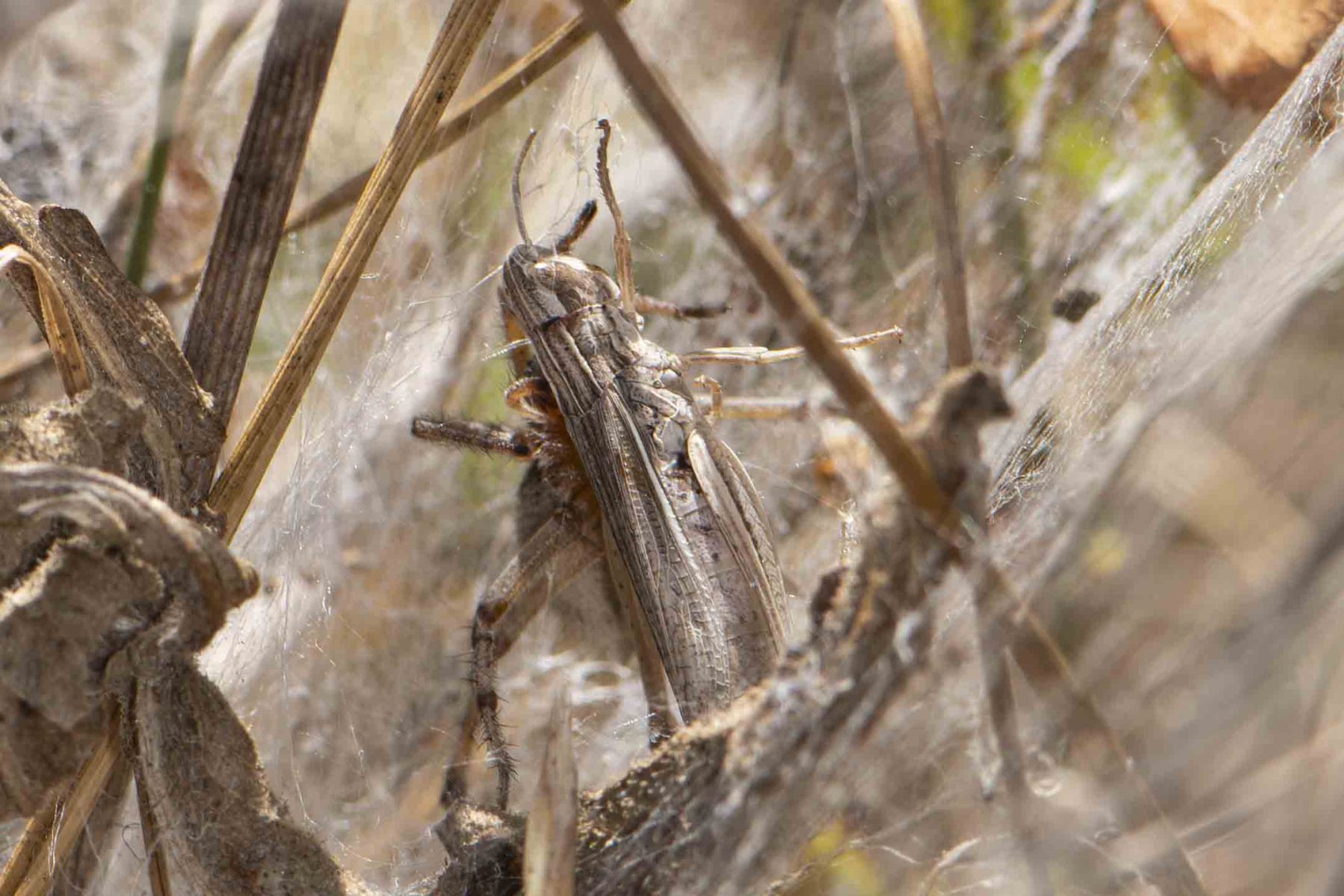
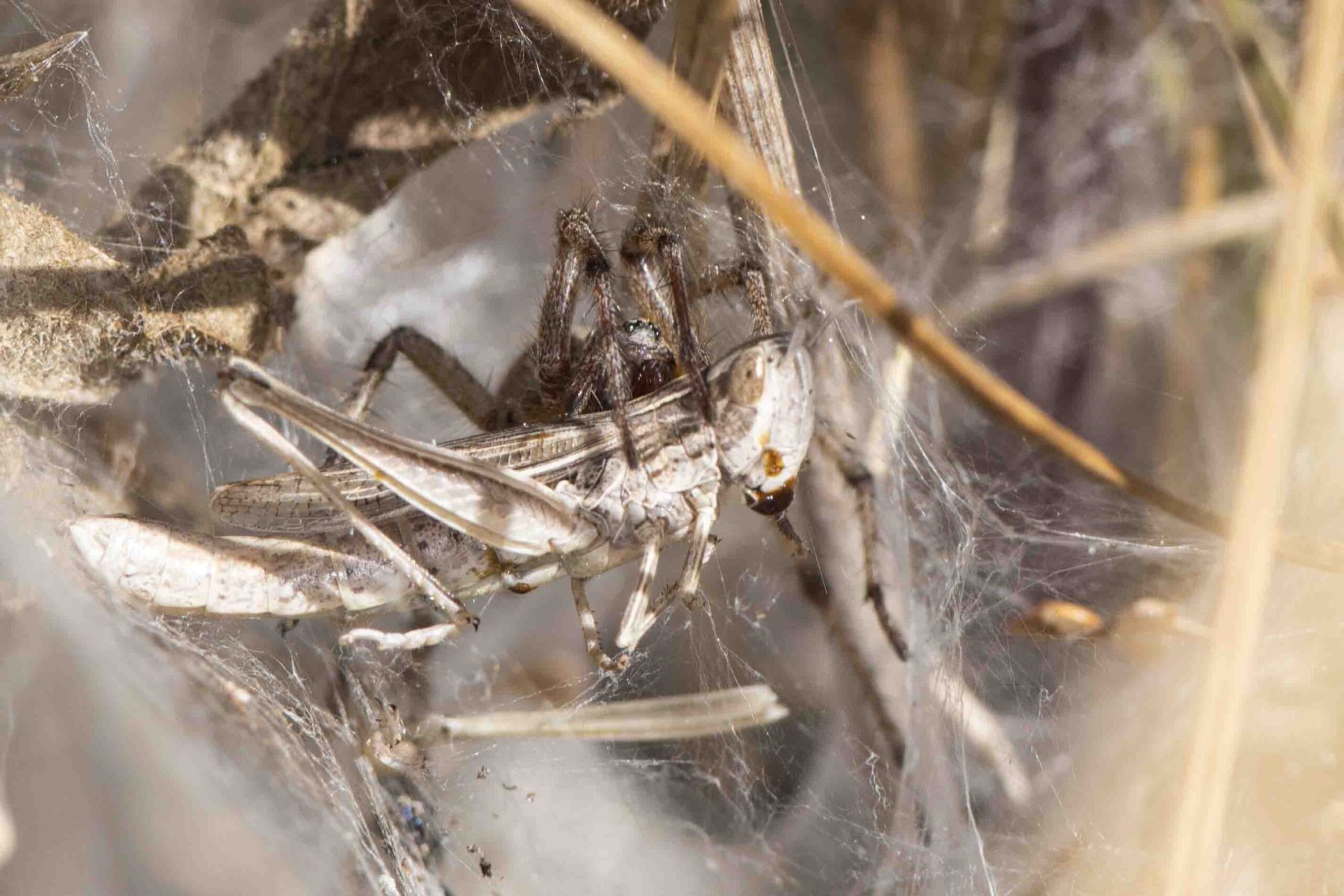
Ahead, we noted a more substantial sheet web on the banked side of the path. As he approached, a grasshopper leapt away from our feet straight into the web. It was immediately pounced upon be Angelena, who, almost as quickly then retreated into her labyrinth.
This allowed me time to get in position to photograph the ensuing activities.
Unlike many spiders, Angelena did not wrap her prey in silk. She appeared to firstly untangle the grasshopper from the restrictions of the web, turn over the body of the hopper before taking it into one of the labyrinths she had created in the web, which did not appear to be the main retreat where the cocoon would be formed later.
Once she and her prey had retreated from view we left her in peace to enjoy her capture. Would this be sufficient to see her through the next stage of her life, laying her eggs within a cocoon, guarding them into the winter months when the spiderlings would hatch out, still protected within the cocoon, and later devouring the parent who has by then died, before emerging in the spring.




Potteric Carr, August 4
Arachnida
Diptera

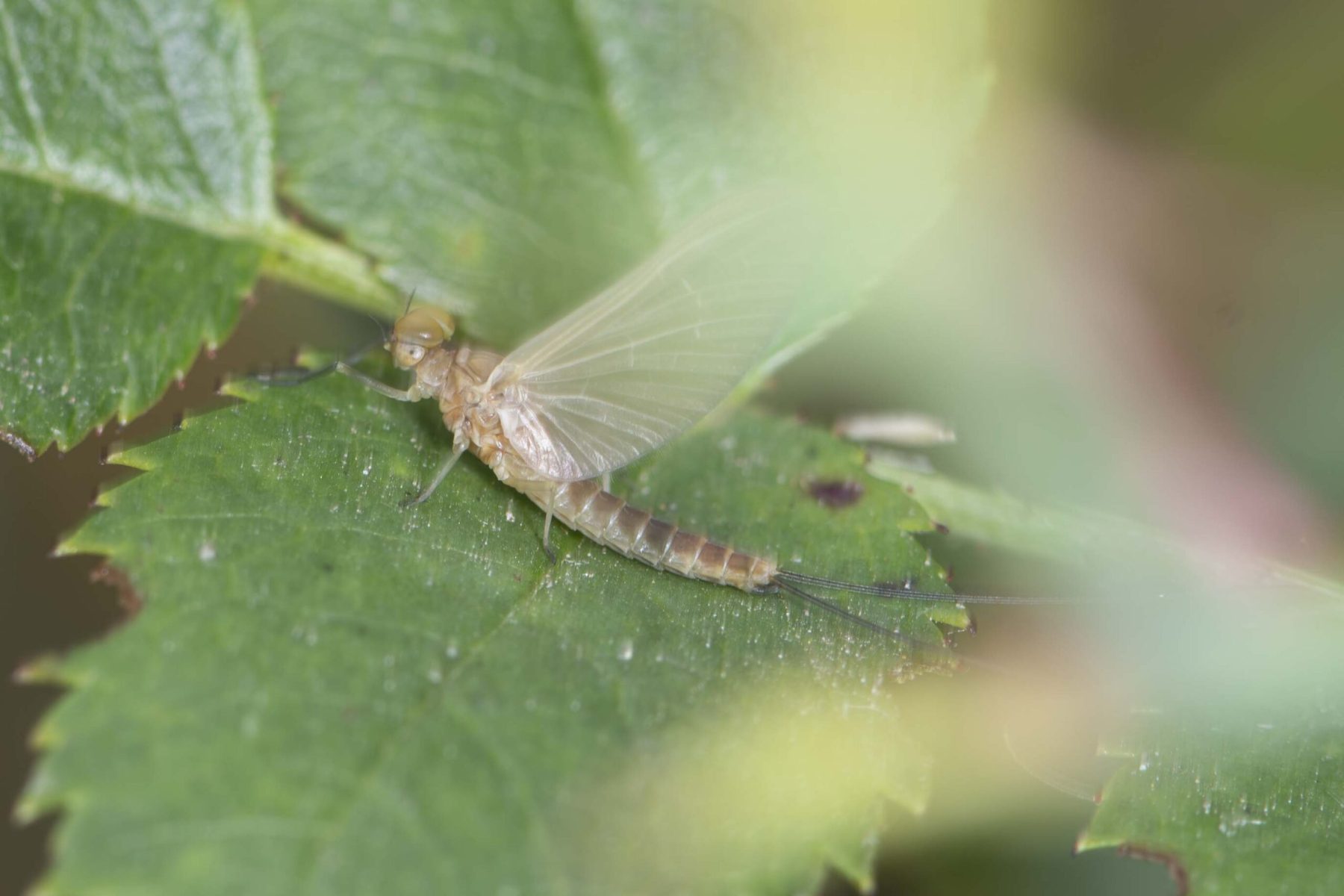
Ephemeroptera
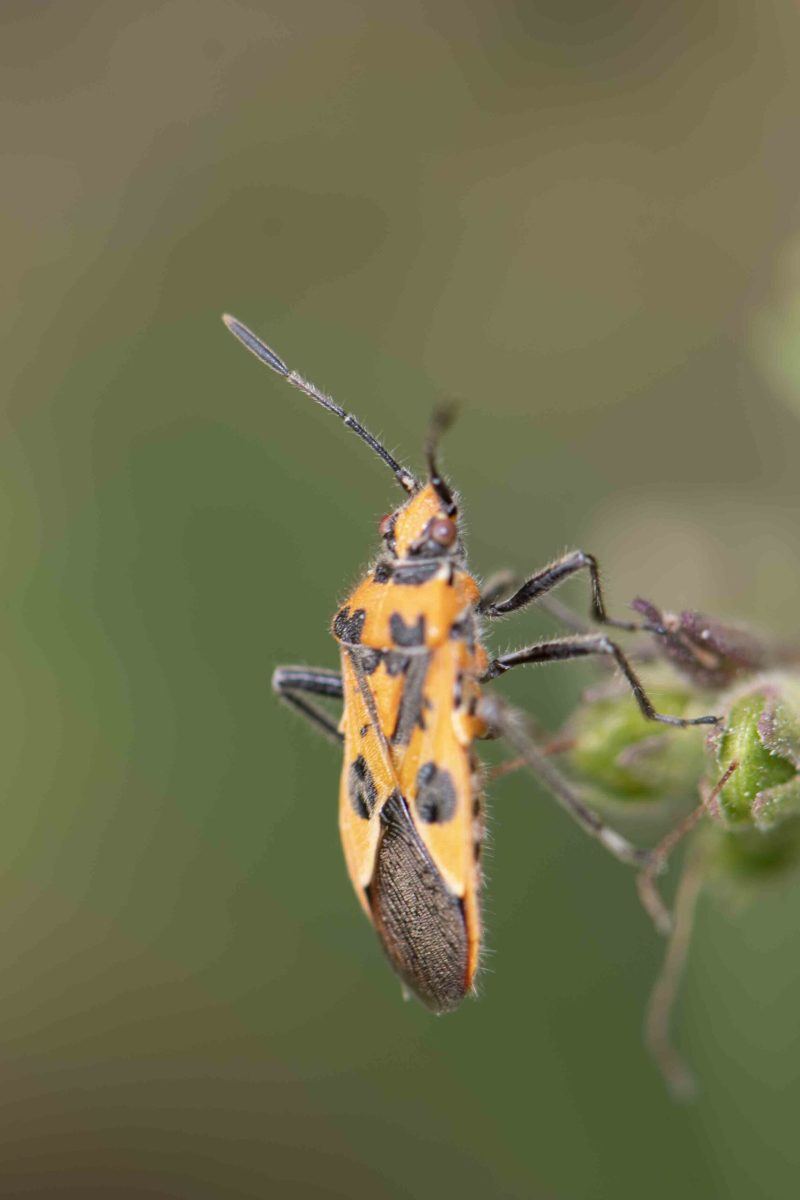
Hemiptera
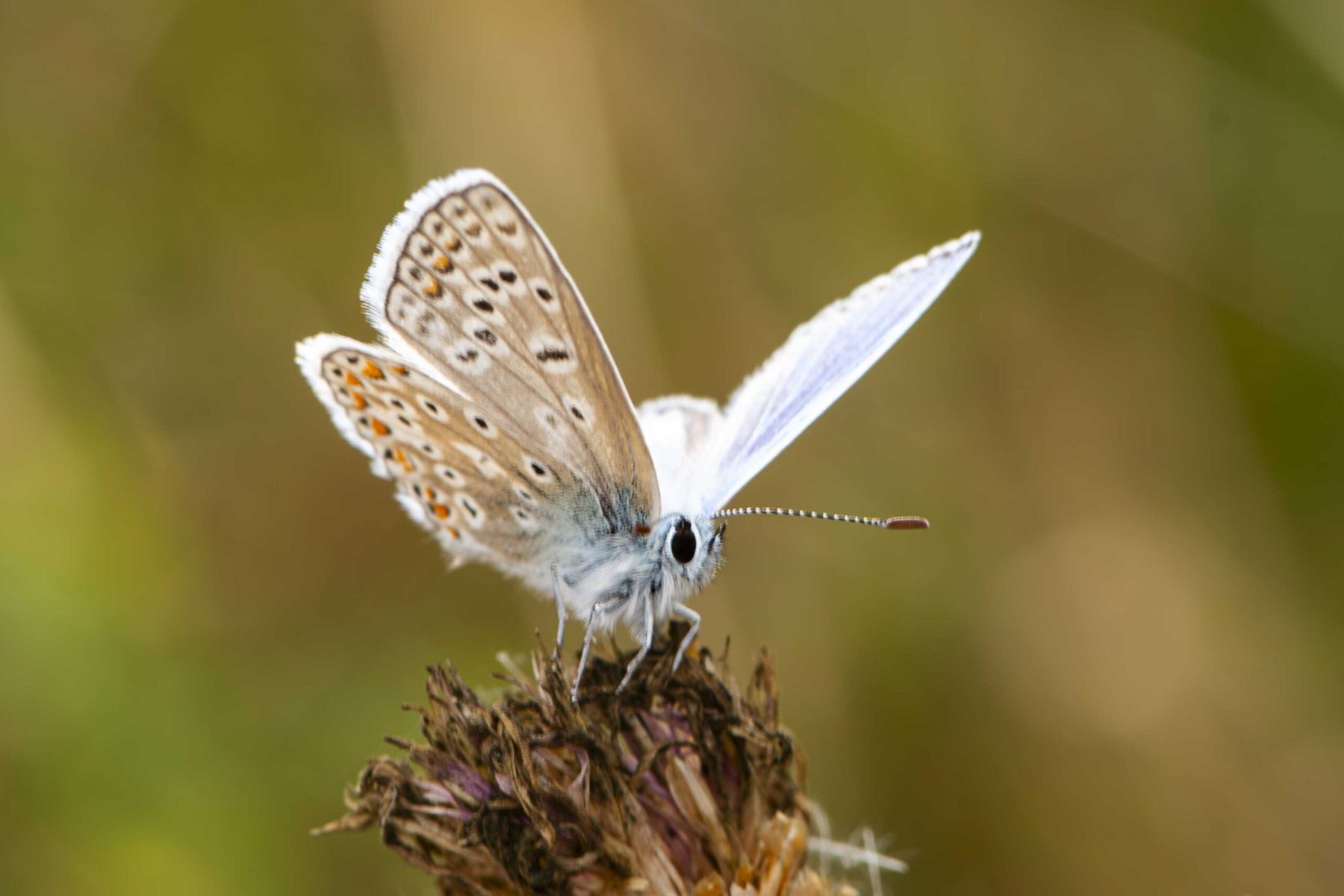
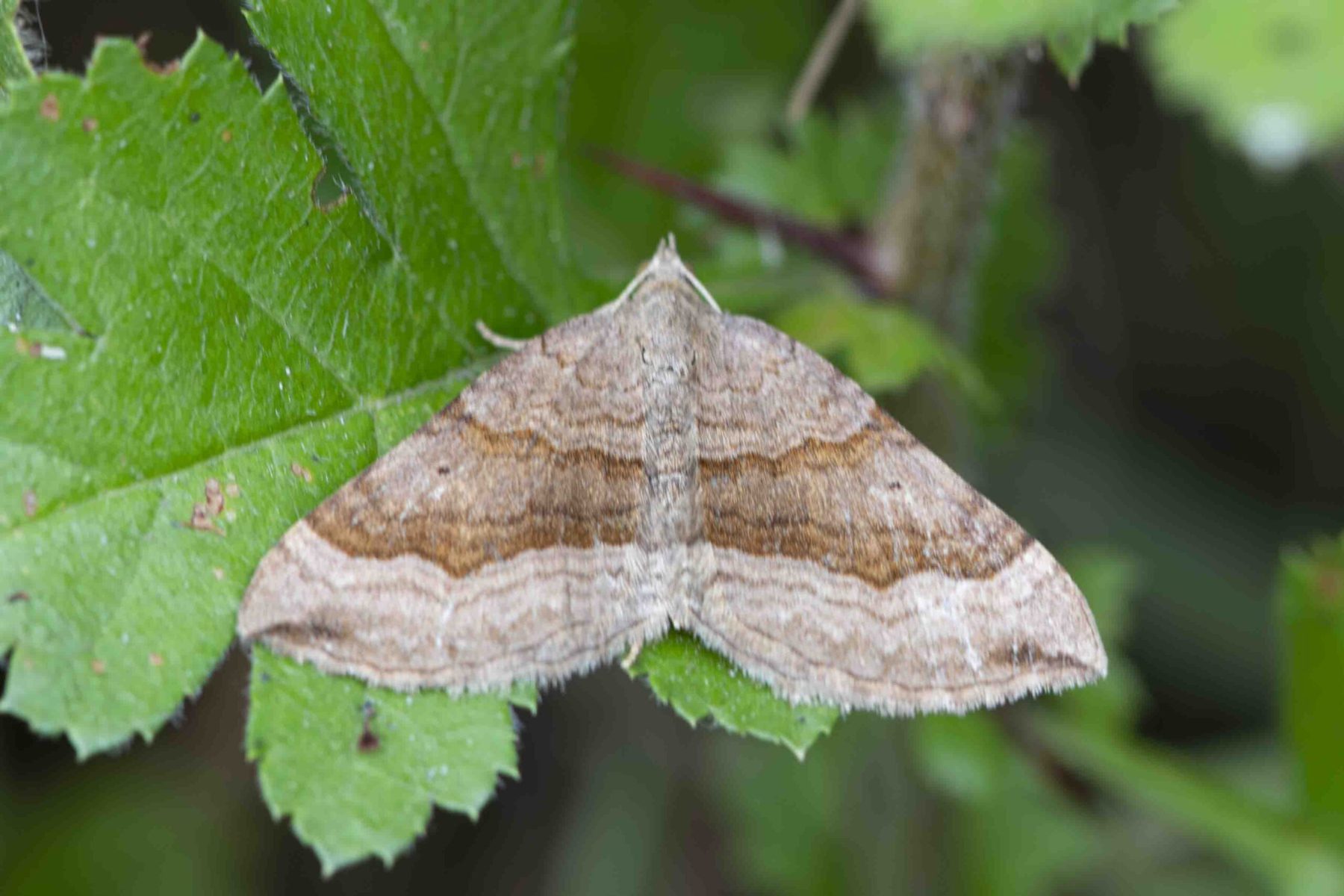
Lepidoptera
Odonata


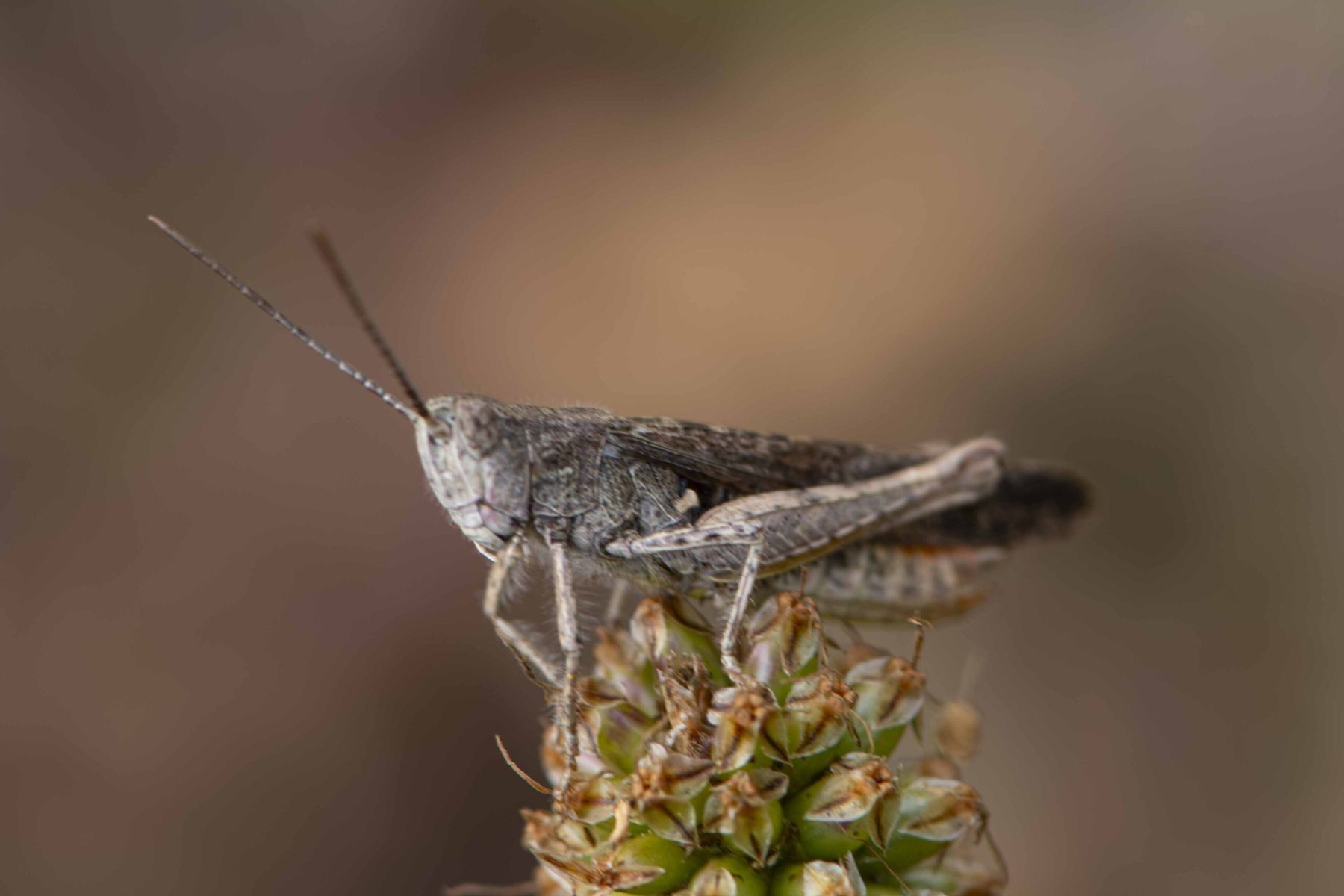
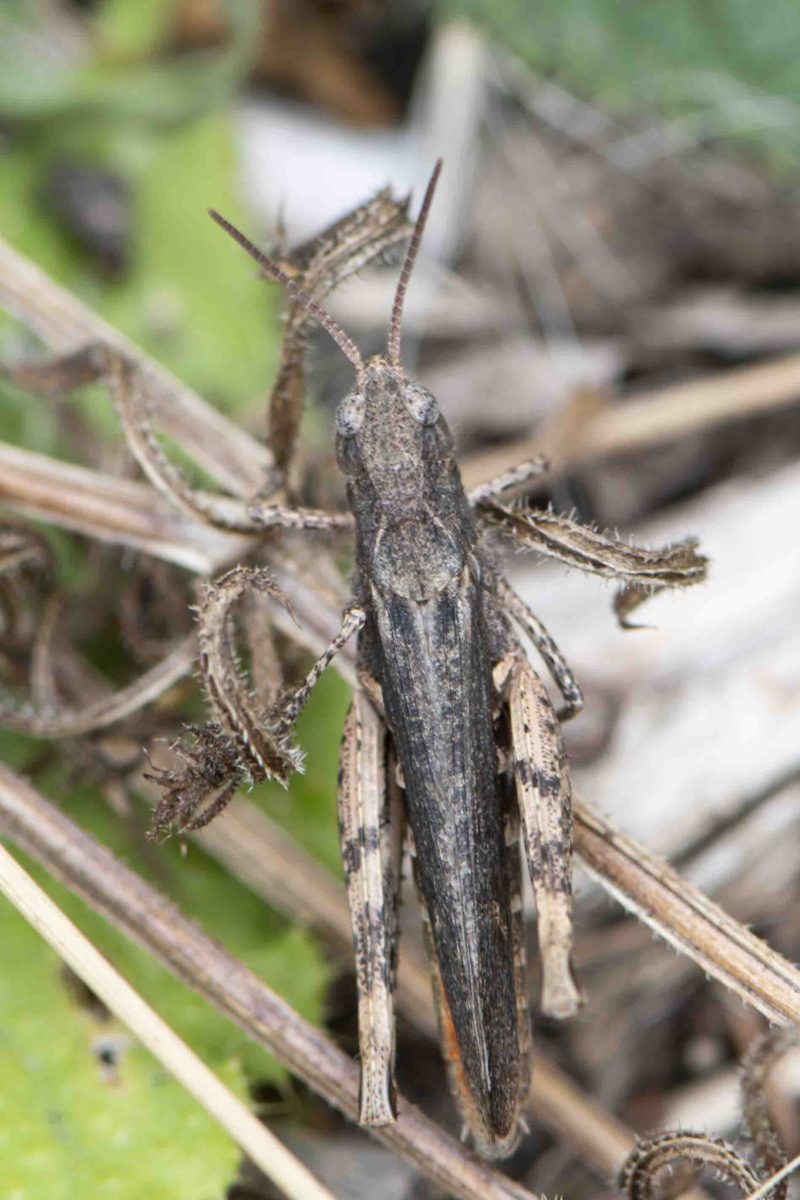
Orthoptera
Potteric Carr, August 1
Continuing with Colin the Angelina labyrinthica survey.
Only found one spider outside her retreat today.
A common Ichneumon wasp, but my first encounter with it.


A visit to the Mossery Project with Colin, 28 July

Potteric Car, July 19
A walk with Colin along the Discovery Zone path which skirts the area in front of the Cafe.
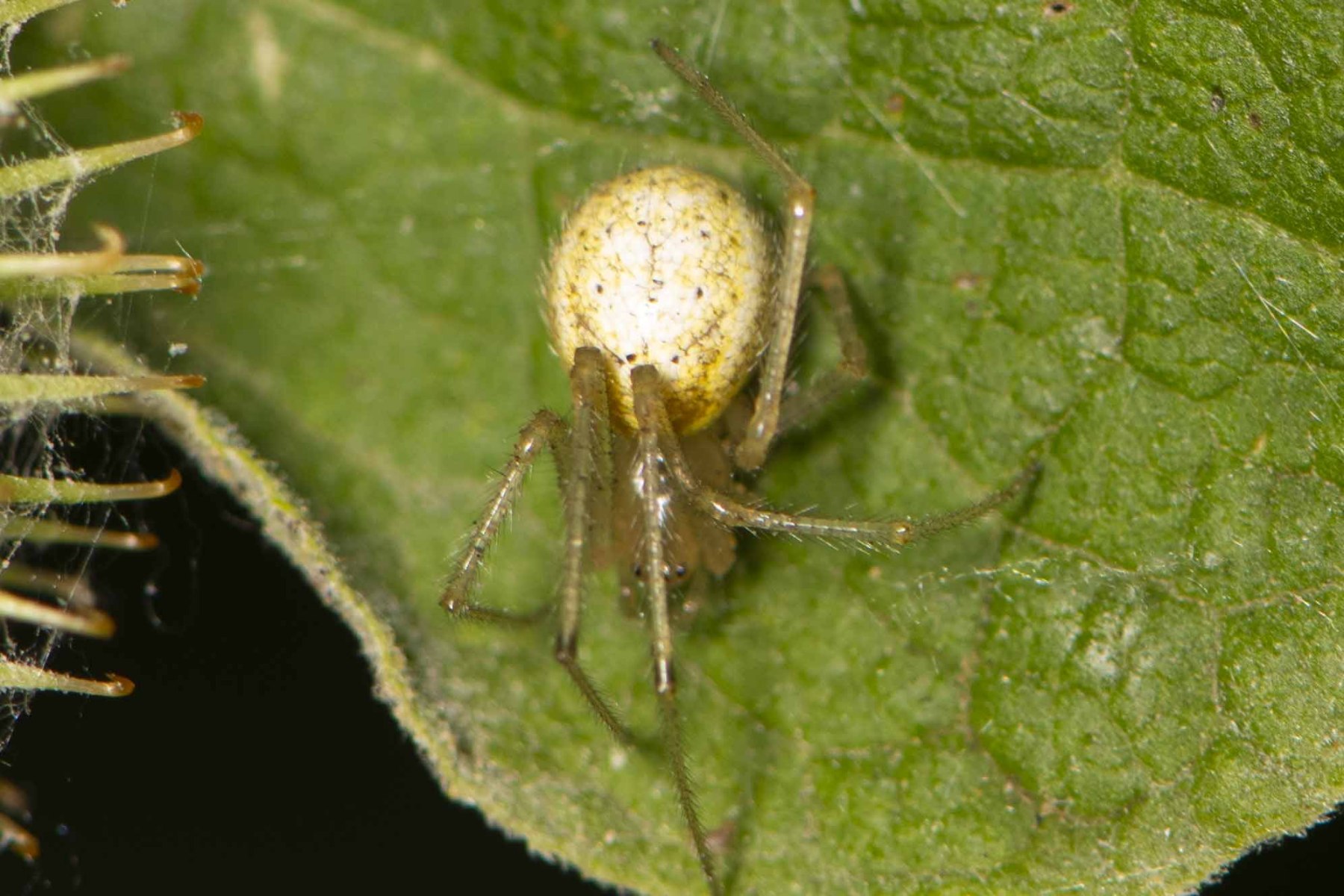
Arachnida
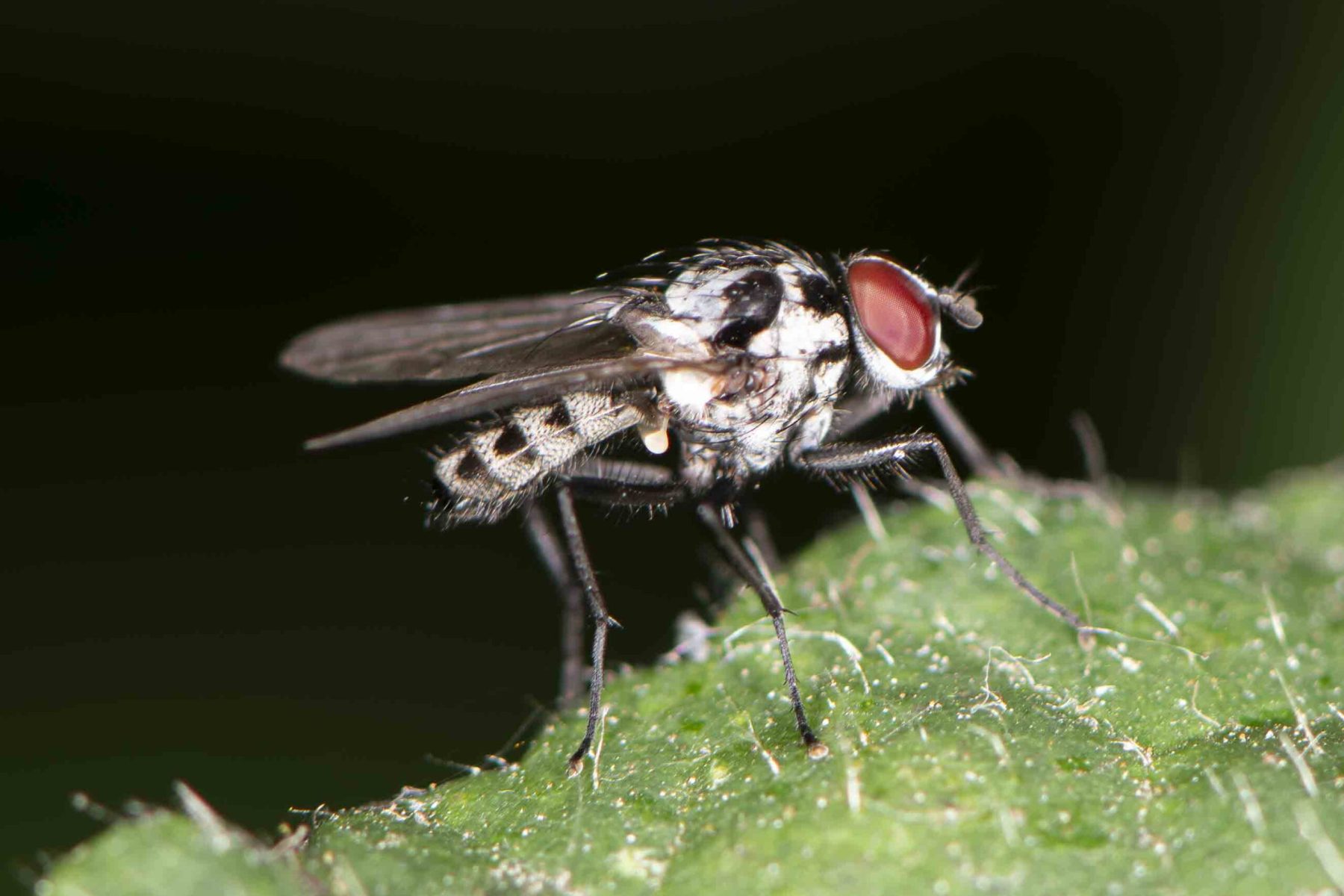
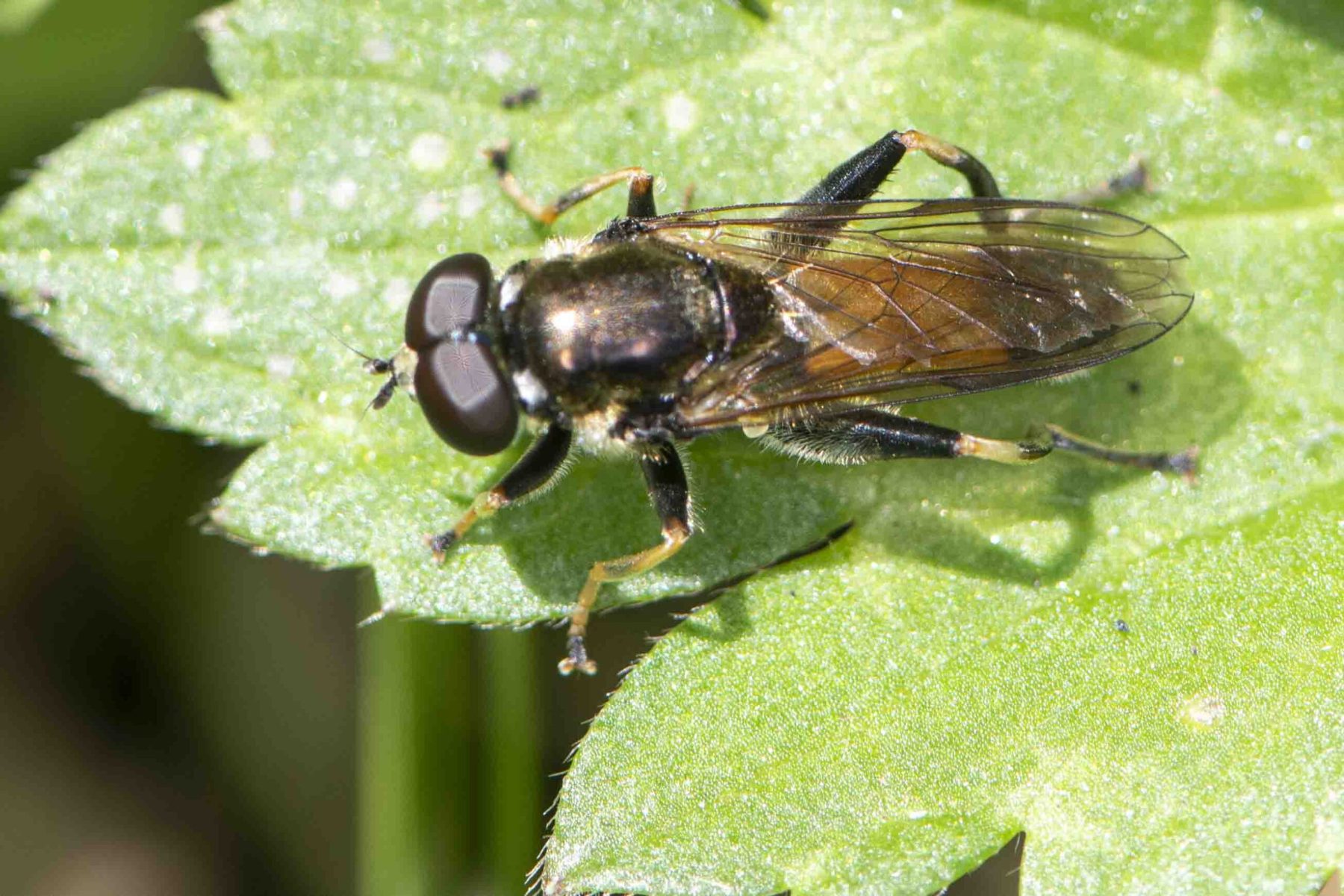
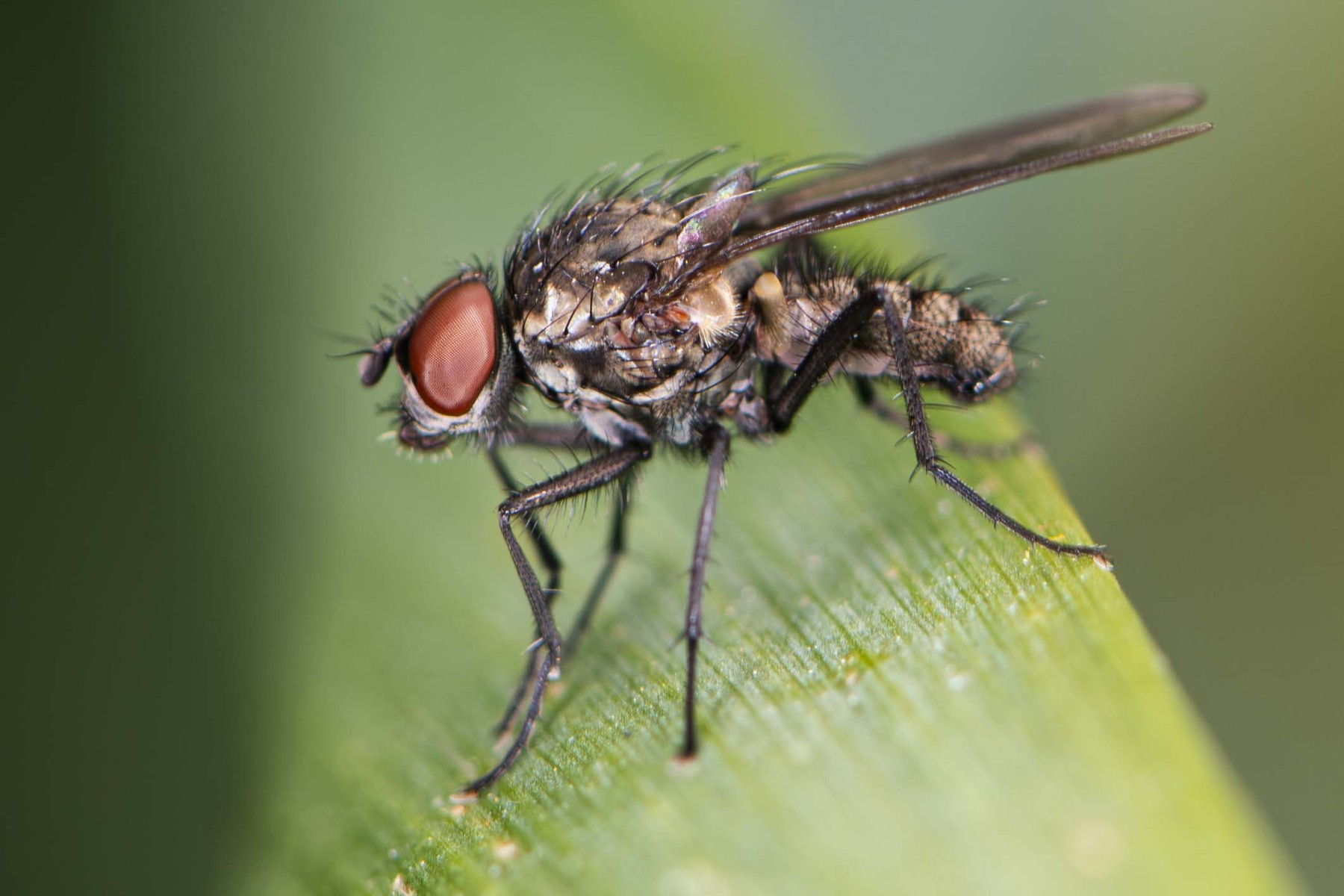
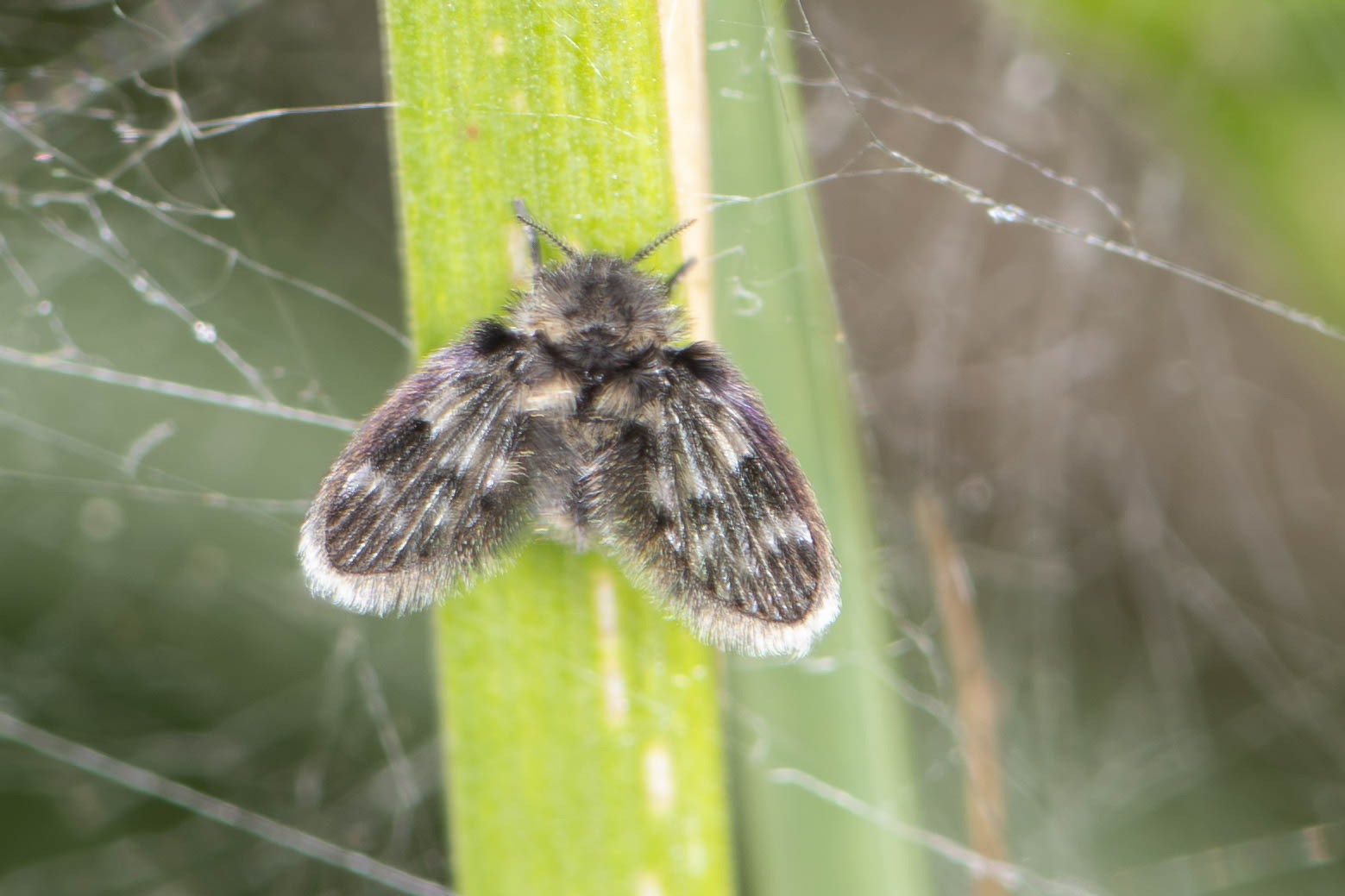
Diptera

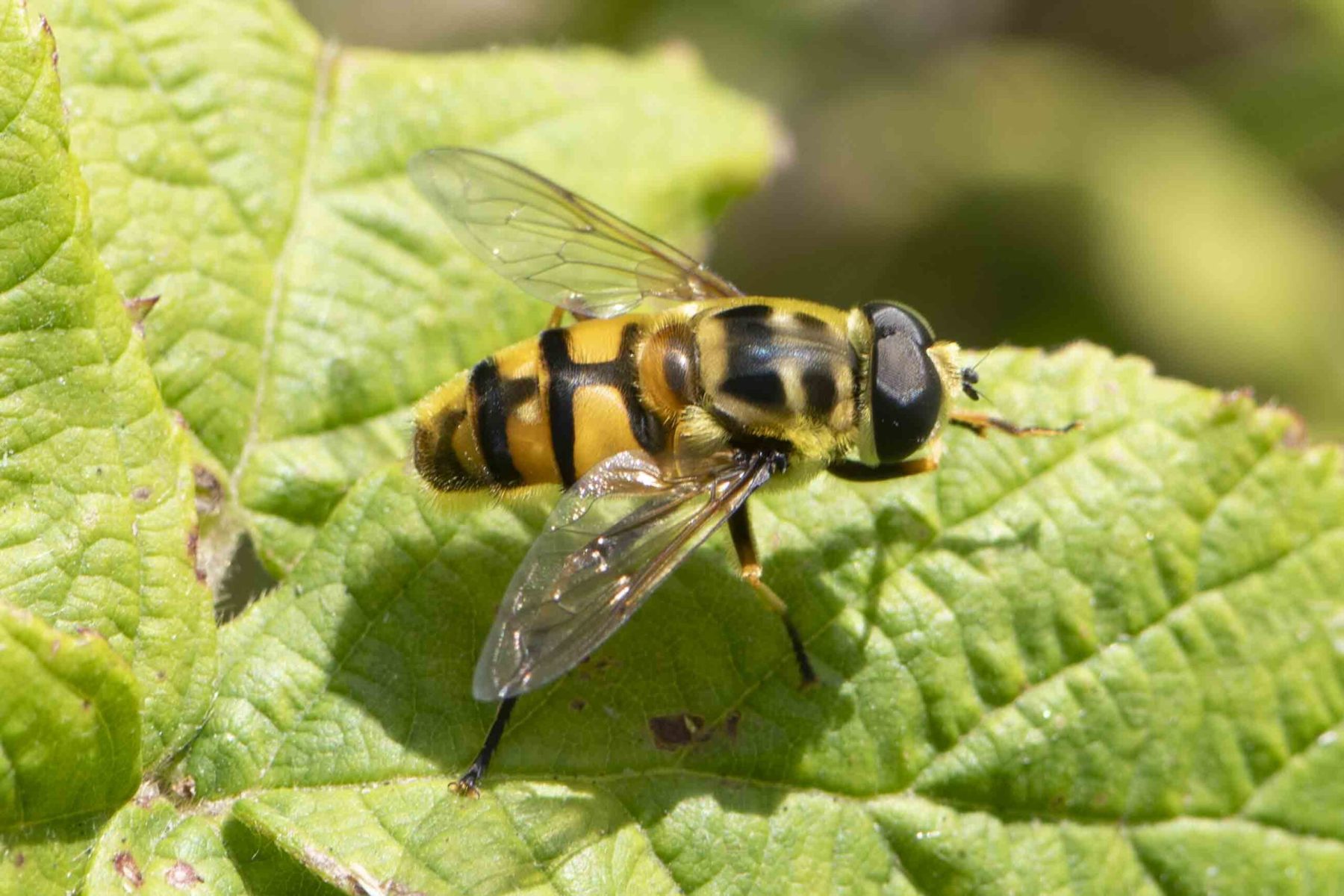
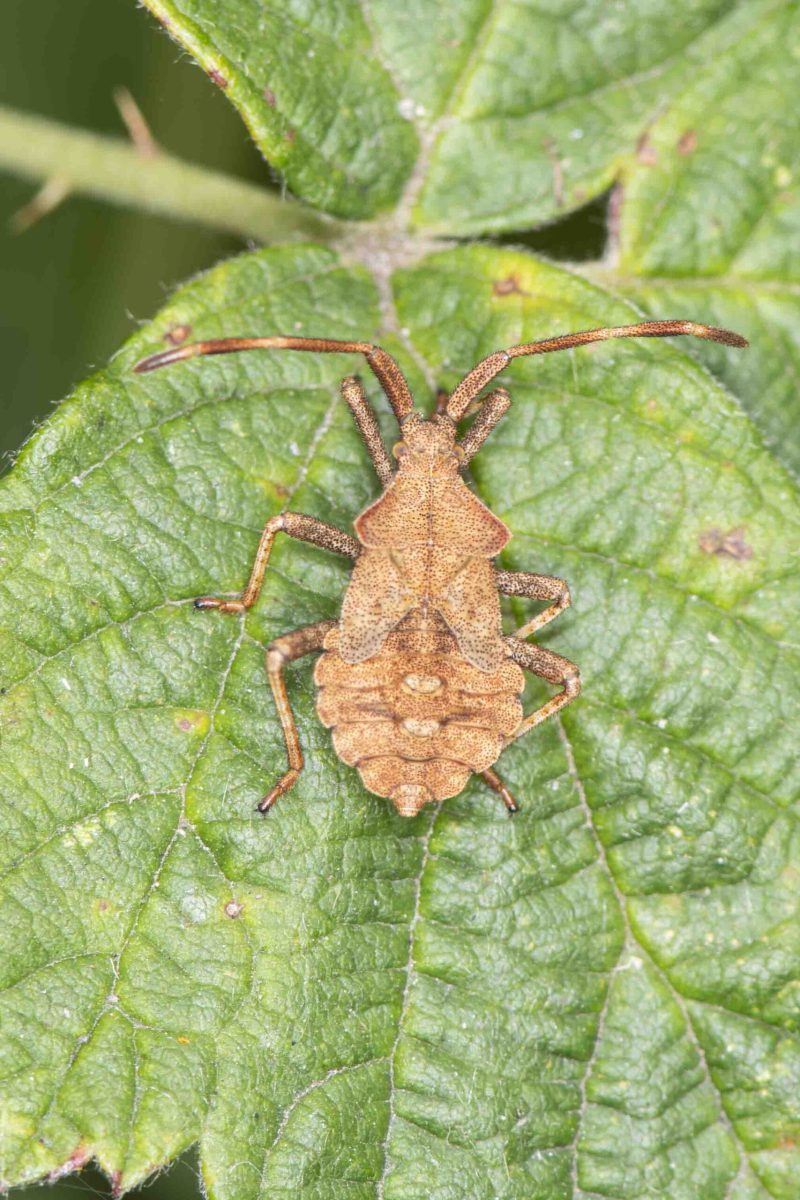
Hemiptera
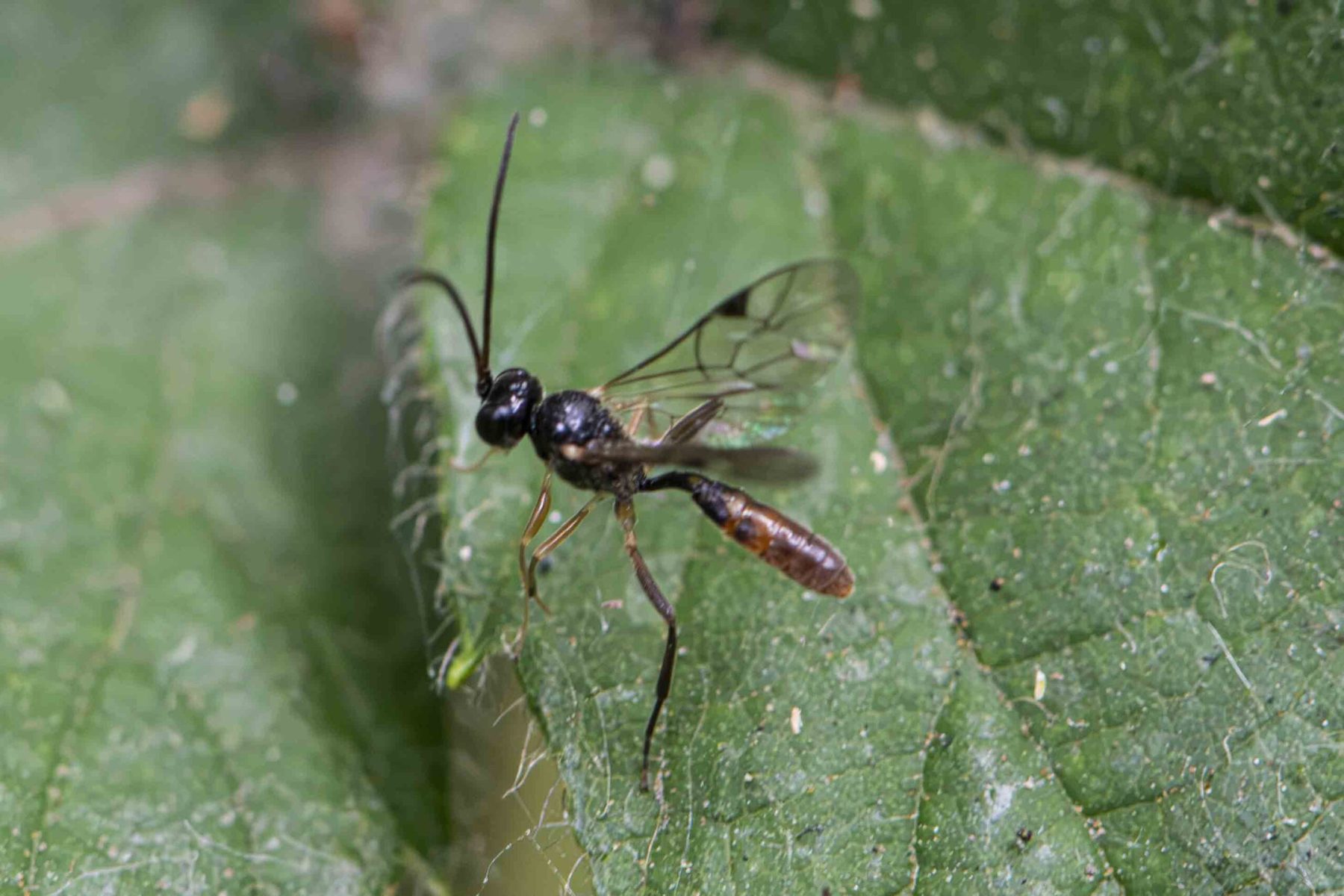
Hymenoptera

Lepidoptera
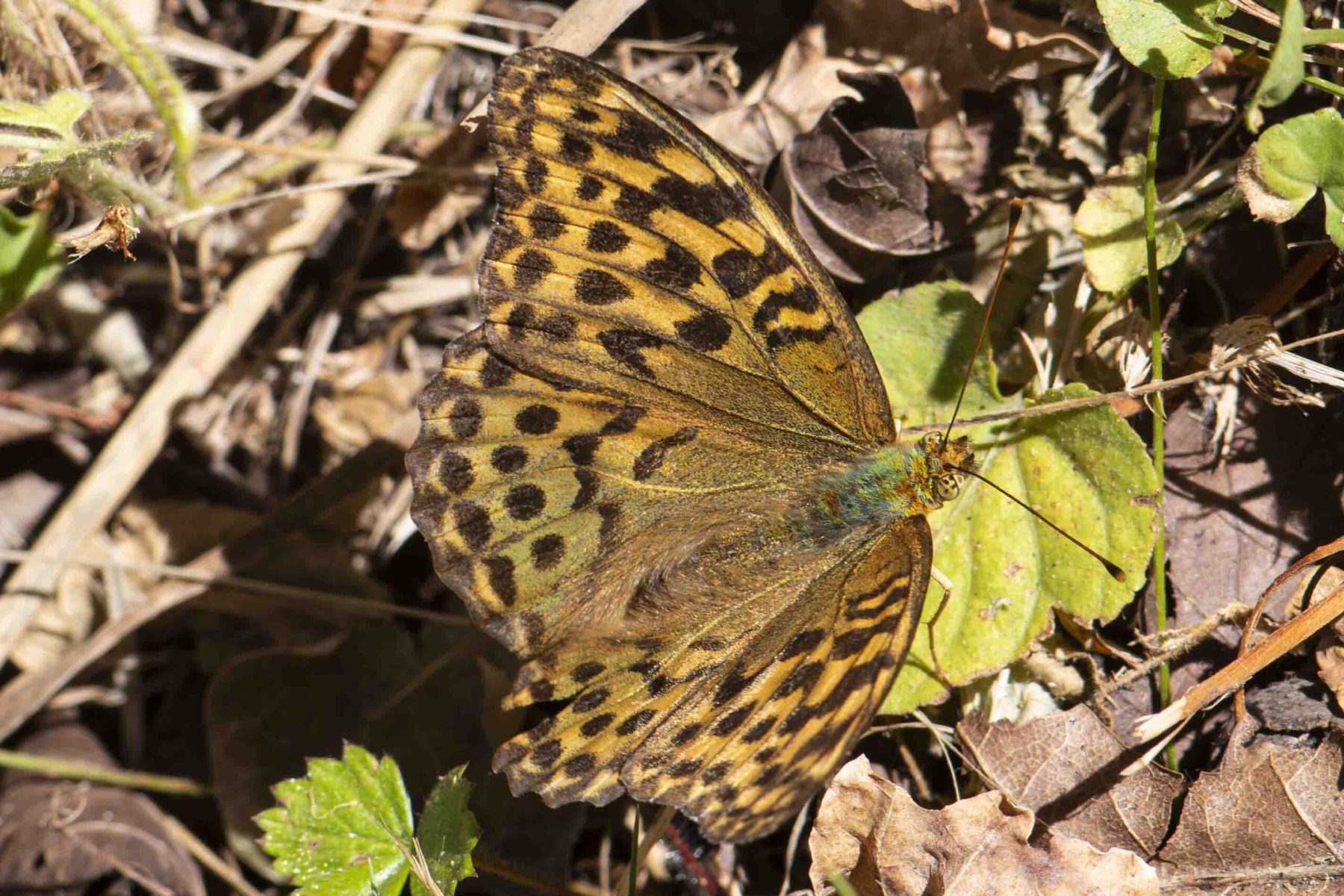
Odonata

Potteric Car, July 18
Arachnida


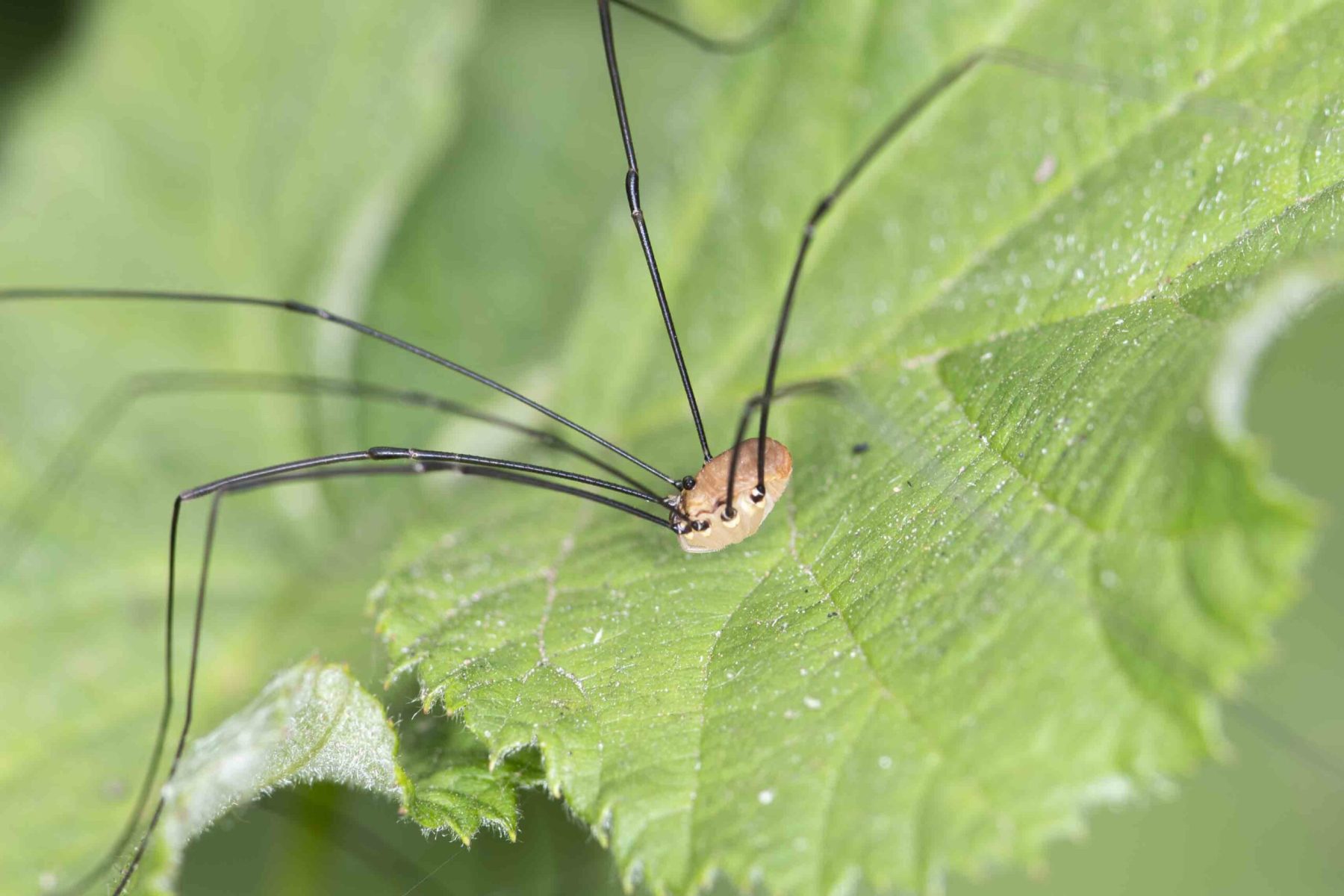
Diptera
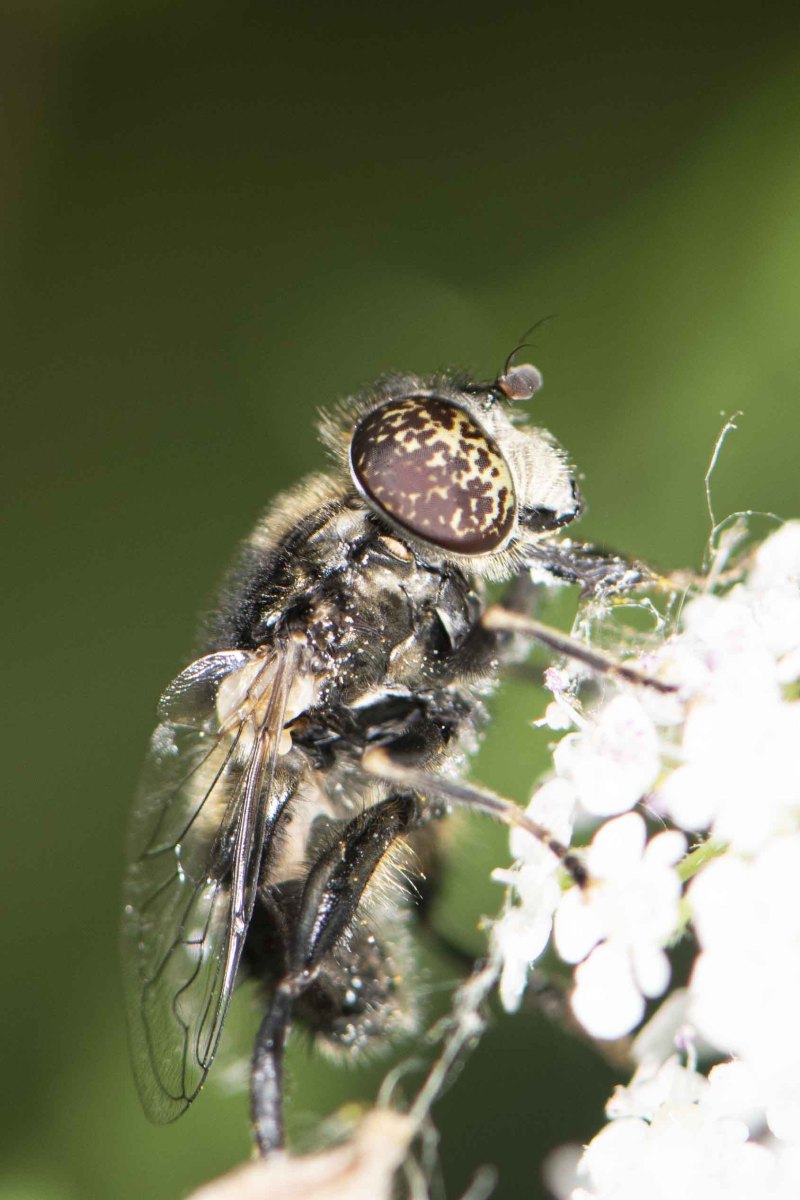
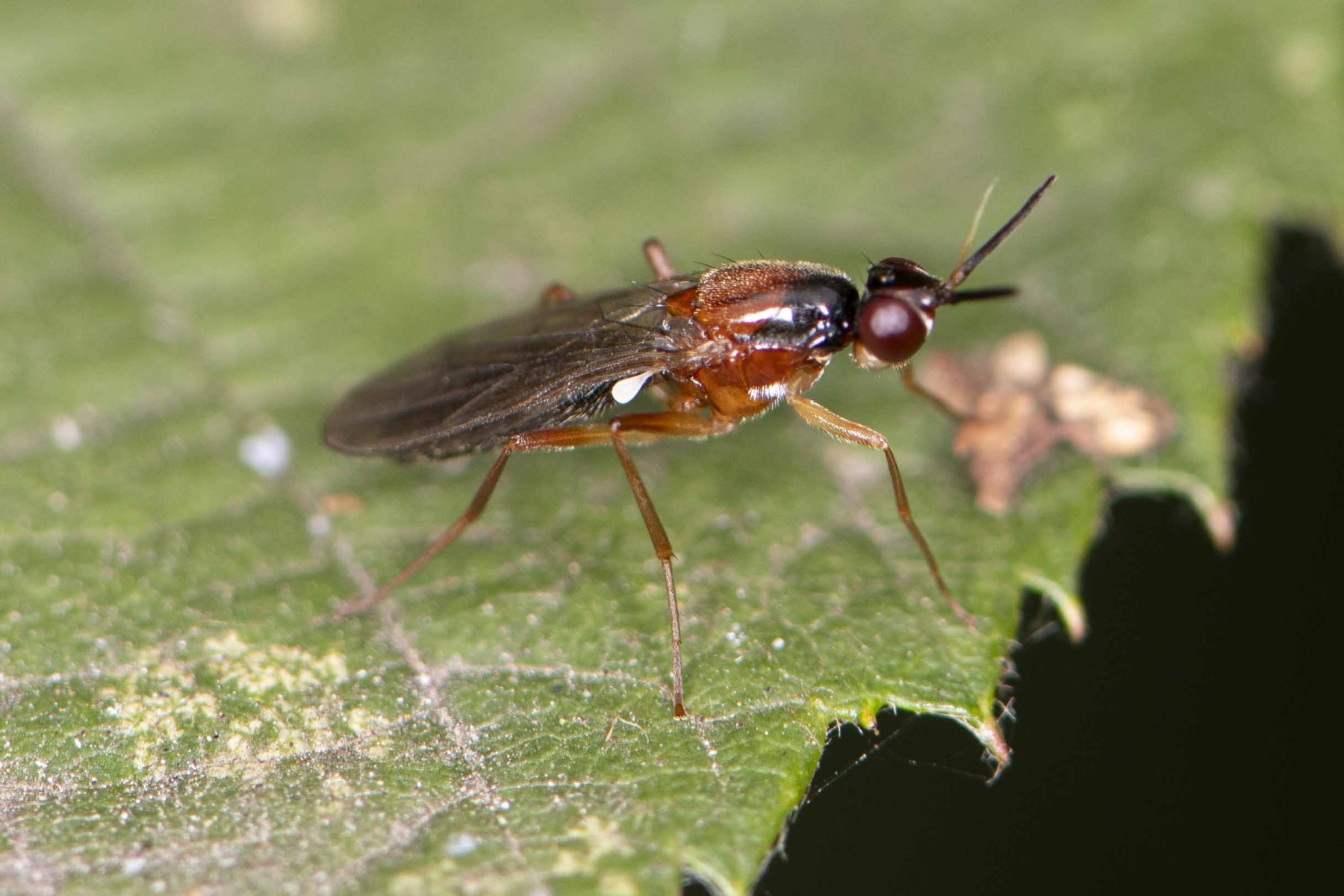
Hemiptera
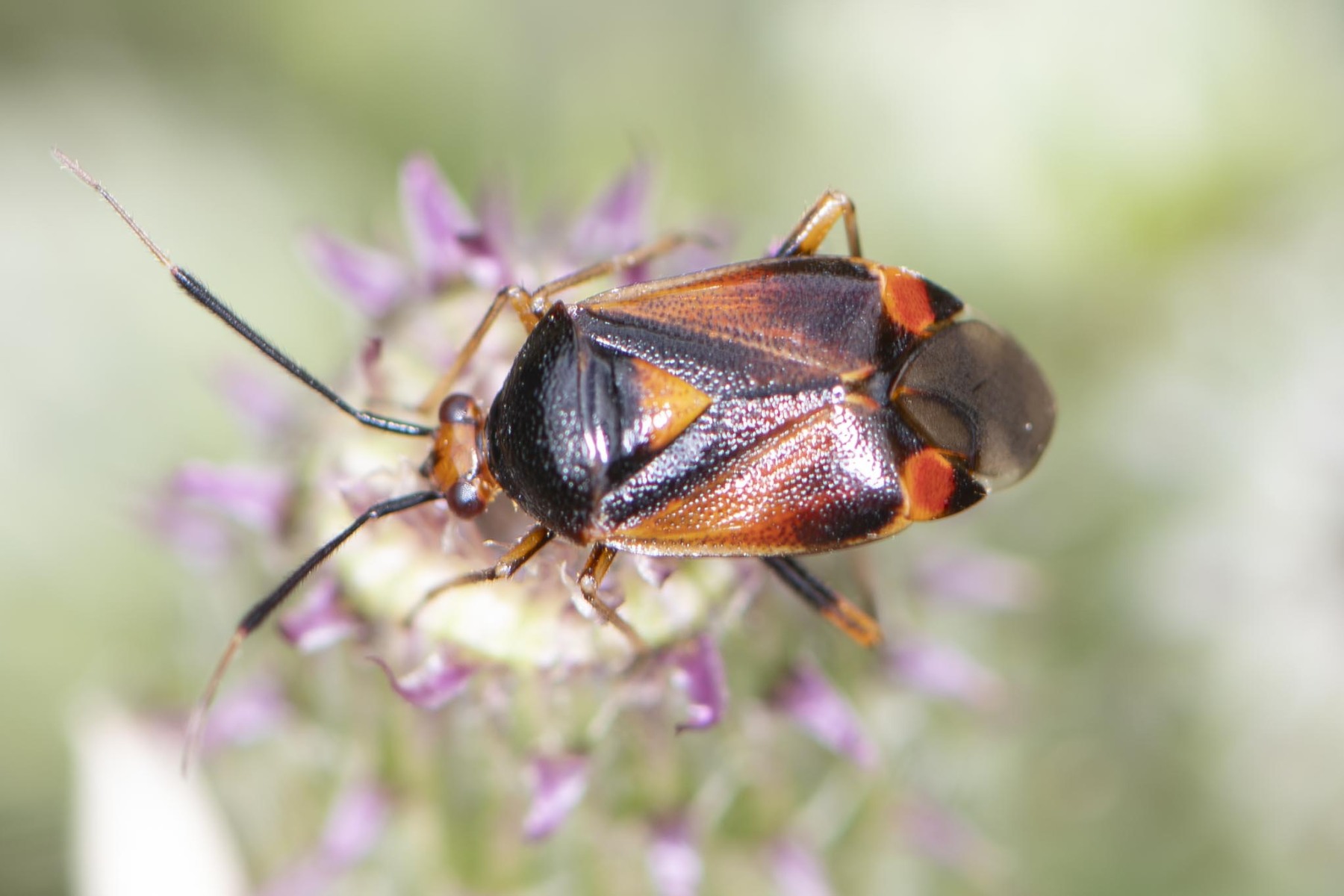

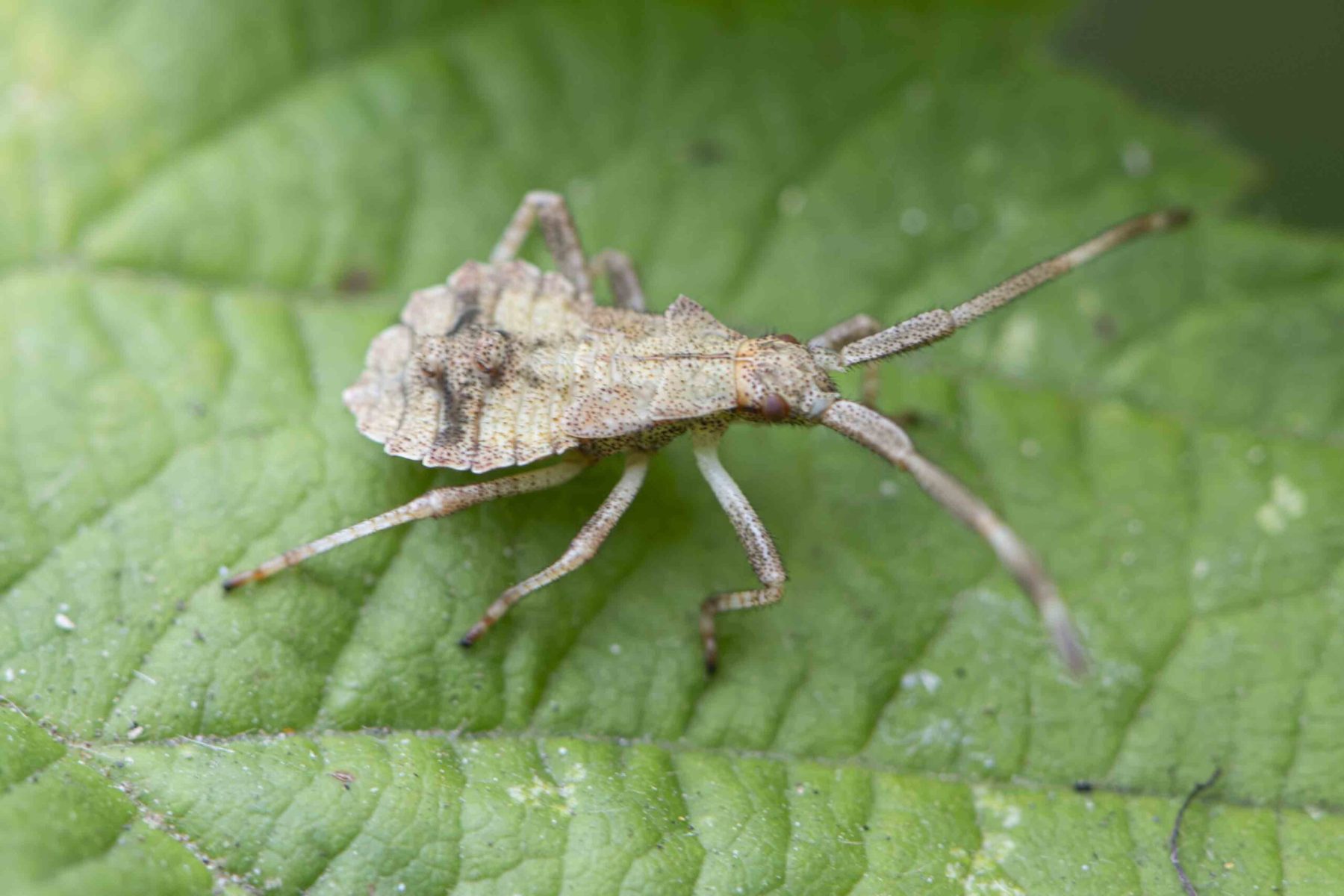
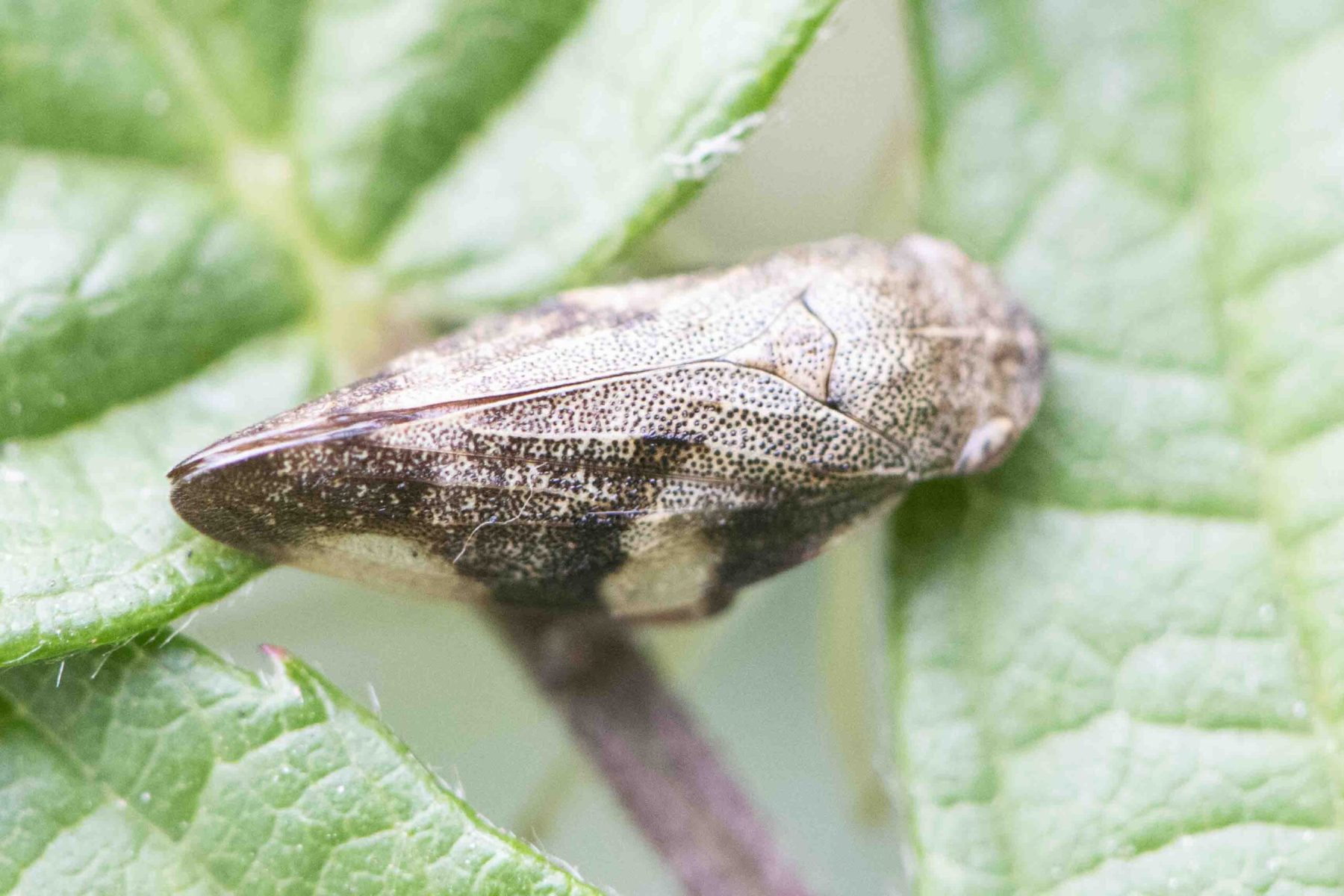
Lepidoptera
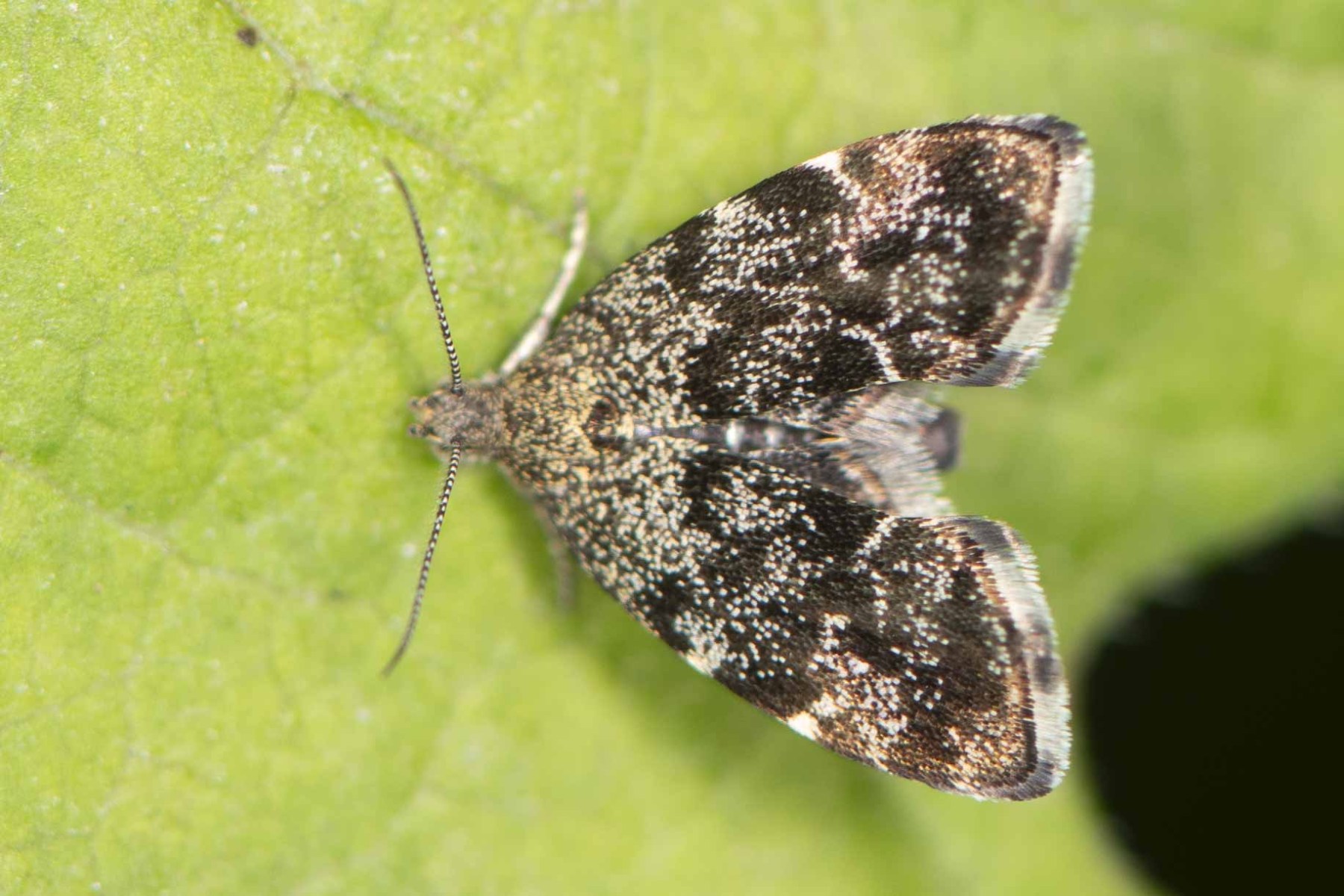
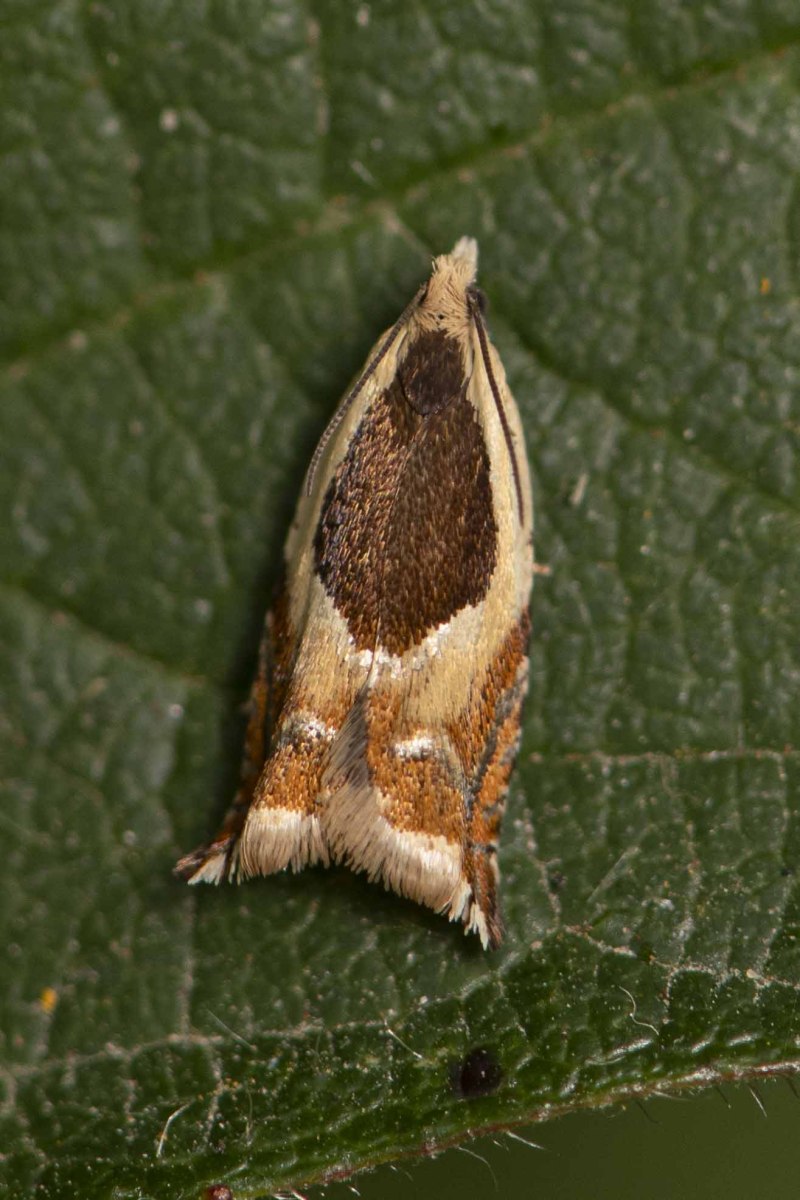
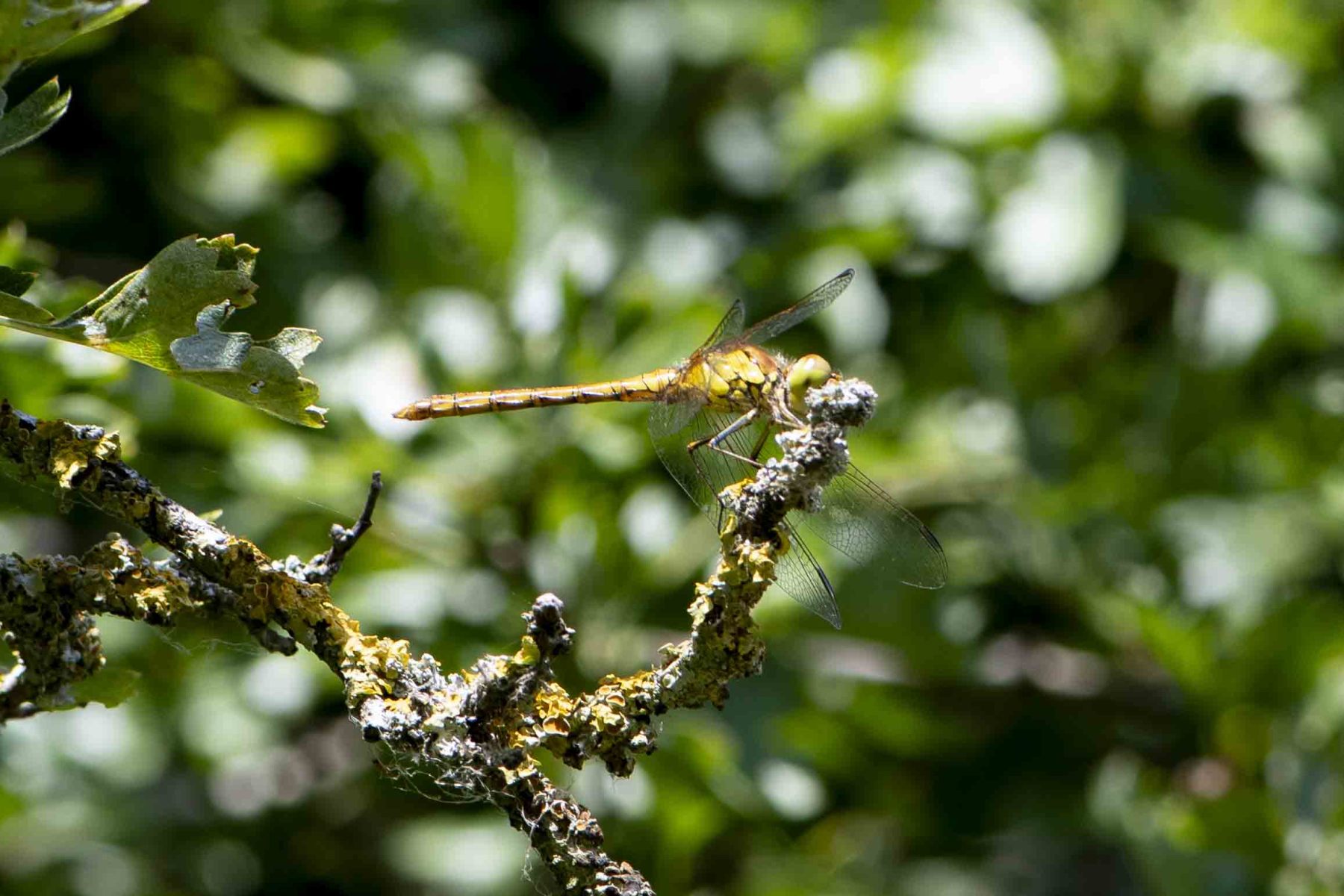
Odonata
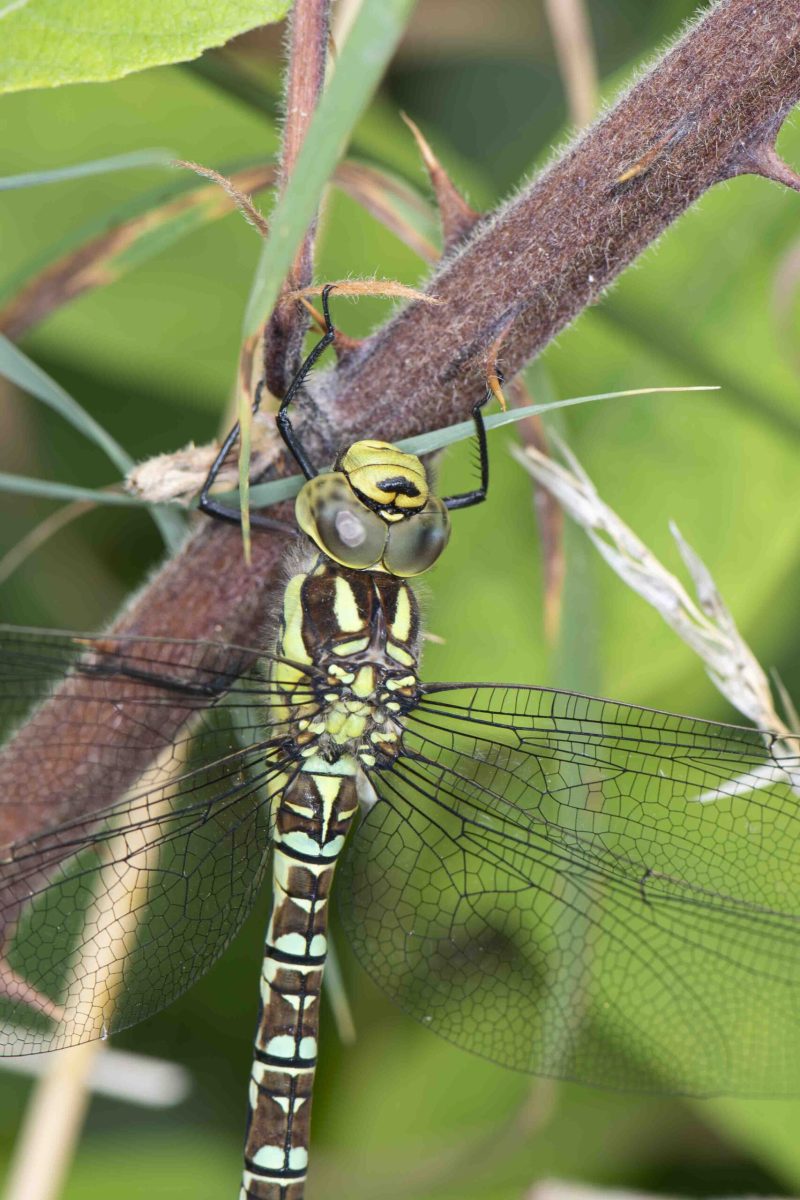
Danes Hill NR, July 13
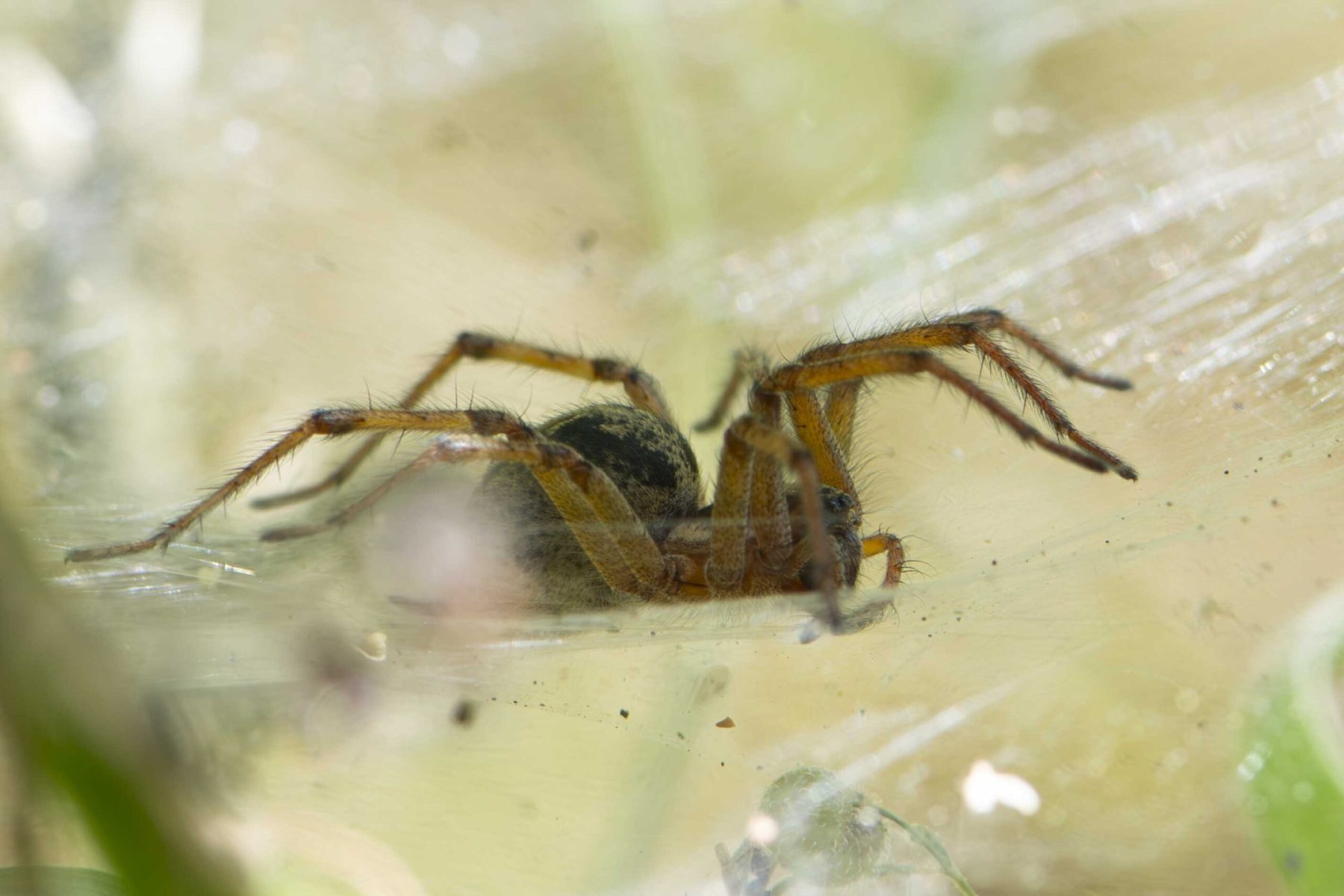
Arachnida
Diptera
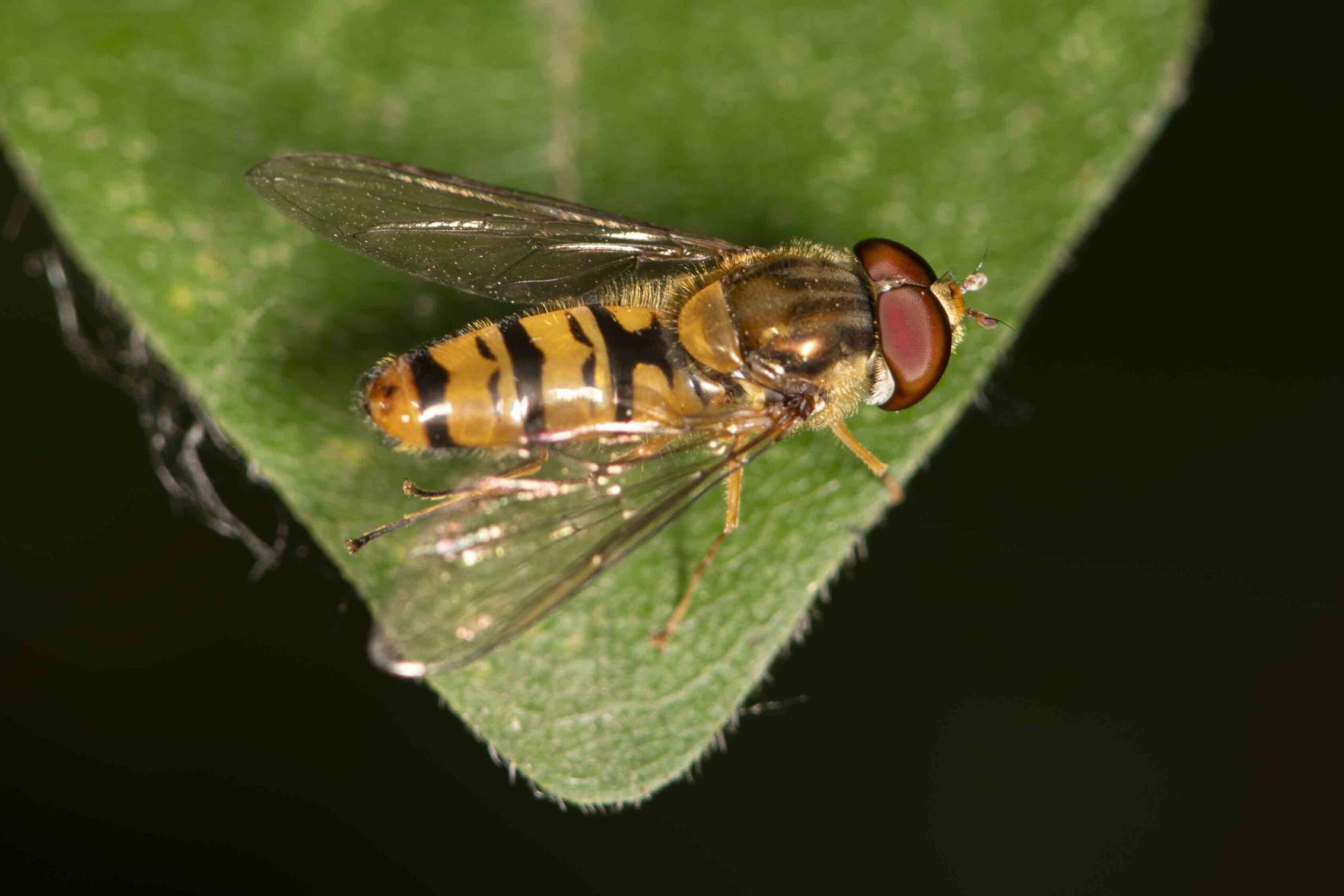

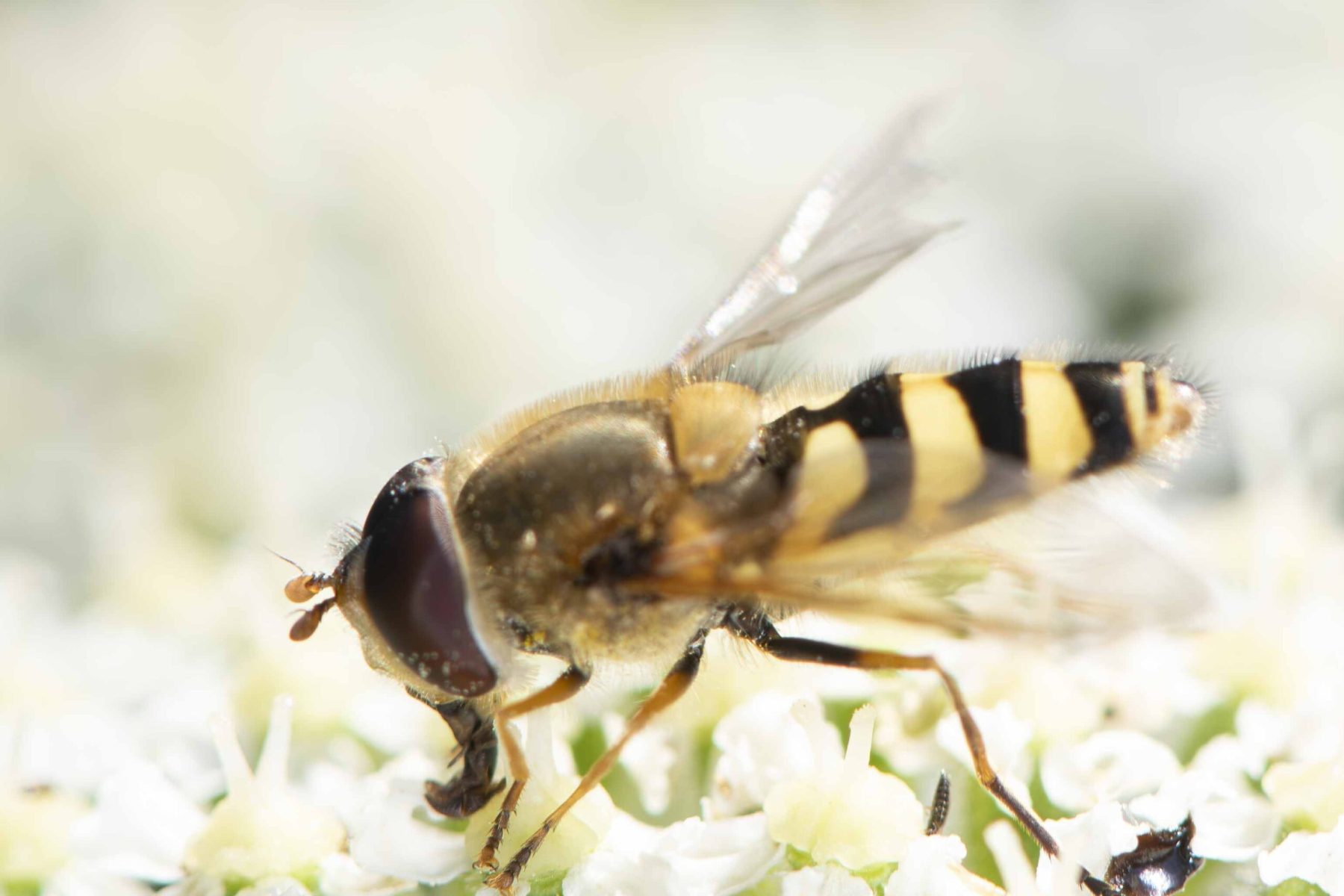
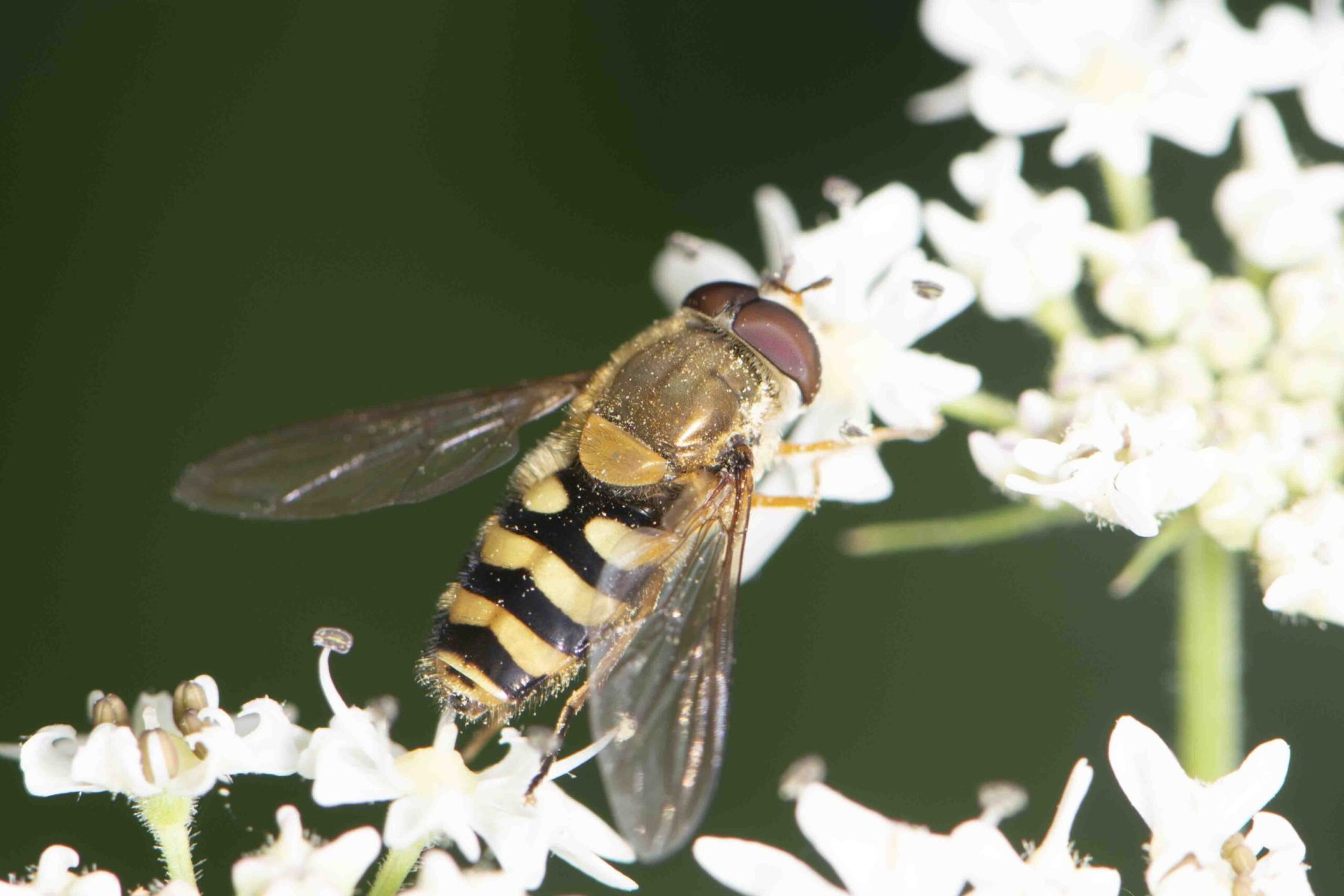
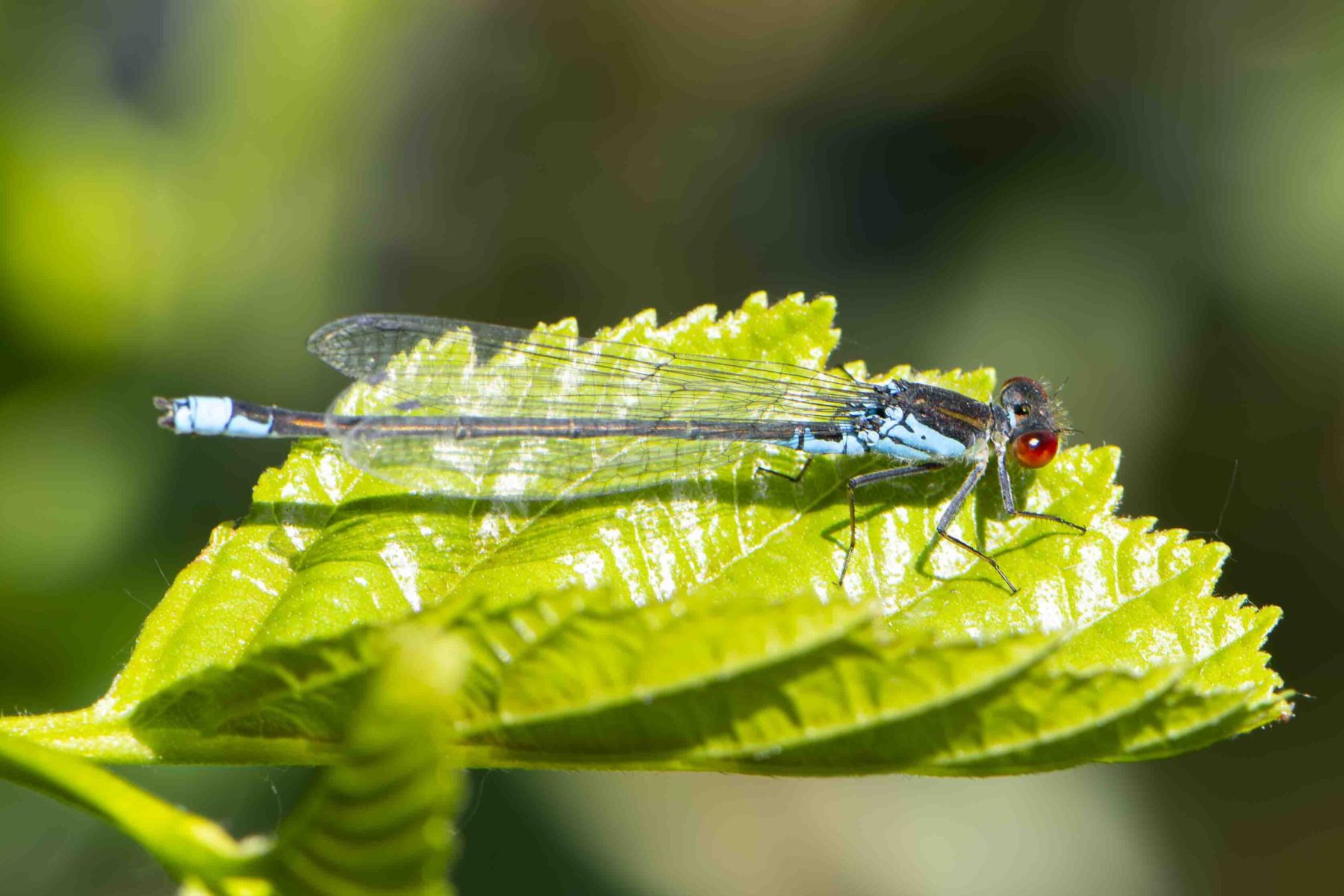
Odonata
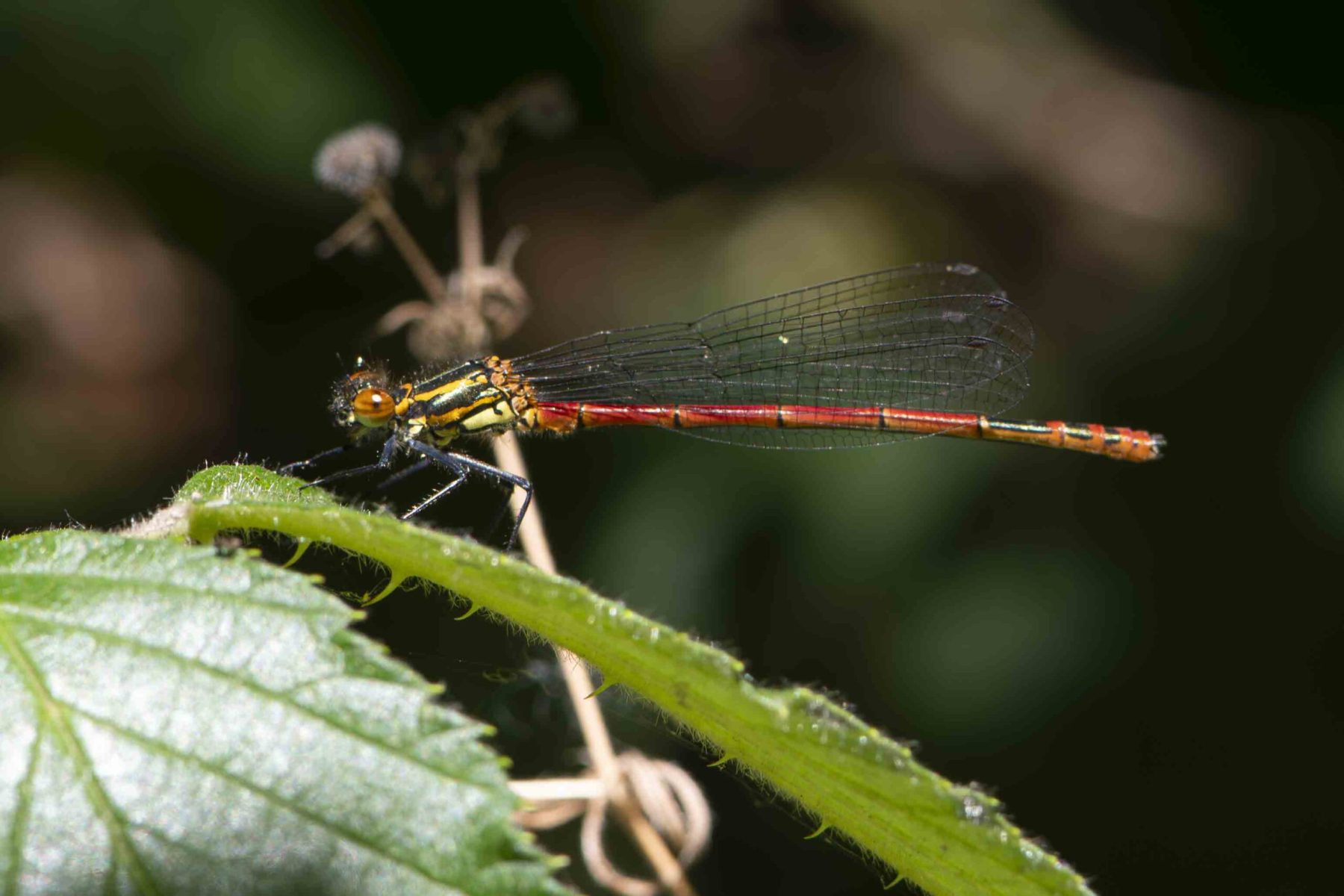
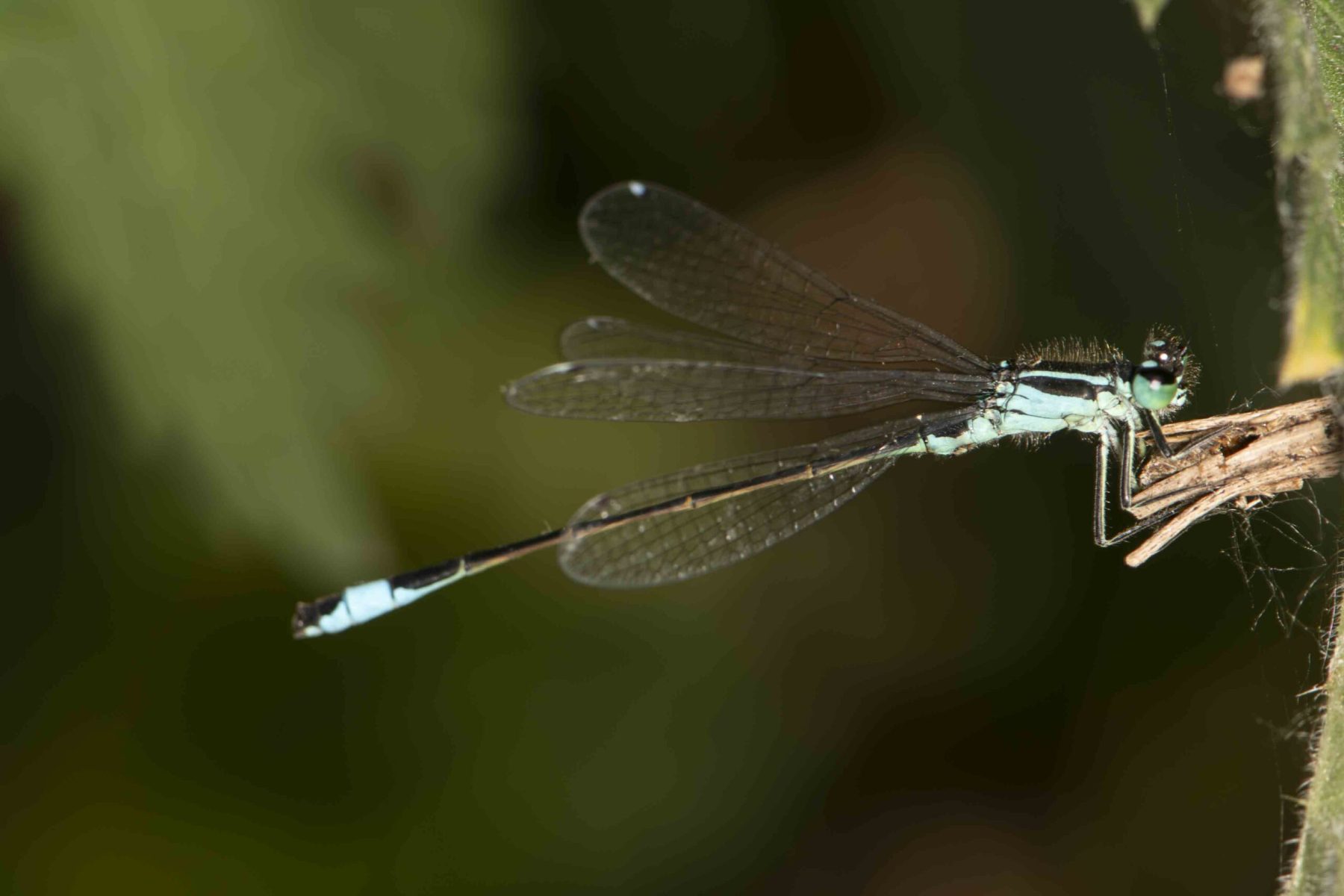


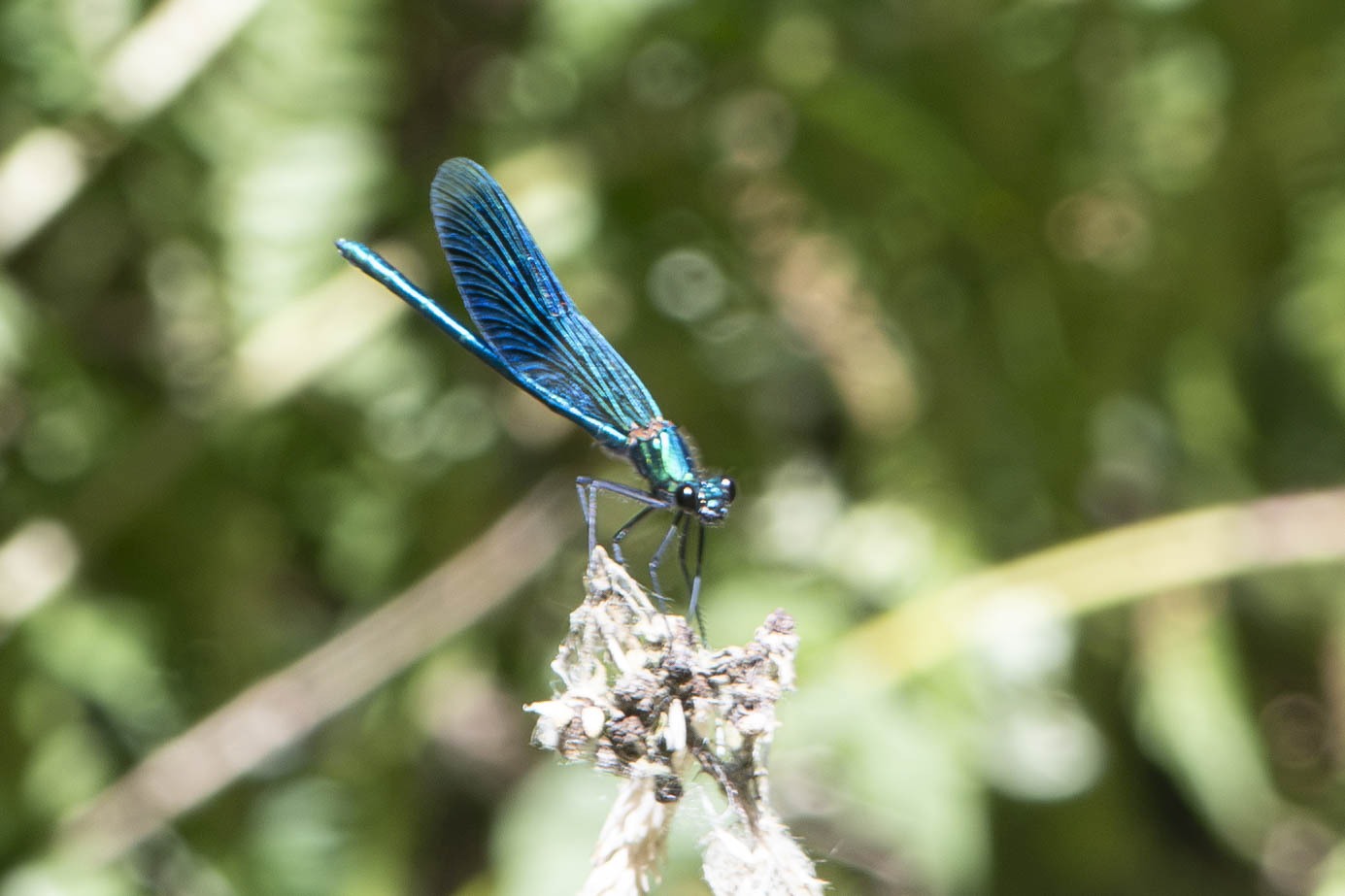
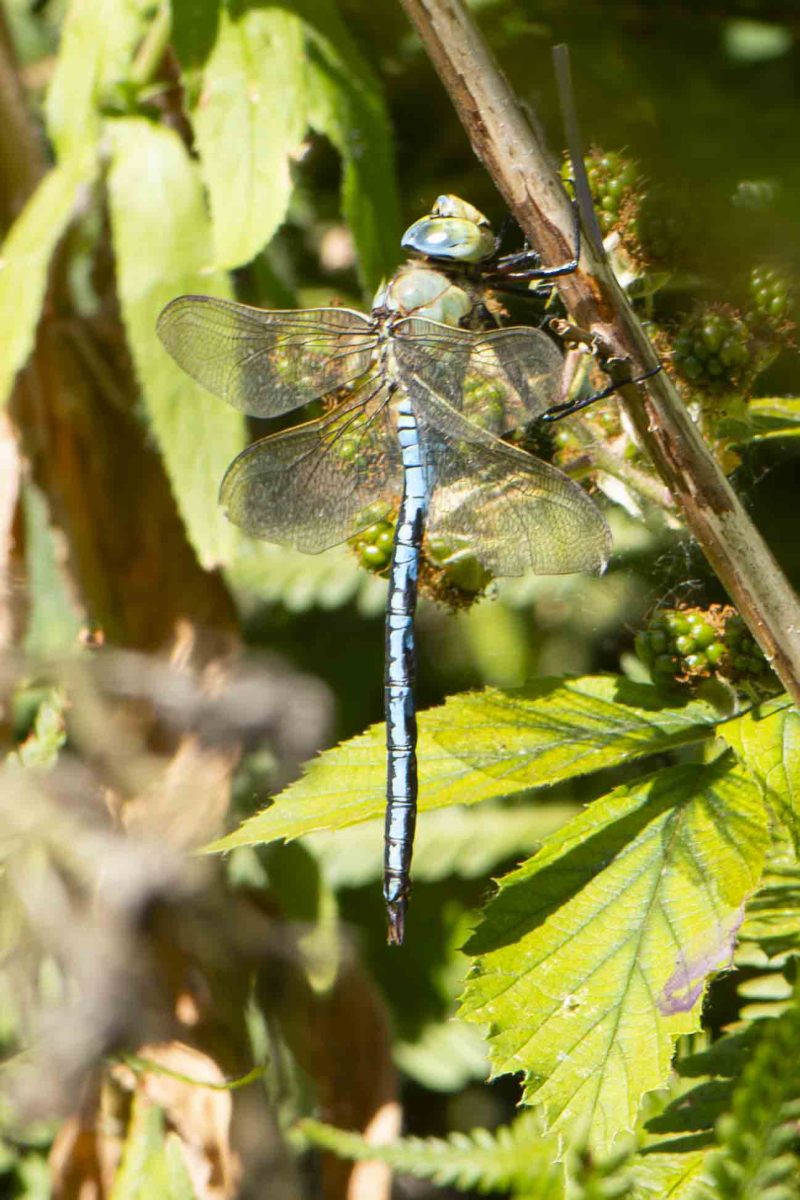


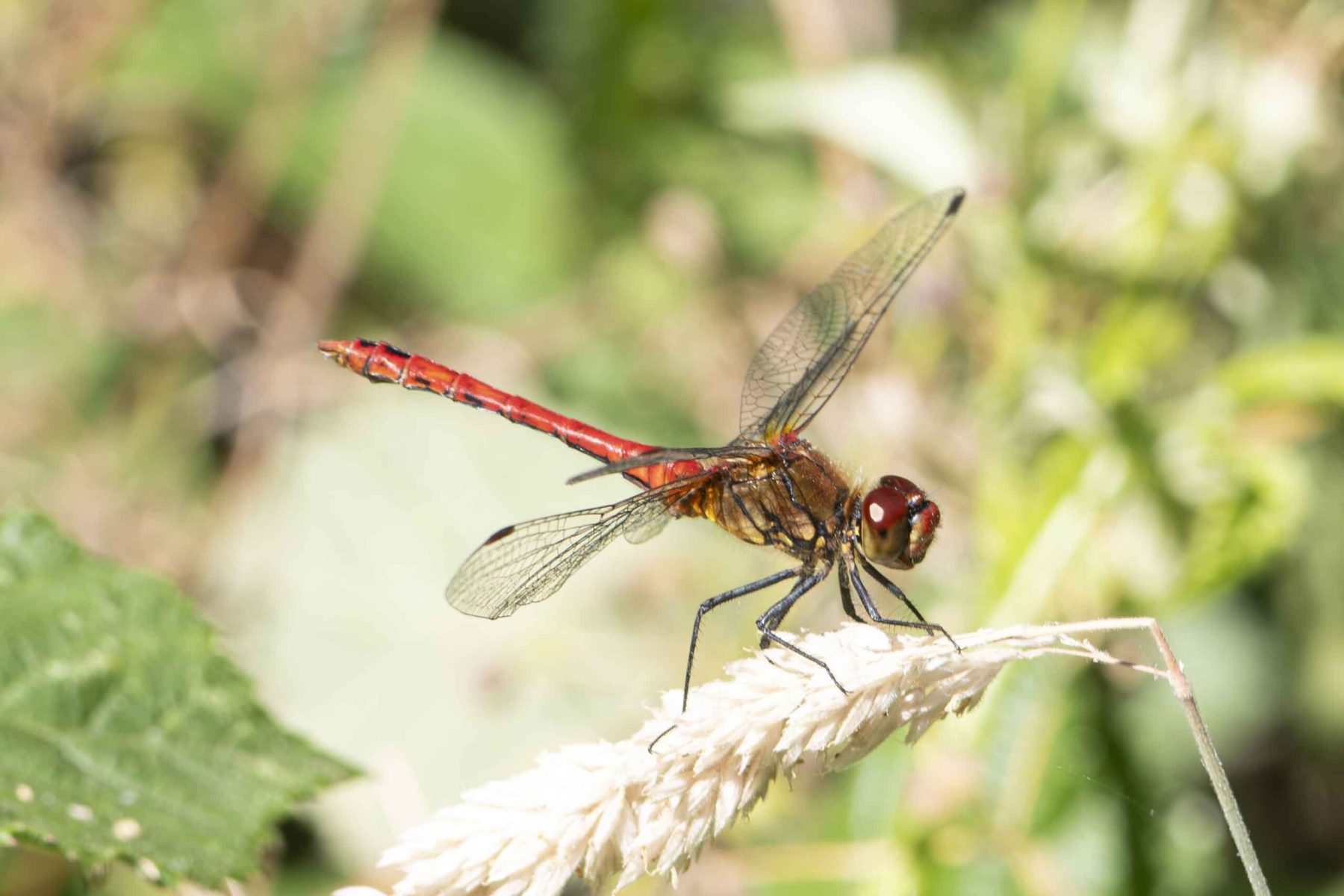
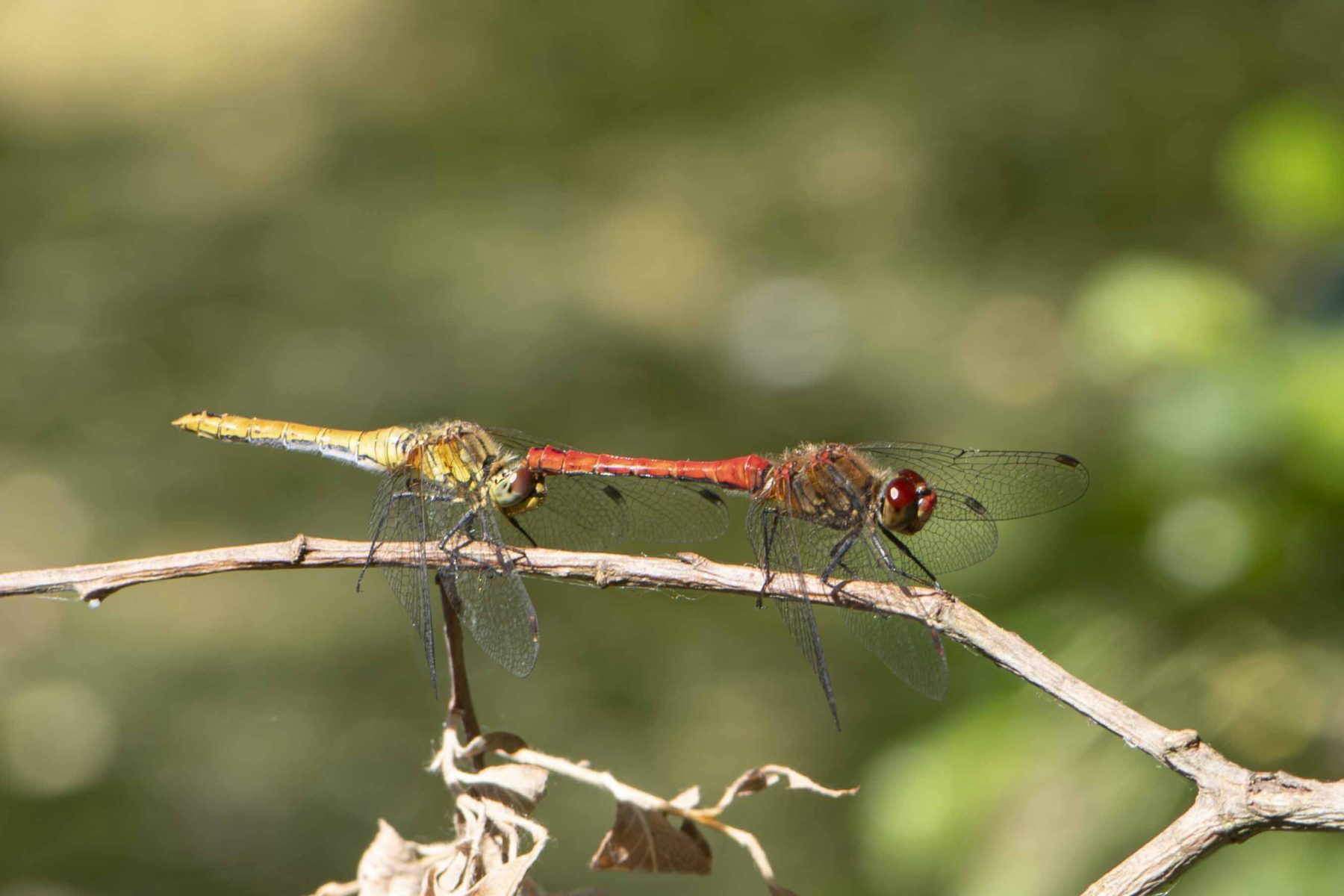
Potteric Carr, July 11
A cooler day in comparison with recent days but still hot in the sun. No wind to speak of so no relief there.
The first Harvestman (f) of the summer found.
Arachnida

Diptera

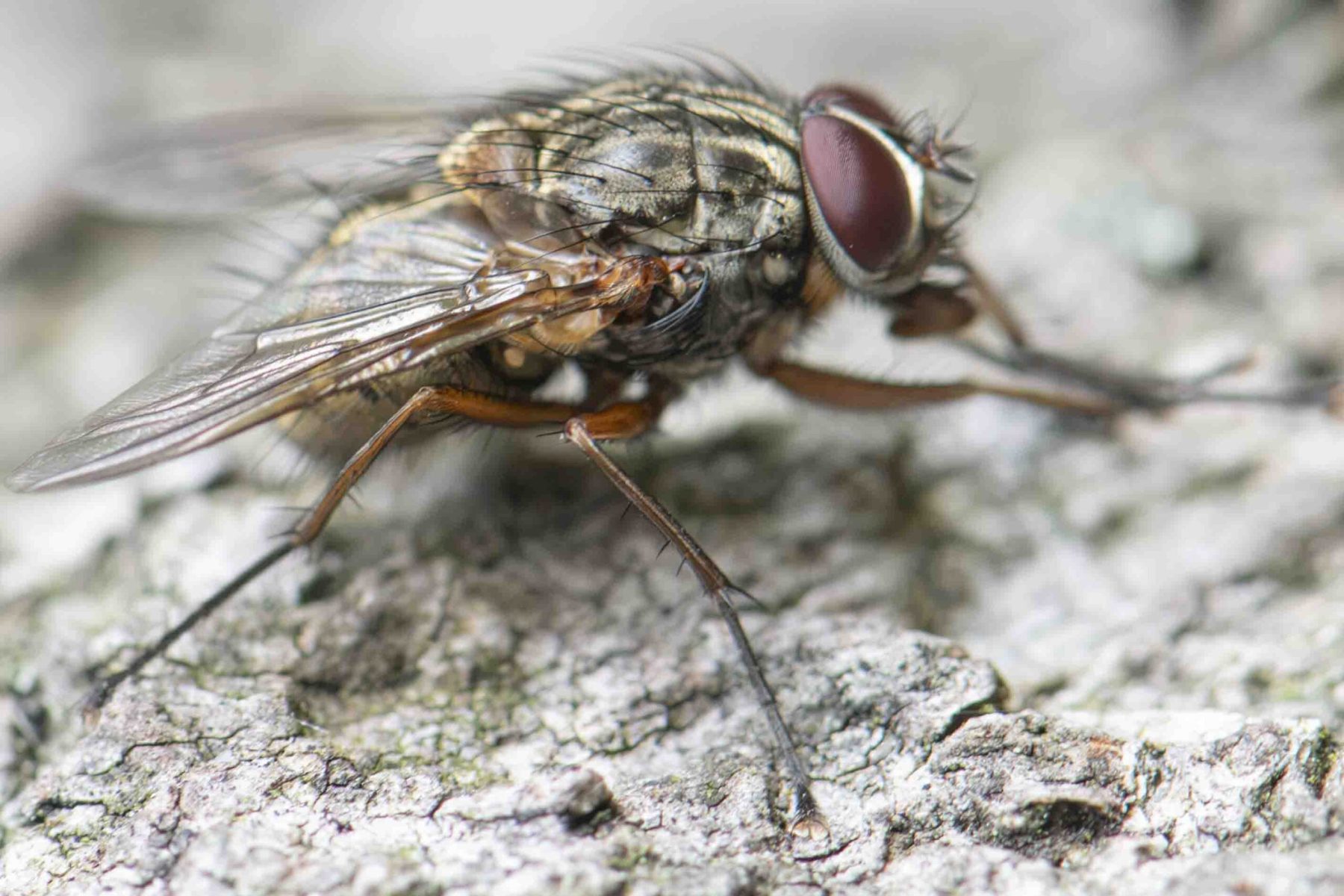


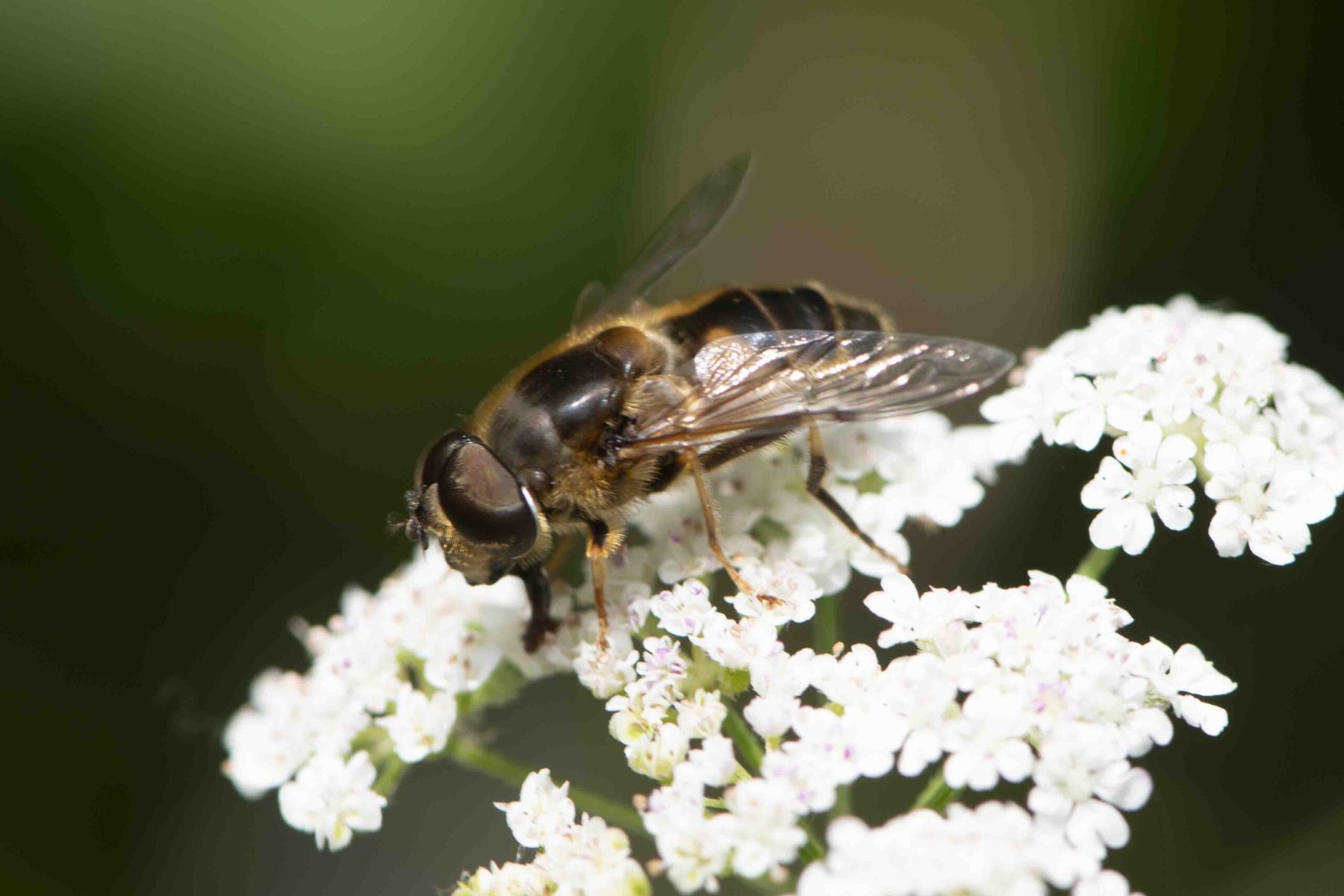
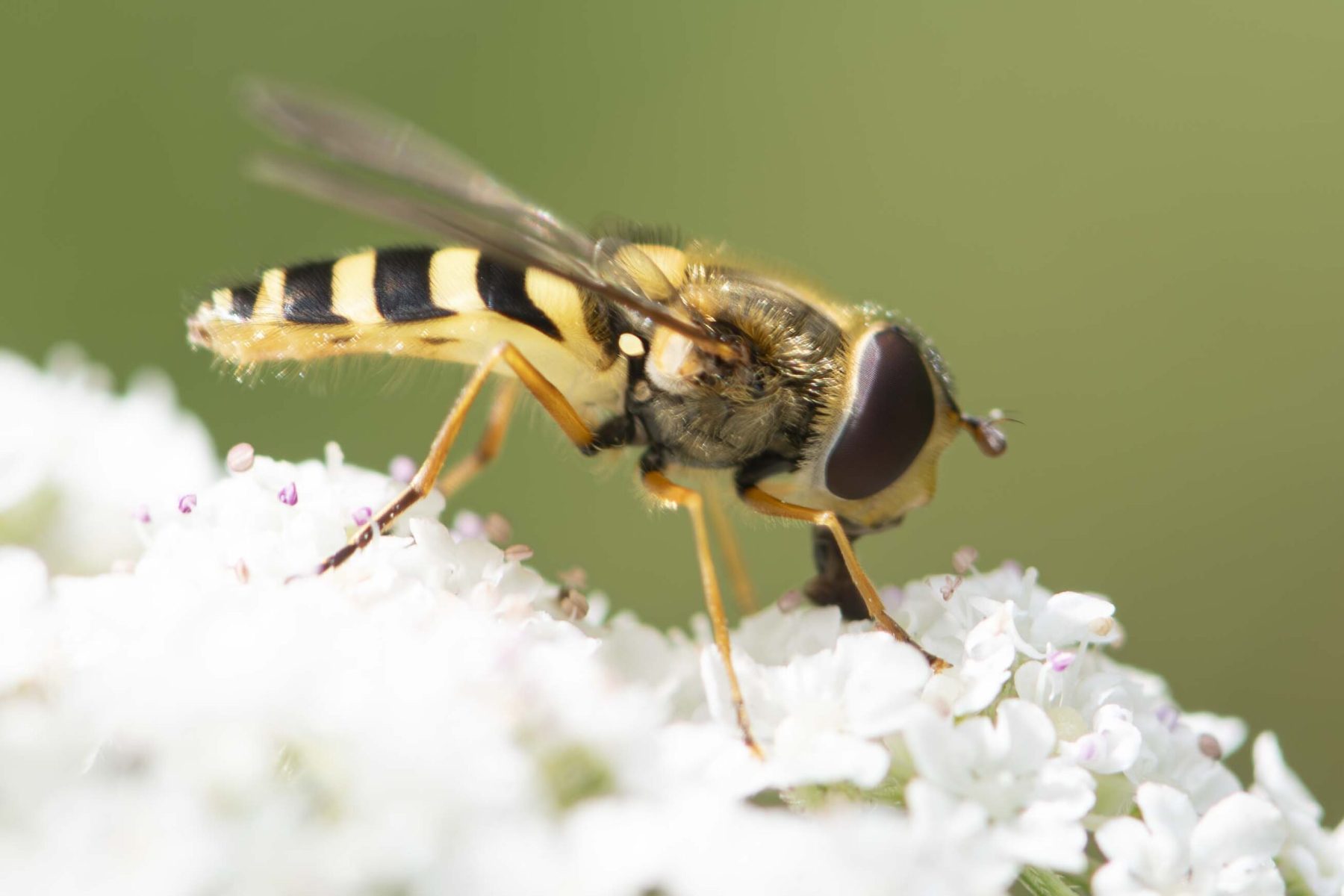
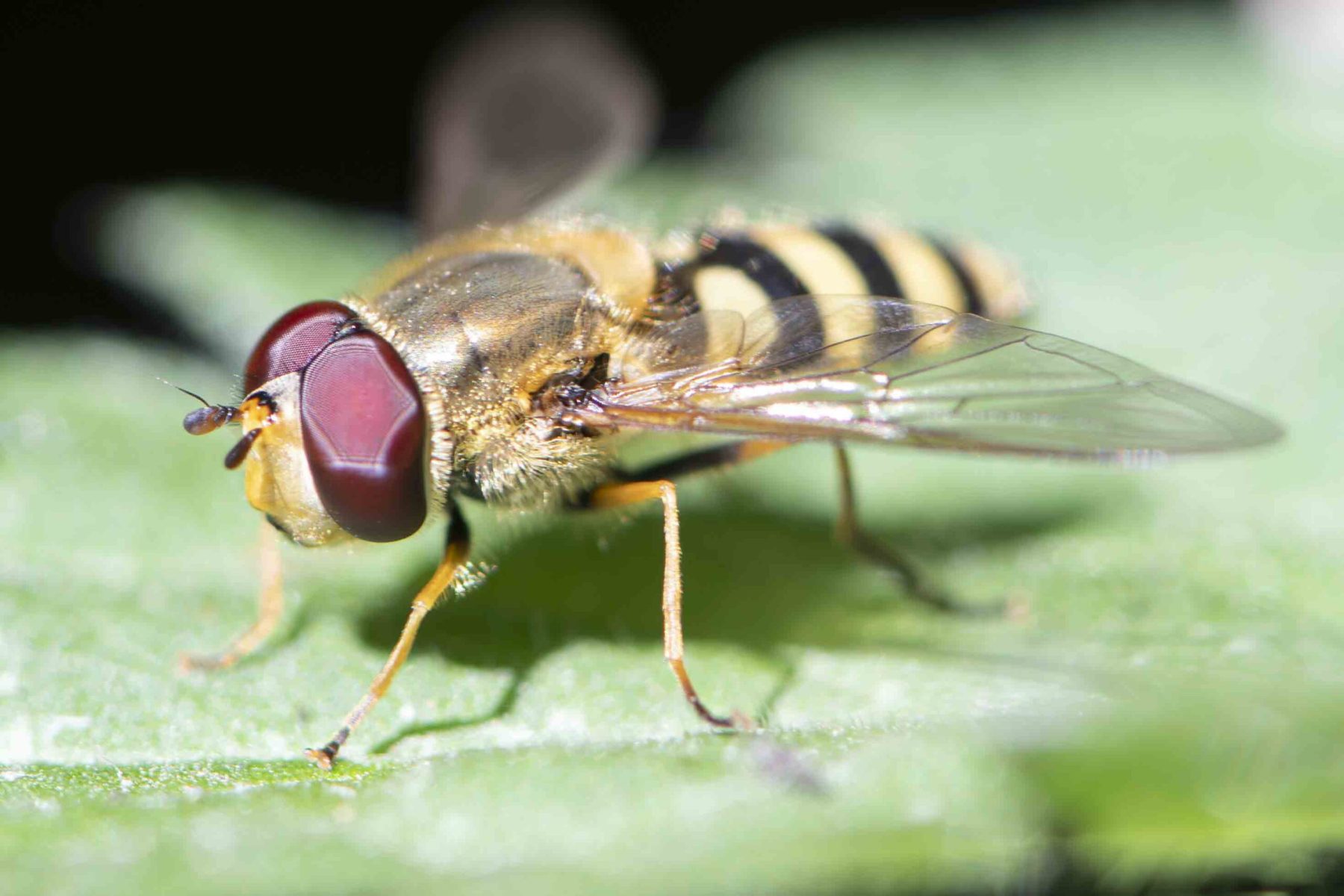
Hemiptera

Lepidoptera
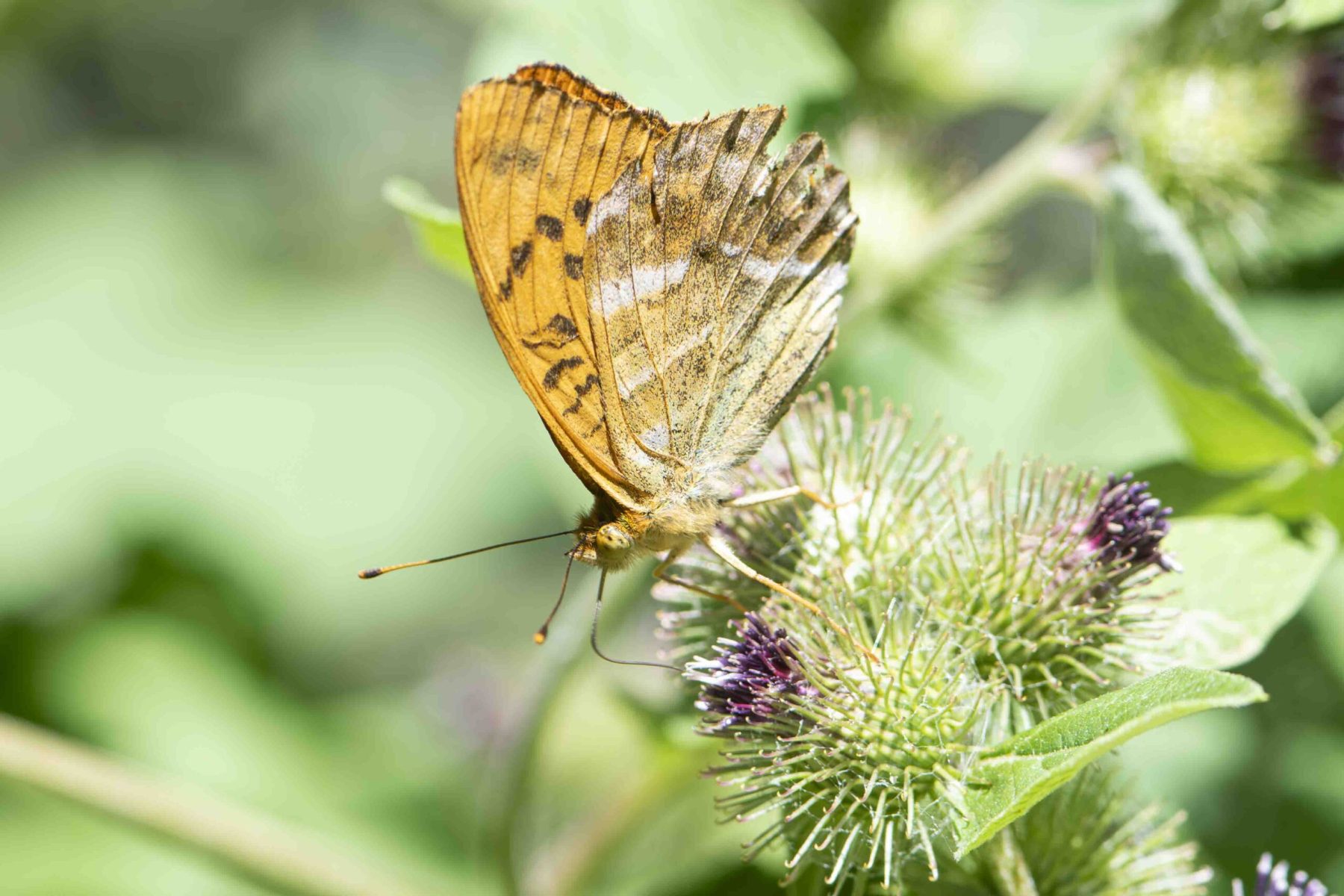
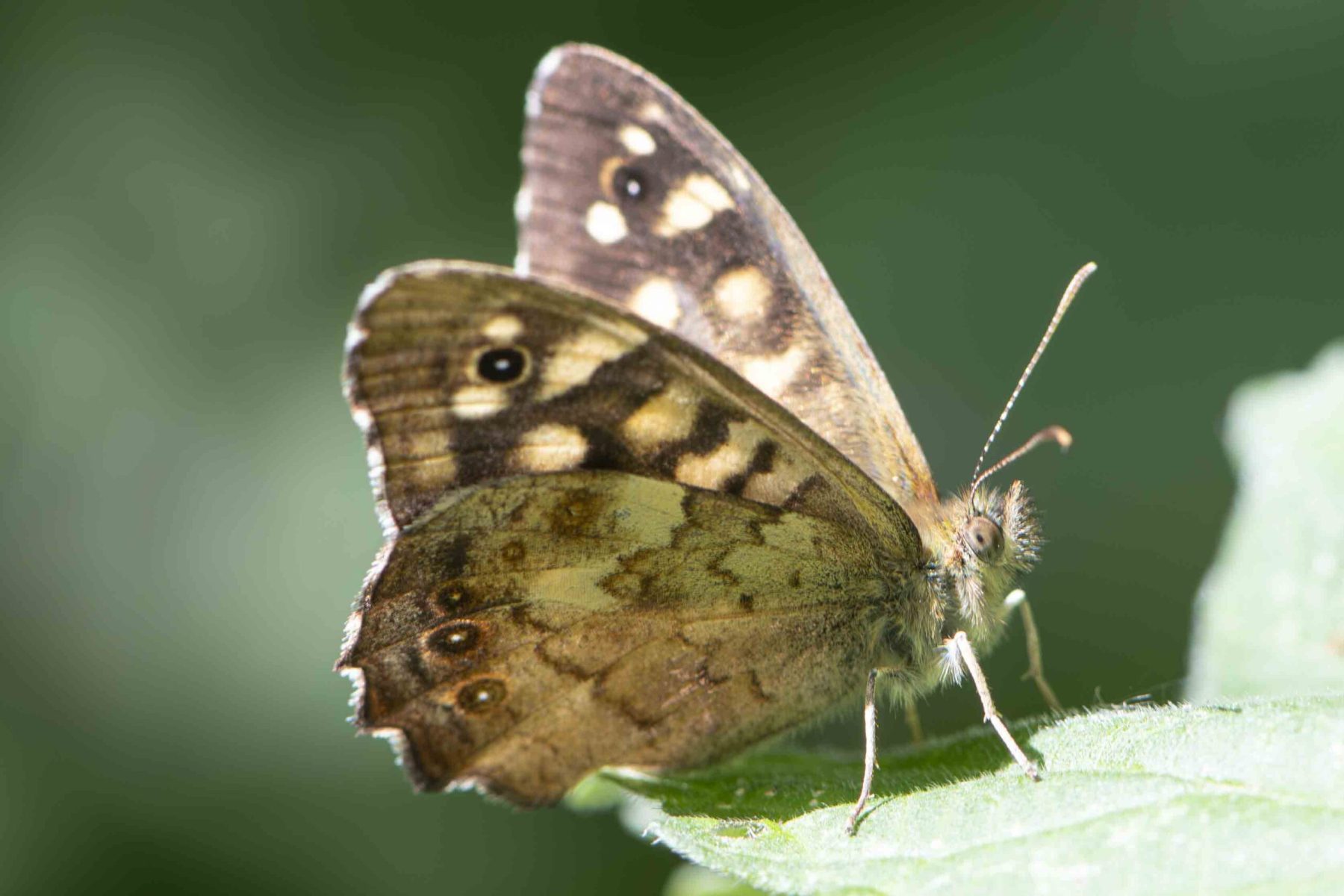
Odonata
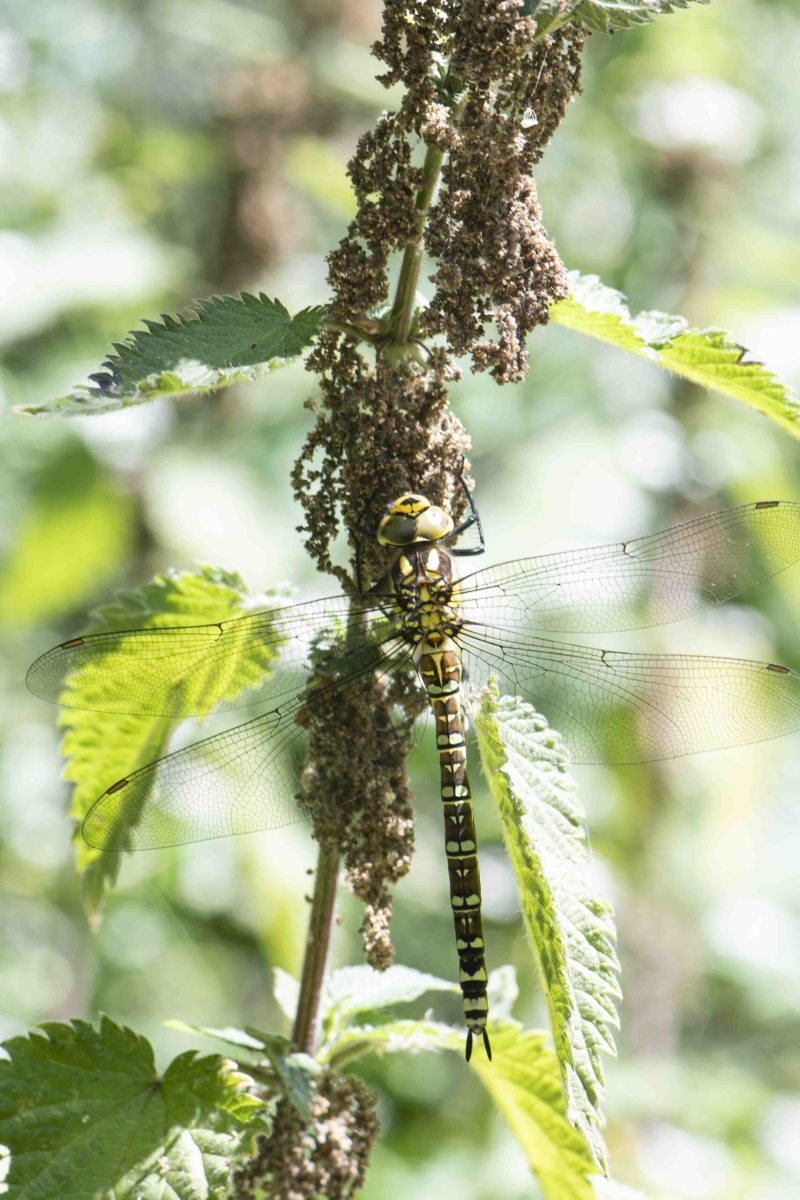
Potteric Carr, July 4
Potteric Carr, July 4
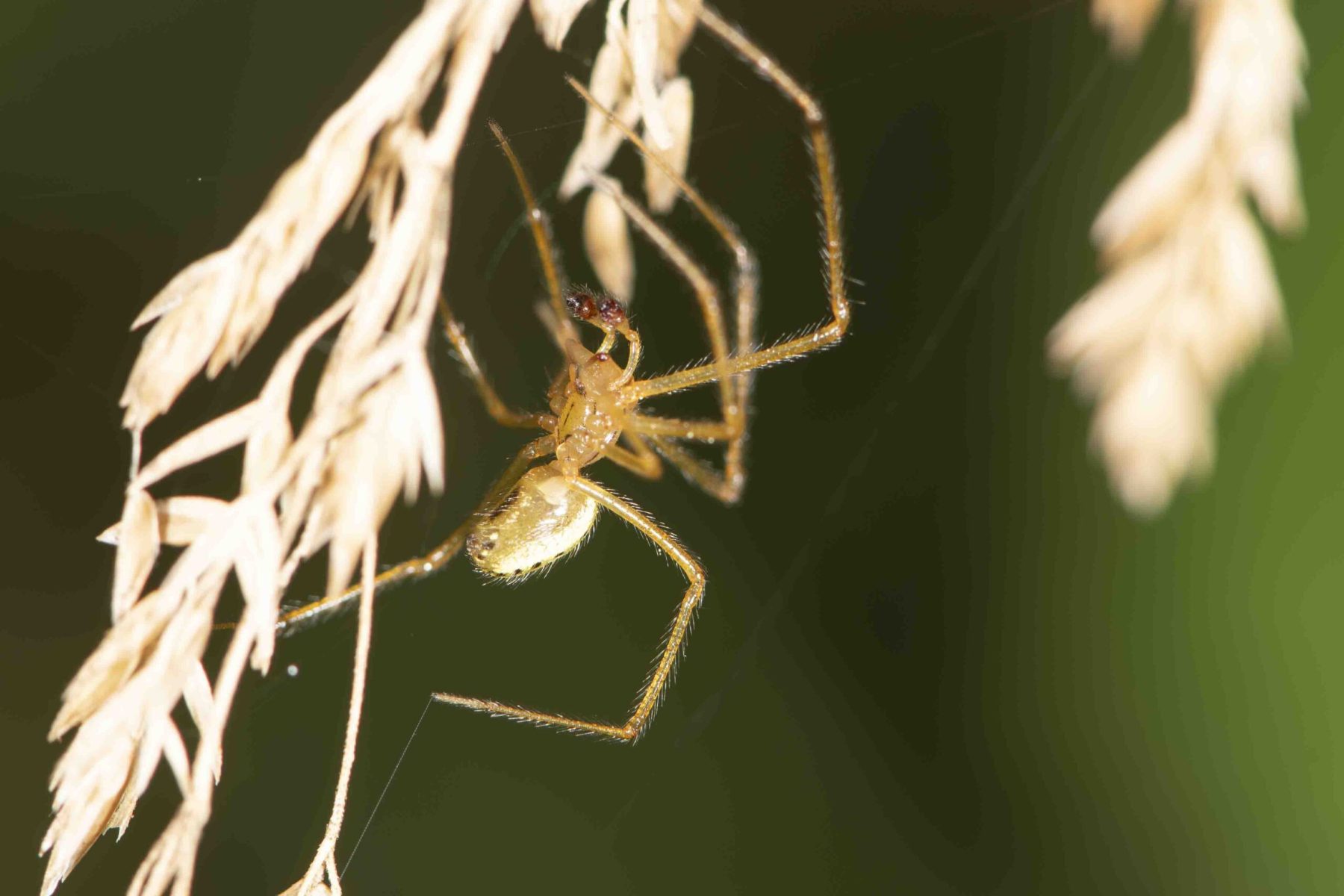
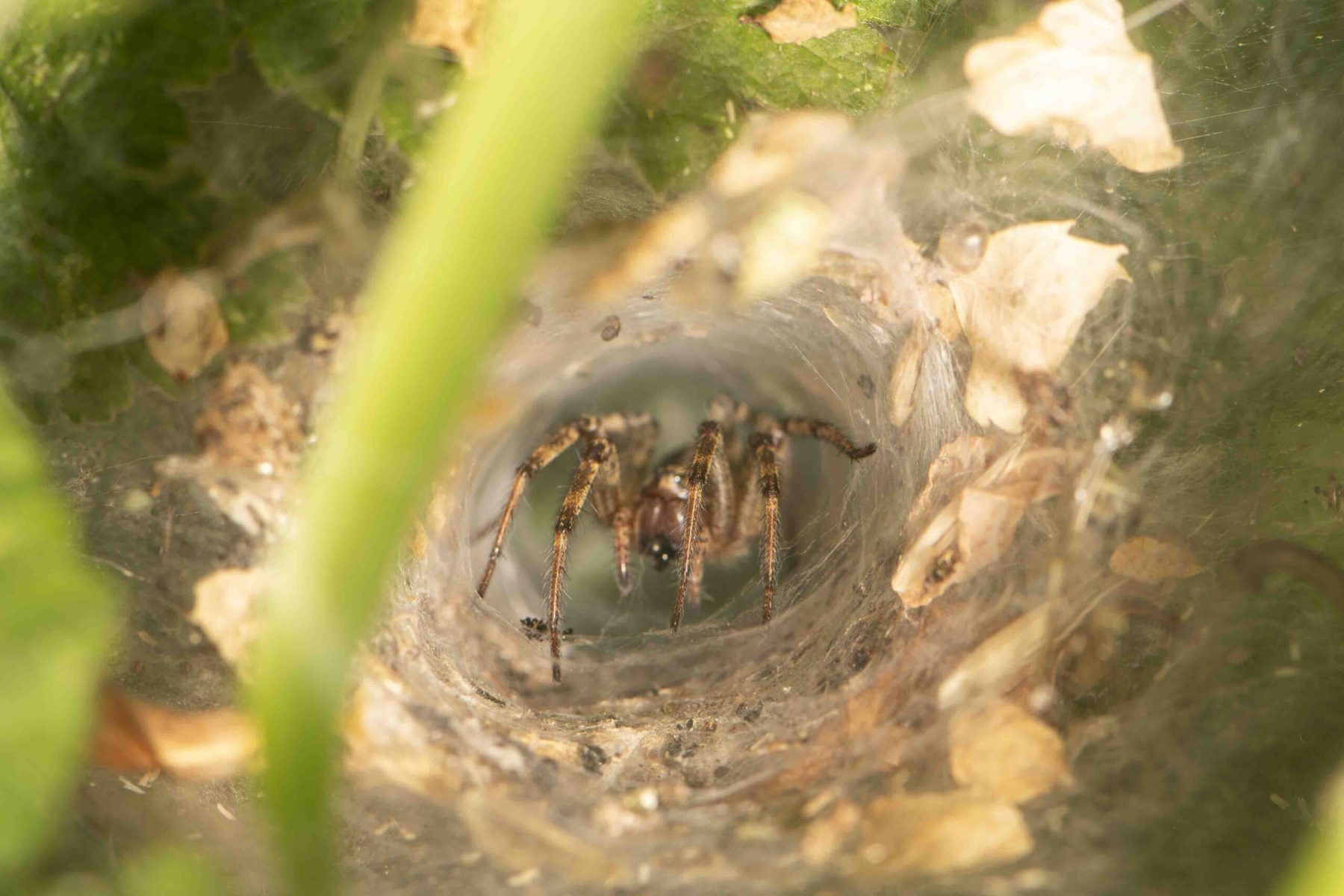
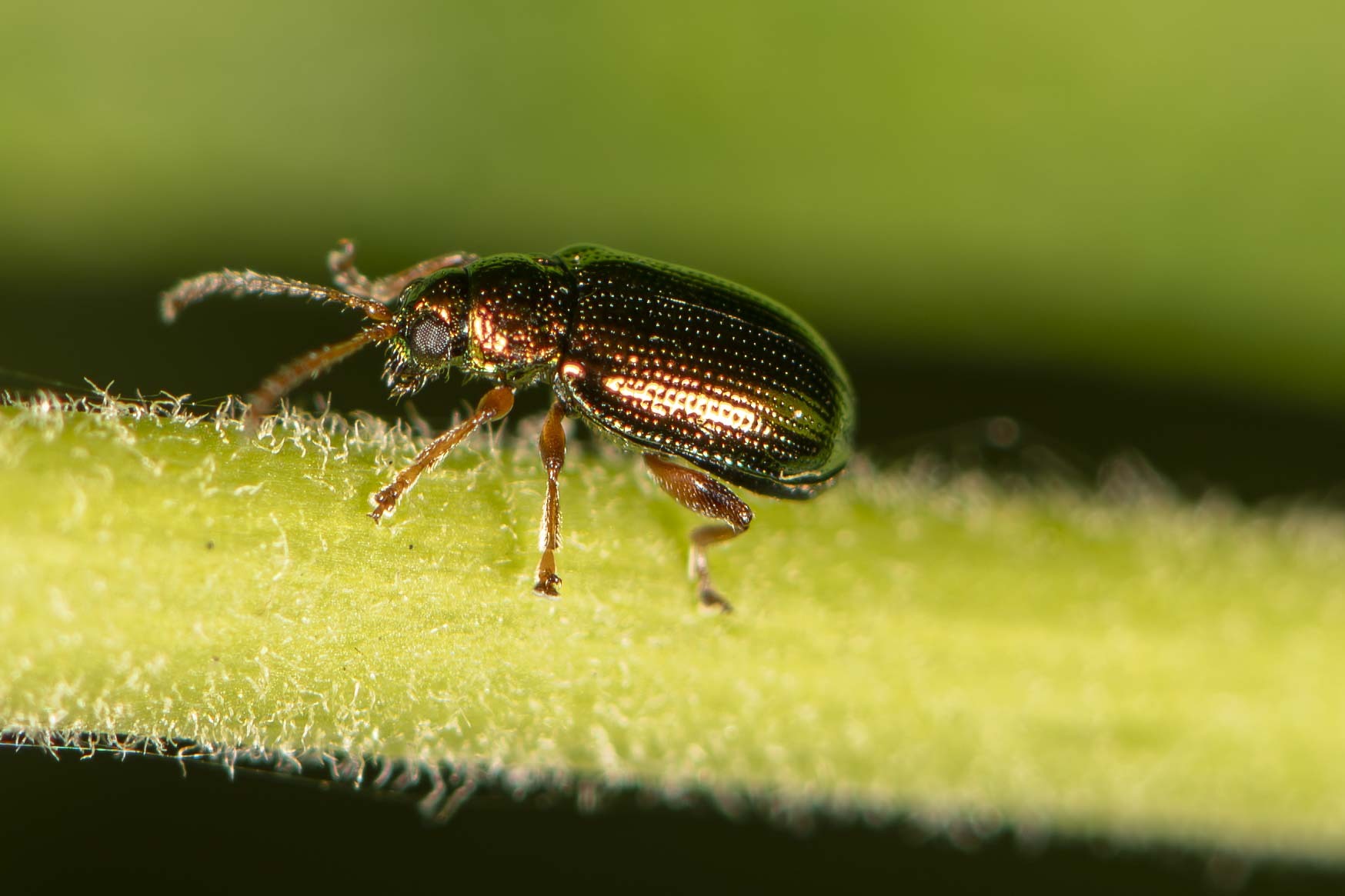
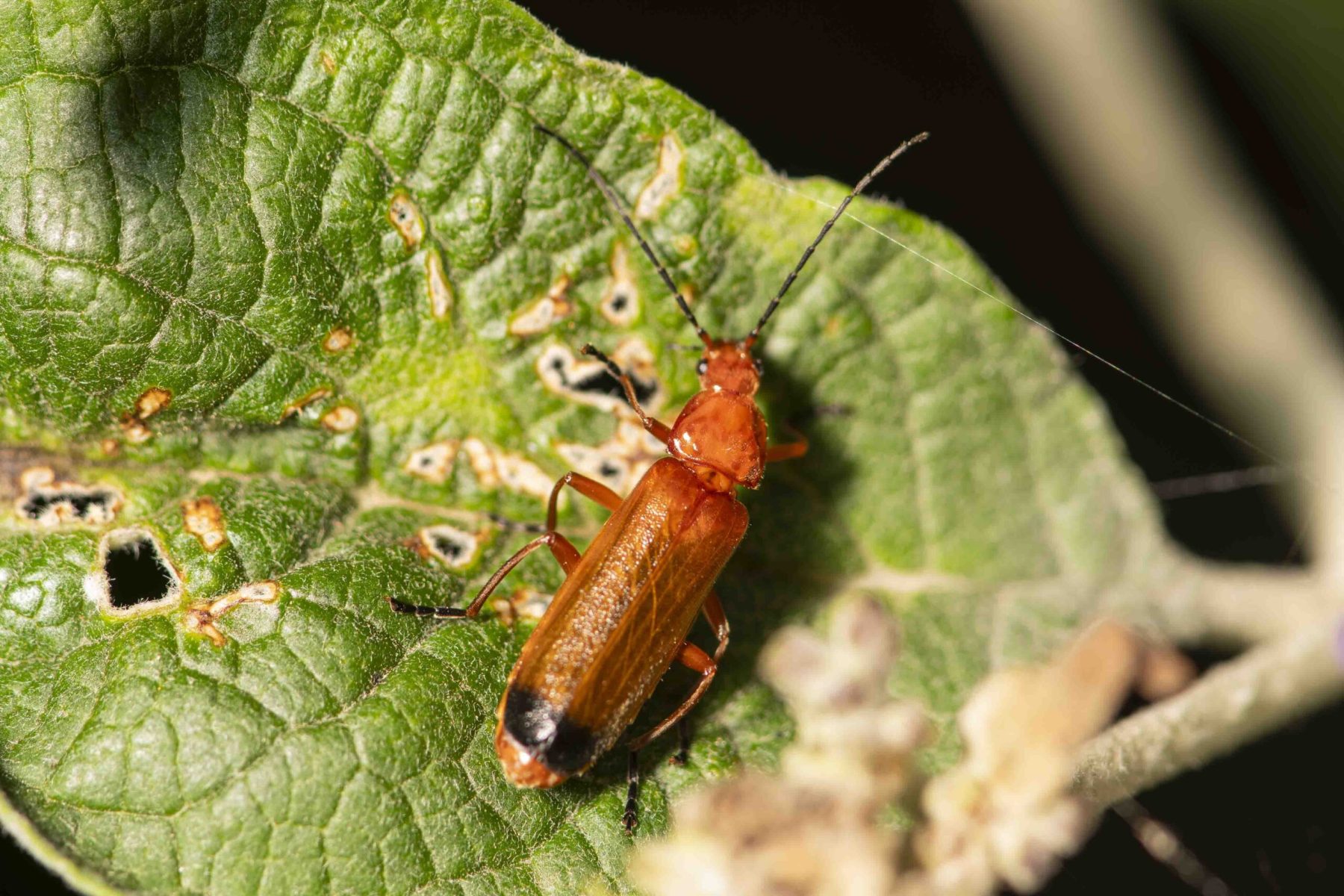
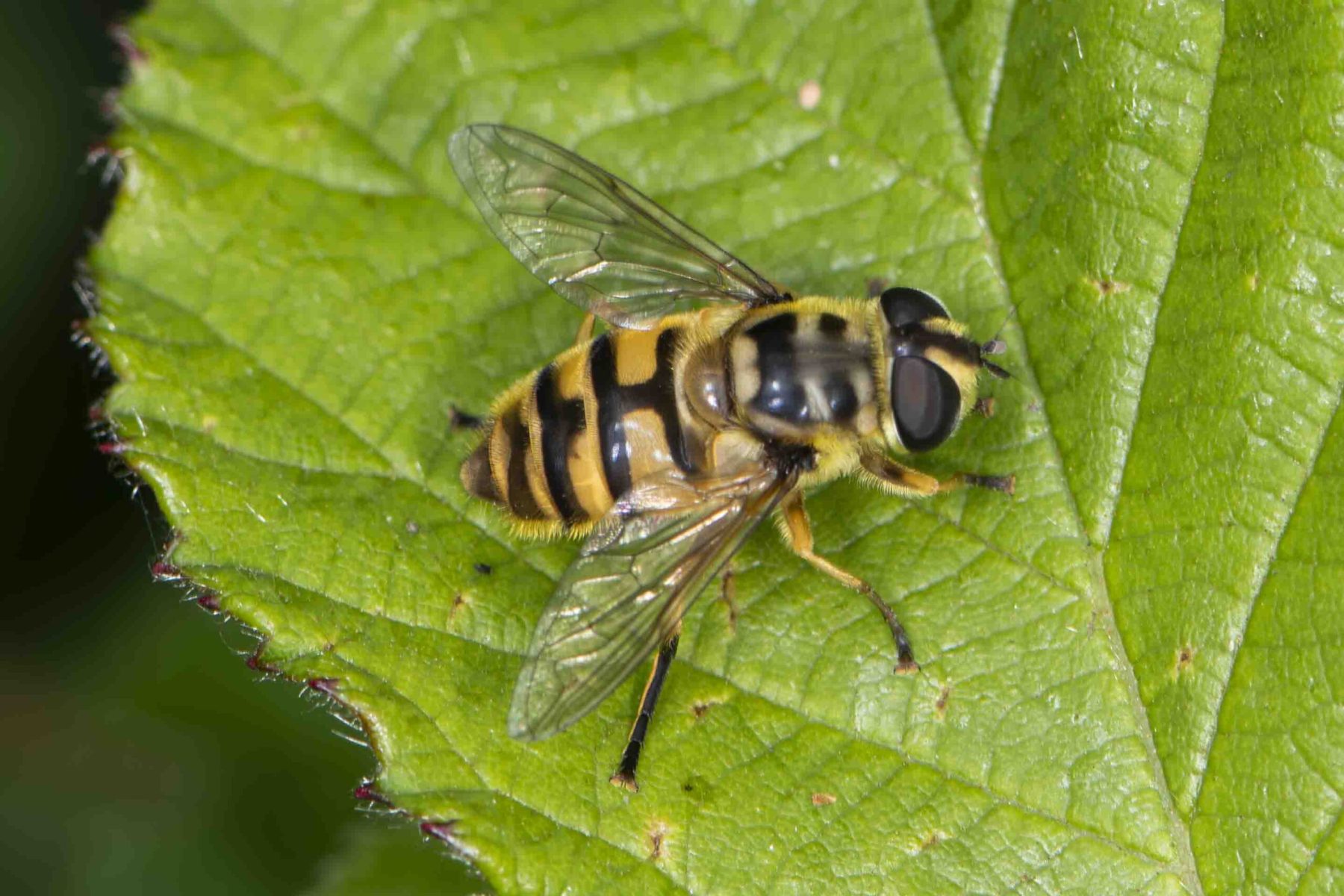
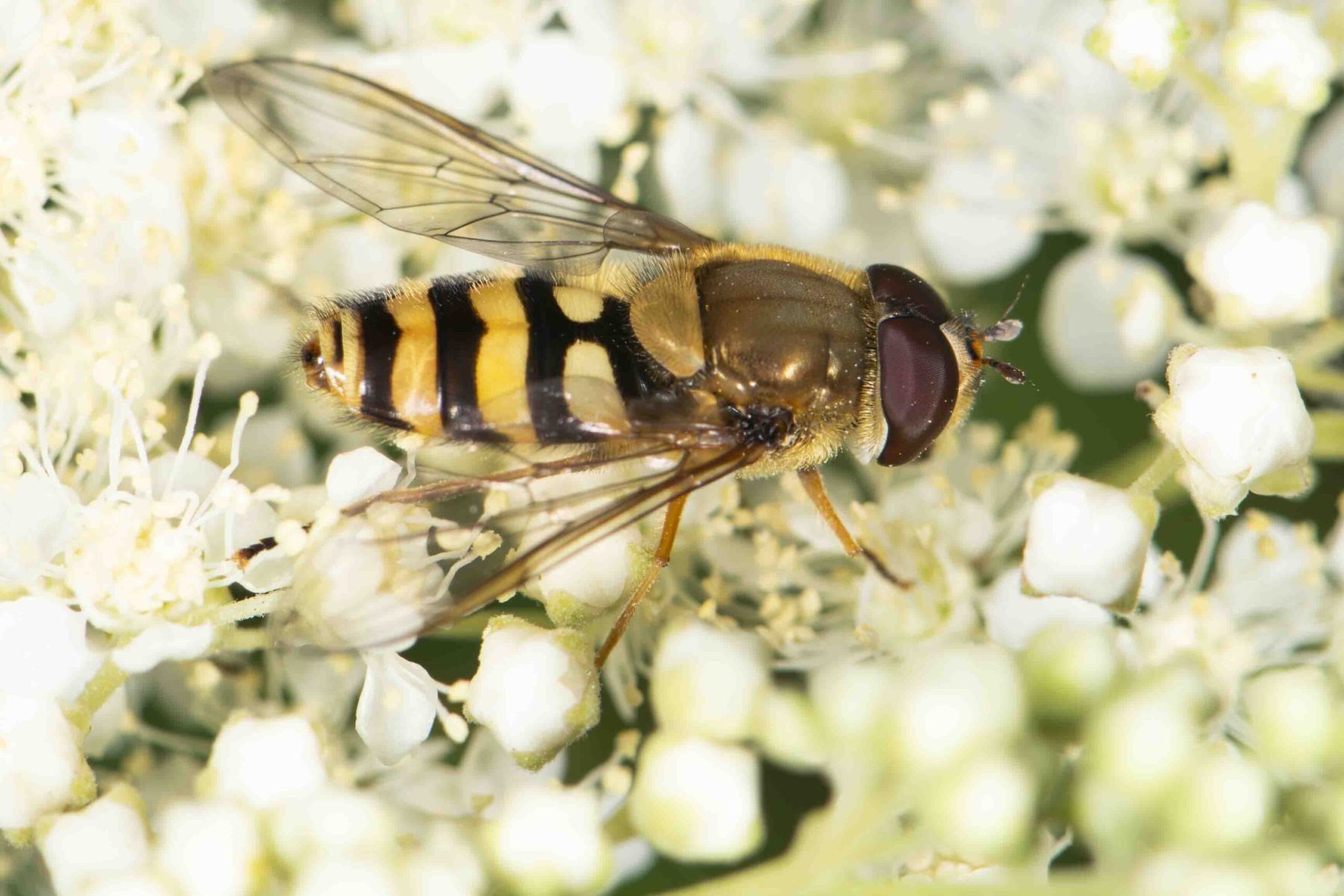
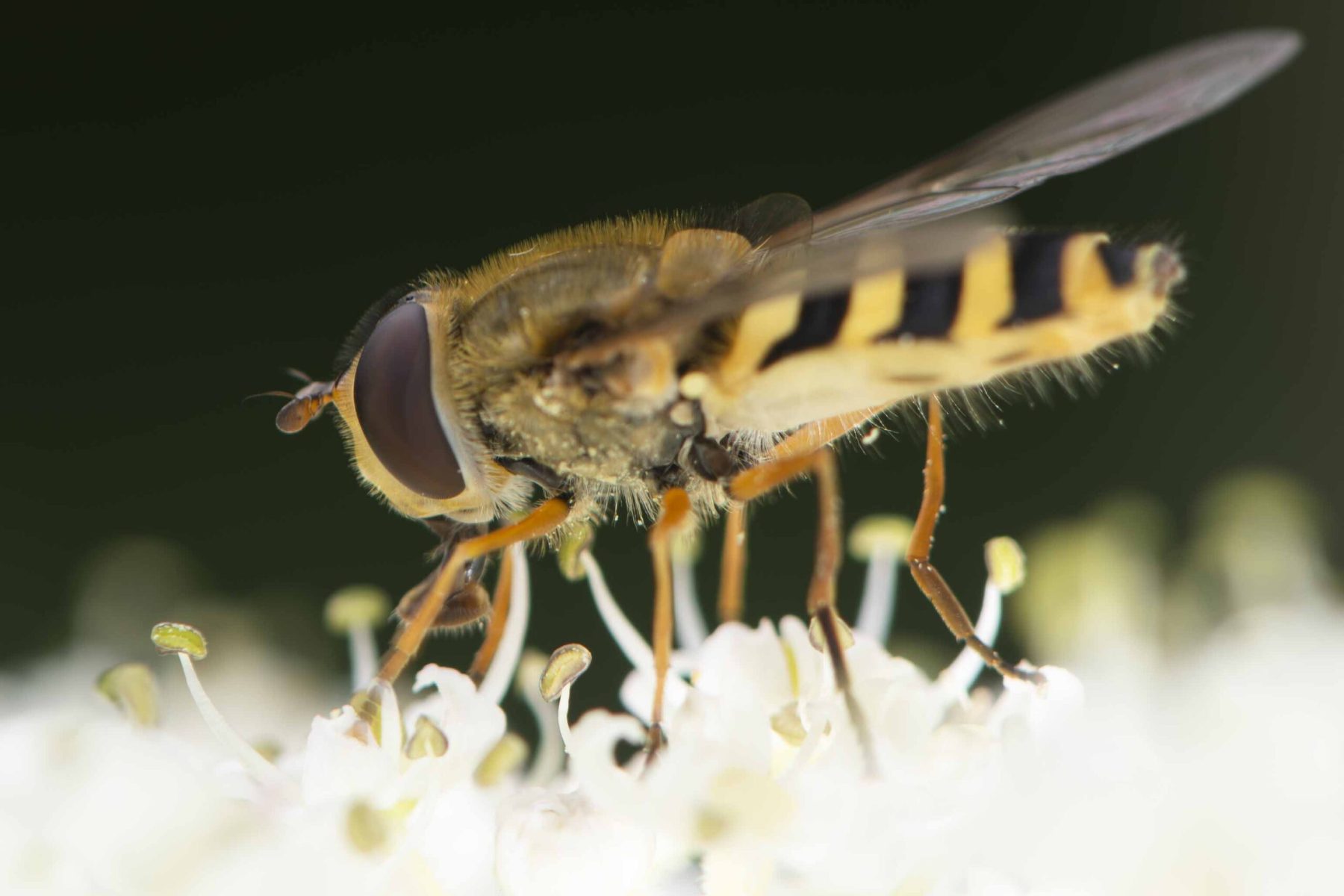
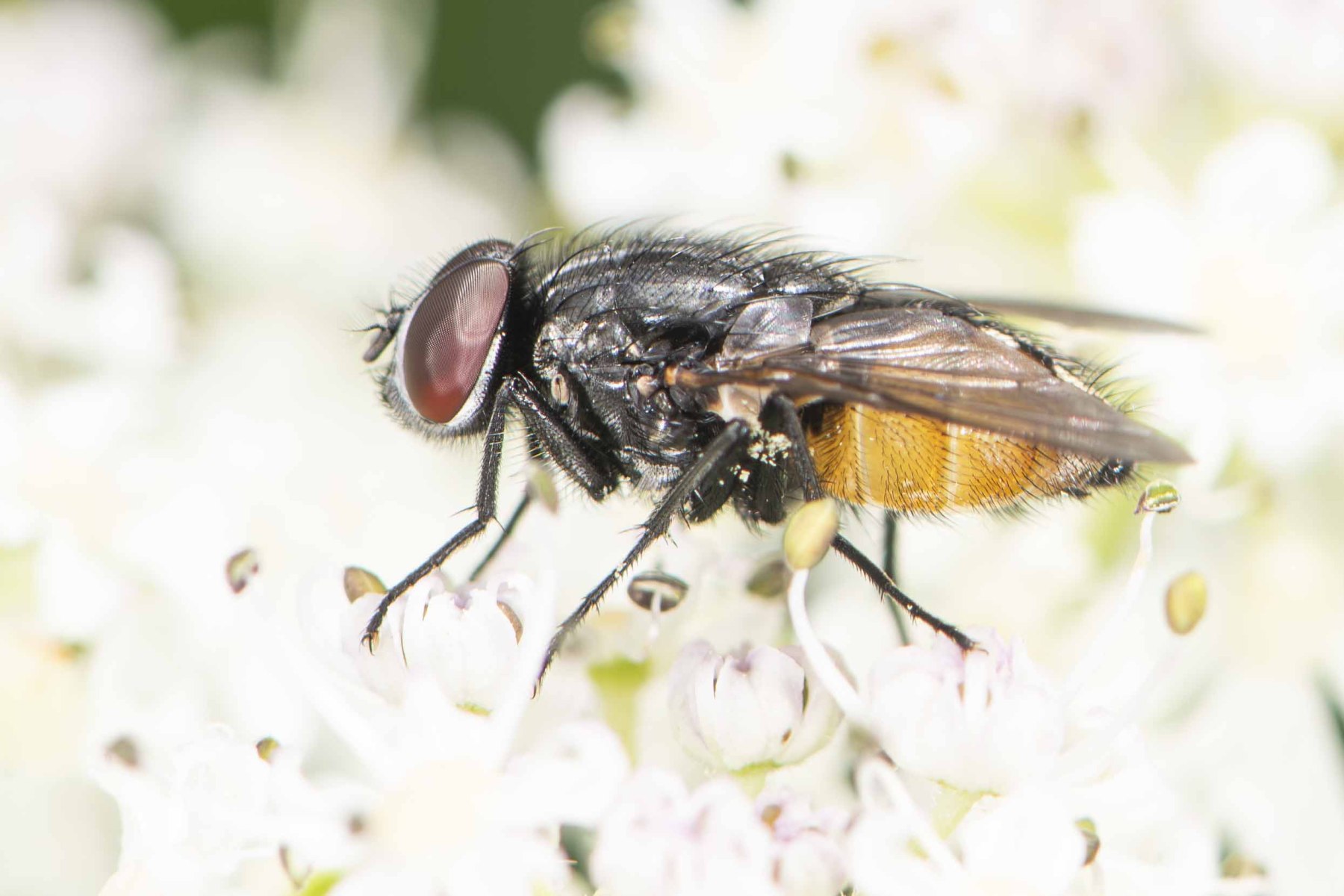
A windy and cloudy day with a little rain at mid-day, not the best for photography but a good day to try out flash.
Arachnida
Coleoptera

Diptera


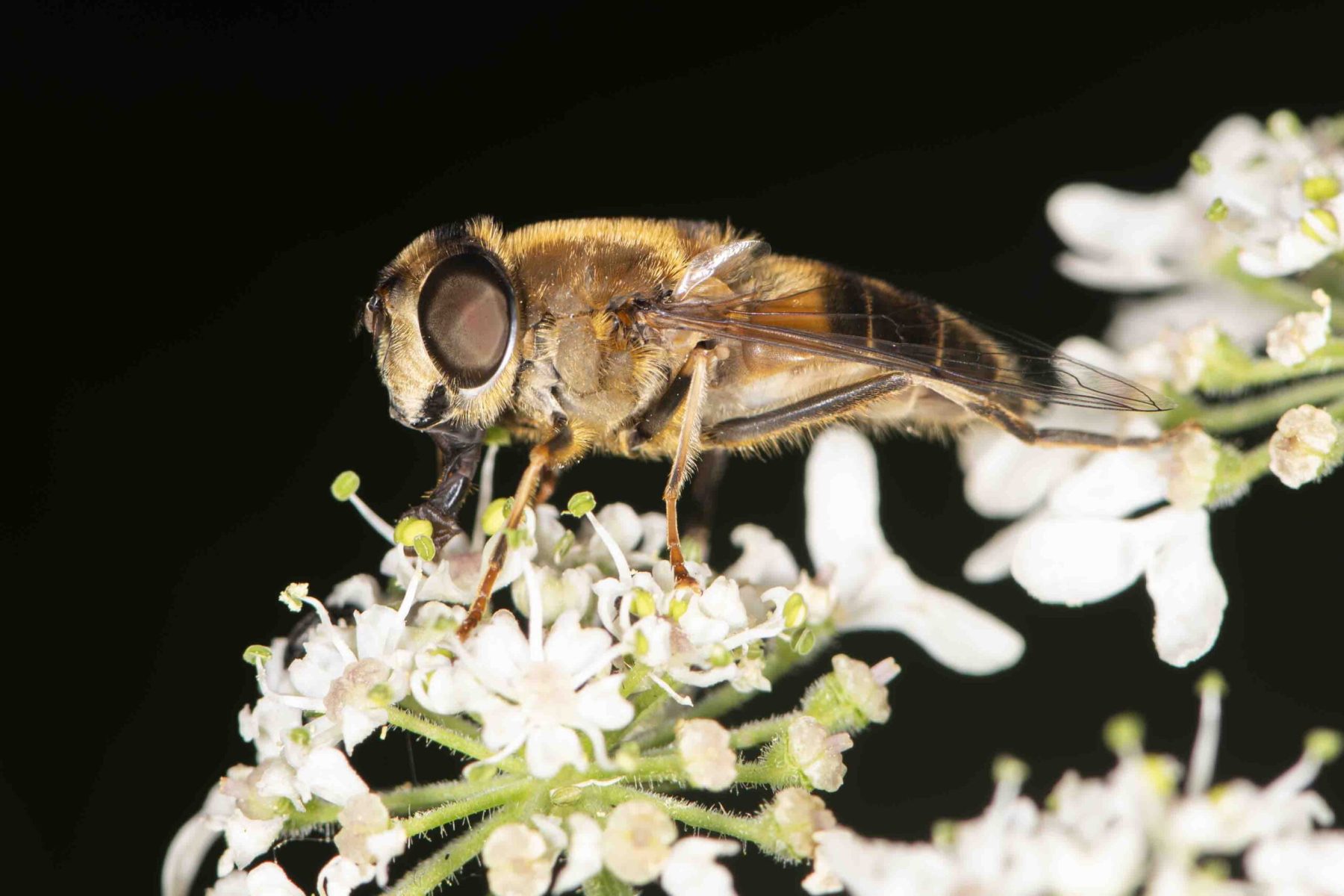

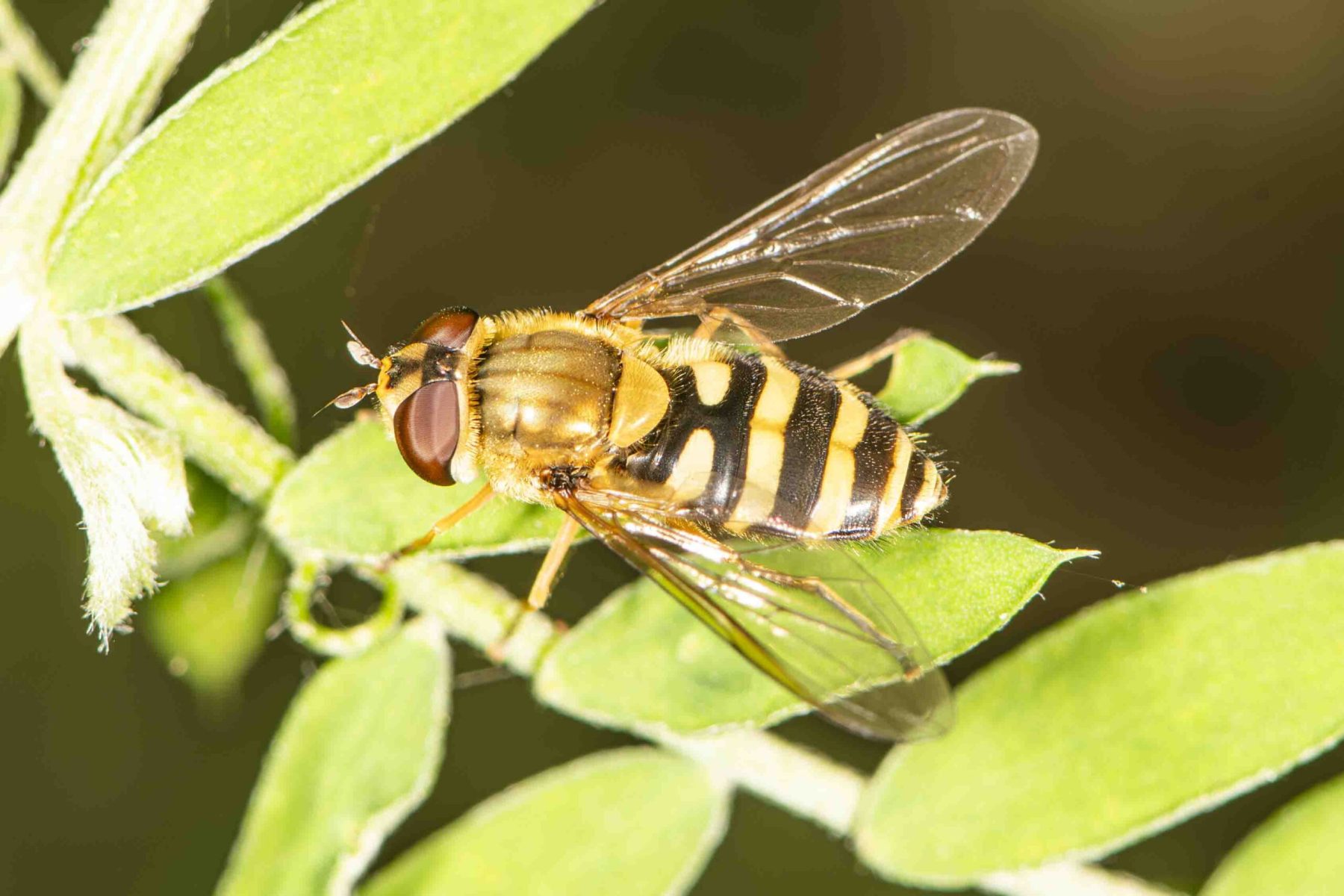
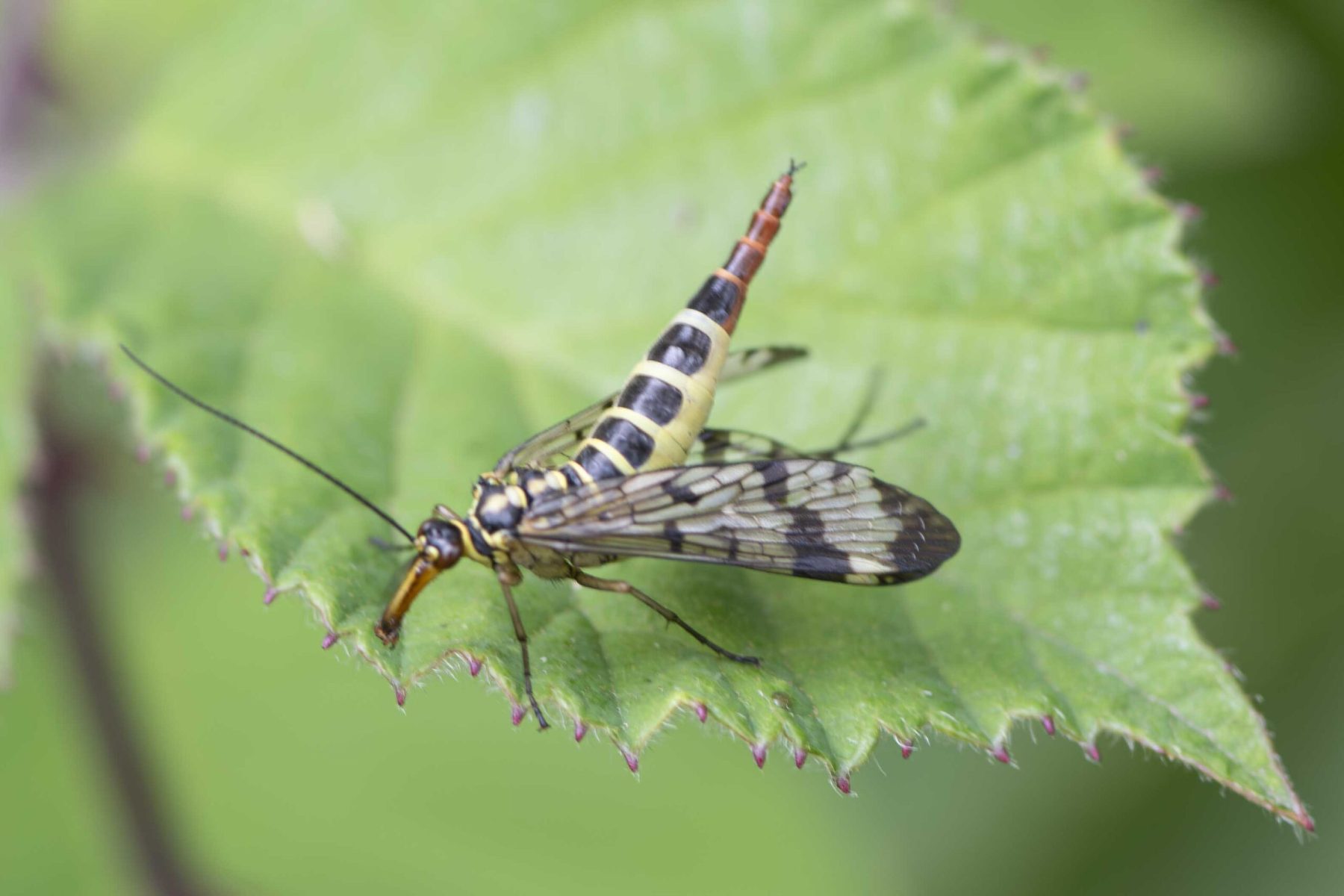
Hymenoptera
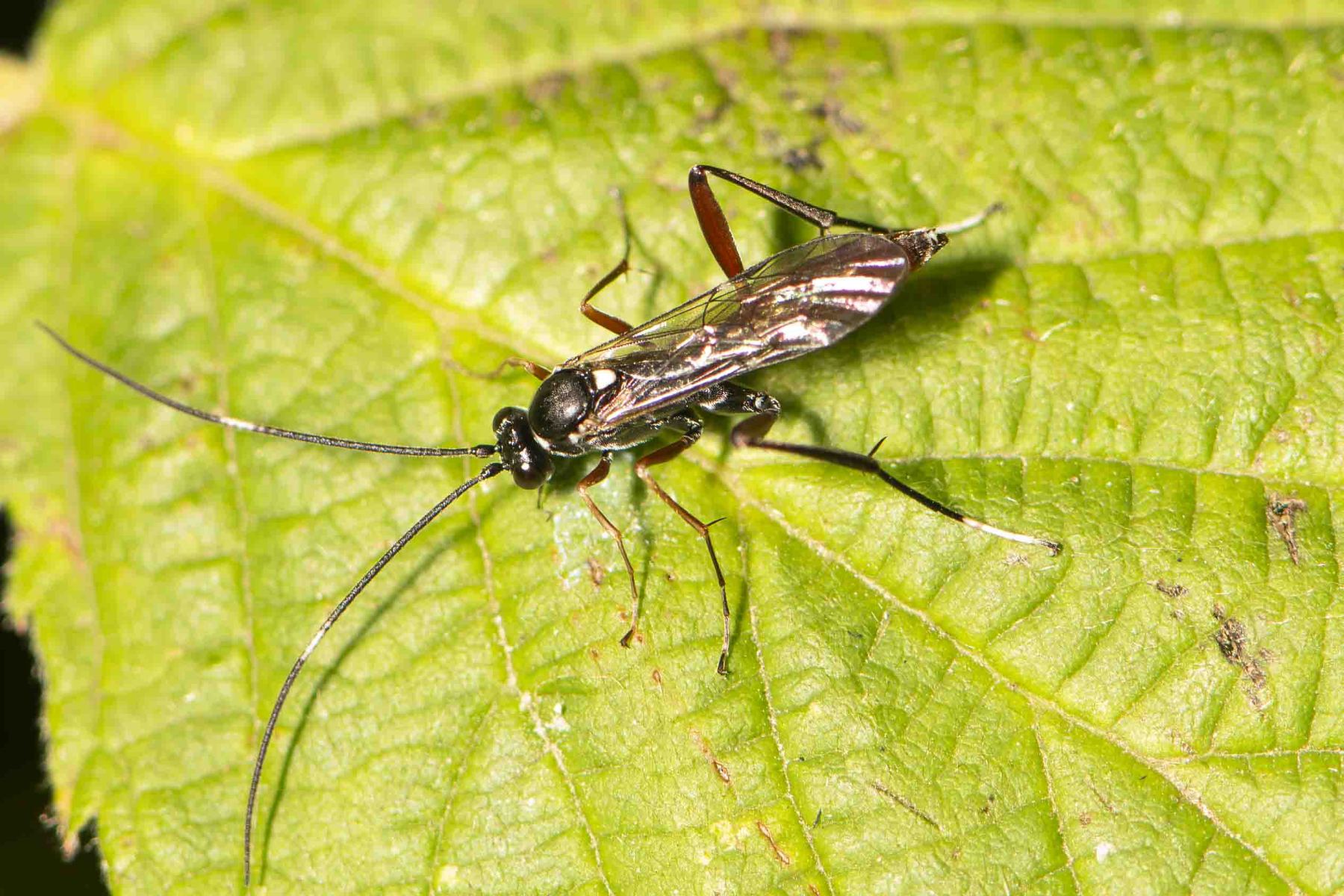
Lepidoptera
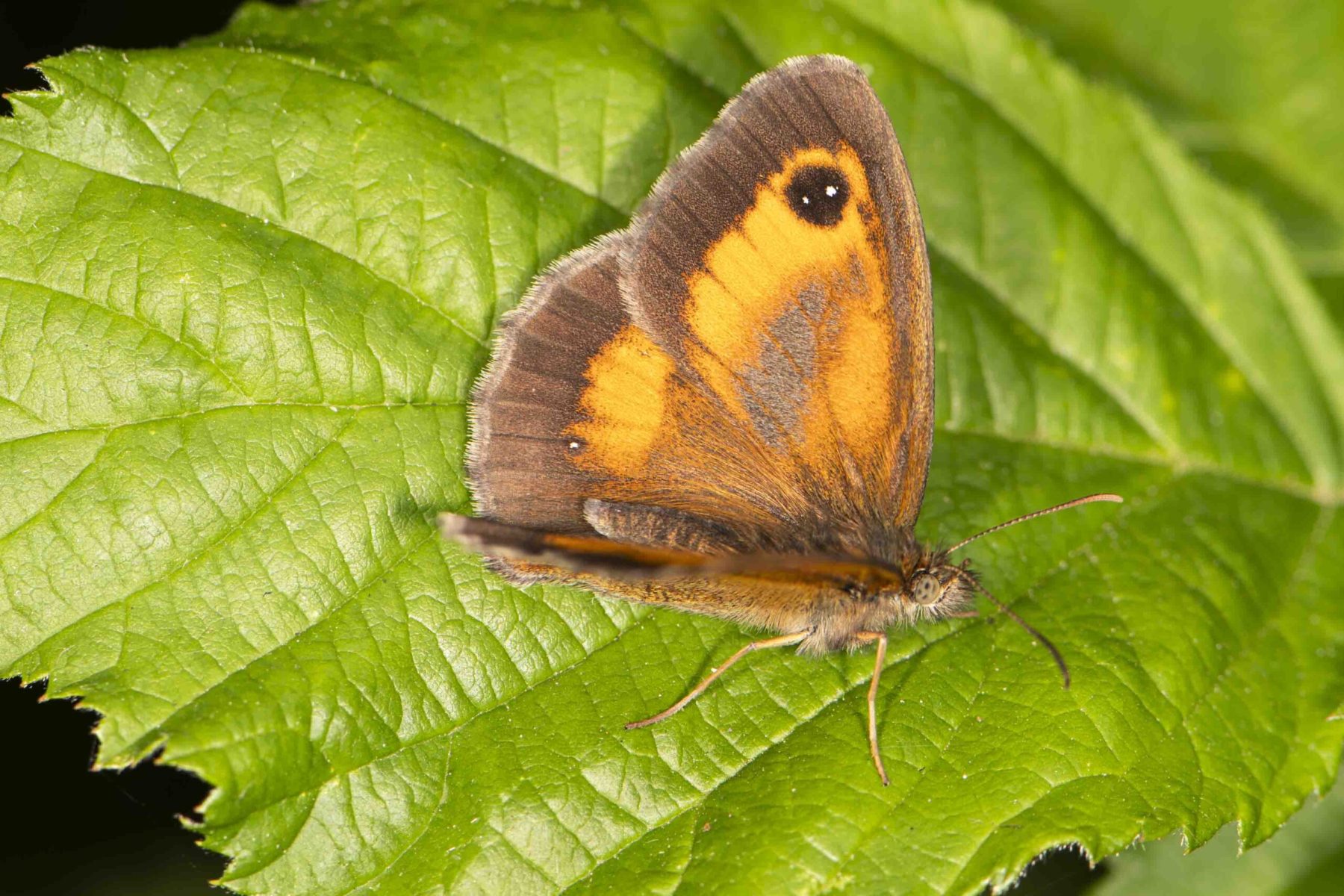


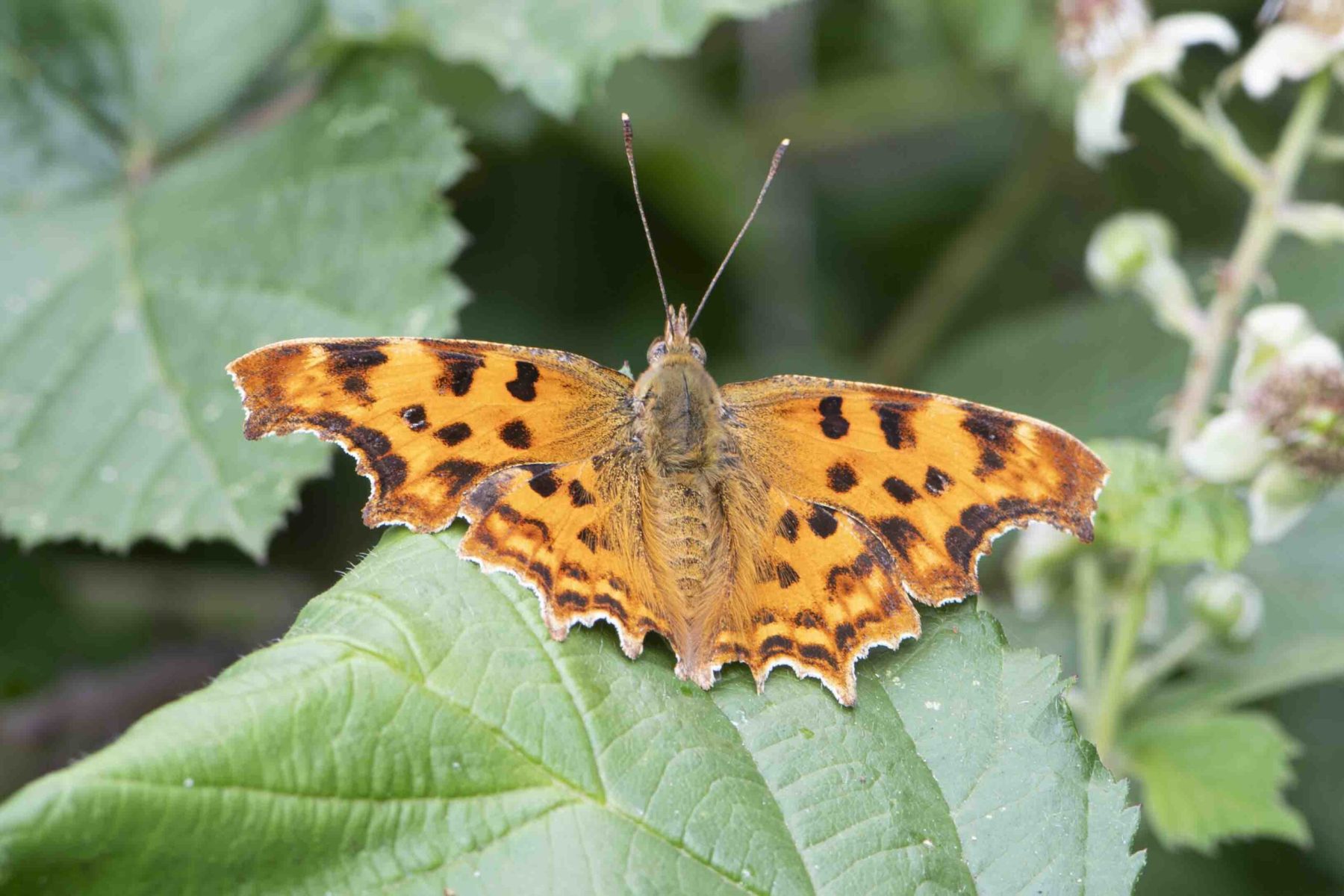


Potteric Carr, June 30
An outing with Colin.
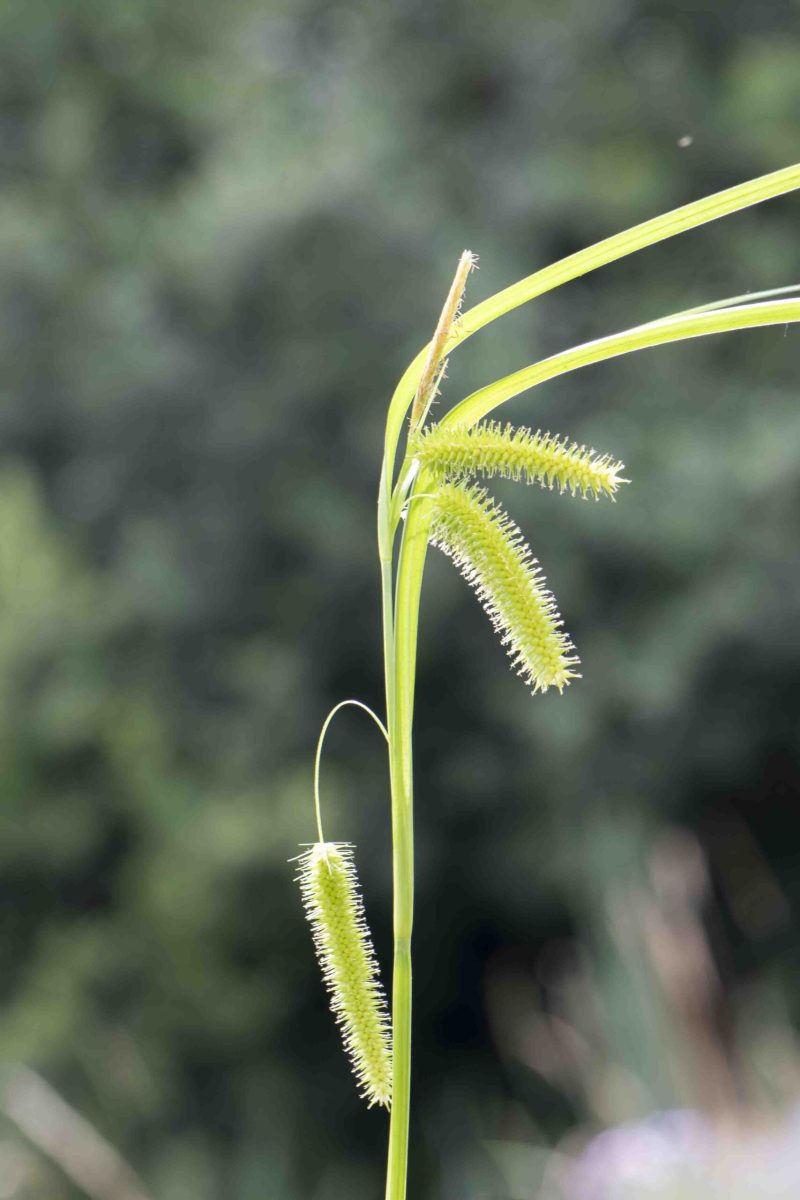
This yellow-green sedge is Carex pseudocyperus, the Cyperus sedge.
The BSBI handbook says “This species is unmistakable [famous last words] and stands out among other riparian sedges by its yellow-green colour and pendulous, bristly female spikes which soon lose their utricles at maturity.” According to the South Yorkshire Plant Atlas it’s a lowland species only present within the Doncaster Met Borough where it’s known in 20 places.
I thought the high summer vegetation was rather impressive, encountering Great Speartwort and Purple Loosestrife before we’d even got to the visitor centre front door.
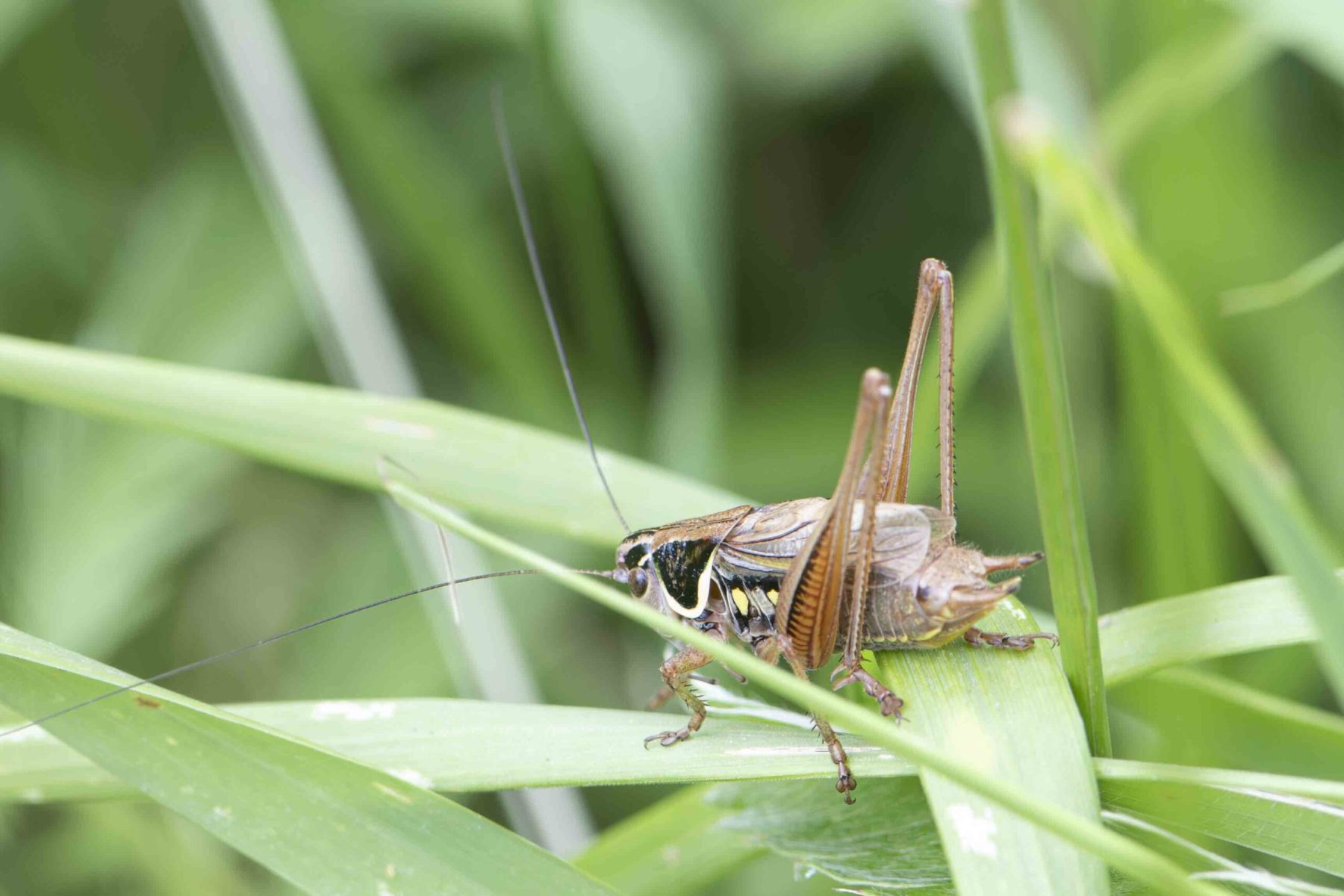
In the areas of tall grassland, the Bat detector just about exploded with the fantastically loud and continuous stridulations of Roesel’s Bush Crickets at about 20-22 kHz … like trying to tune in an old valve radio to the test match.
CAH
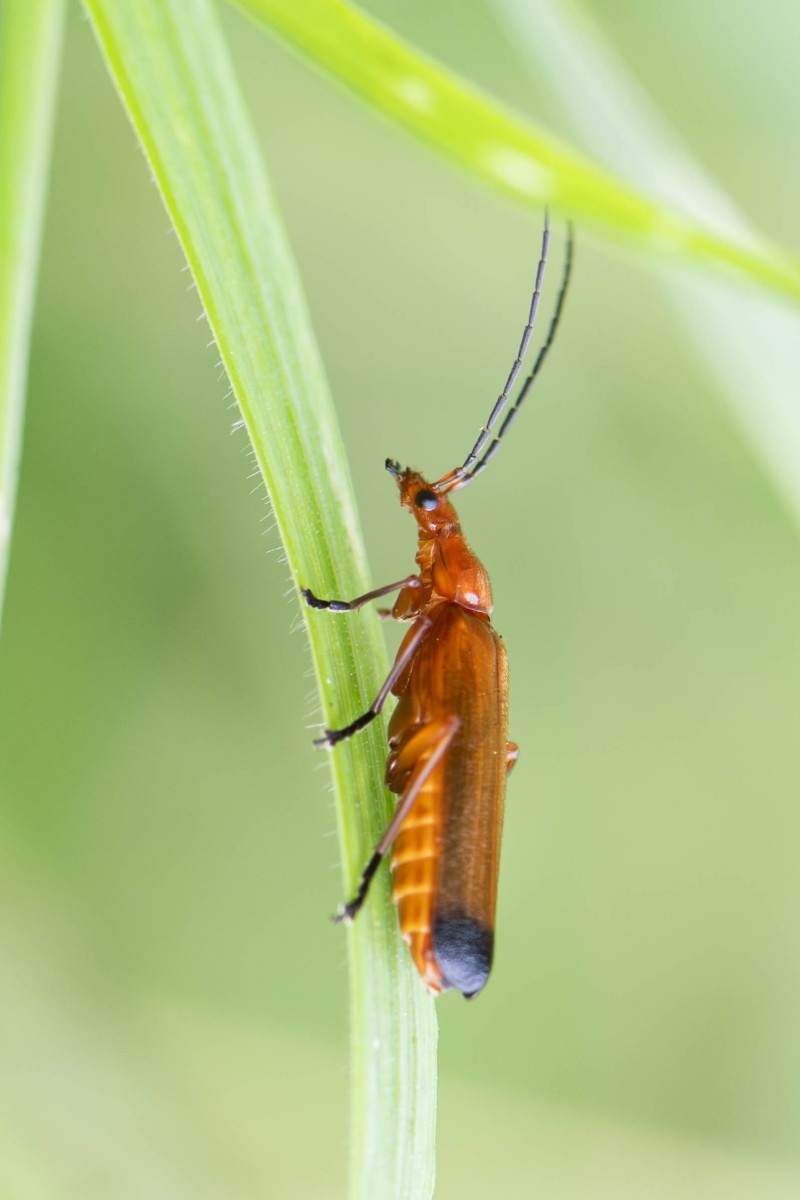
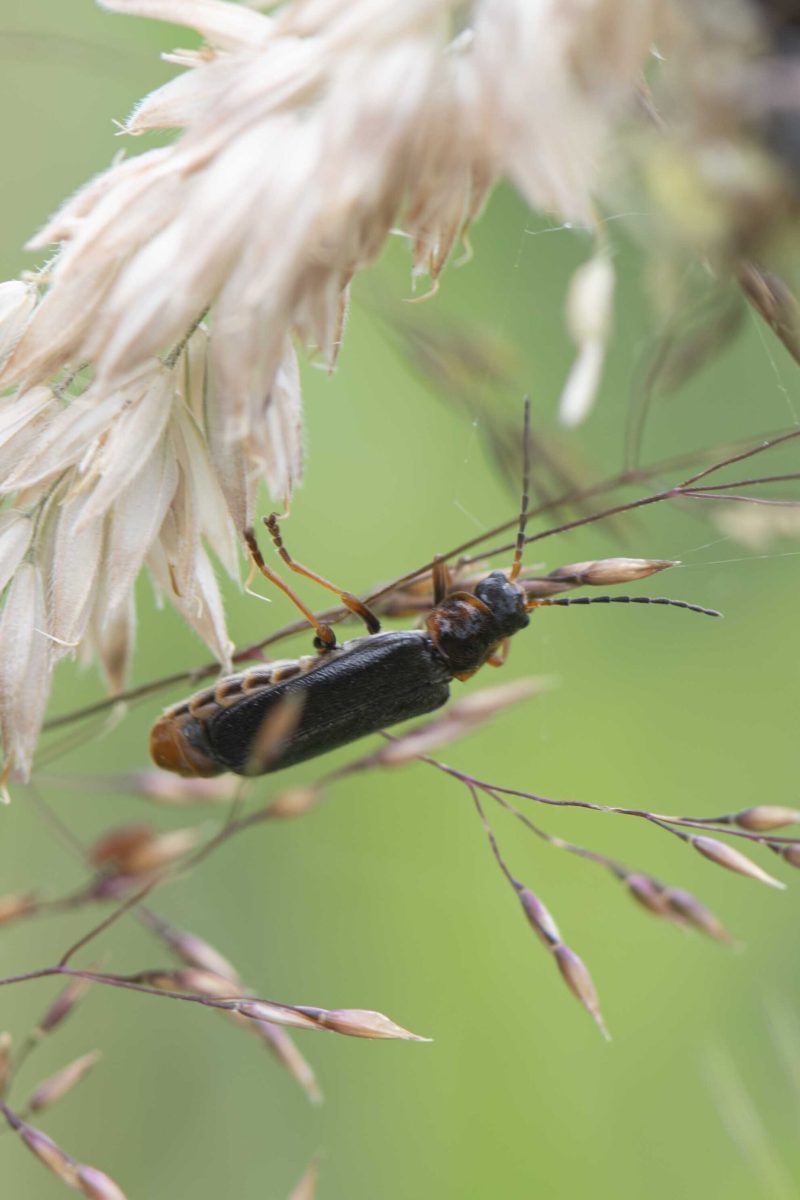
Coleoptera

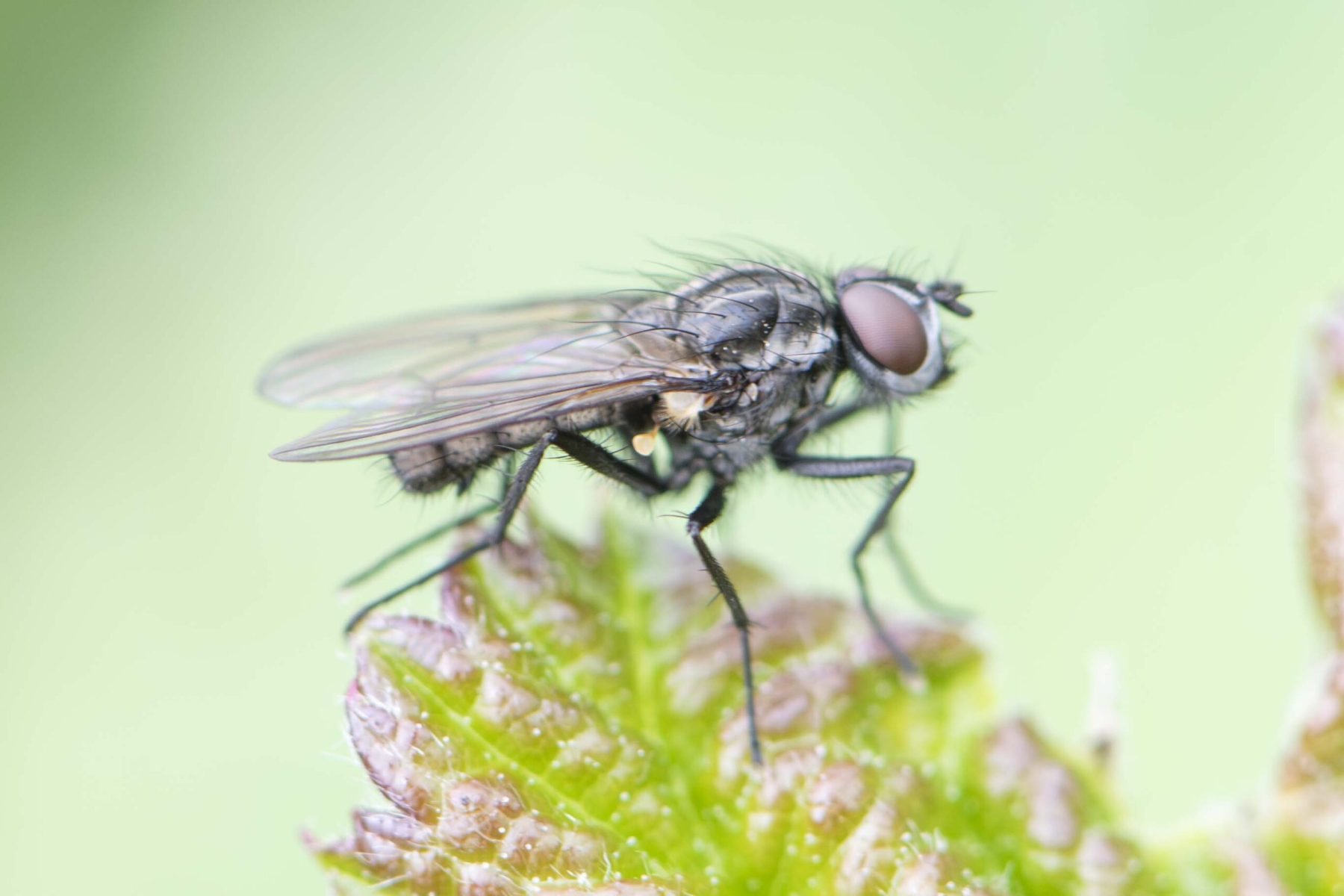
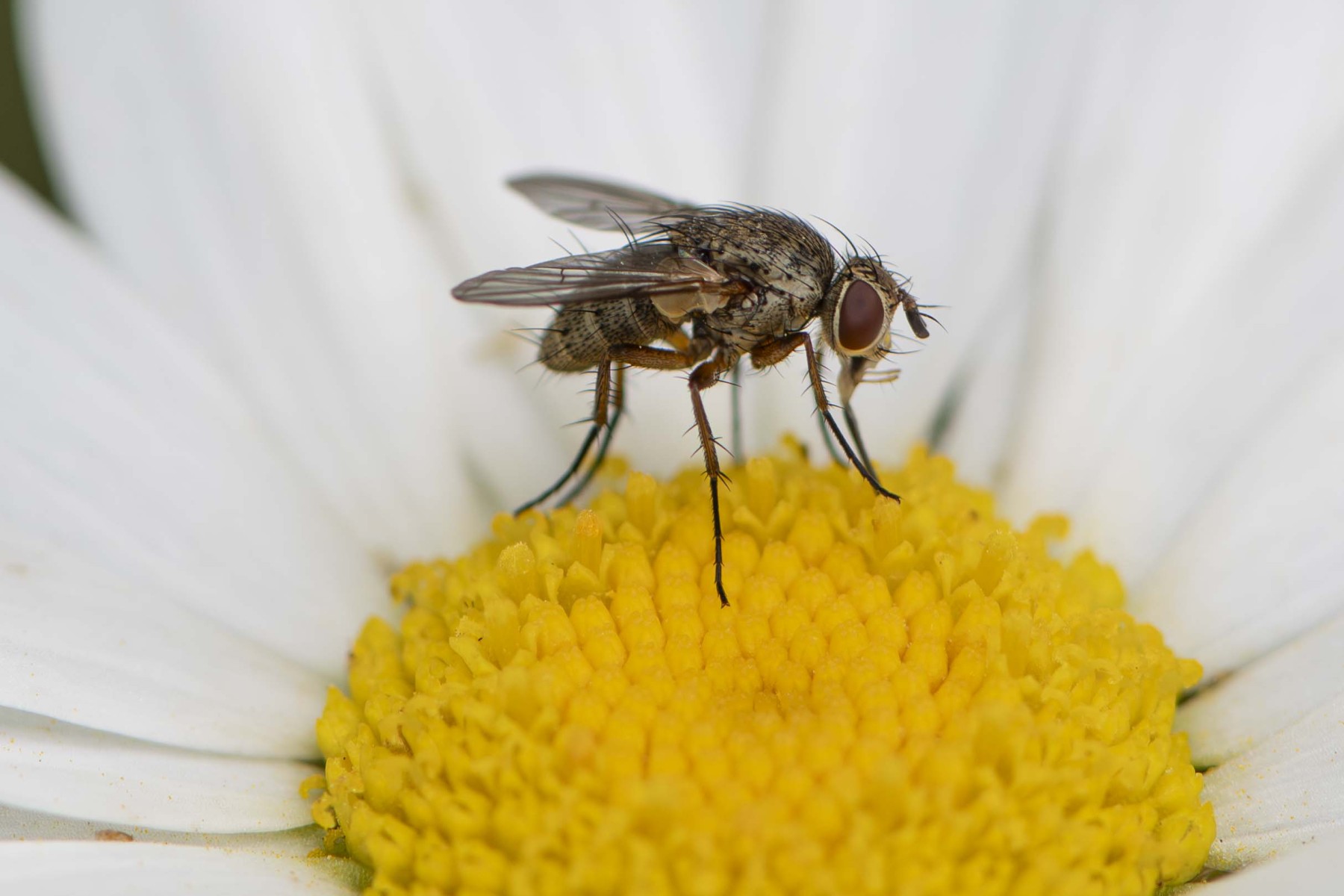
Diptera


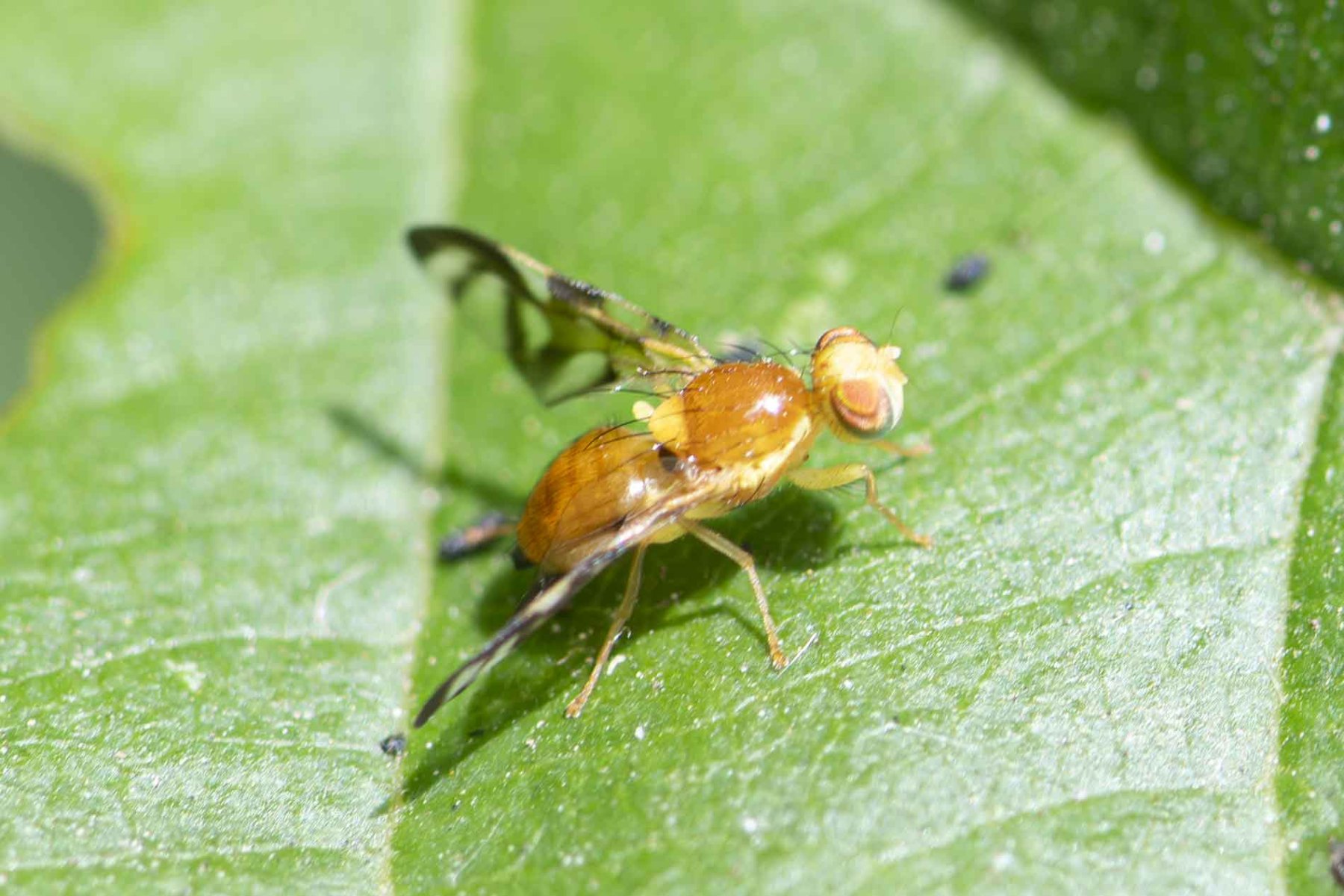


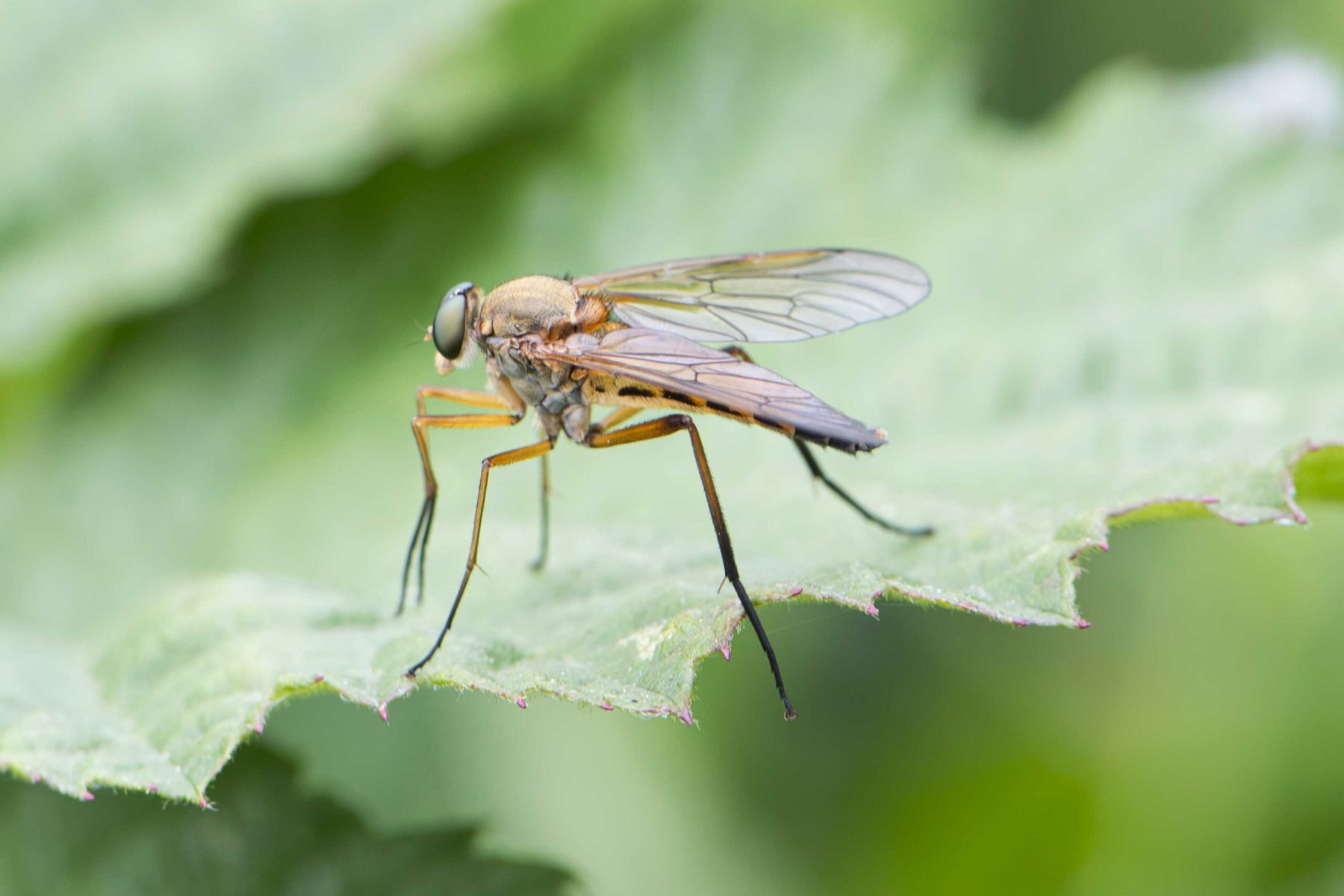
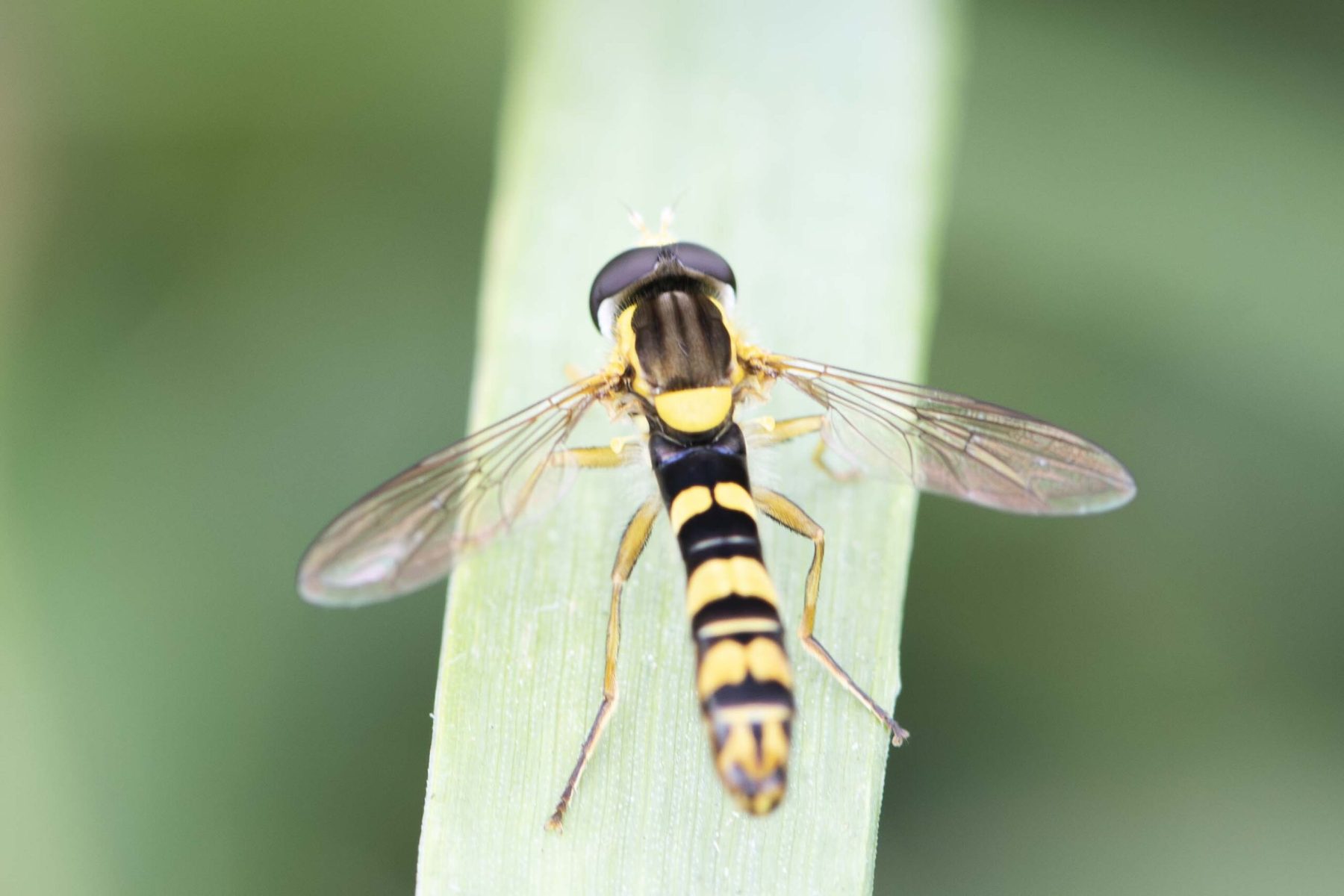
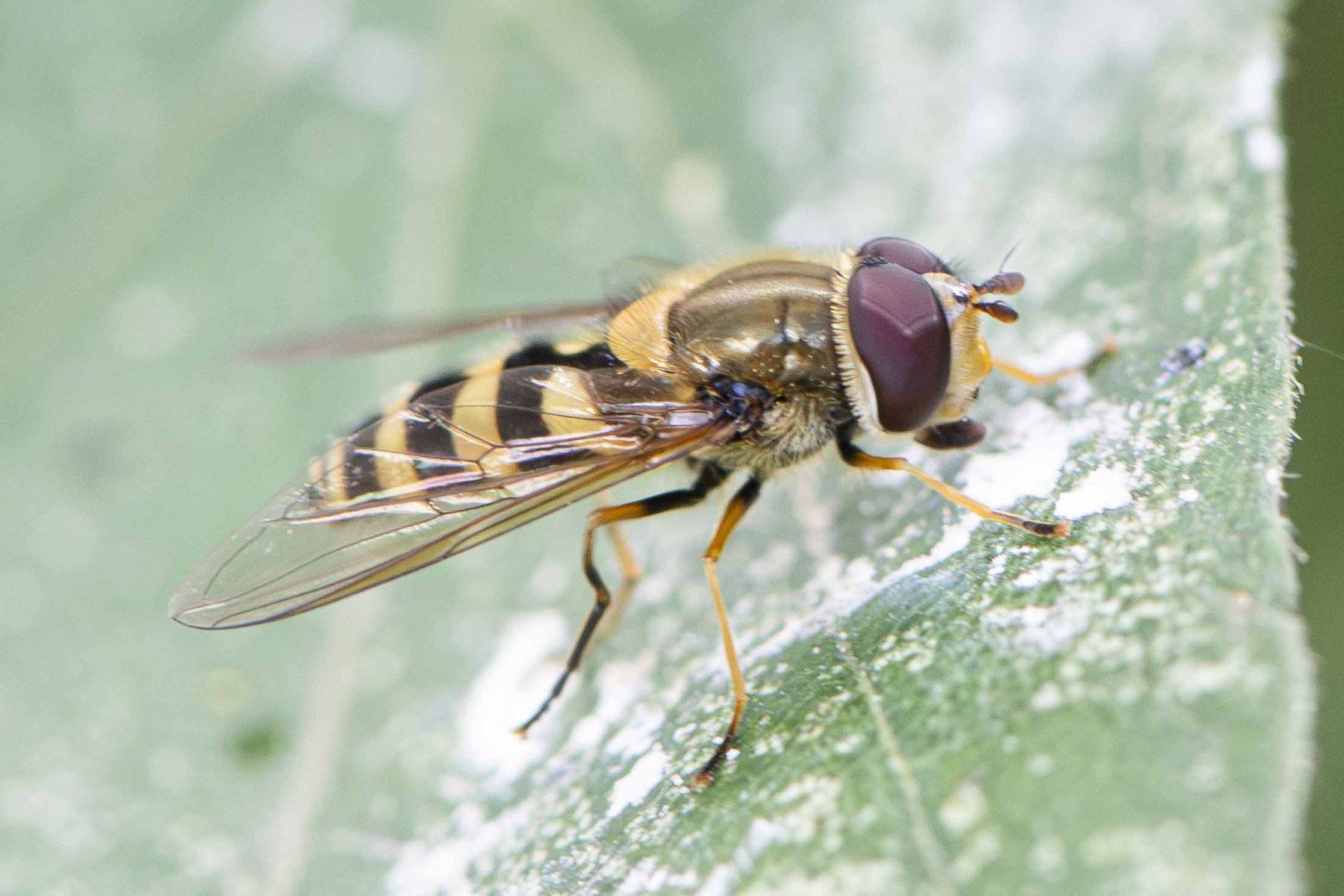
Hemiptera

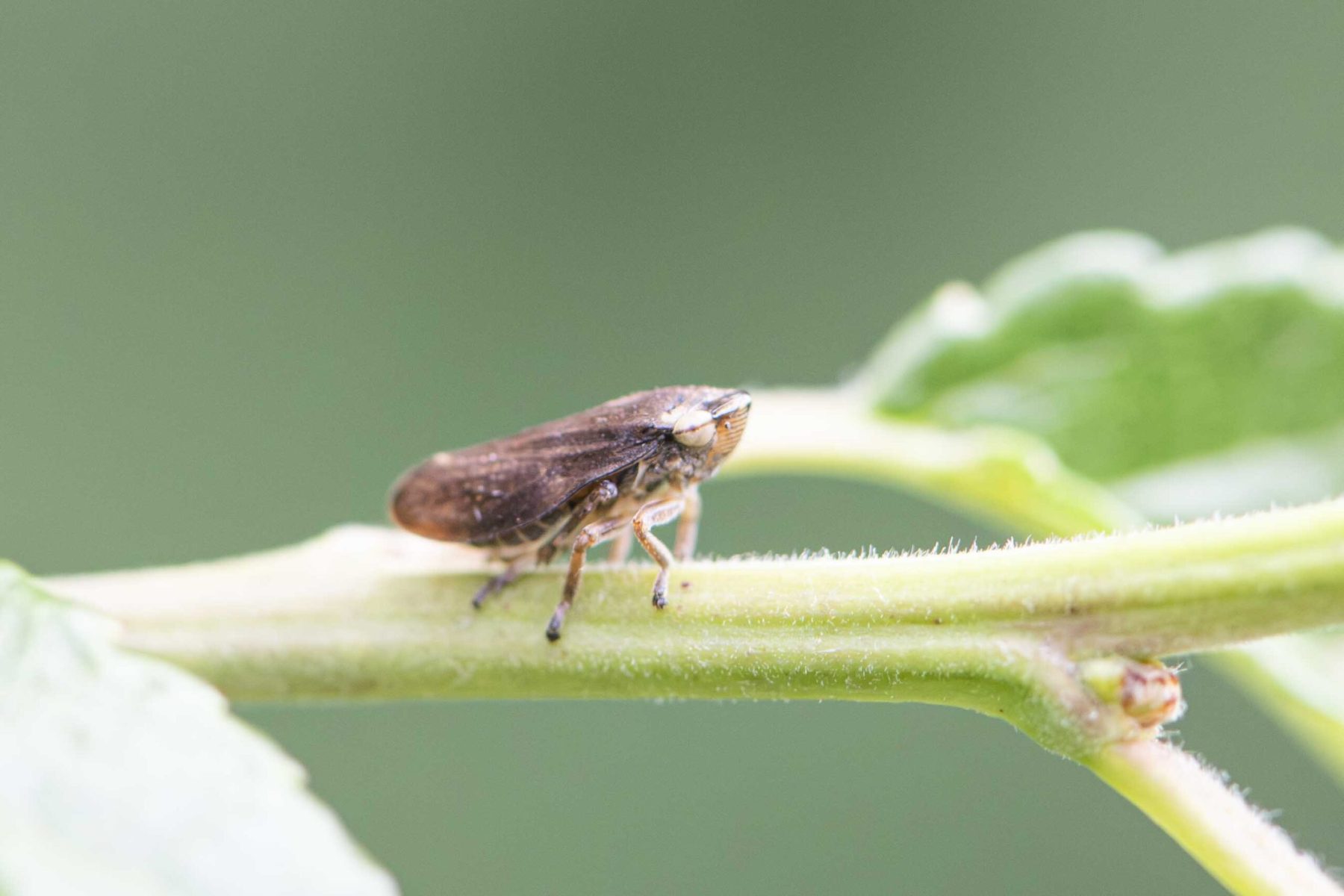
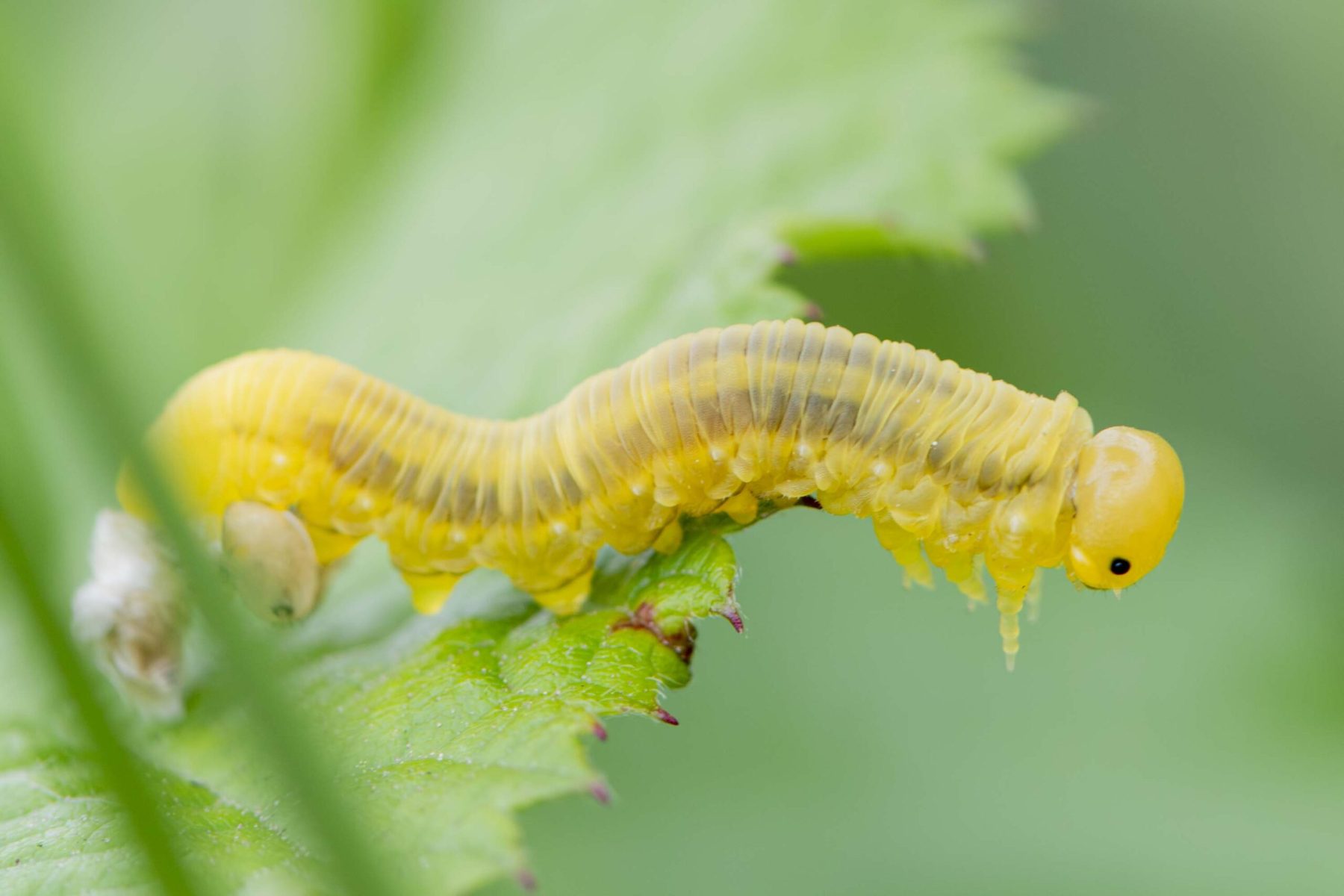
Hymenoptera
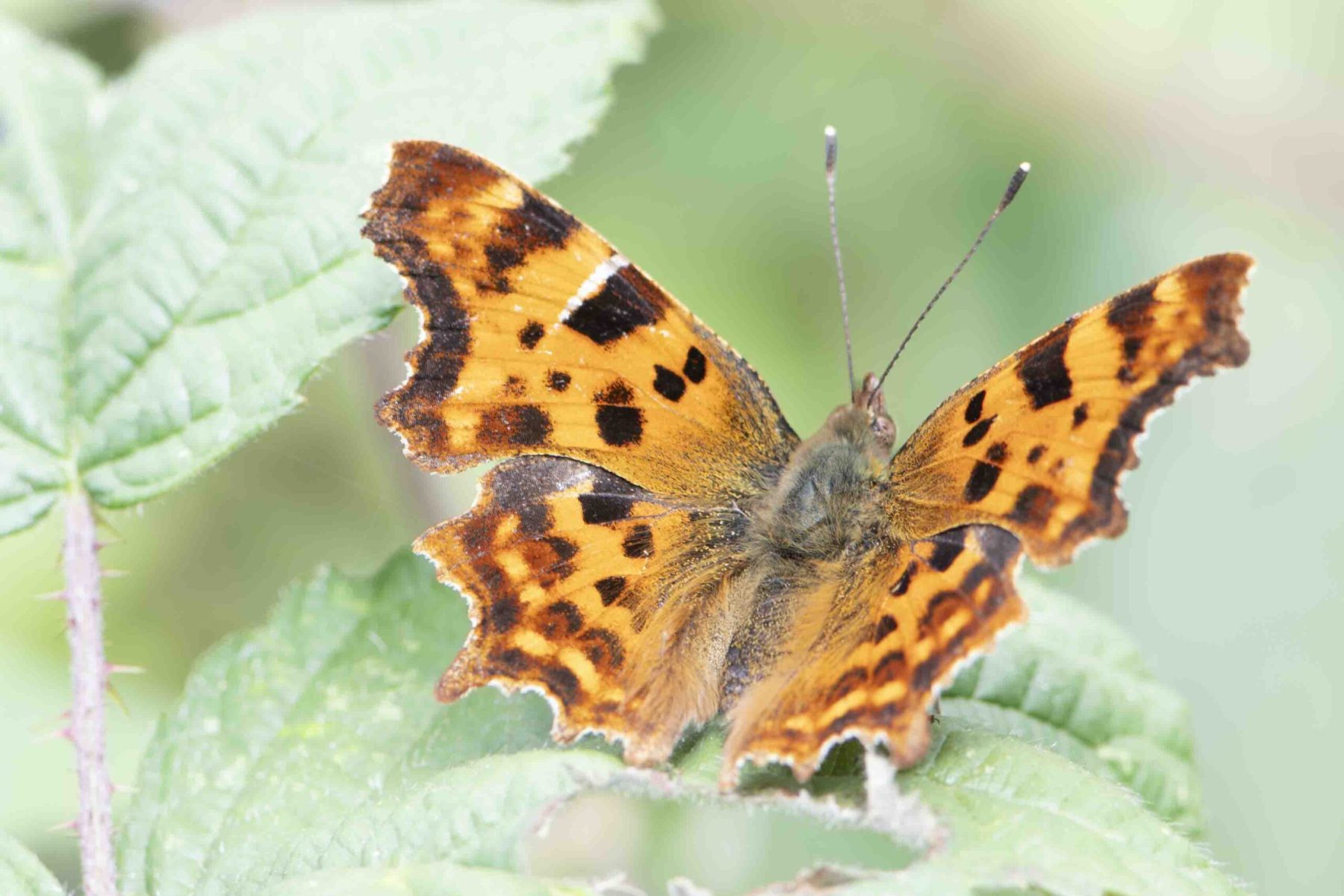
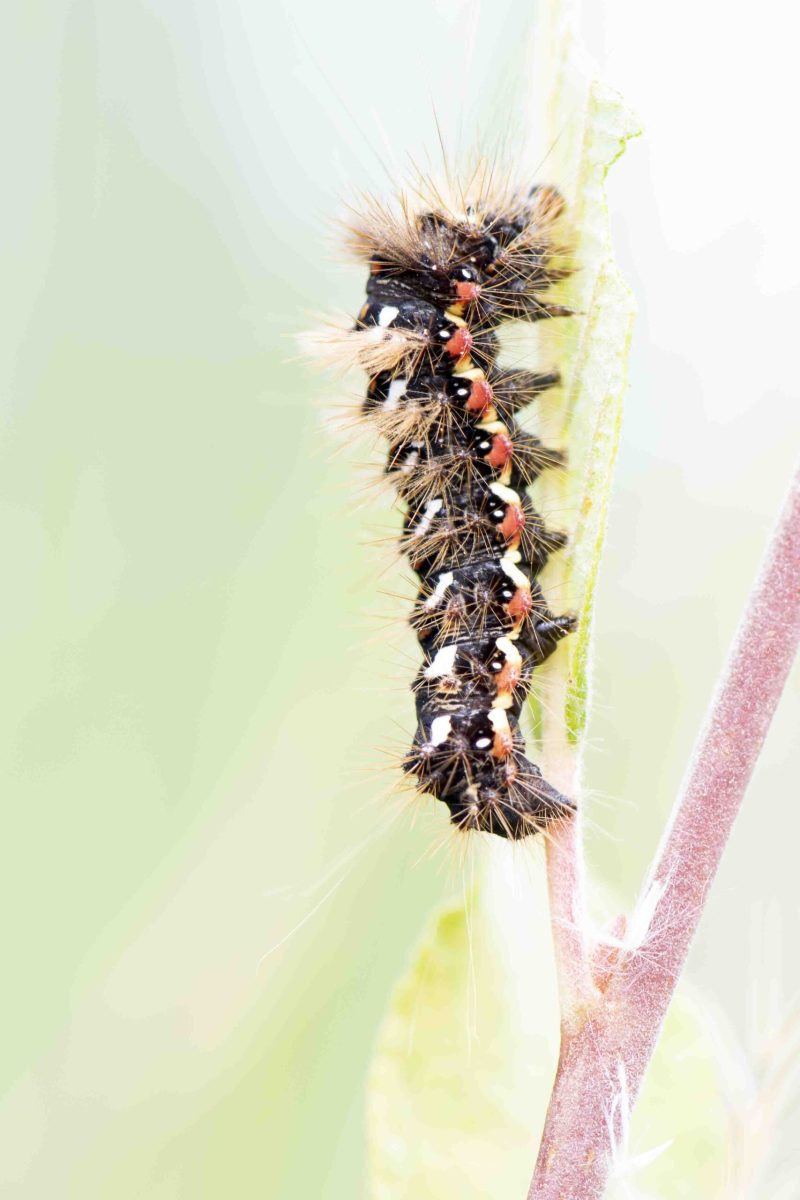
Lepidoptera
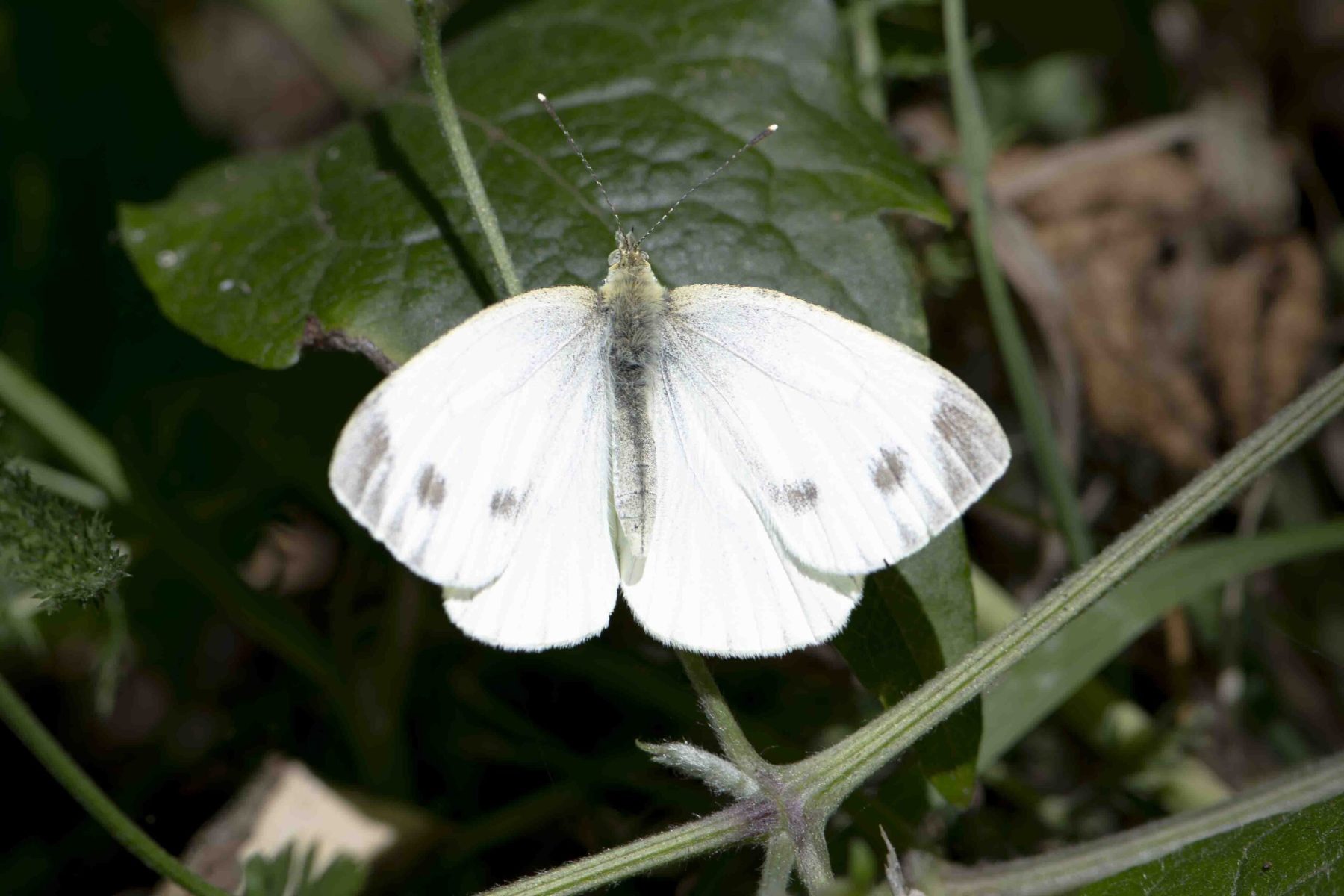
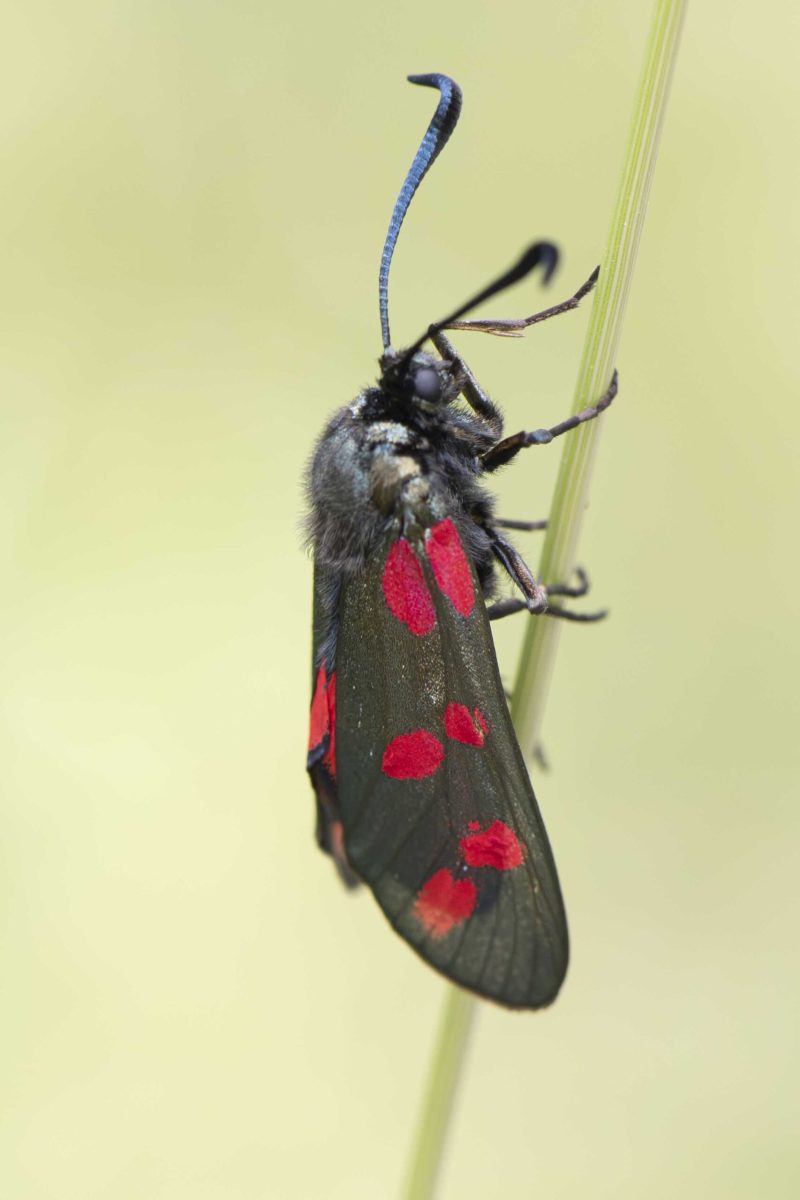
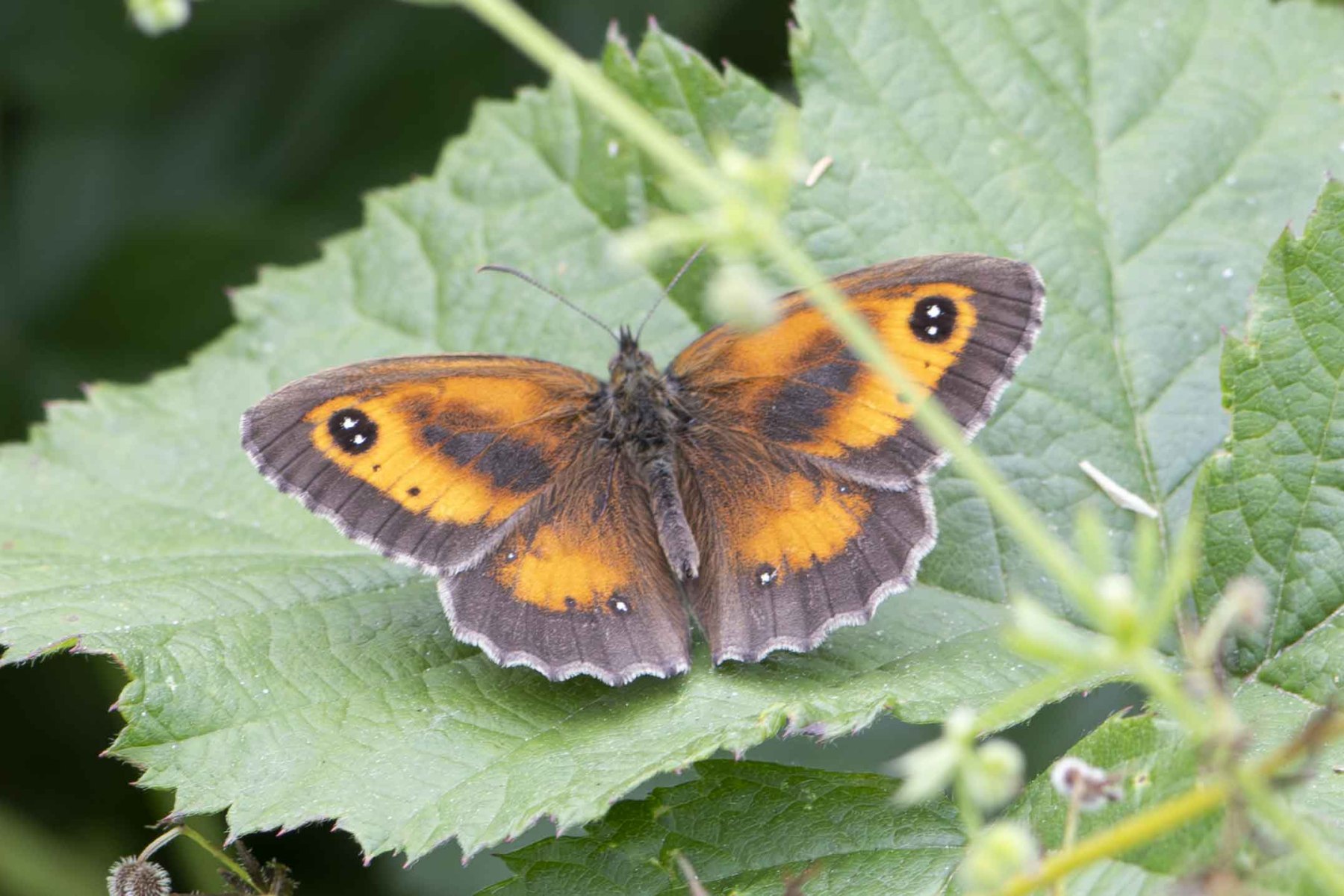
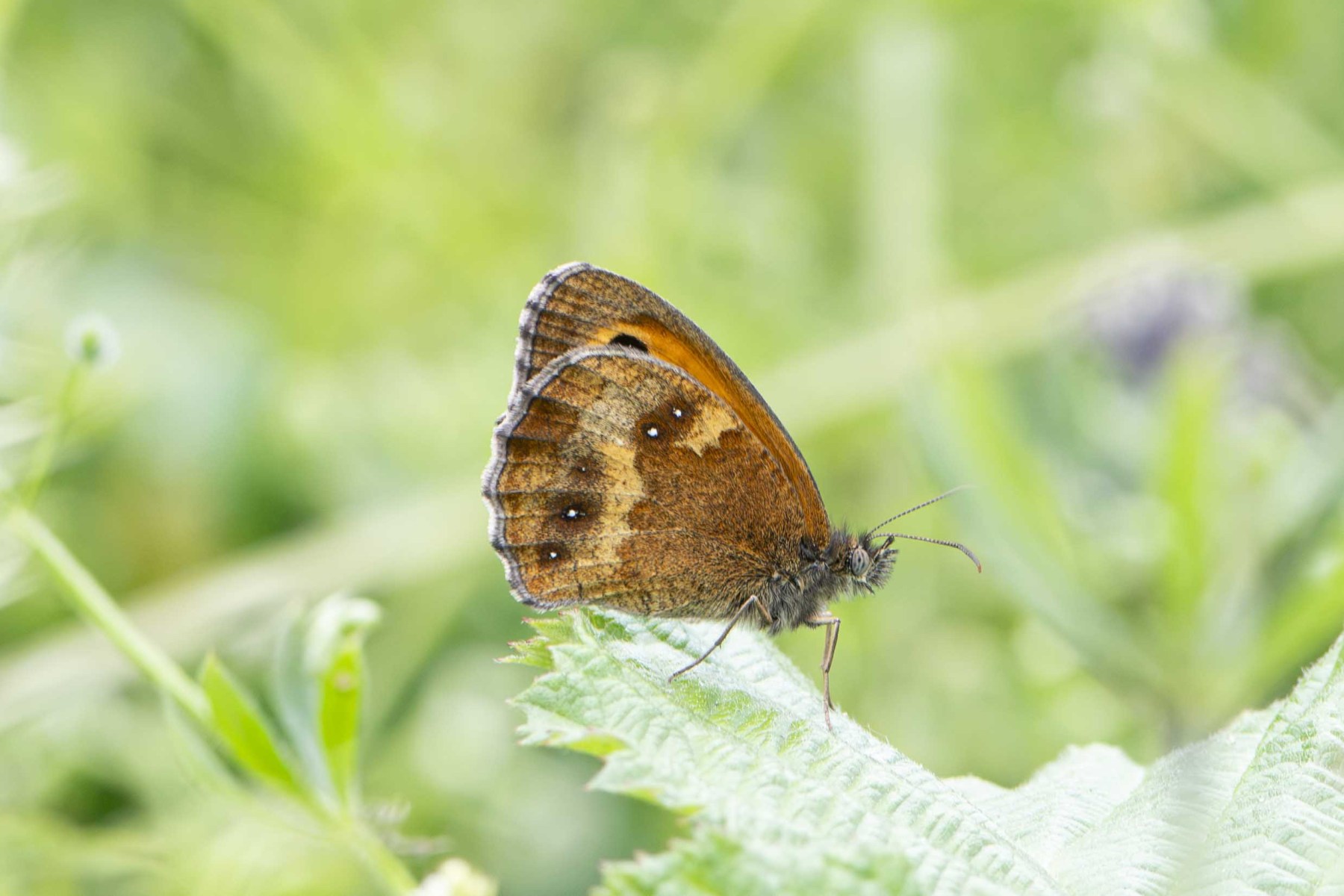
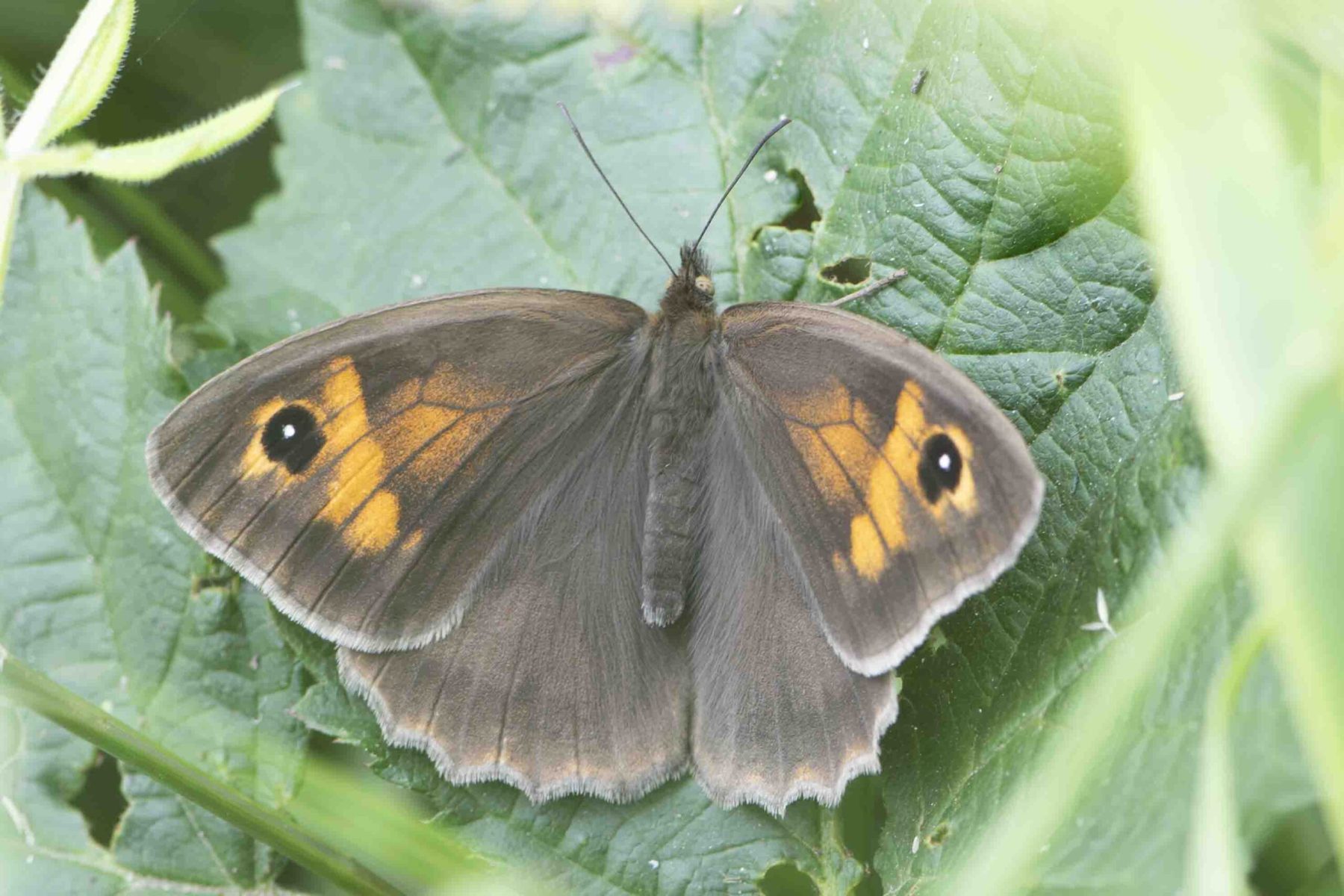

Odonata
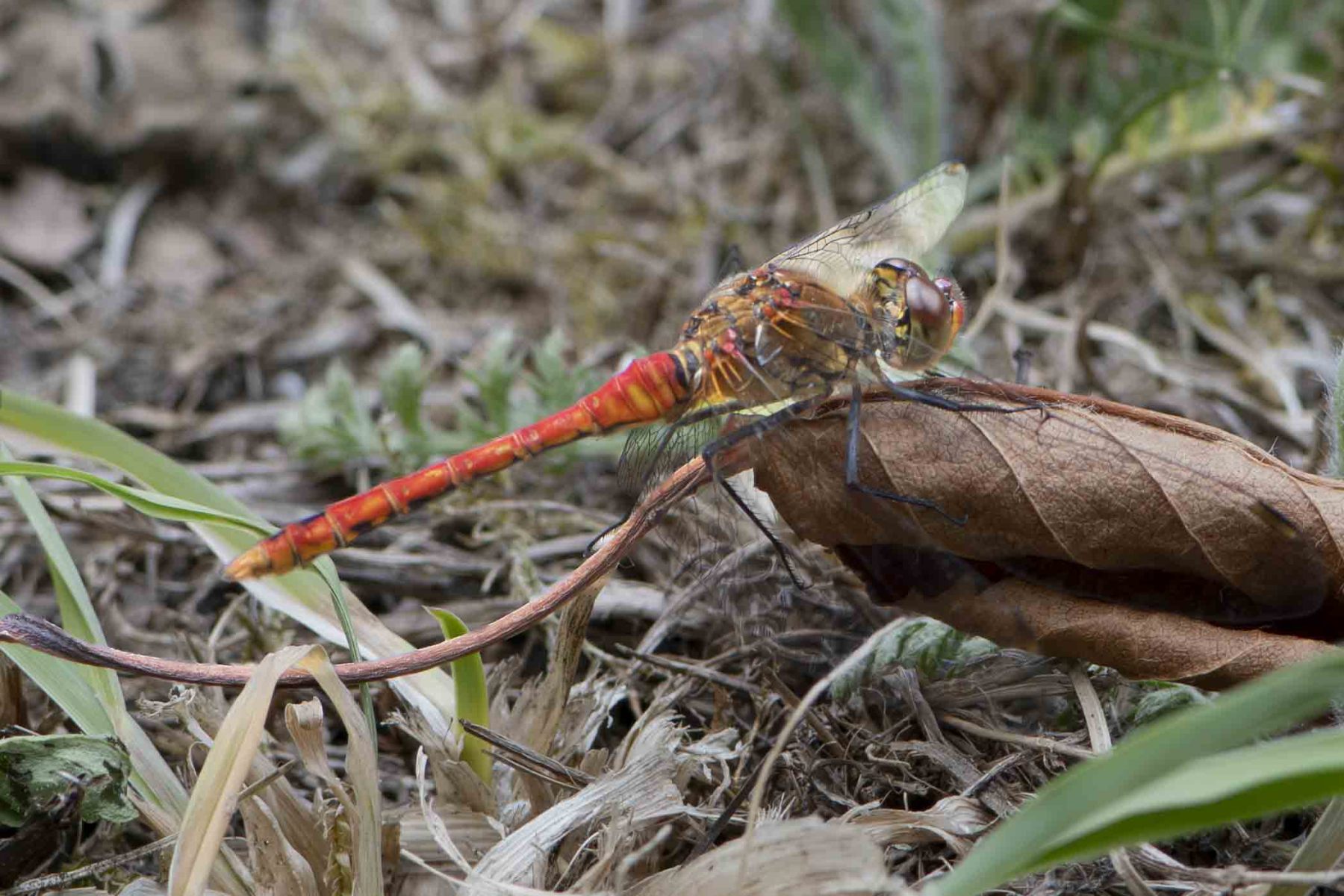
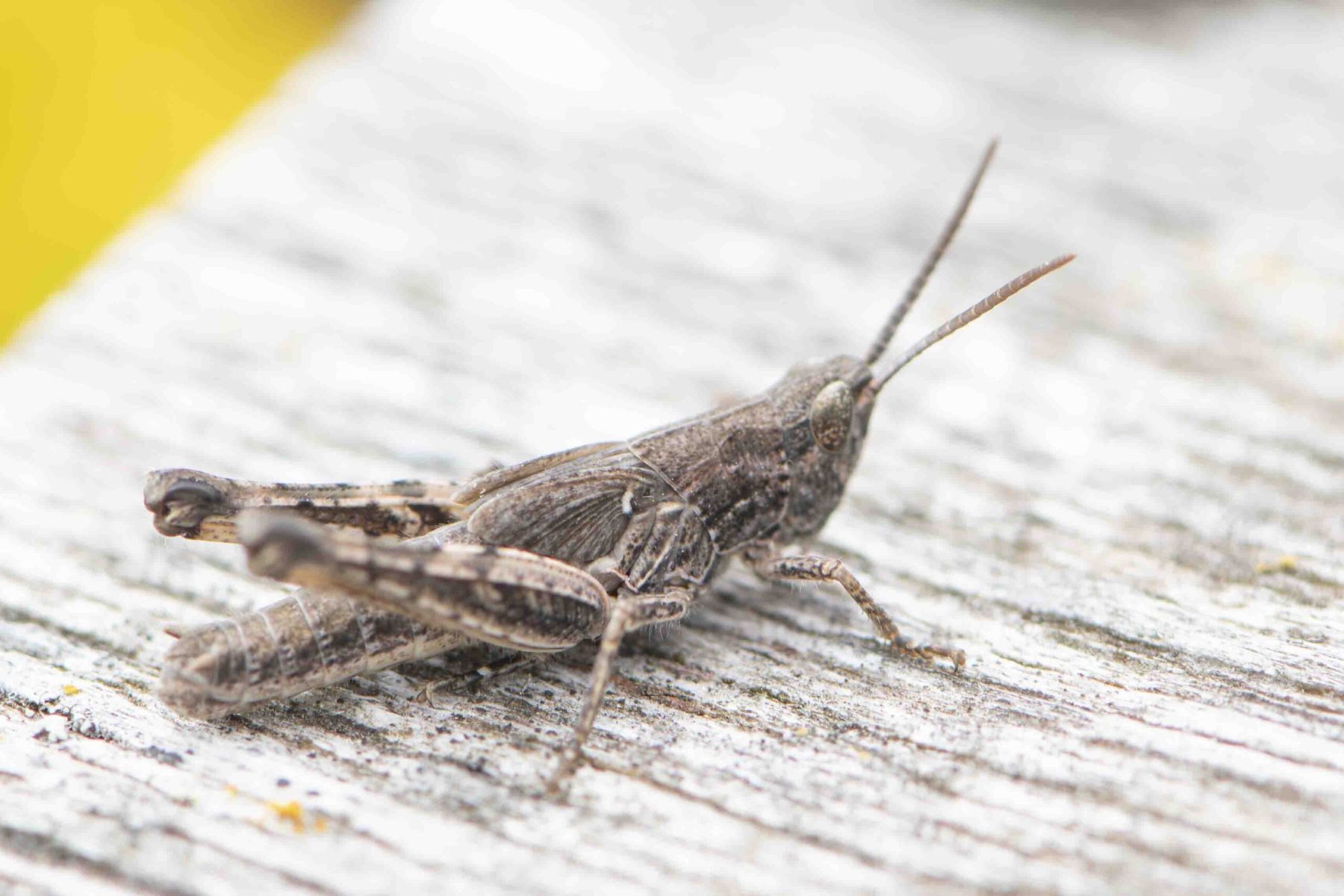
Orthoptera
Plantae

Sandall Beat Wood, June 24
Colin & I visited Sandall Beat Wood to escape the oppressive heat.



Swinston Hill Wood, June 23
A visit to local wood to escape the heat.
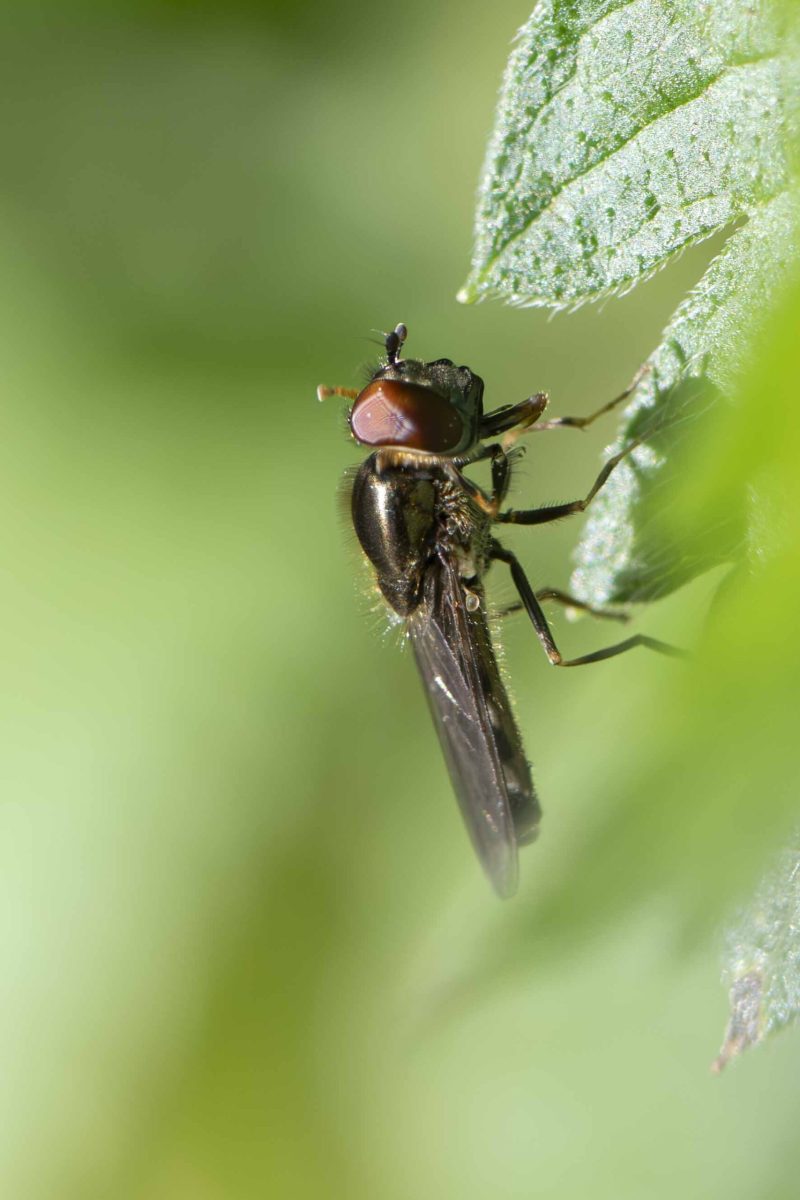
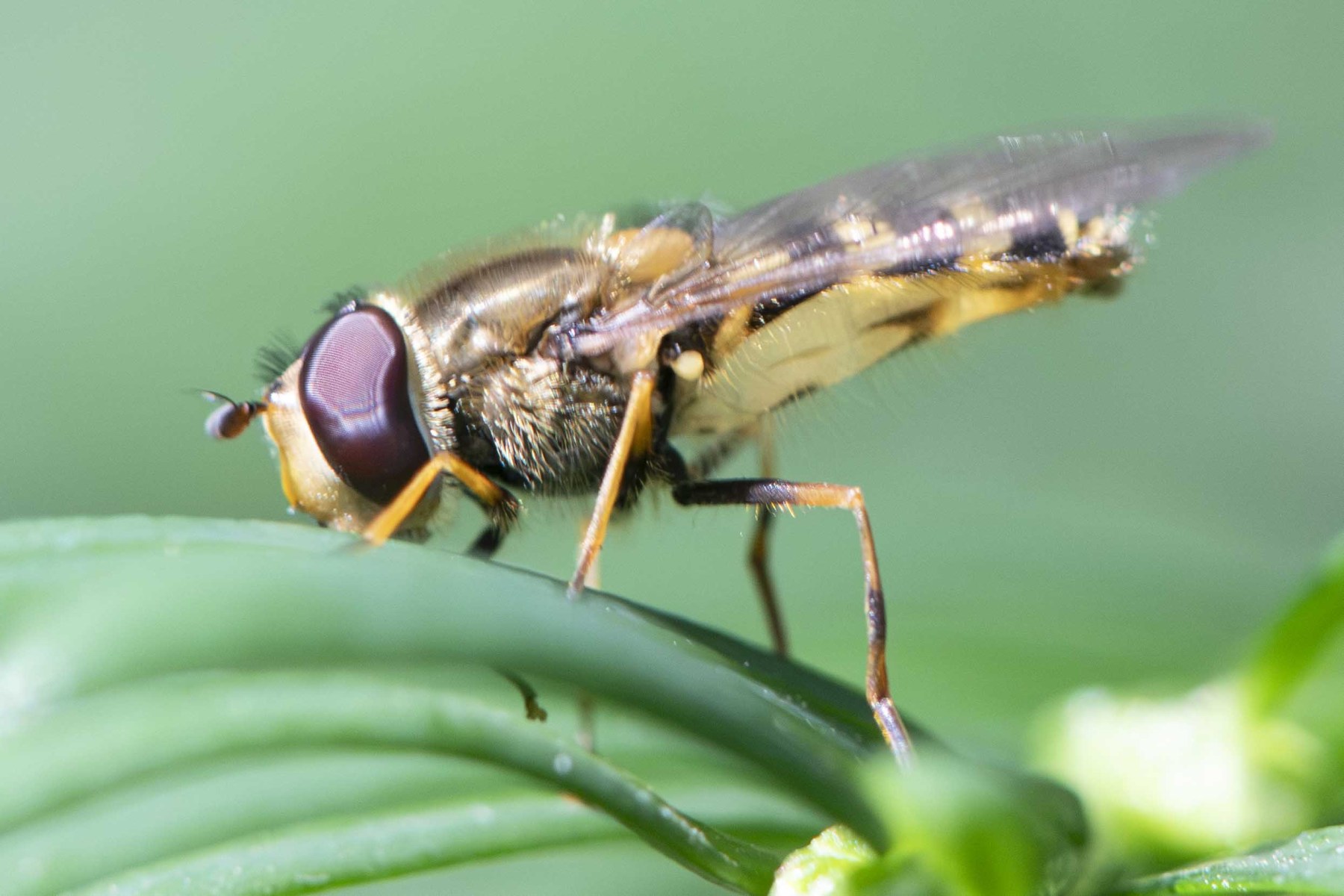
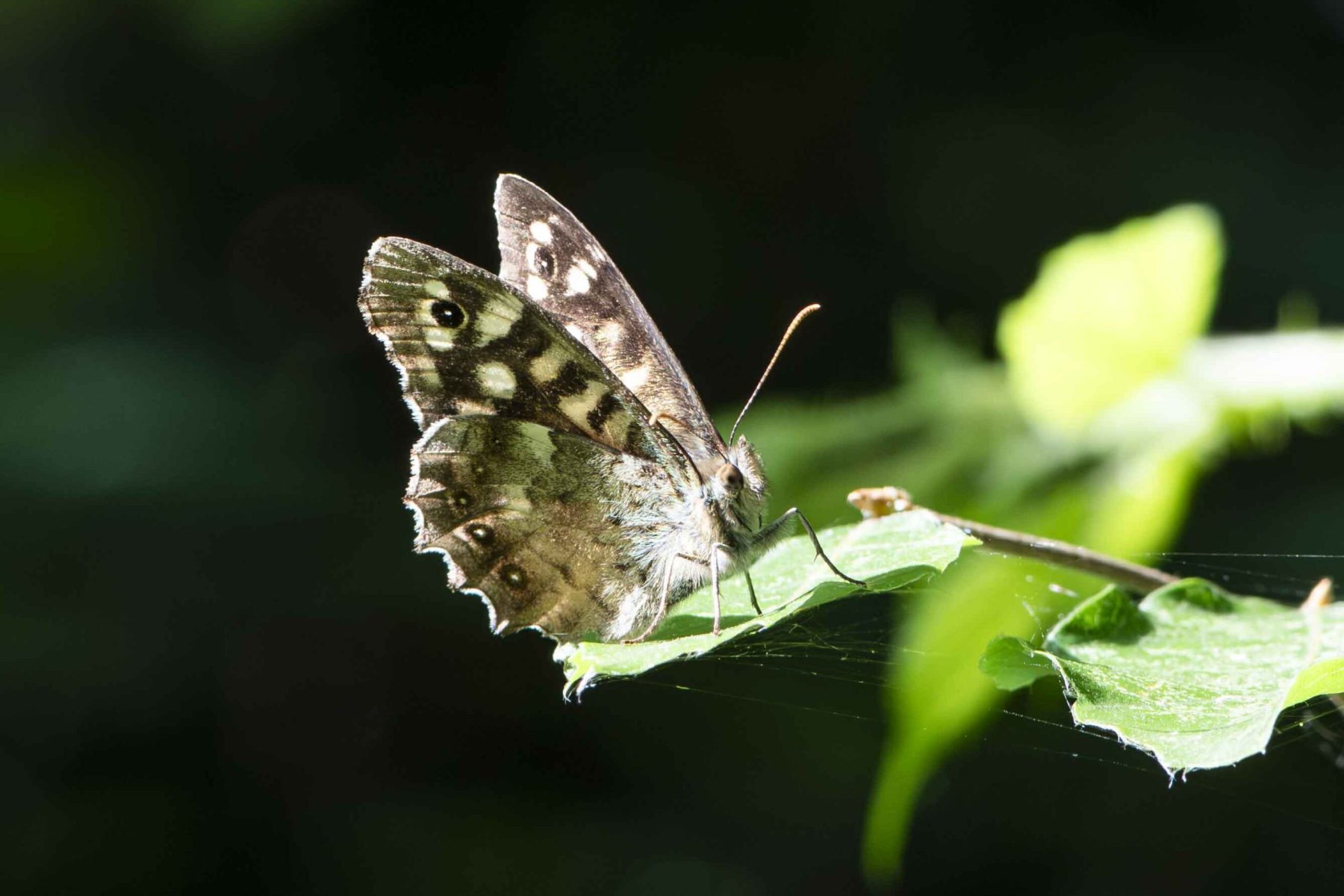
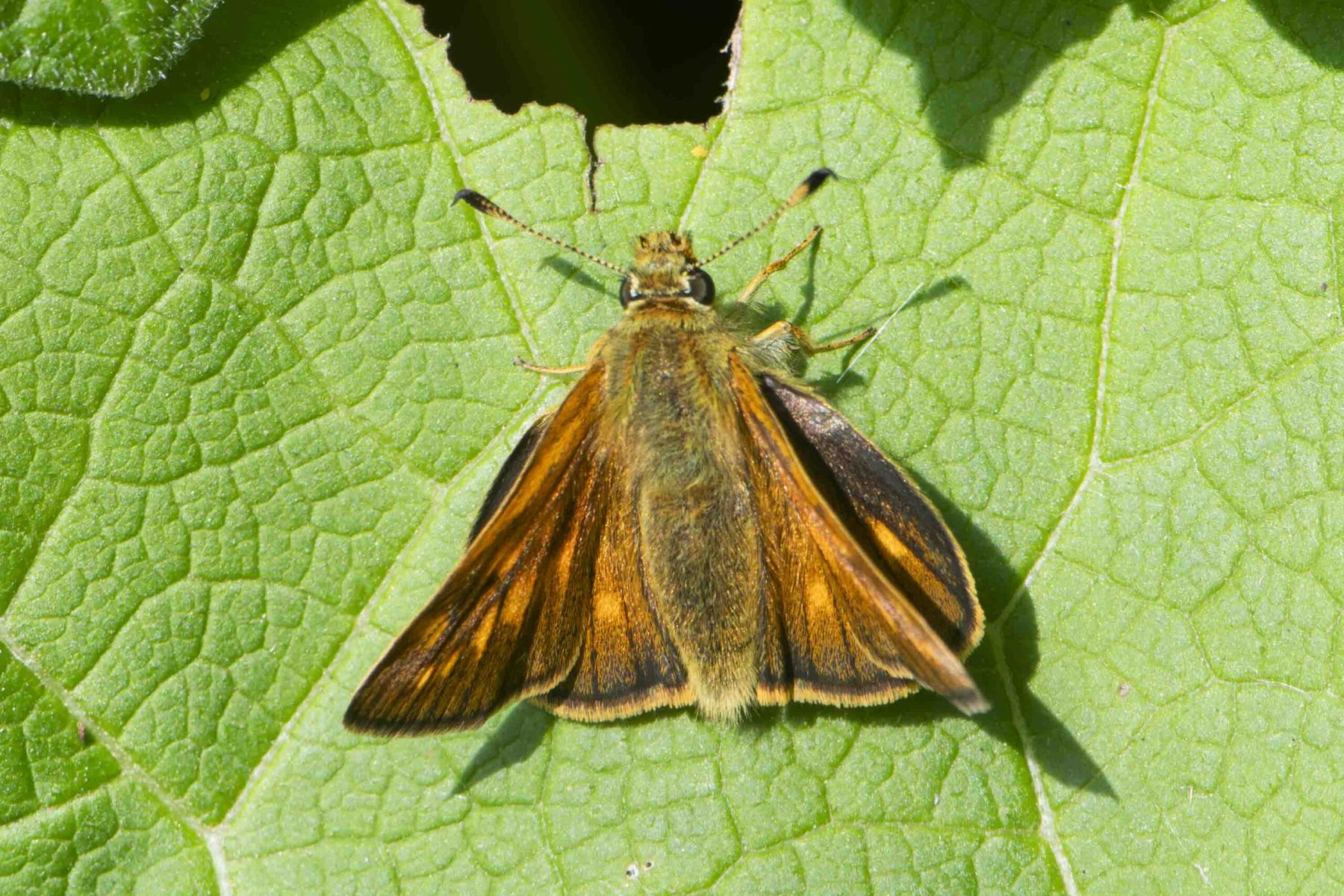
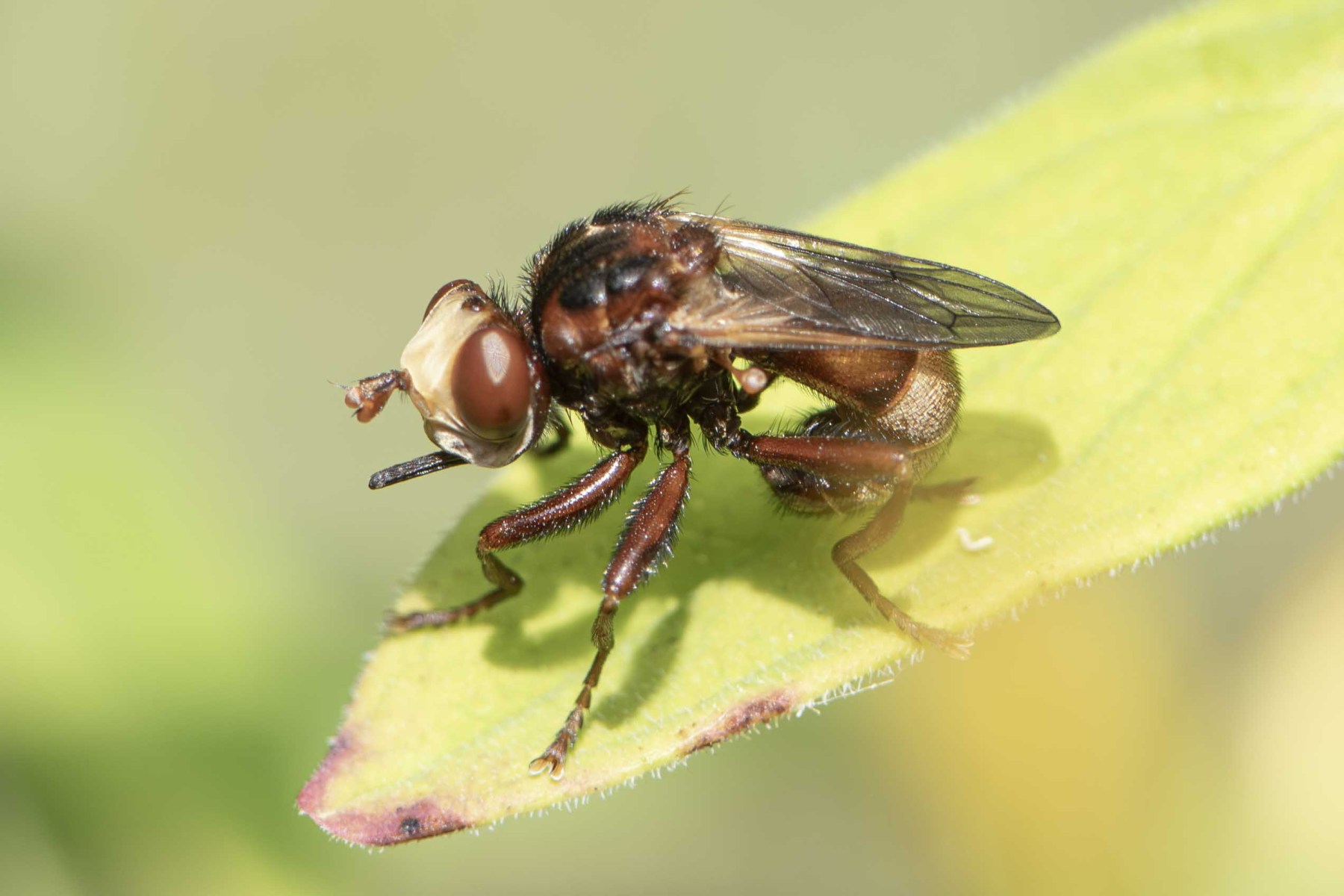

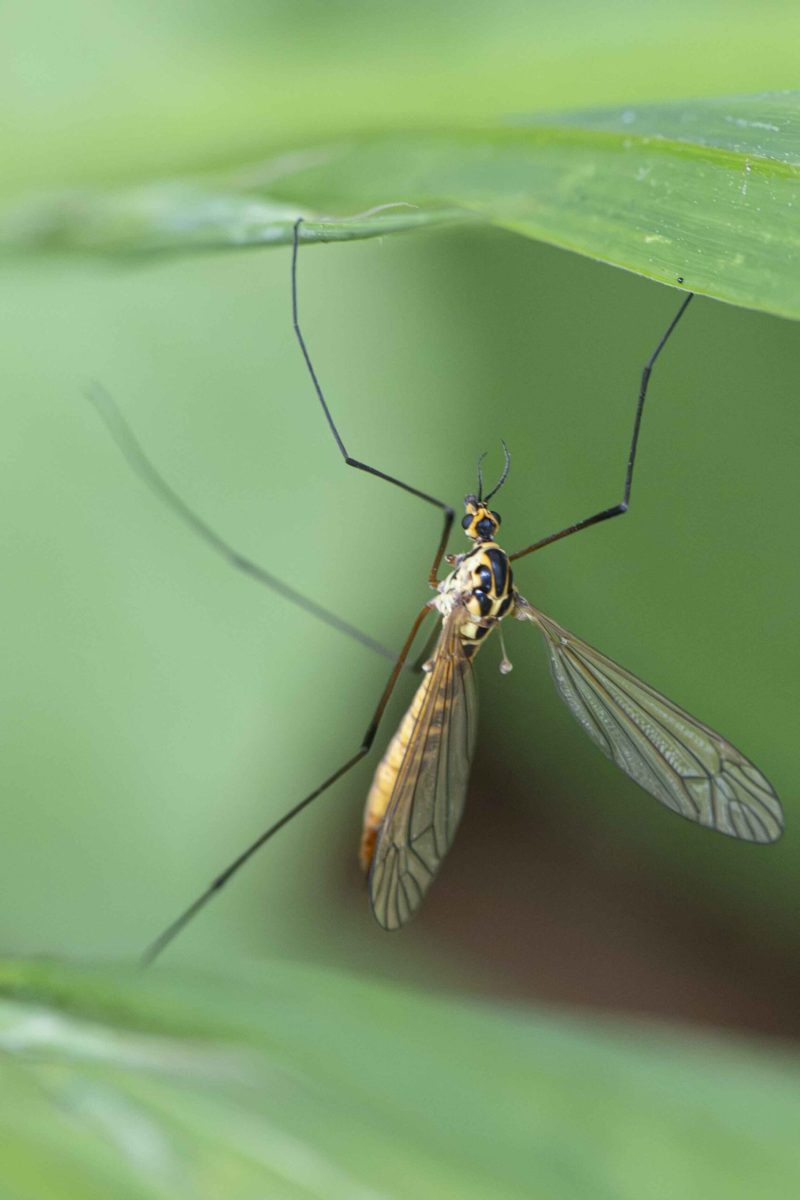
Brook Walk, North Anston June 22
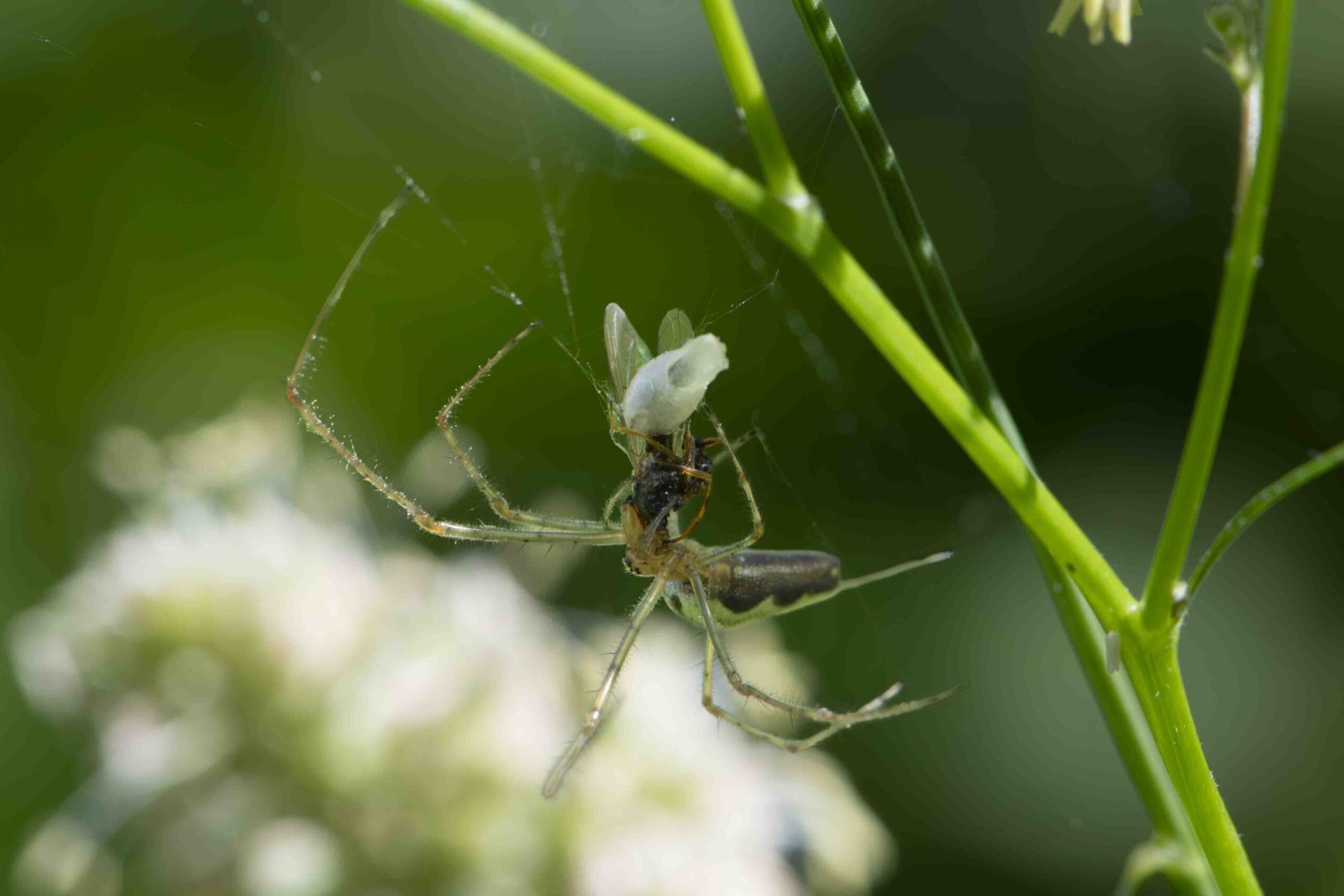
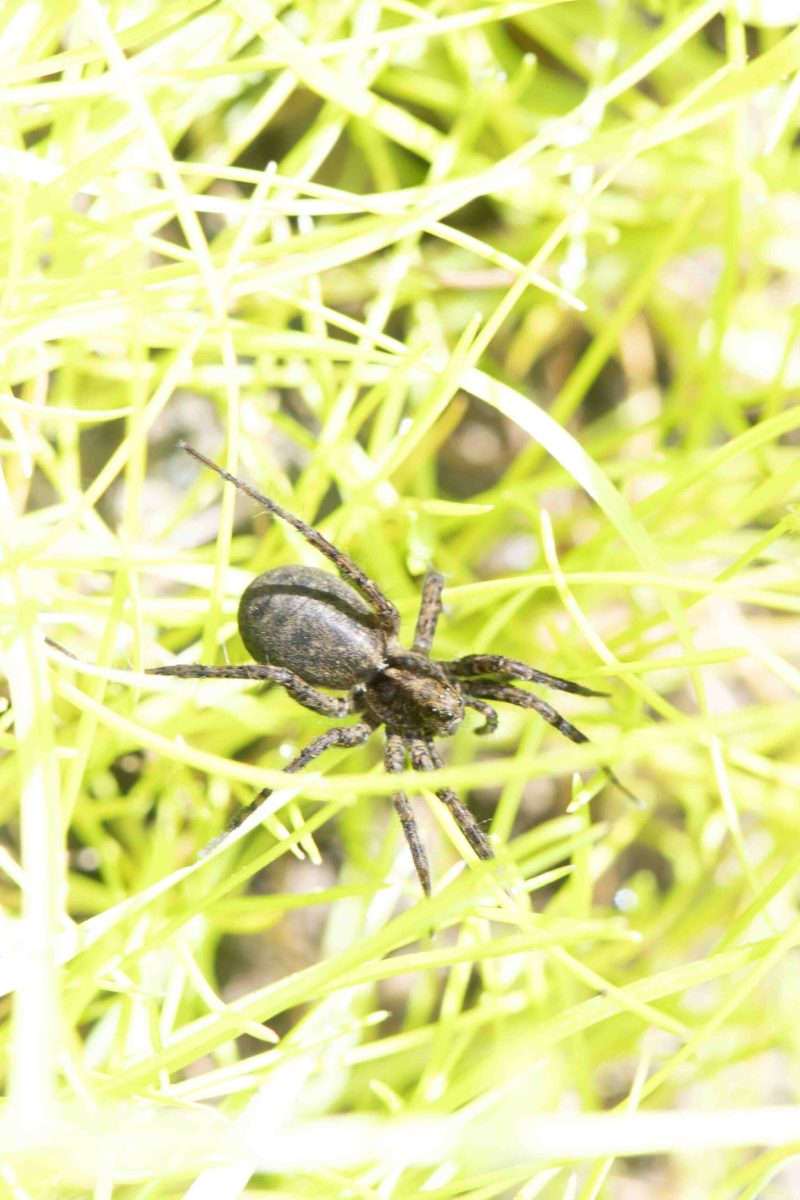
I could only managed an hour in the morning heat before retreating back home.
Arachnida
Coleoptera

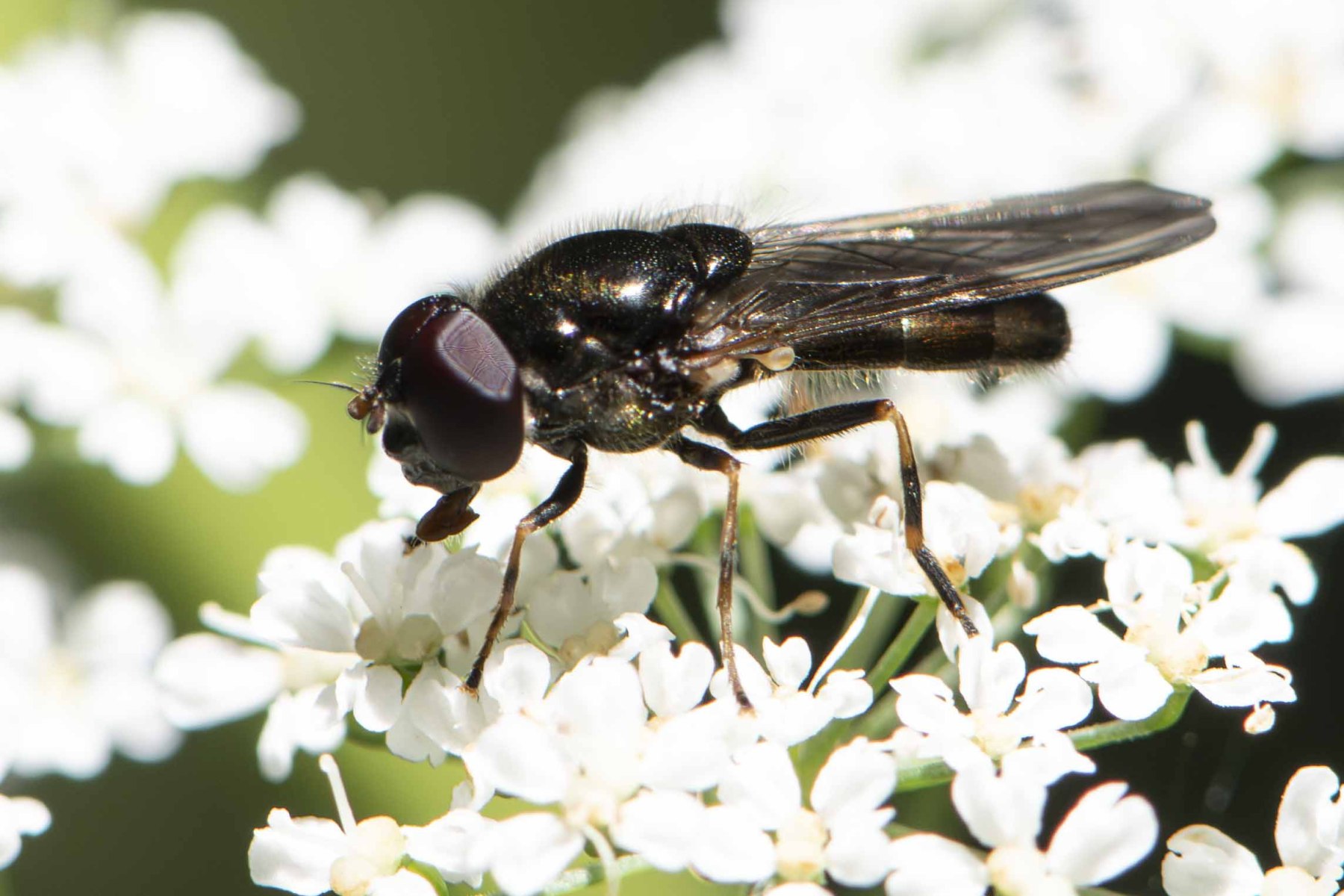
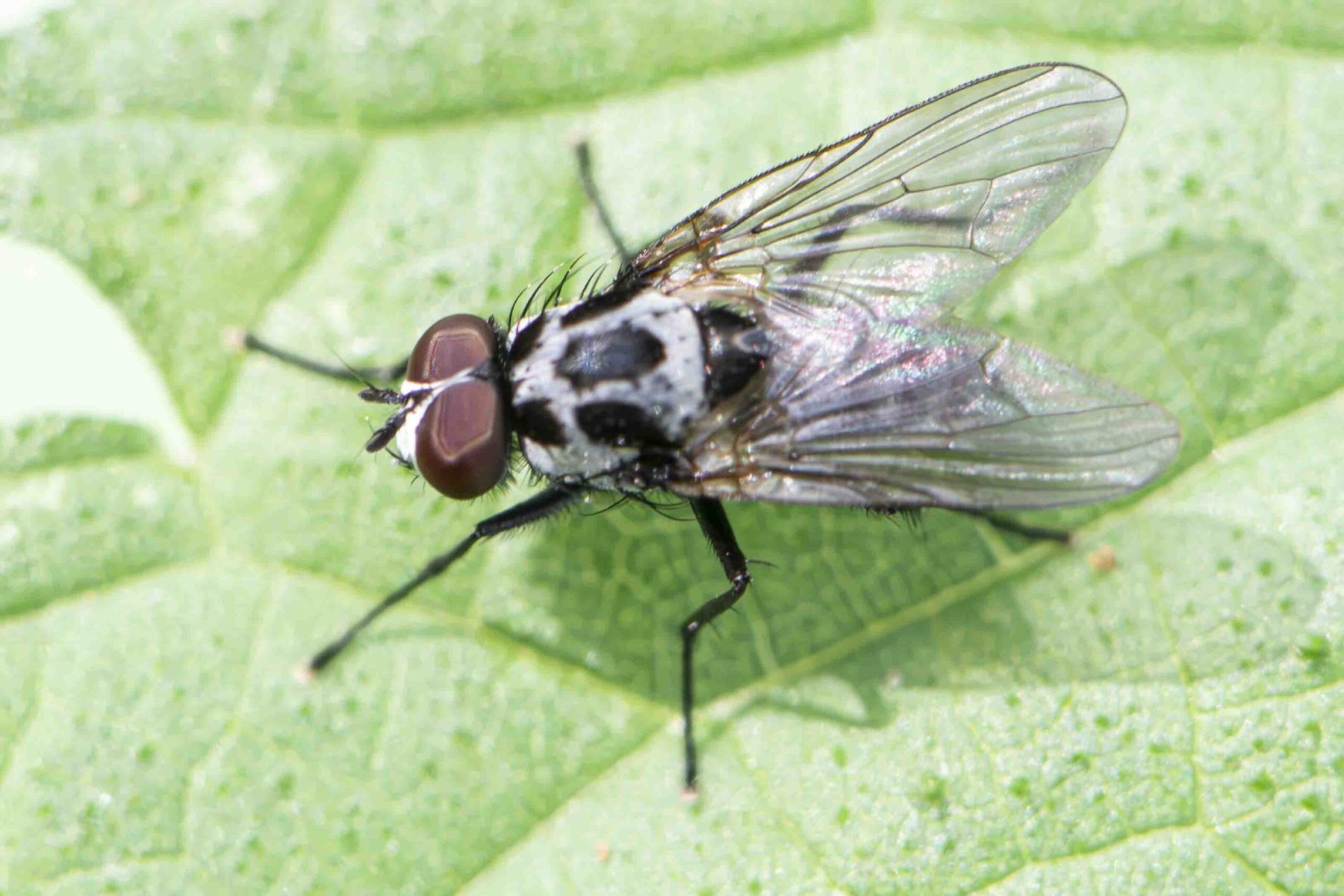
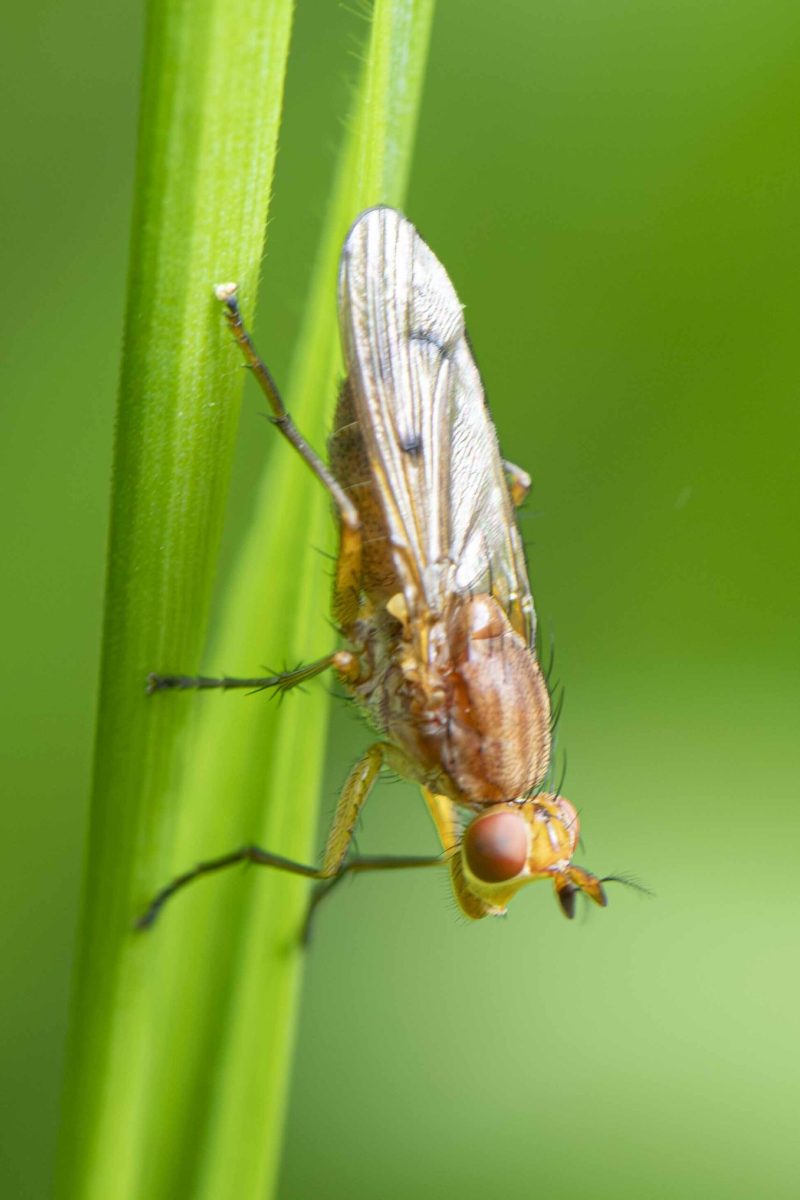
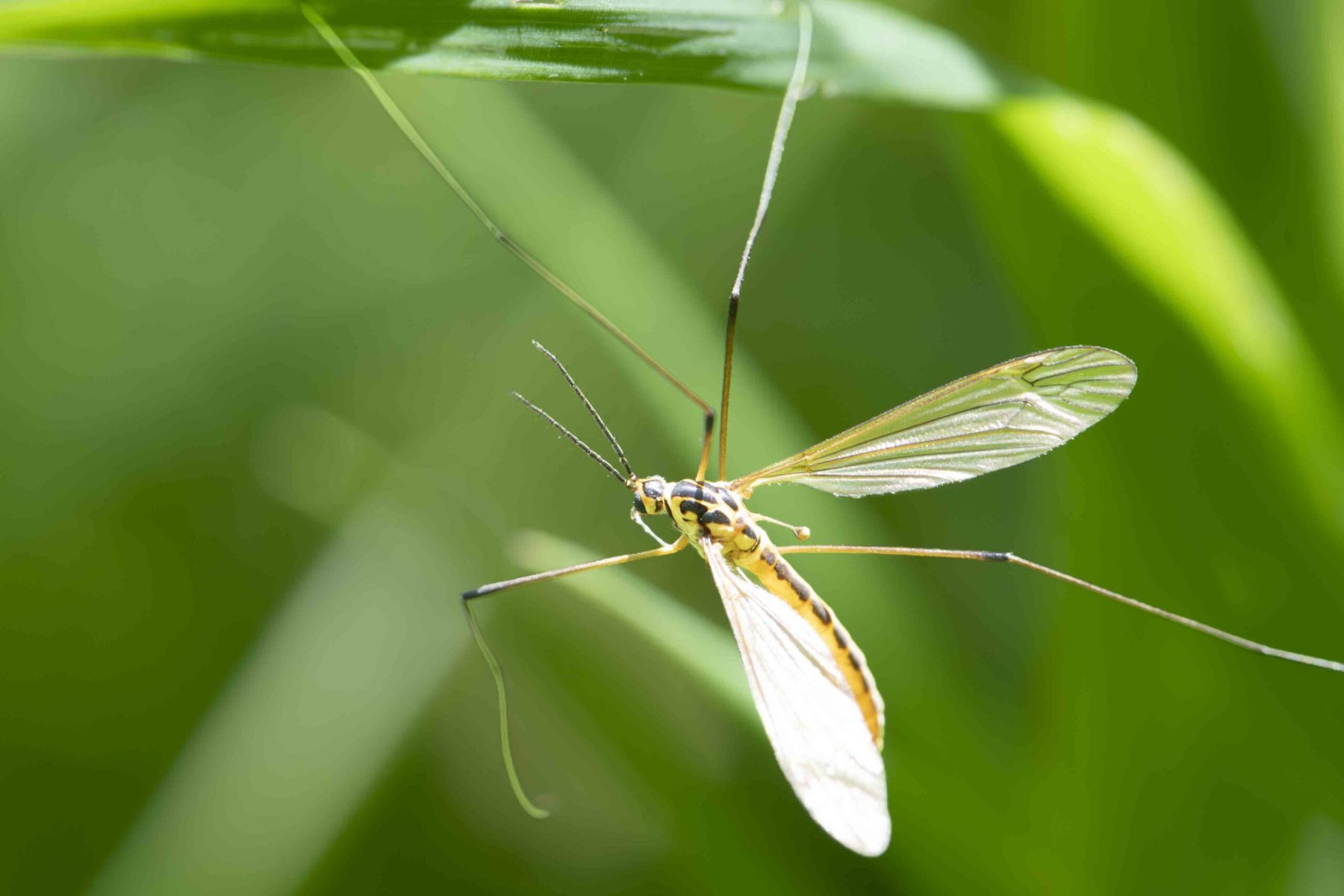
Diptera
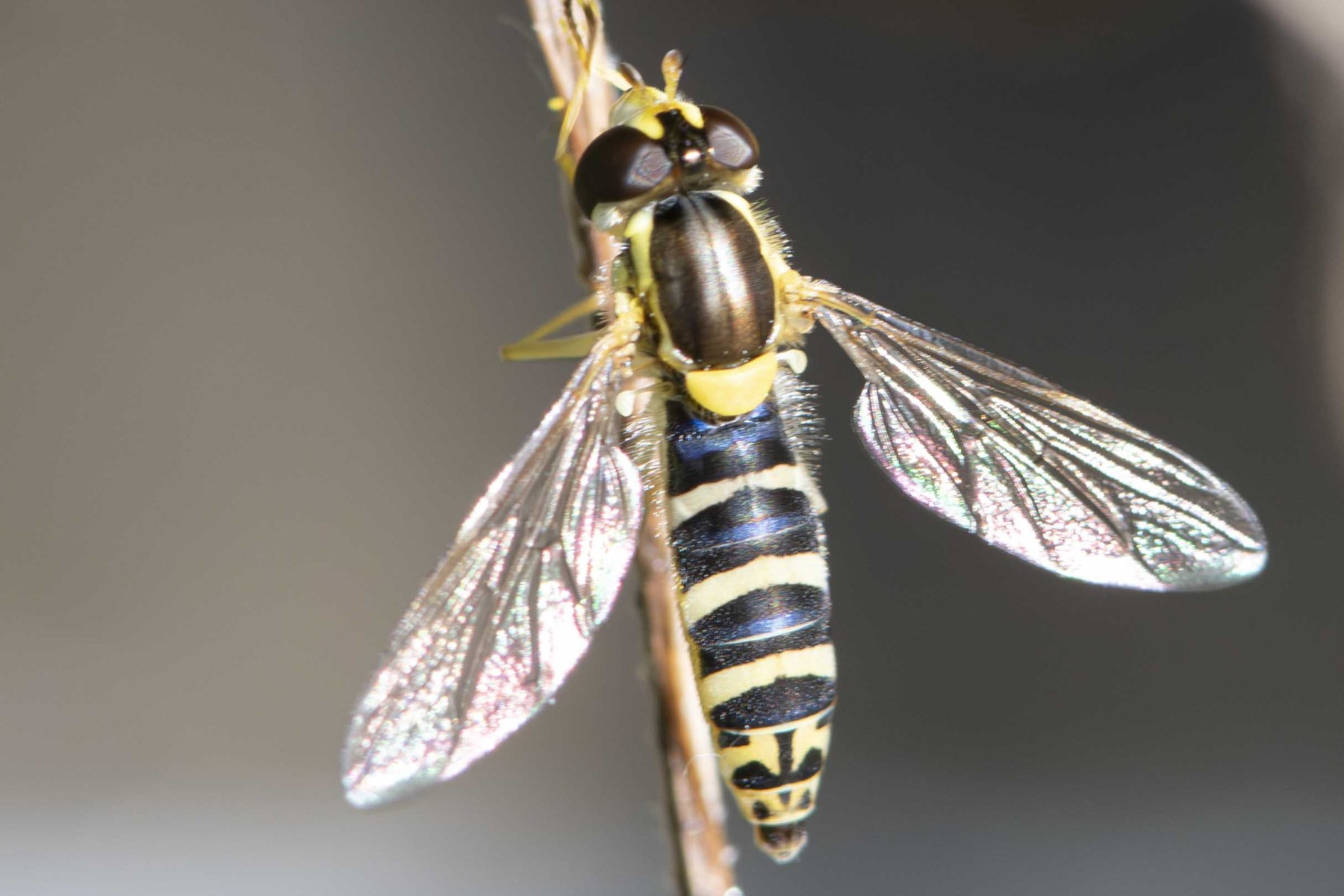
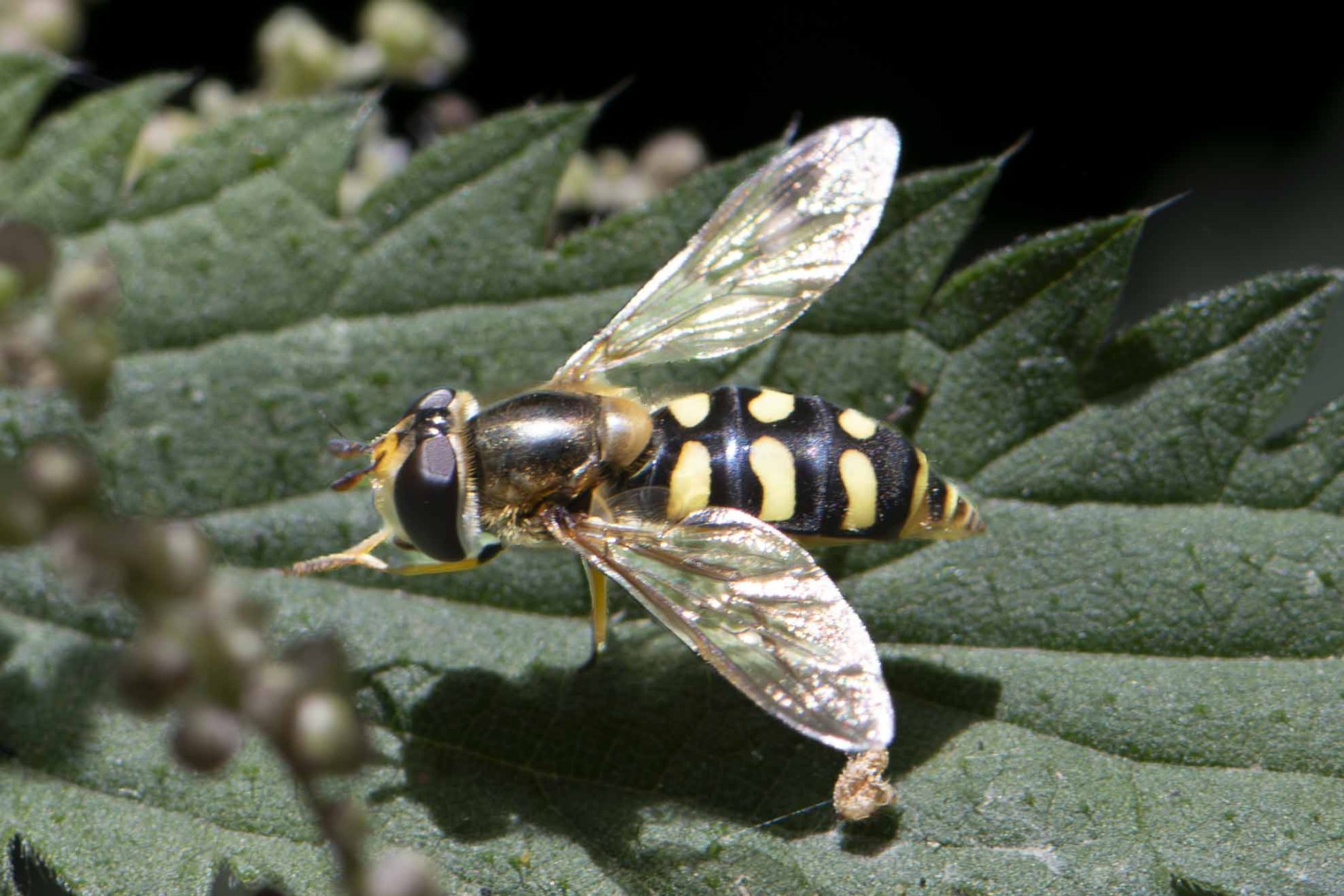
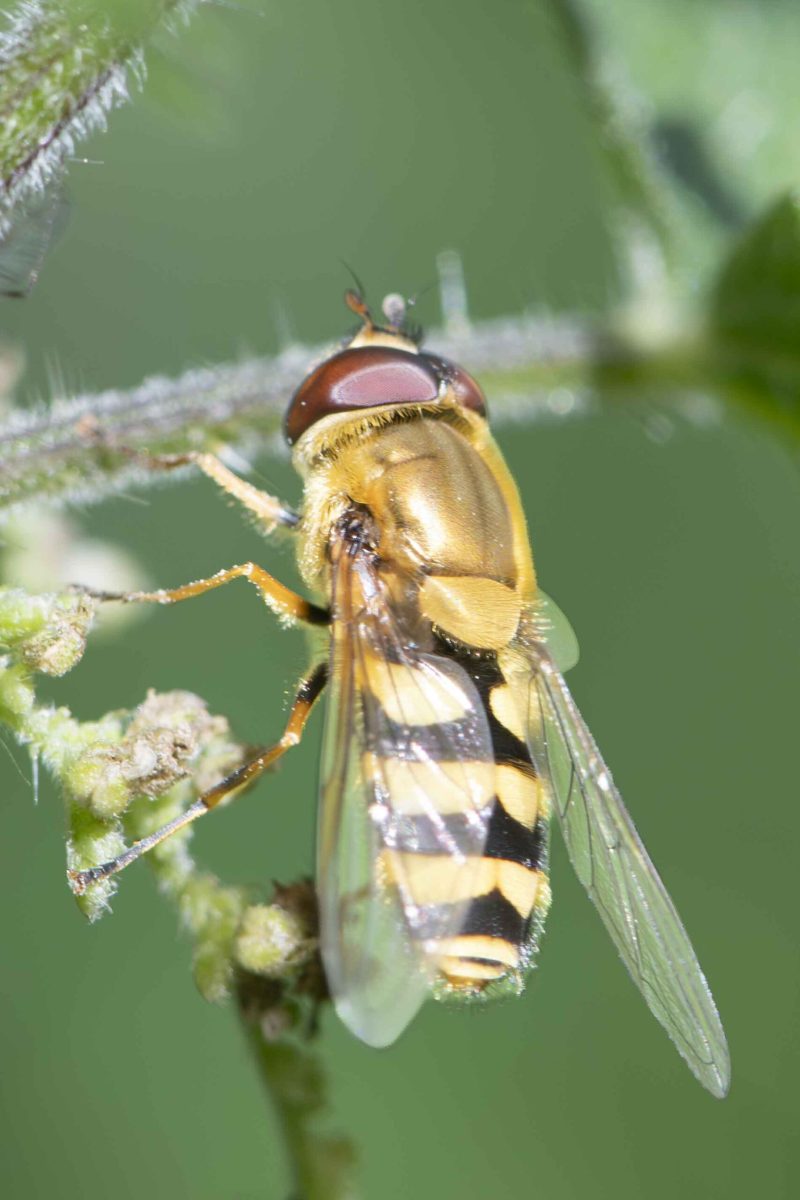


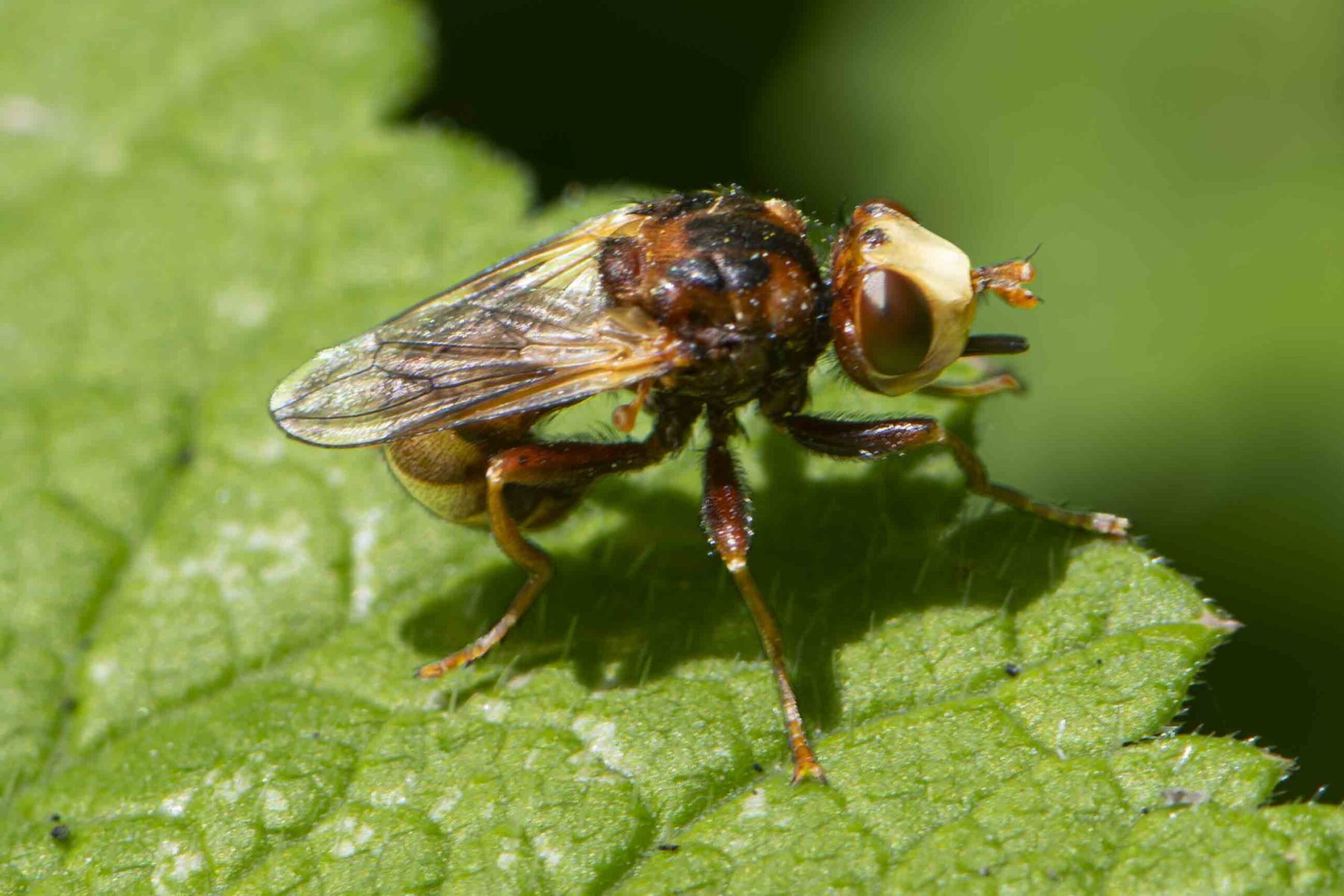



Hymenoptera


Lepidoptera

Potteric Carr, June 14.
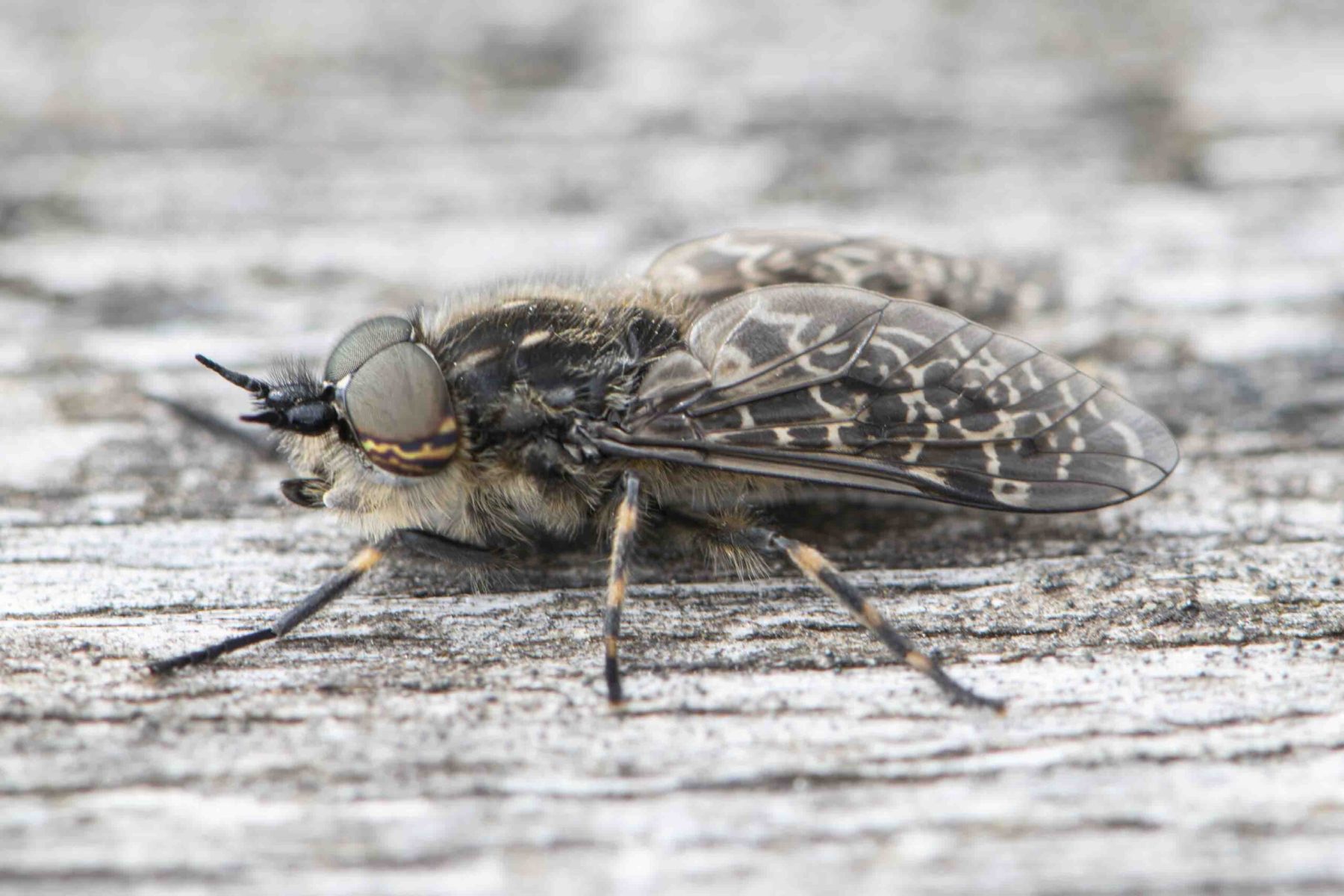
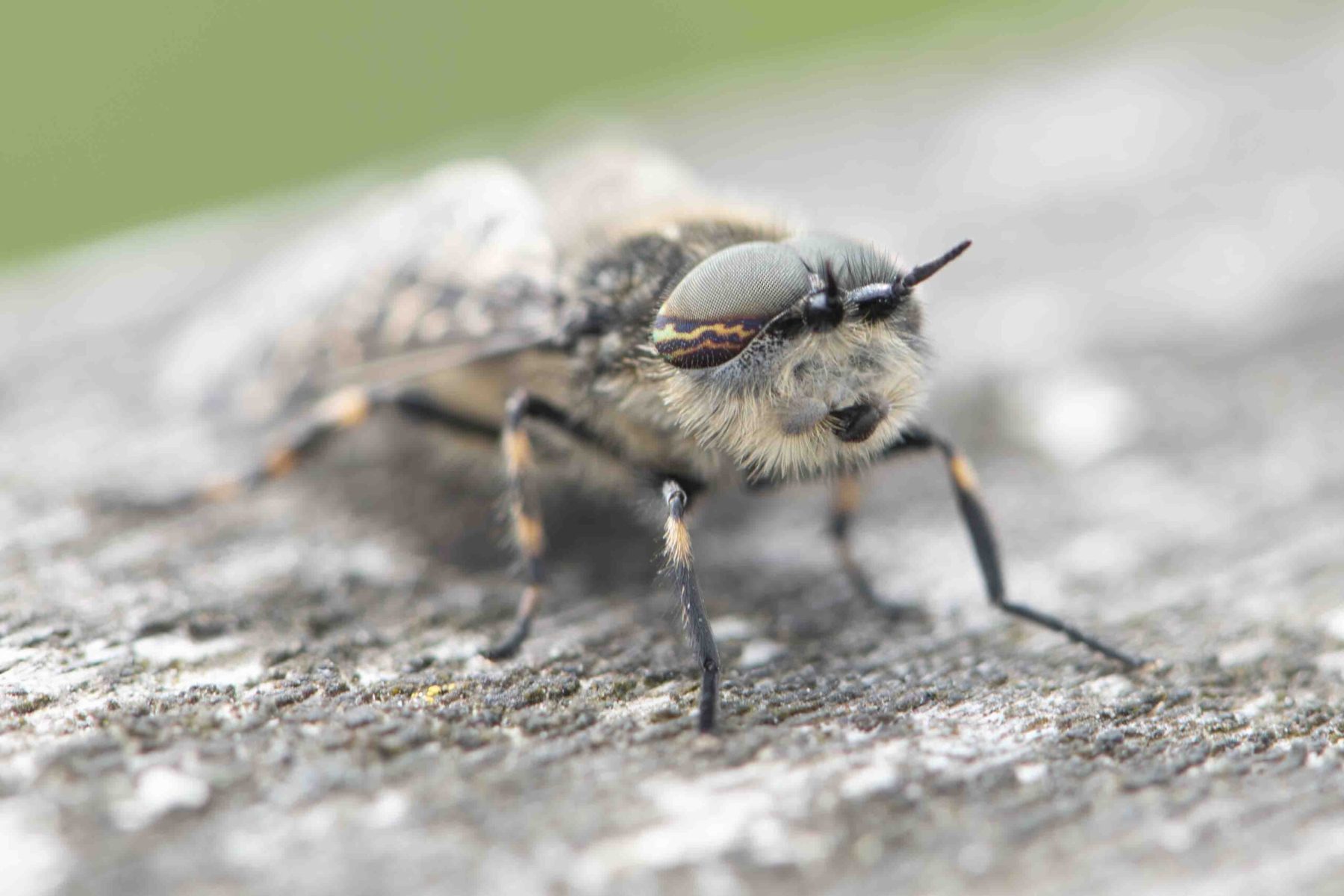
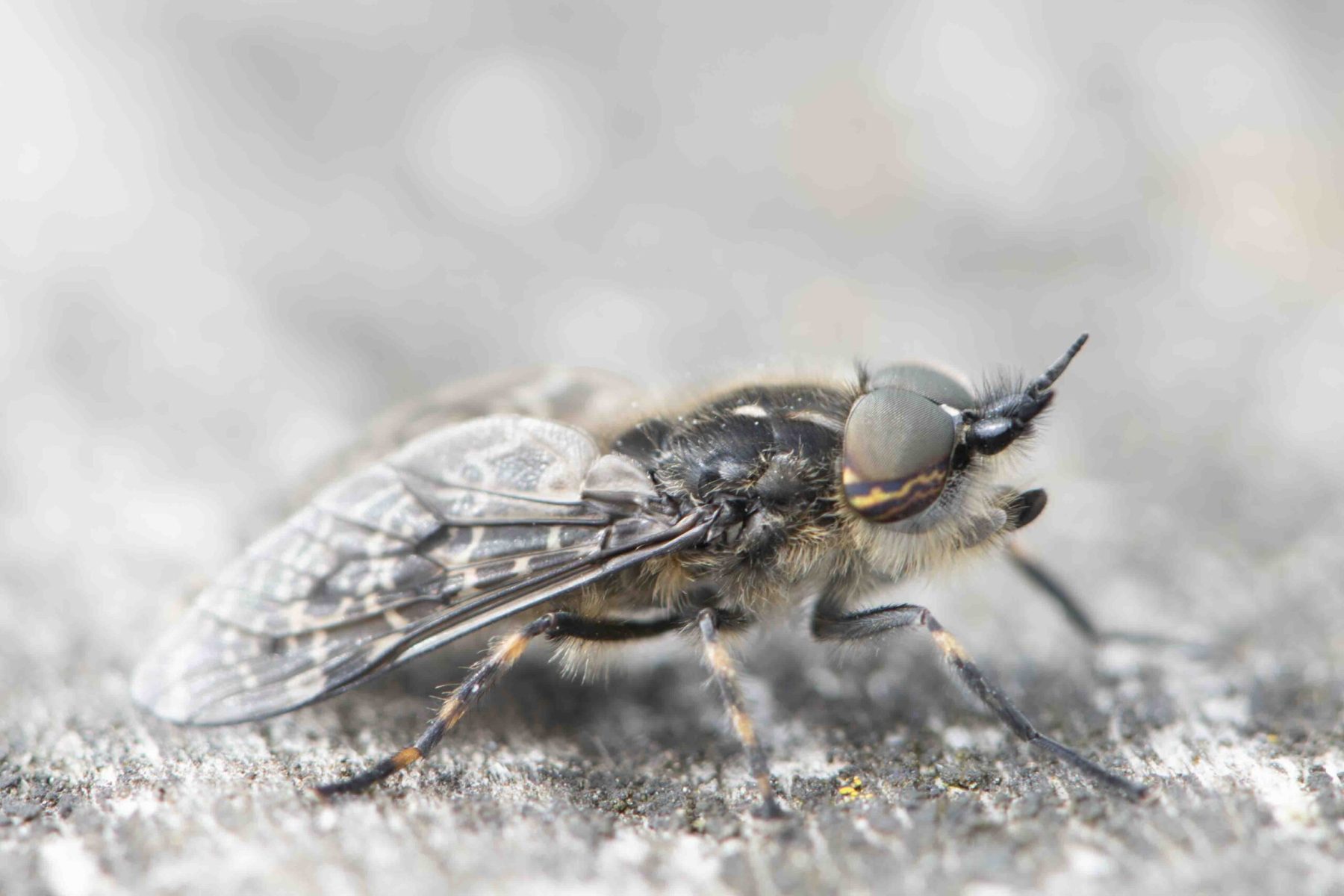
Today, a visit to Loversall field and pond, Loversall Delph, Loversall Bank and return via Old Eea and Decoy Marsh. An interesting and productive day and a close encounter with a cleg.
Arachnida

Coleoptera

Diptera




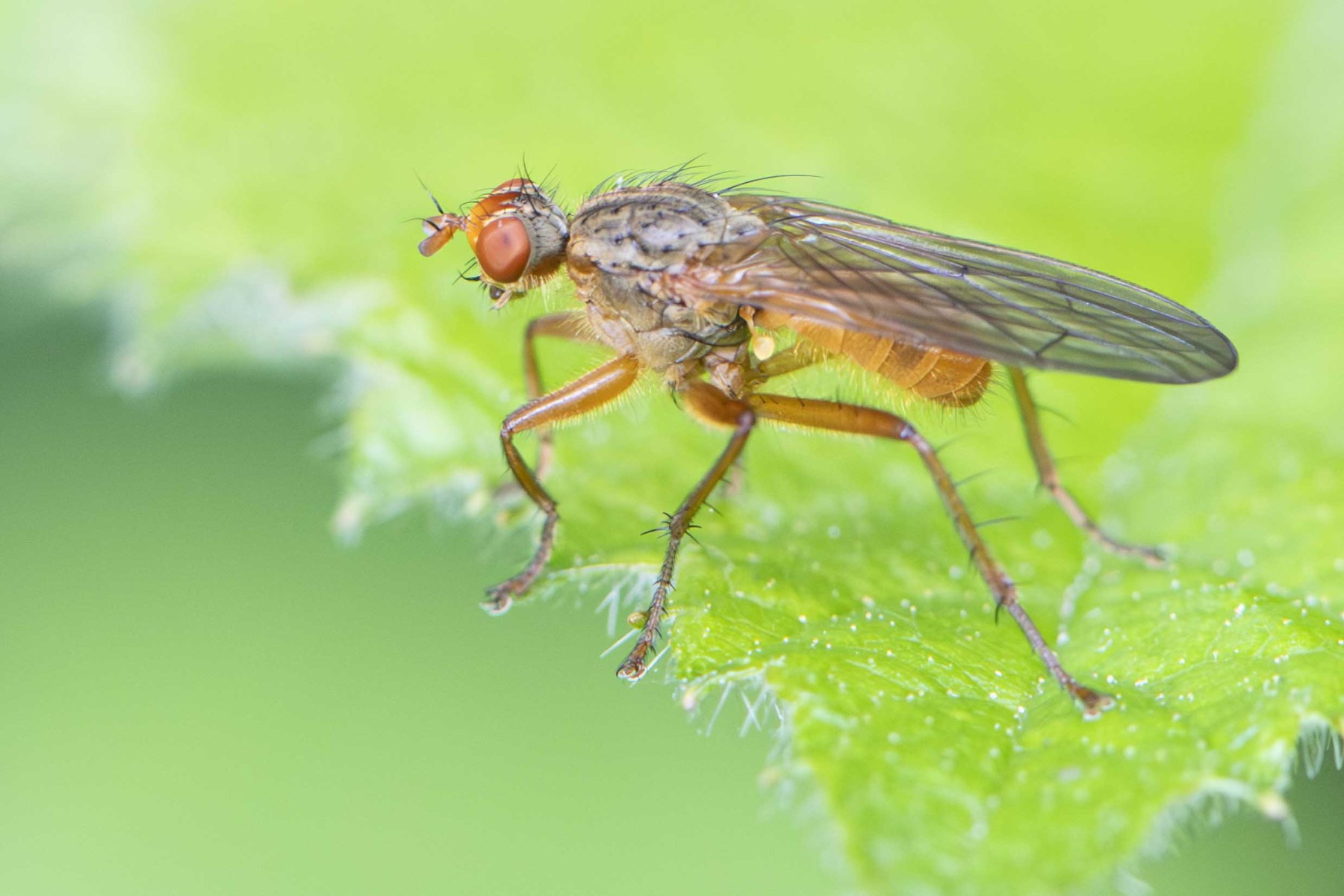
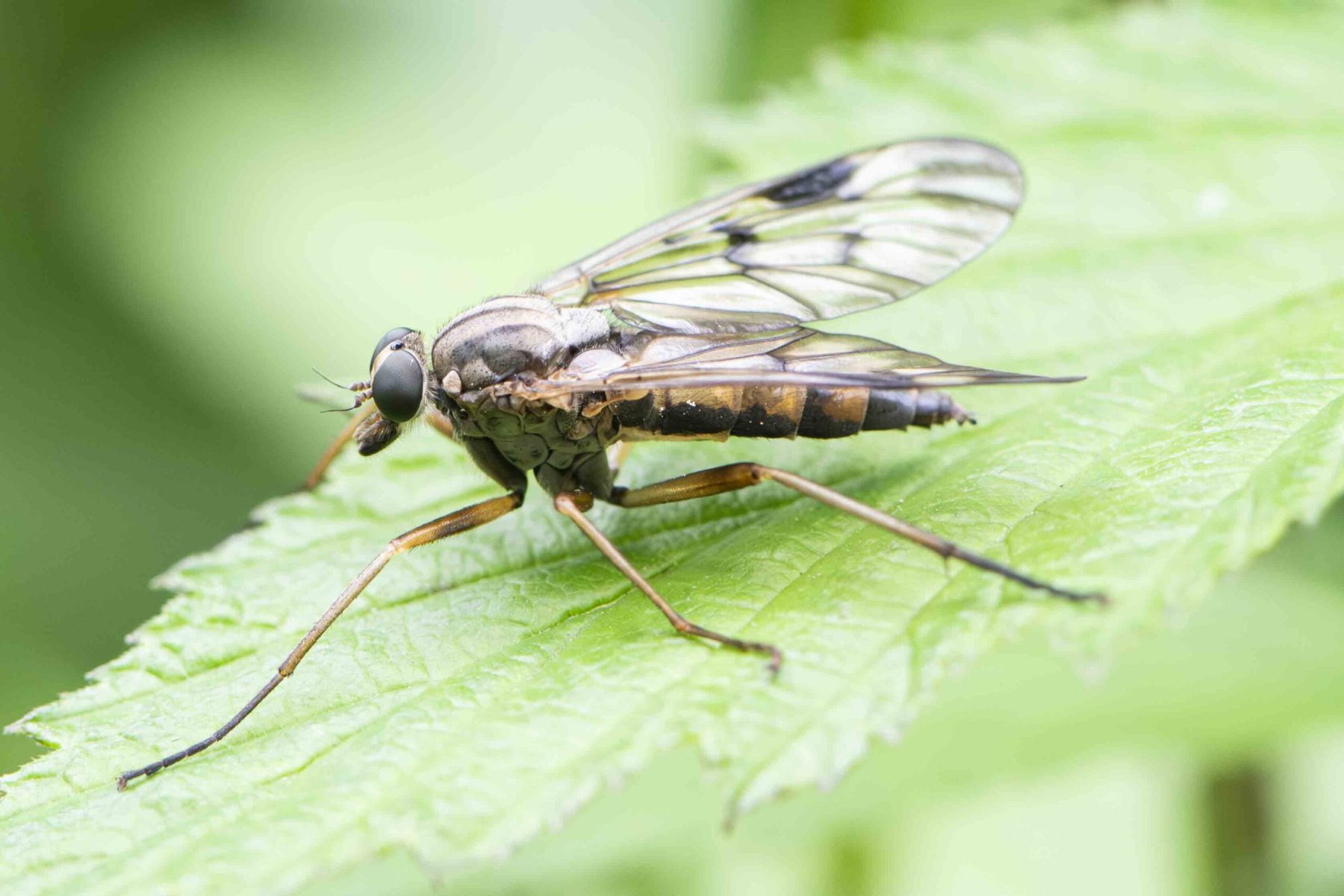
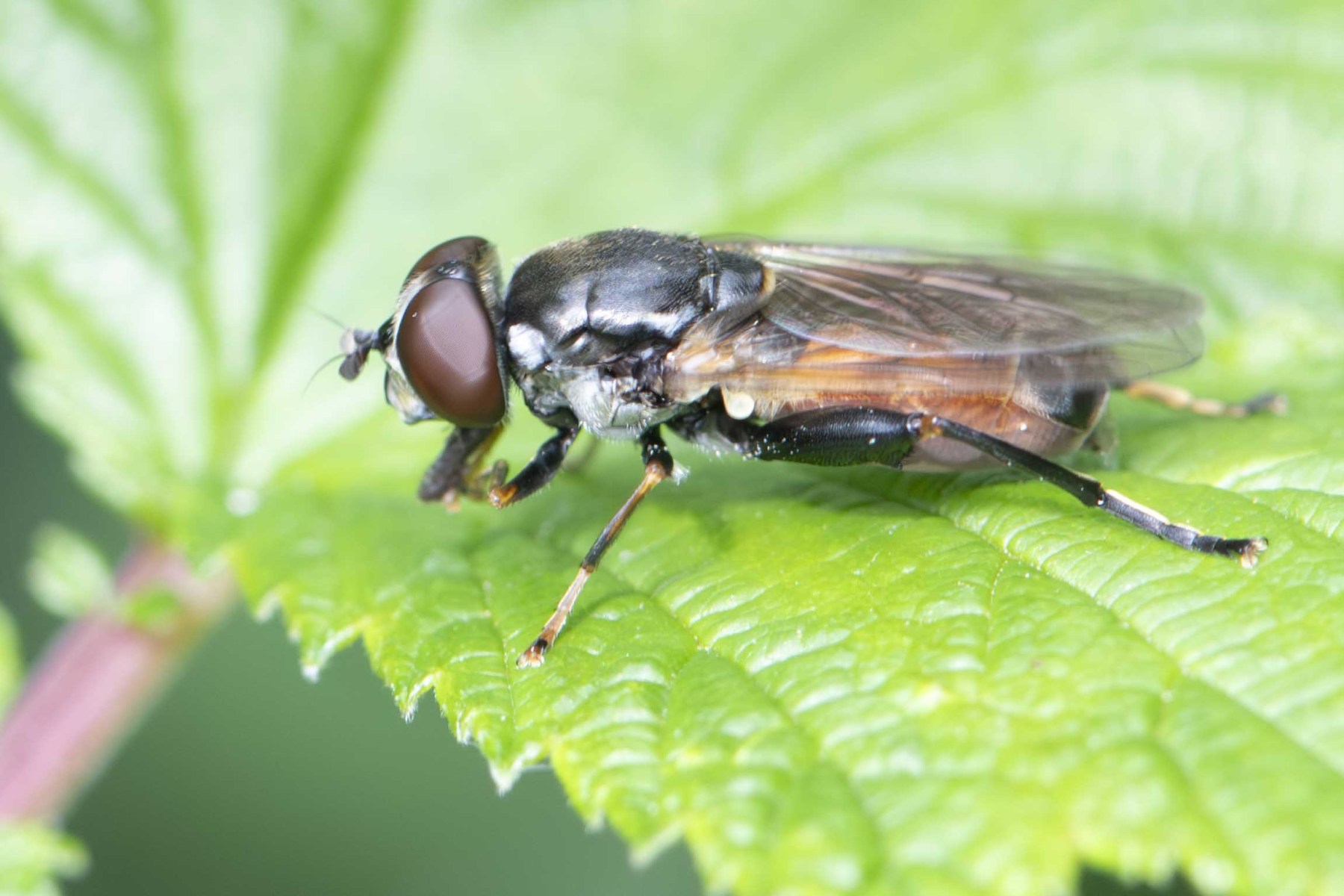
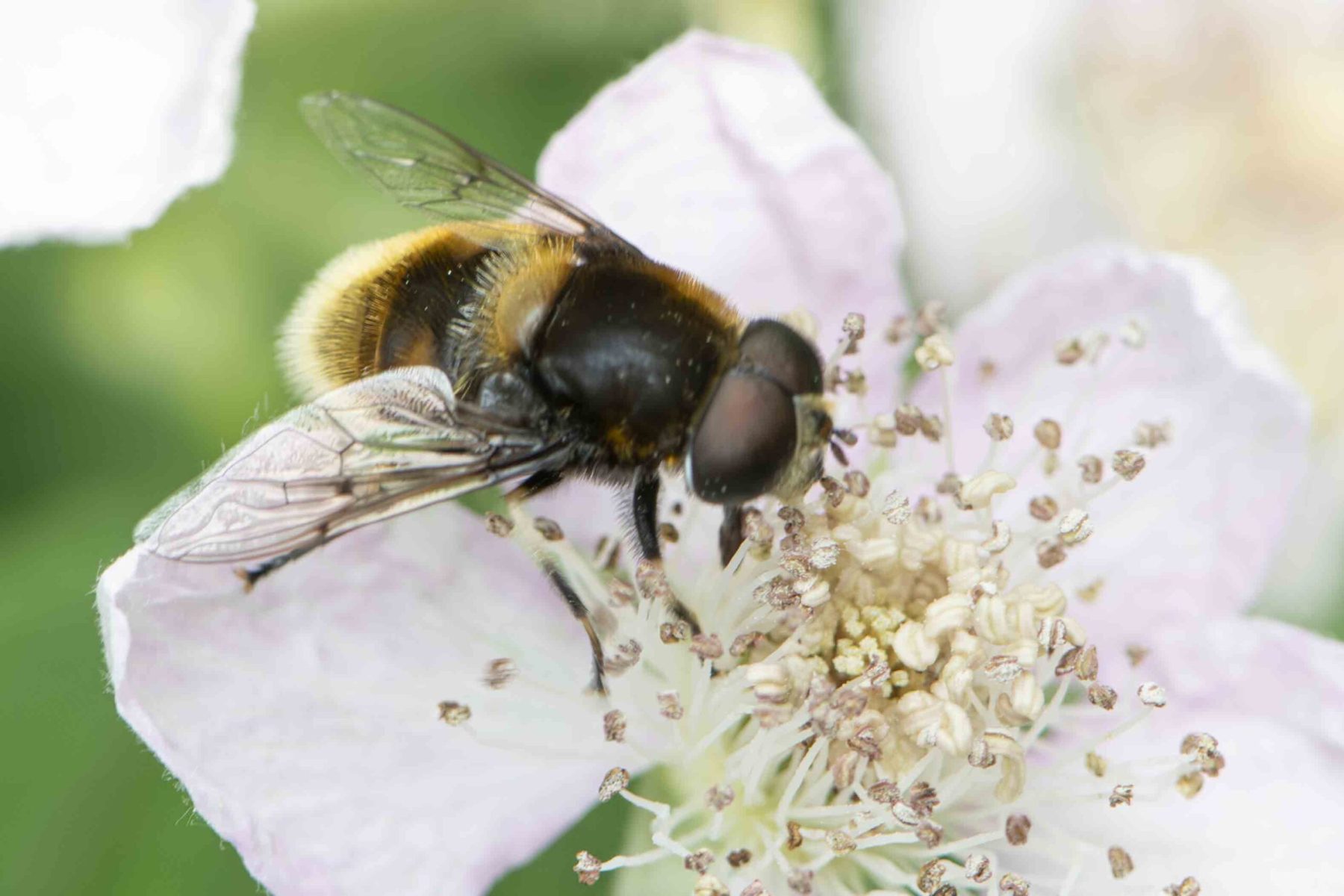
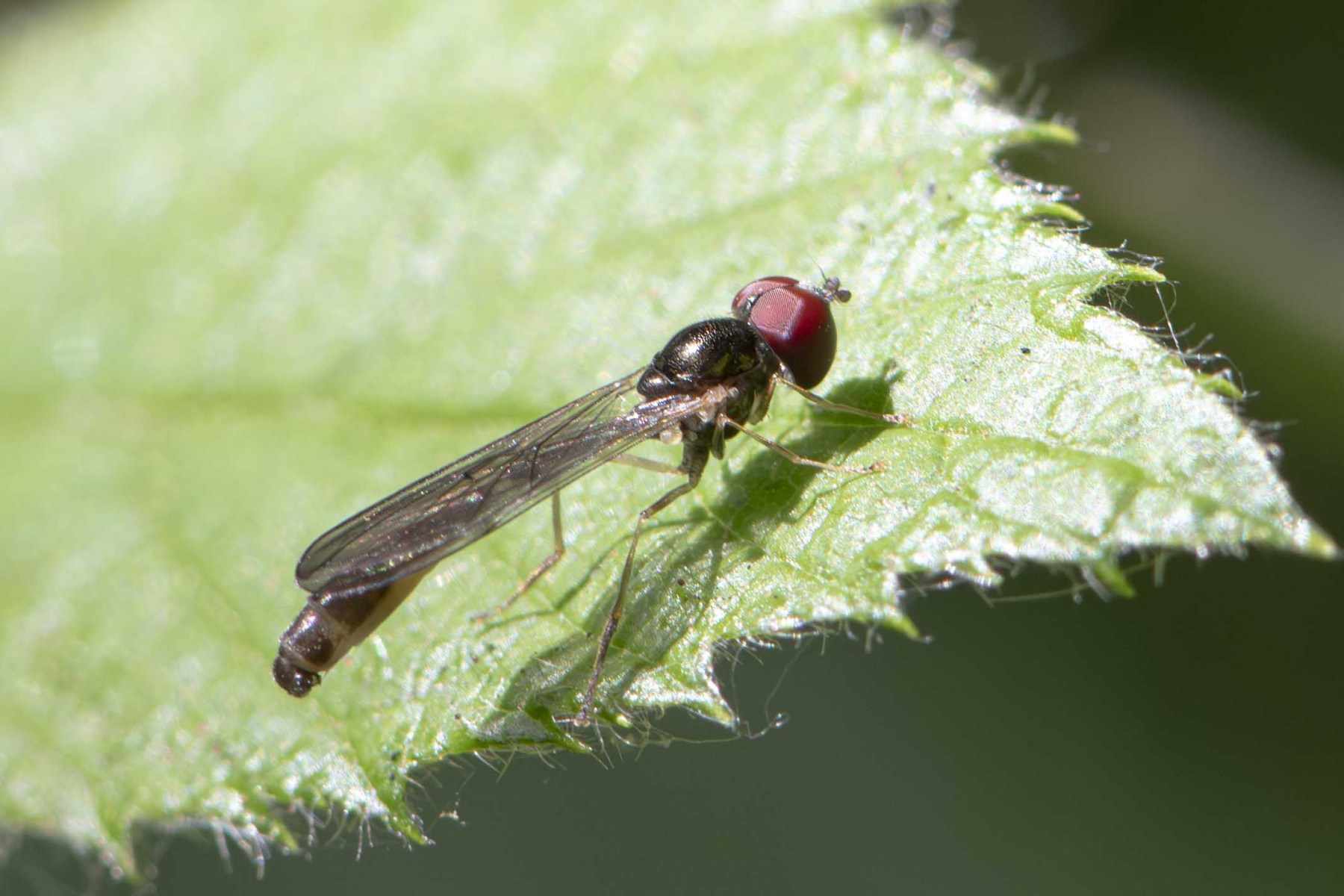
Diptera – Hoverflies
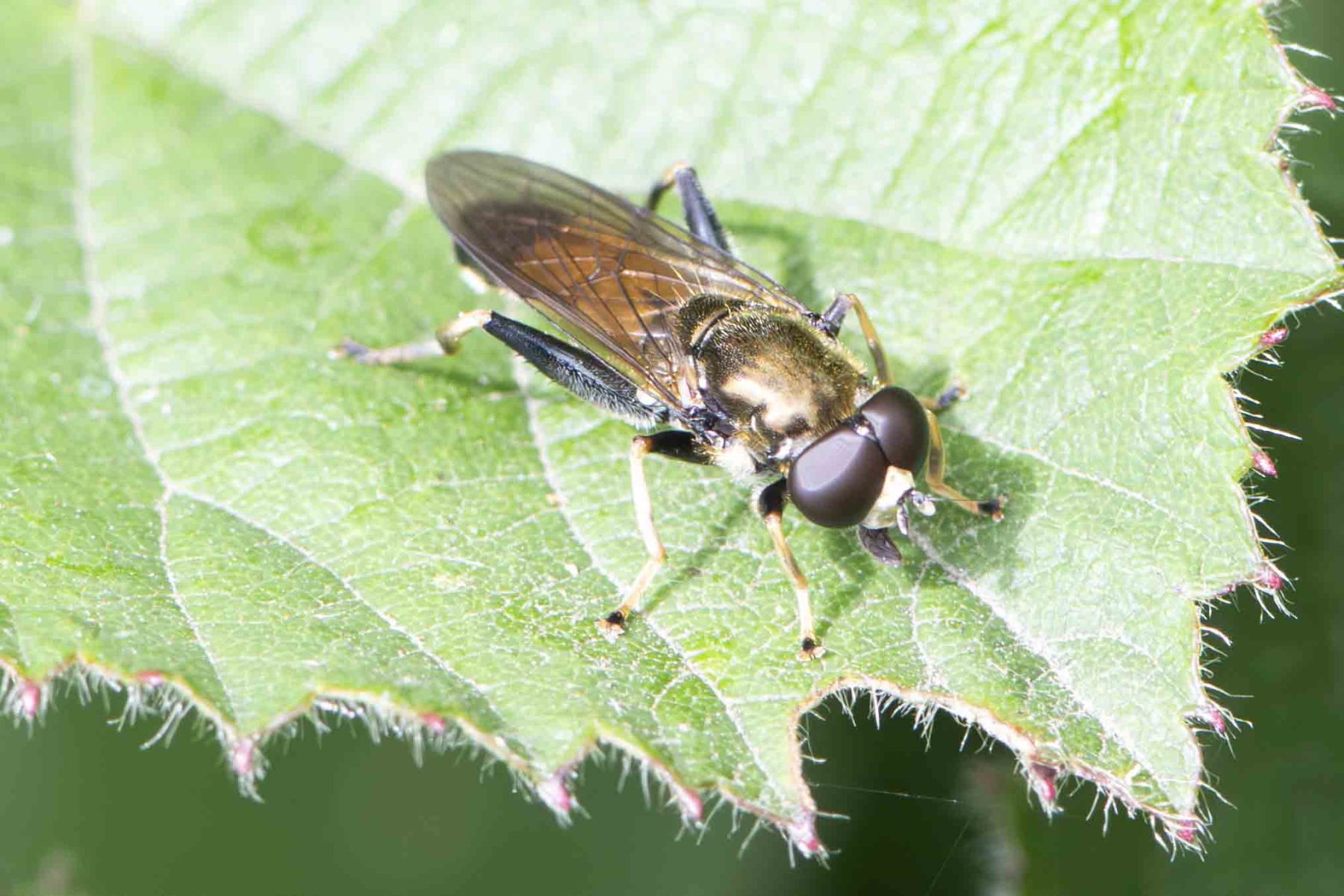
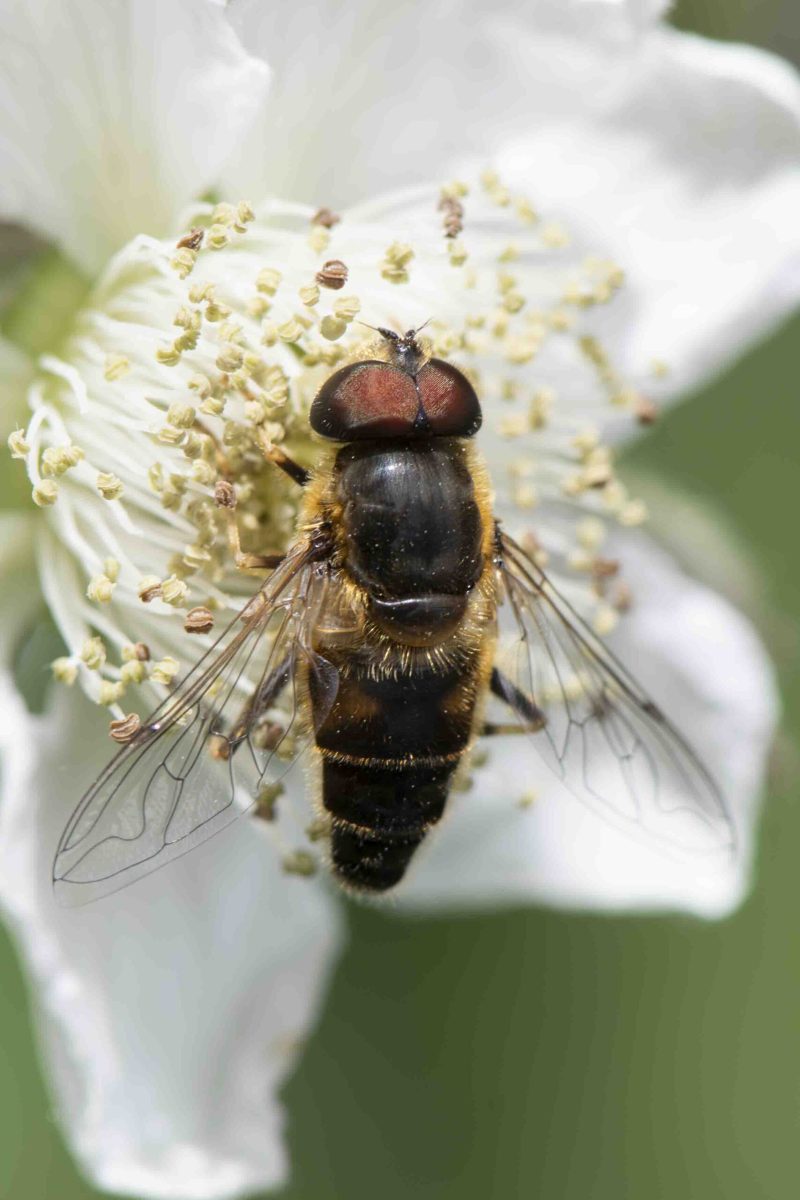



Hemiptera
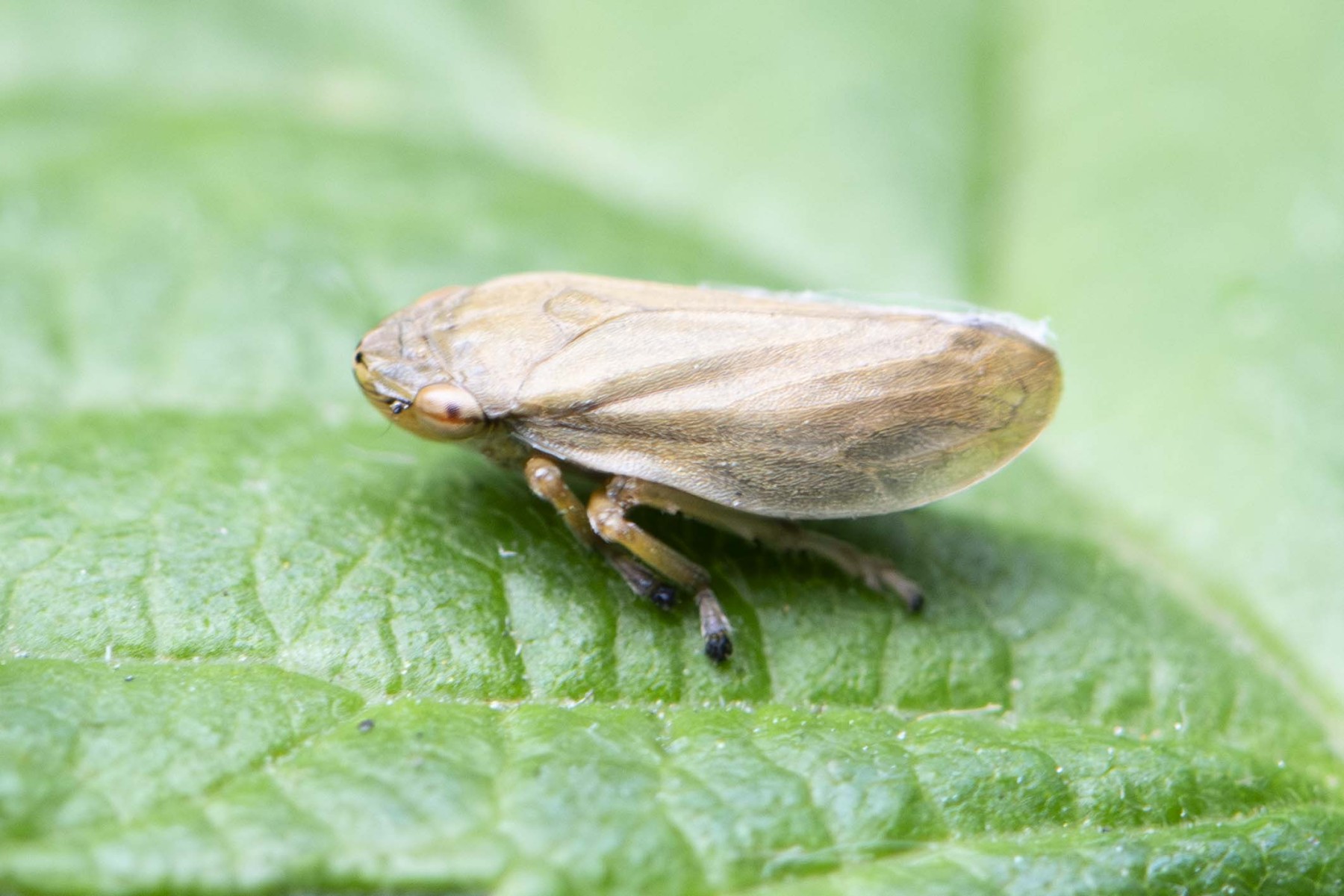

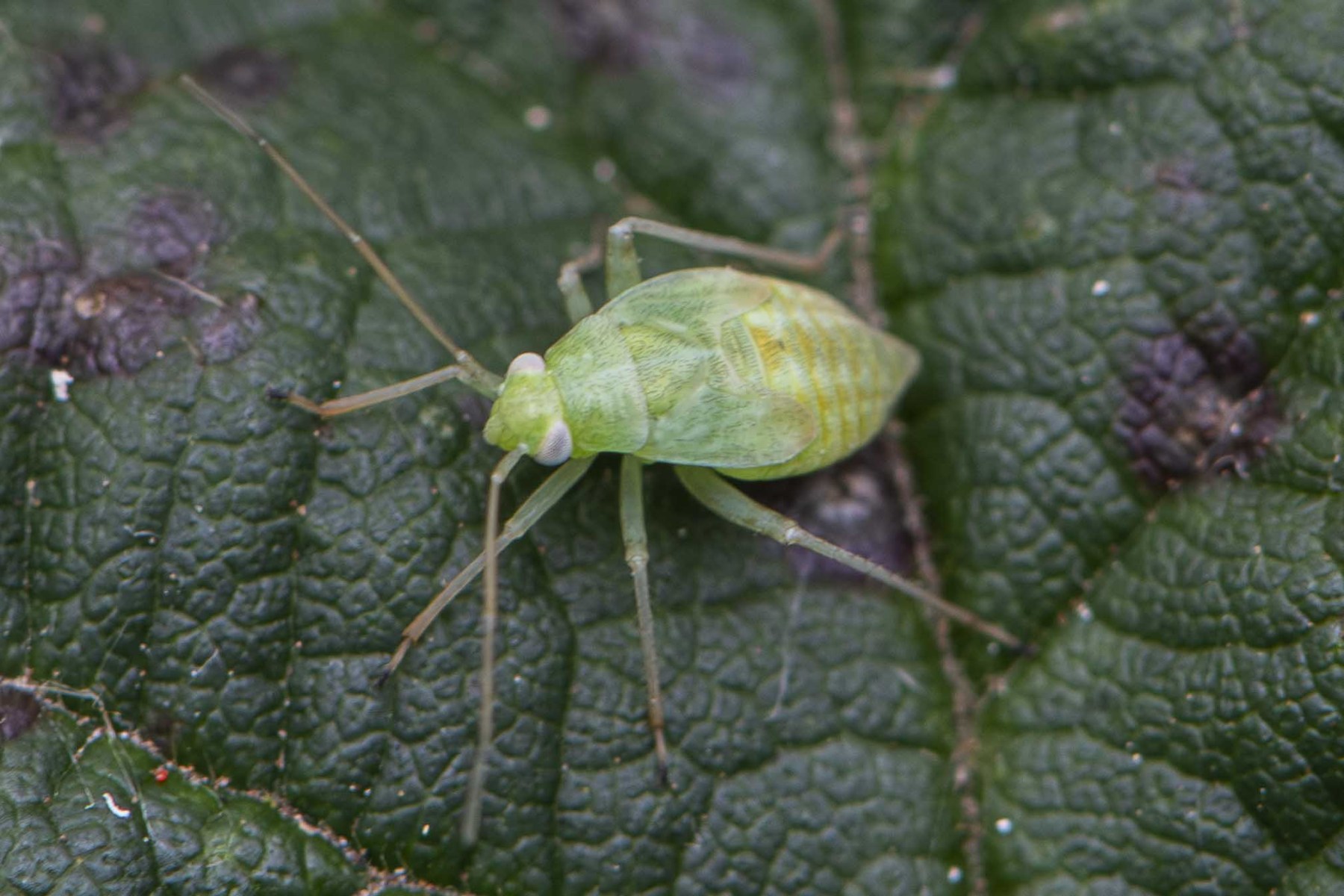
Odonata
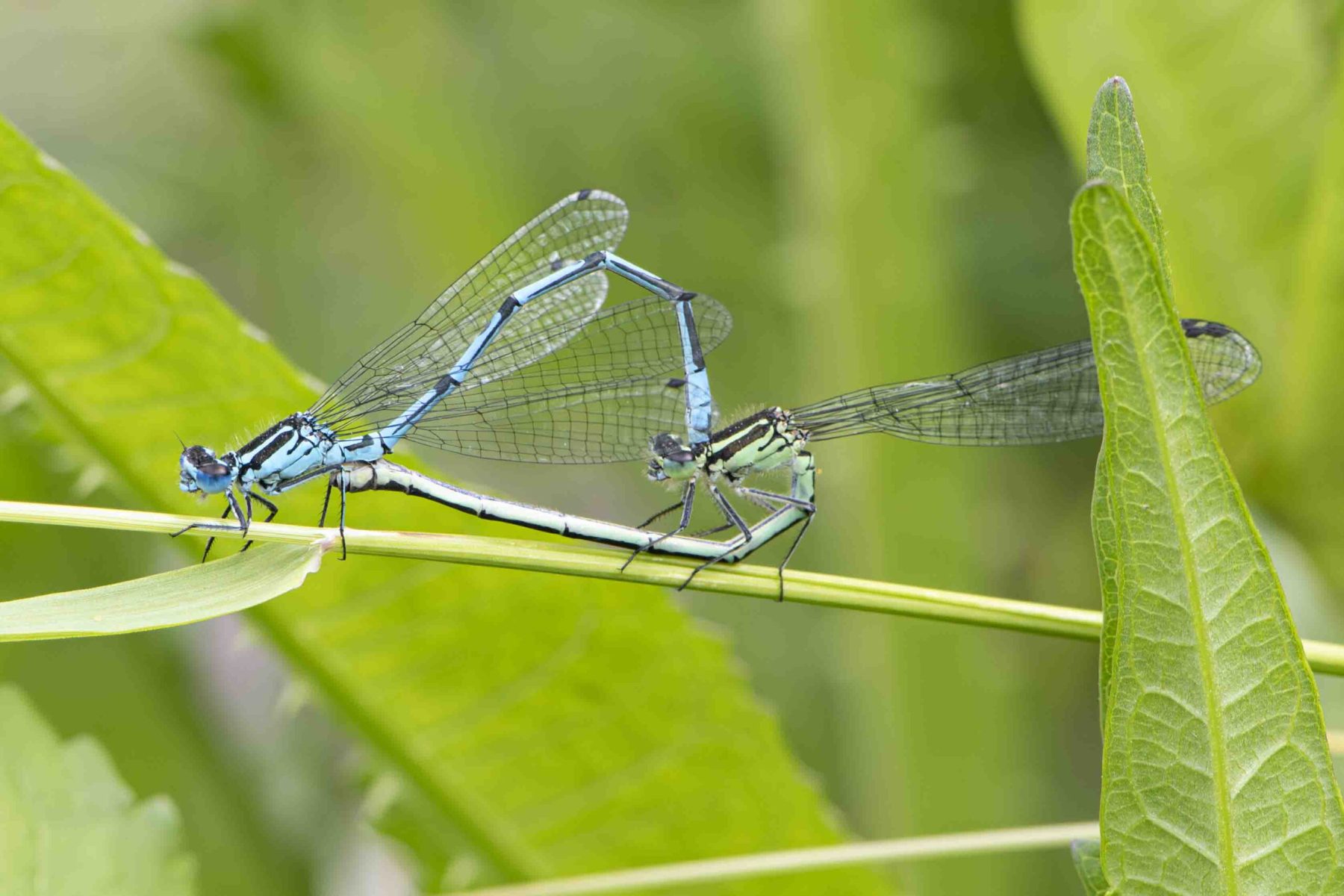


Orthoptera

Potteric Carr, June 13.
Another meander along mother drain, a visit to Willow Pool hide on the east side of the restored Willow Marsh, returning via Willow Bank. A rather bluster day with intermittent sunshine but plenty of interesting bugs etc.
Arachnid


Basidiomycota (Spore Droppers)


Coleoptera
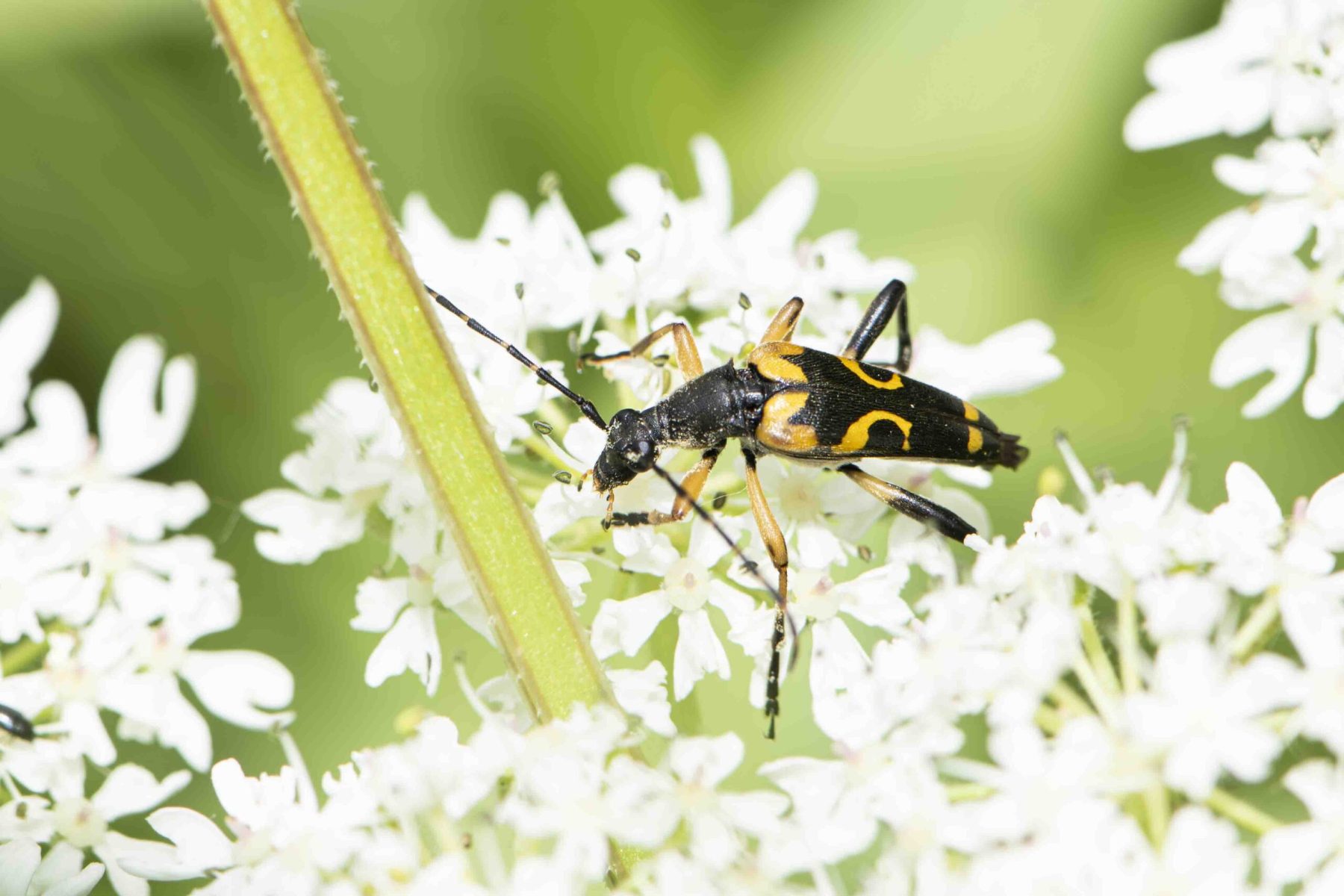
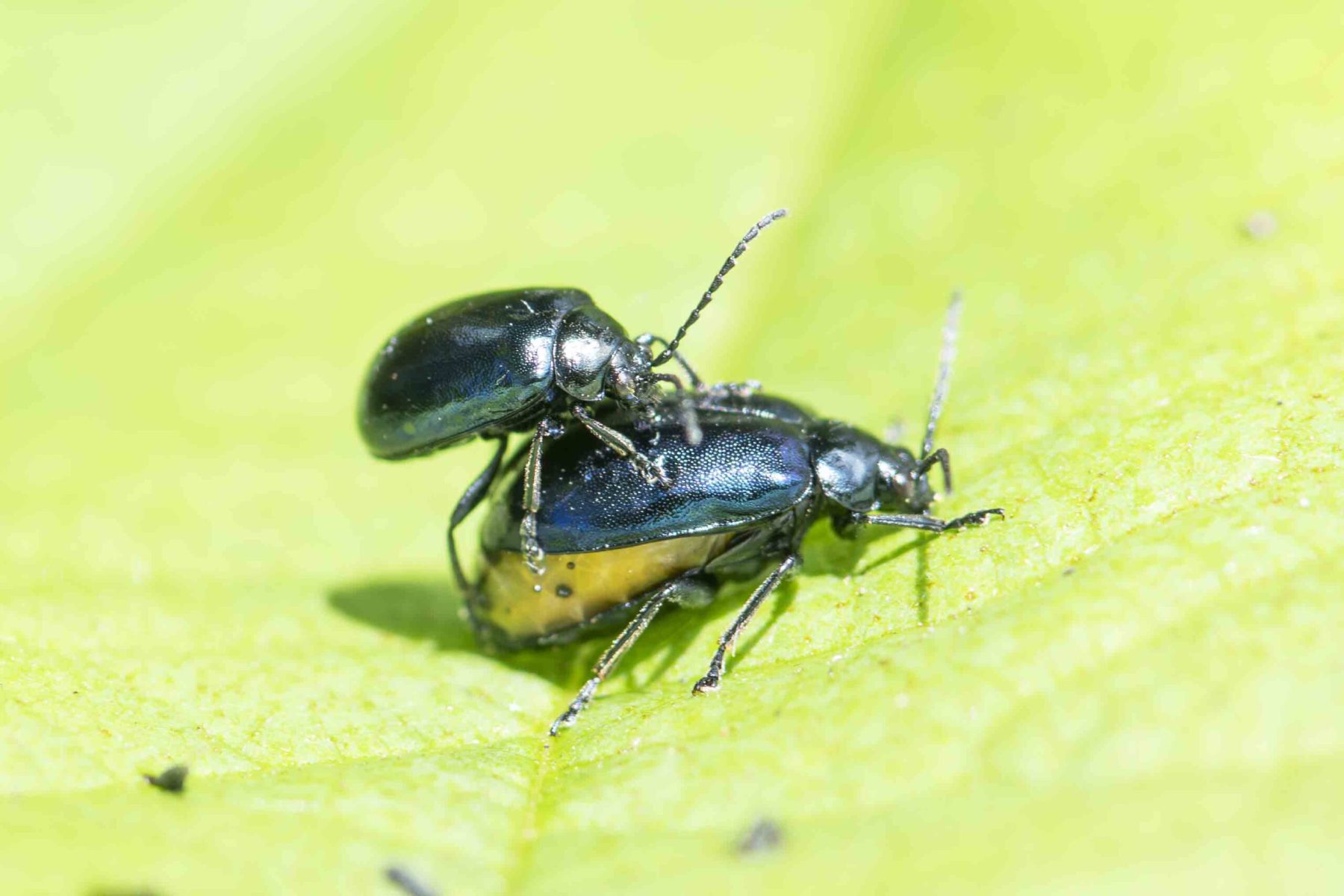


Diptera (Hoverflies)


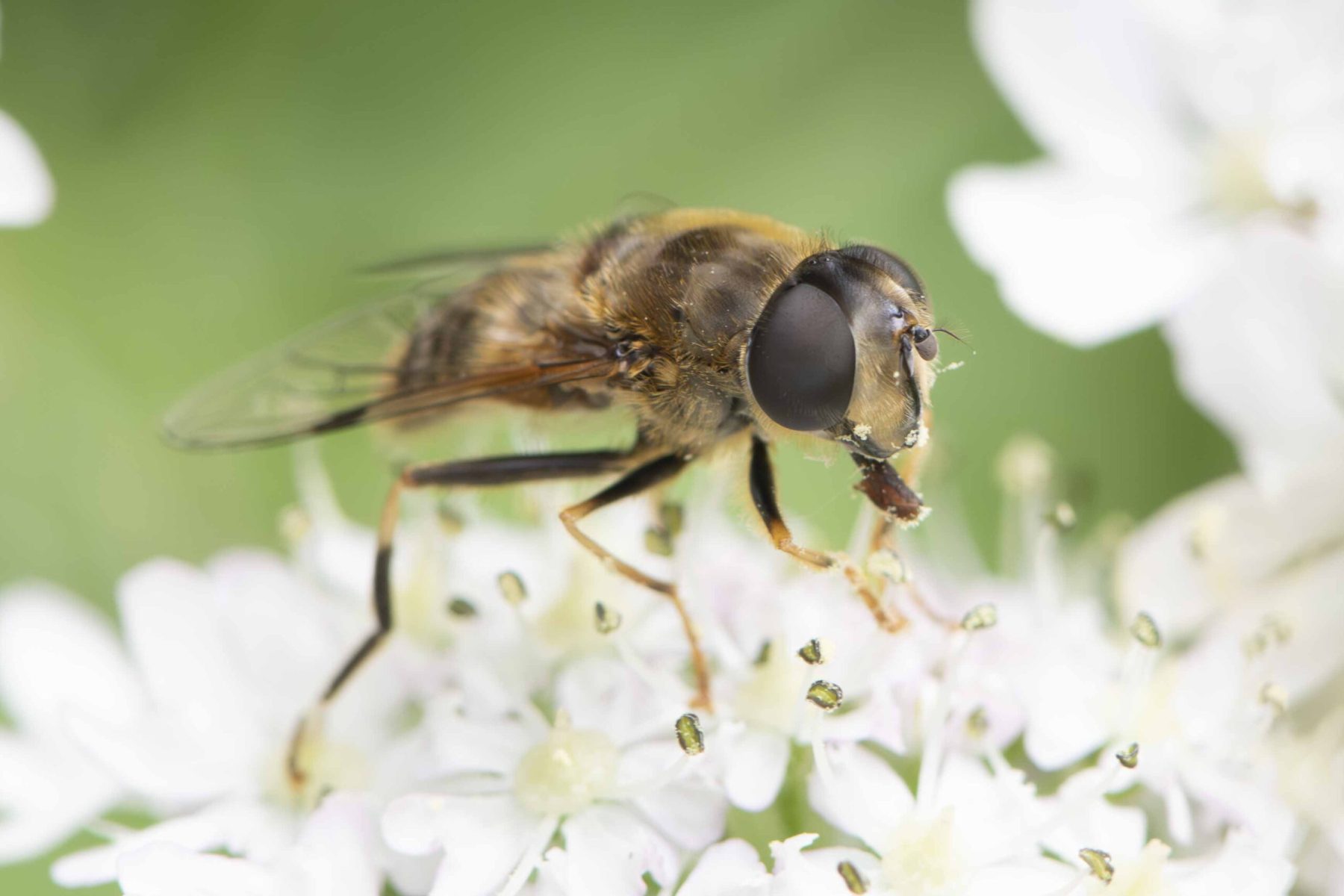
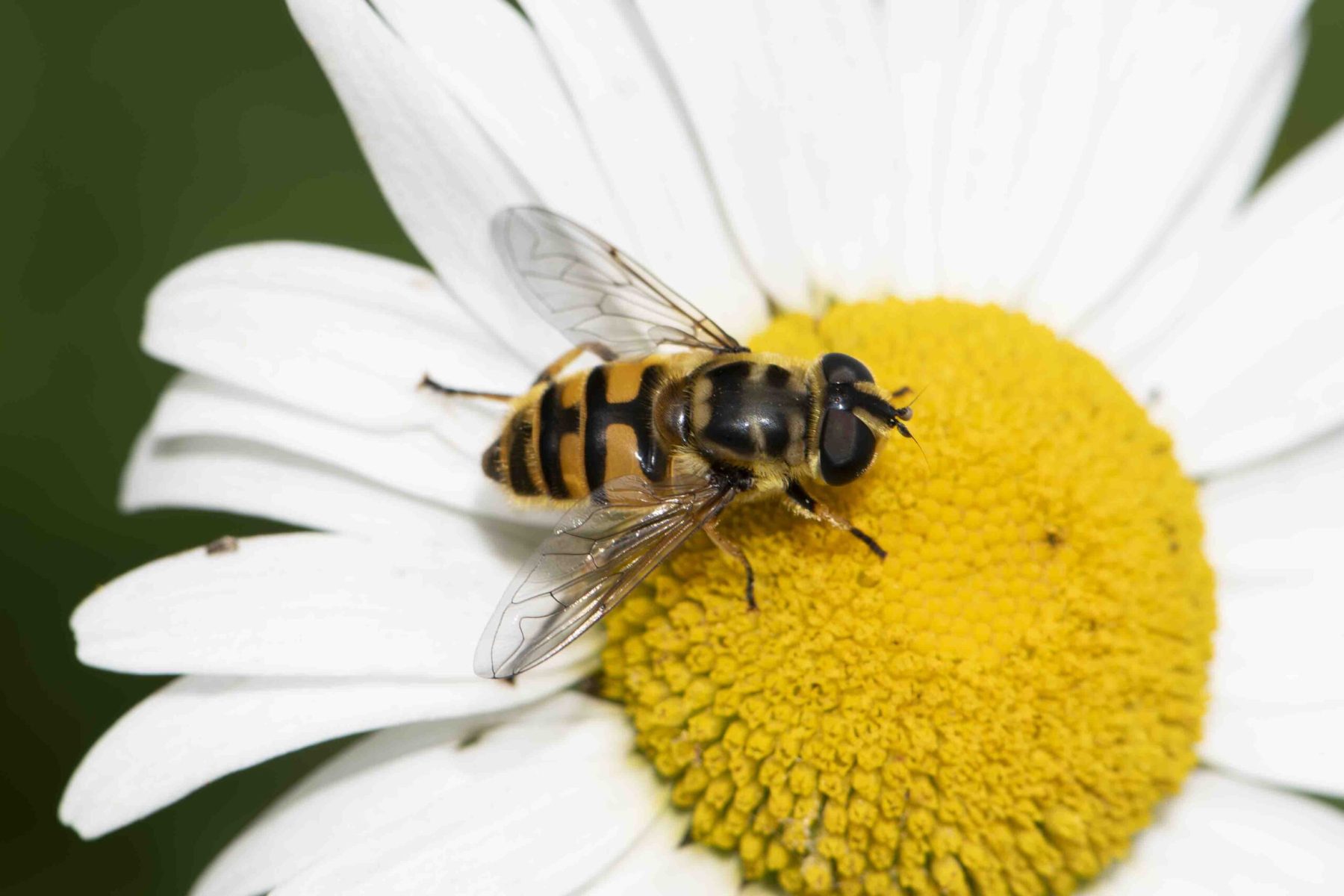
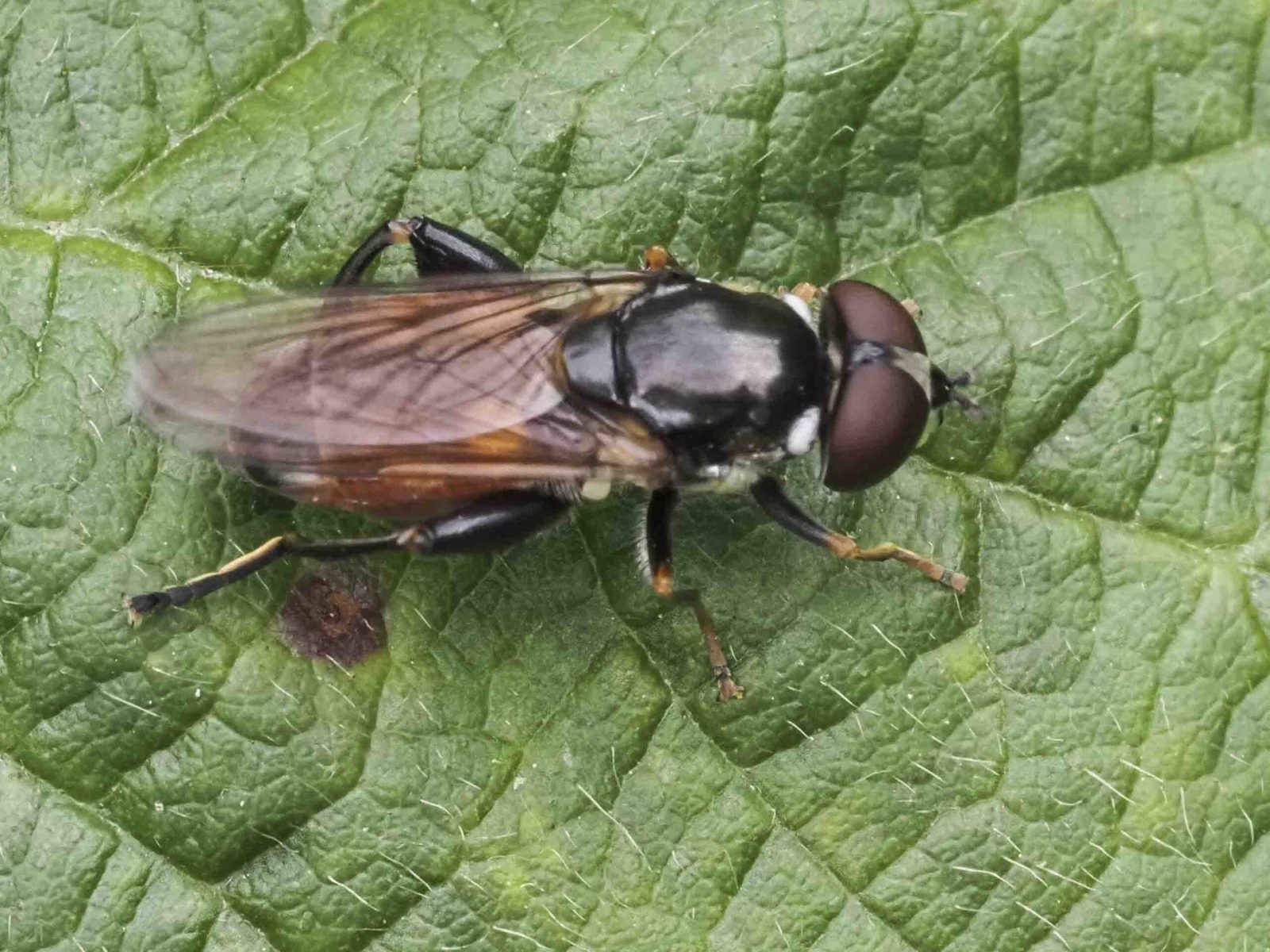


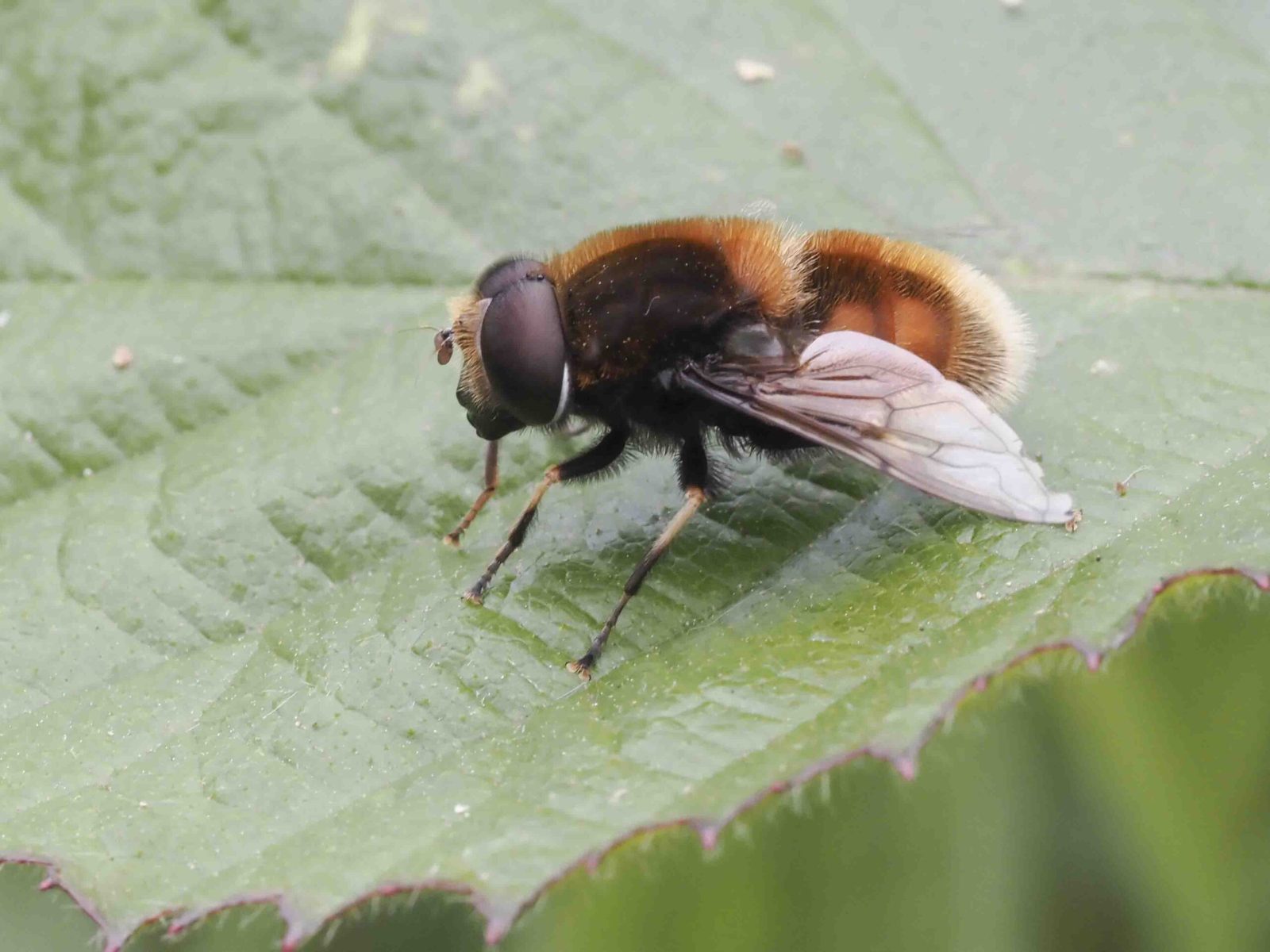


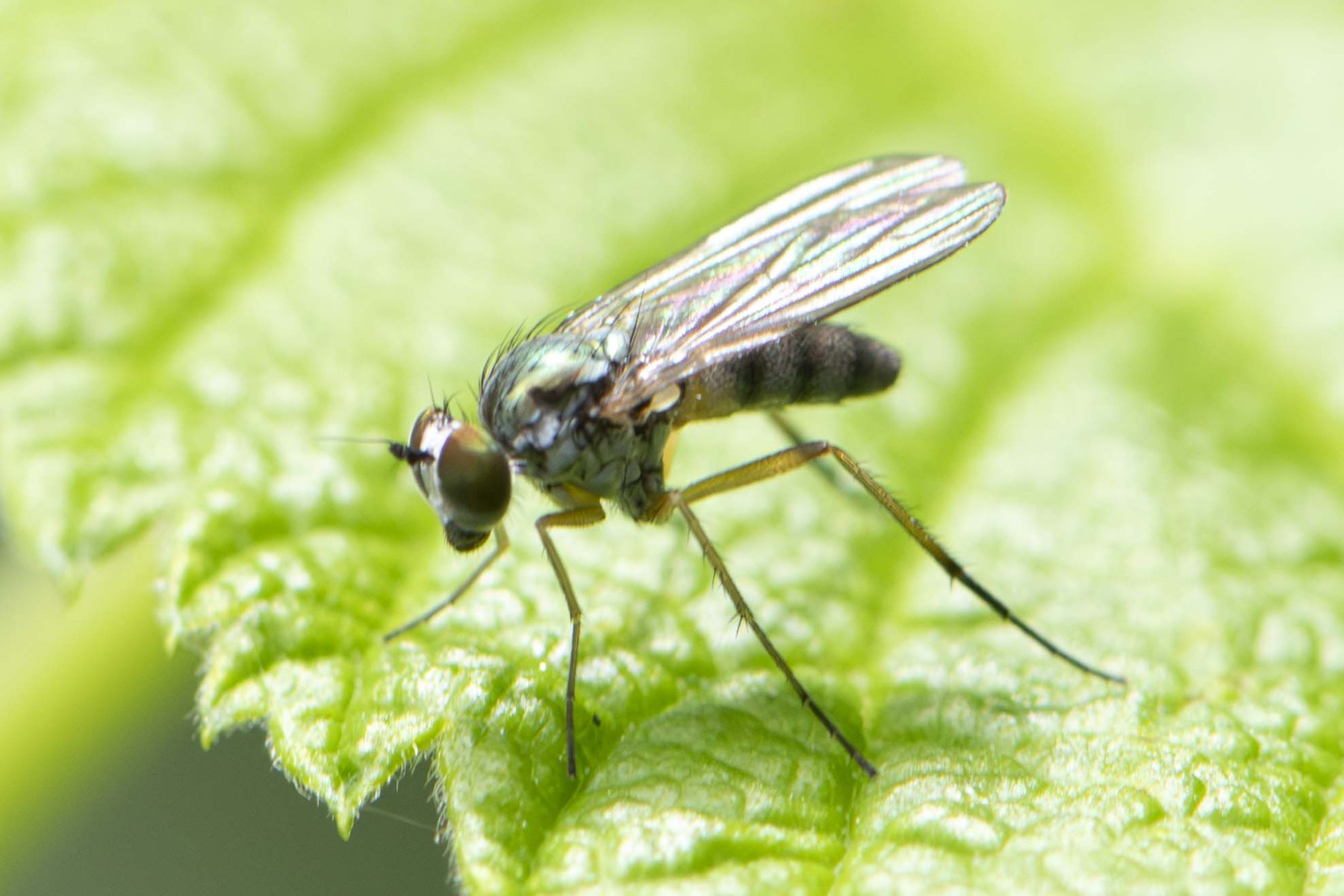
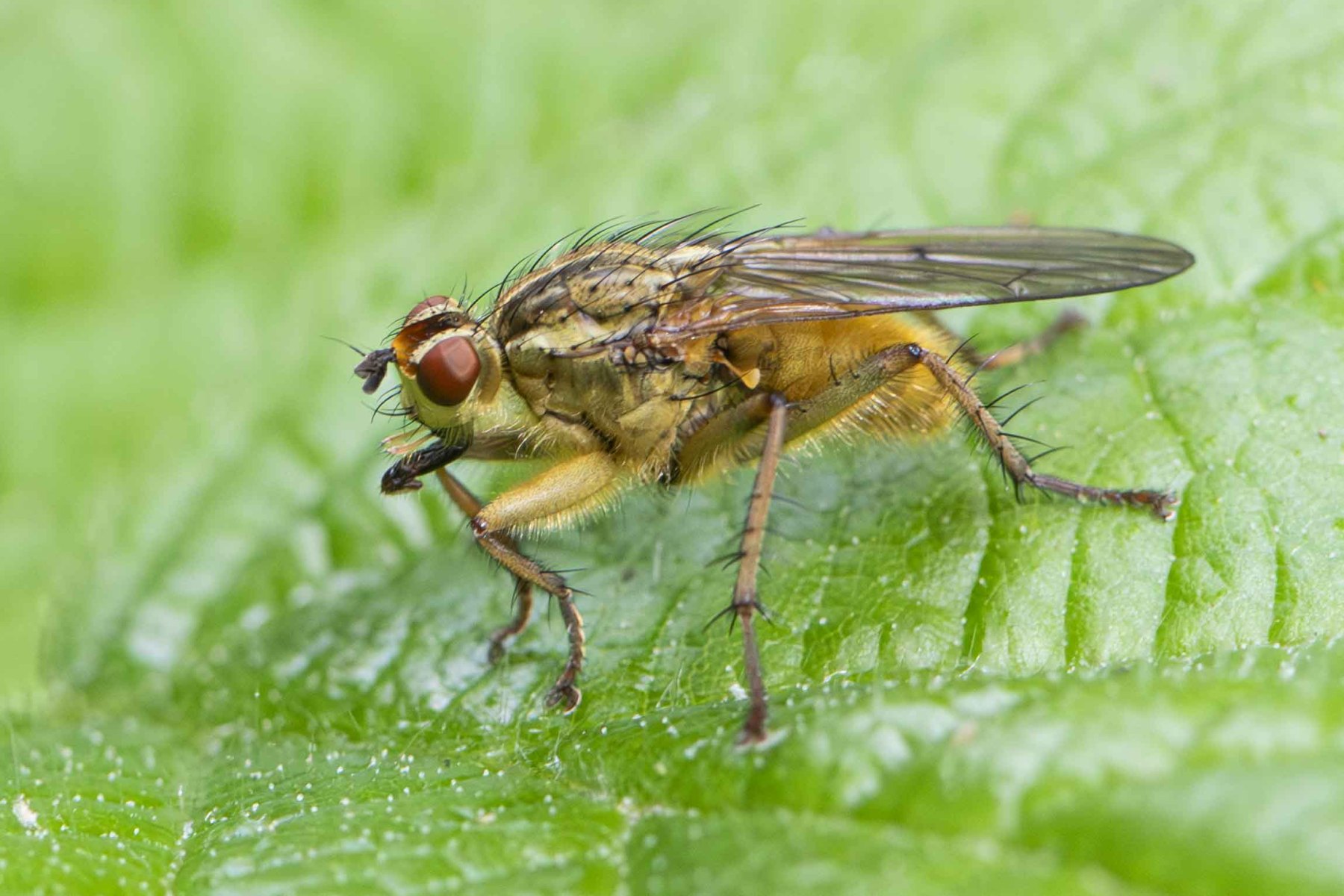
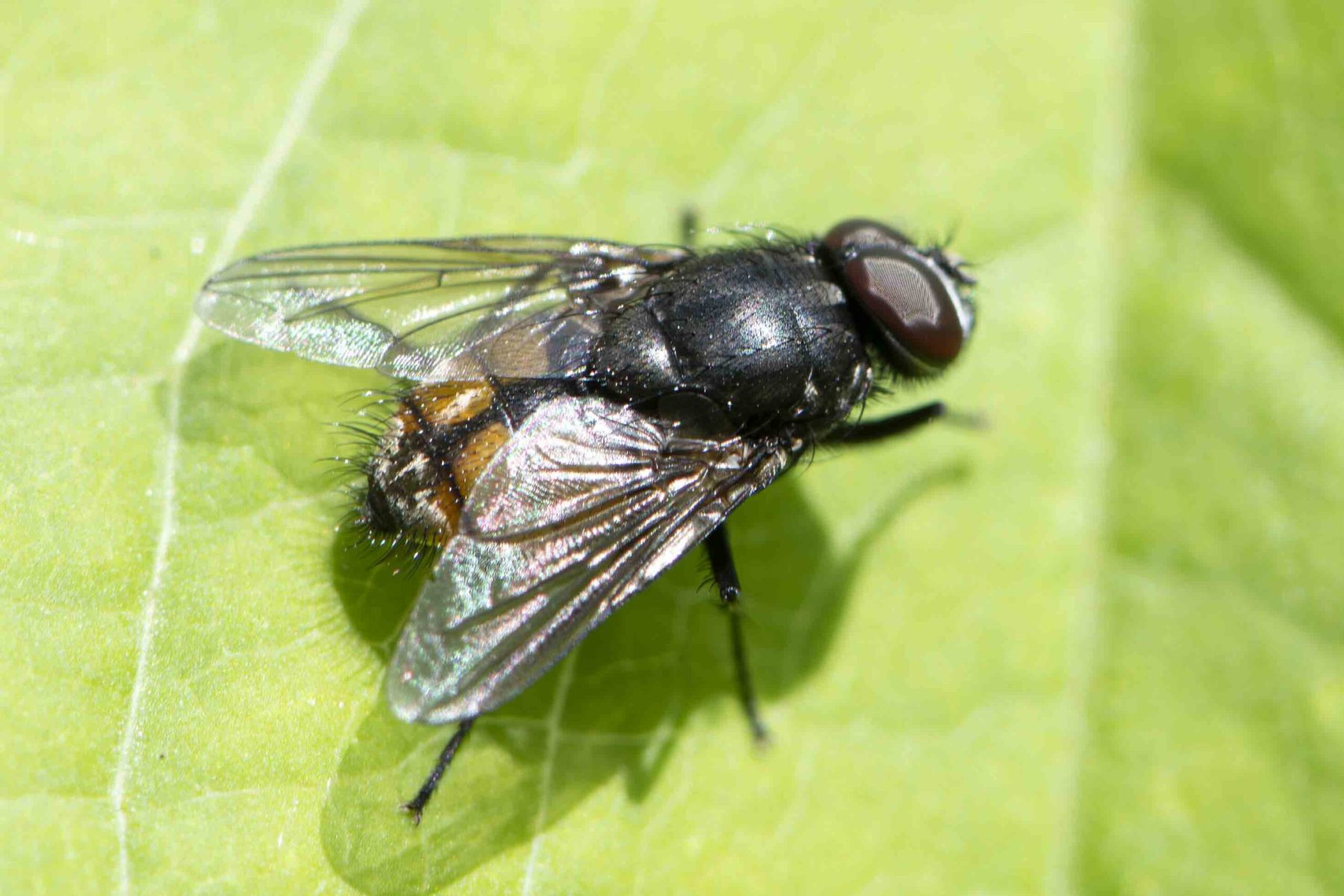
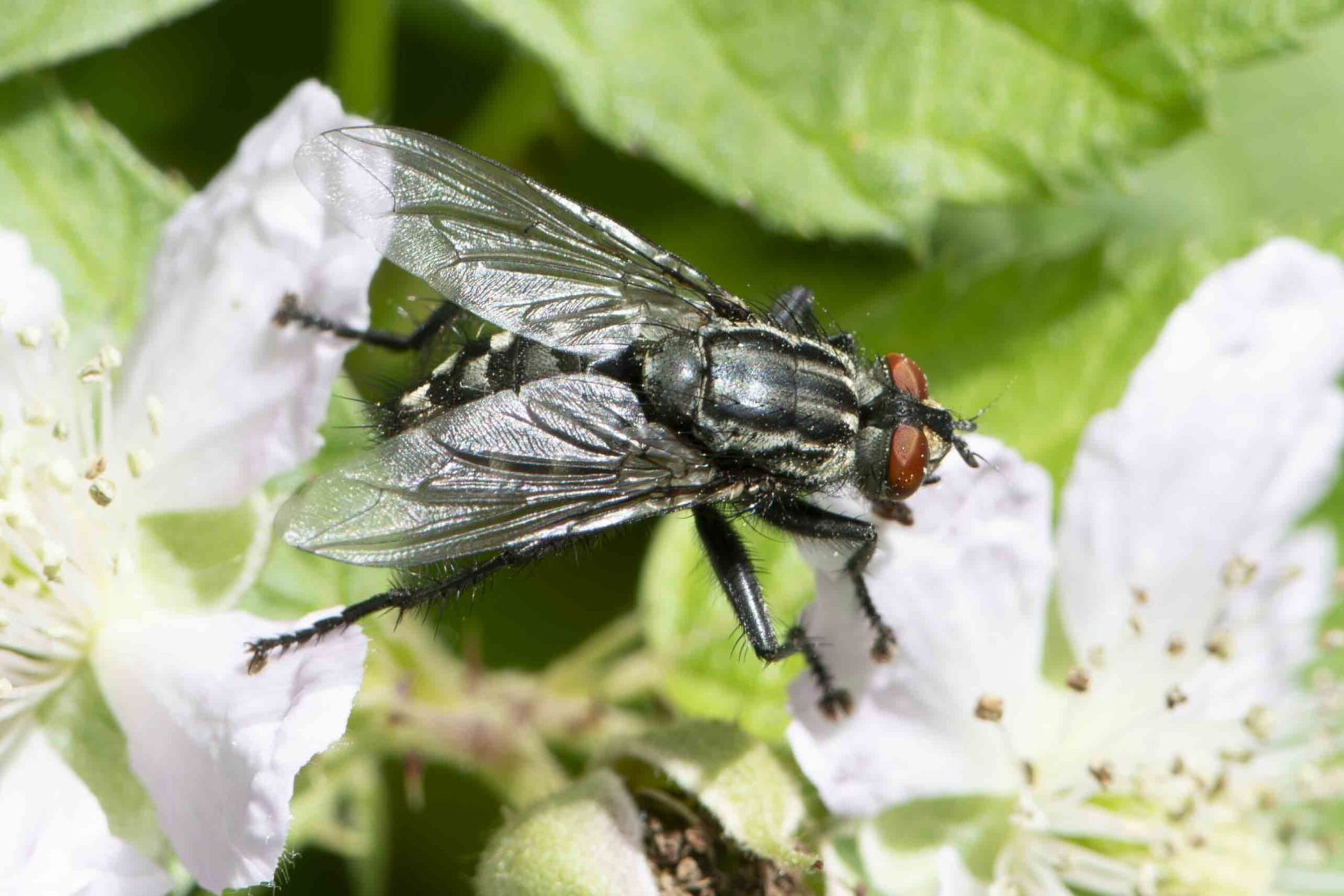
Diptera (other)




Hemiptera


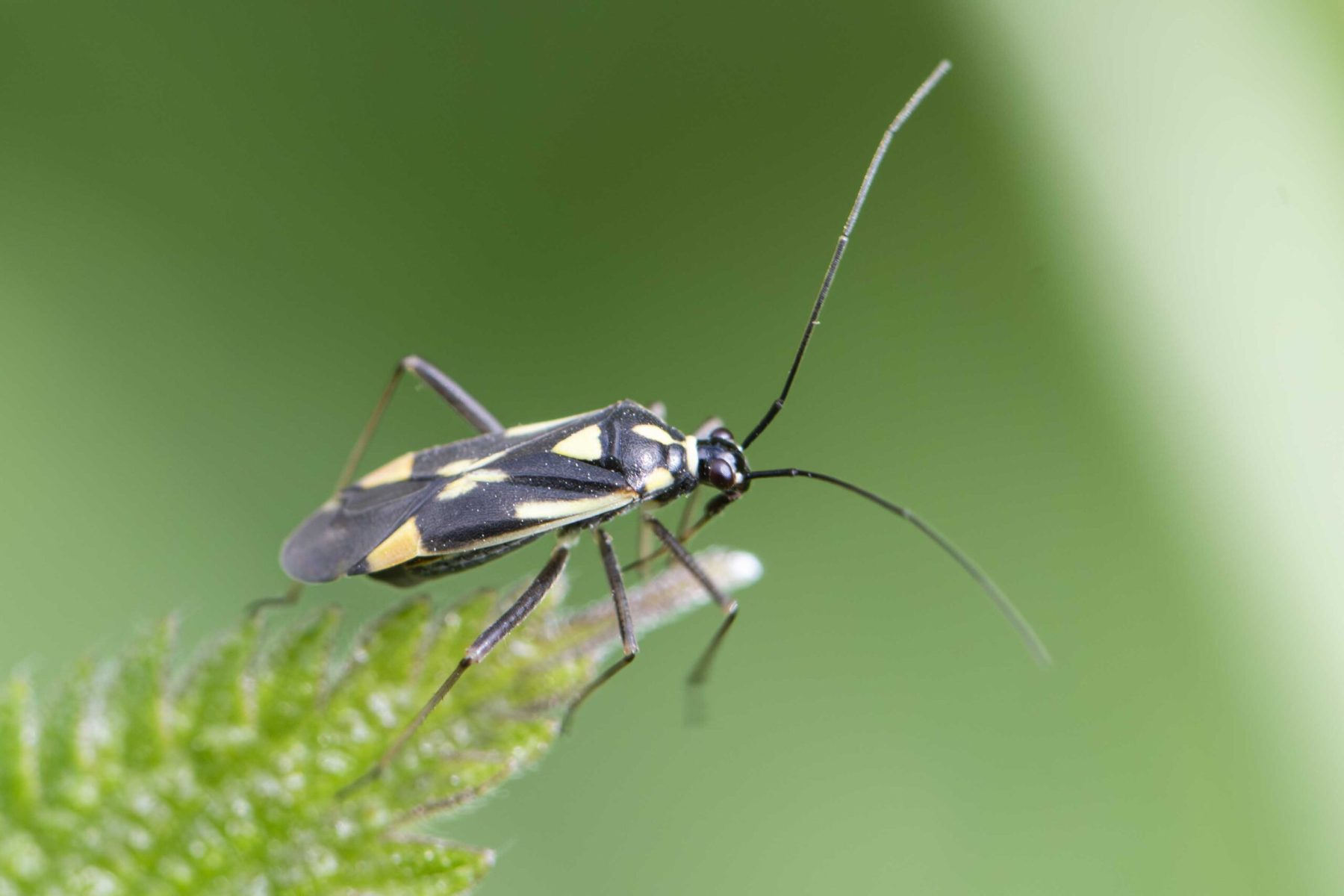


Hymenoptera
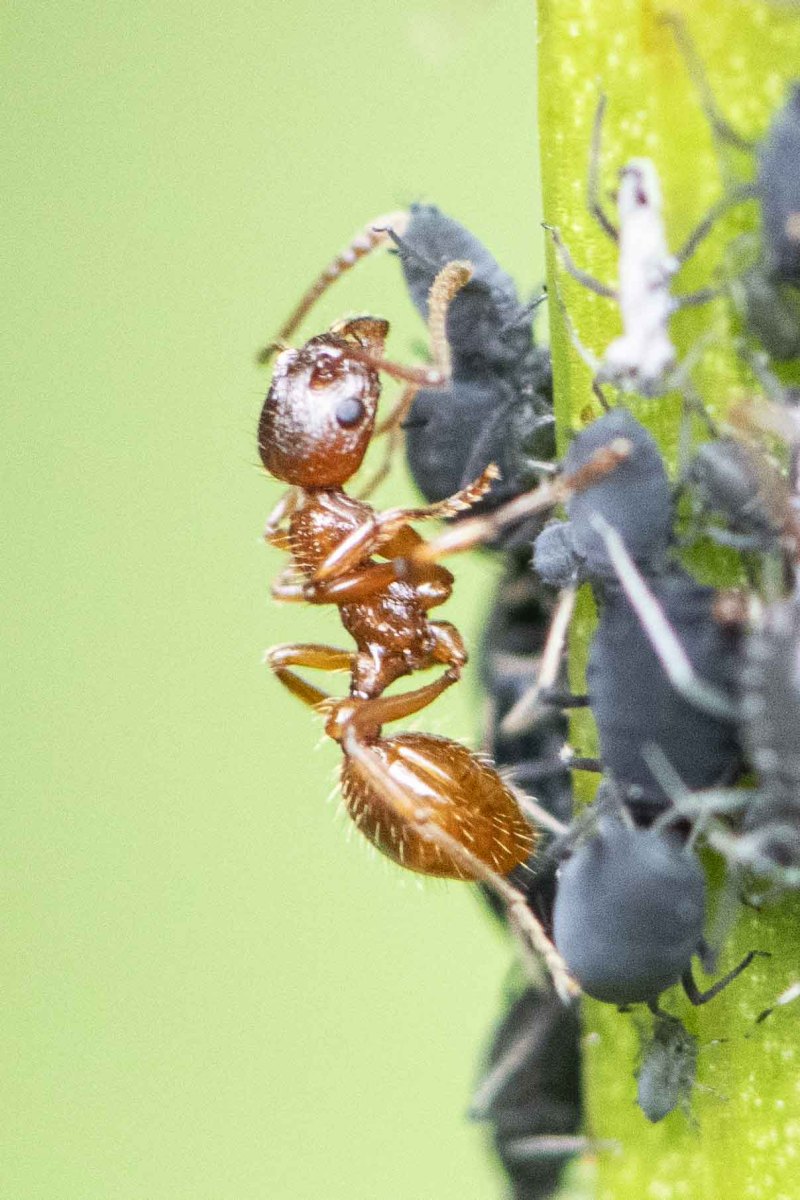

Lepidoptera
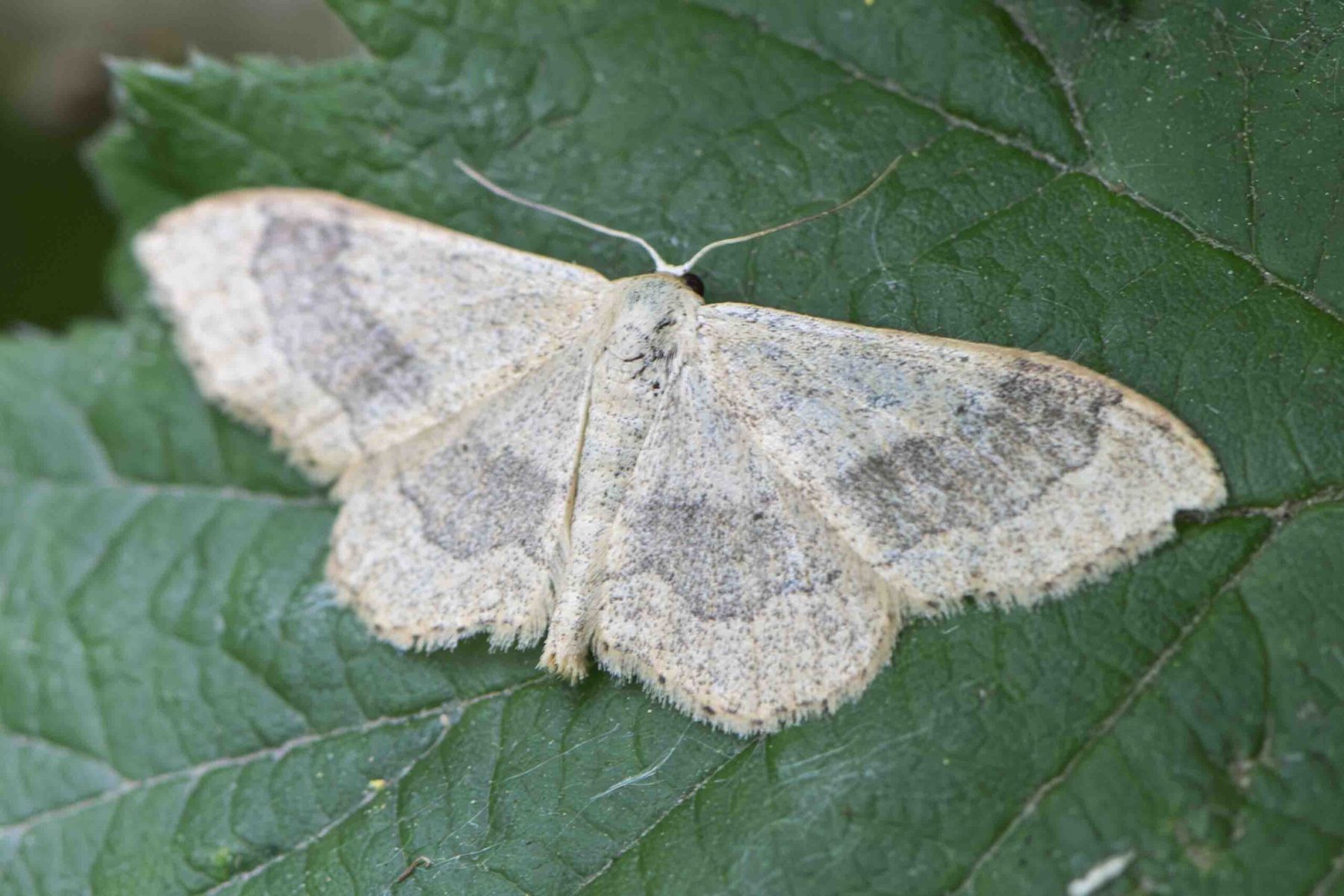

Mammalia
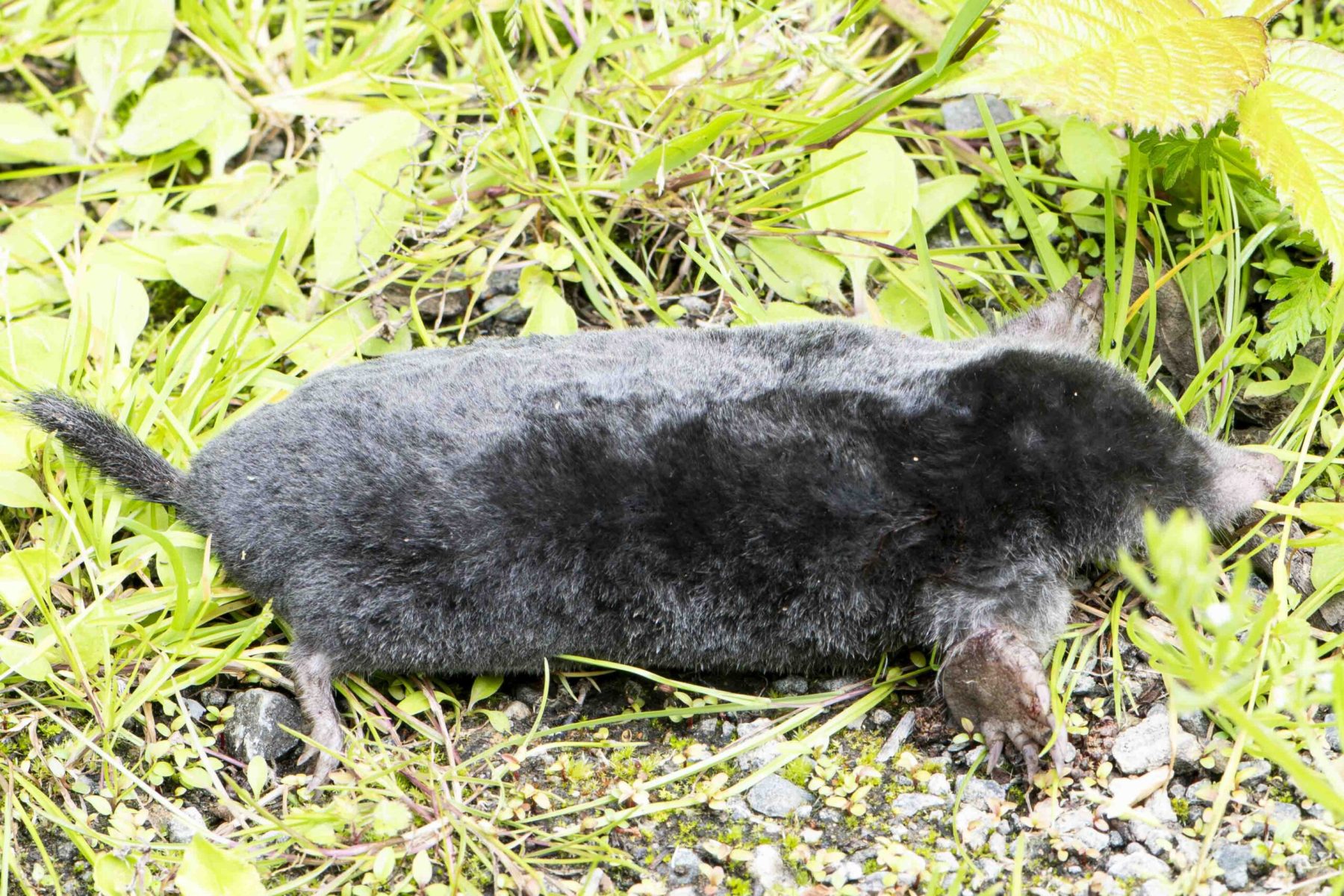
Odonata
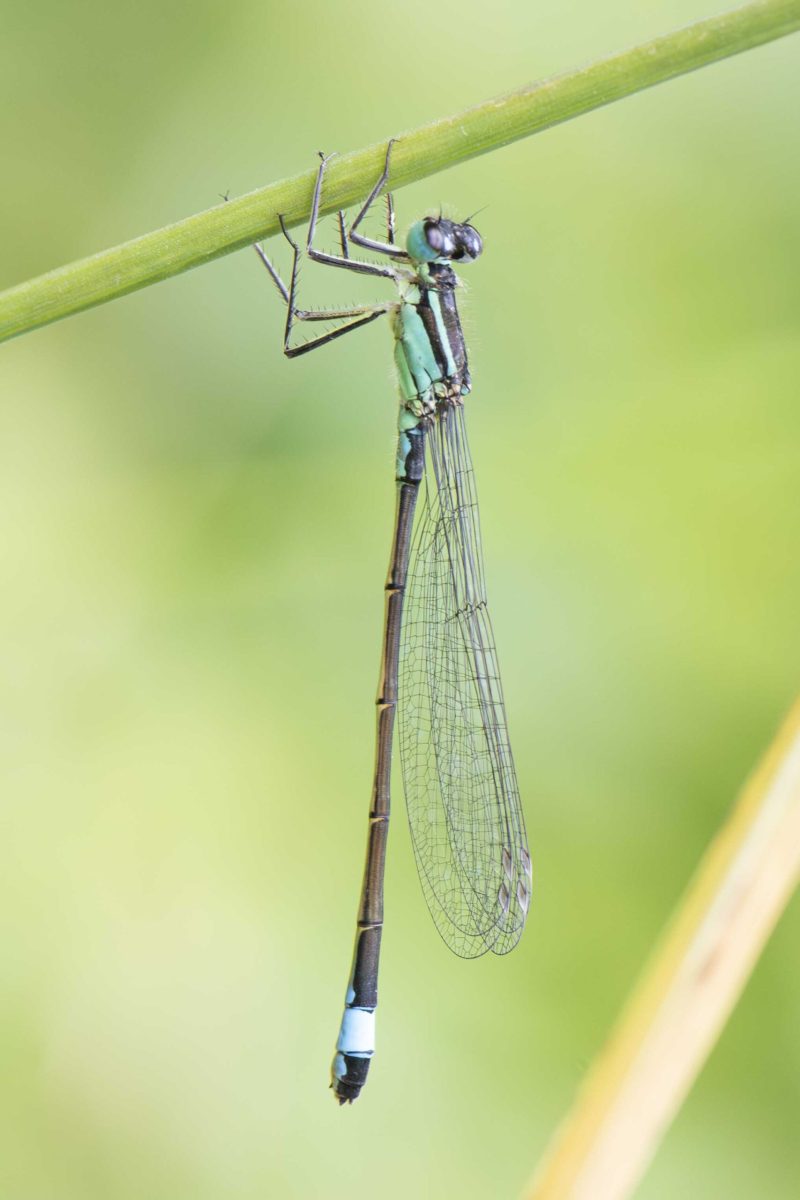
Orthoptera

Potteric Carr, June 7. A pleasant, dry afternoon with Colin.
A stroll along mother drain, a visit to Willow Pool hide on the east side of the restored Willow Marsh, returning via Willow Bank and Loversall Field.
Arachnida

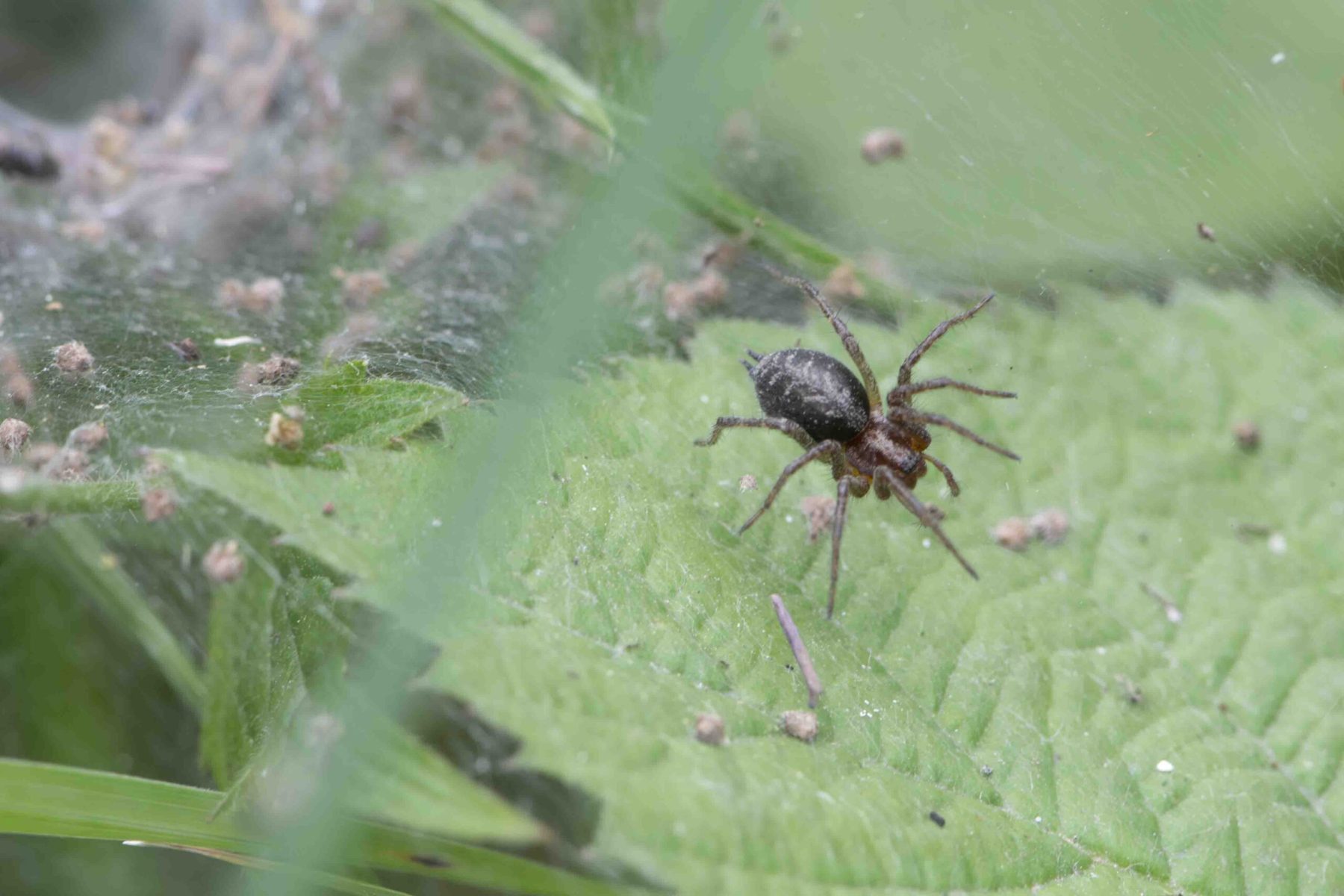
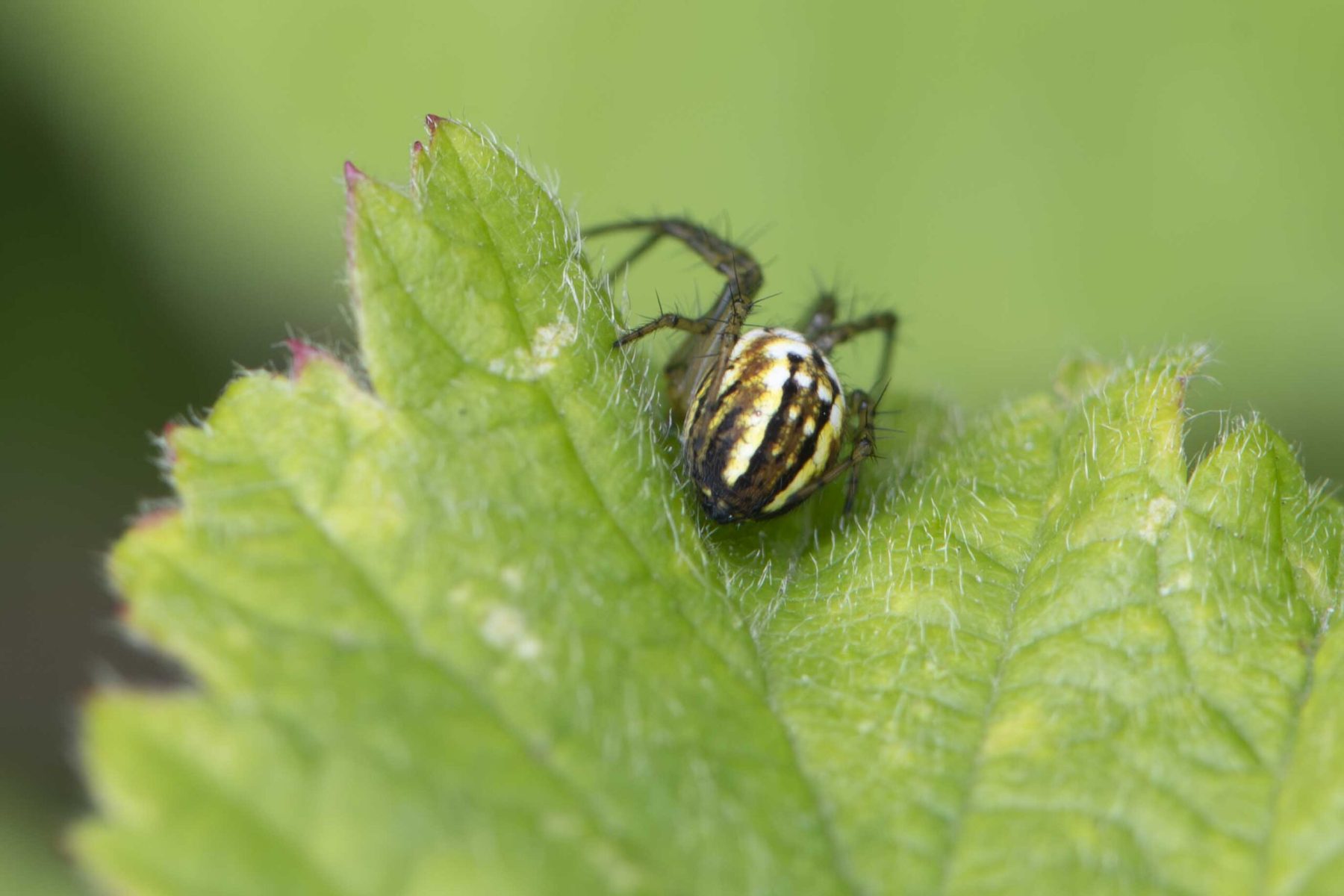

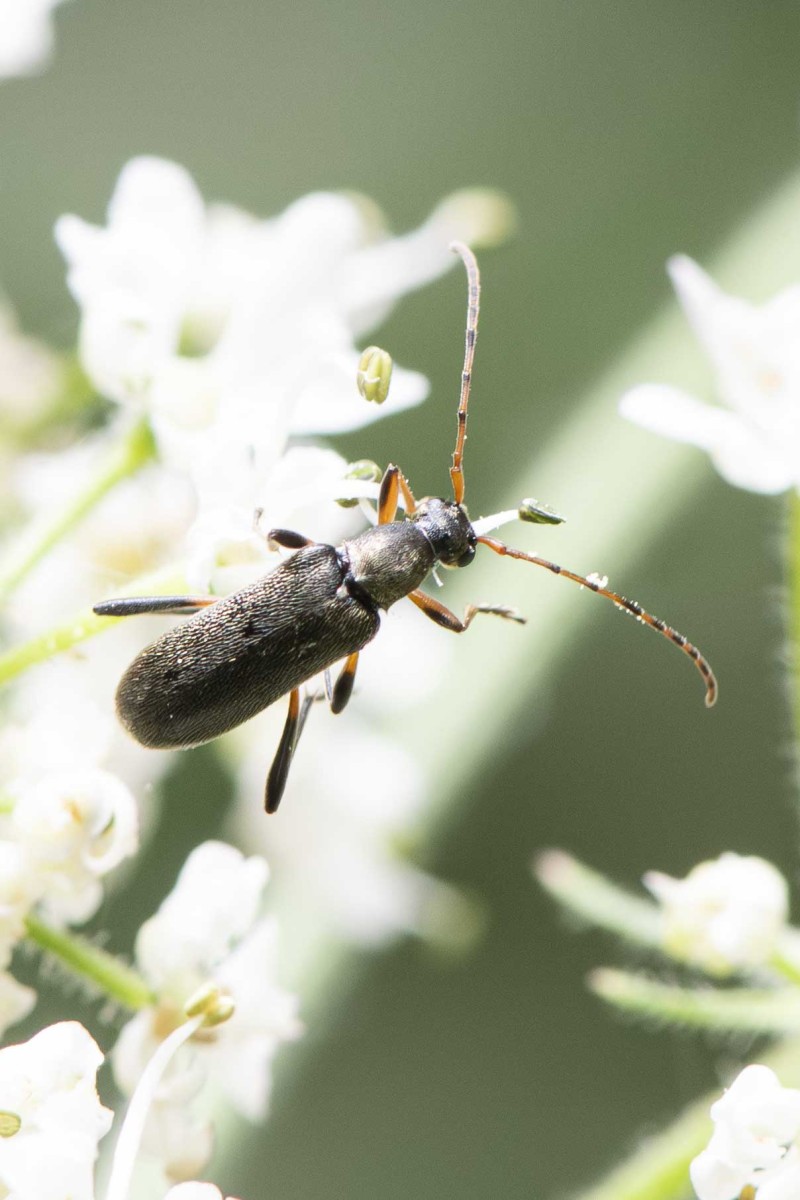
Coleoptera
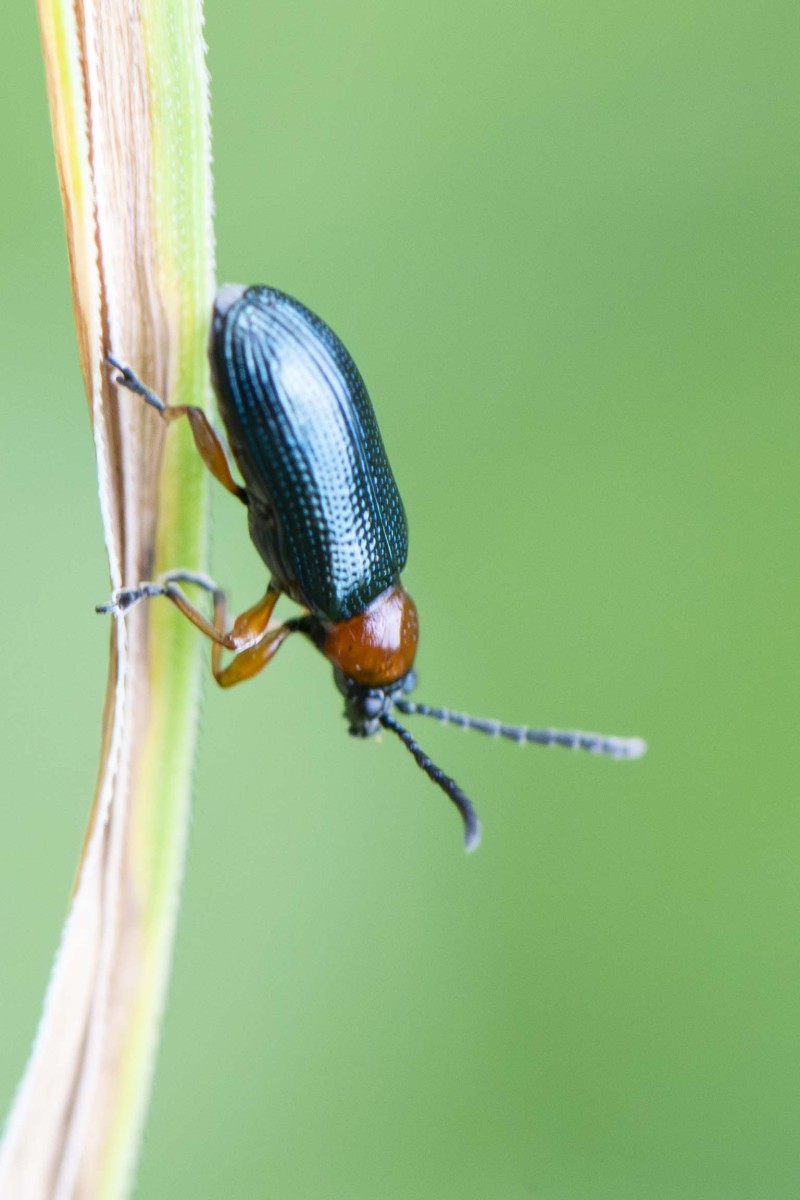
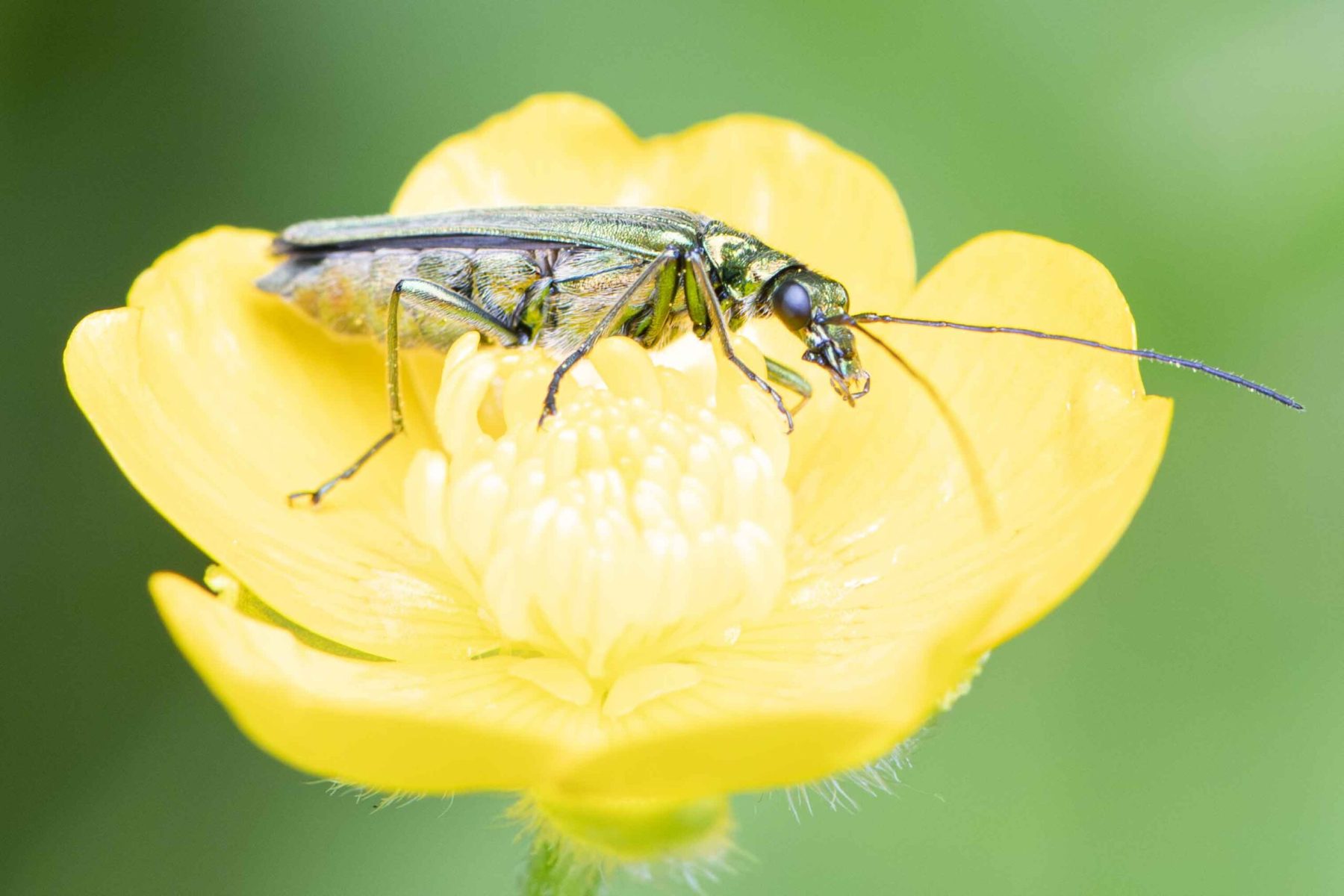

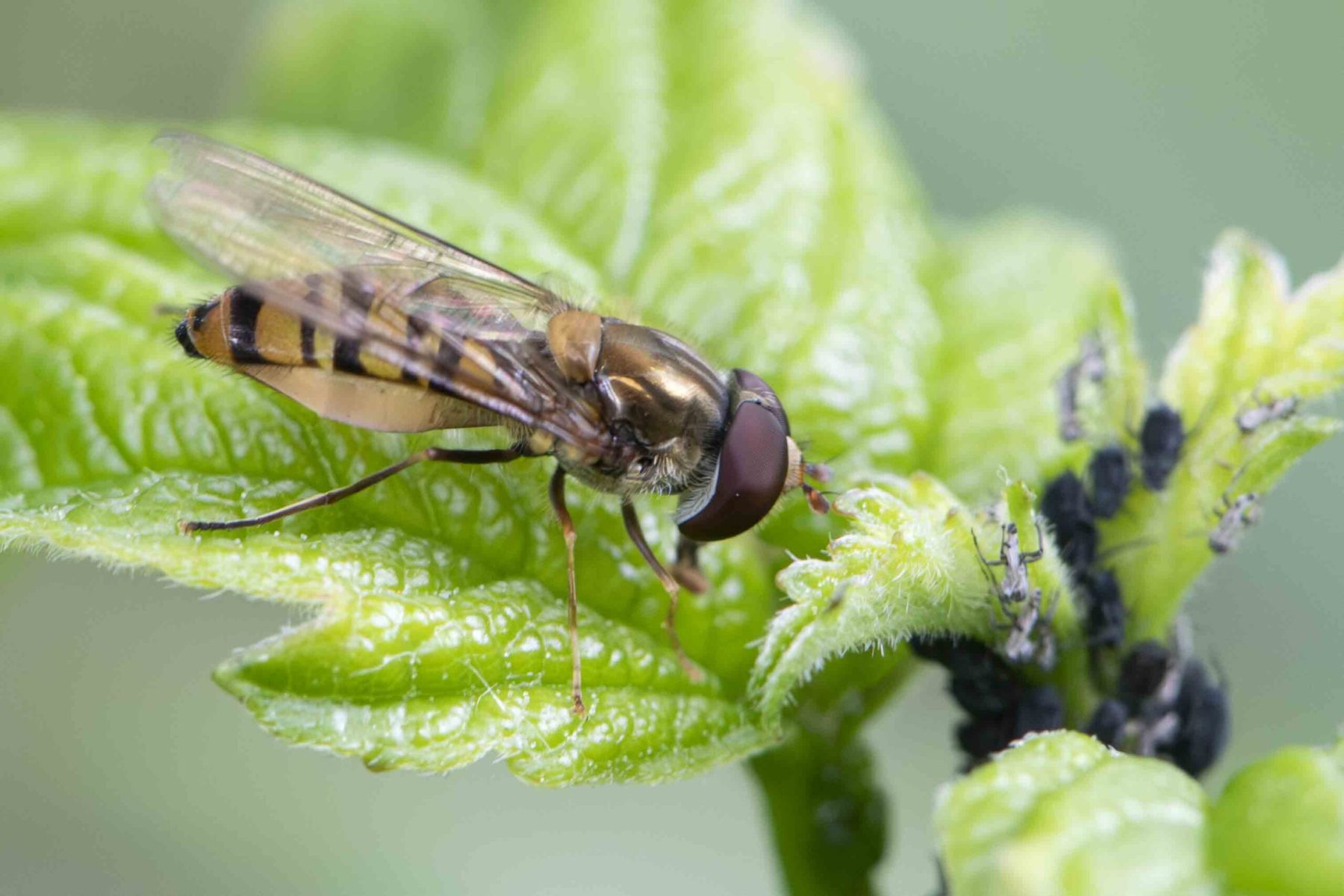
Diptera – Hoverflies

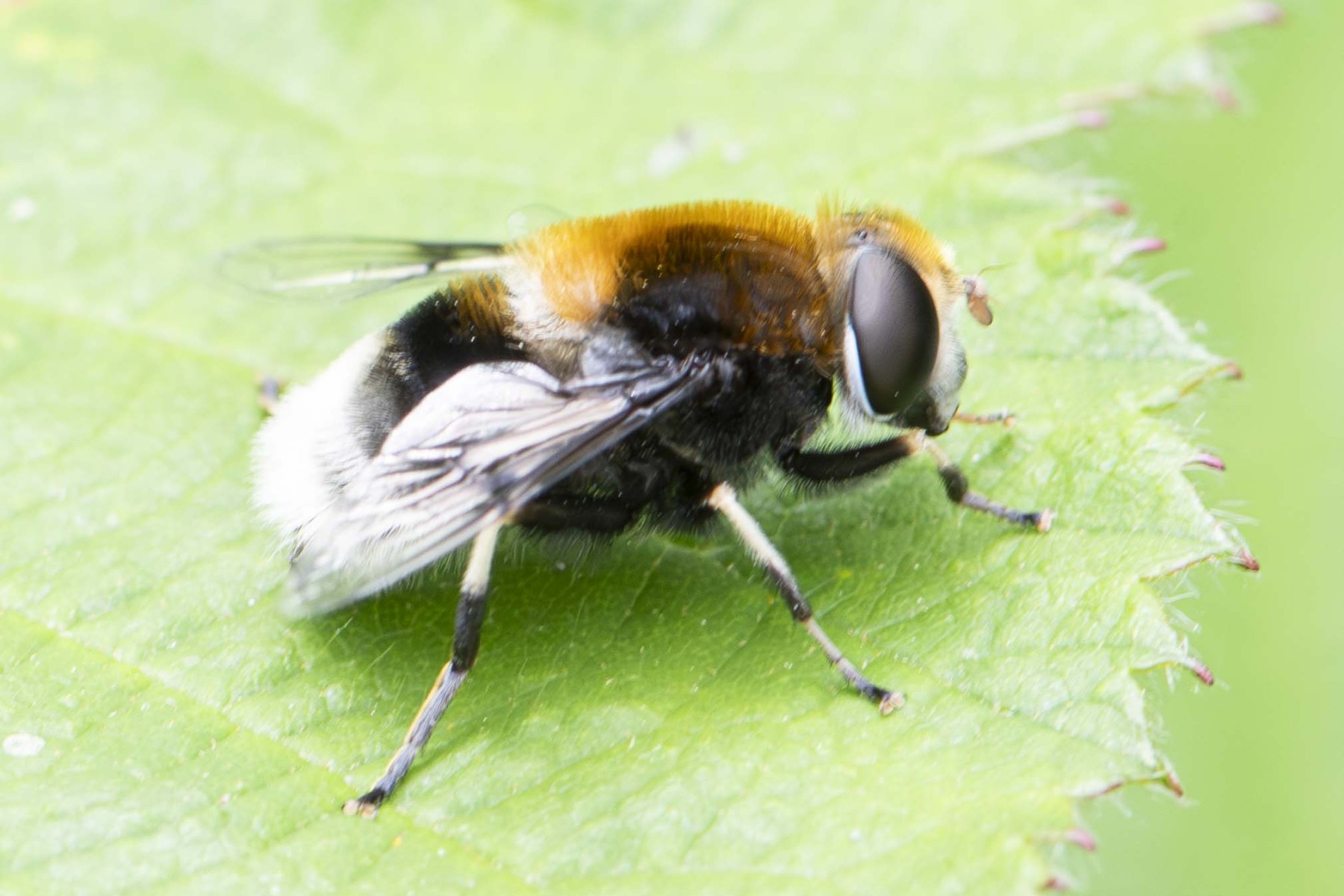
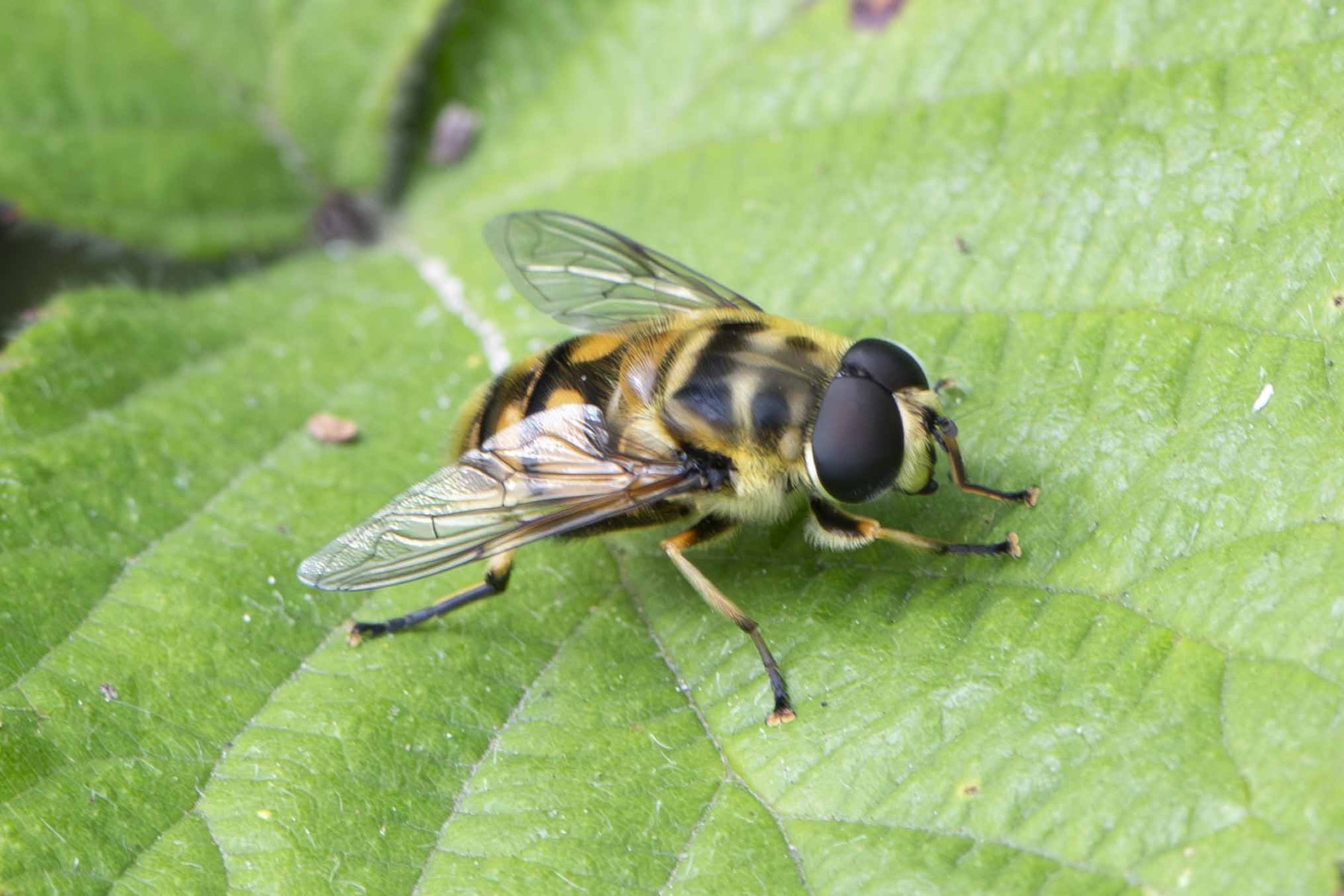
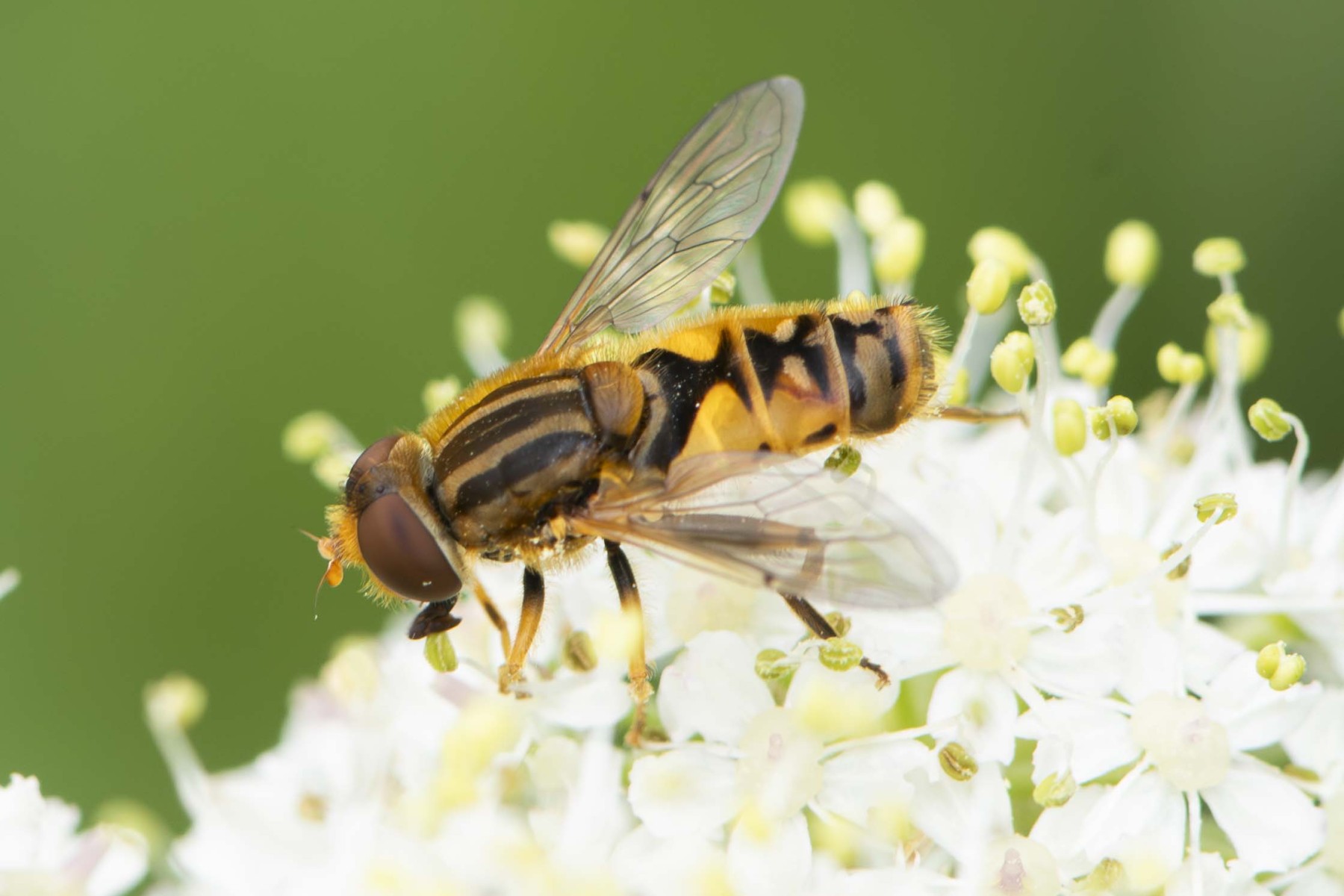


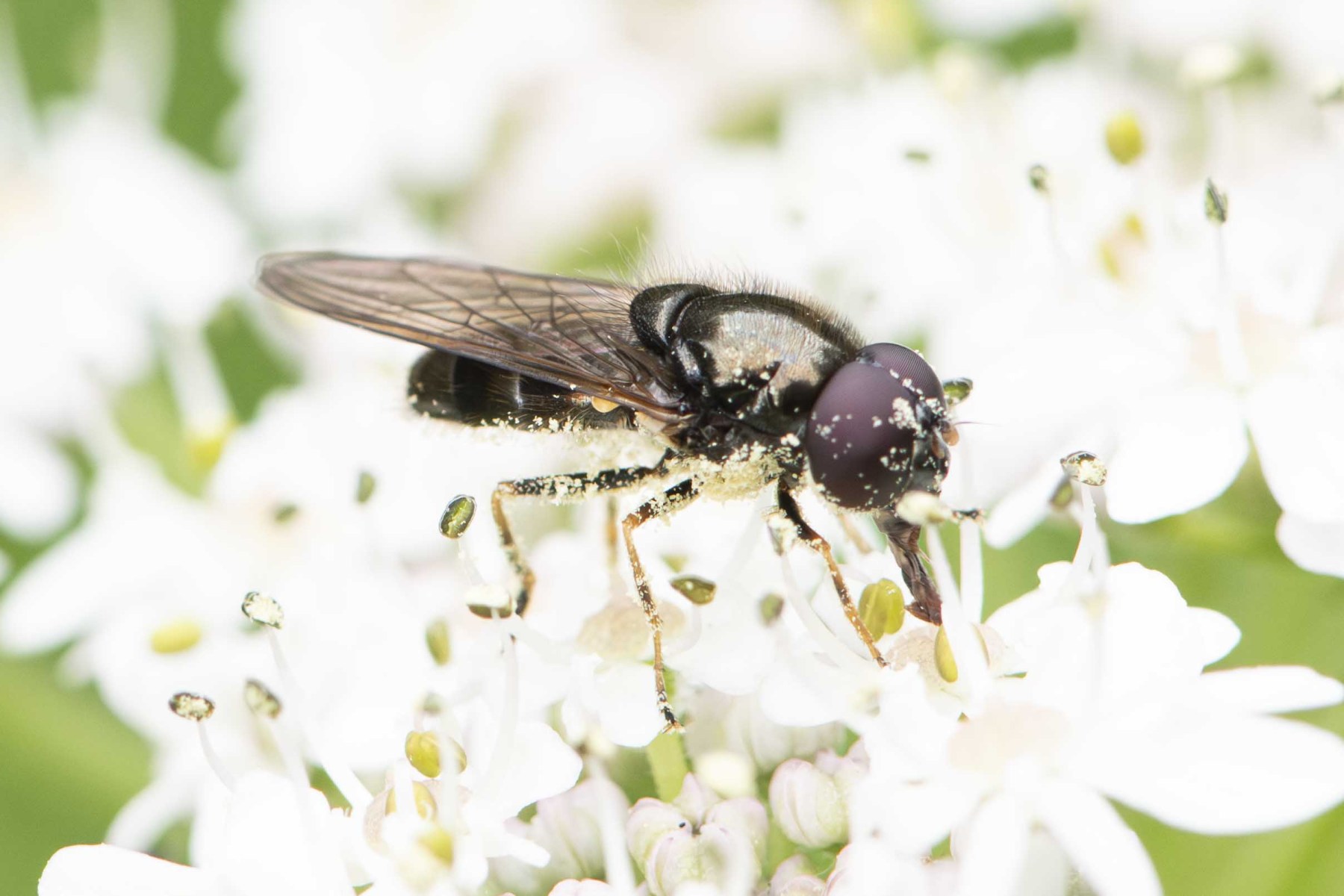
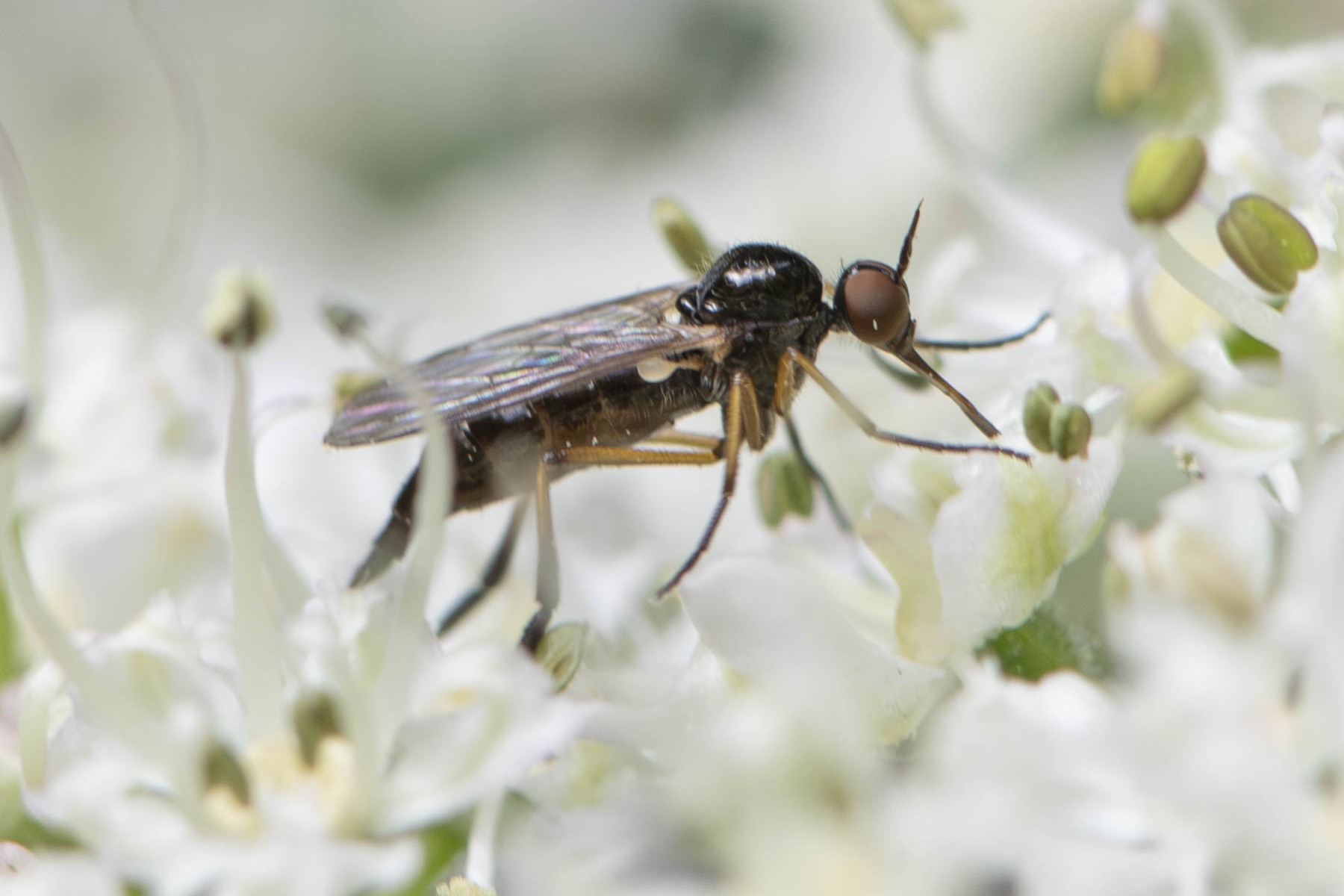
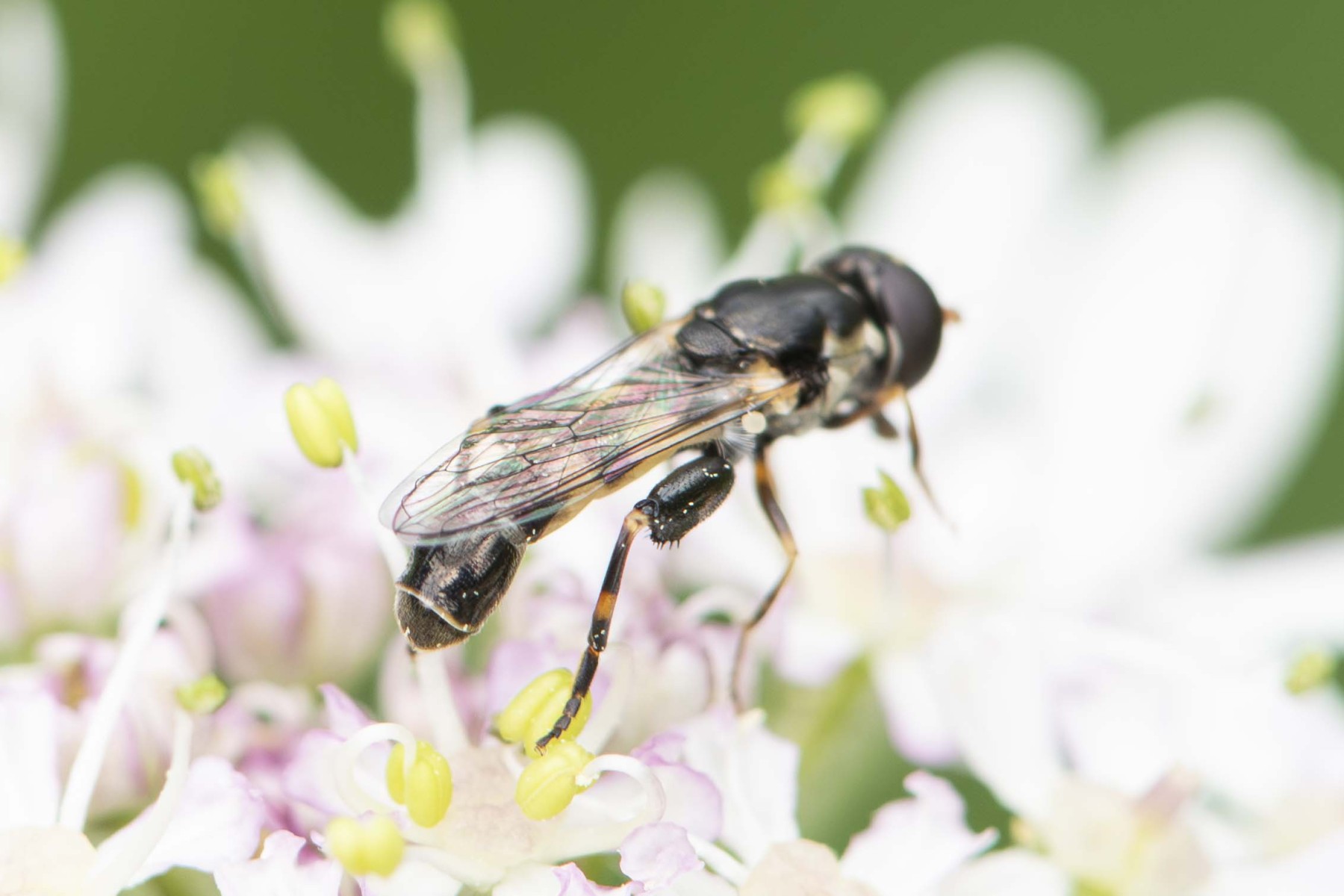
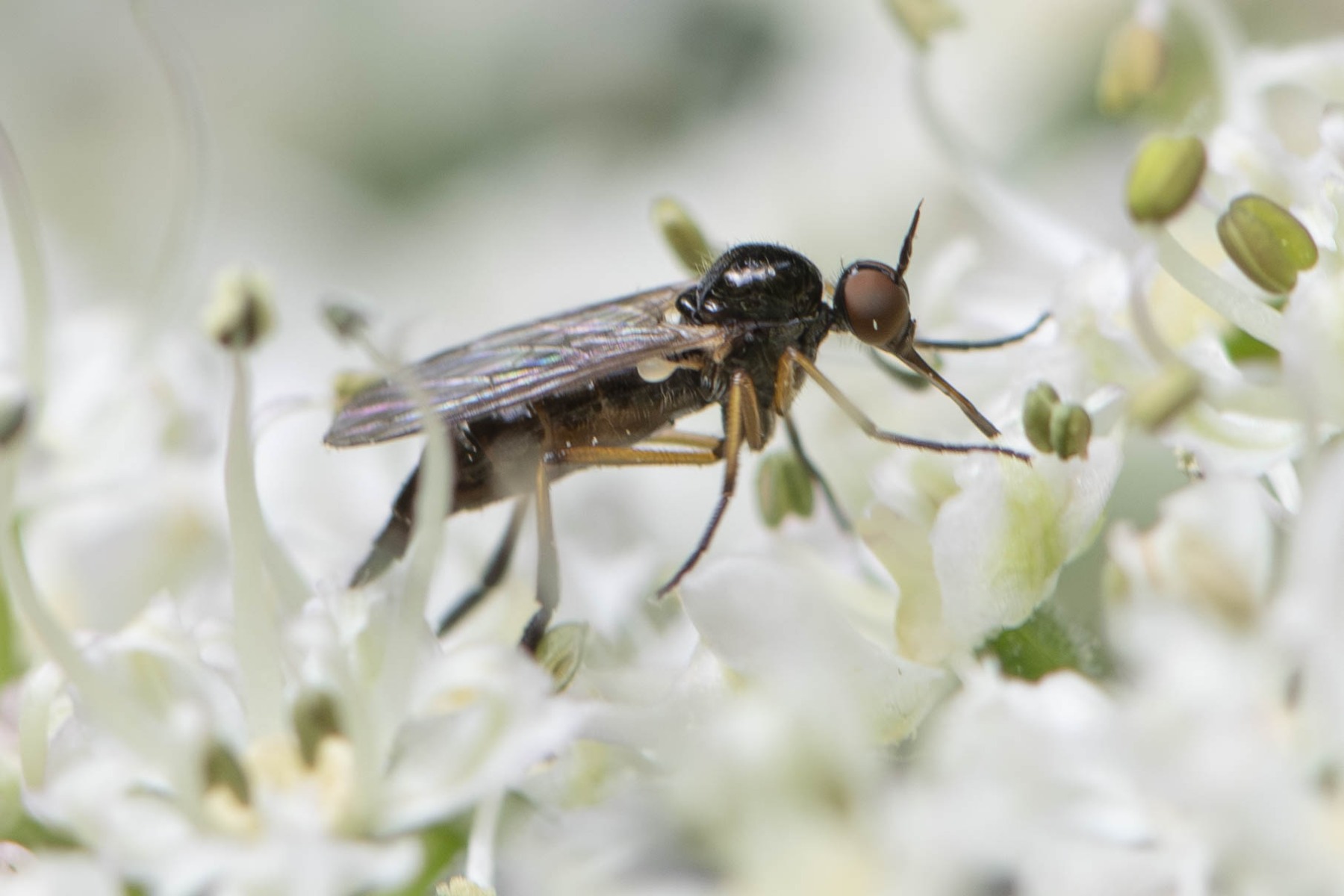
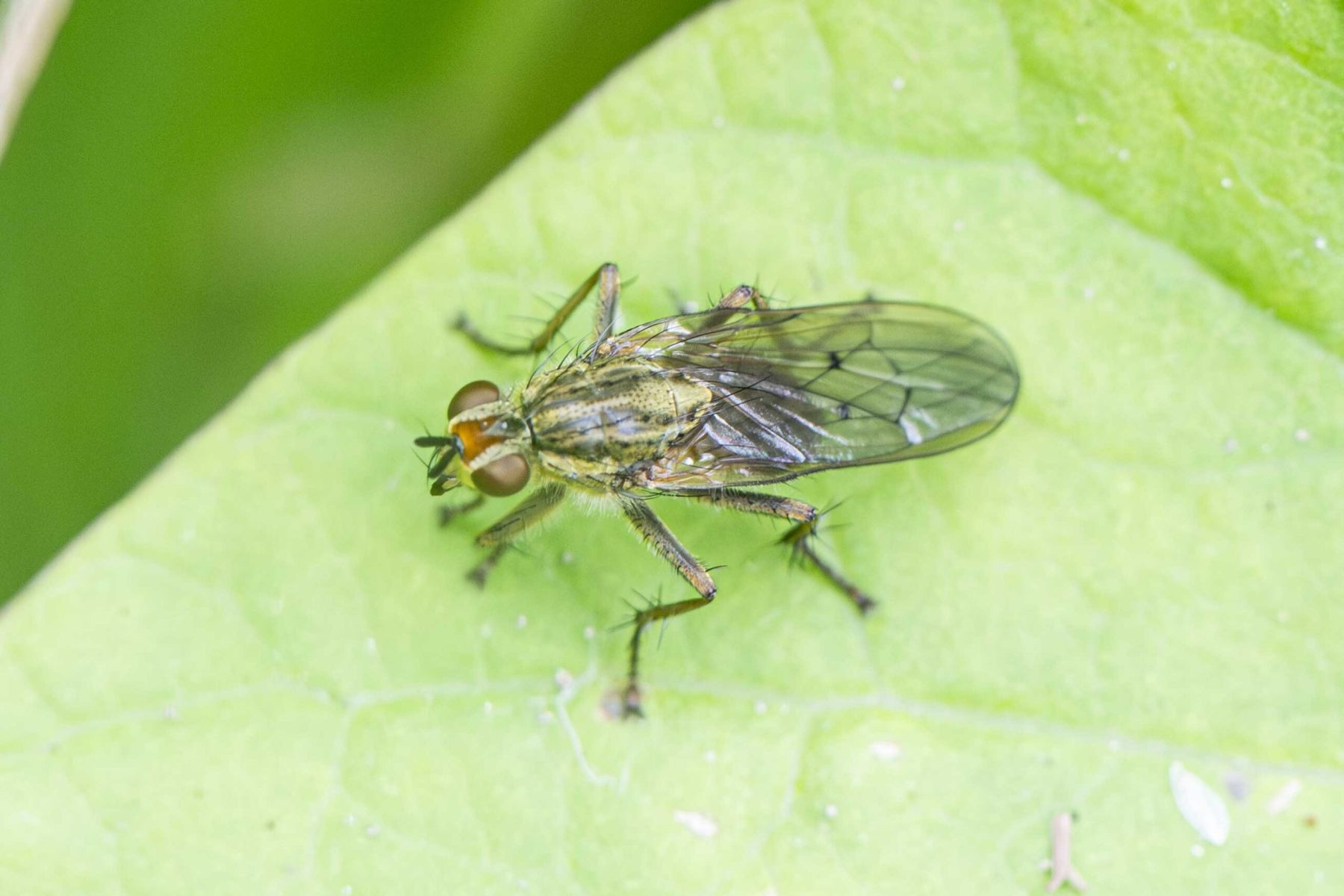
Diptera – Other flies

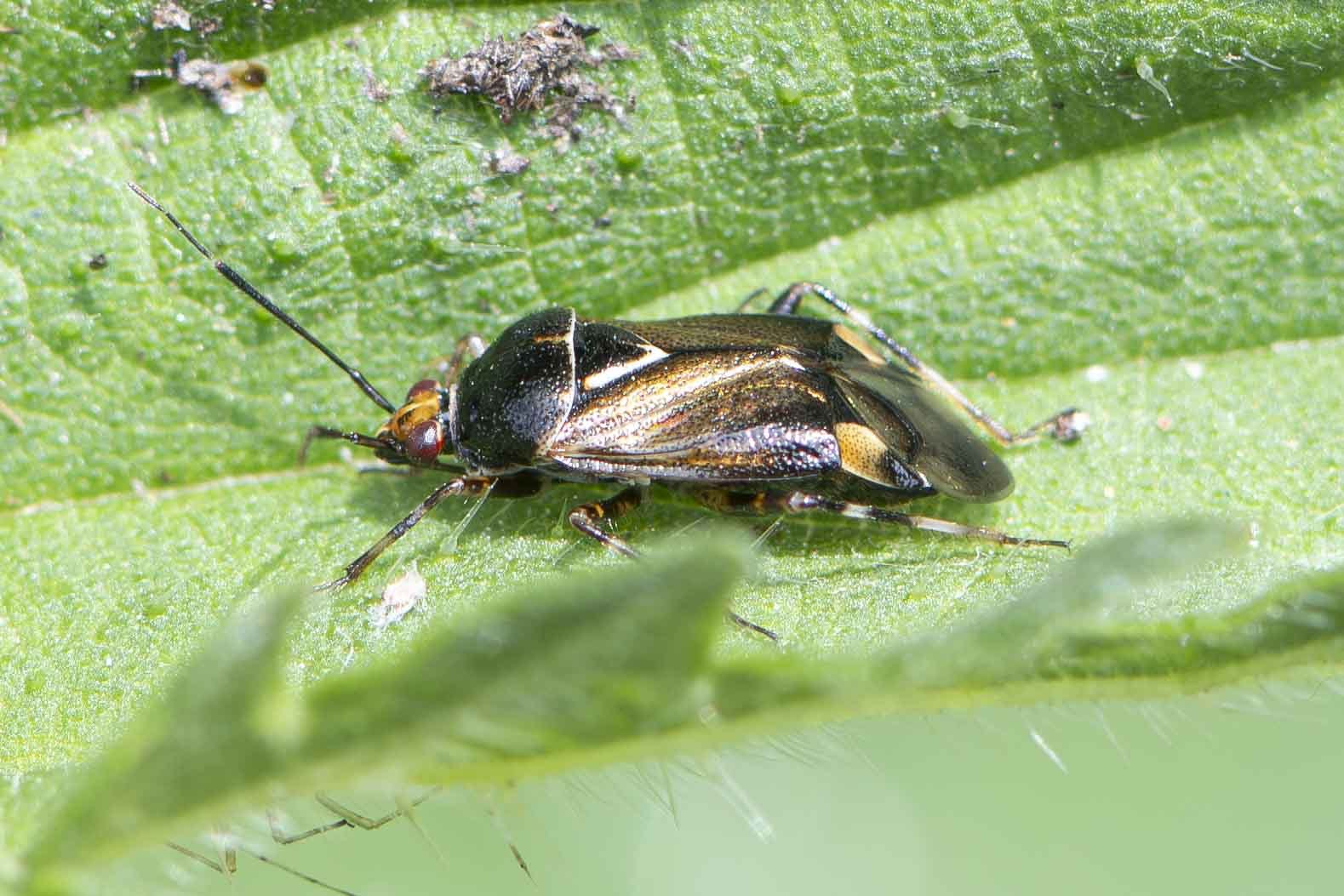
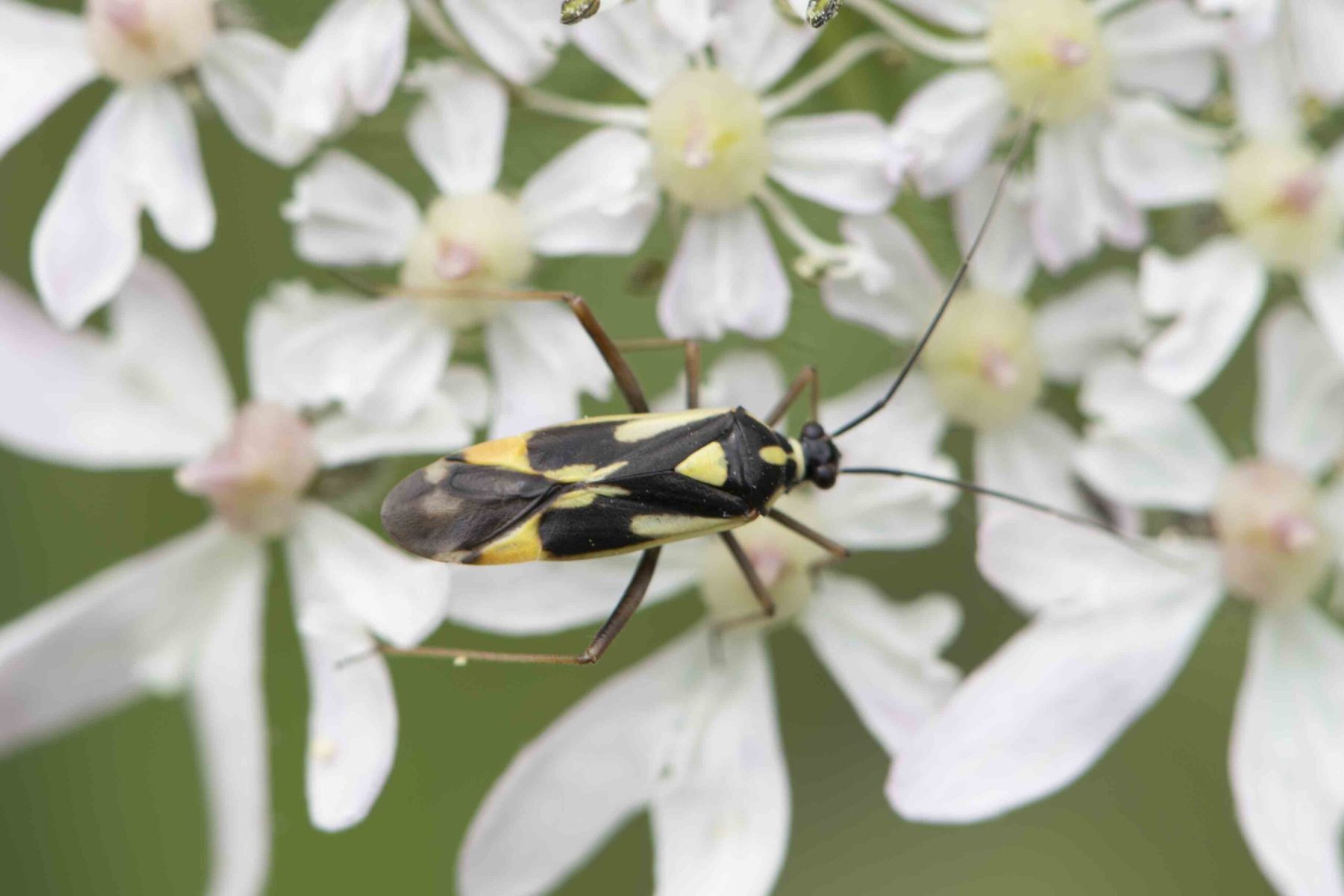
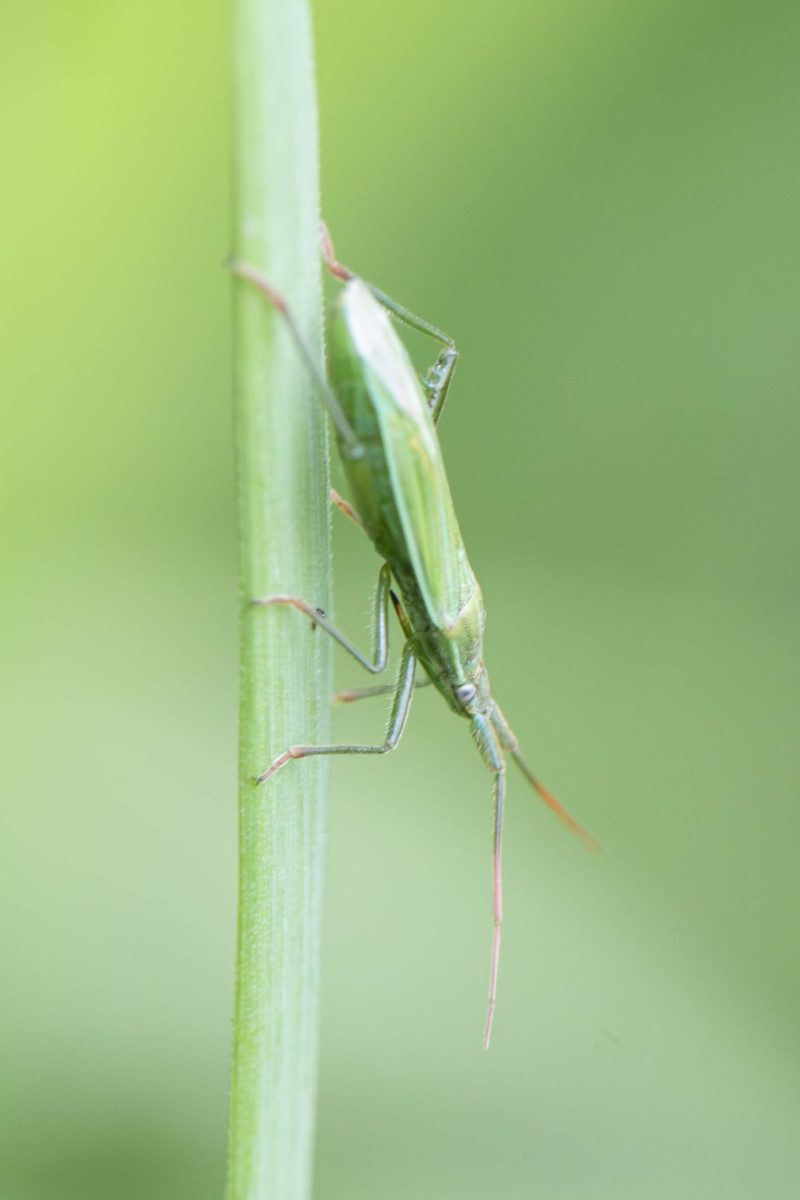
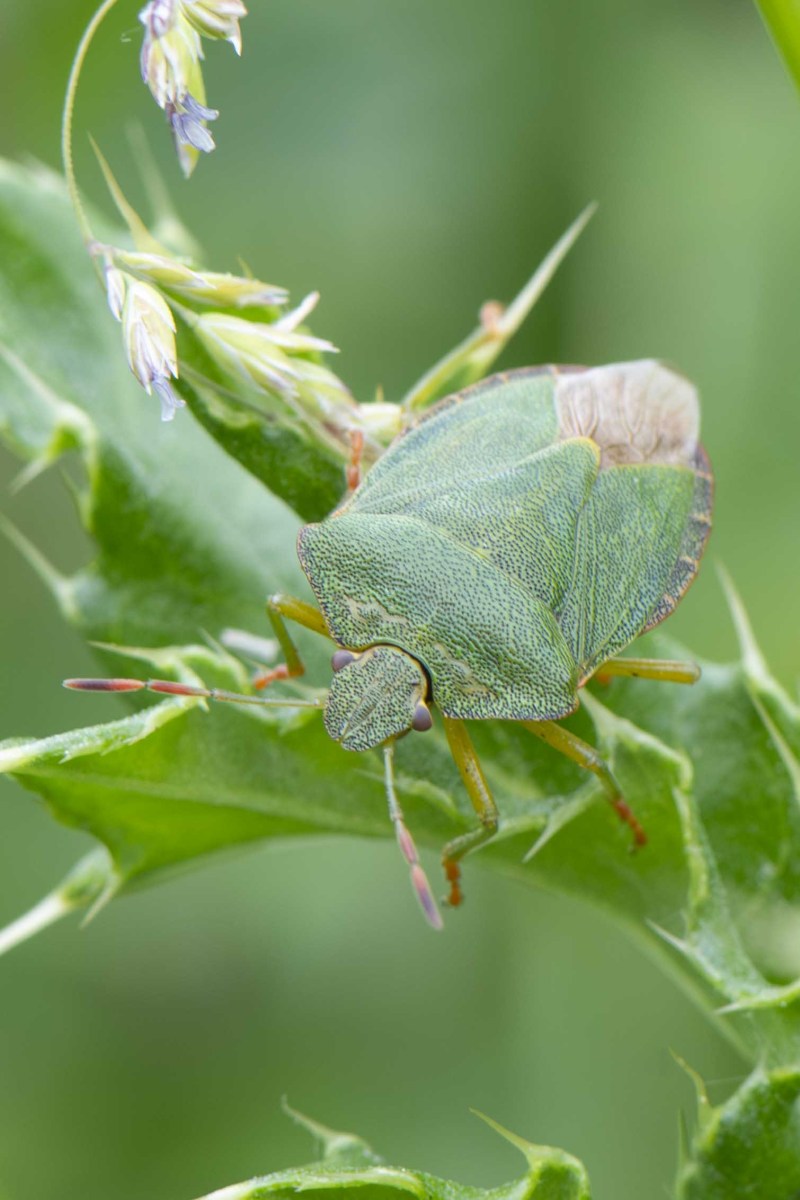
Hemiptera





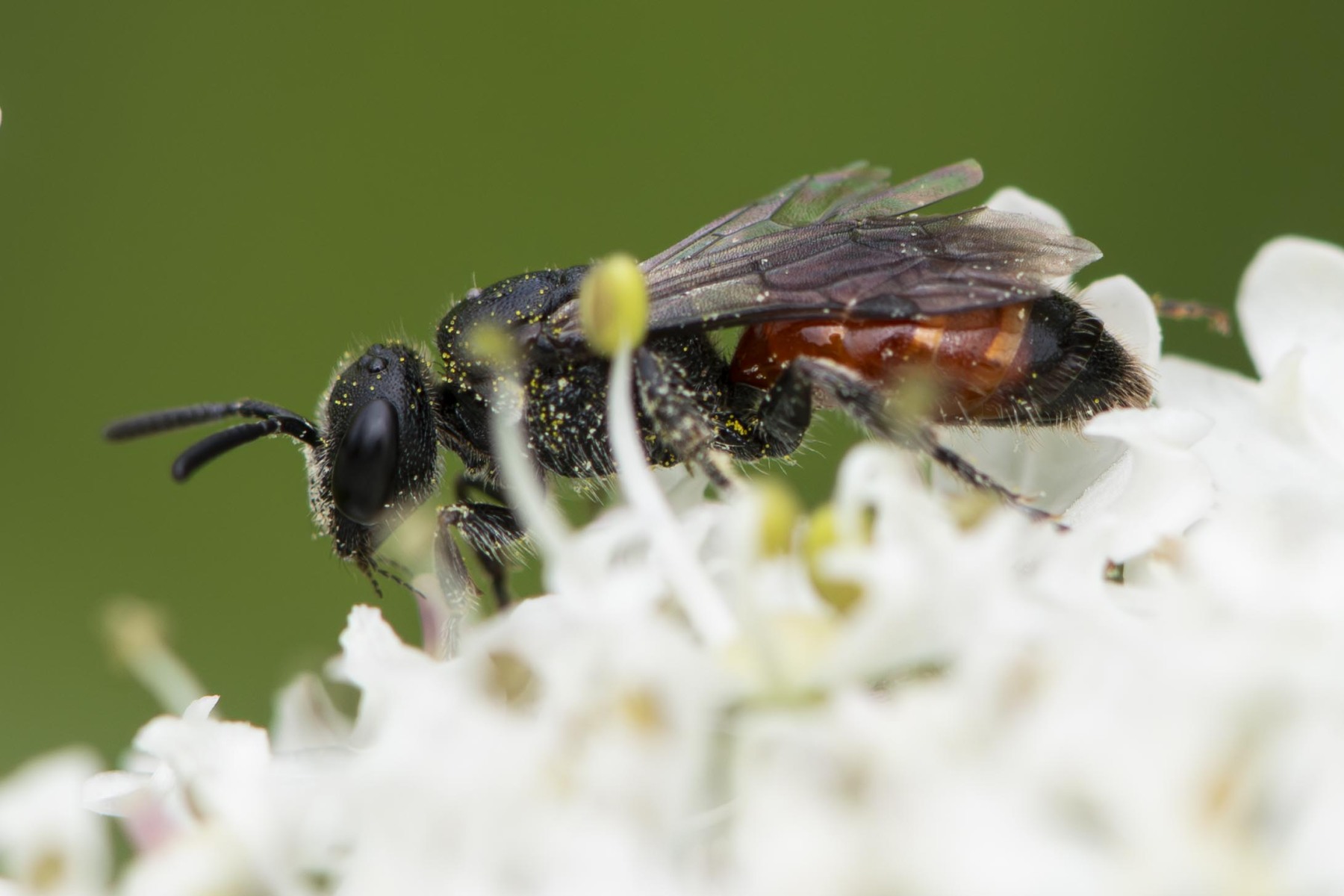
Hymenoptera

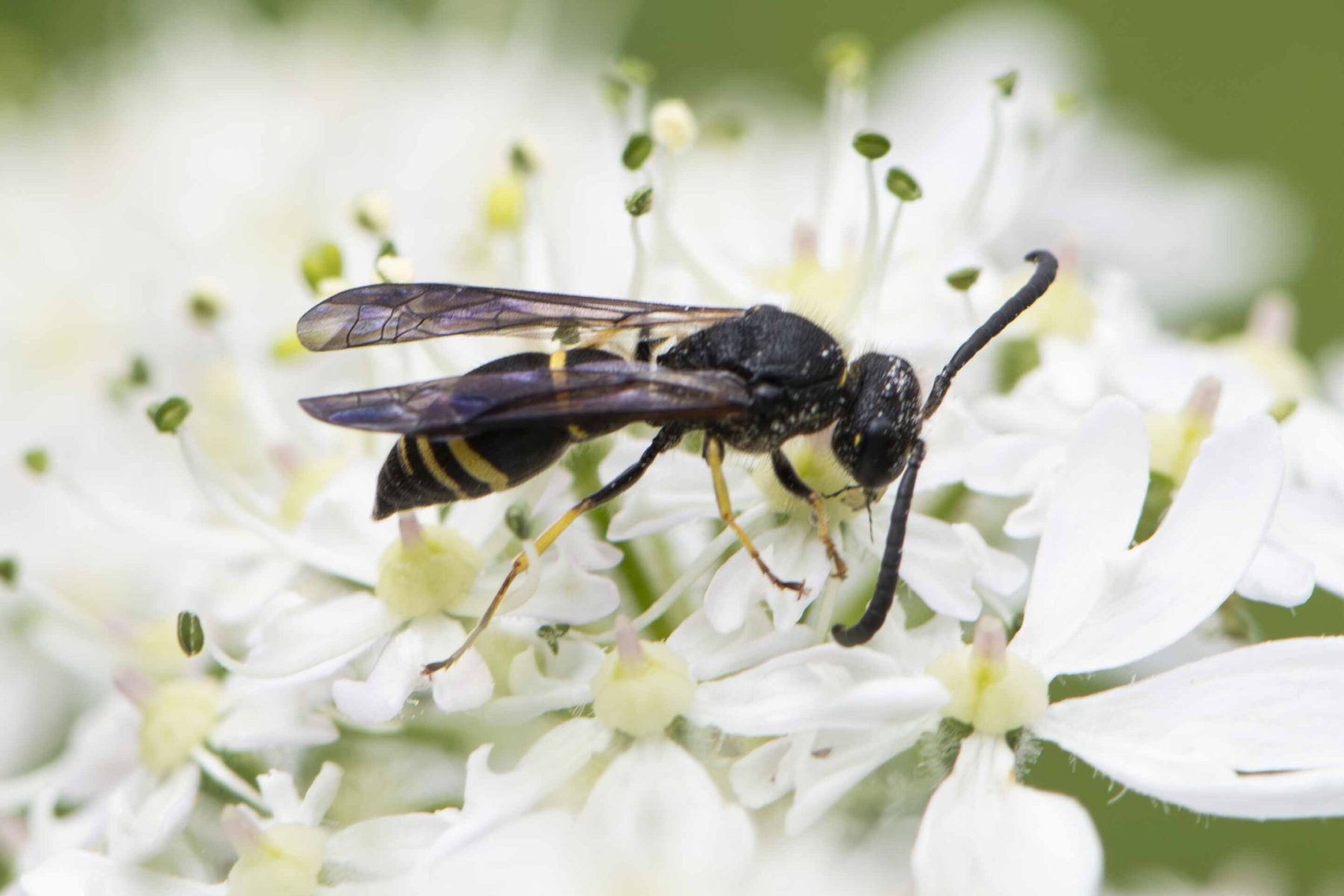
Lepidoptera

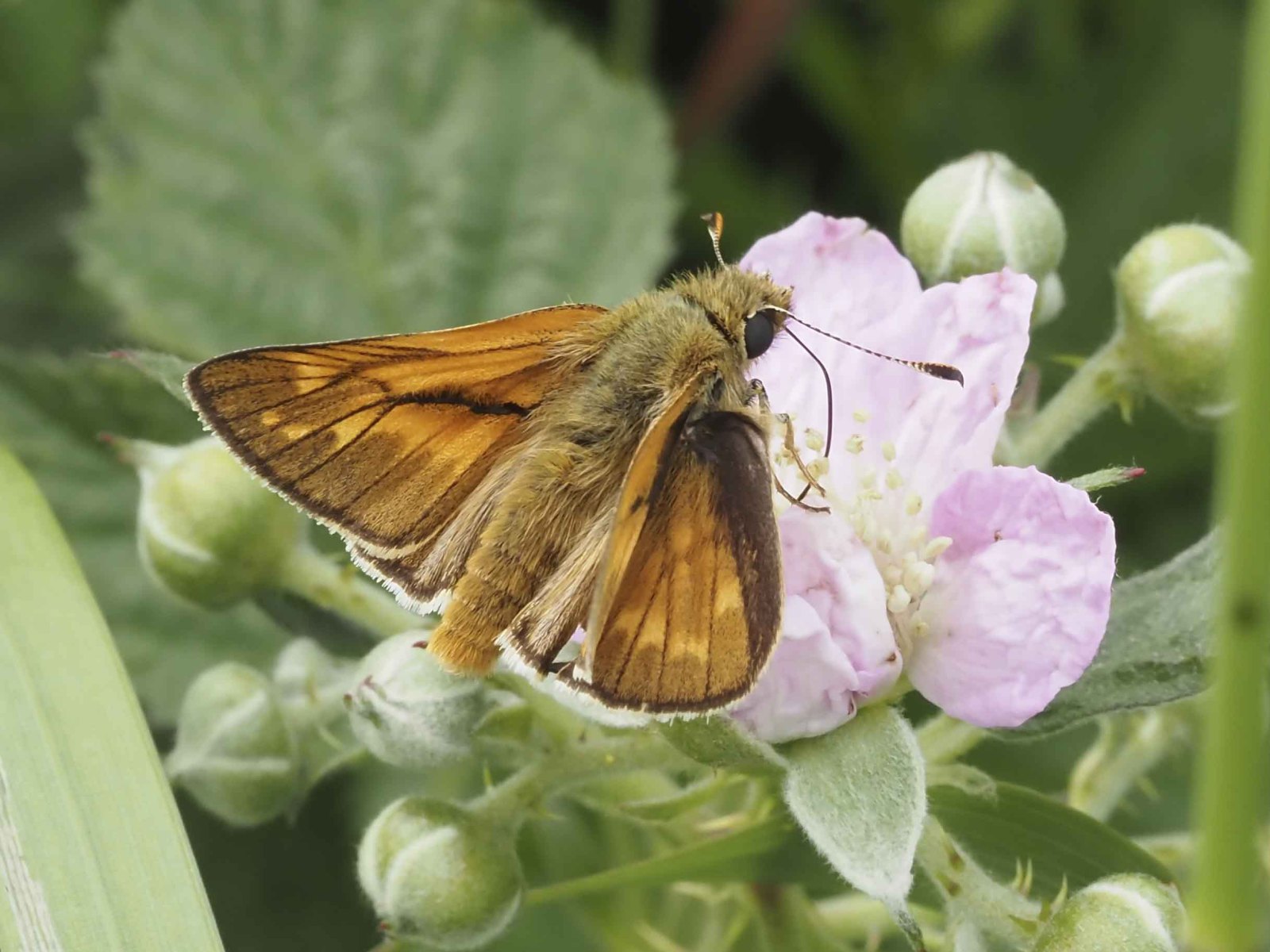
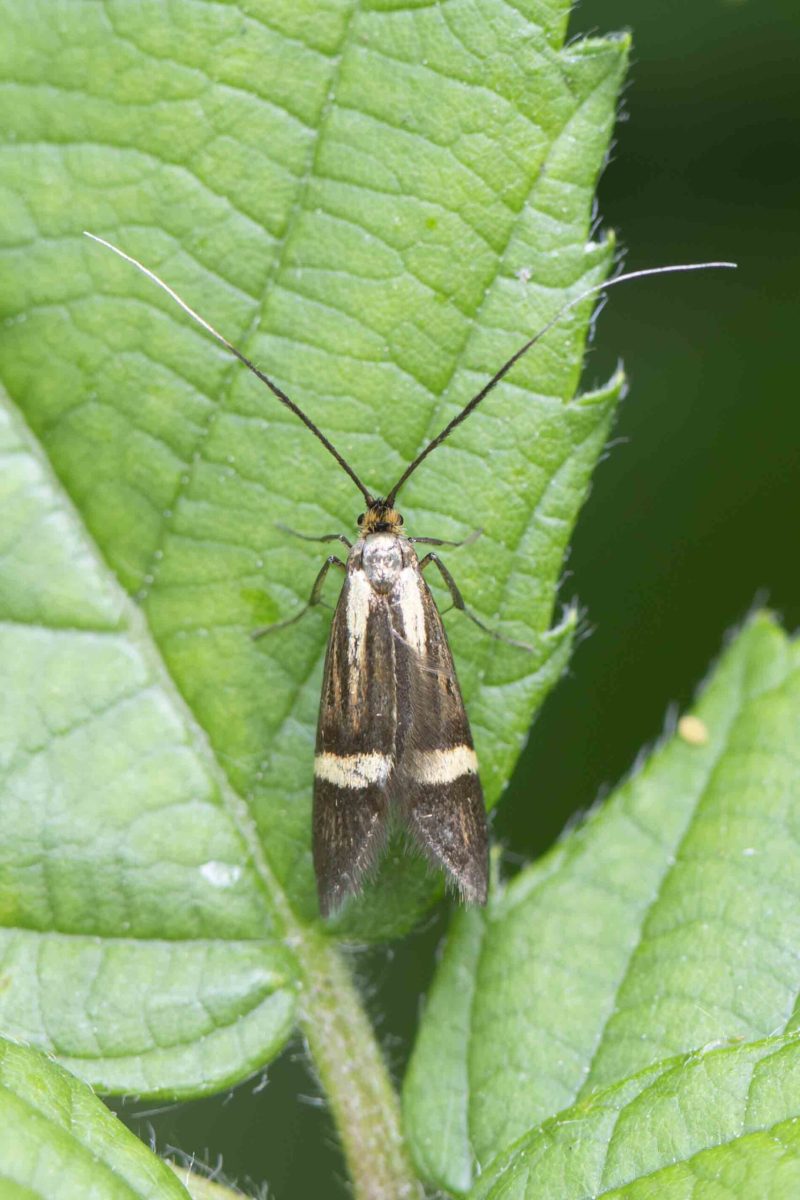


Odonata

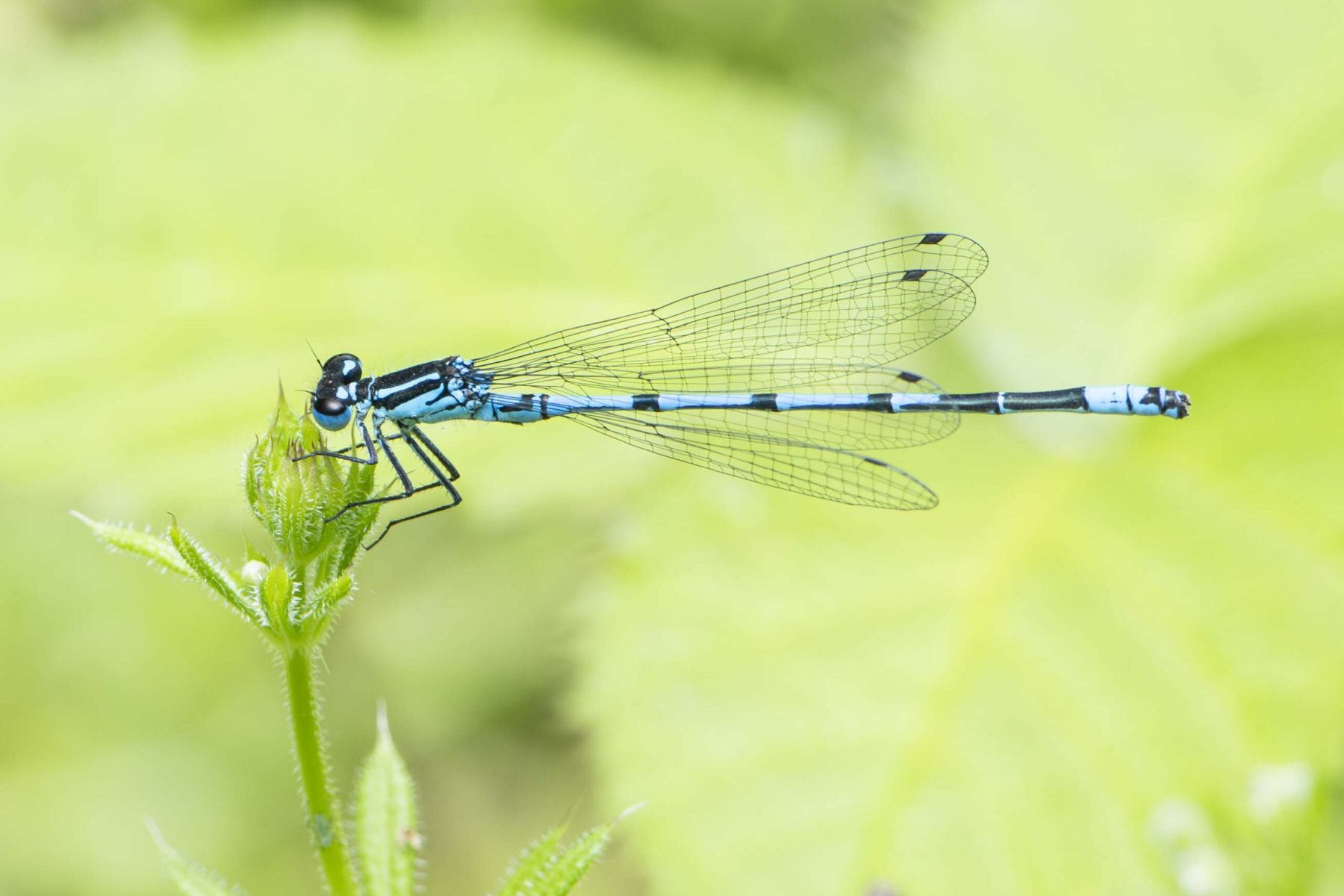
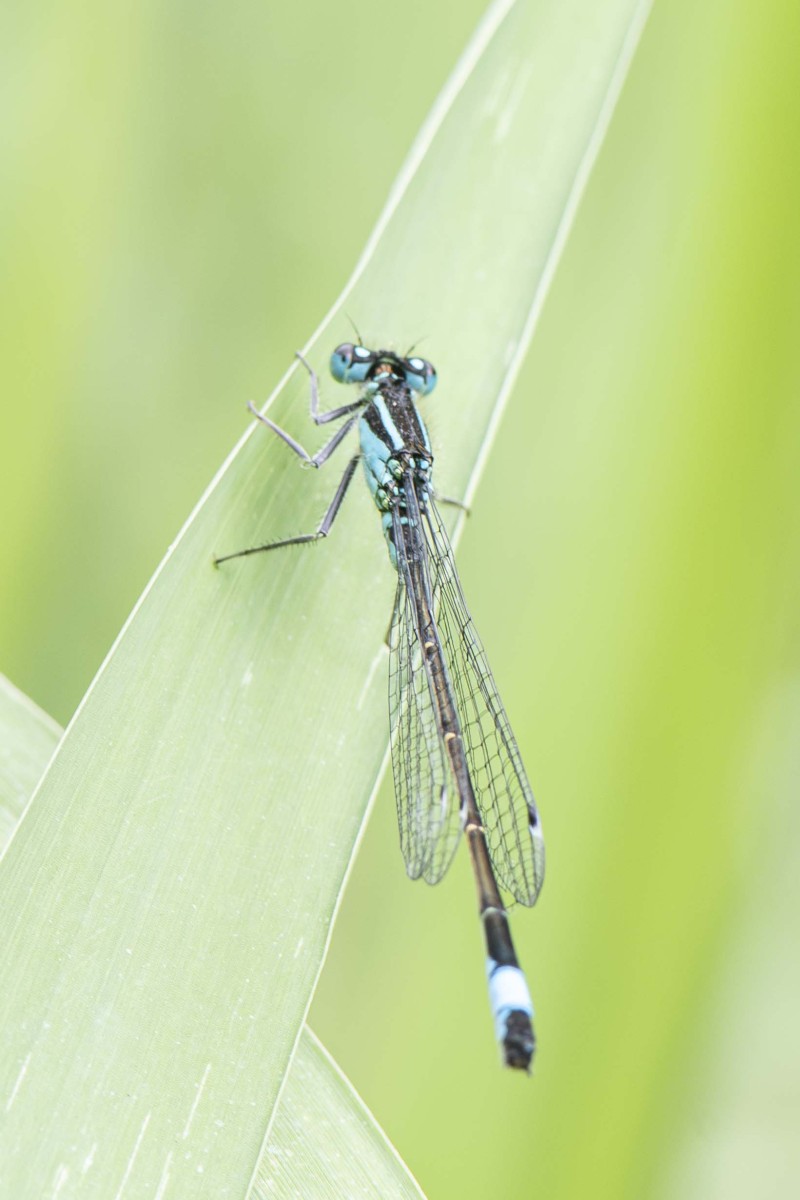
Orthoptera

Soricidae

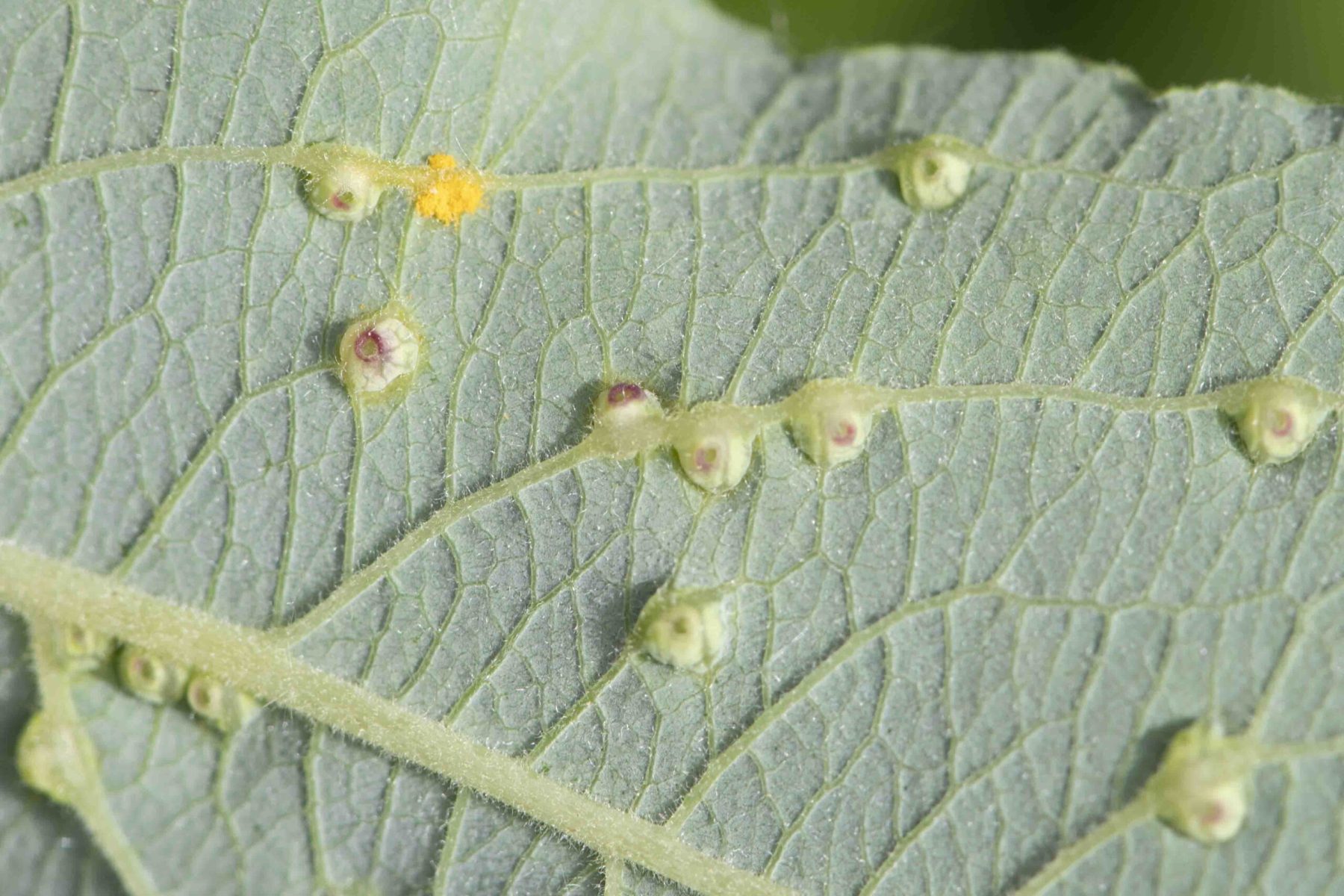
Galls
Clumber Park, June 2
After the morning rains, the vegetation did not dry out until the afternoon sun, so the car park field proved interesting as it contained a large Turkey Oak and some interesting hedgerows to explore.
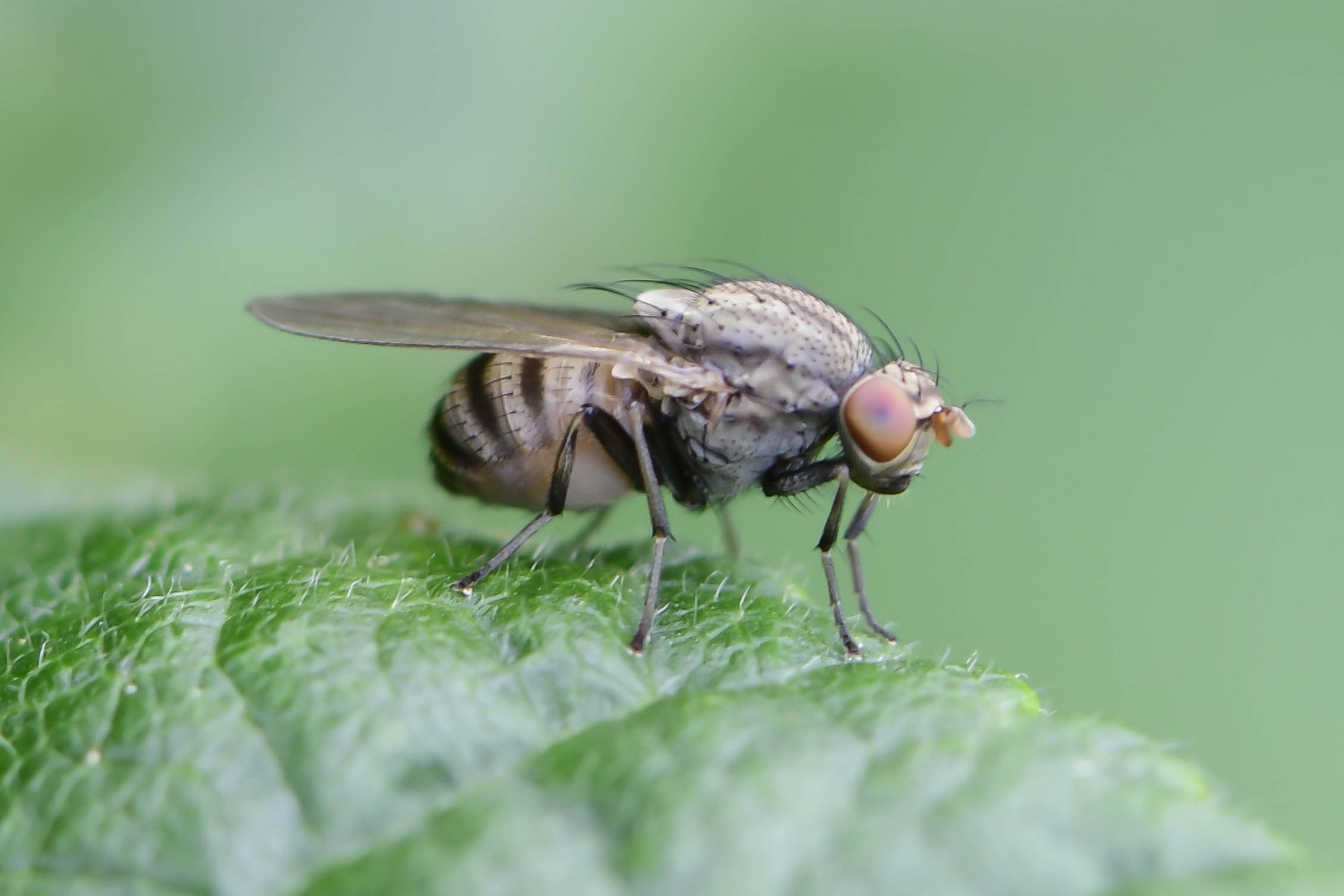
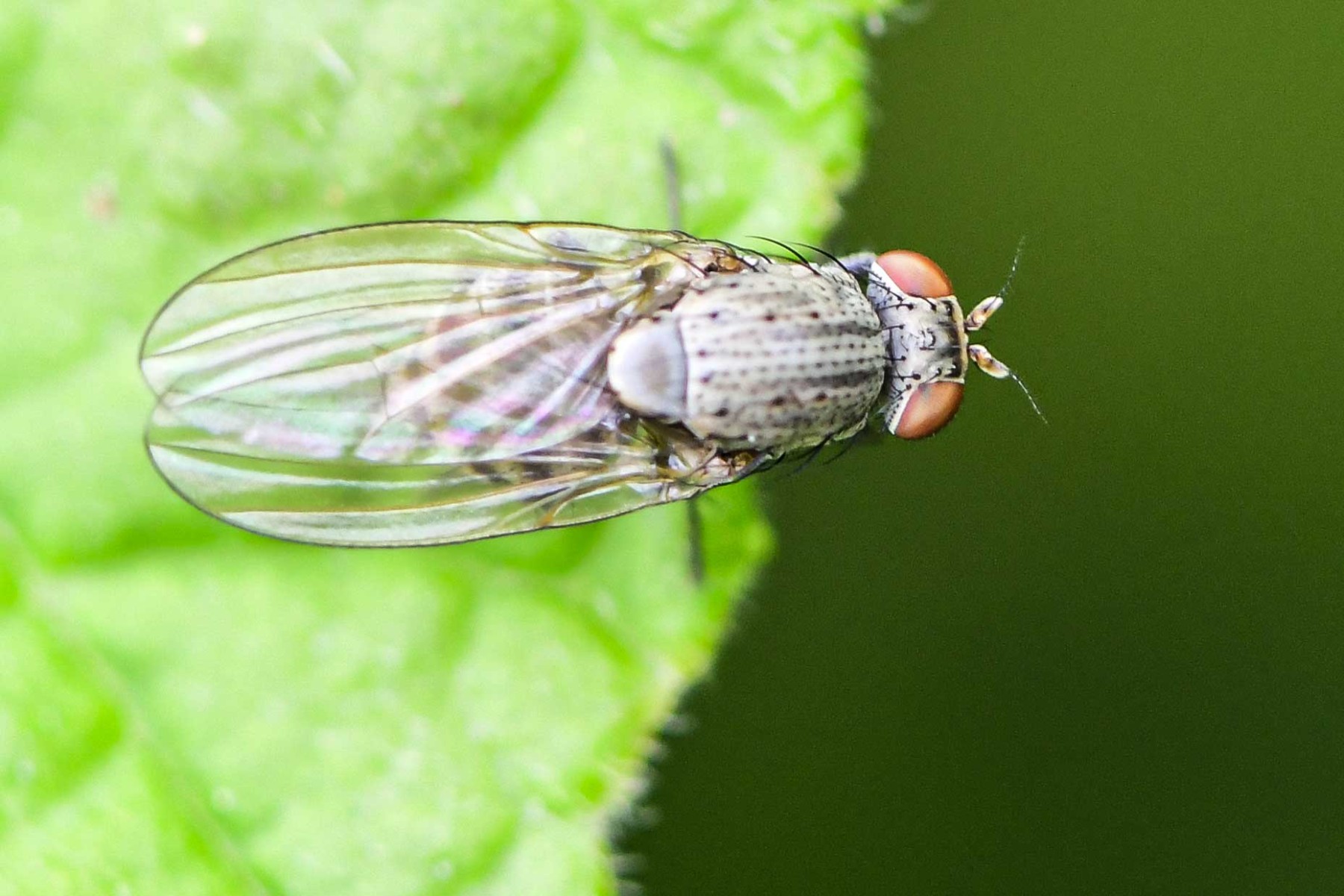
The Drosophilidae fly – Arista of antenna is plumose (feathered) in this specimen which is diagnostic.


Potteric Car, May 30
An interesting afternoon spent with Colin inspecting vegetation along the road adjacent to the mother drain, before returning to the cafe via the hide at the newly restored Willow Marsh and Loversal Delph.
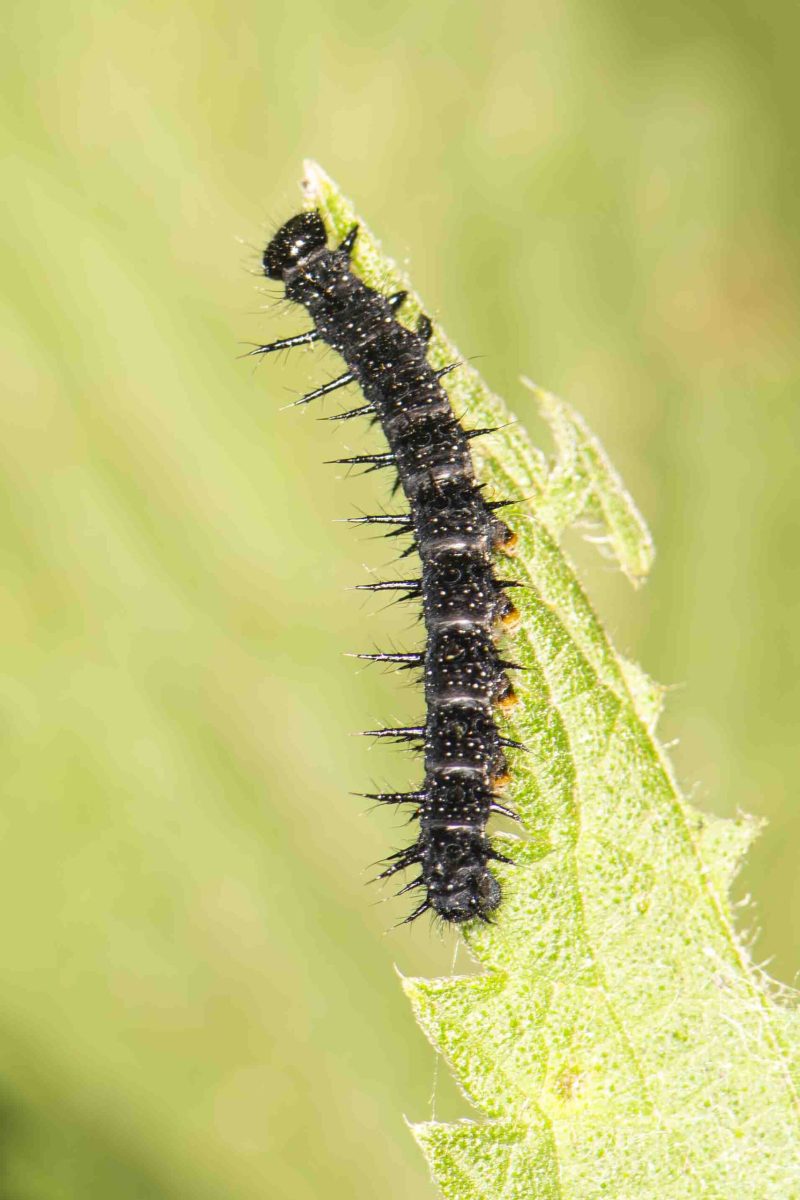
The peacock butterfly caterpillar (Aglais io) was found amongst roadside nettles.


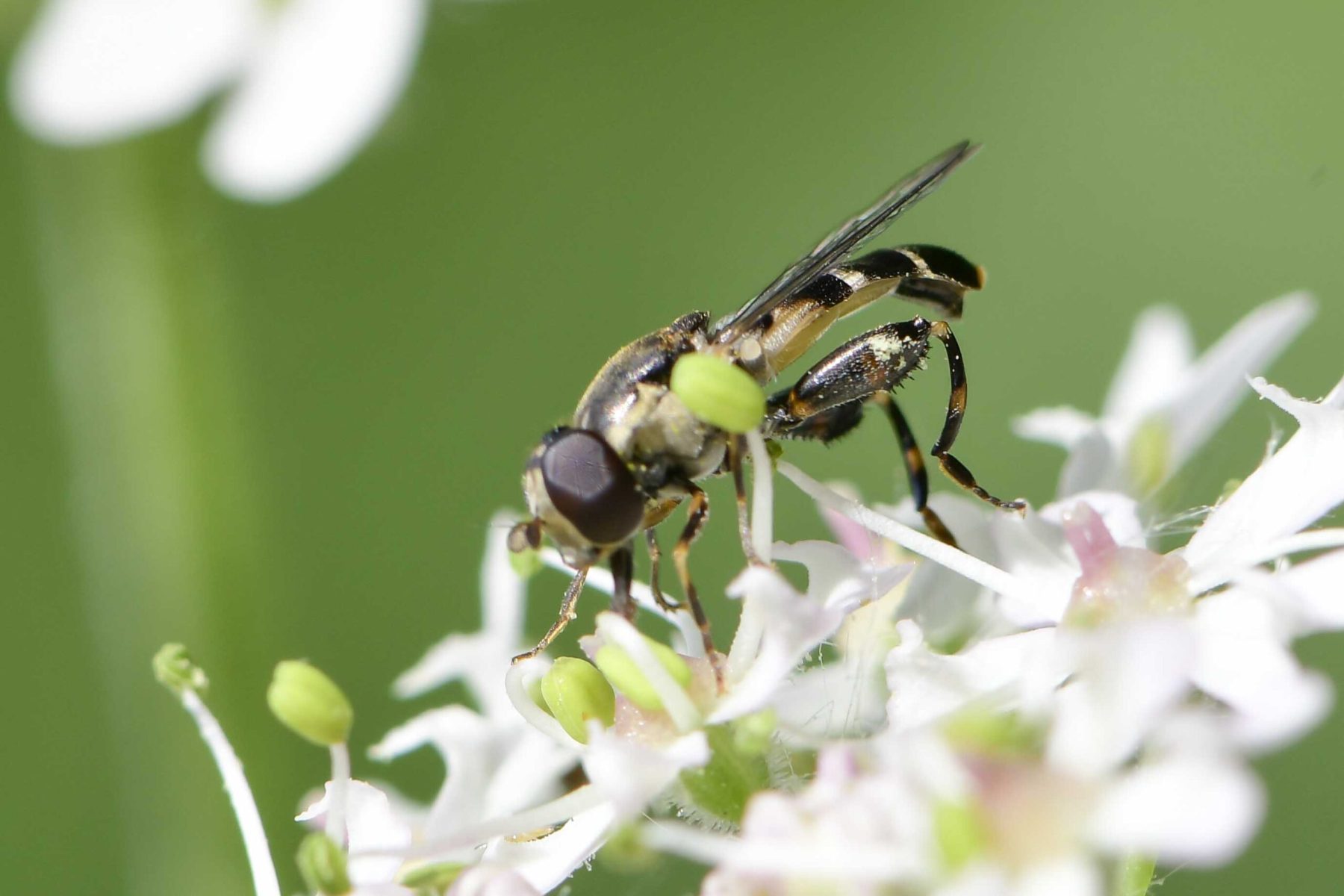
Two interesting hoverflies were encountered both with swollen thighs, Tropidia scita on iris, the later identified by the ‘tooth’ on the hind femur and Syritta pipiens on umbellifer


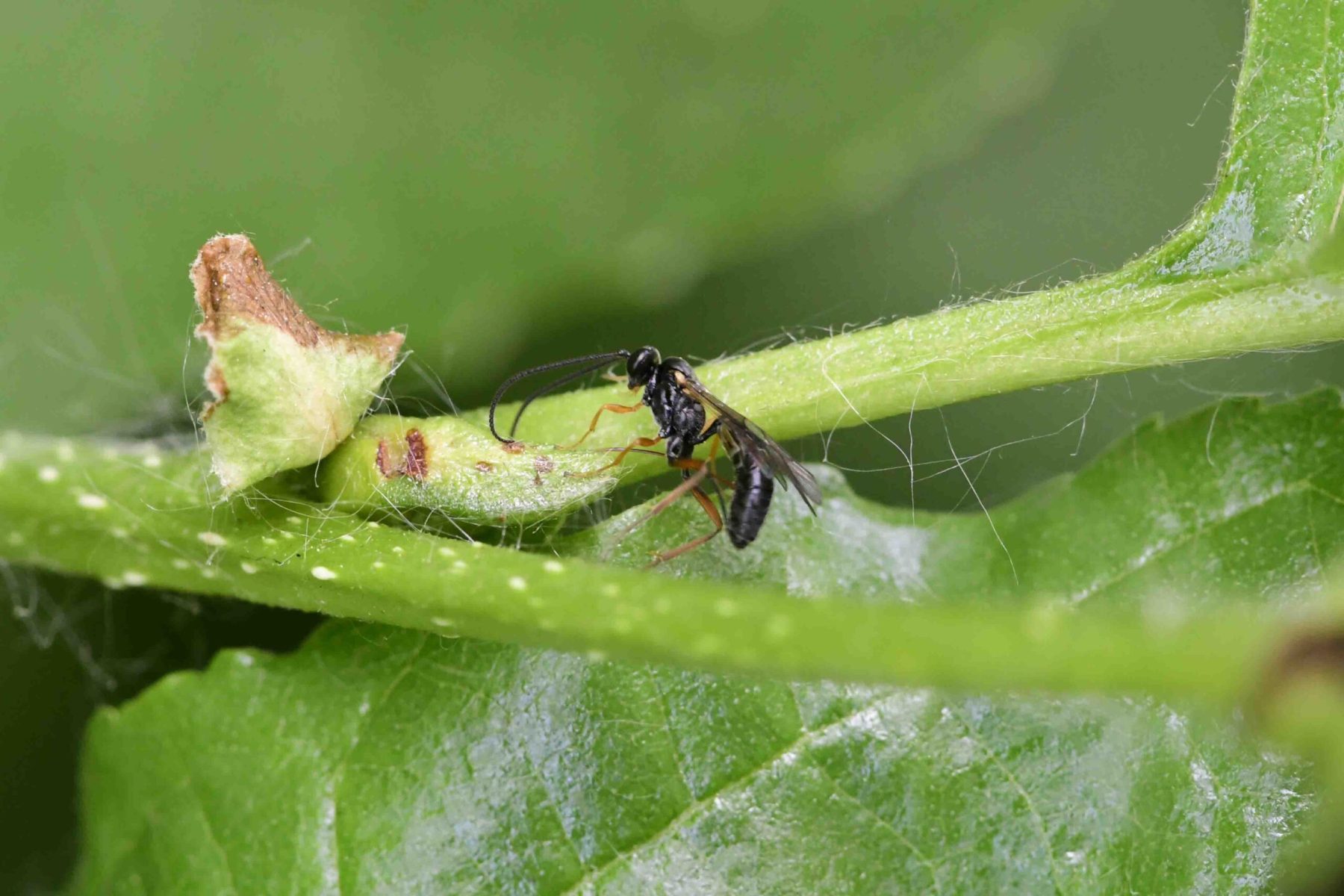
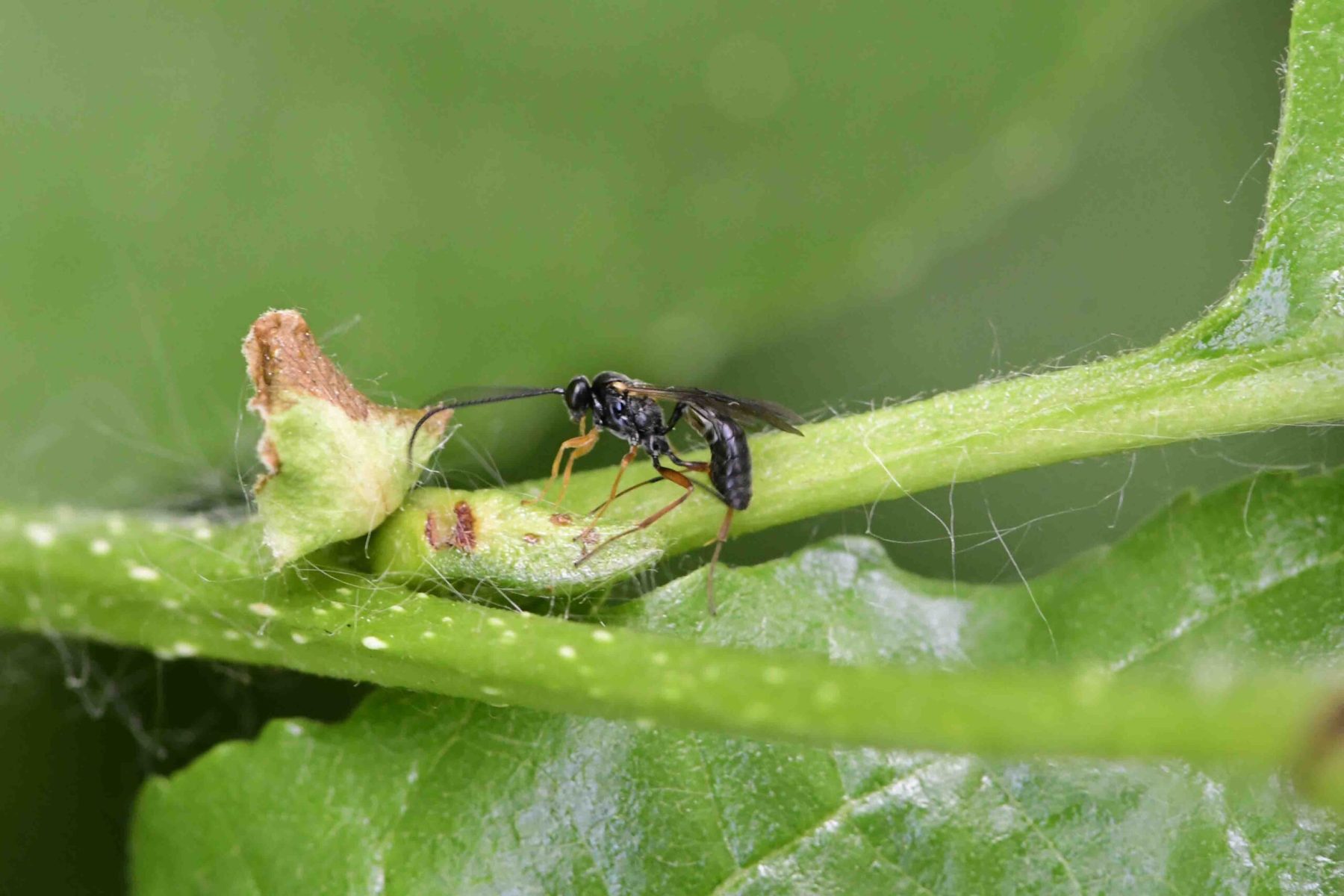
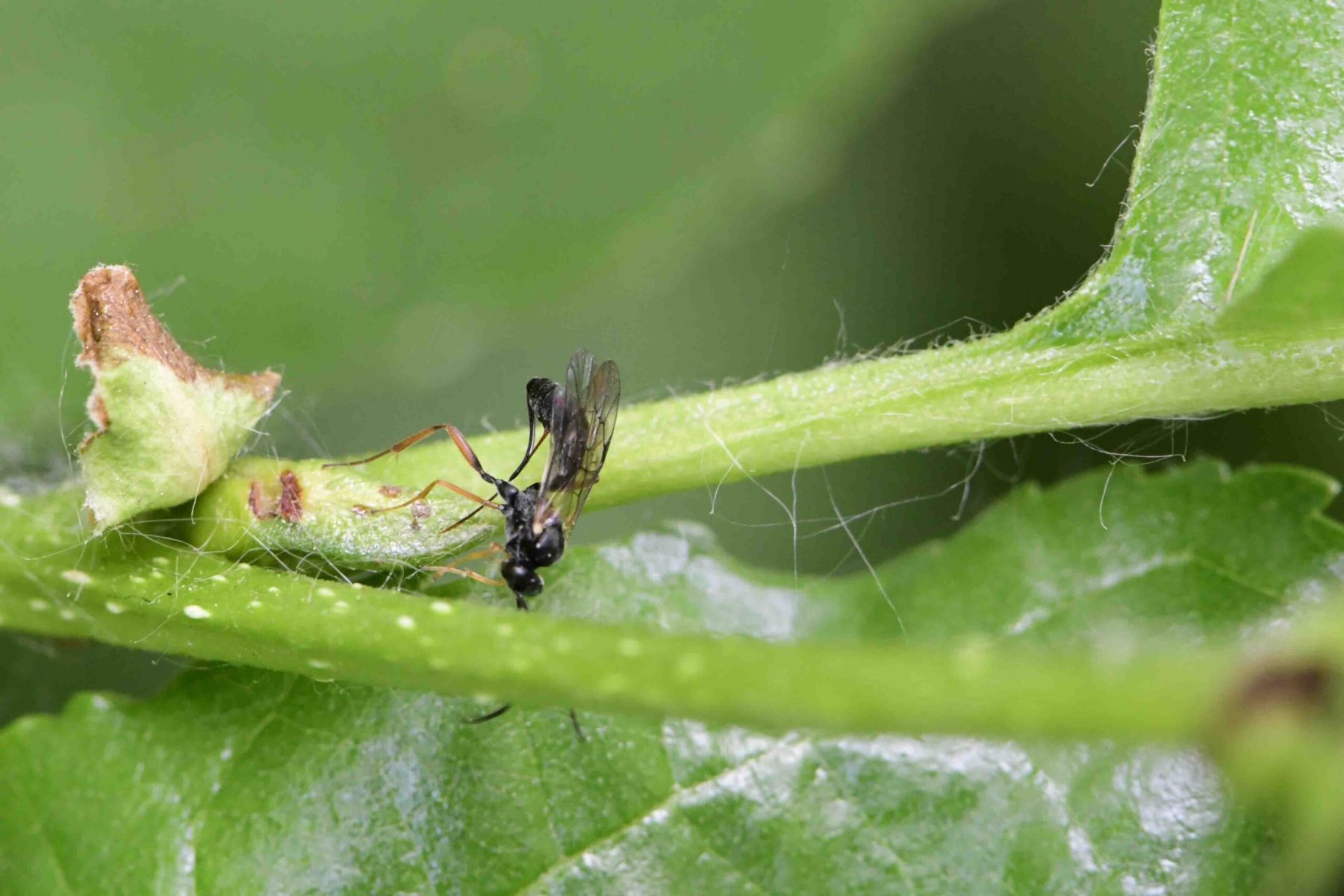
Next, attention was drawn to an Ichimon wasp that was showing great interest at the stipule where a leaf stem attaches to the branch of a hazel (Corylus) . It was here that galls (possibly Phytoptus avellanae) had developed and which the wasp was investigating. The wasp first probed the gall with it’s antennae before inserting its ovipositor into the gall. This was repeated several times in the various galls.



Other species uncounted during the visit.
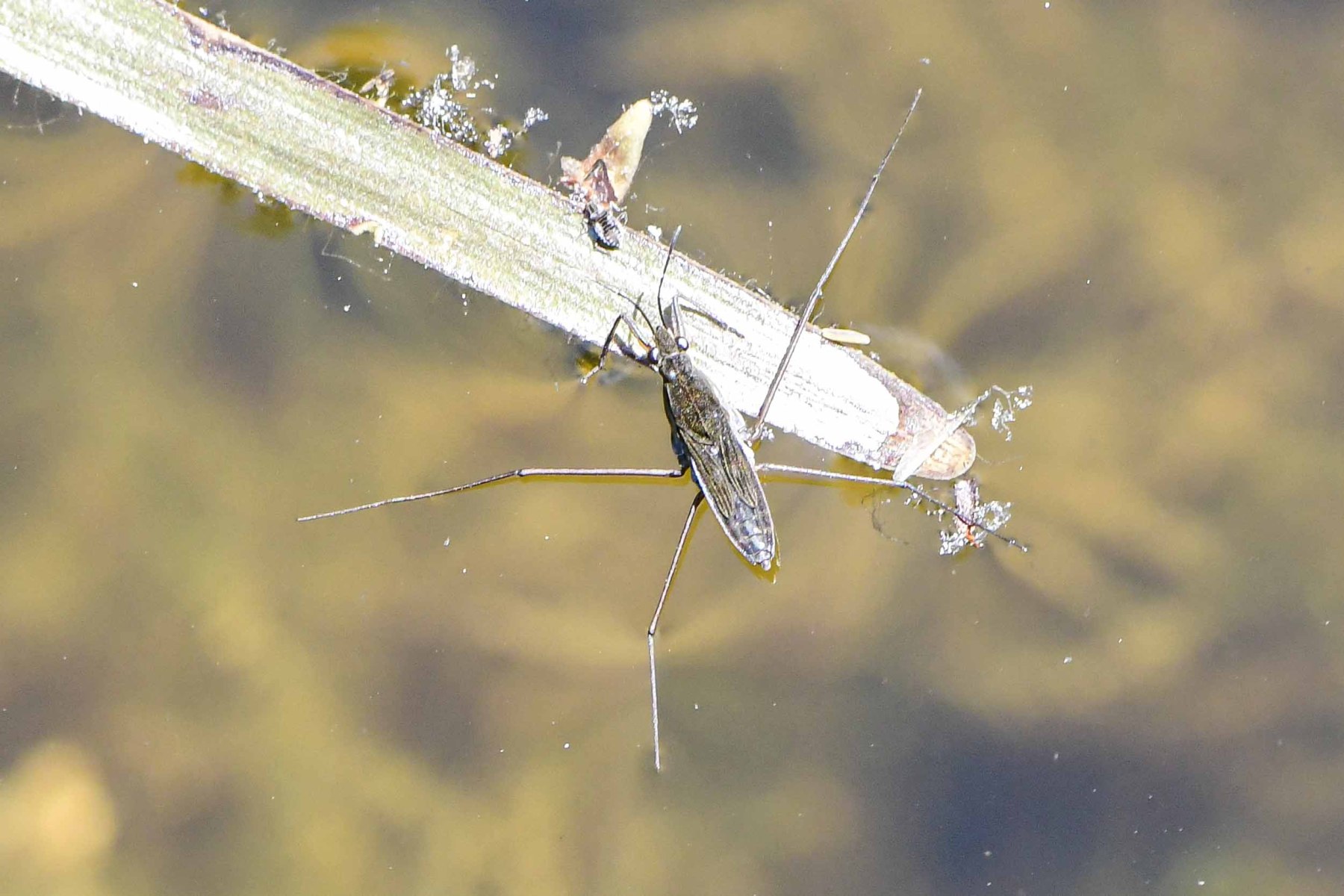


Finningley, May 26
Colin & Les met Ian & Tricia.
Although an exhausting day in the heat, an interesting afternoon in Holy Trinity & St Oswald’s, Finningley.
After taking shelter from the outdoor heat, ‘hardly a Bumblebee buzzing or a Butterfly flitting.’ We enjoyed the tea, cake and chat with your lovely parishioners and to look at the interesting documents, vestments and exhibits placed on display.
On an interesting natural history note, the Agelenid spider collected from the very prickly Gorse bush at the back of the cemetery extension for later identification, was eventually released back onto one of the sheet webs, one of many amongst the fearsome spines of the gorse bush. Immediately released, it didn’t just run off or drop to the ground as many spiders do. In a fraction of a second it presumably recognised the web as its own, remembered the complex architecture of the structure and shot down to take refuge in the silken retreat beneath the web. If it had rushed into an occupied web, this would have instigated a possibly fatal attack by the occupant. Had our spider, after an afternoon of being rolled around in a specimen tube, pushed in and out of pockets and been peered at through magnifying lenses, retained a memory of its home territory and a specific recognition of its own web. There’s clearly more to these sophisticated creatures than we realise.
CAH
Brook Walk, North Anston, May 25 2026
It was far too hot so headed for somewhere cool.


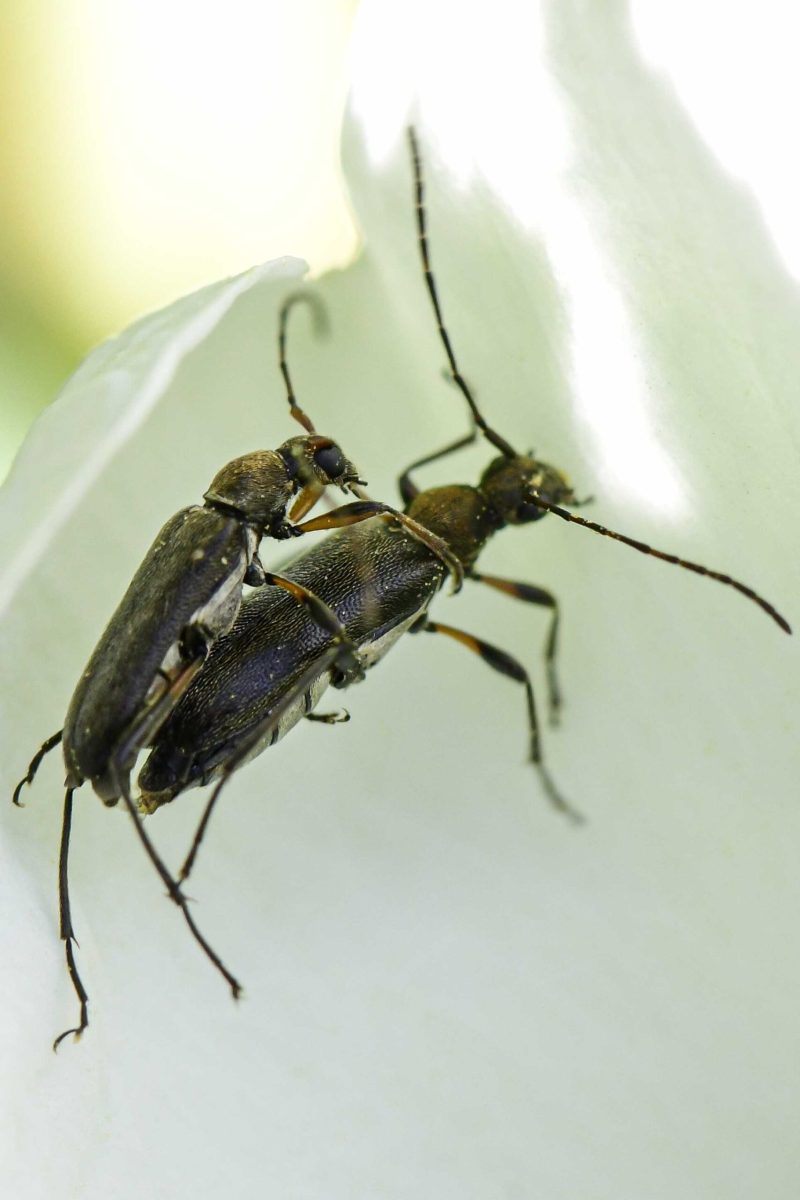


Brook Walk, North Anston, May 24 2026
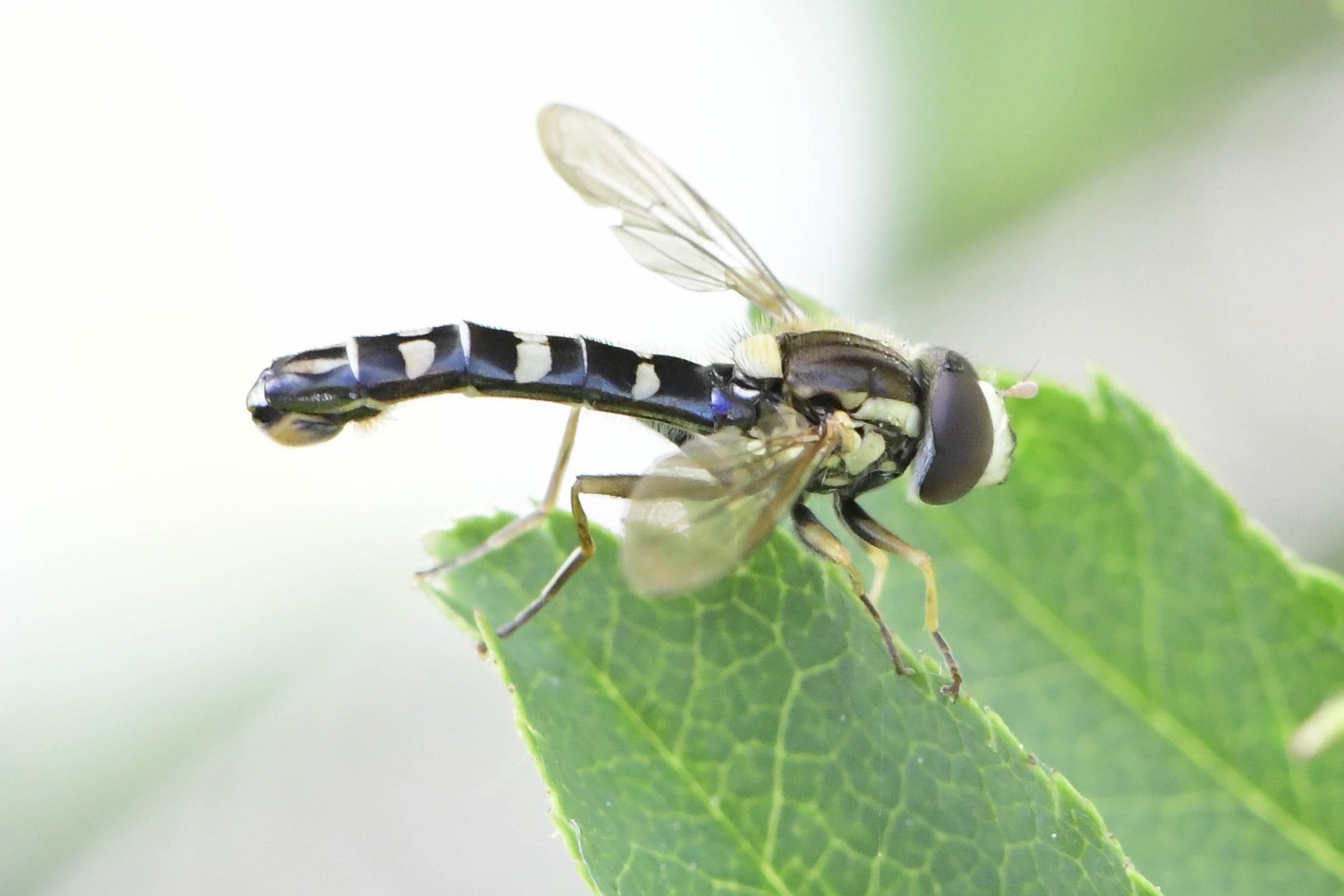


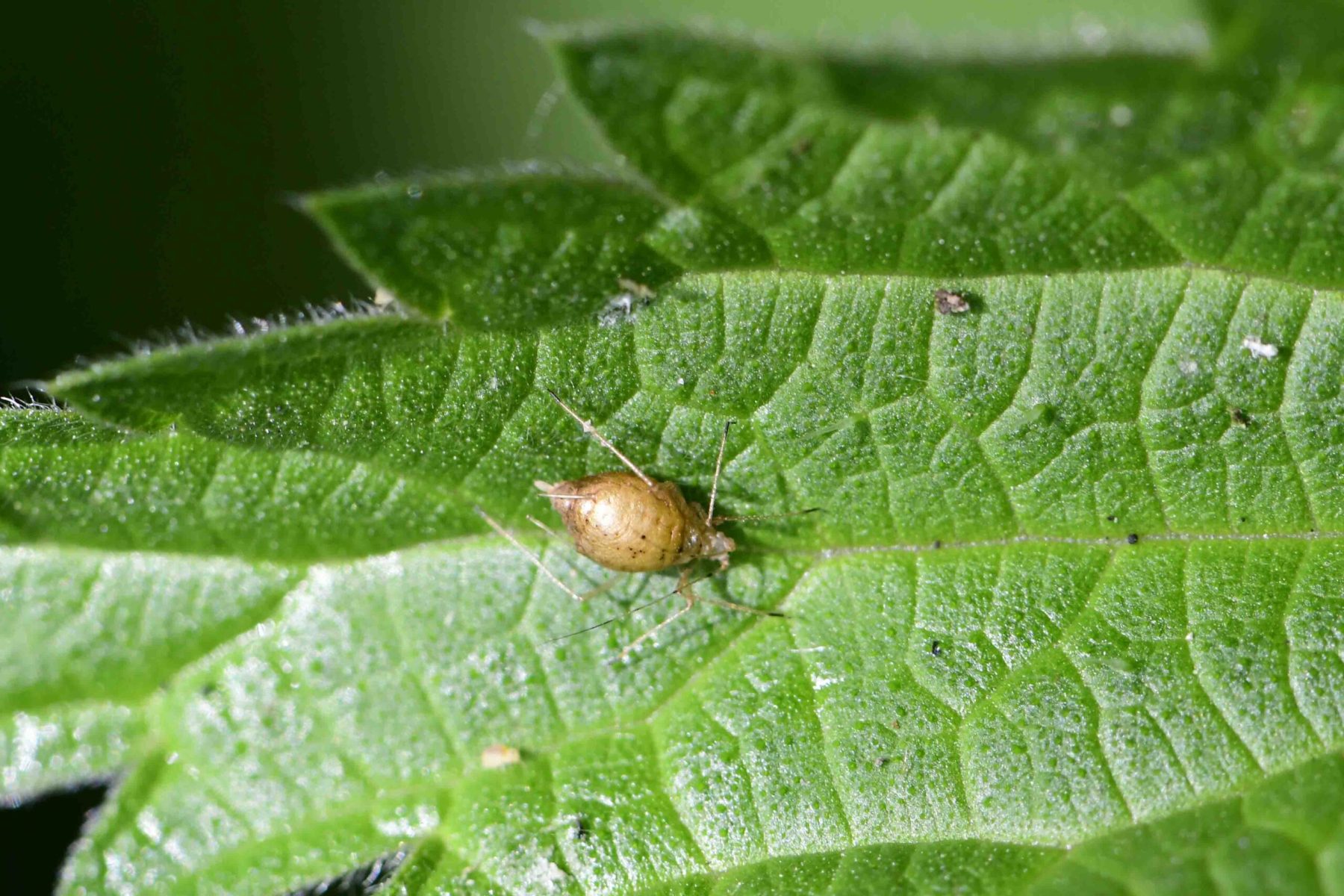


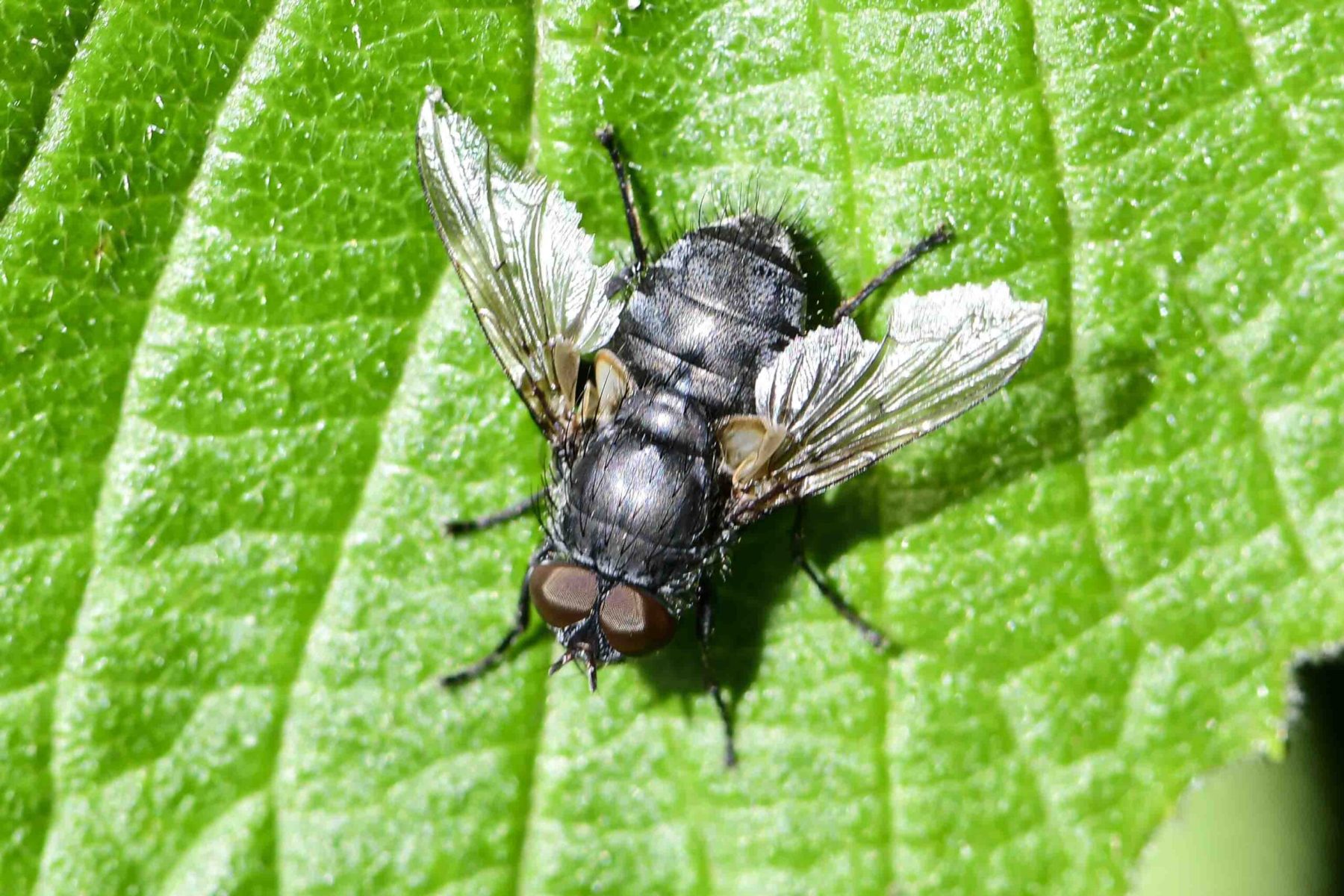

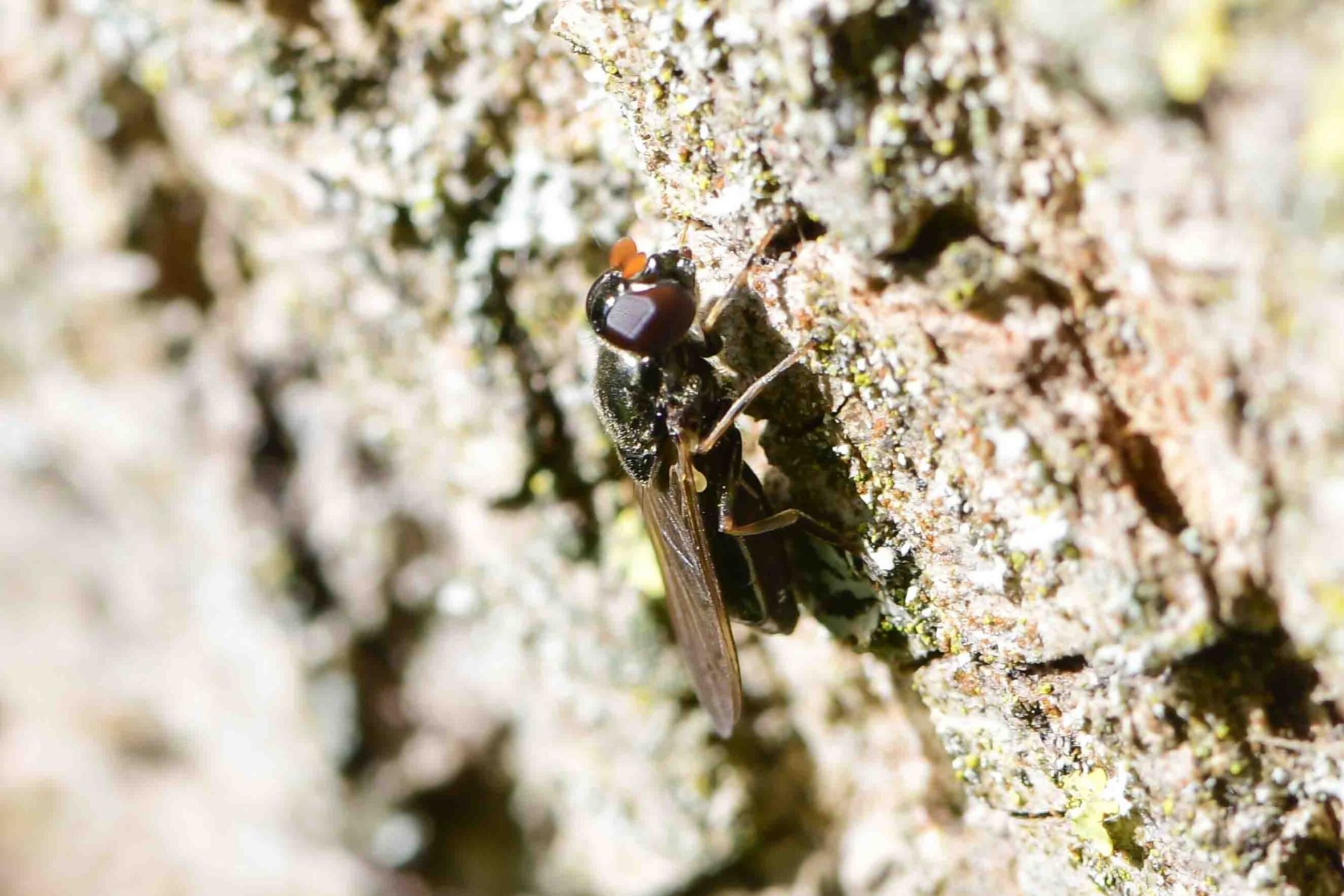
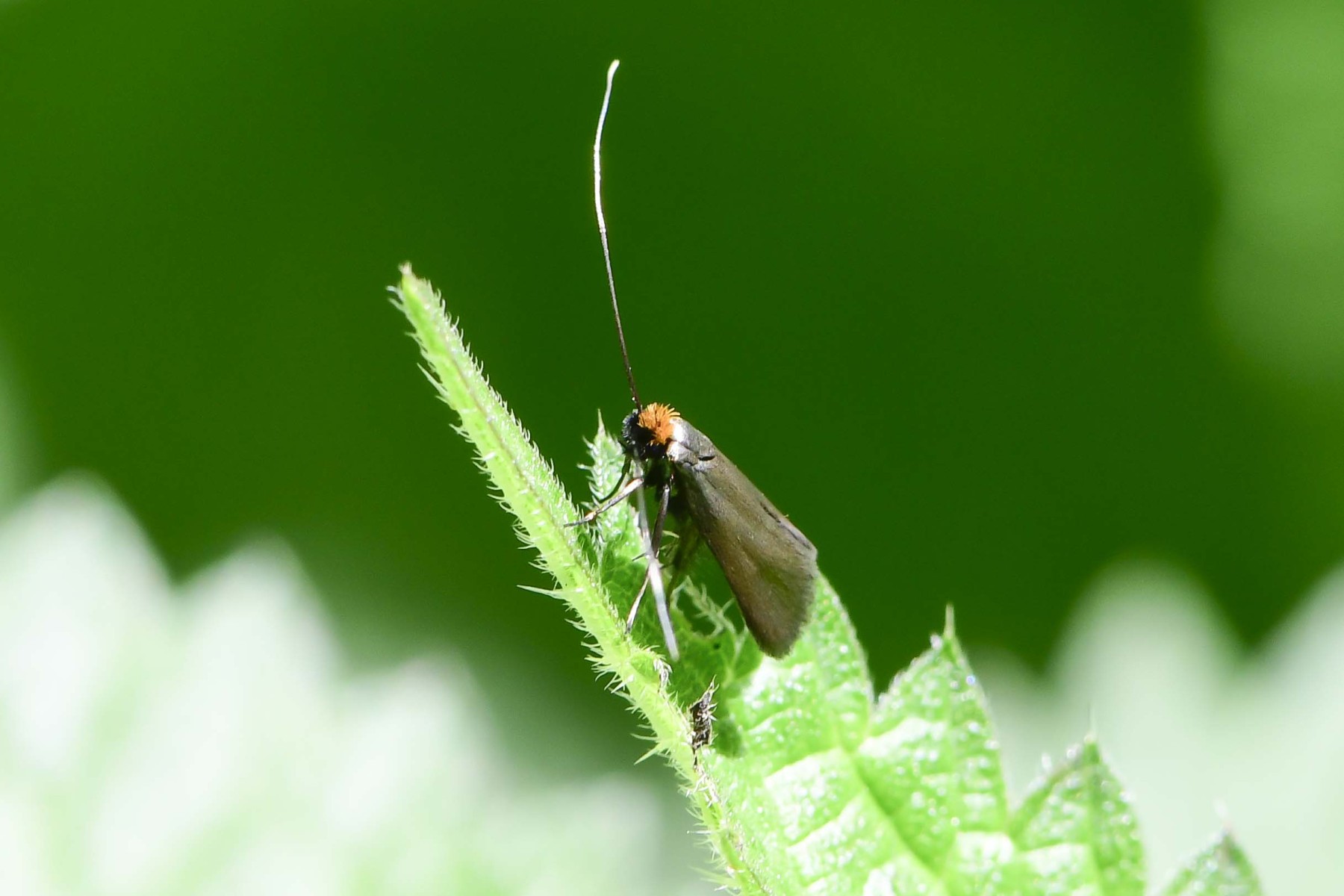
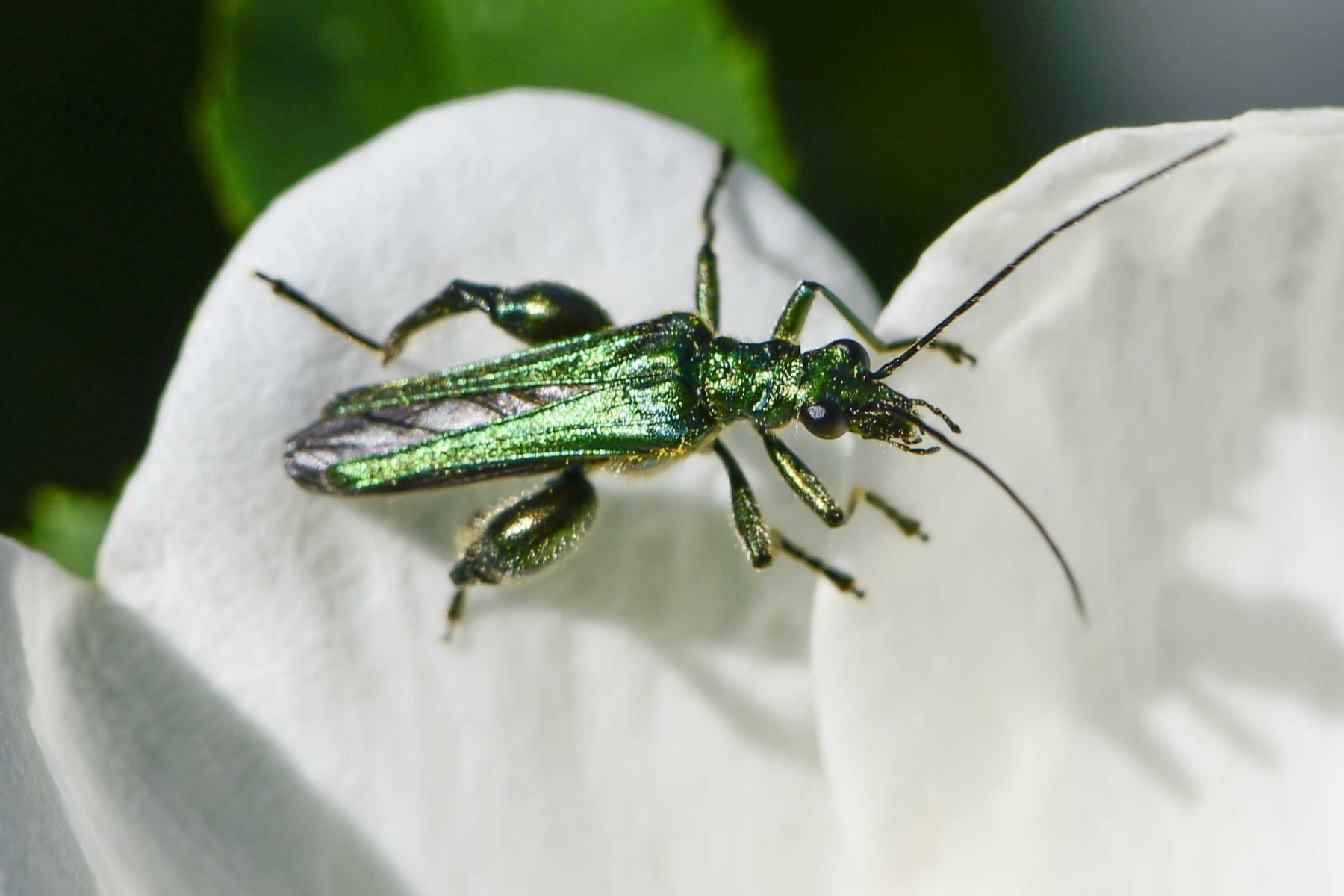

Brook Walk, North Anston, May 23 2026
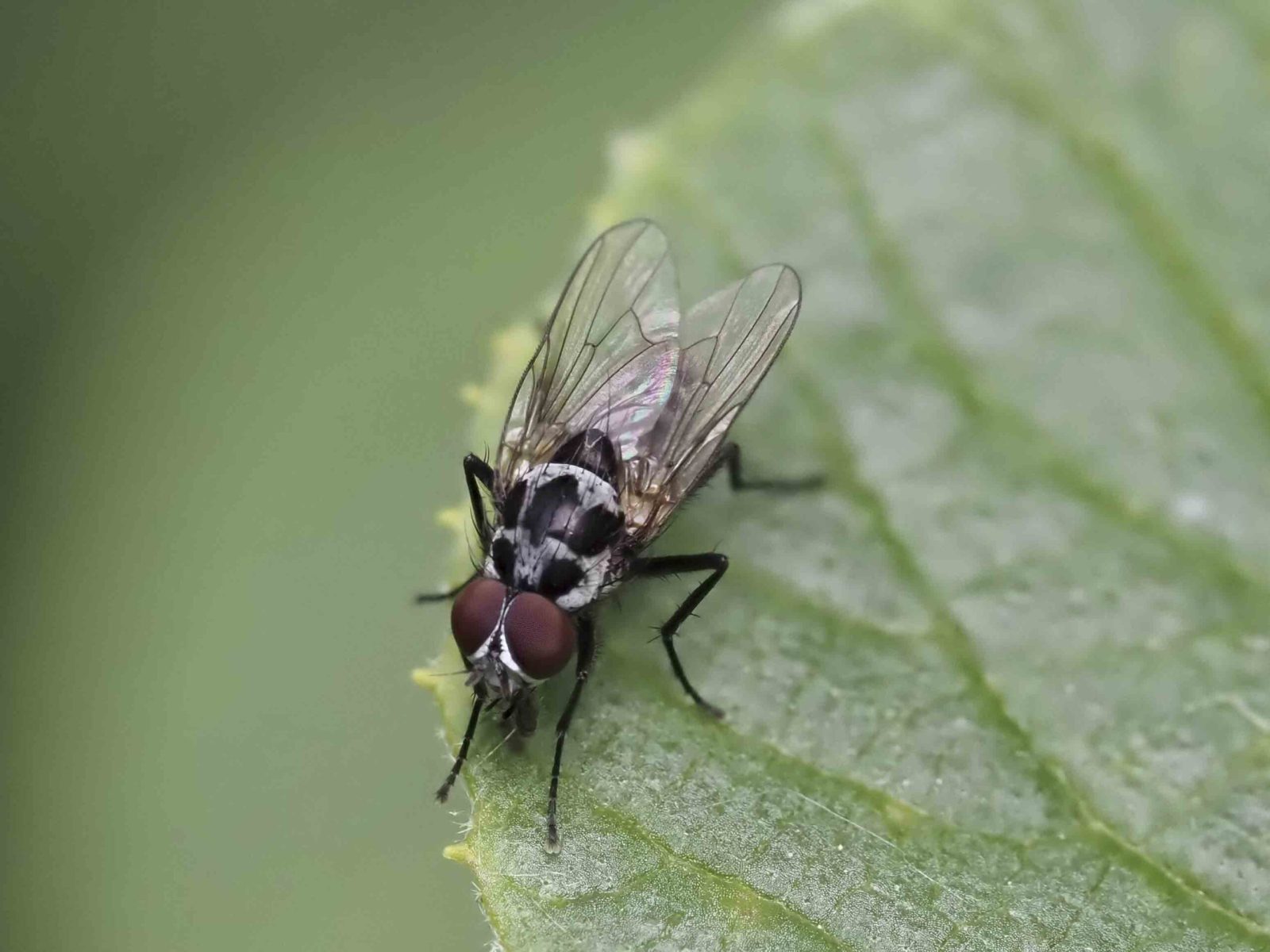


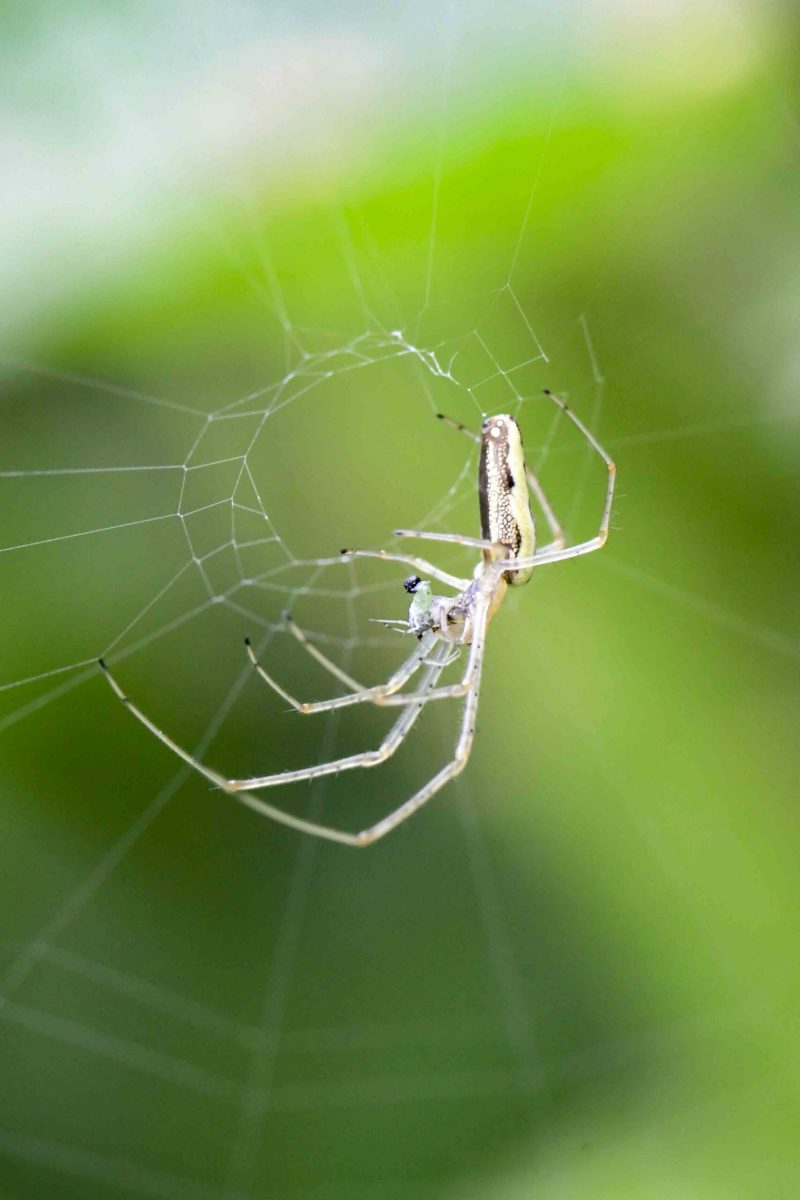
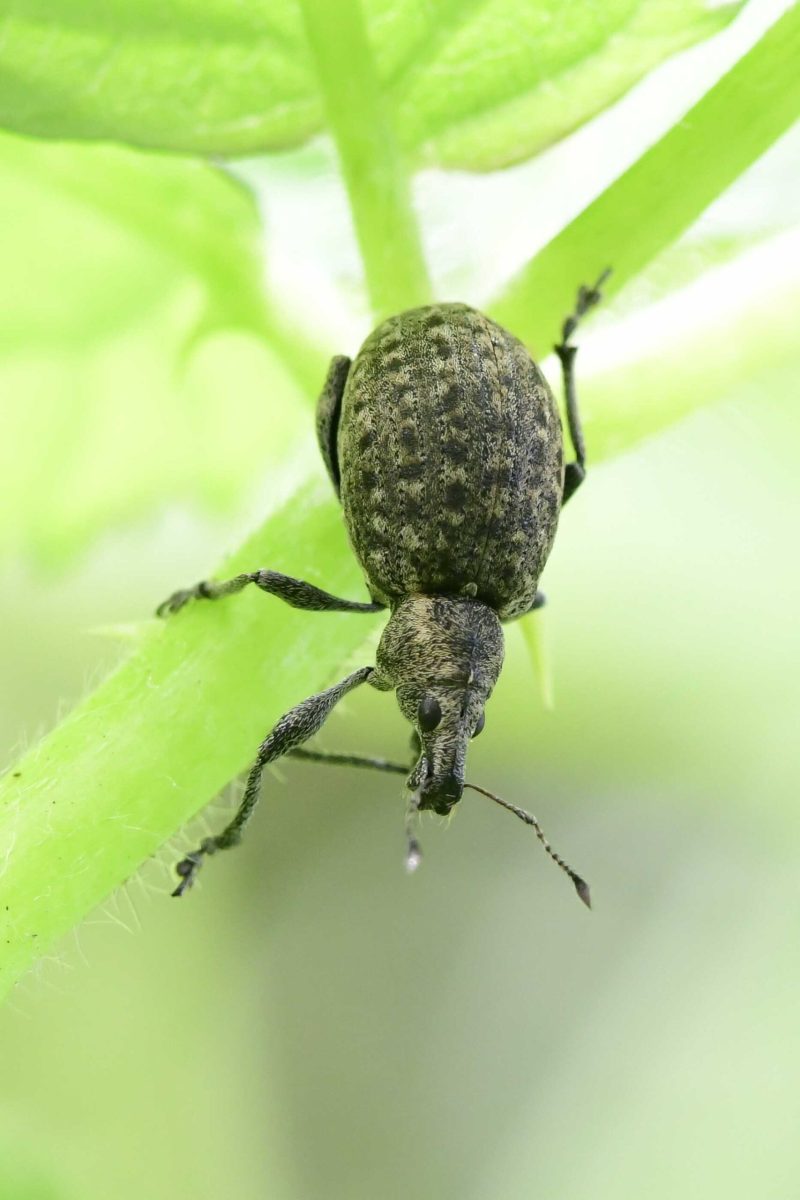
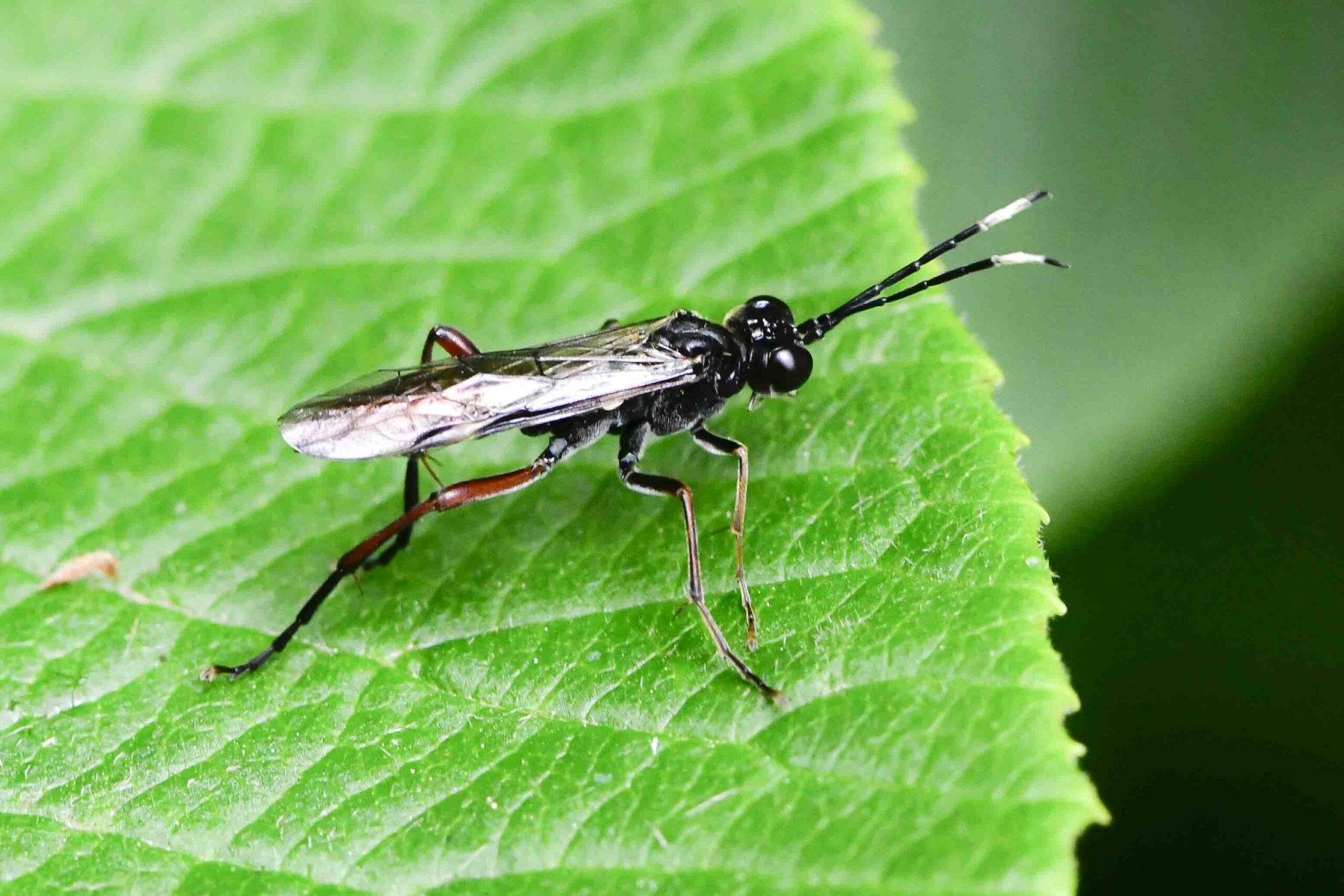

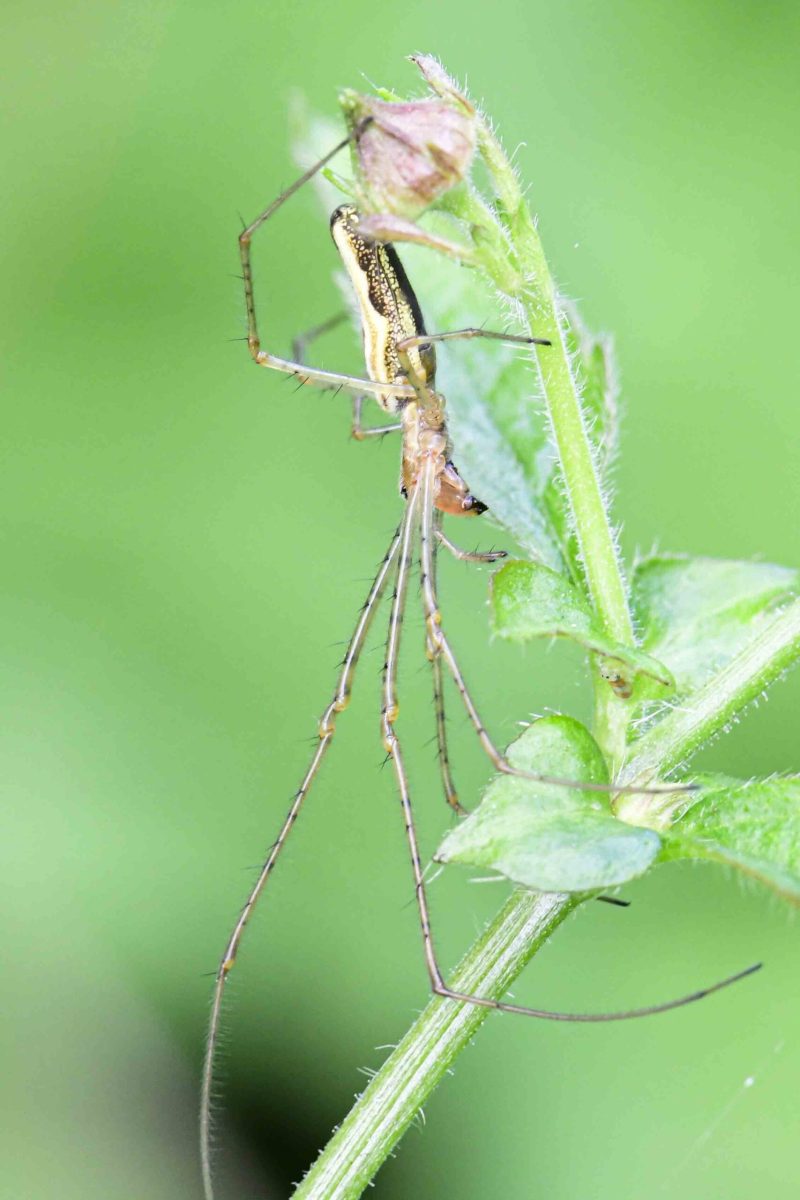
Brook Walk, North Anston, May 22 2026


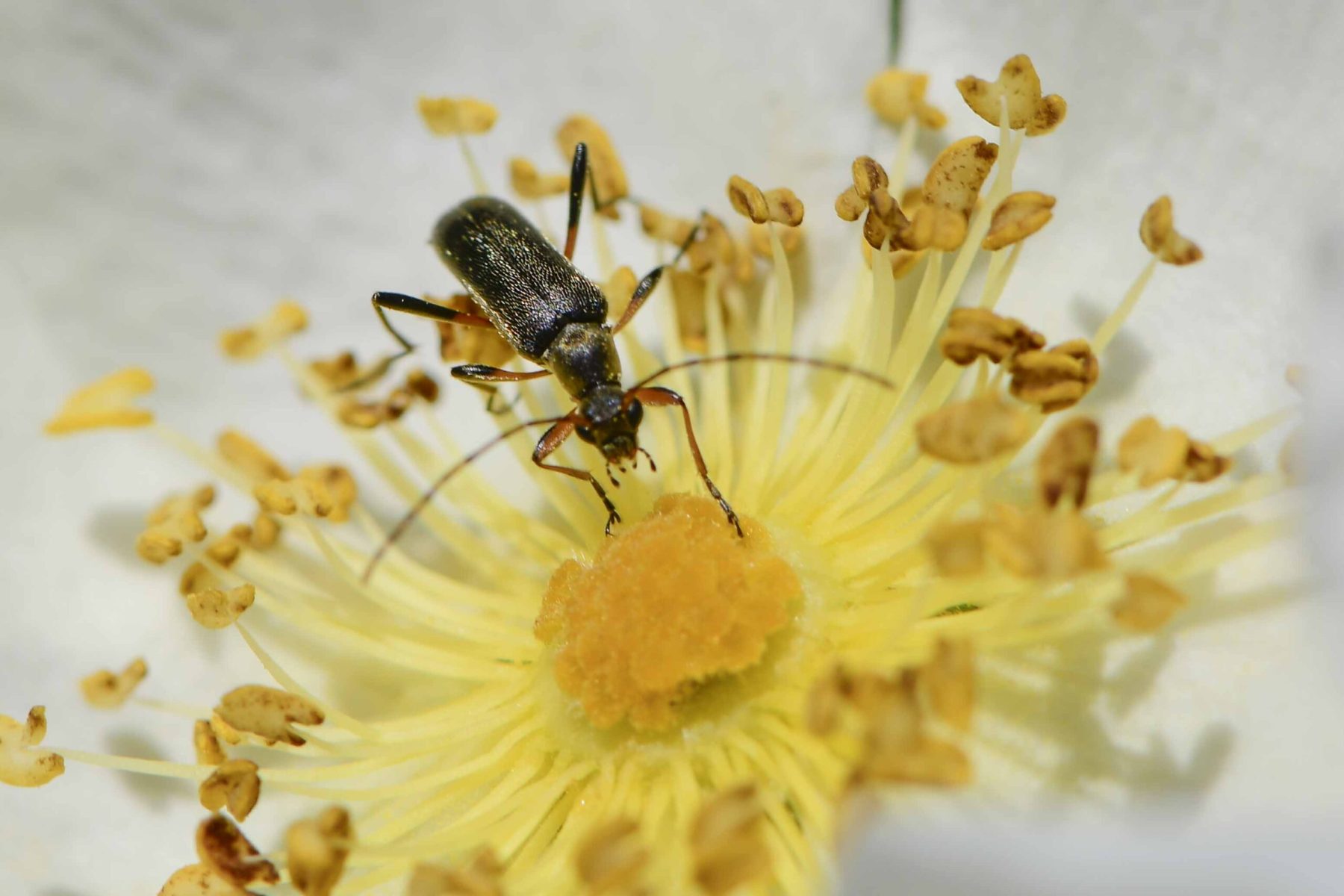
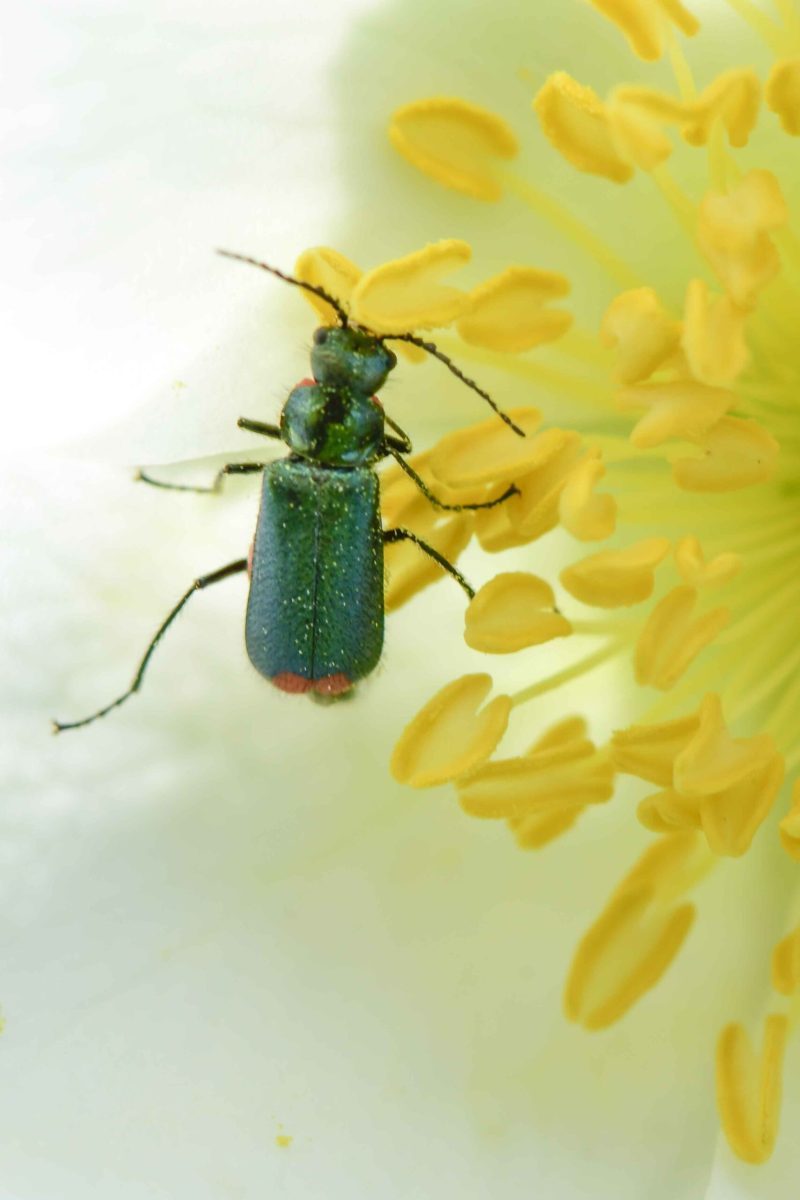

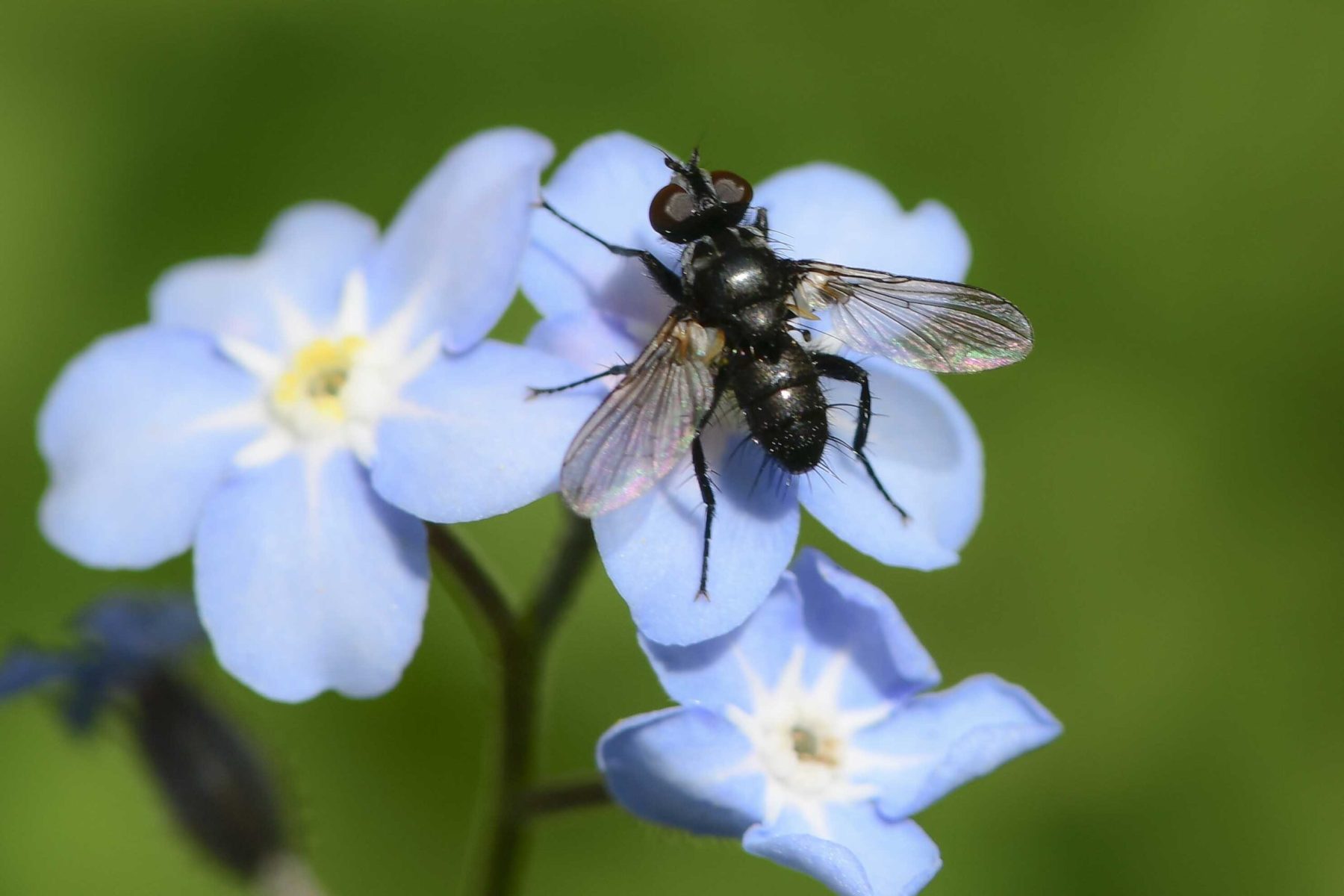
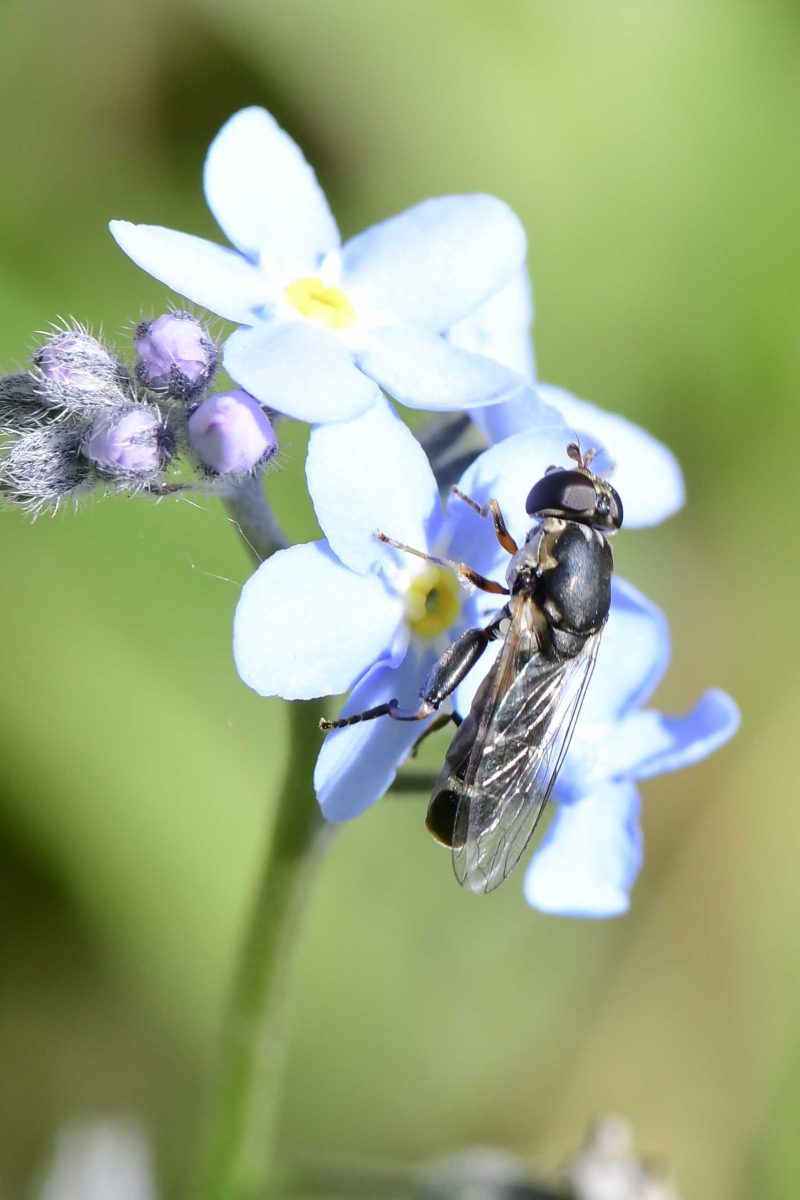

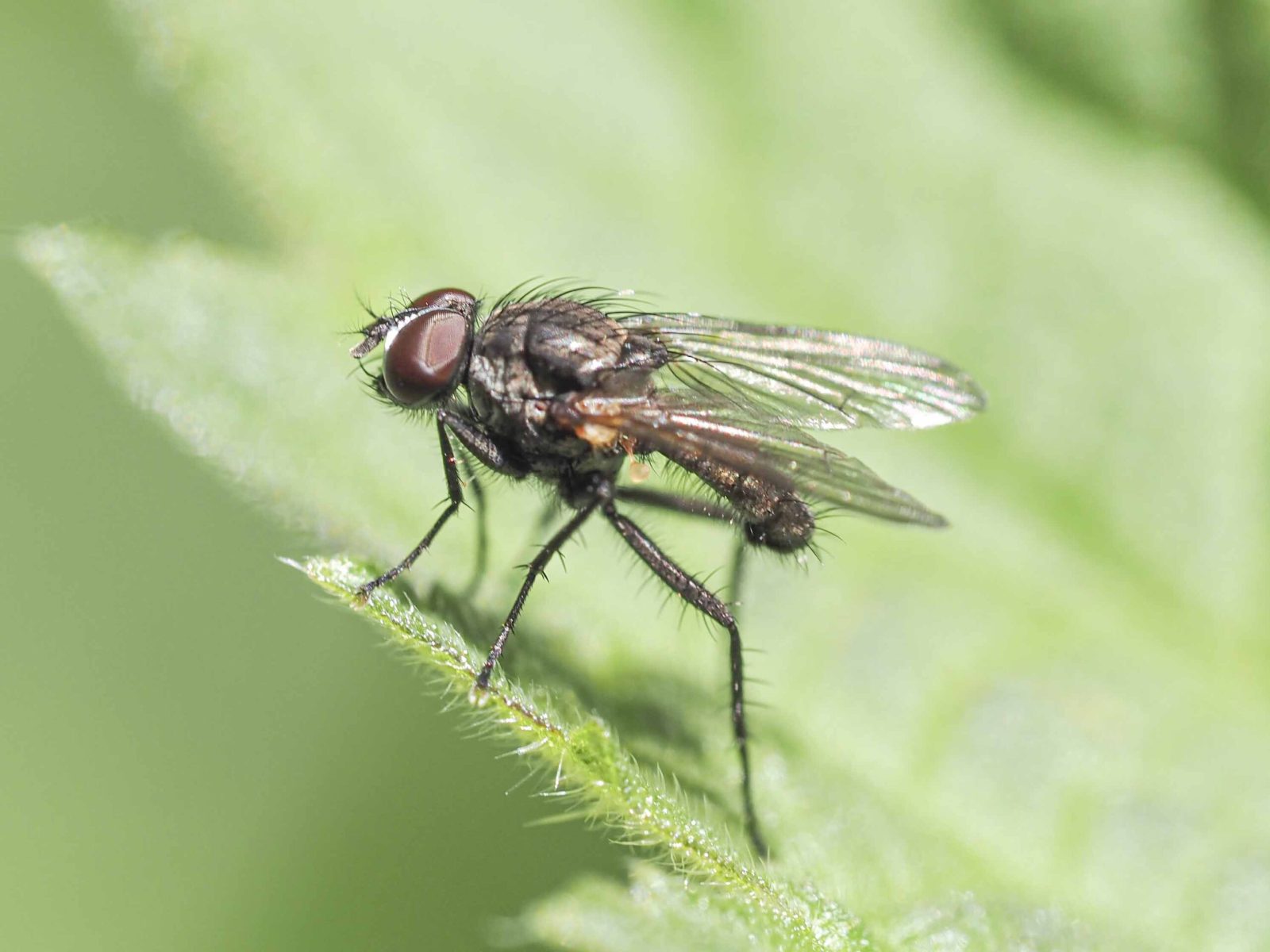
Austerfield, May 16 2026


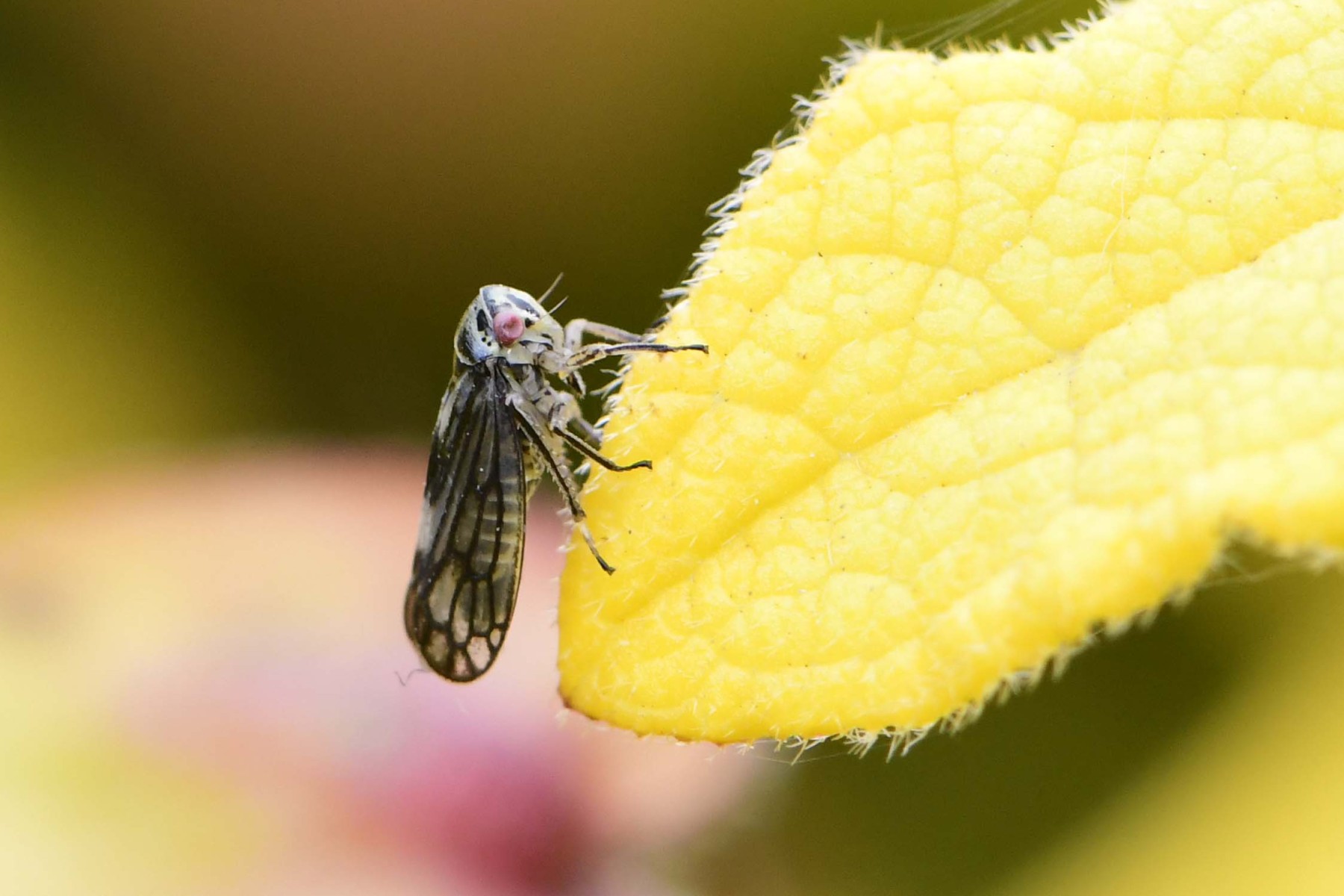


Brook Walk, North Anston, May 15 2026


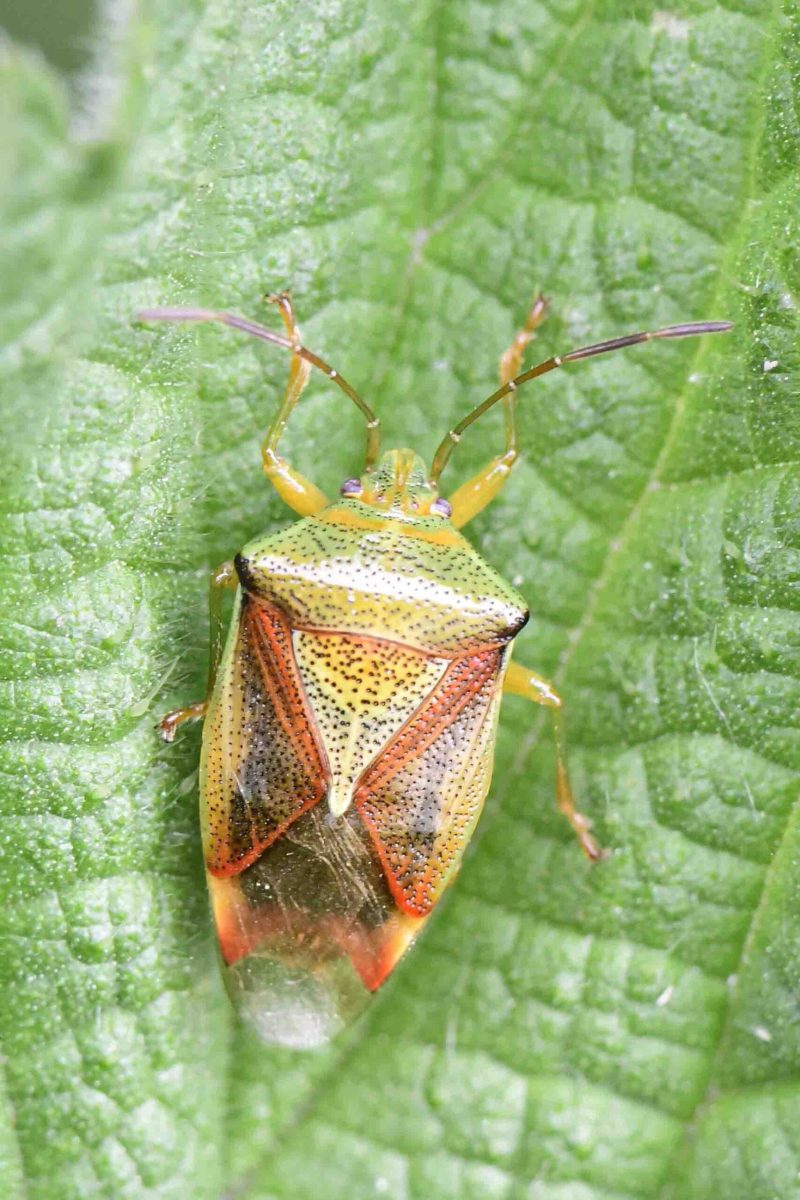


Brook Walk, North Anston, May 10 2026

Cacopsylla peregrina nymph (Jumping Plant Lice) on Hawthorn (Crataegus)
Small (approx. 2mm), green-to-brownish sap-sucking insects commonly found on Hawthorn (Crataegus), known for a distinct brown streak on their wing buds. They feed on young shoots in spring (April-May), producing honeydew, and are a very common species in the UK. (Wikipedia)
See Jumping Plant Lice on YouTube
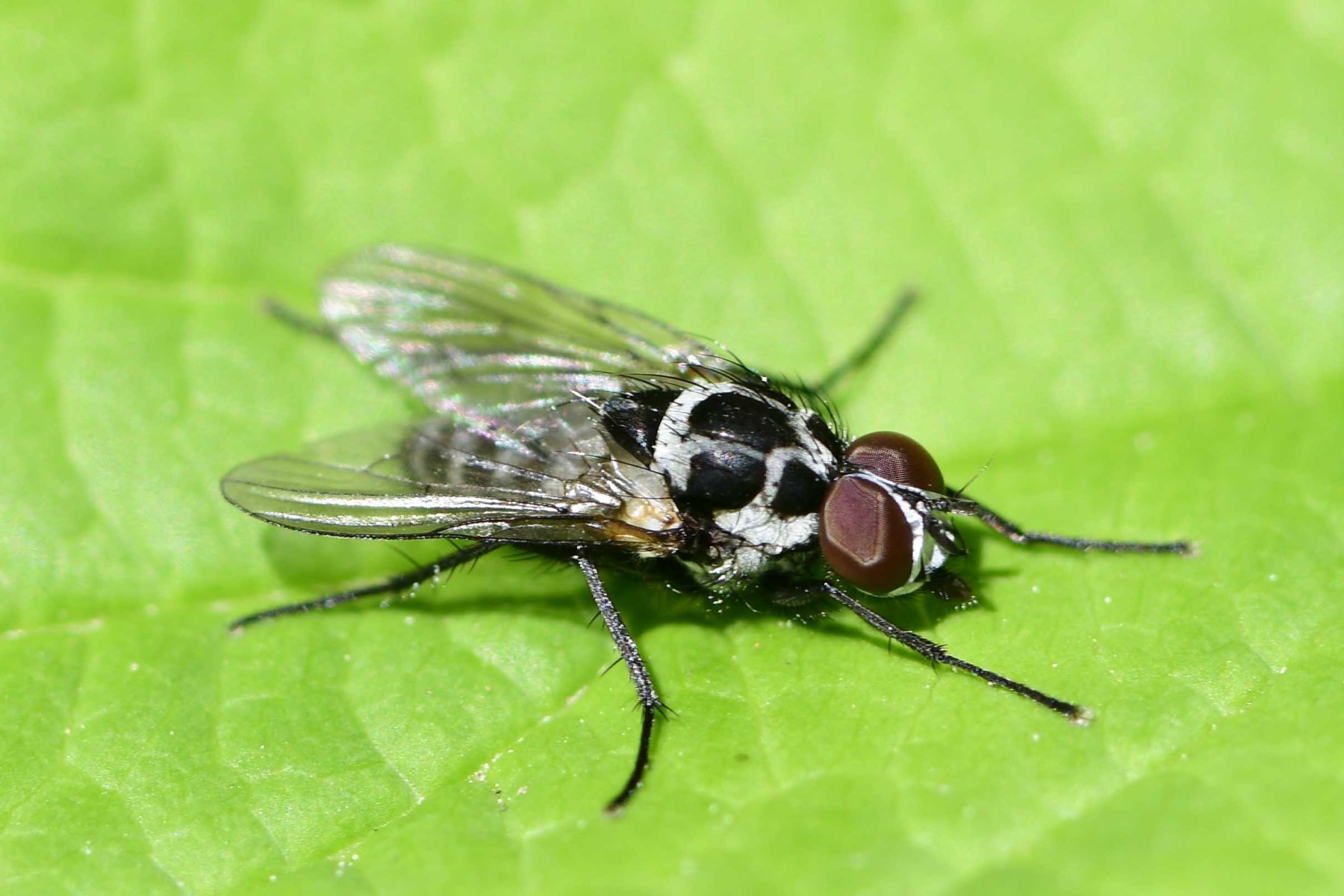
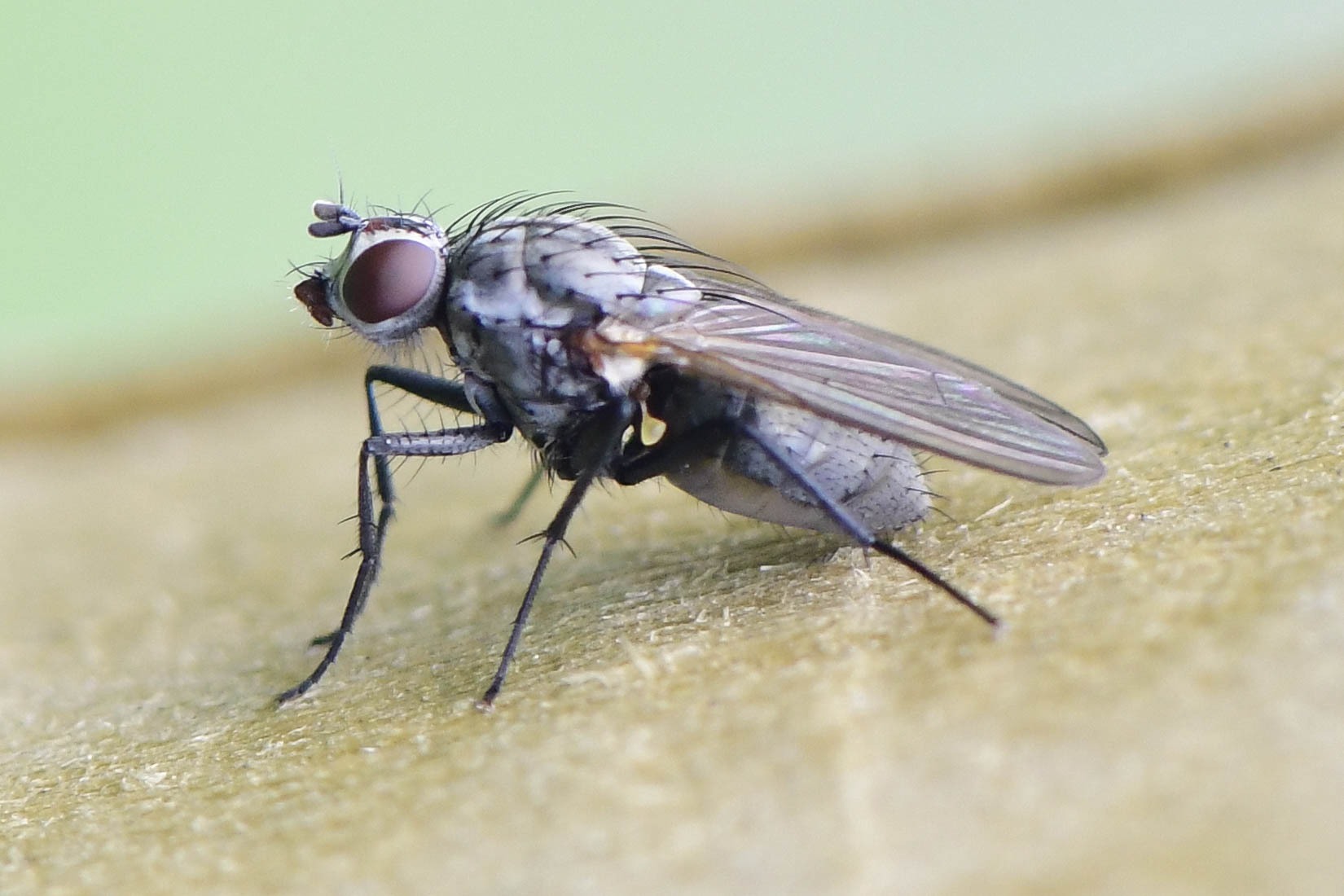
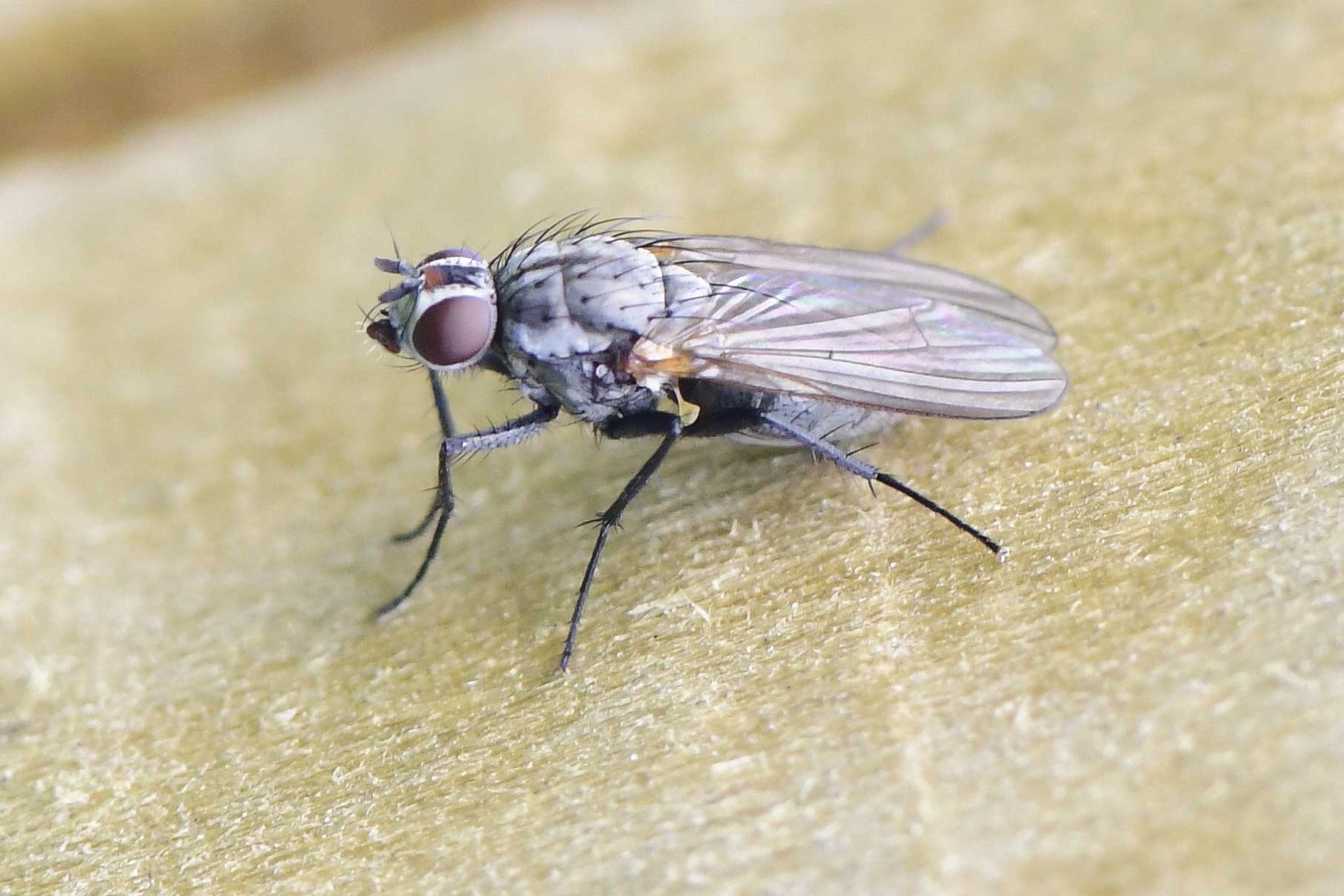


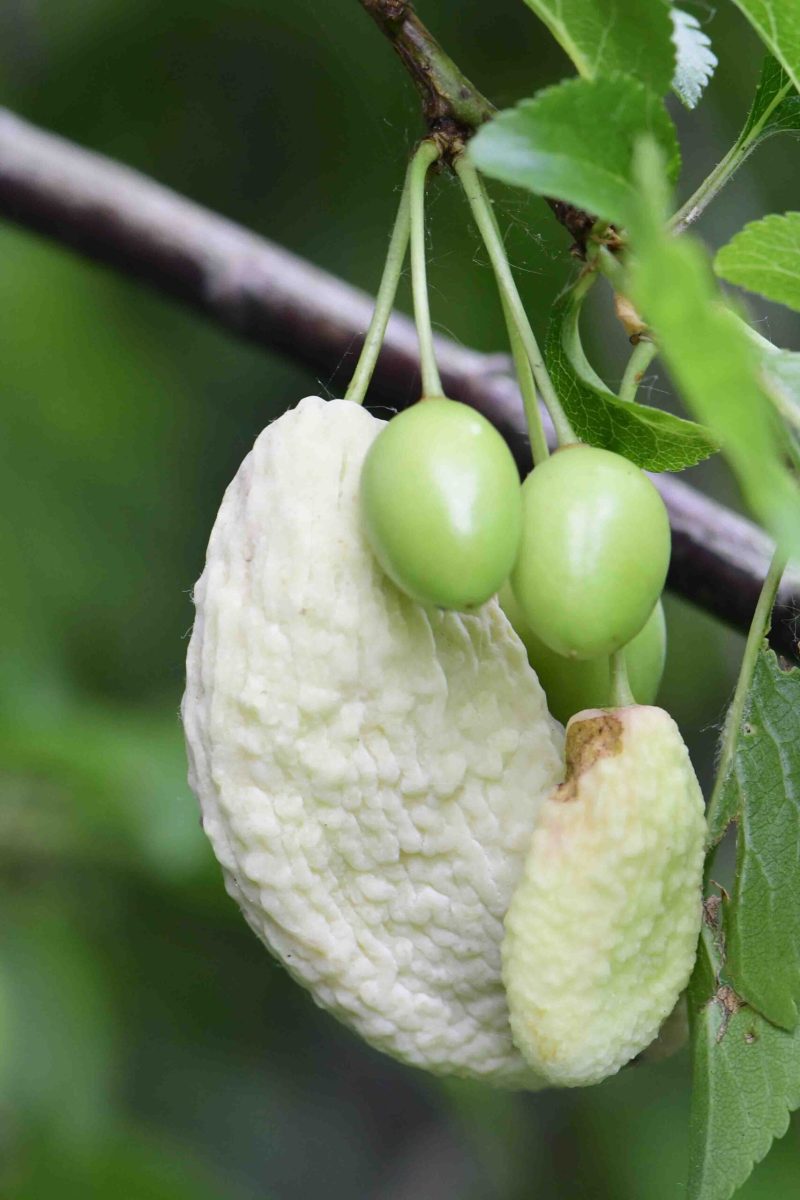



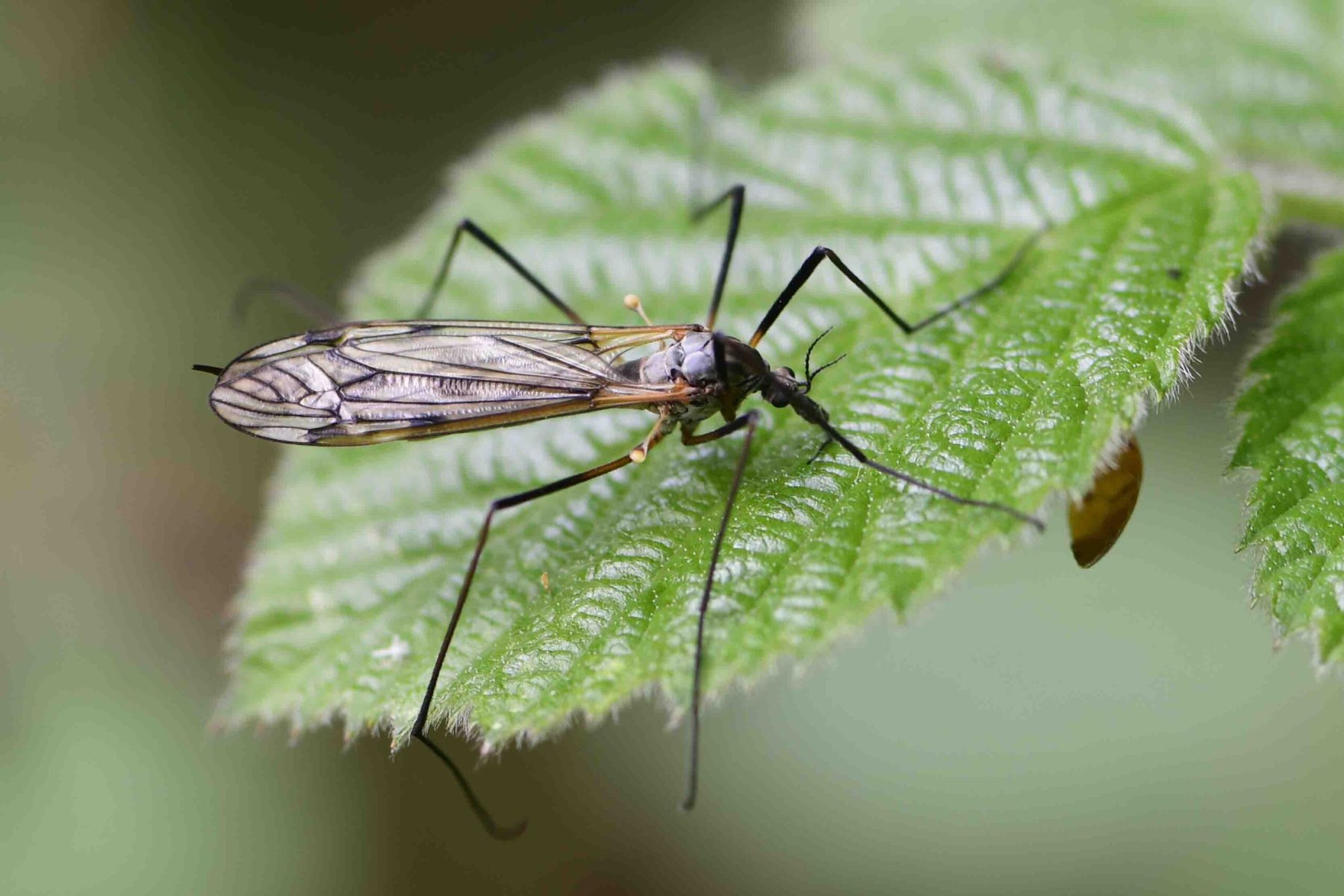
Swinston Hill Wood, Dinnington, May 6th
A walk through the wood on a cloudy morning, with occasional sunshine getting through the canopy.

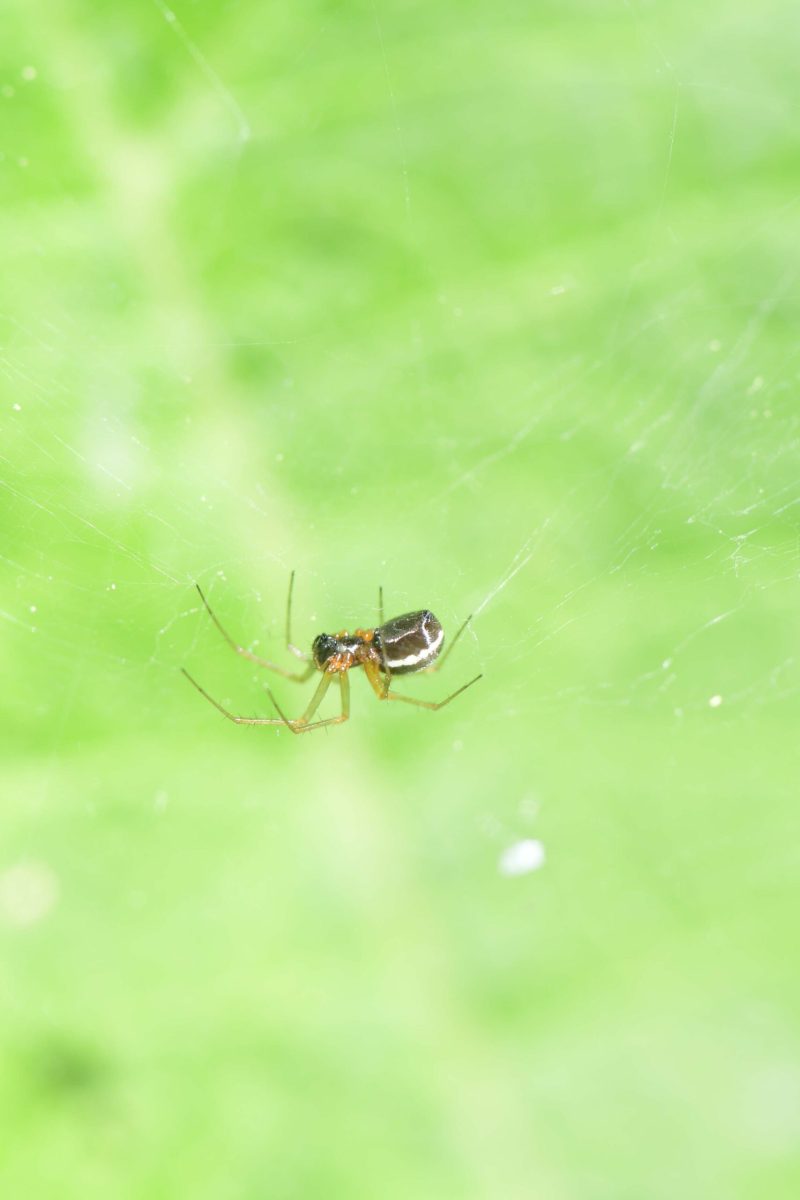
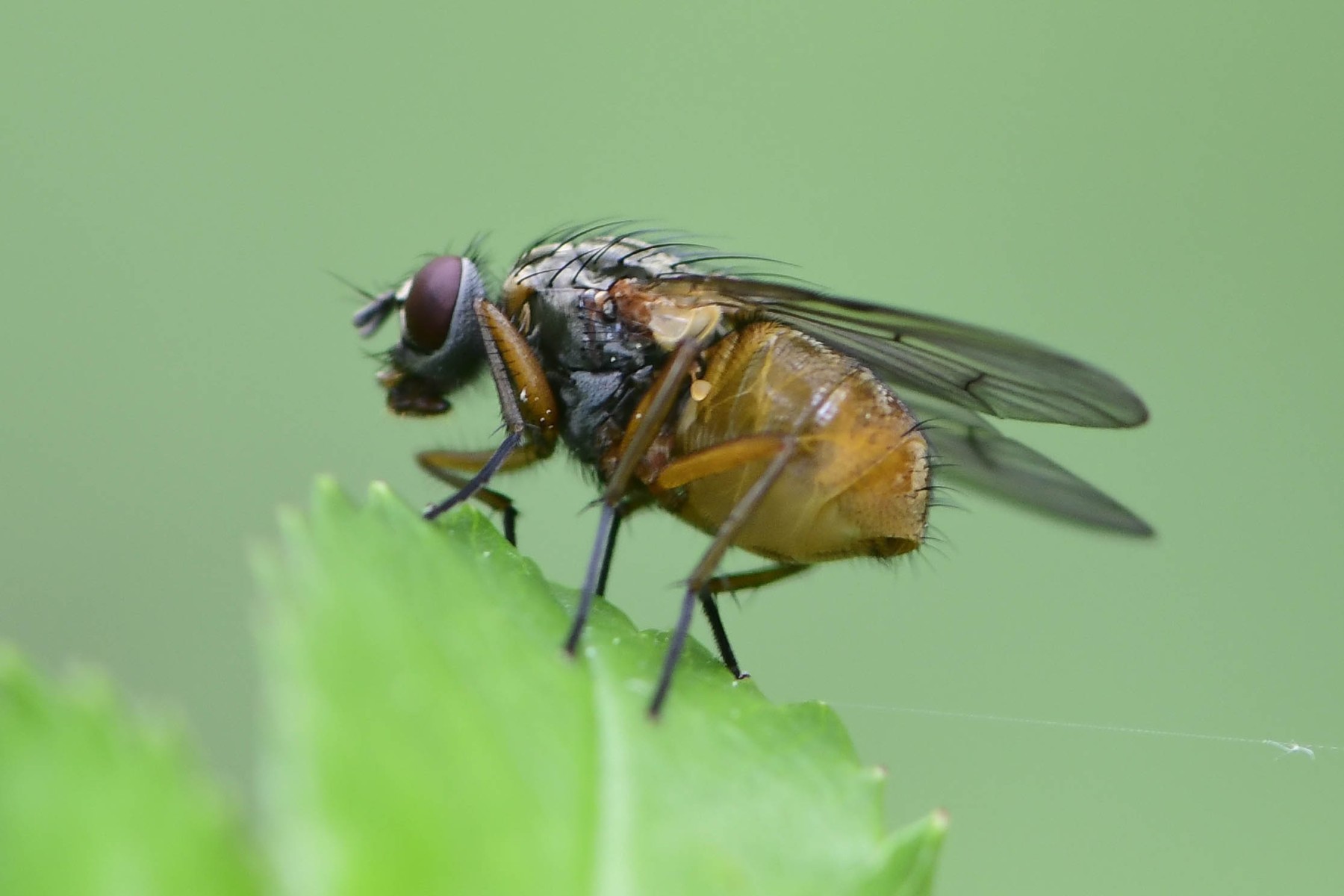
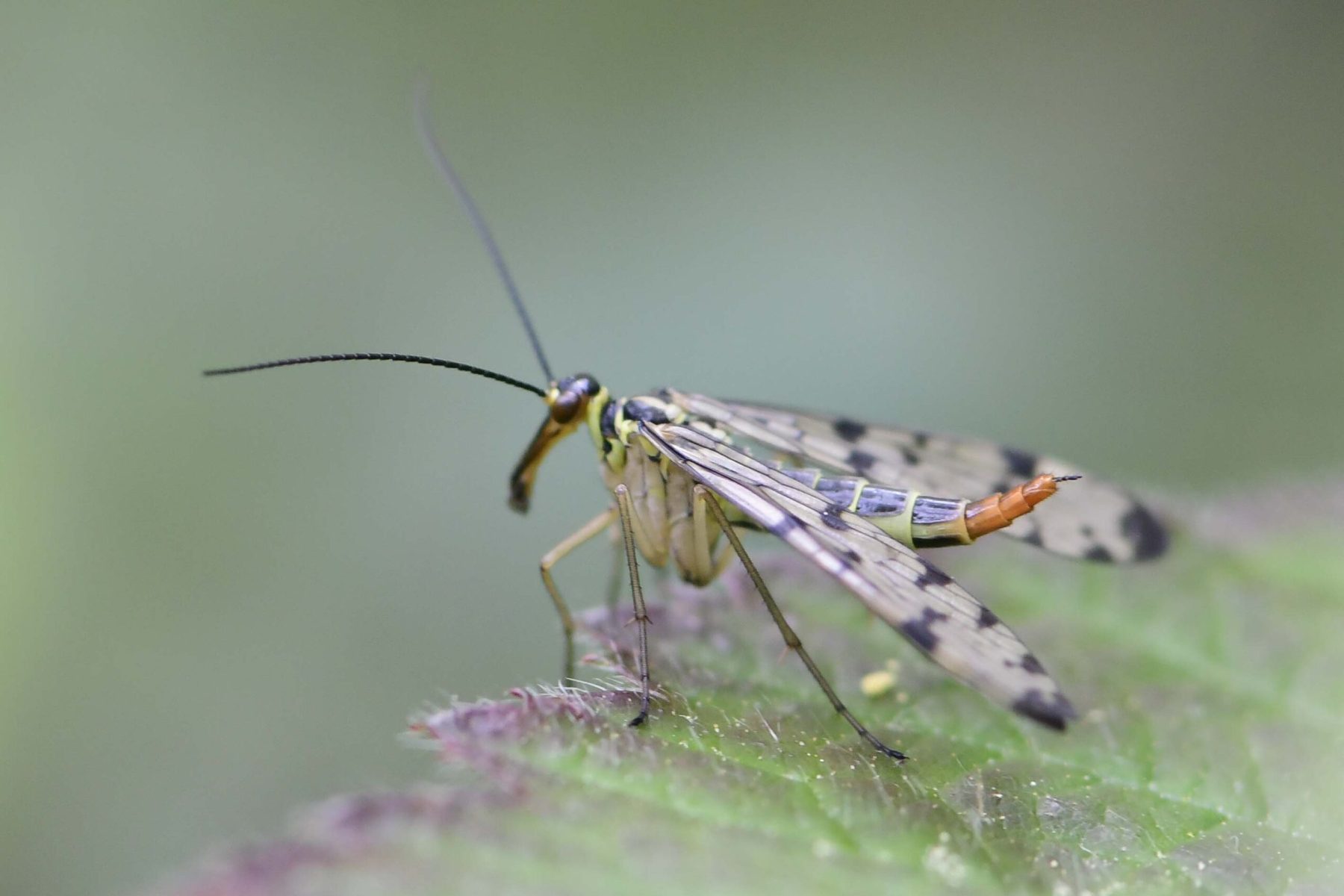
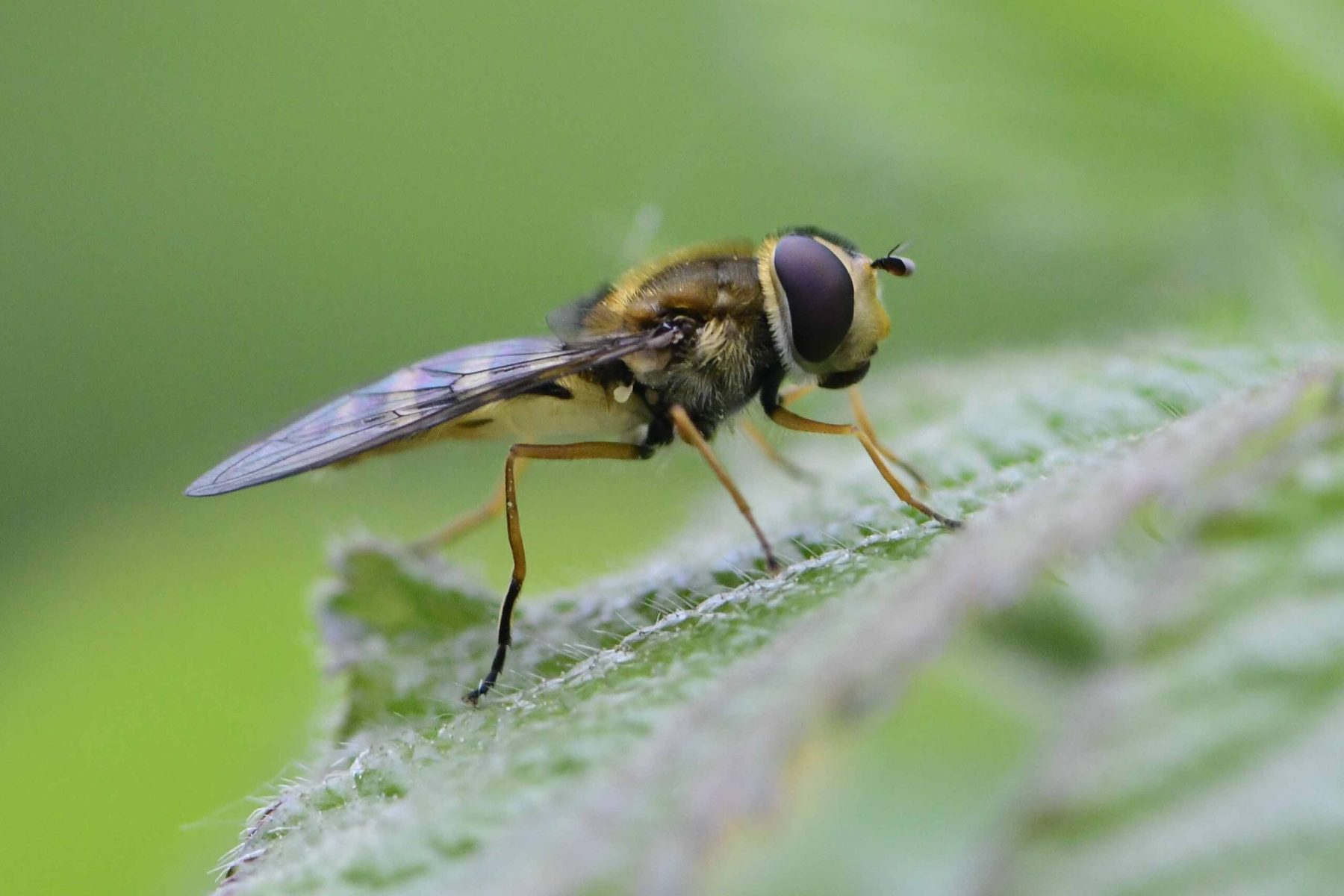
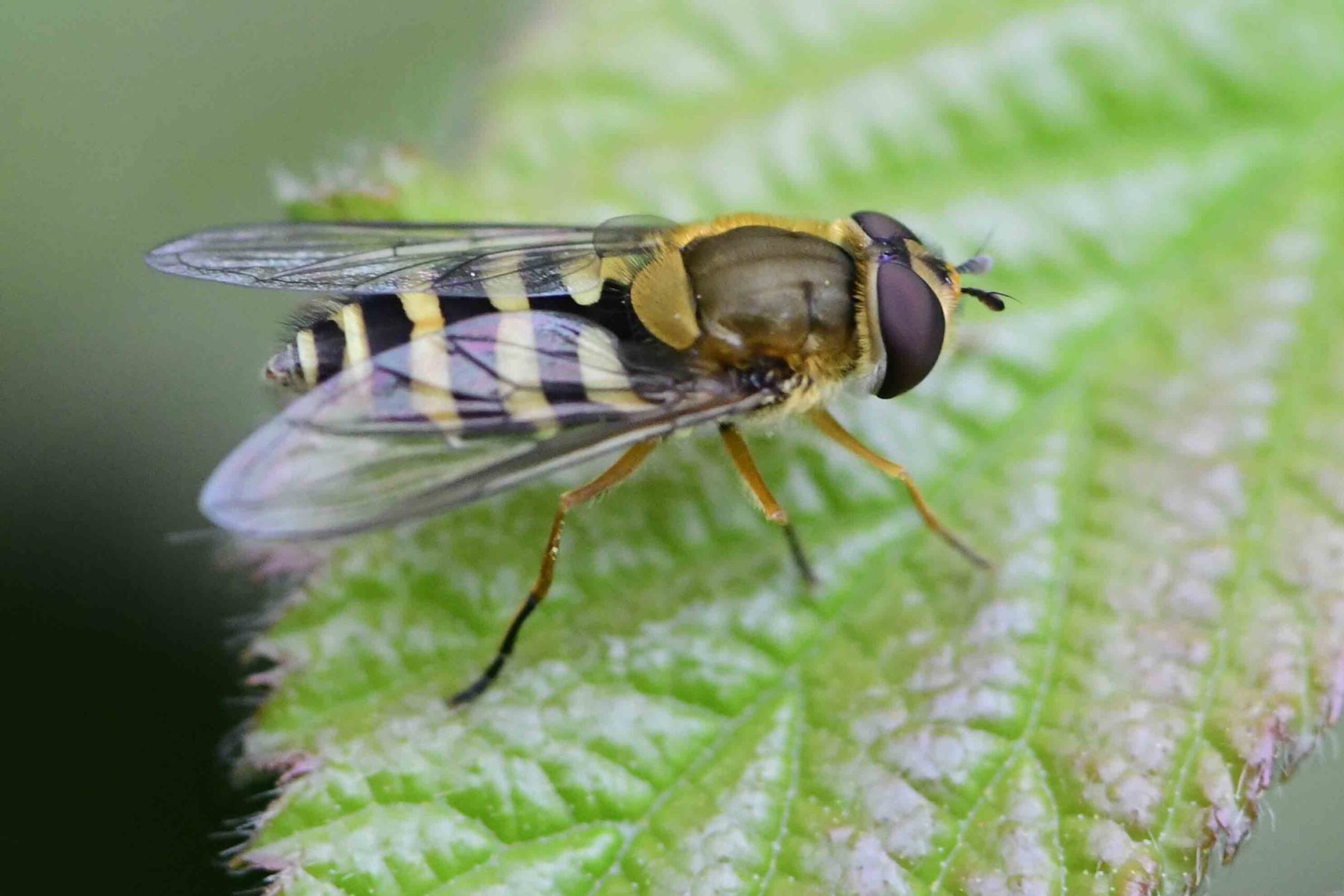

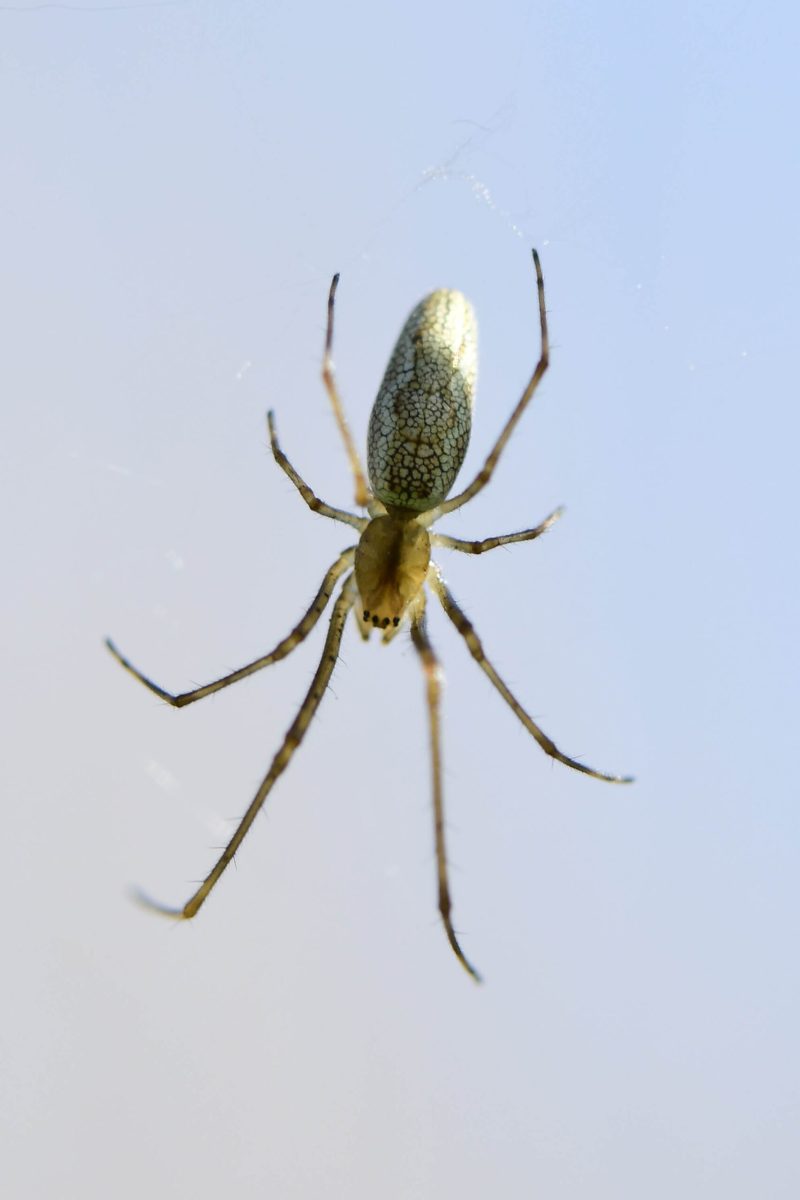
Richard Wilson has suggested the spider is a linyphiid probably Neriene/ Linyphia but not enough detail to give more detail.
Dinnington Community Woodland, May 1st
Getting warmer now, which seems to have sent insects seeking shelter as it was rather quiet this morning. Again spotted the Philodromus spider but did not get an acceptable photo.
Brook Walk, North Anston, April 30th
I spent a couple of hours in this little park that has Anston Brook (River Ryton) running through it.
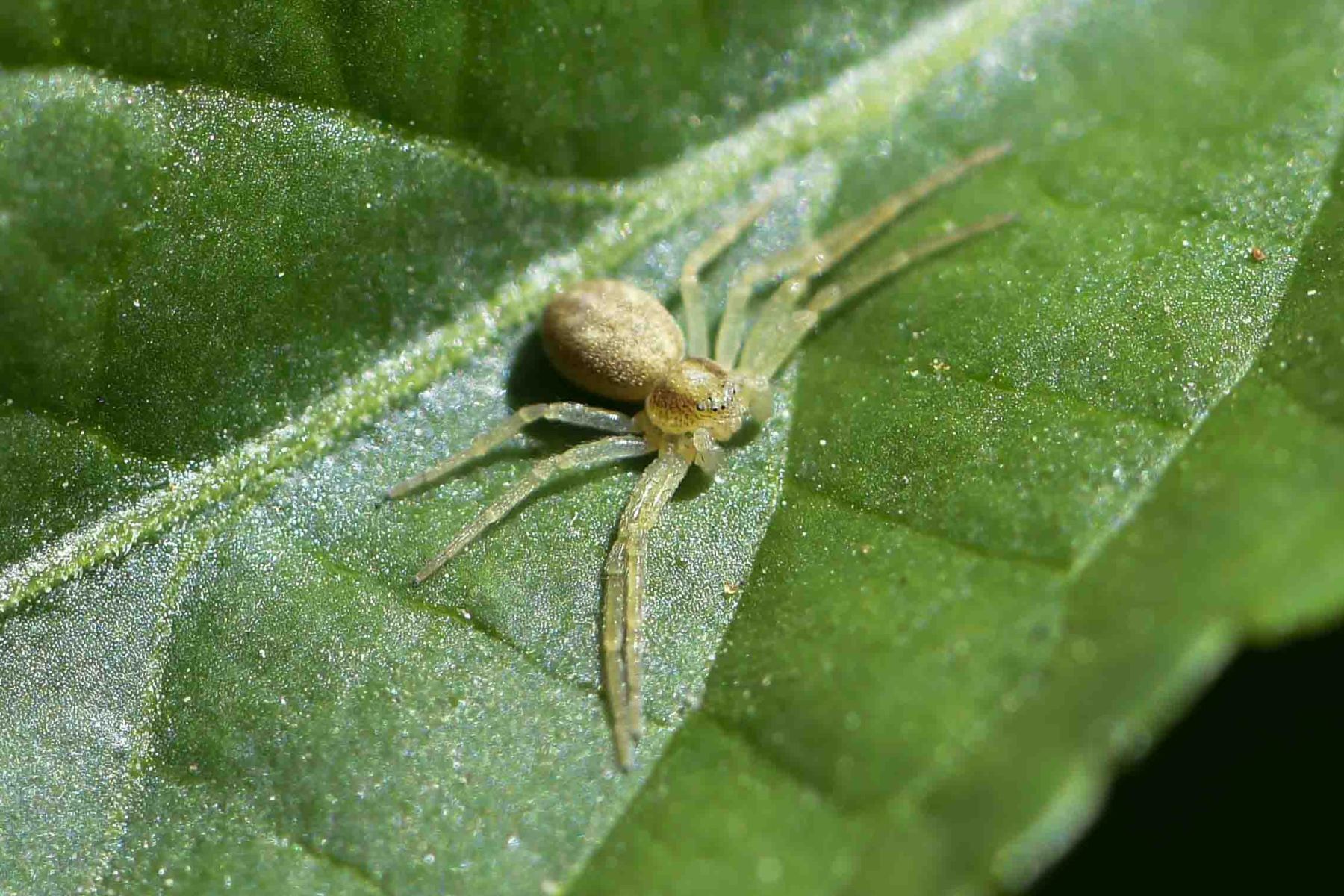
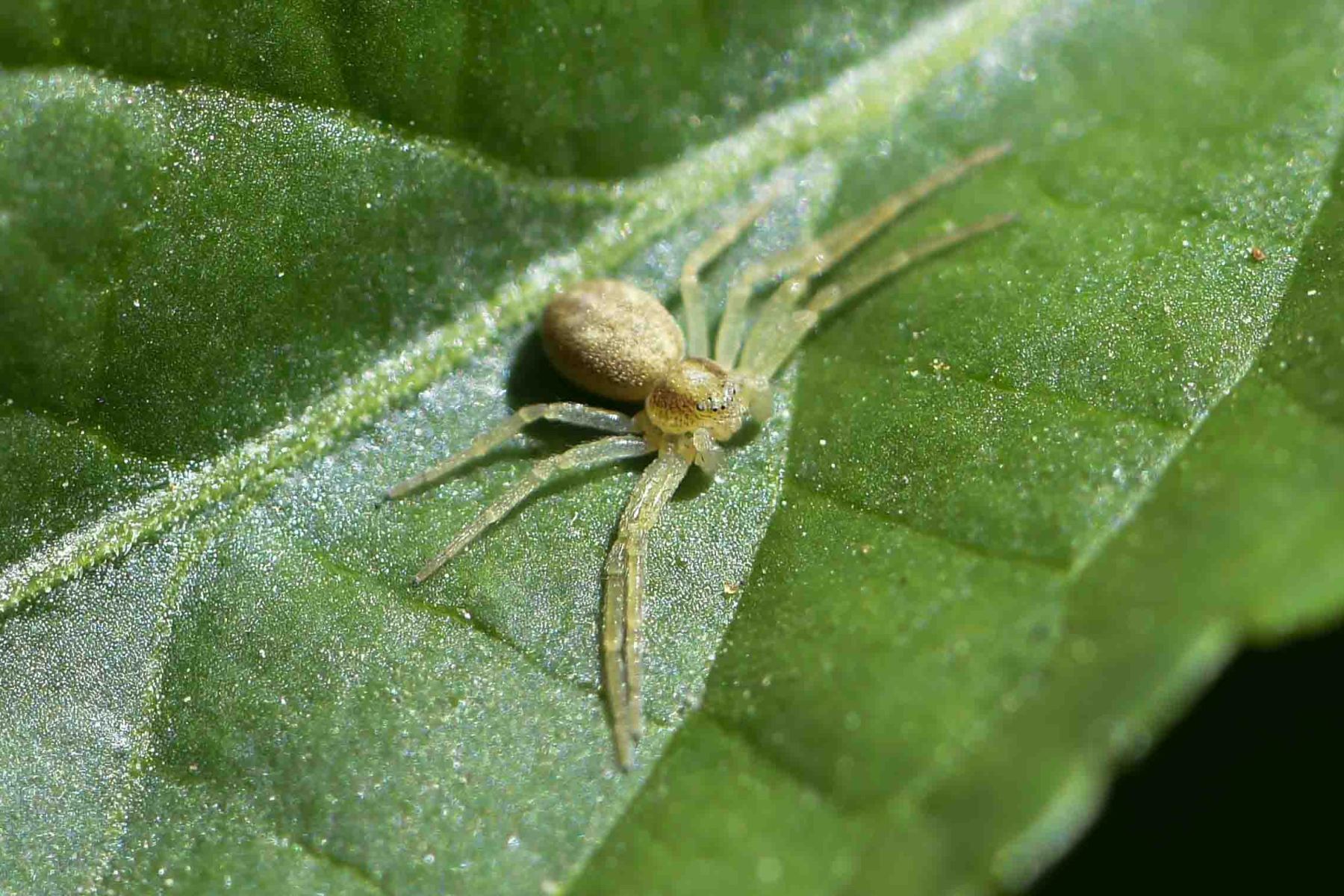
Surprisingly, I discovered a little spider, Philodromus agg., which Colin and I had also found the day previously at Loversall Delf in Potteric Carr. This spider is a southern species that is now spreading northwards.
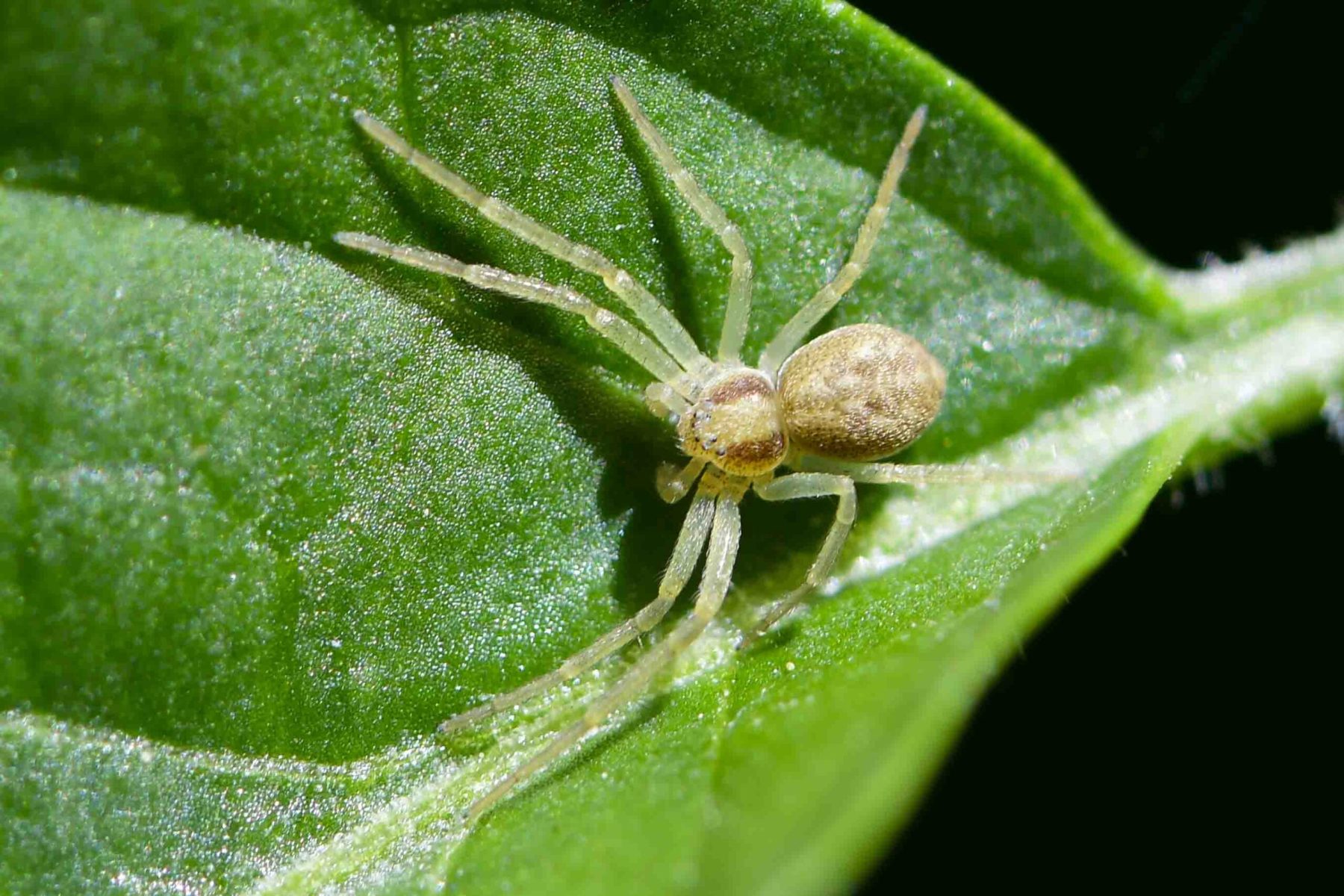
For such a small park (created when the sewage treatment works where removed) it is a interesting site, and with the remodeling of the pond recently, which is just beginning to show signs of aquatic plant regrowth, it can only improve
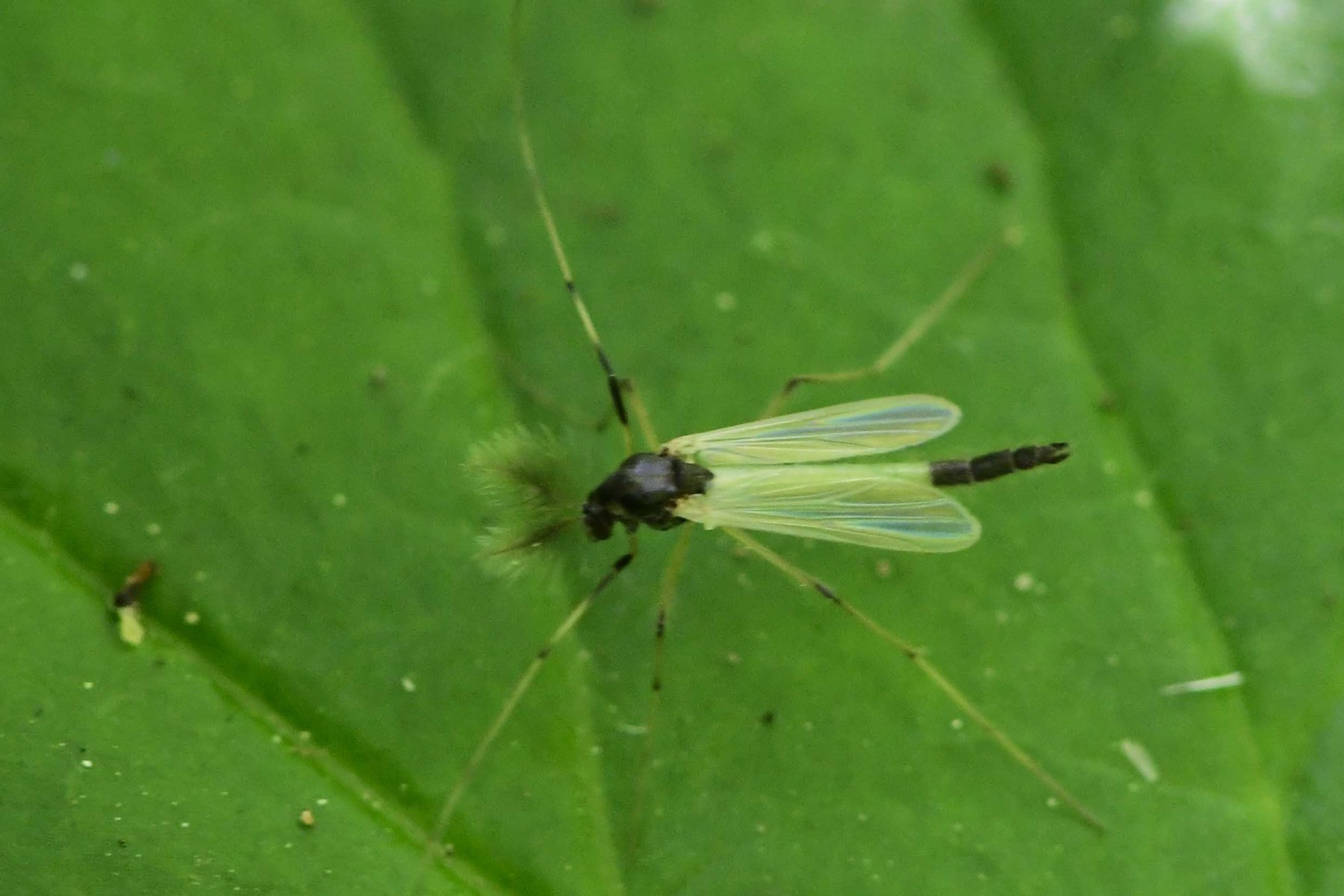
One of the interesting species that appeared fleetingly on a leaf (just time for one photo) was a midge with yellow wings. It took a lot of googling to discover that it is a on-biting midge from the Chironomidae family, Microtendipes pedellus (ID confirmed by Andy Grayson)
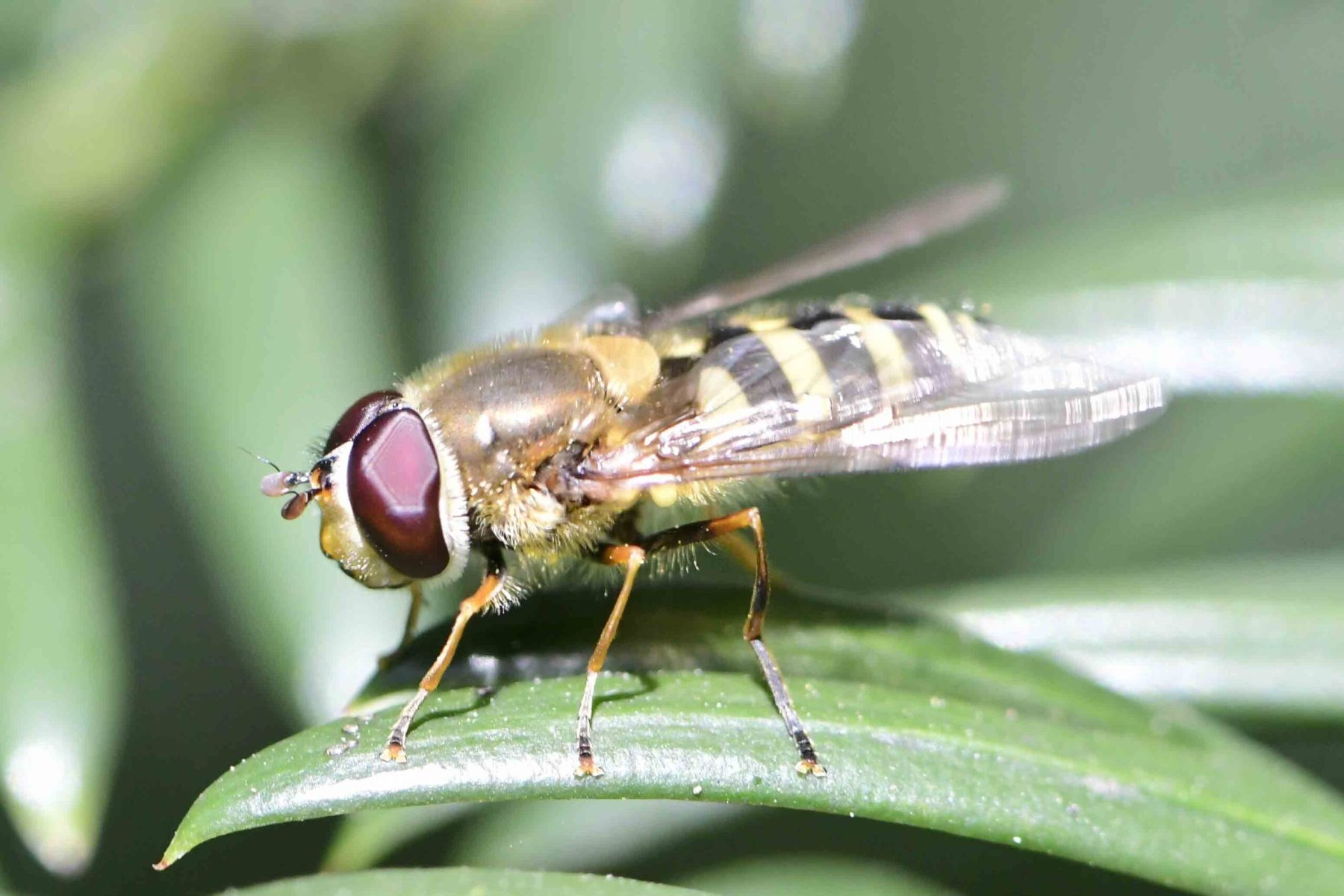
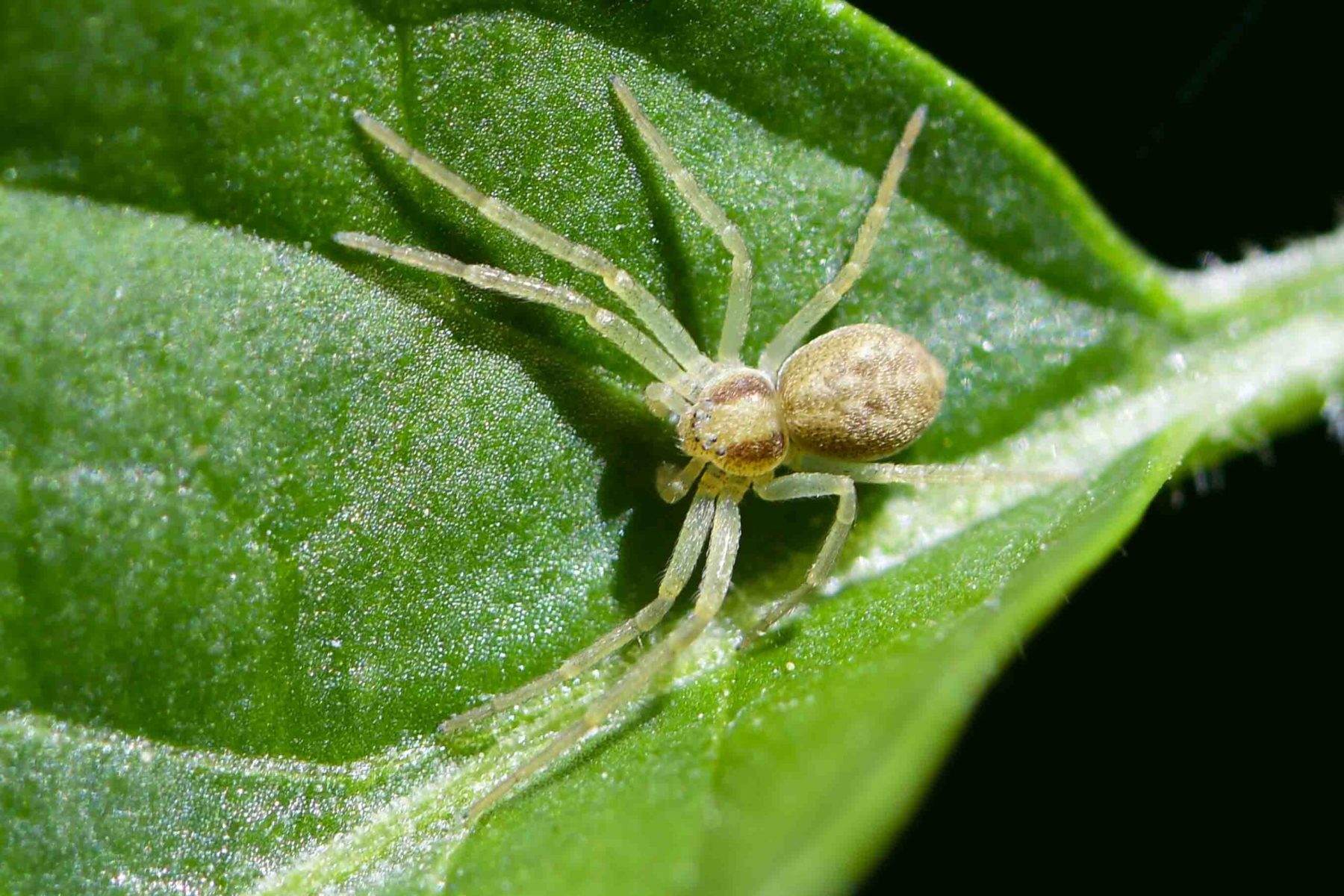
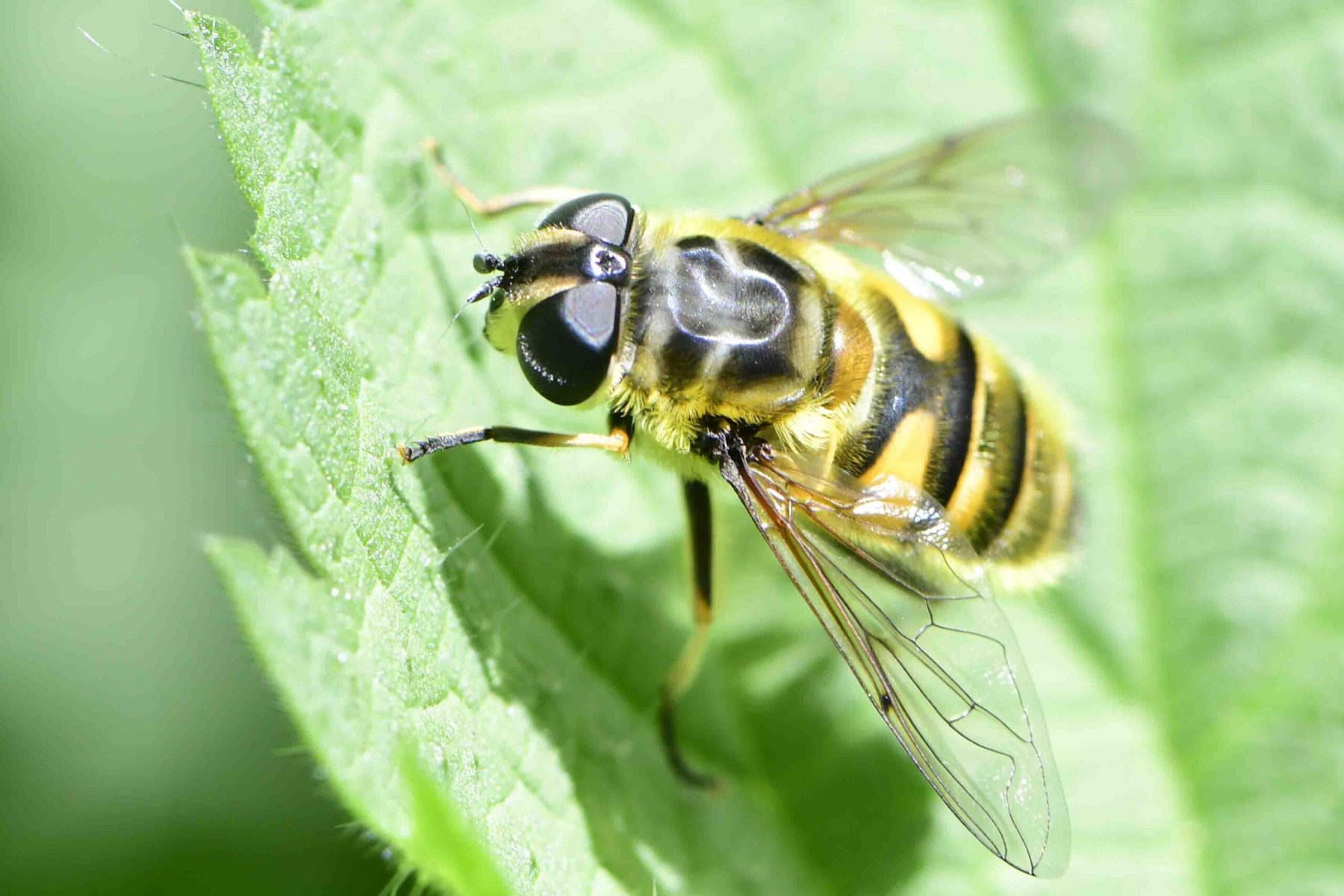
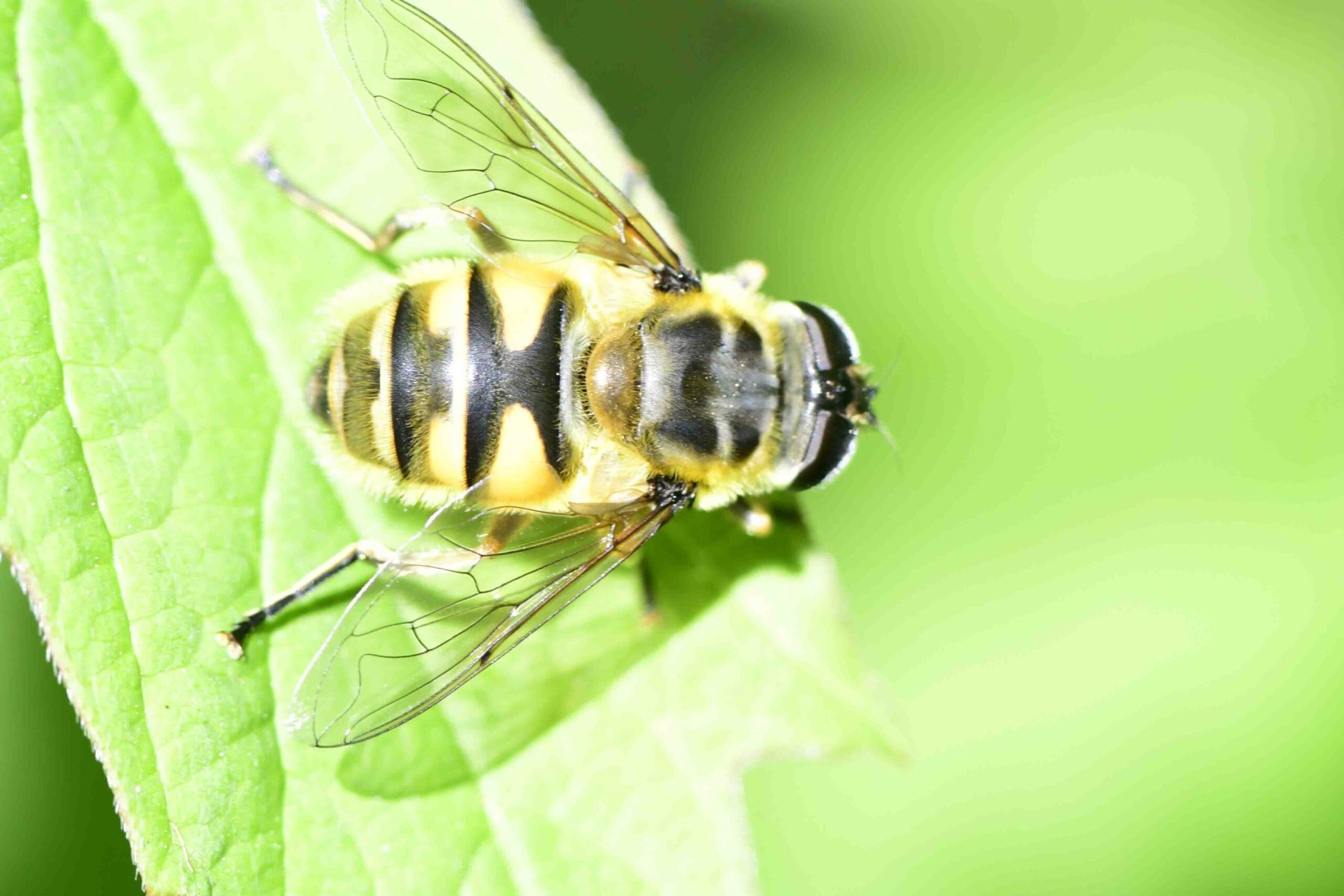
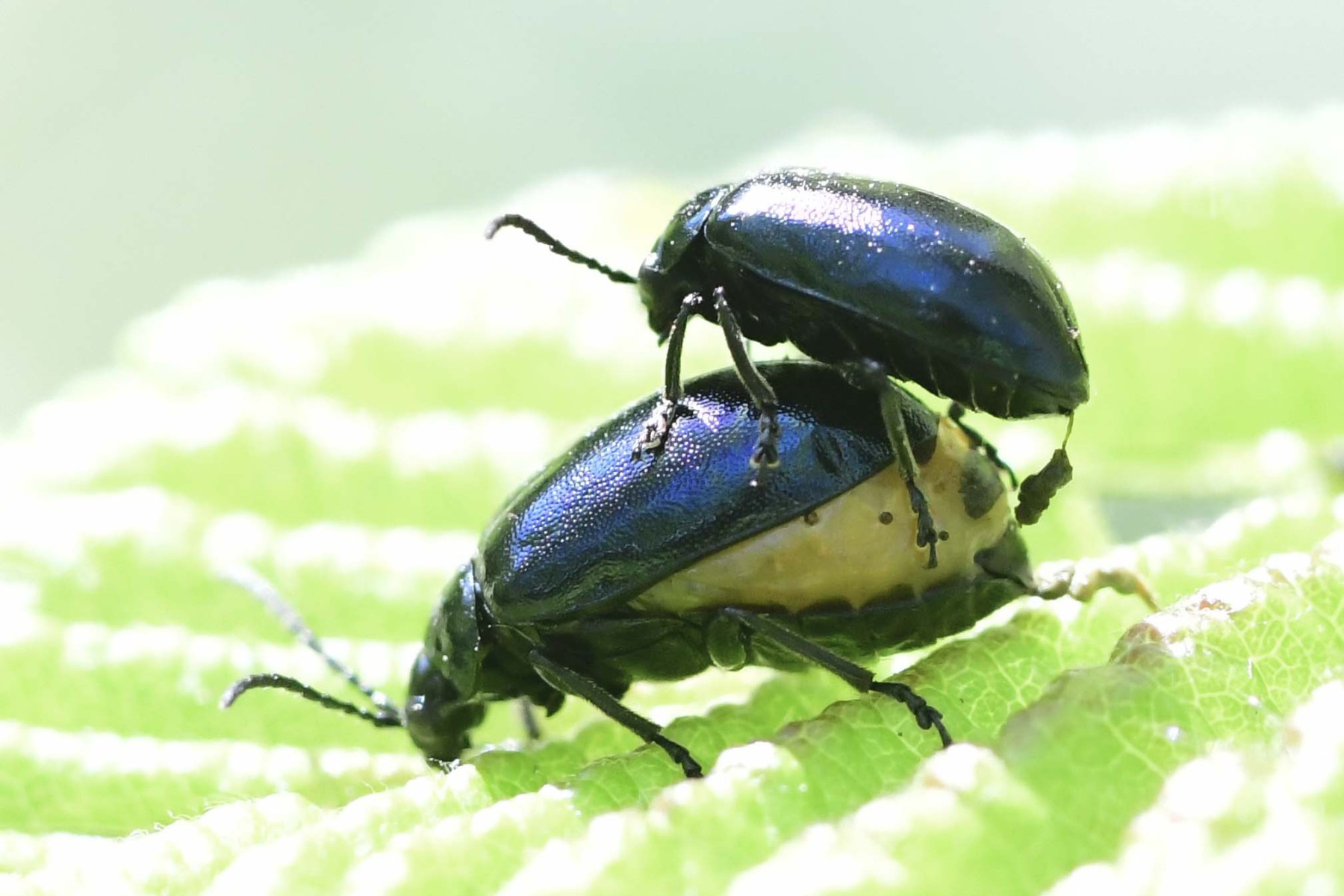
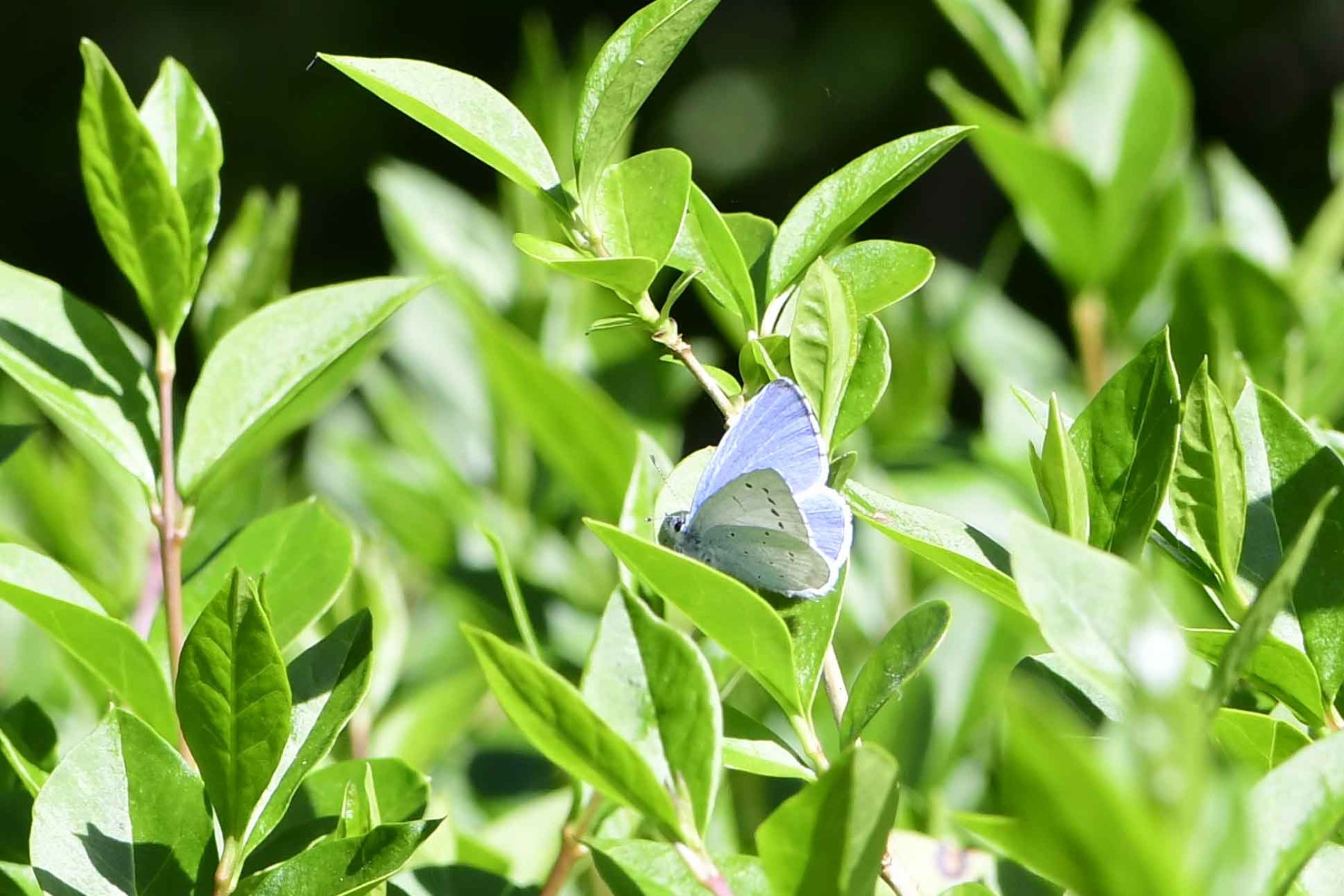
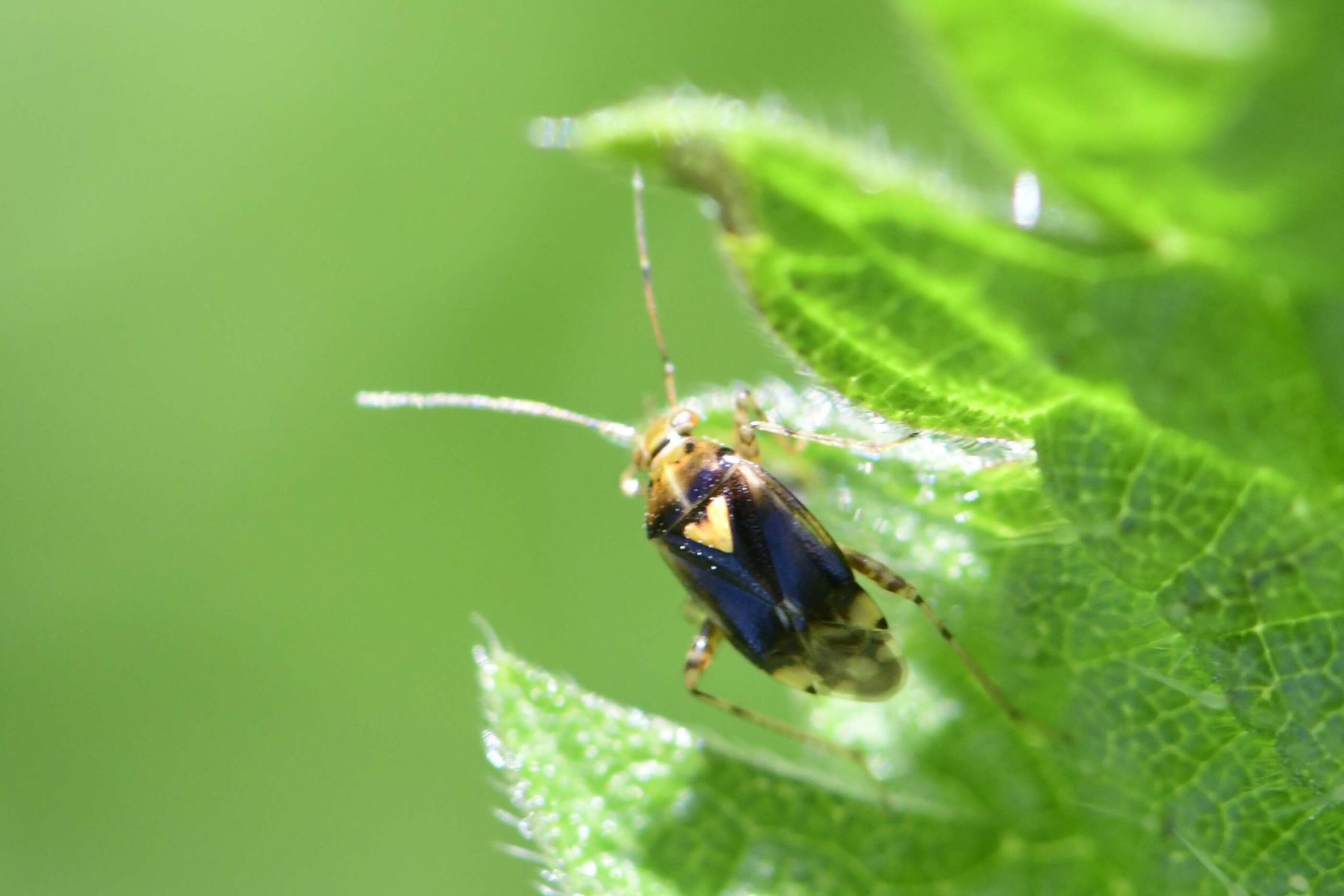
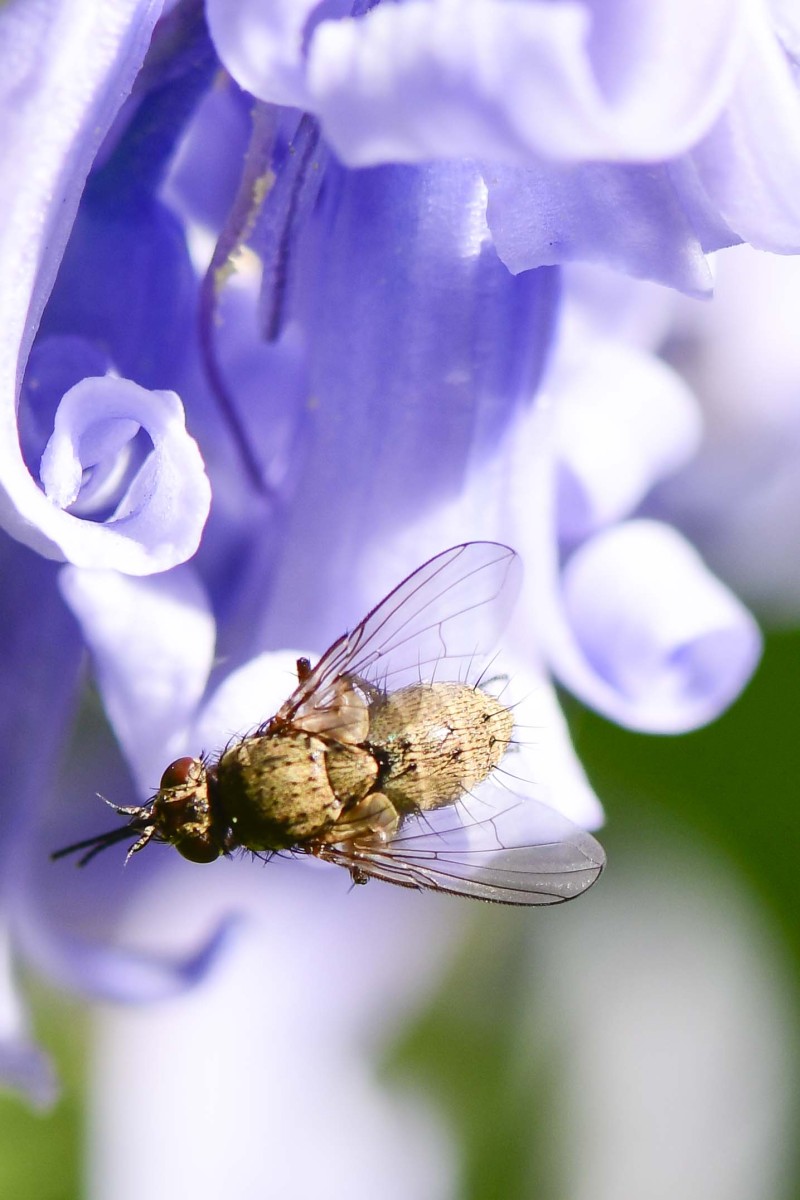
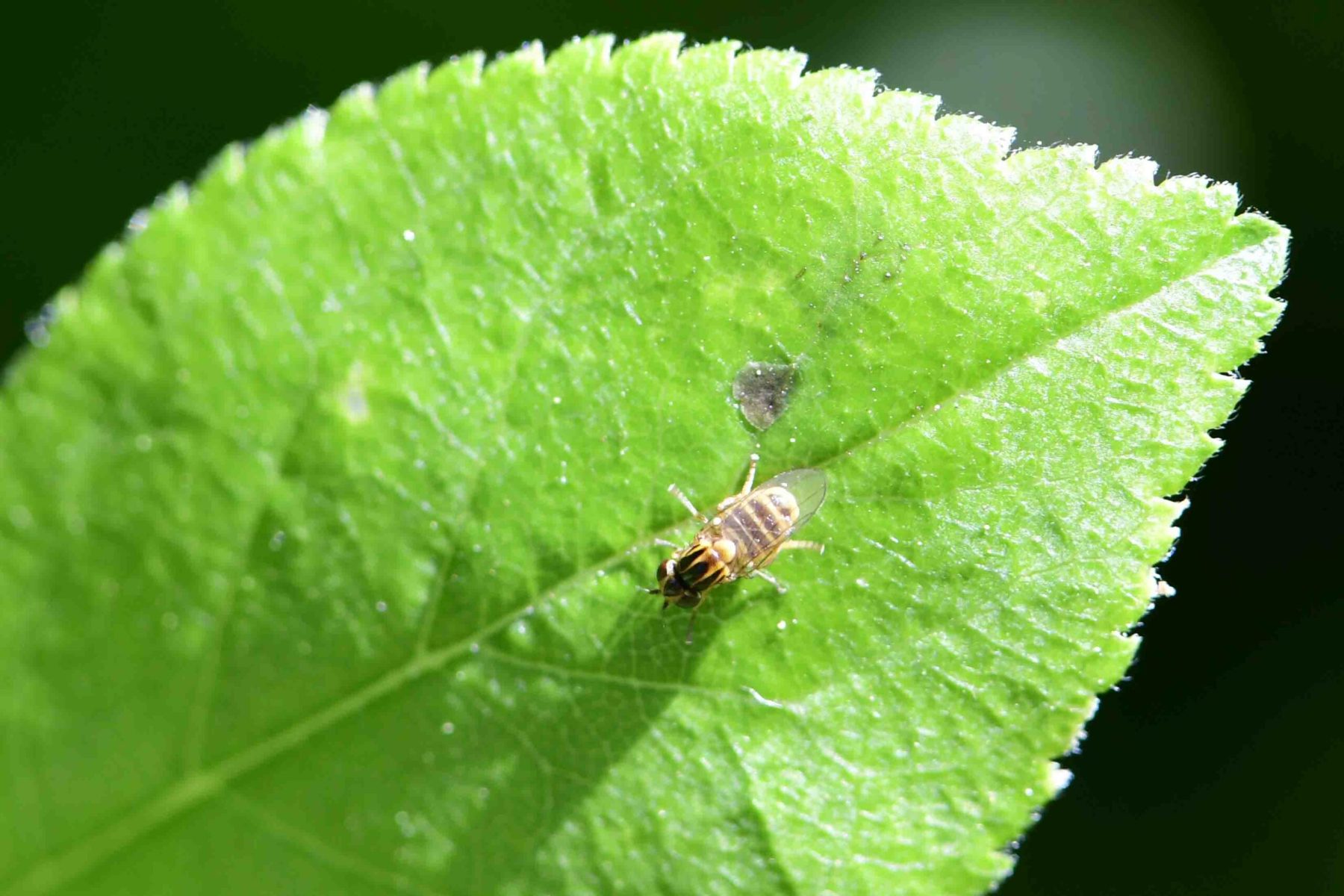
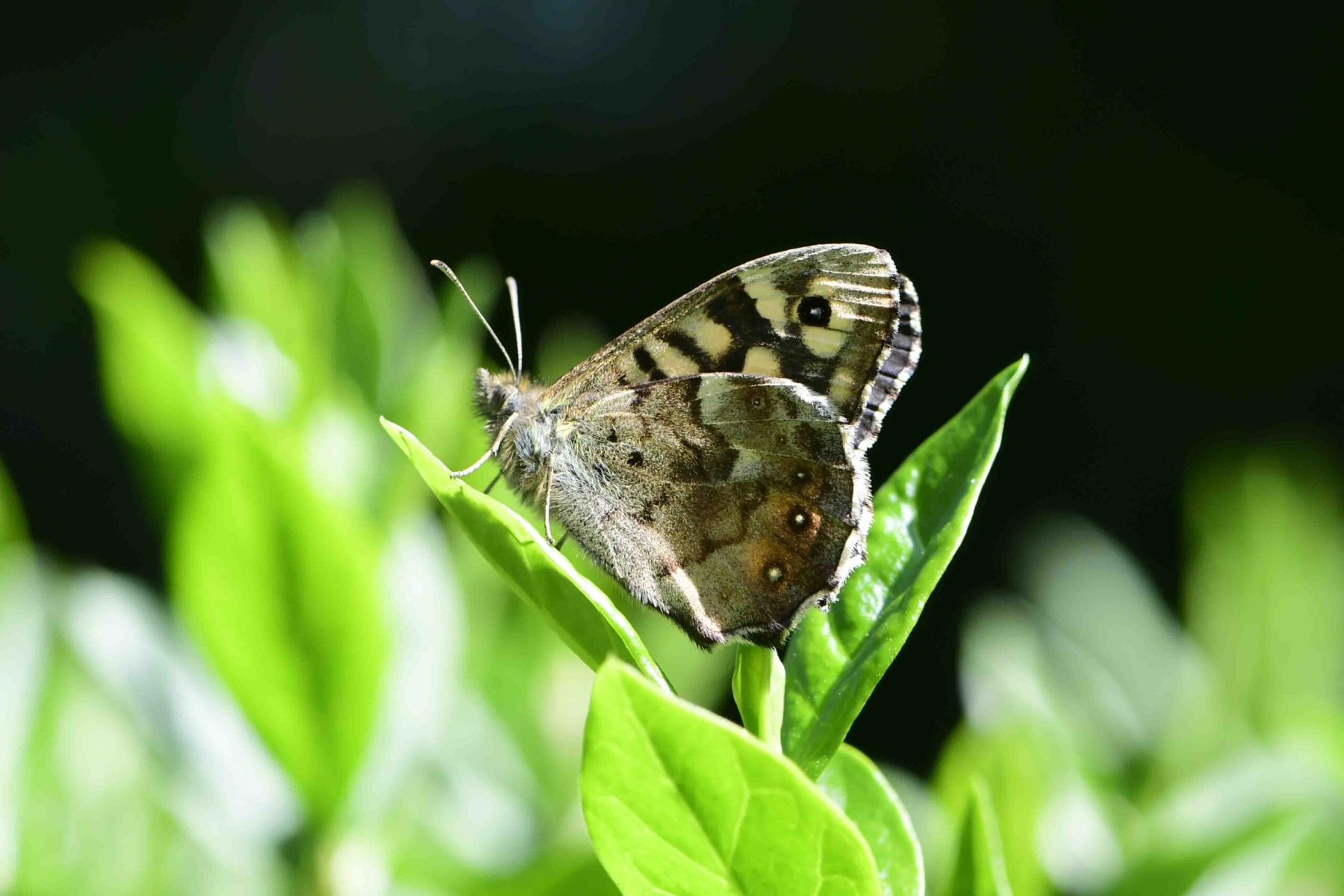
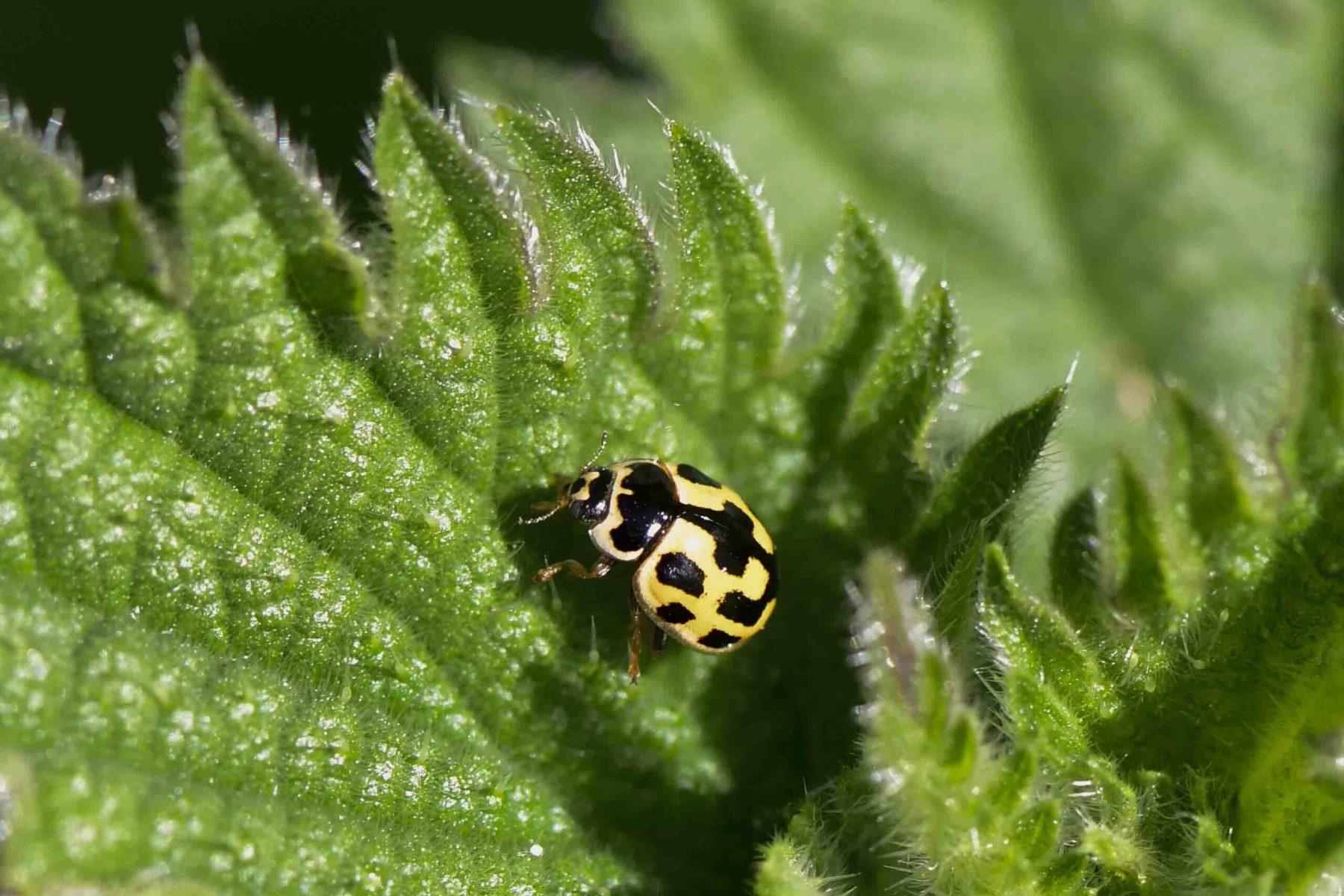
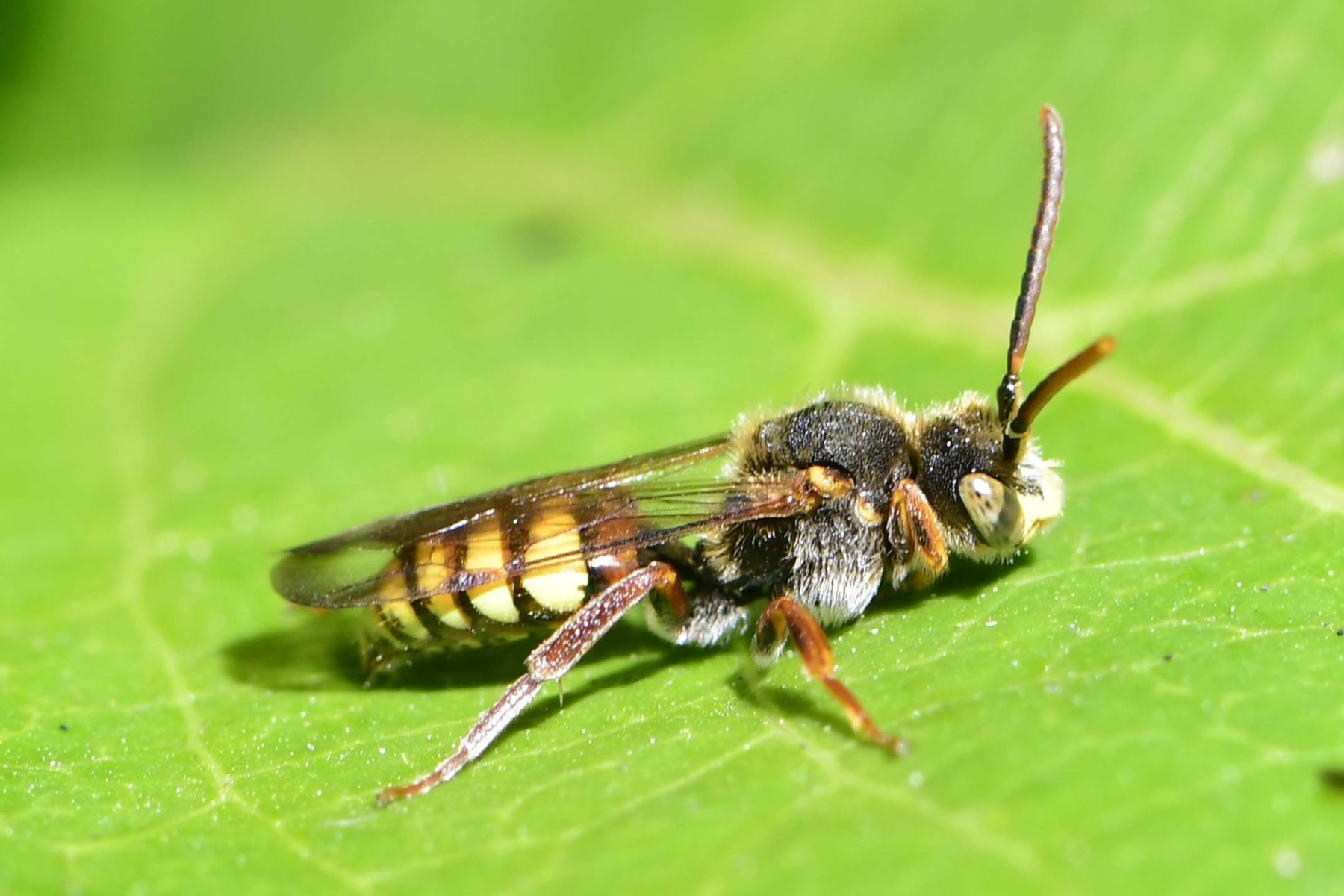
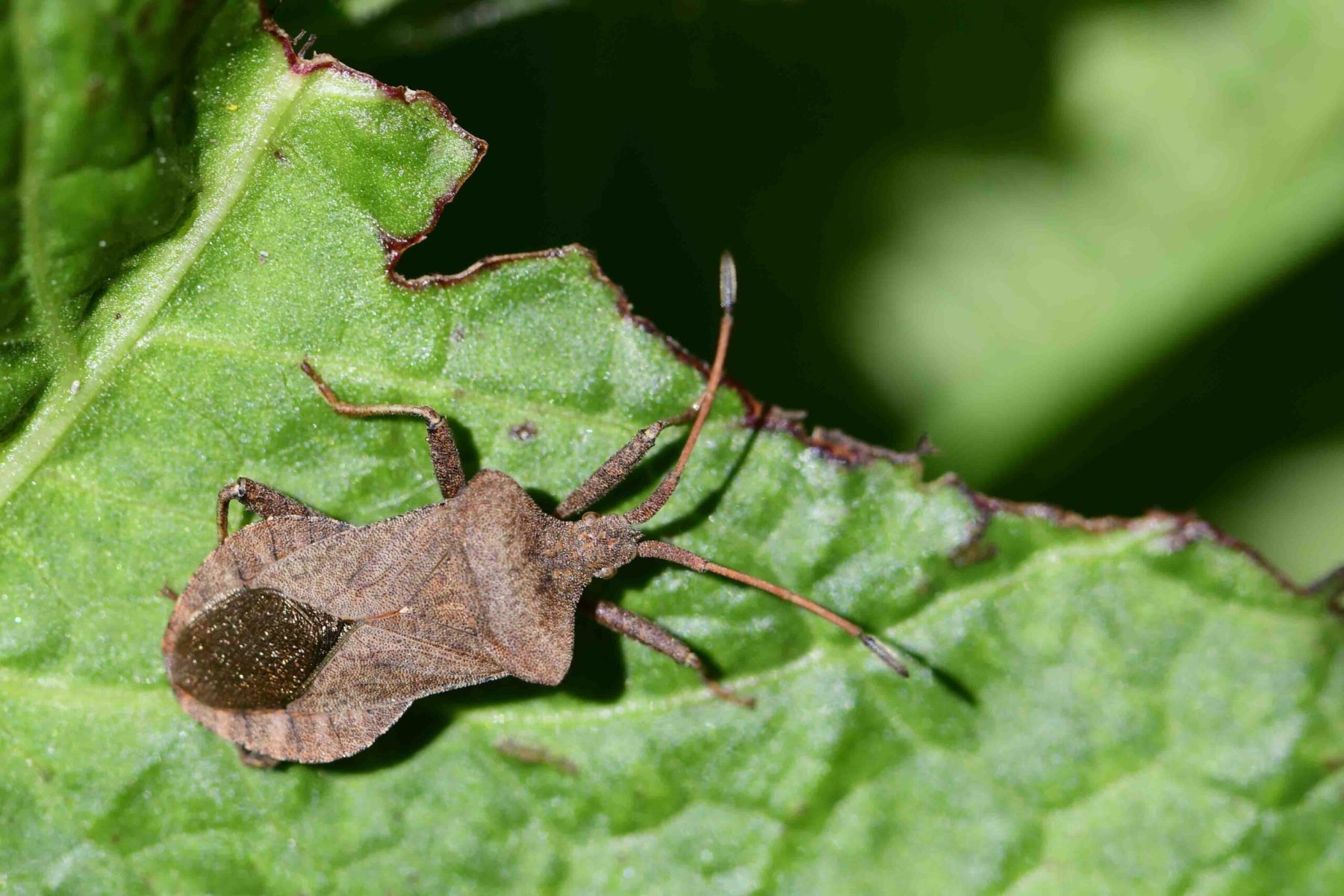

Swinston Hill Wood, Dinnington, April 27
Passing through the wood and a few insect caught my eye.
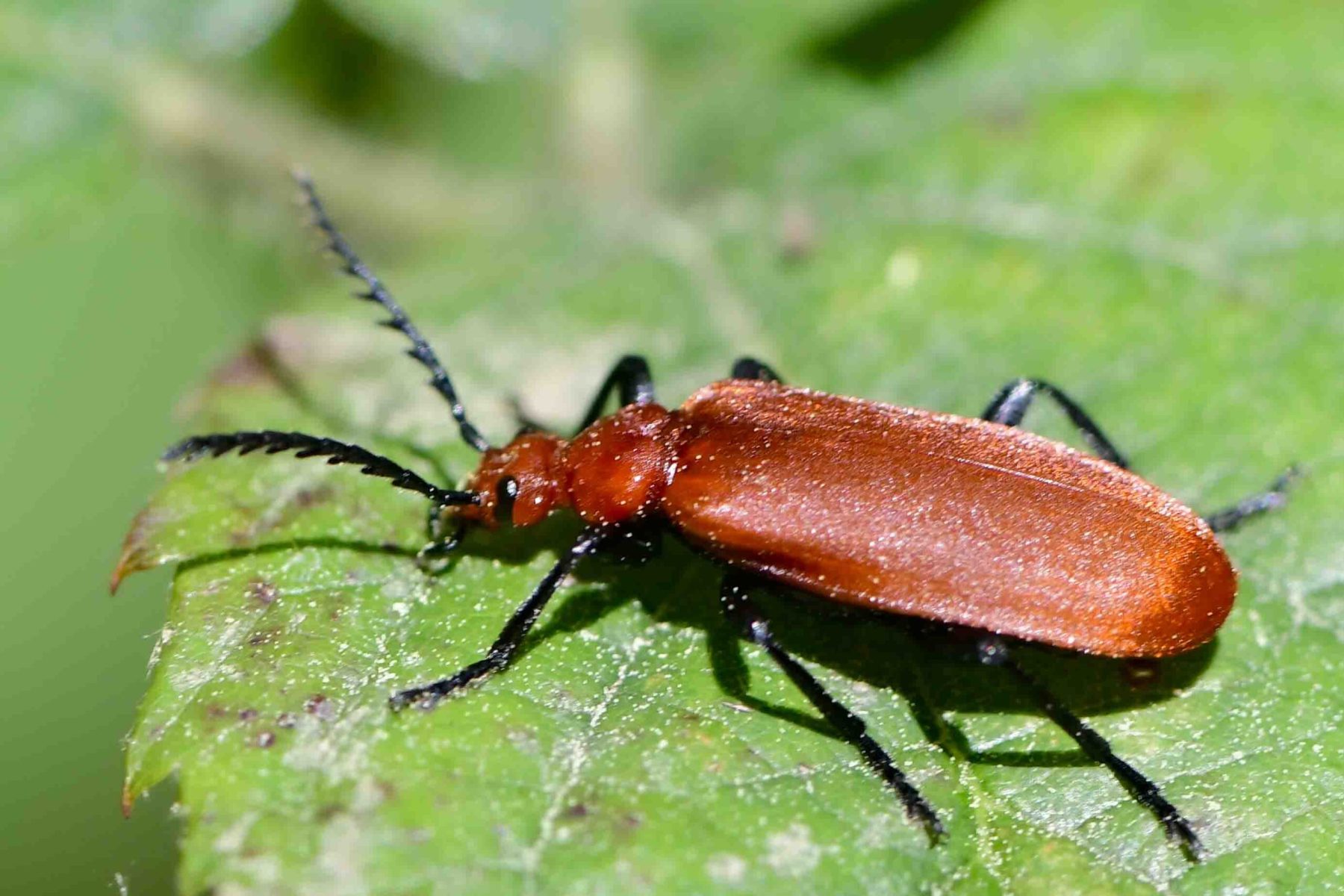

Langold Lake C.P., April 23
A pleasant walk around the lake on a warm sunny morning.
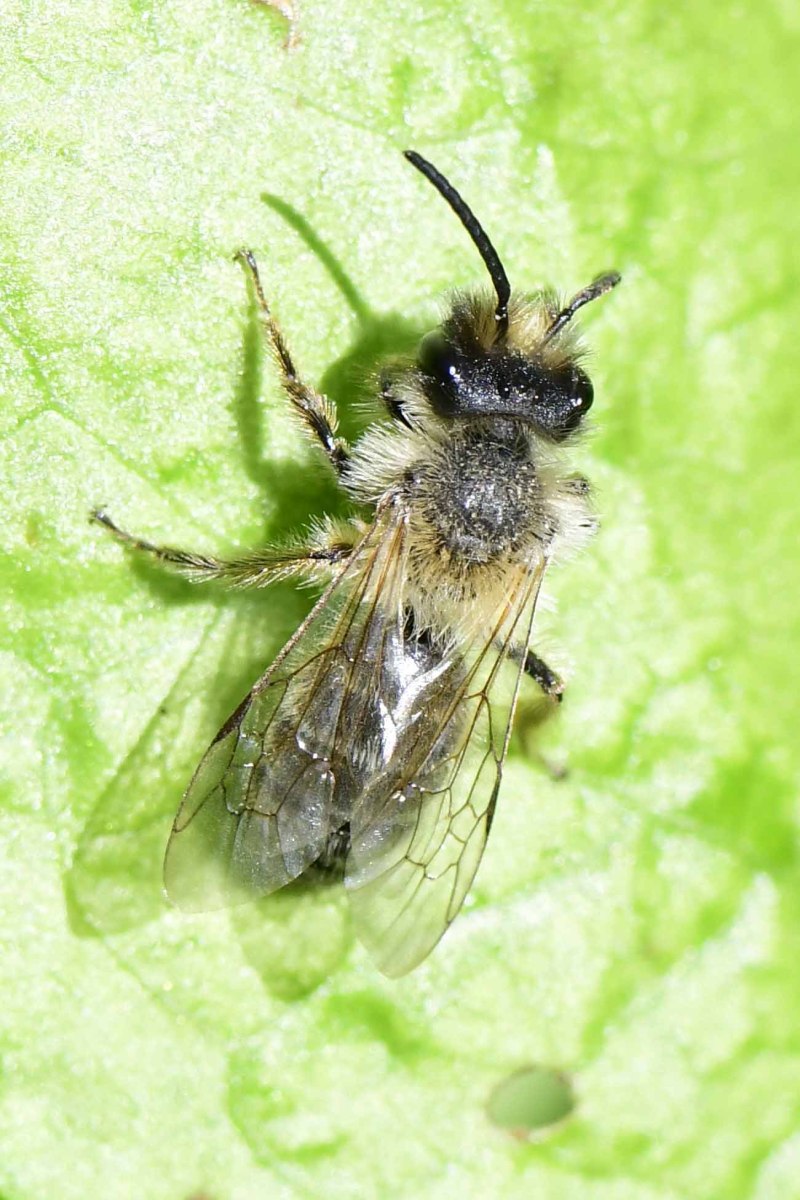
Plenty of Nomada Bees, Alderflies, Hoverflies and the occasional spider enjoying the warm sunshine.
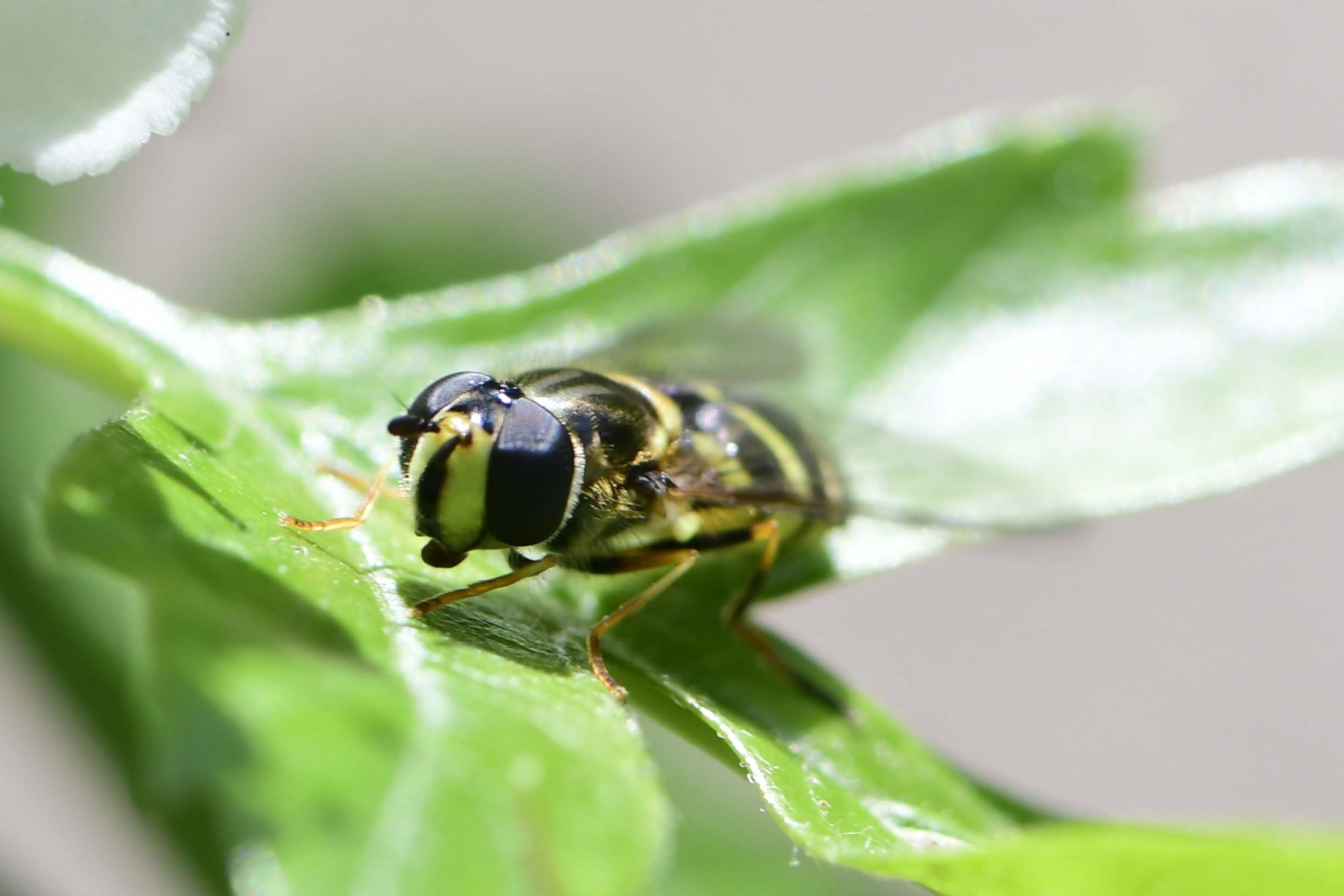
Eupeodes luniger photo has been accepted on iRecord as a correct ID (Roger Morris)
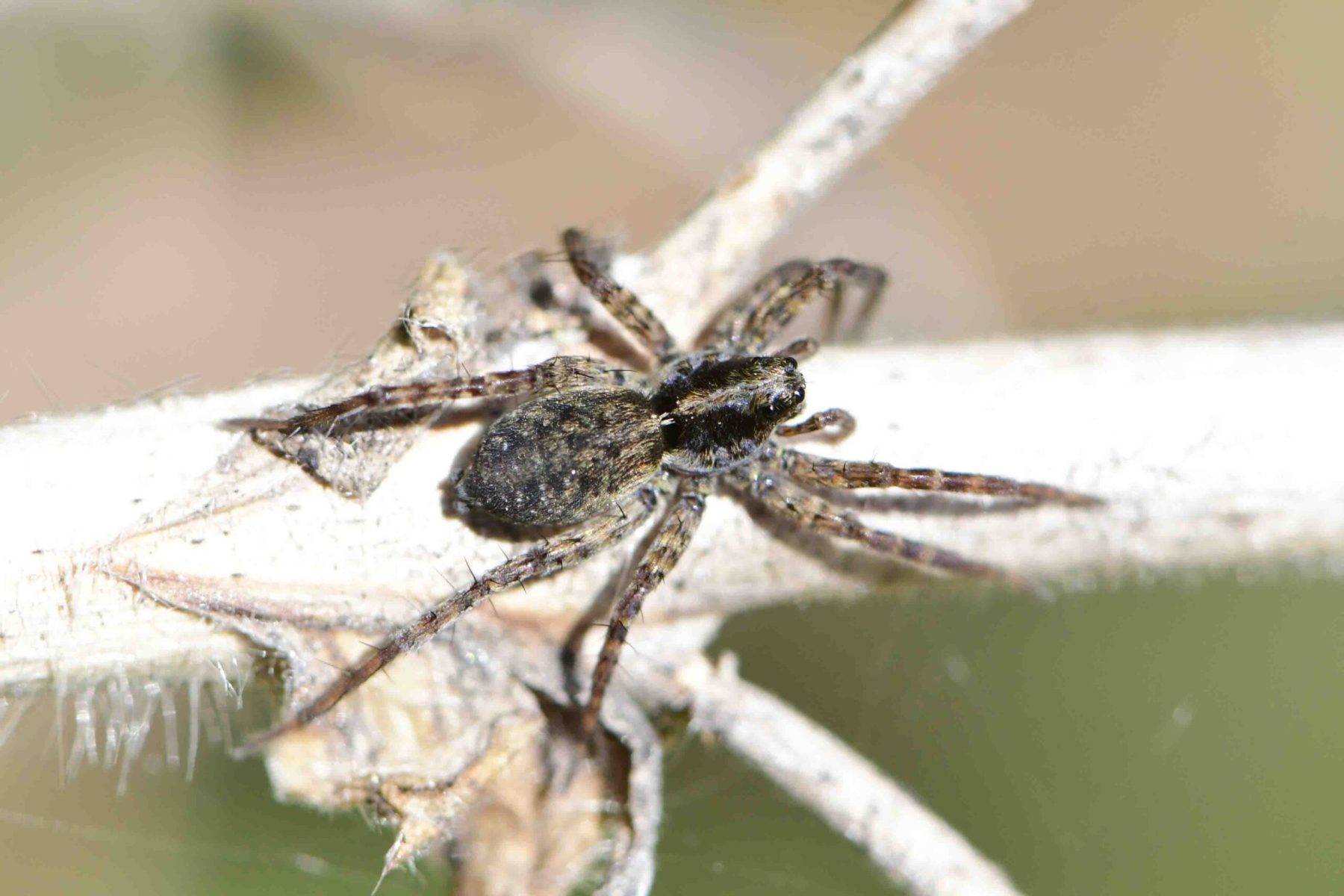
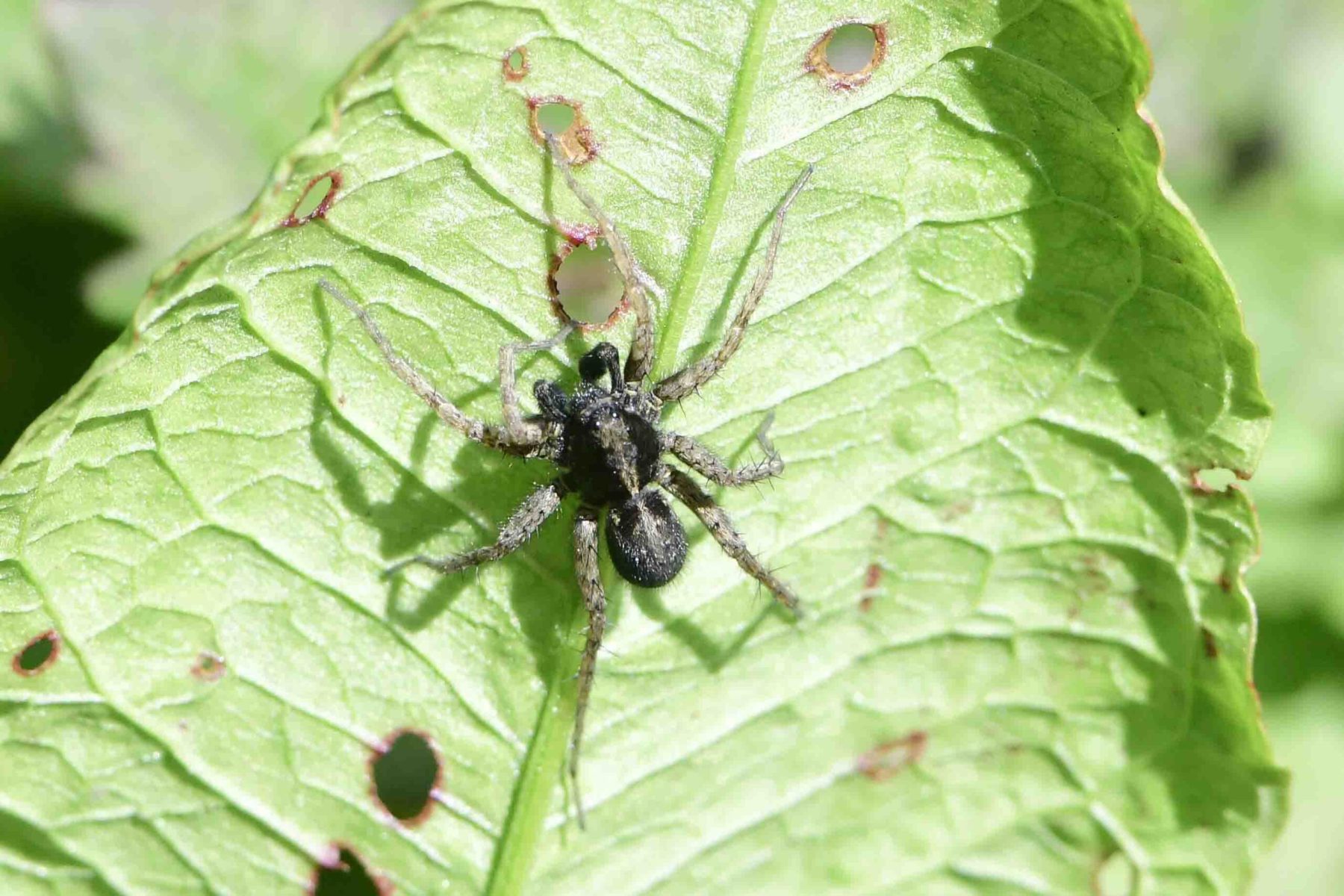


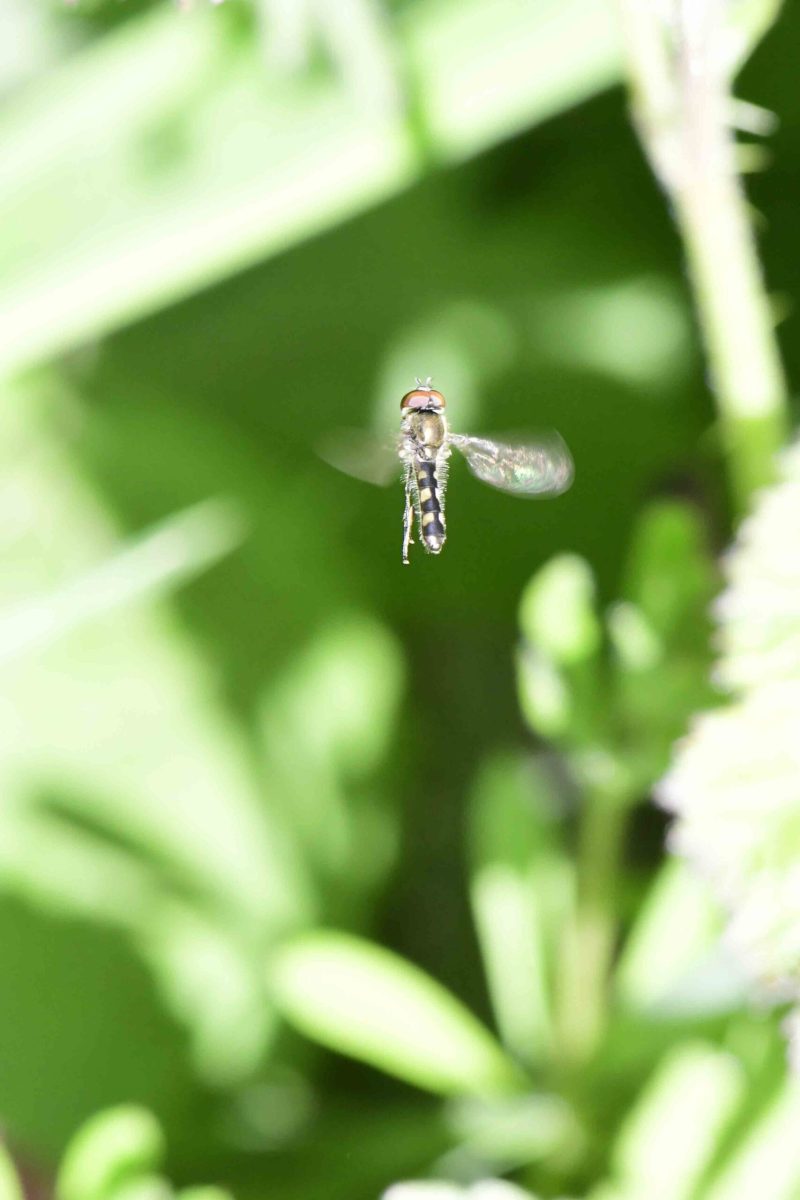

Sherwood Forest, April 22
I came across a large parch of Bilberry on which a Conops vesicularis was feeding.
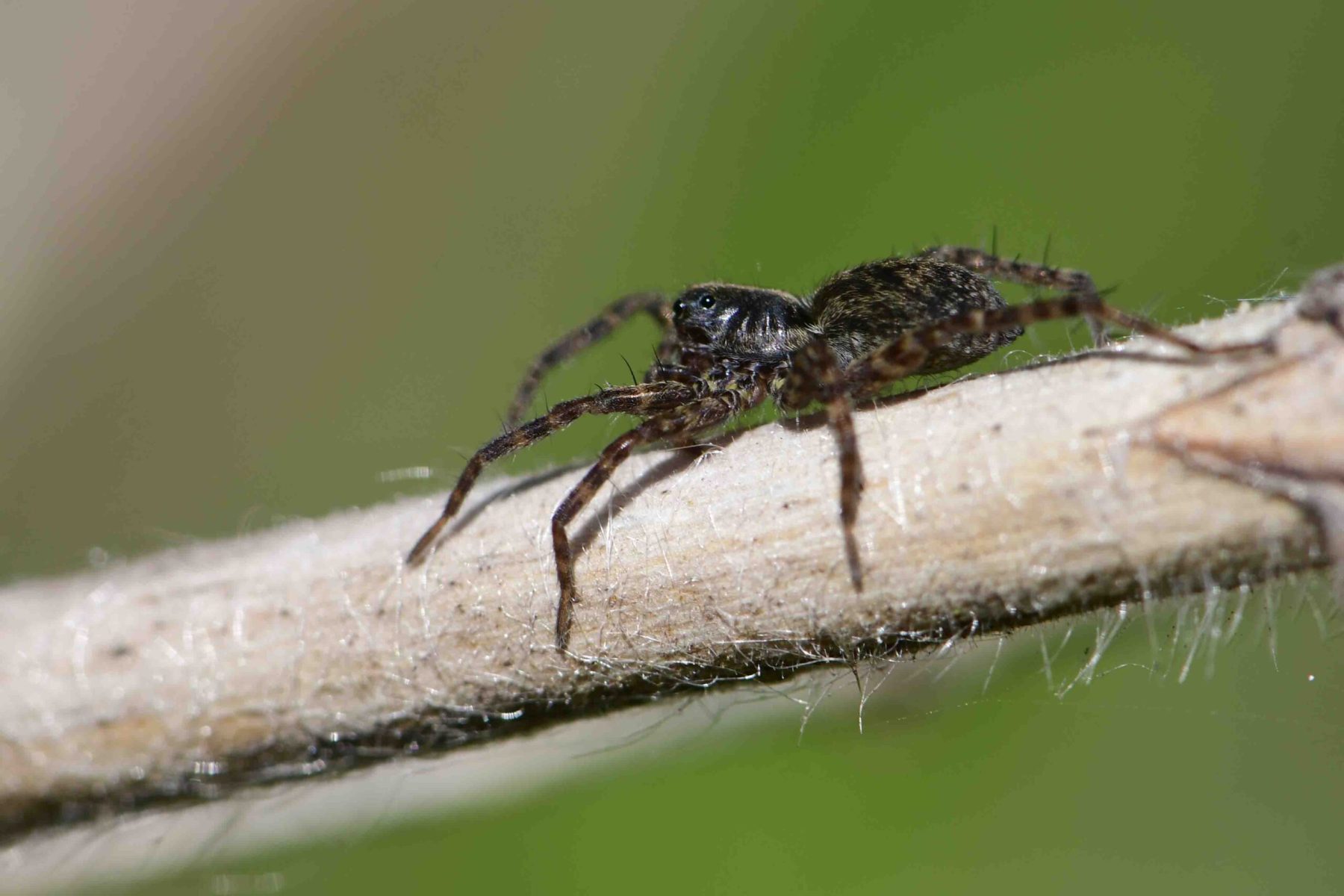
Also plenty of spiders in the leaf litter.


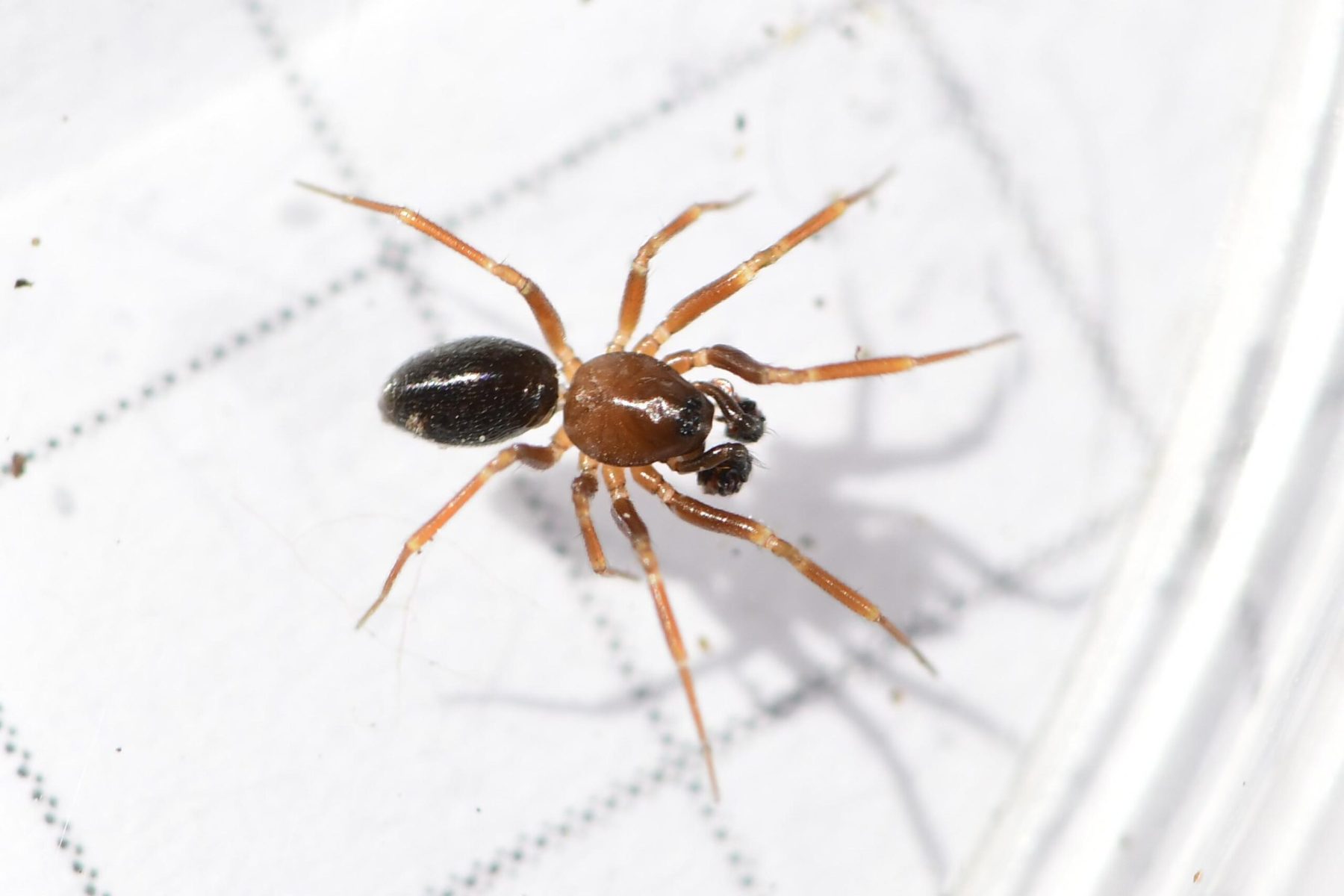
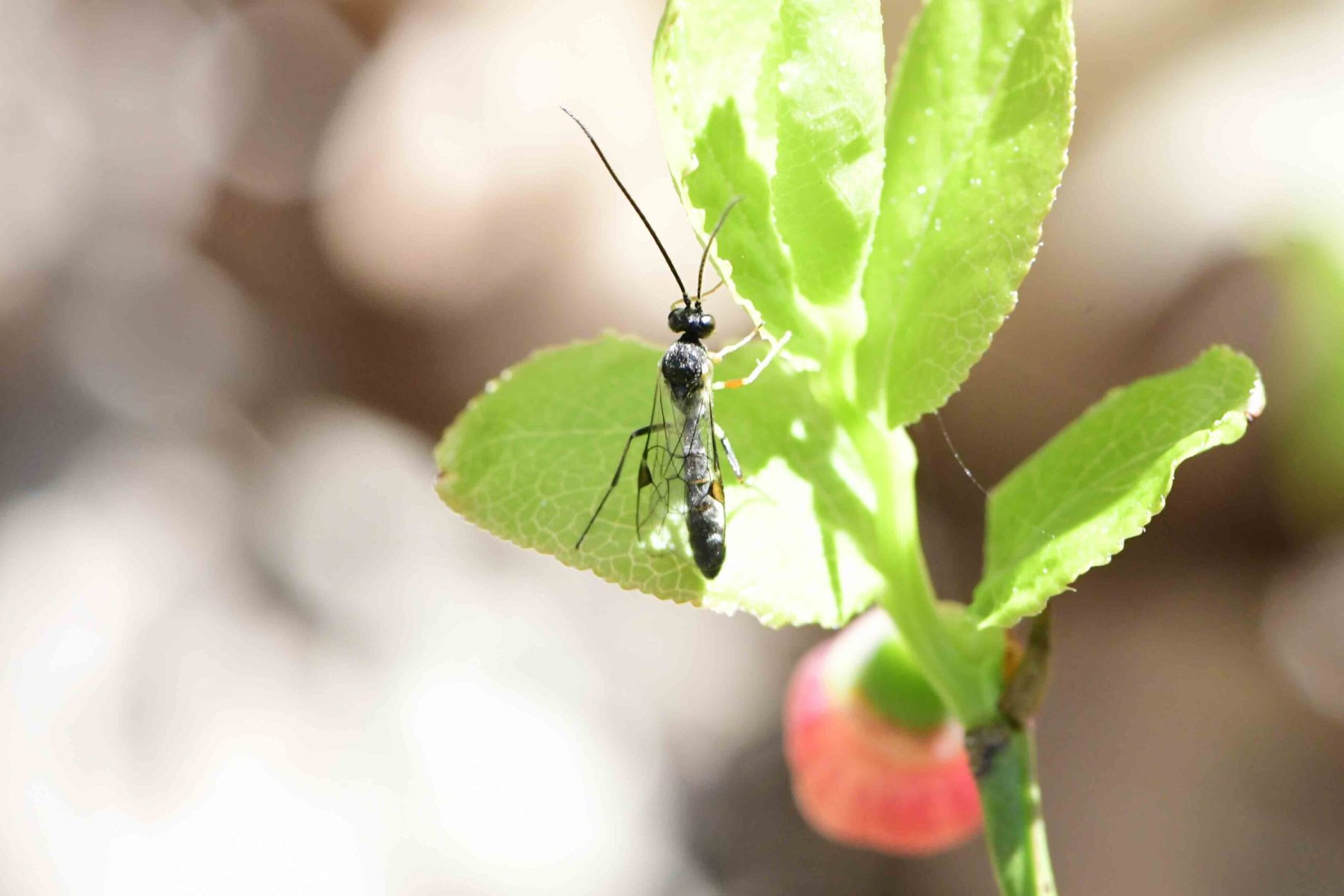
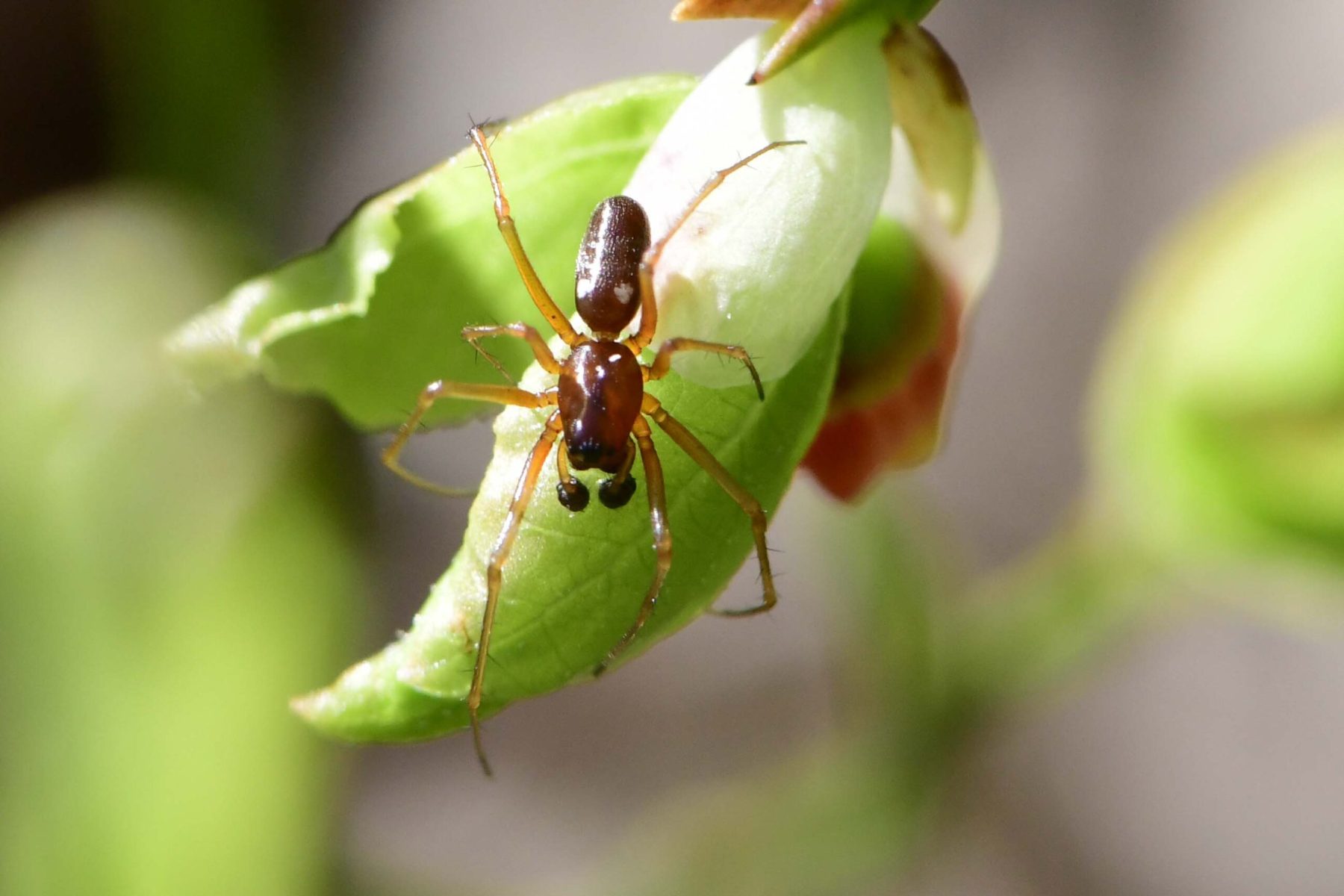
Dinnington Community Woodland, April 20

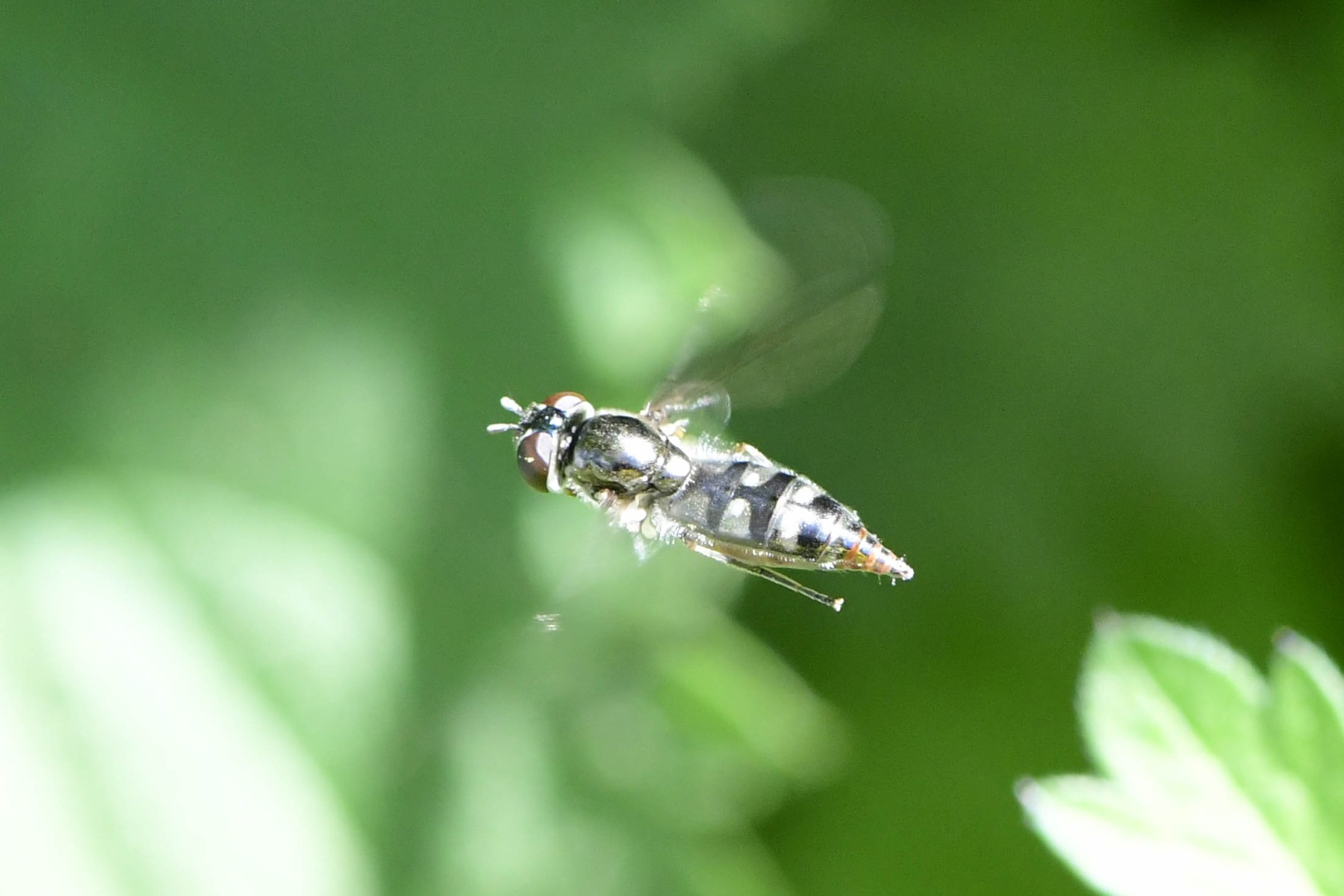
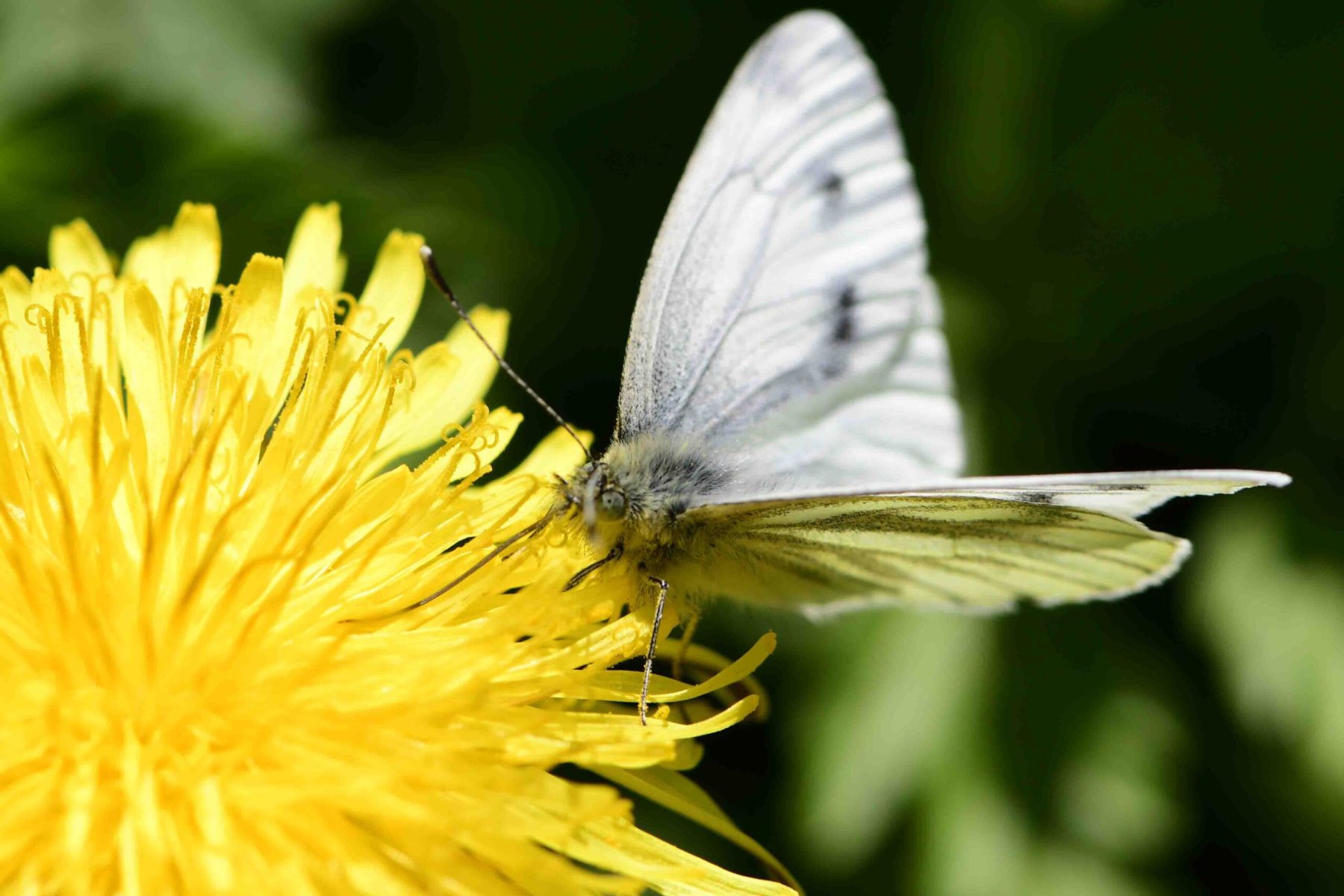
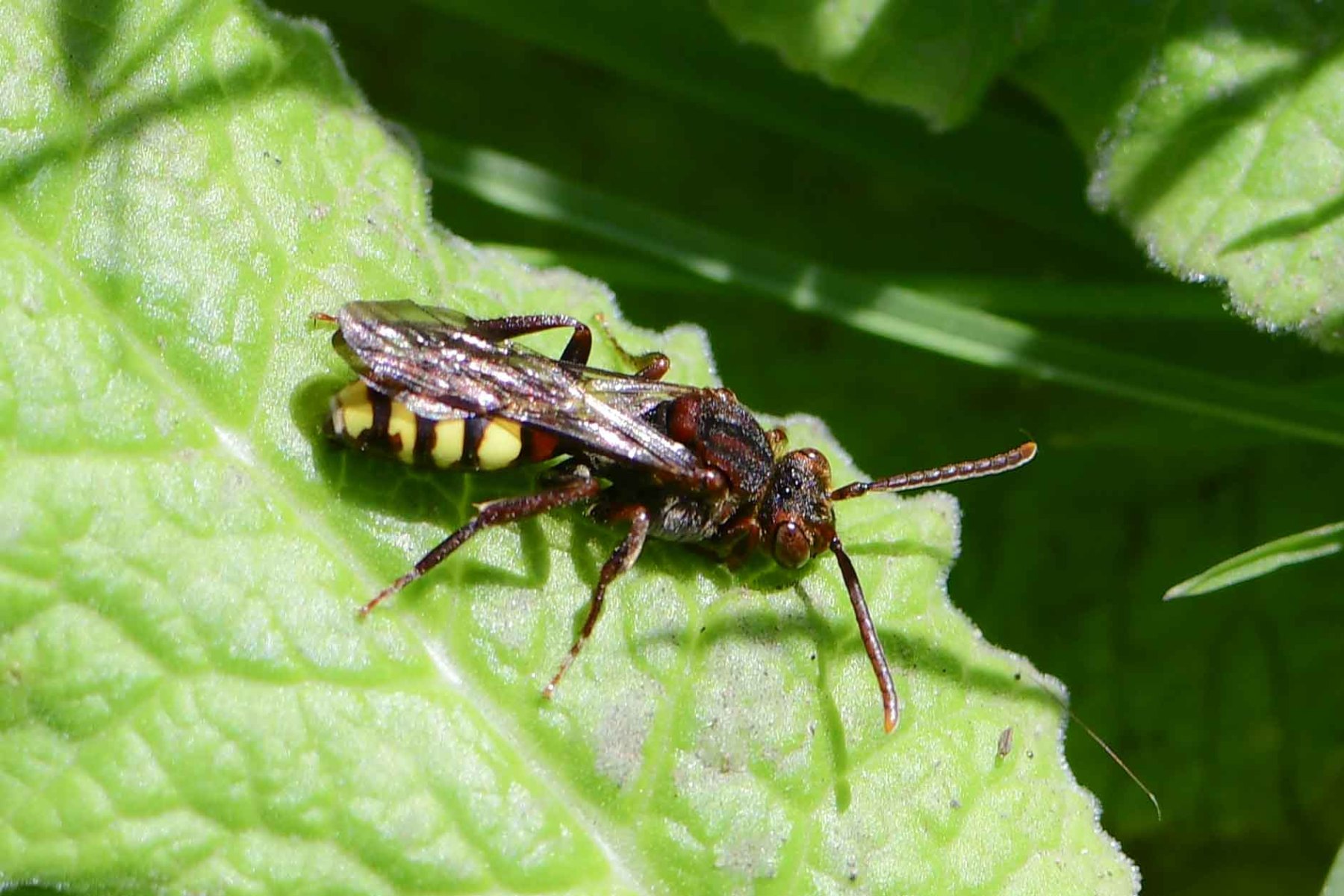

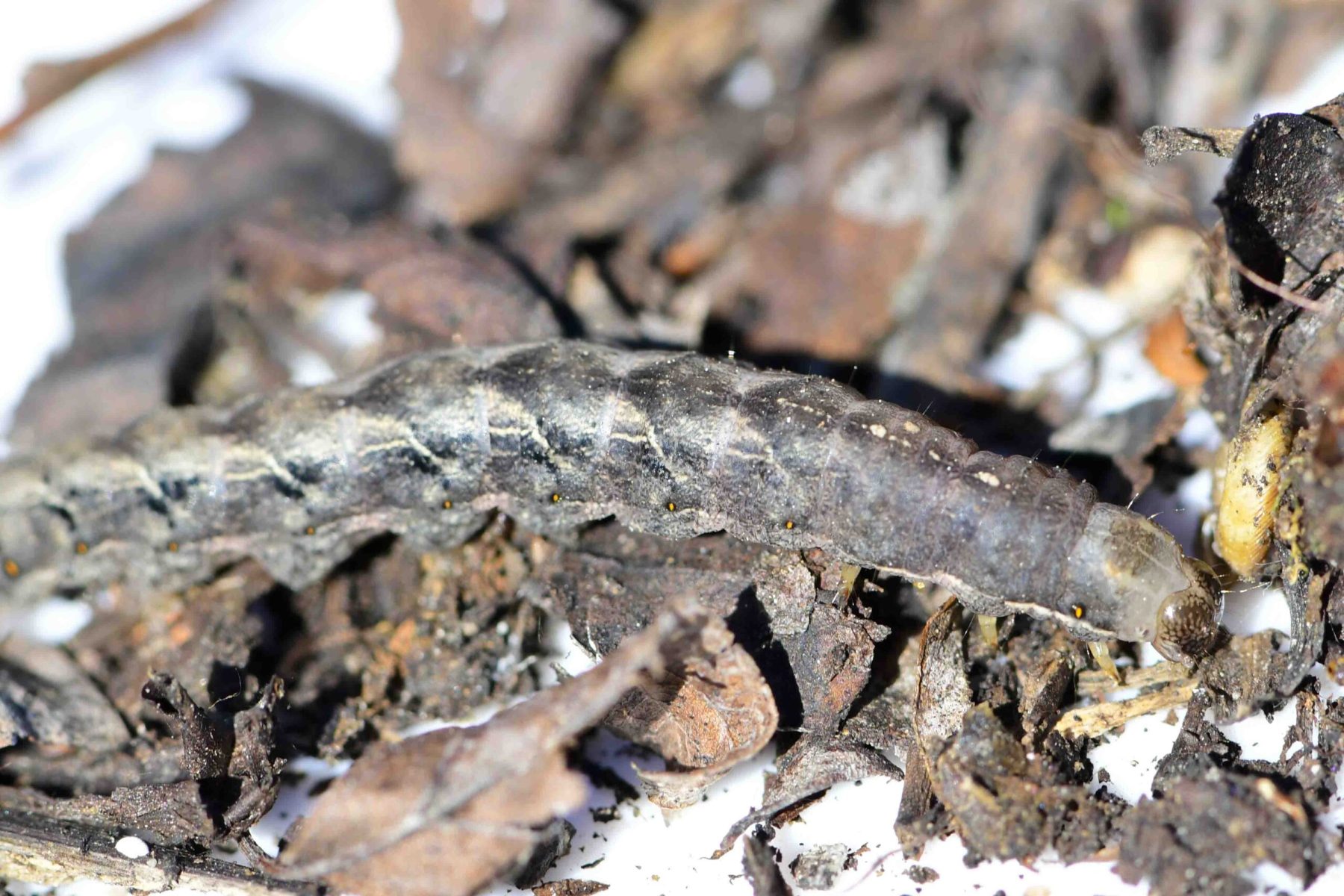
Butterflies seen Small White, Green-veined White, Peacock, Orange Tip, Brimstone.
Clumber Park, 19 April
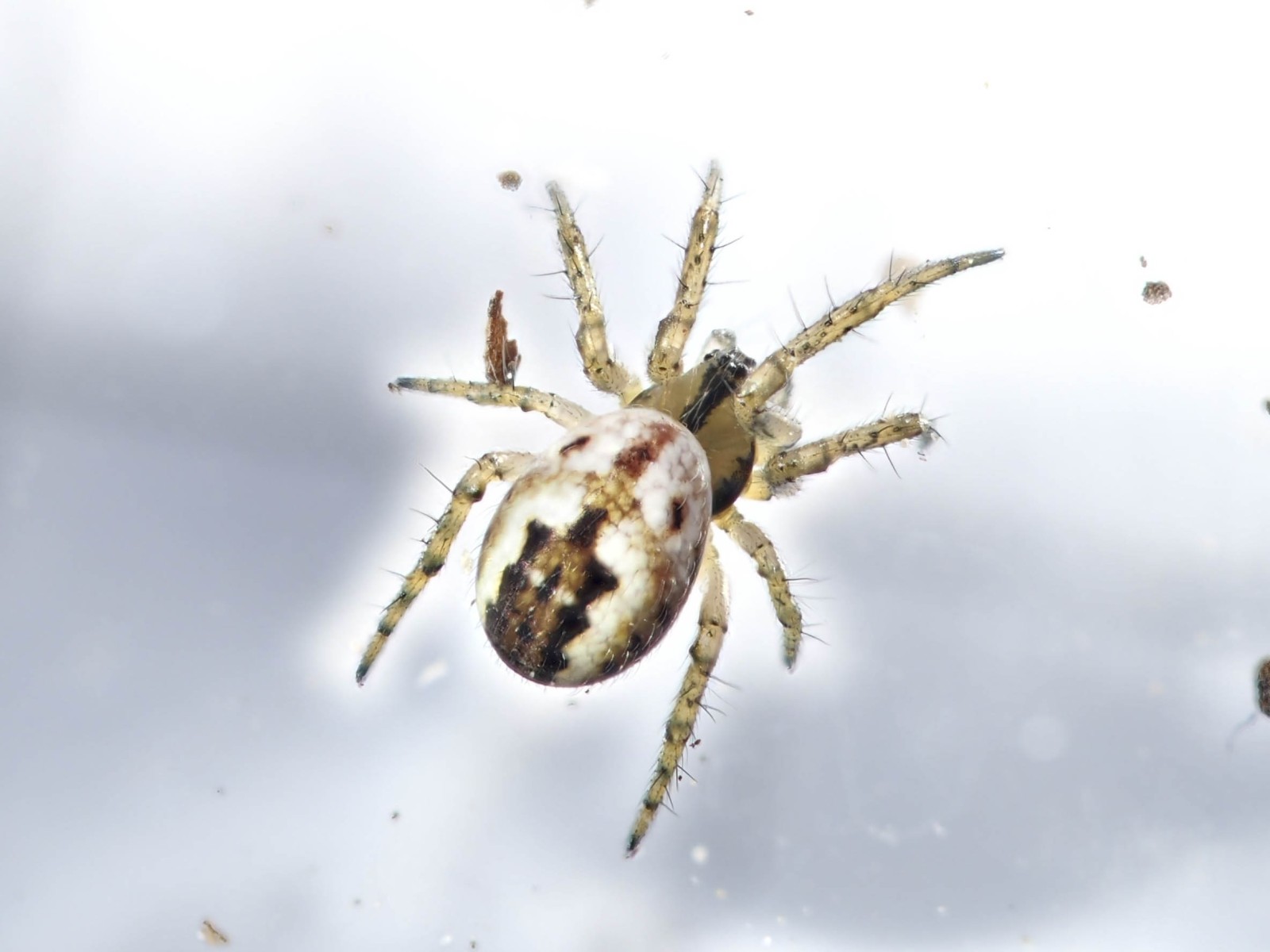
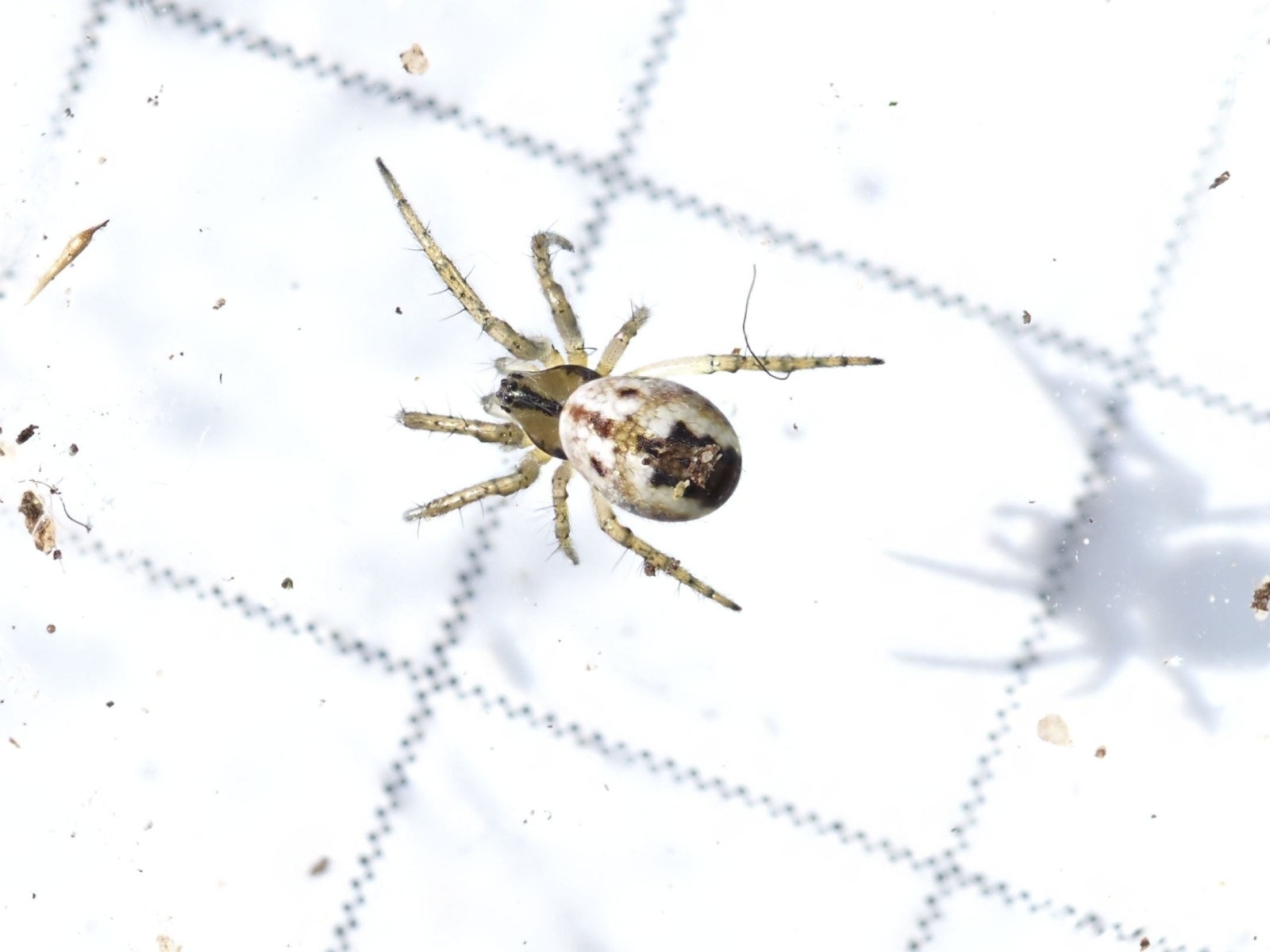

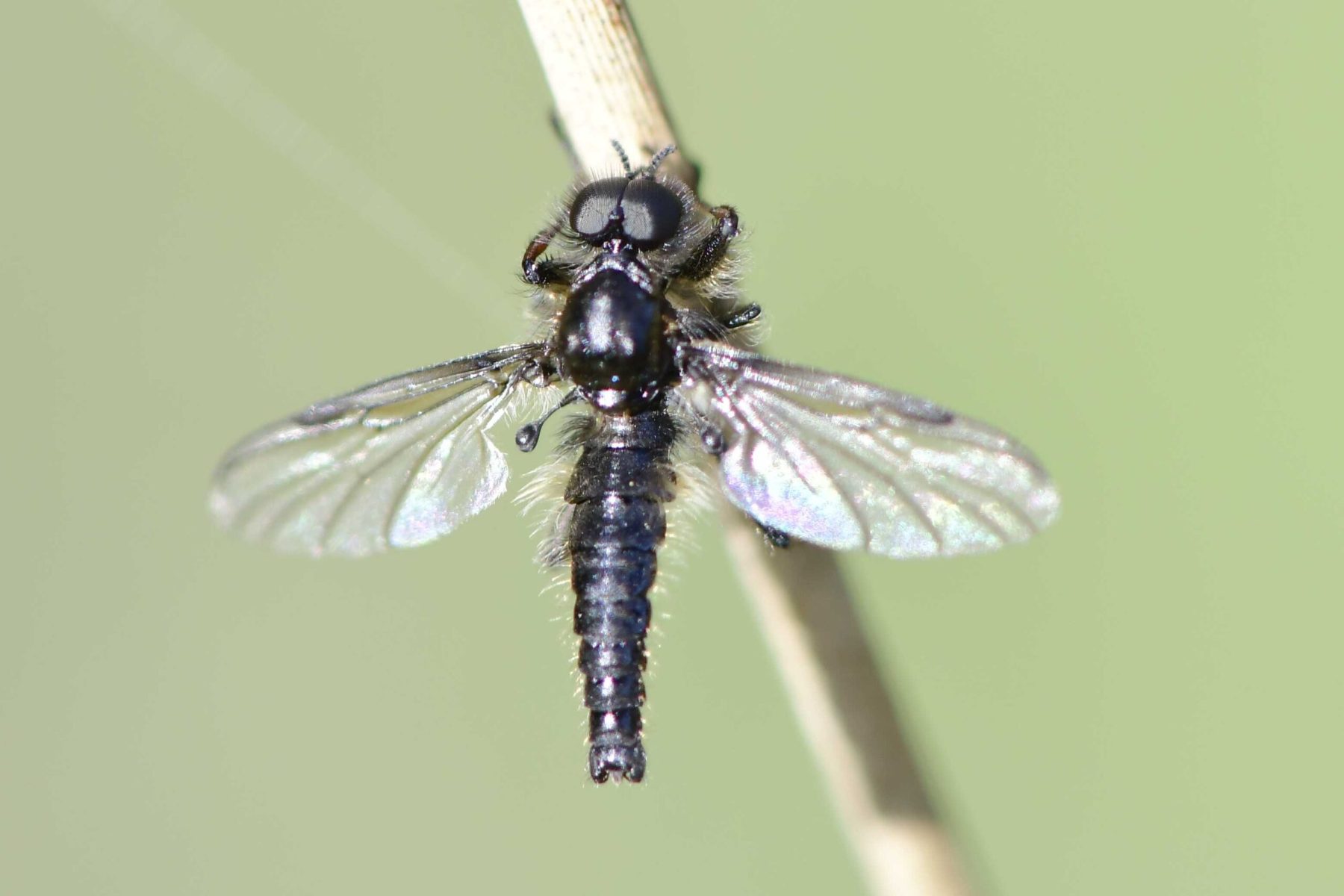
Mangora acalypha is one of several that has moved northwards rapidly over the last few years. The first Yorkshire record was at Brockadale and there have been several since in mid-Yorkshire.
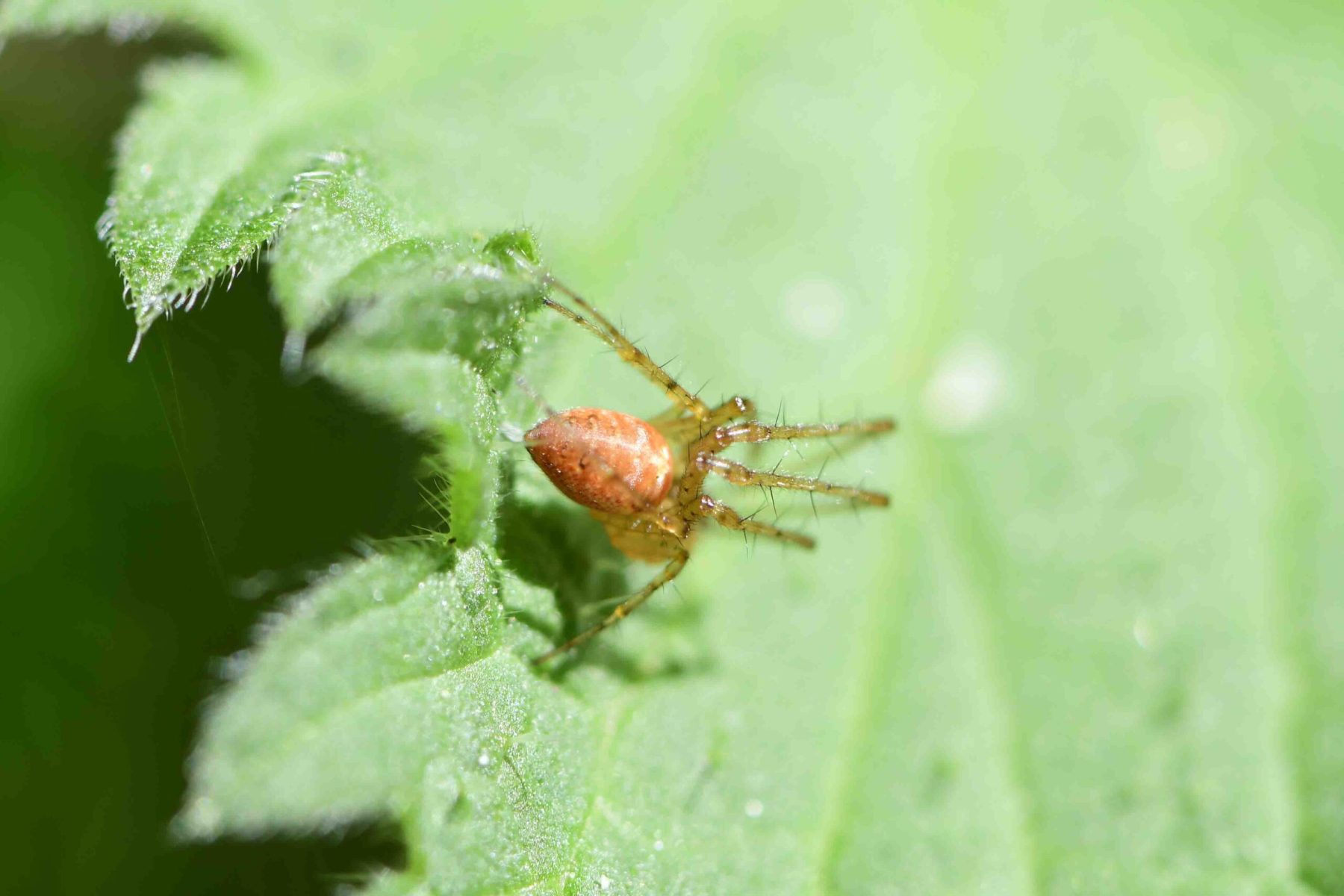
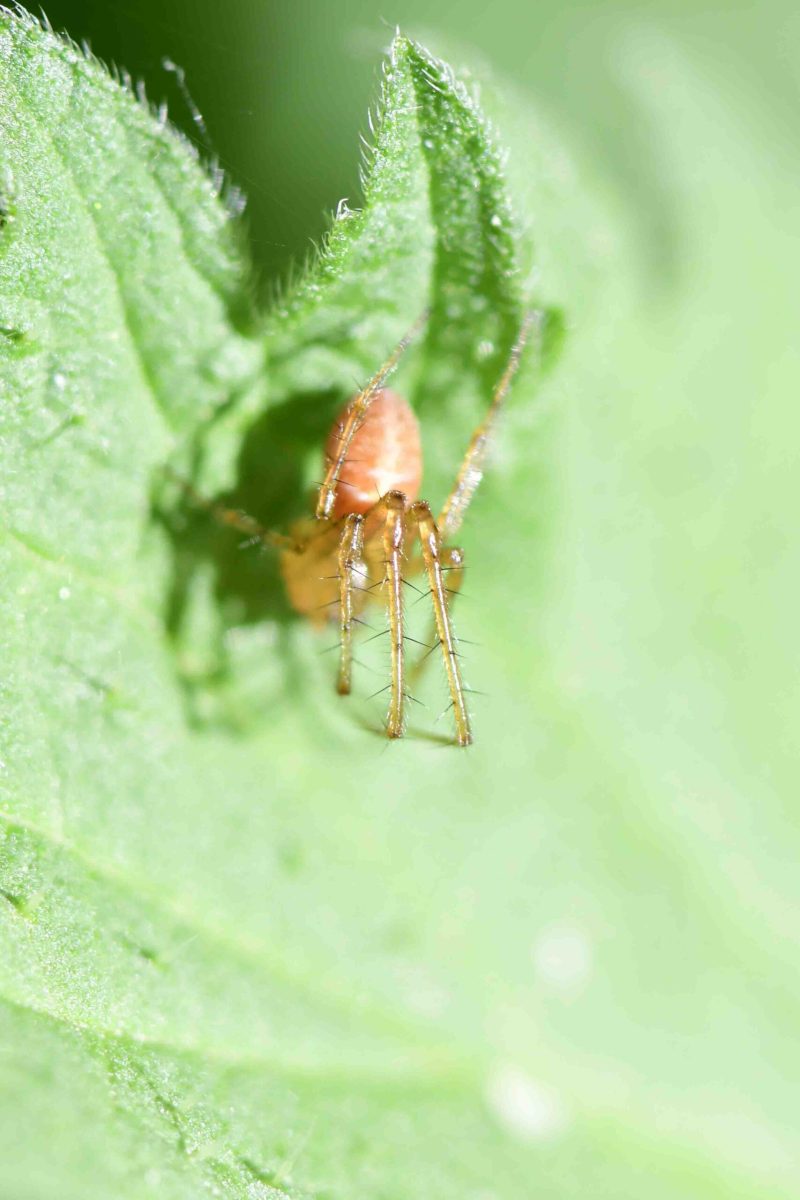


The very small unknown spider was on a nettle leaf in deciduous woodland; any suggestions?
Anston Stones wood. 17 April
A morning sifting leaf litter and finding very little from under Beech and Ash trees.
Just two small & very small spiders found, as yet unidentified.

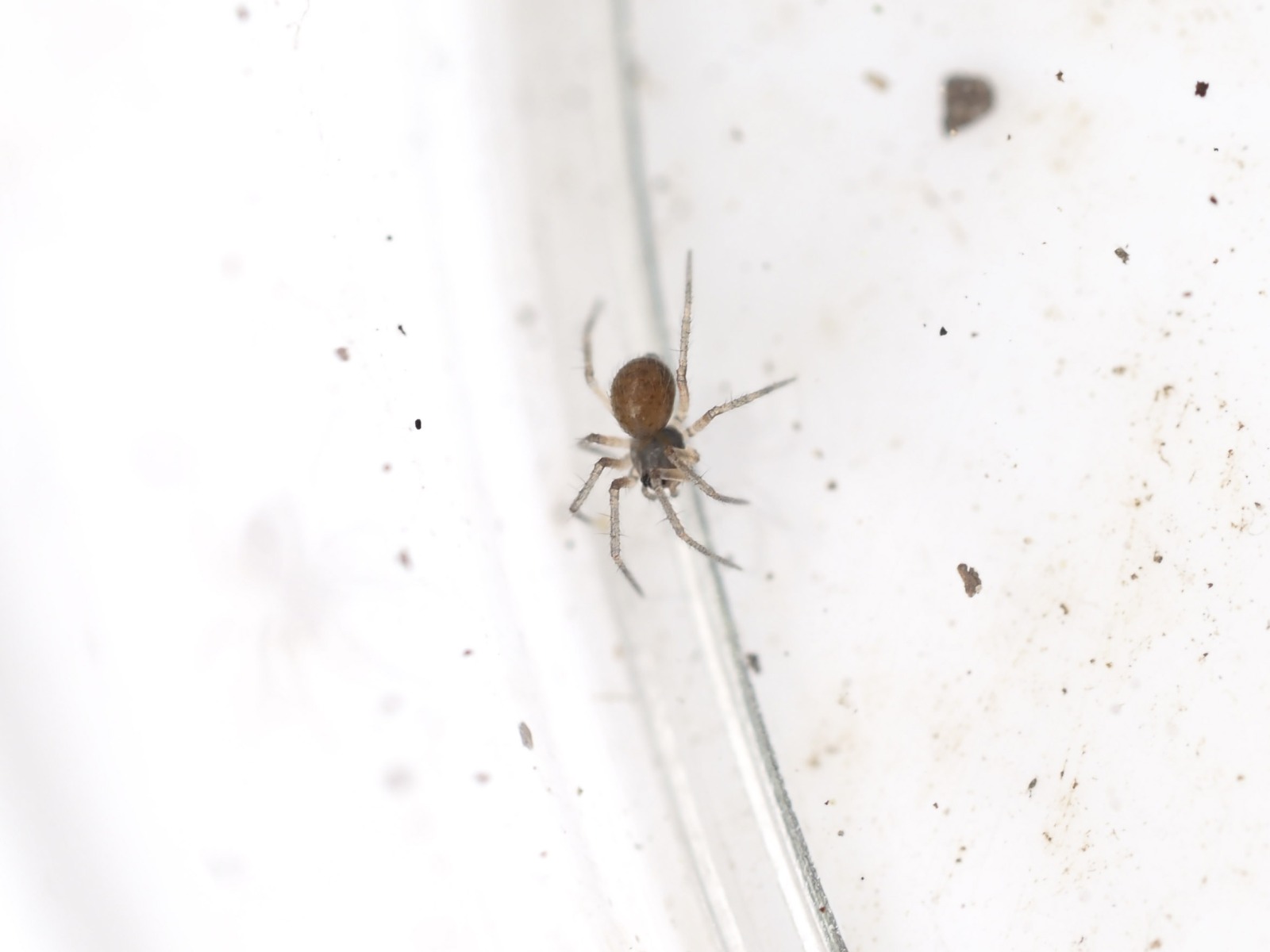
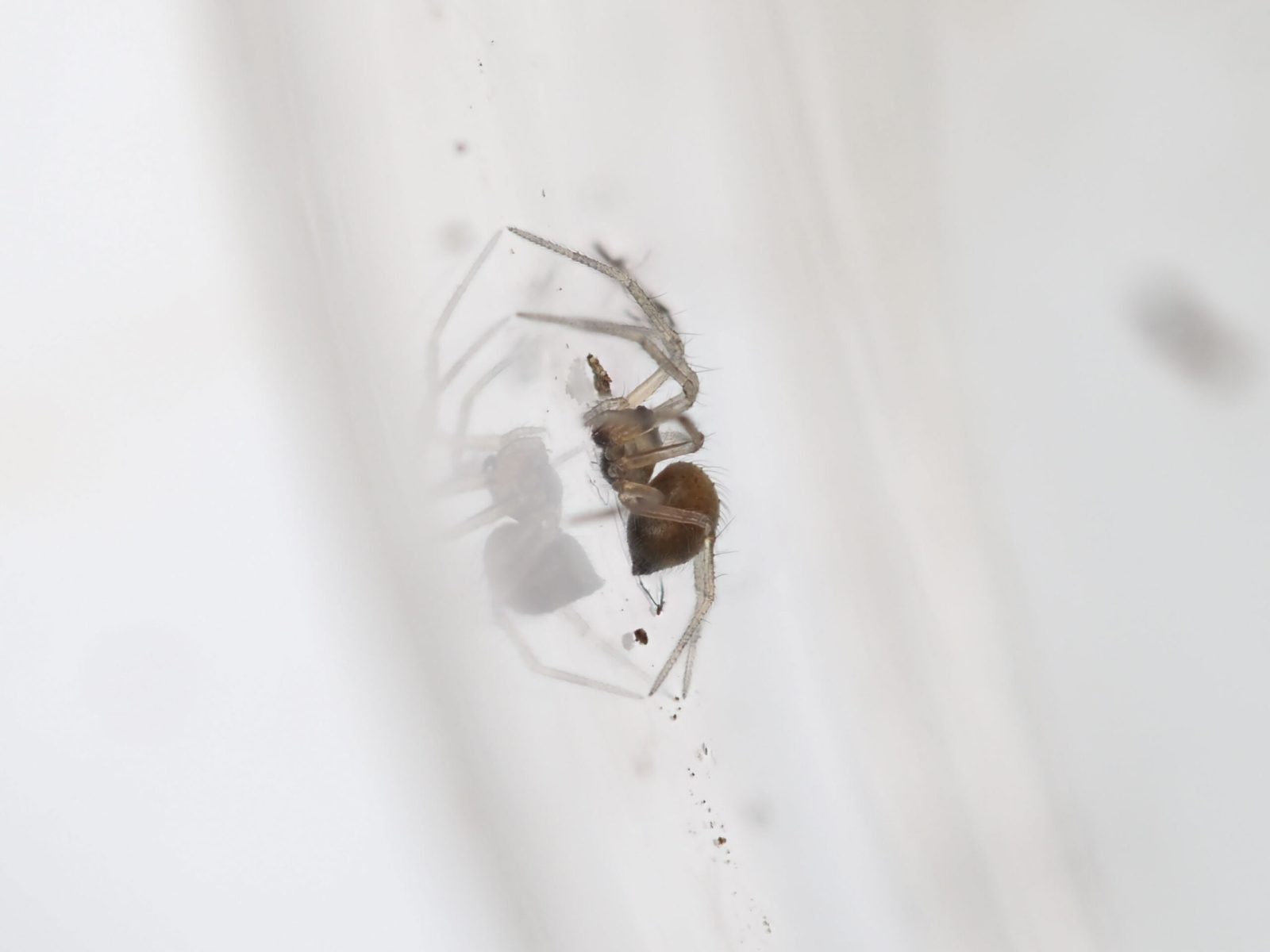

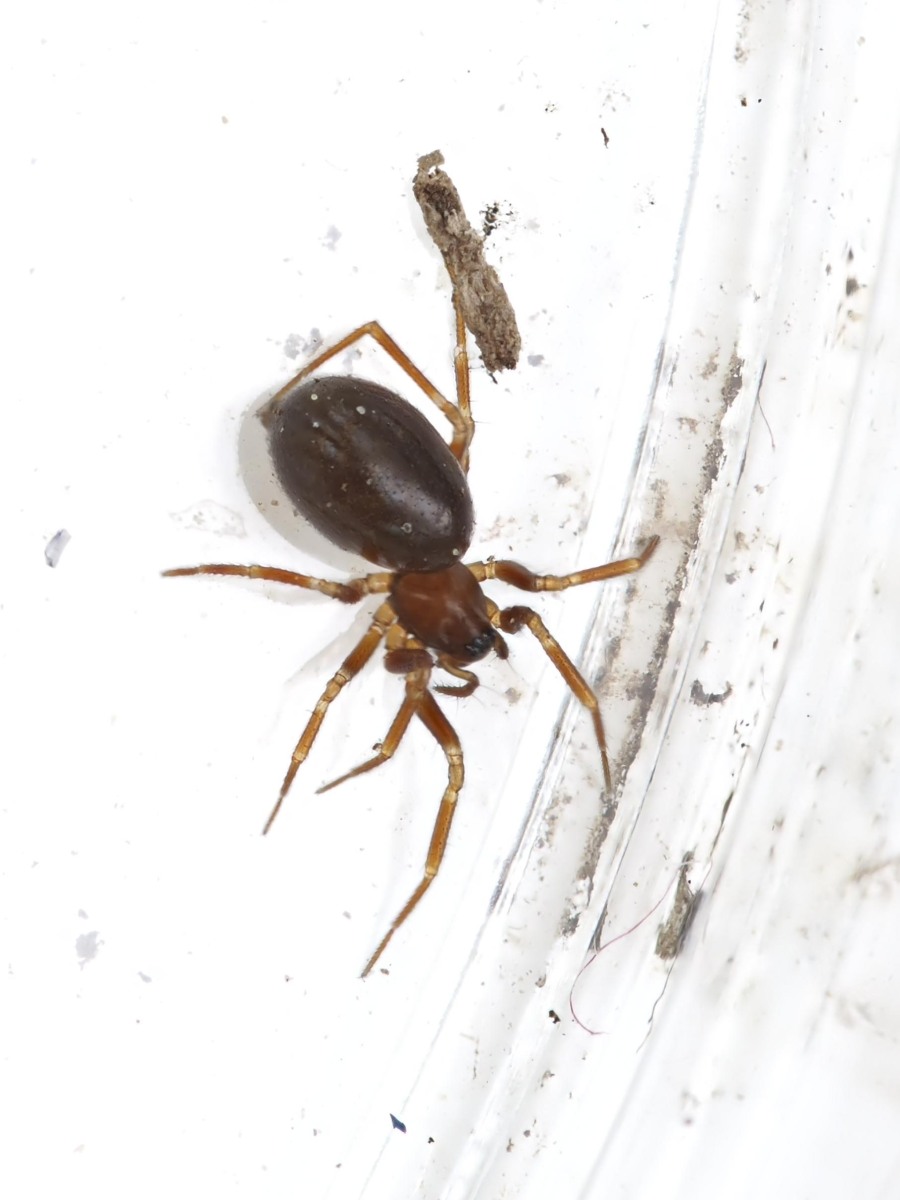

I am considering spider 1 as Enoplognatha thoracica, but need confirmation.
Spider 2 was about 3mm long
Anston Stones, 16 April 2026
An afternoon stroll into Stones Wood on an overcast afternoon
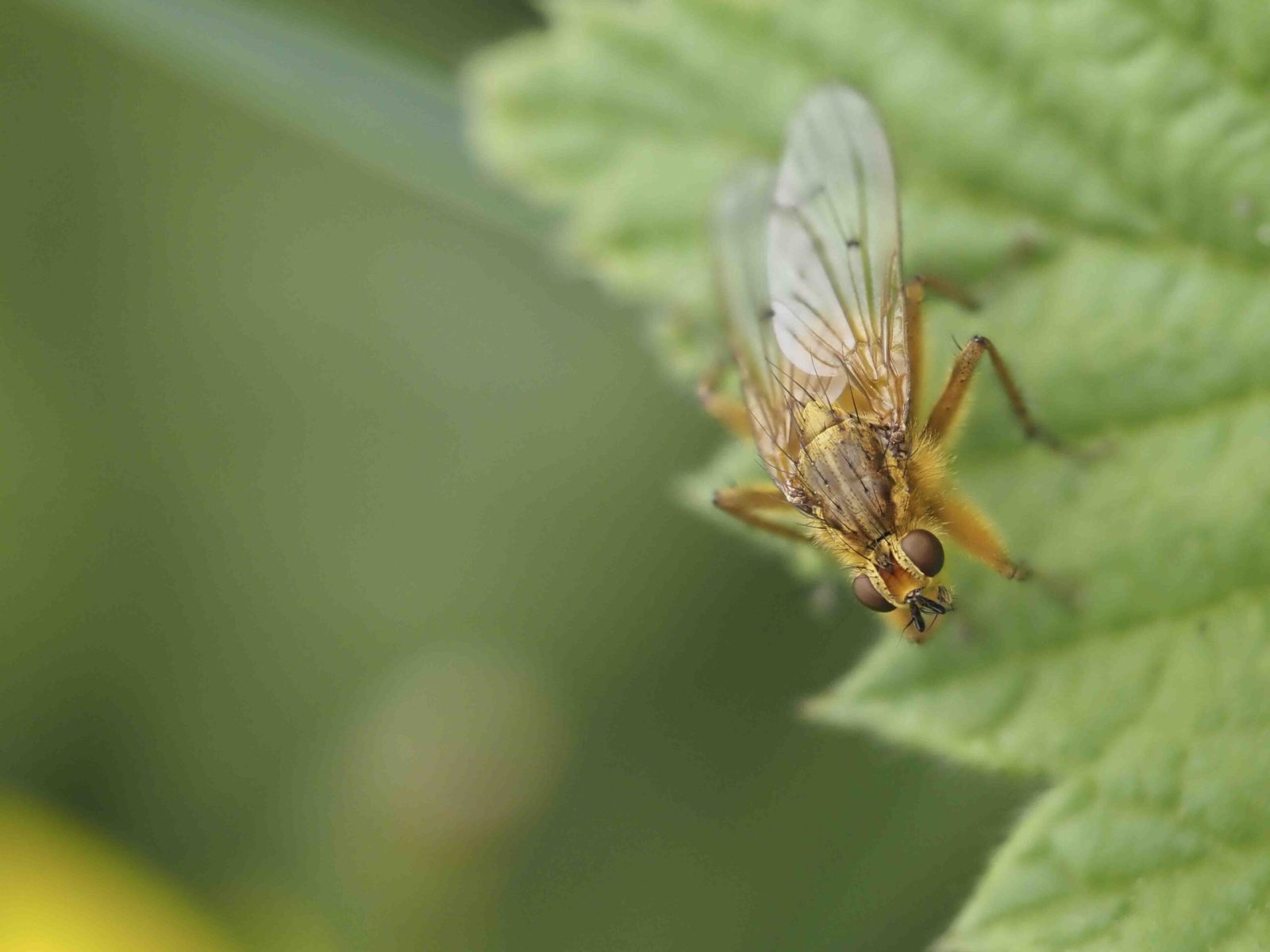

Long Thwaite Wood, Laughton en le Morthen 13 April 2026
A 2 mile circular walk along bridle way and footpaths that passes through woodland and arable field providing hedgerows and sunny banks filled with spring flowers, all on mag limestone.
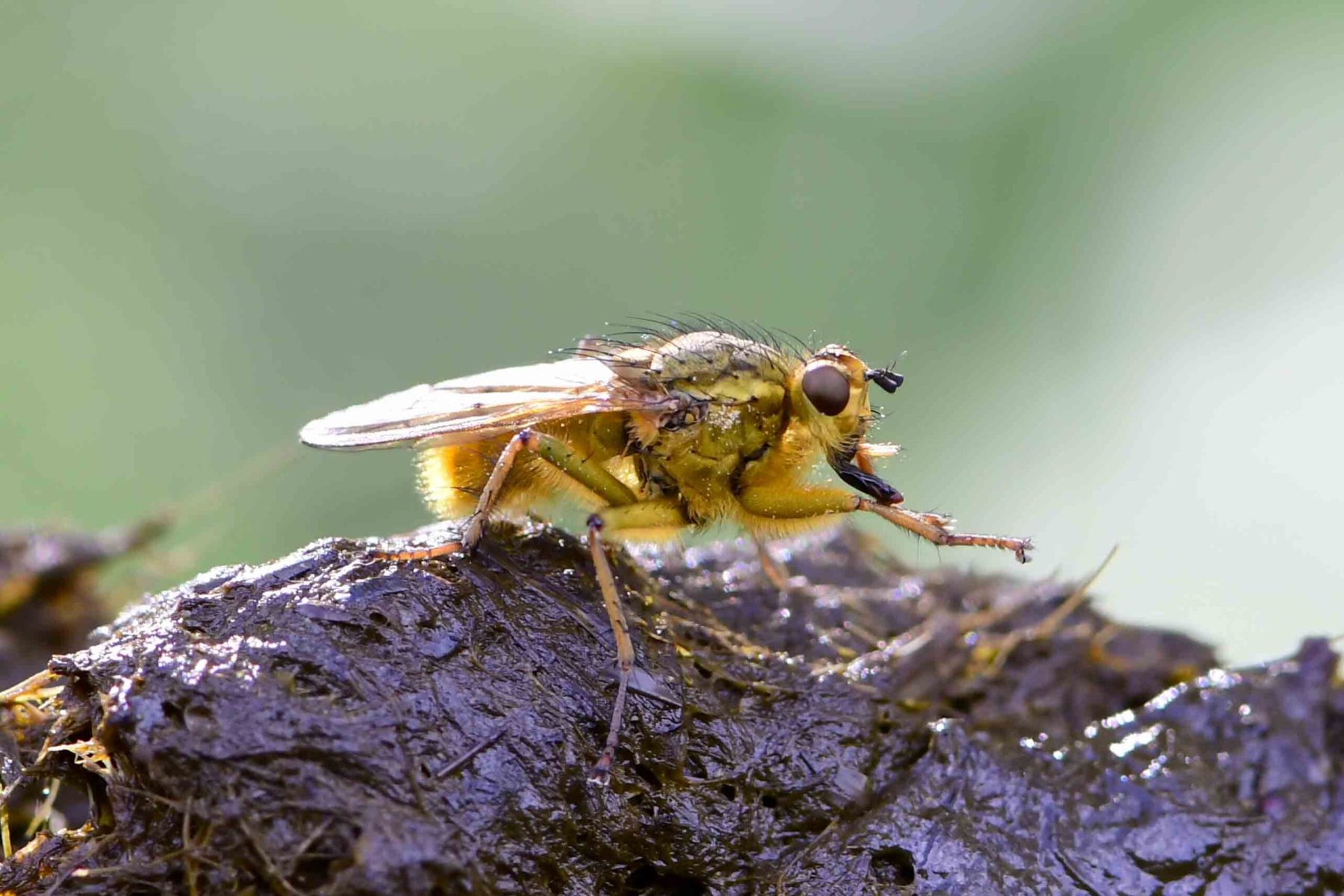
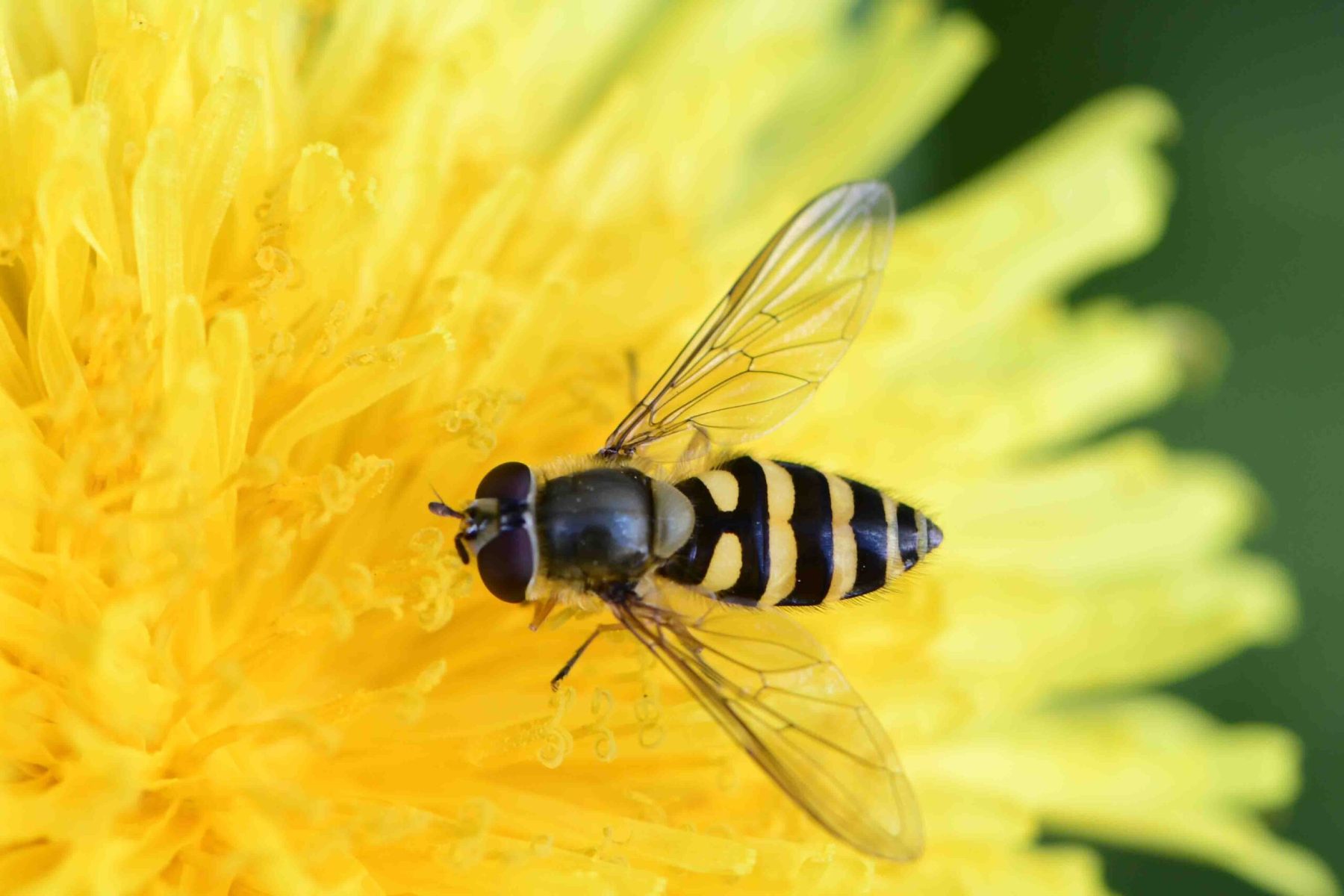
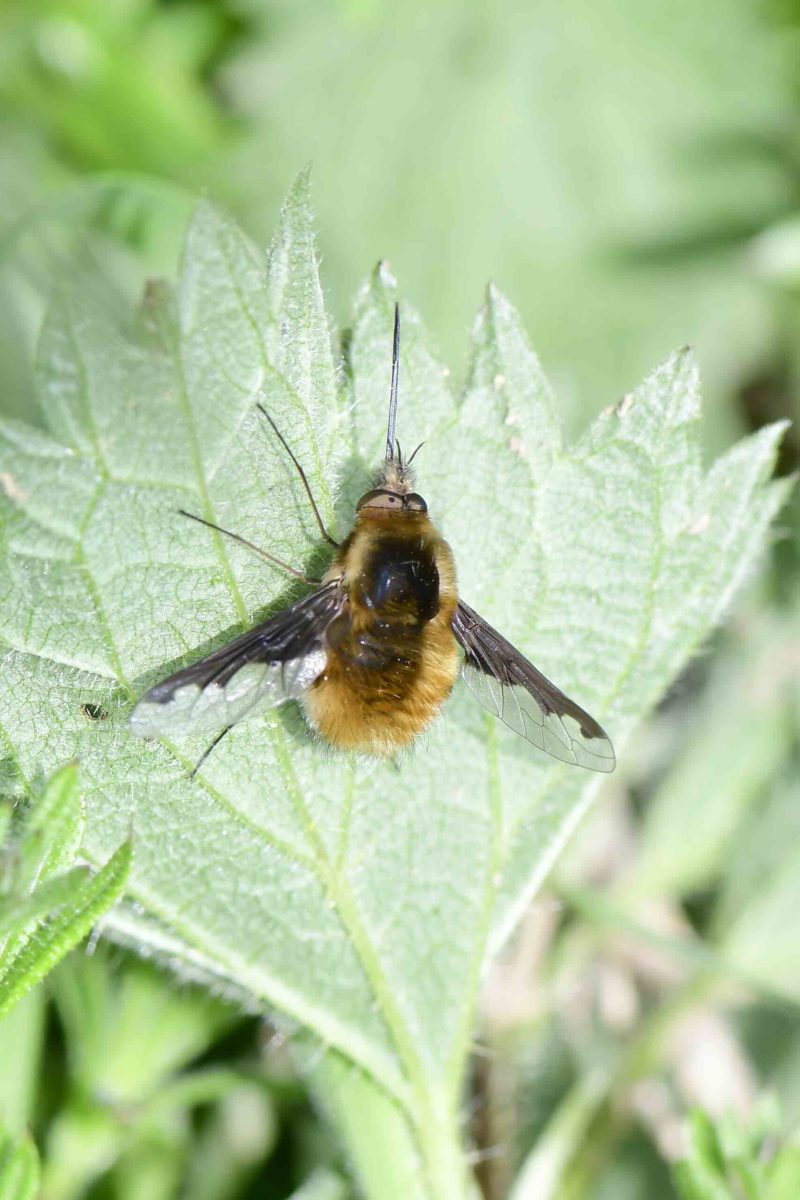
In the woodland, with a drumming G. S. woodpecker, chiffchaffs, chaffinches, & wrens, nomada bees enjoyed the fresh dandelions and celandines along with bee flies, whilst in woodland edges and the grassy bank hoverflies could be found. Only peacock & orange tip butterflies were encountered. A fresh pile of horse dung attracted a number of yellow dung flies. An enjoyable stroll on a warm sunny day with camera in hand.
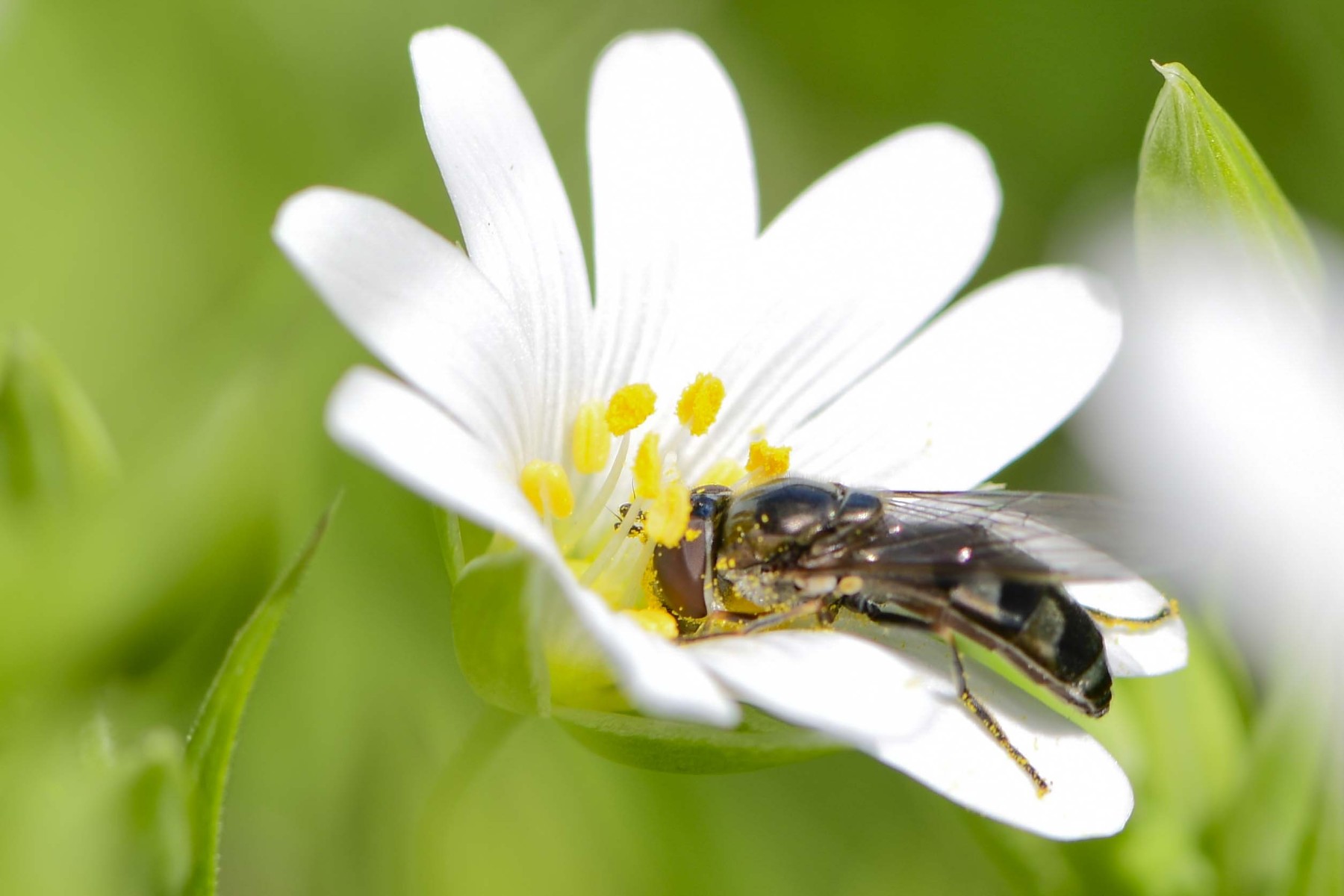
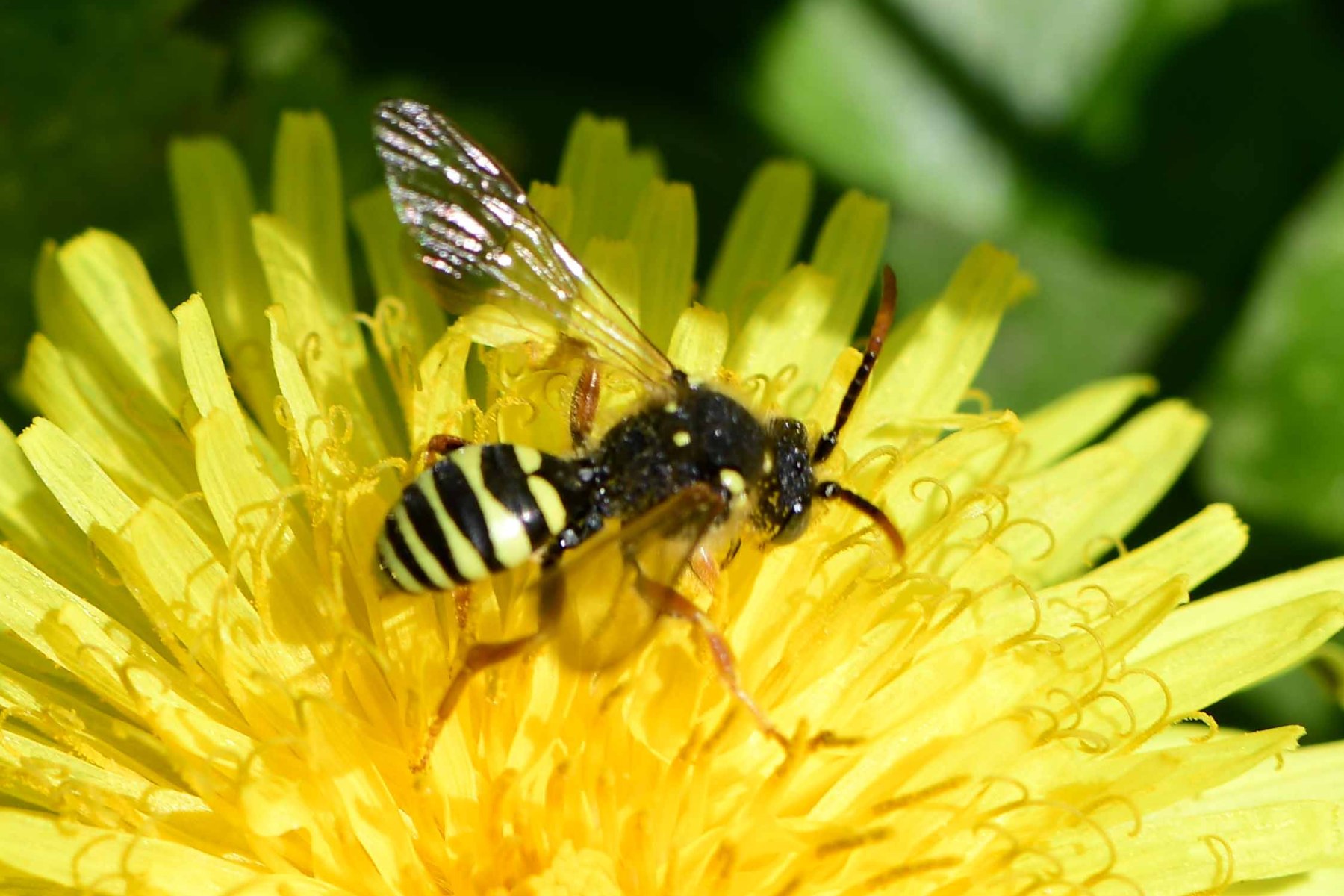
A walk on Lindrick Golf Course 12 April 2026
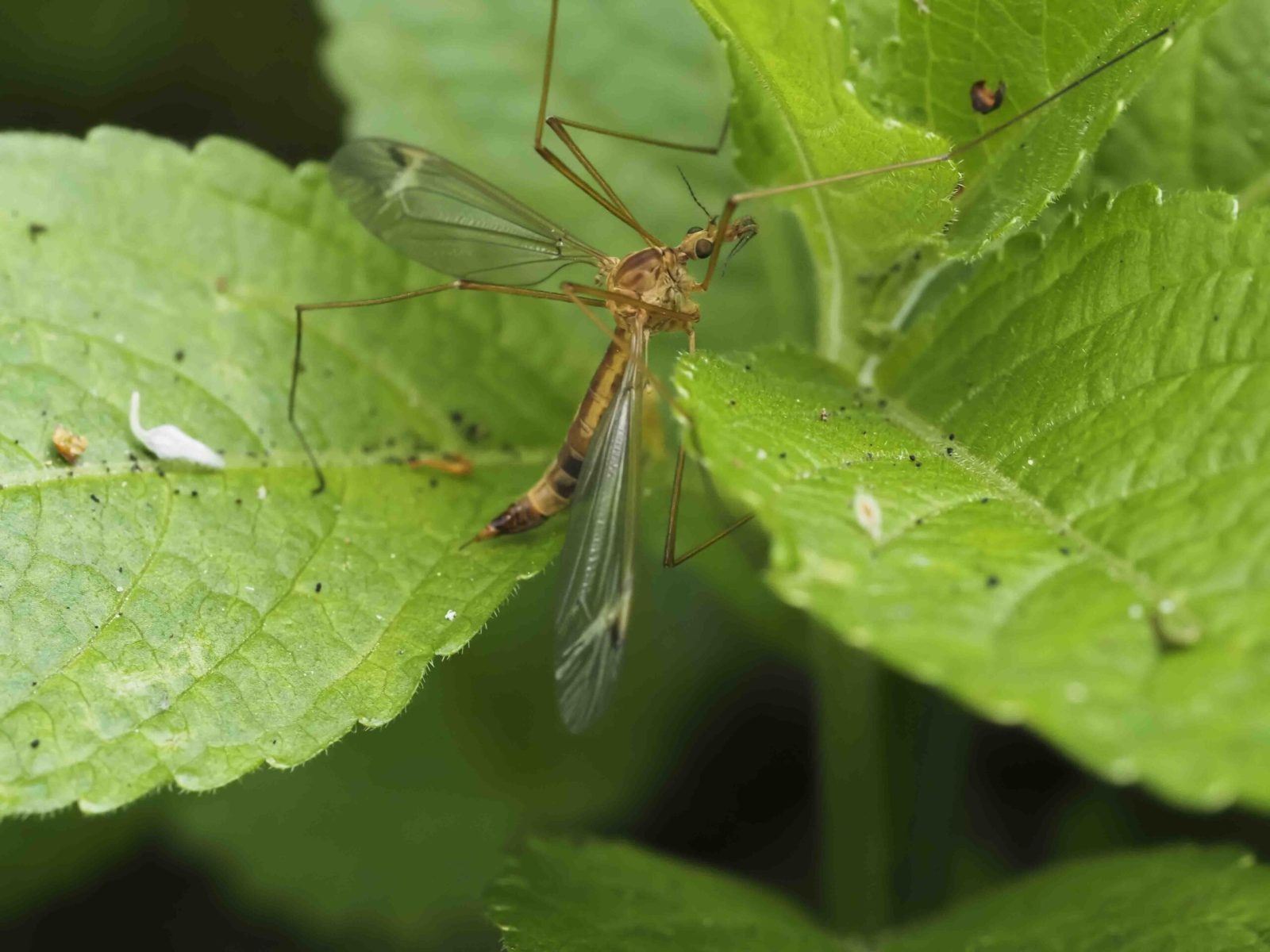
A walk on Lindrick Golf Course 1 April 2026
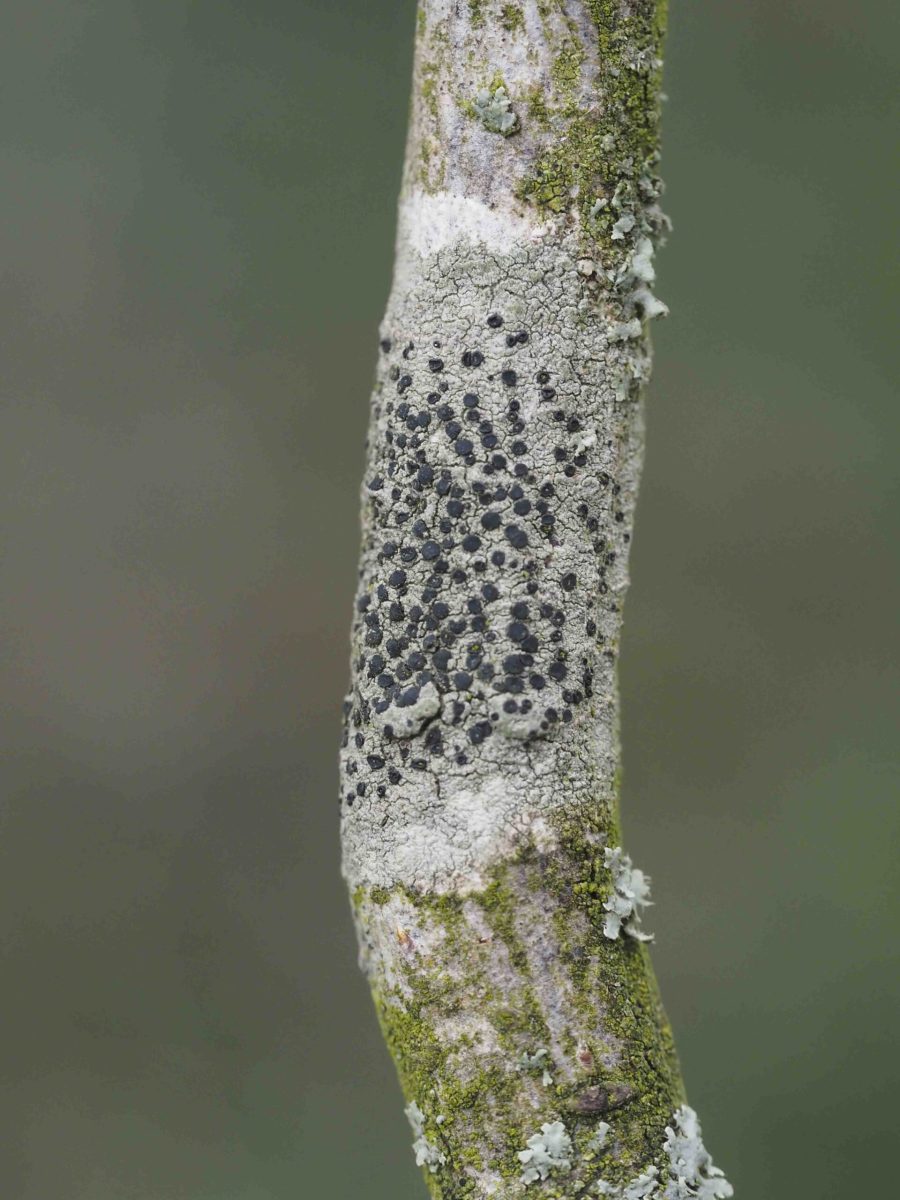
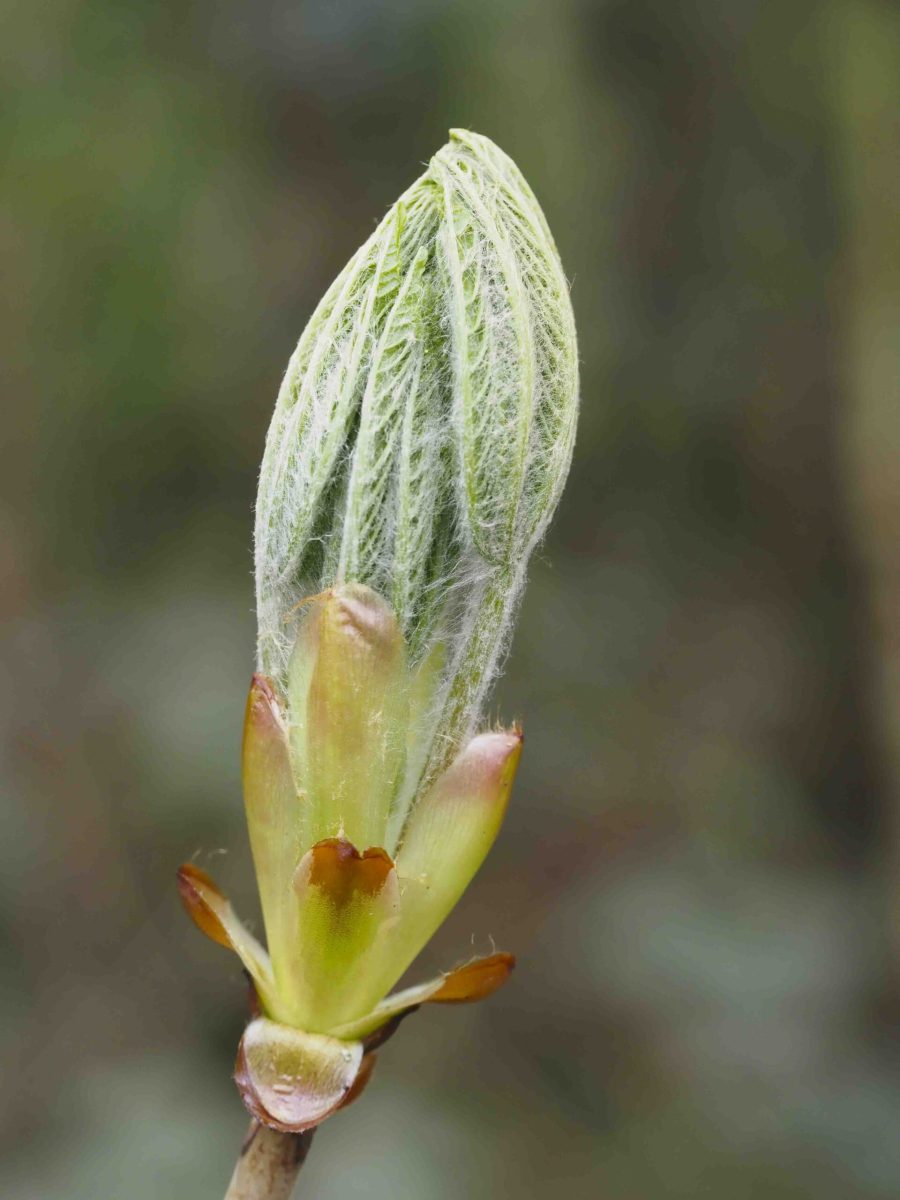
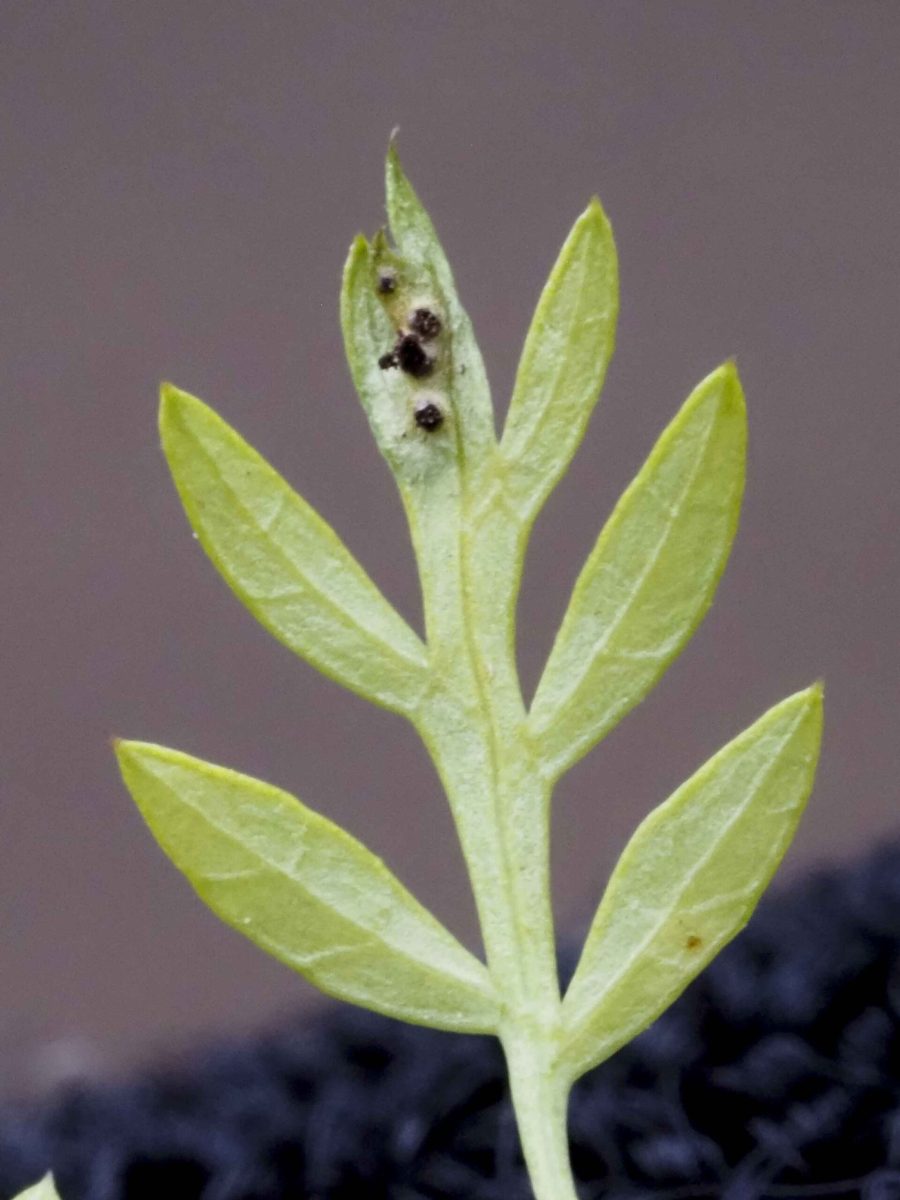
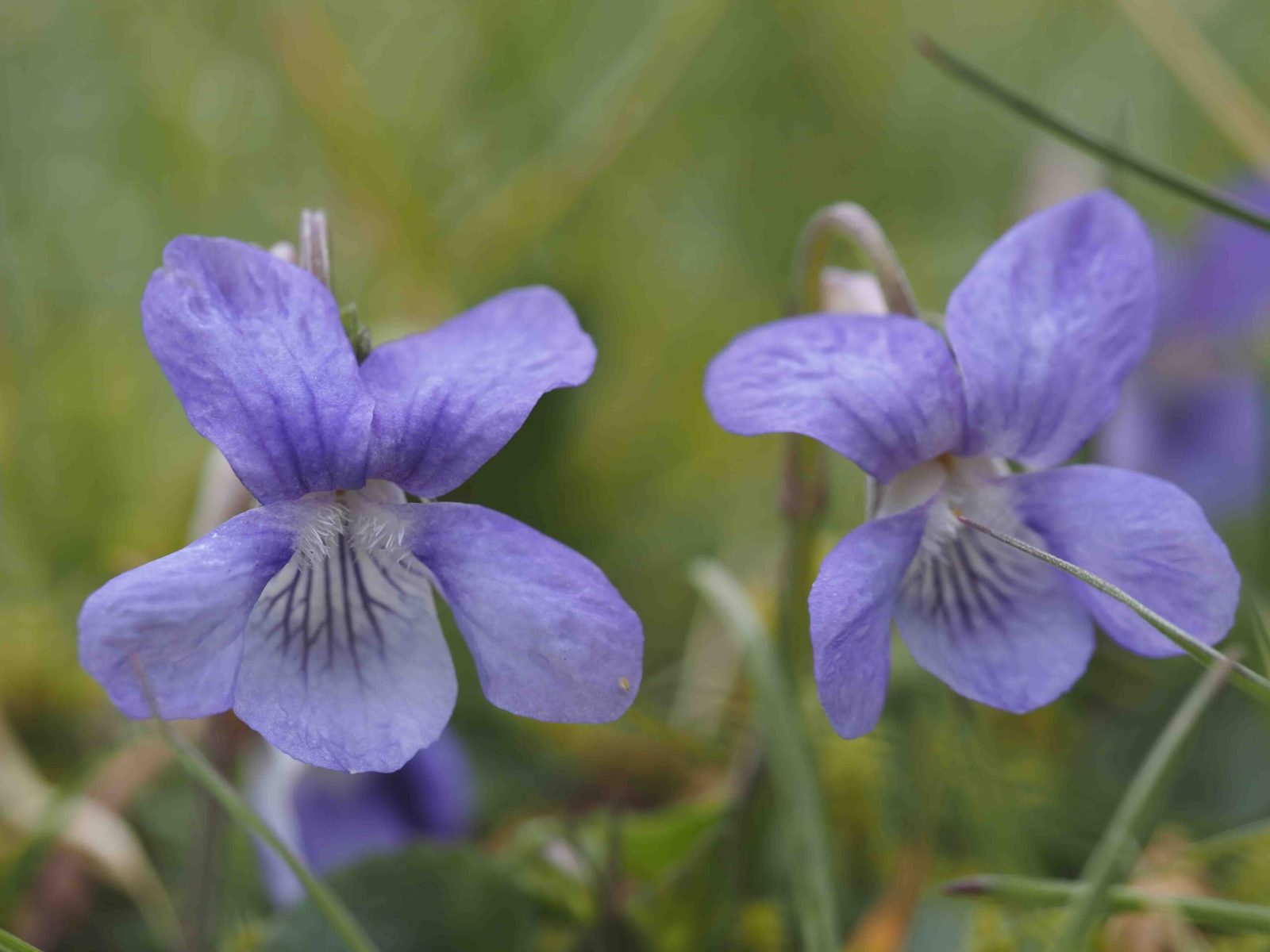
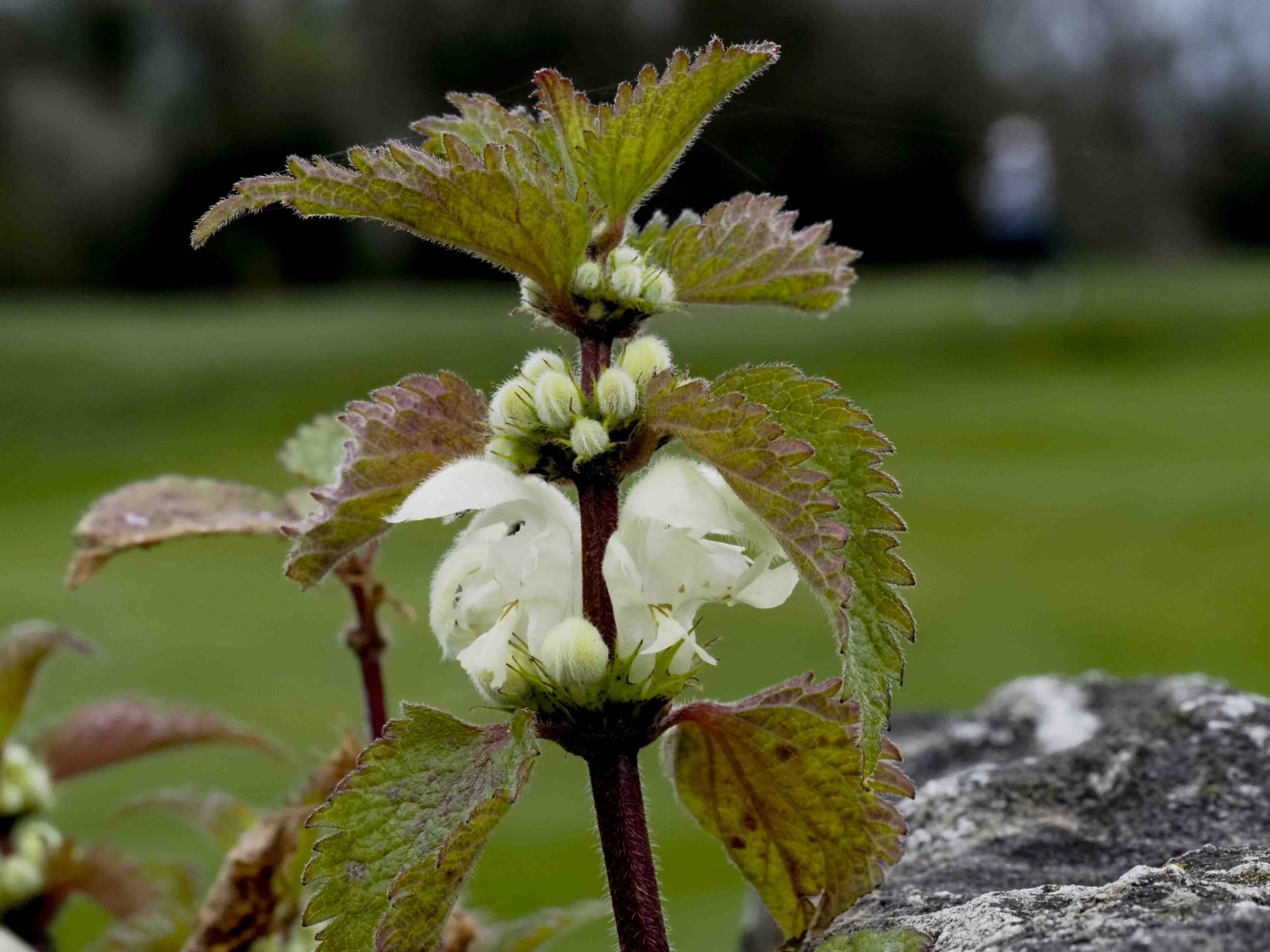
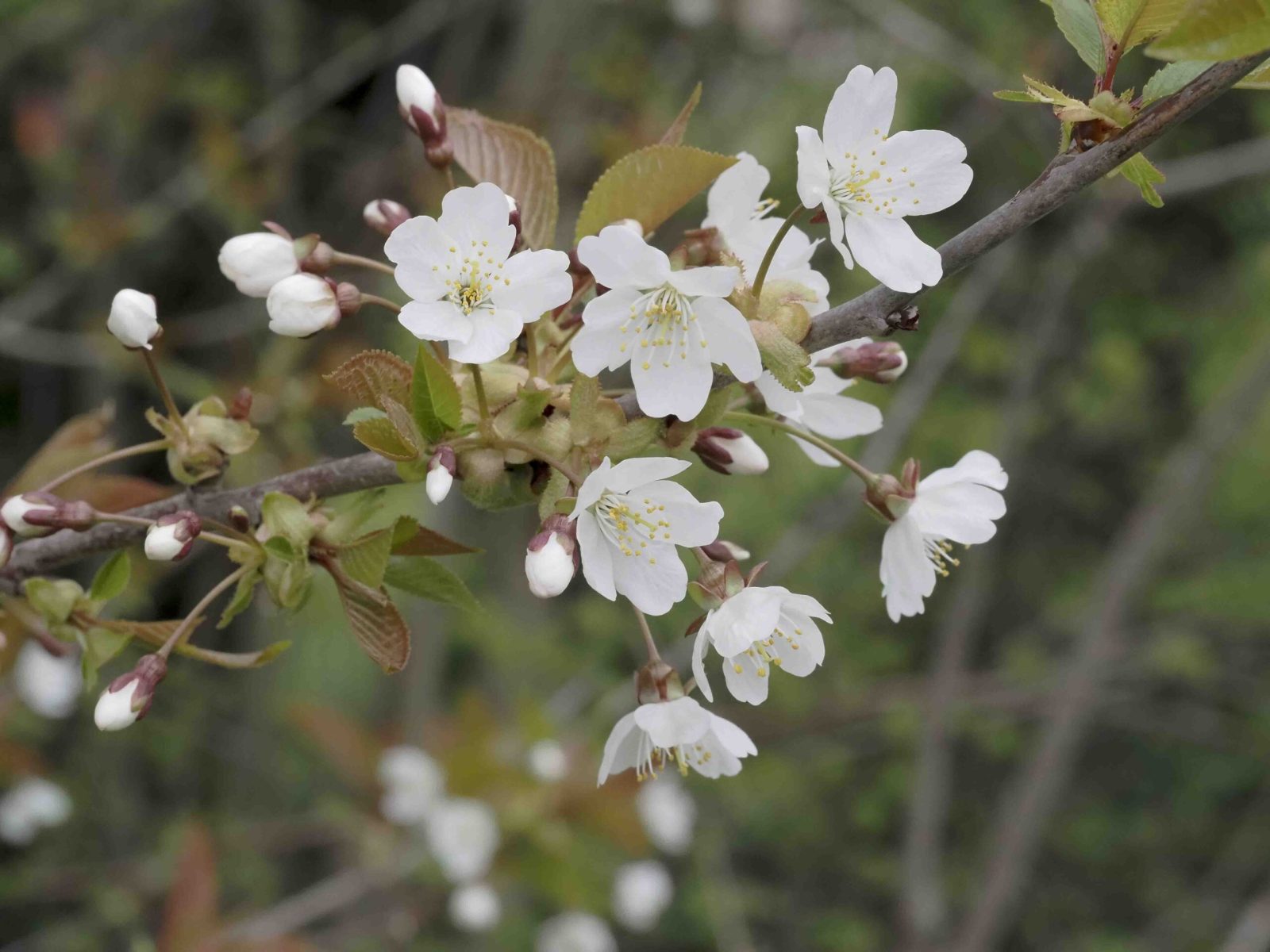
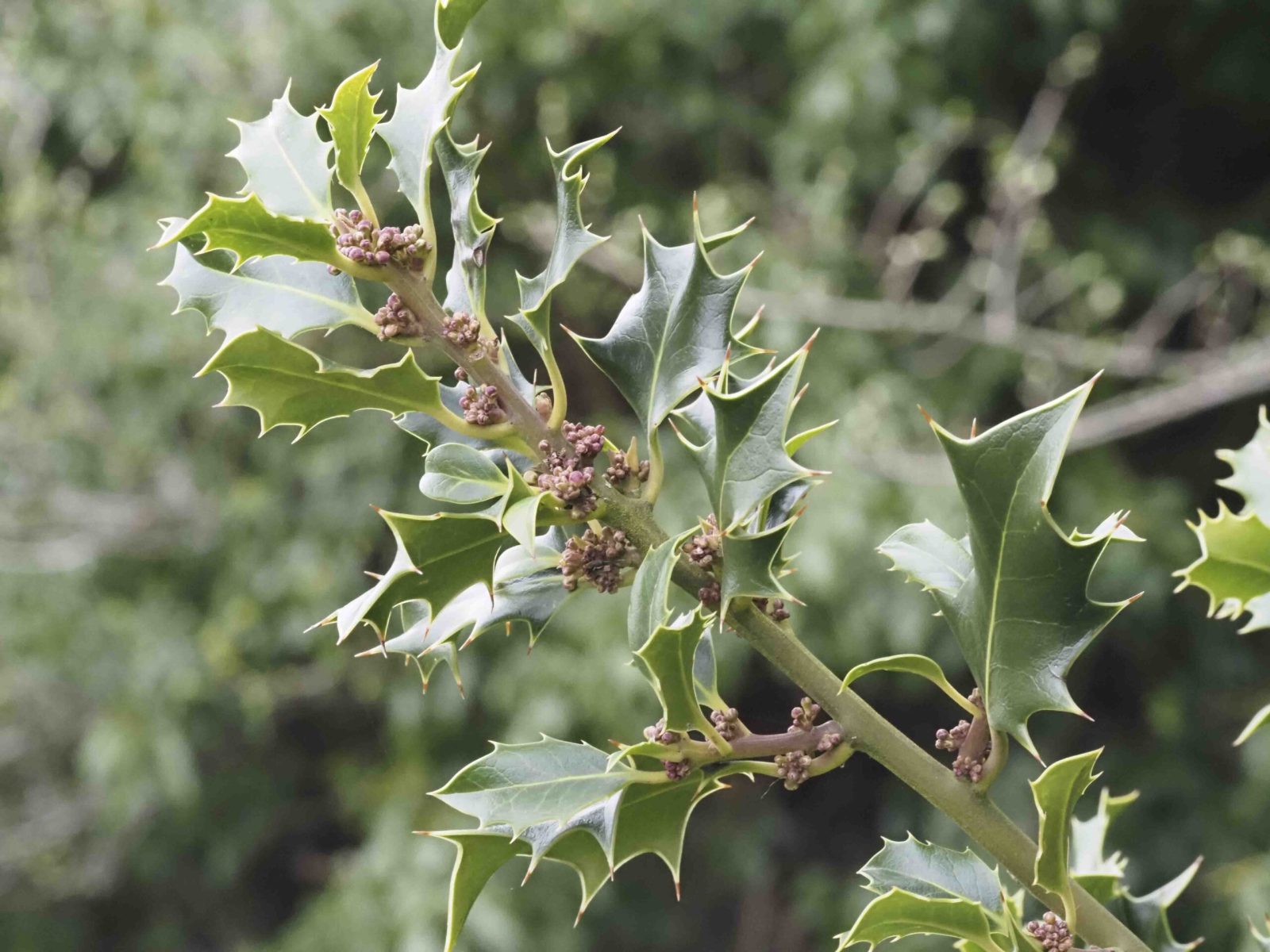

Hatfield Moor 24 March 2026
An impromptu meeting with Colin Howes.
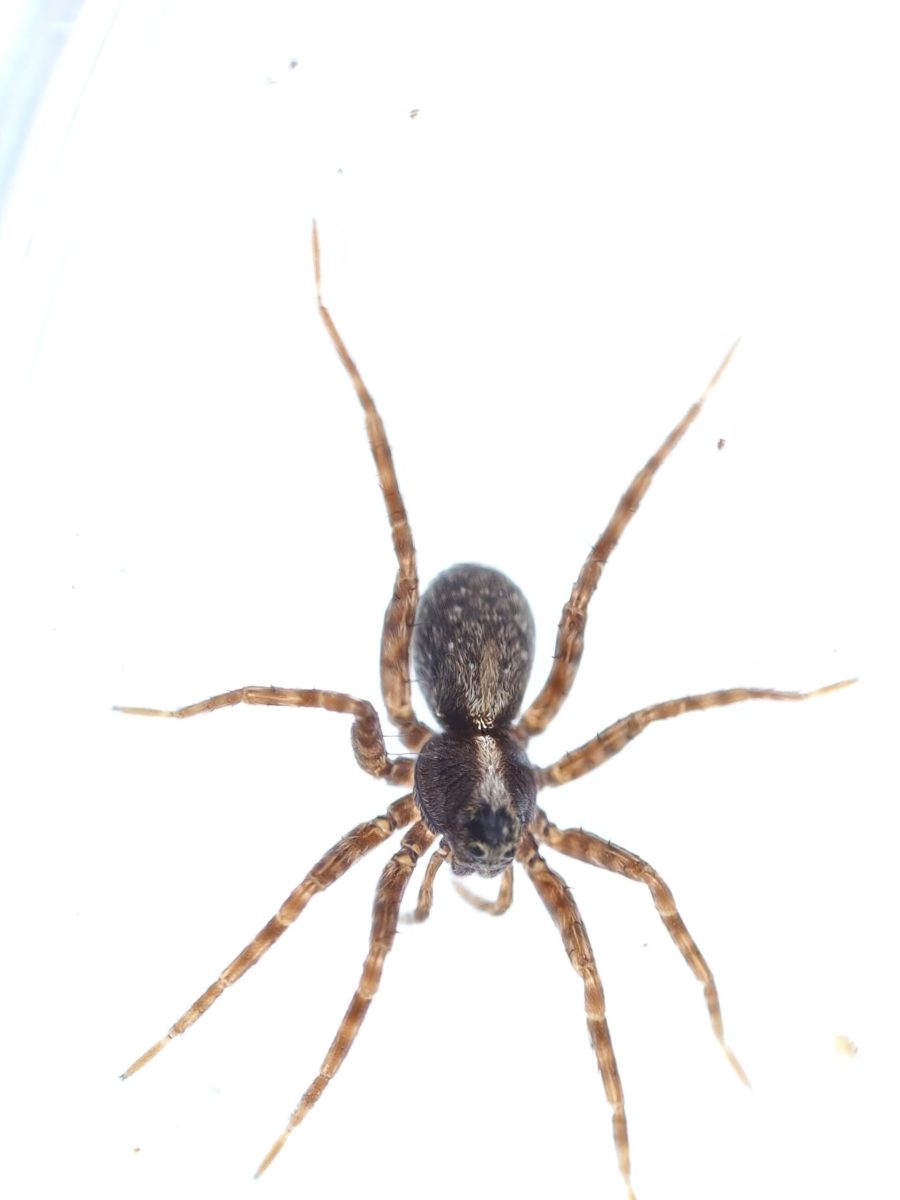
The following insects, spiders were all found amongst bracken litter

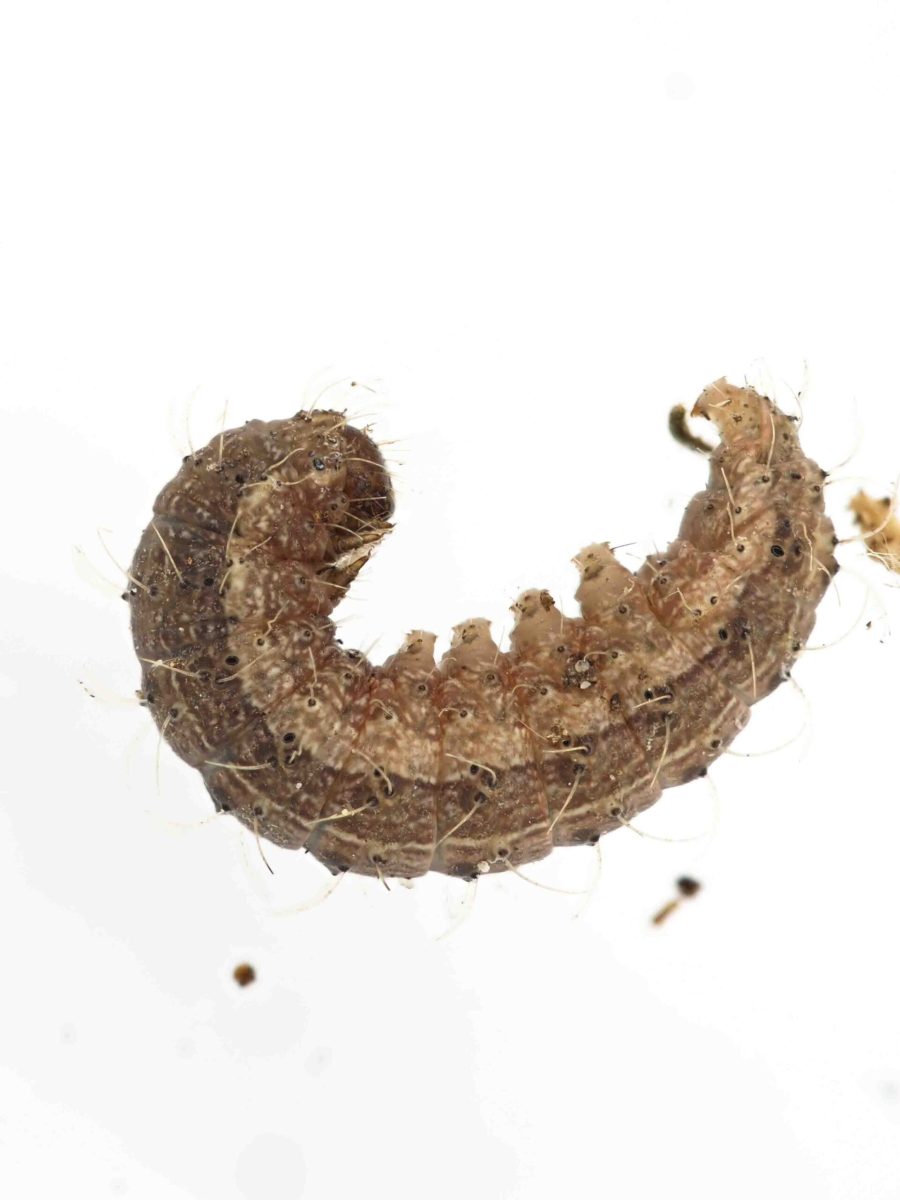
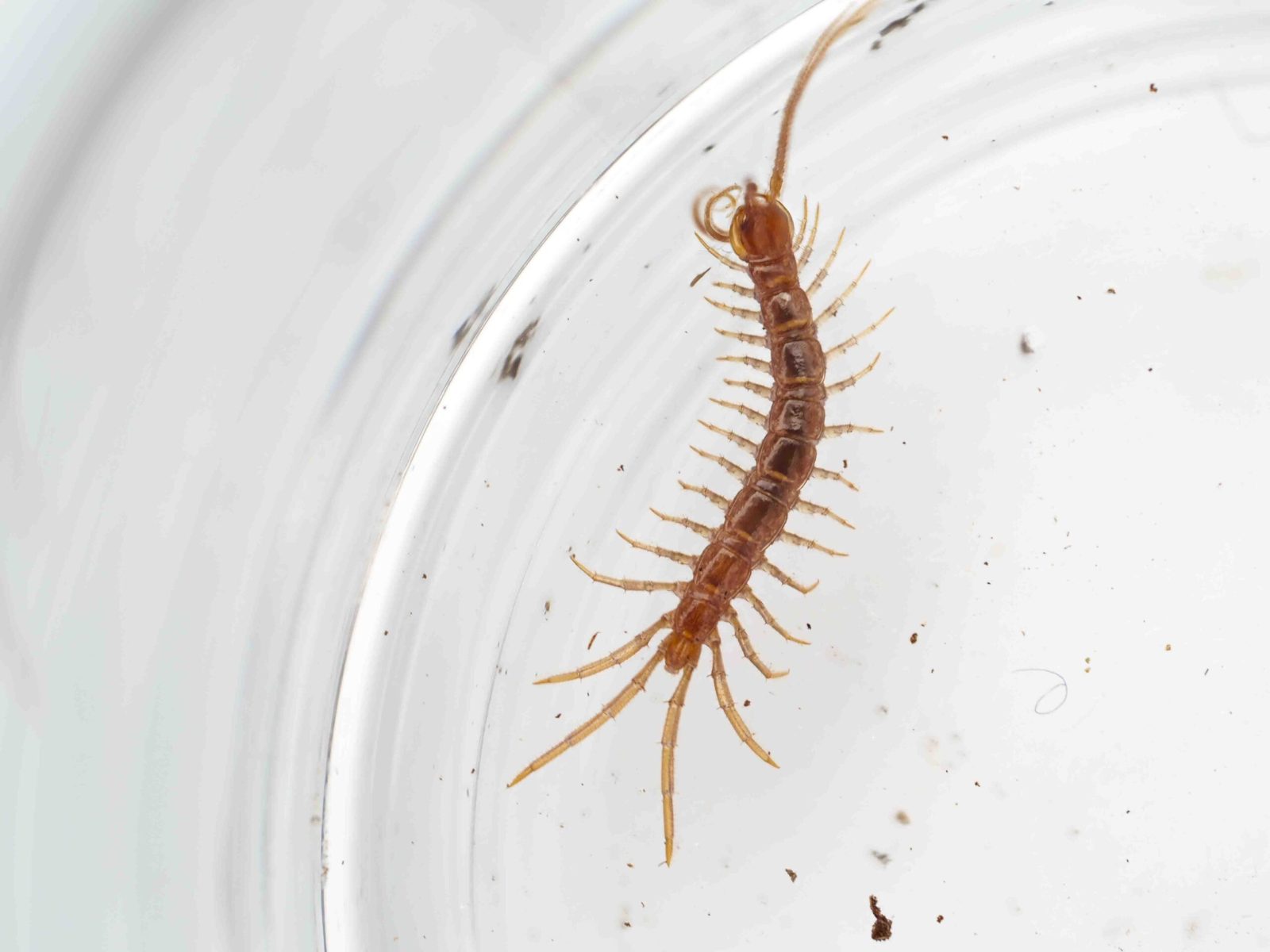
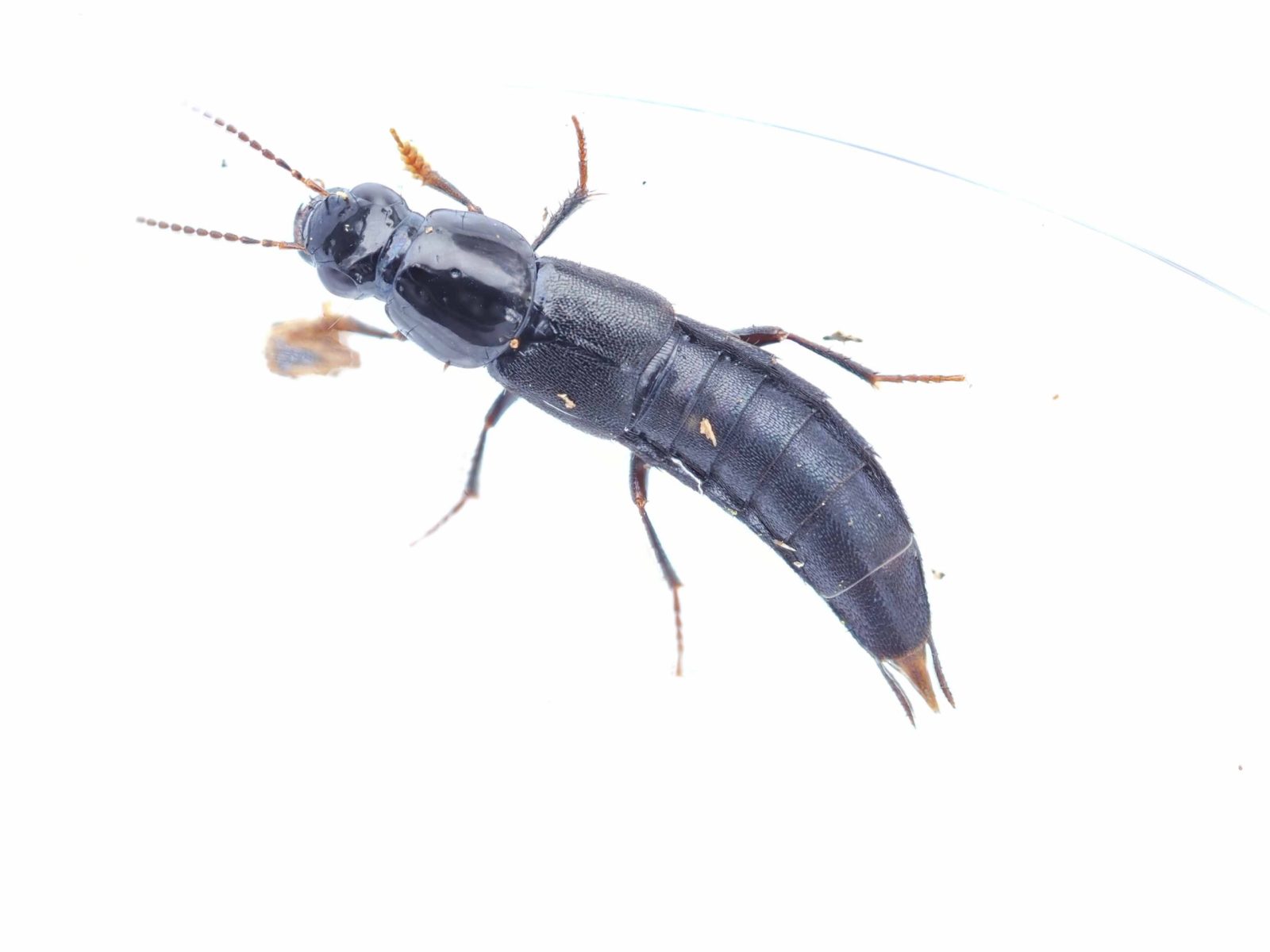
A suggestion for the caterpillar is for the Yellow Shell moth, which tends to curl up in a similar manner.
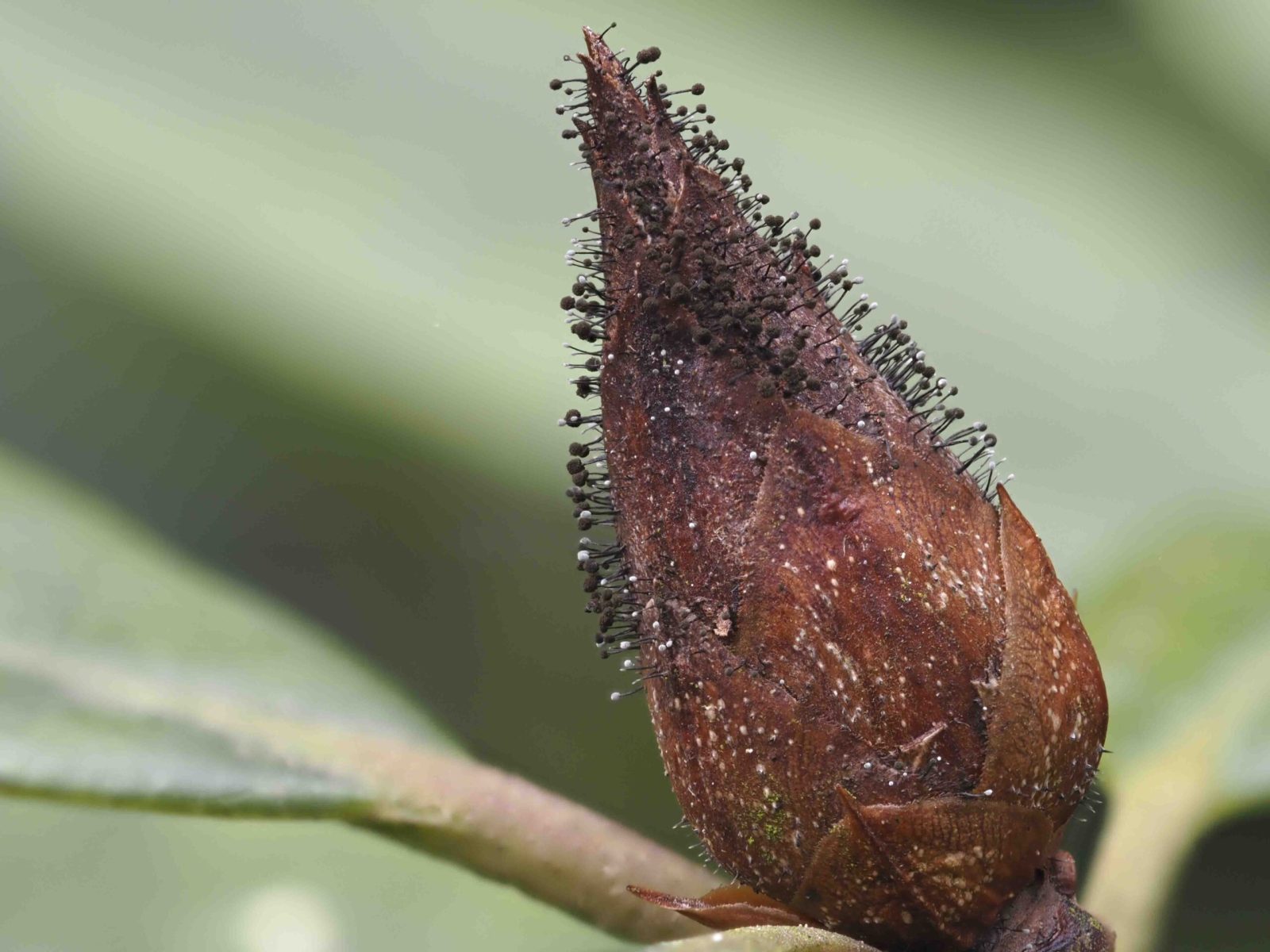
Clumber Park 23 March 2026 – Bud Blast – Pycnostysanus azalea on Rhododendron
Potteric Carr 21 March 2026 – A spider fest
All spiders safely returned to the litter pile from whence they came.
Awaiting identifications
Xysticus ulmi (Crab Spider) 29, 30, 31
Zora spinimana (Ghost Spider) 14-17
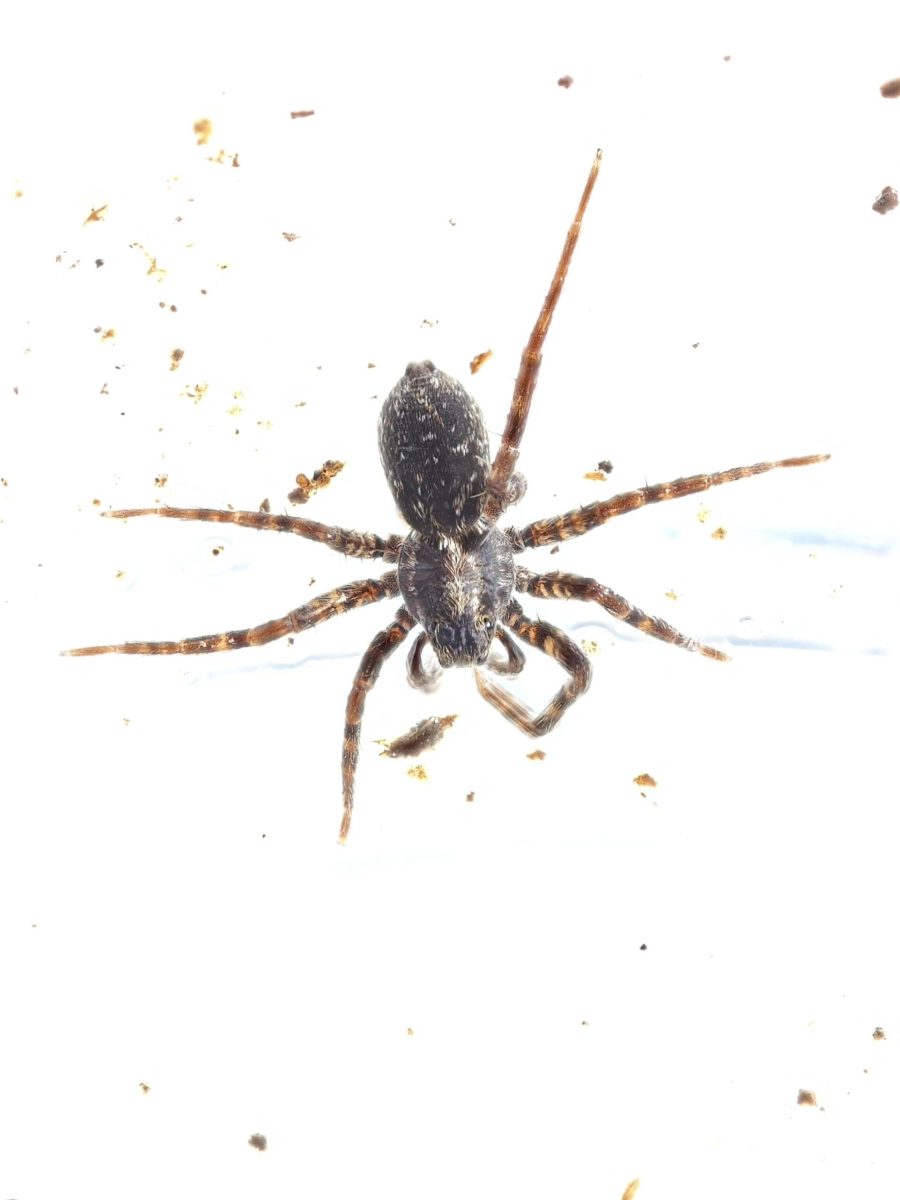
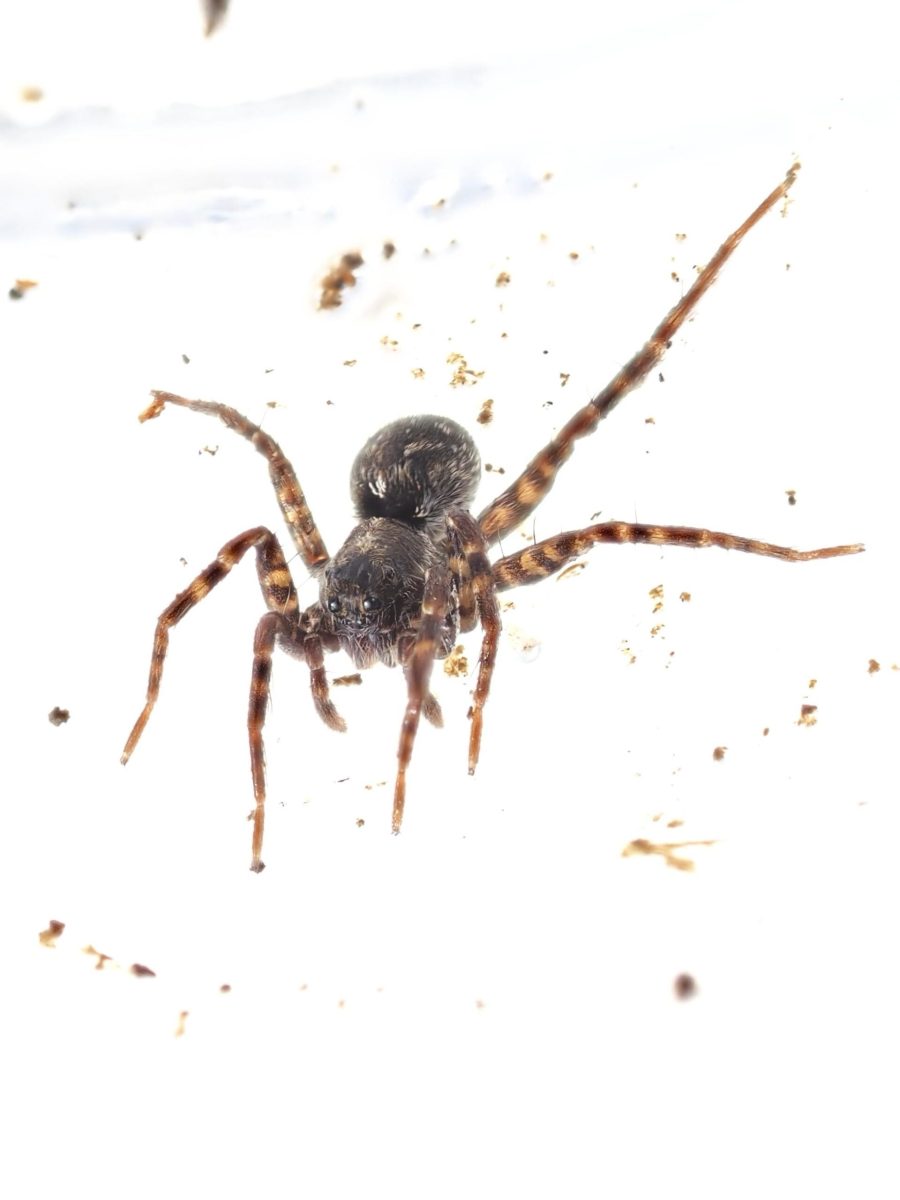
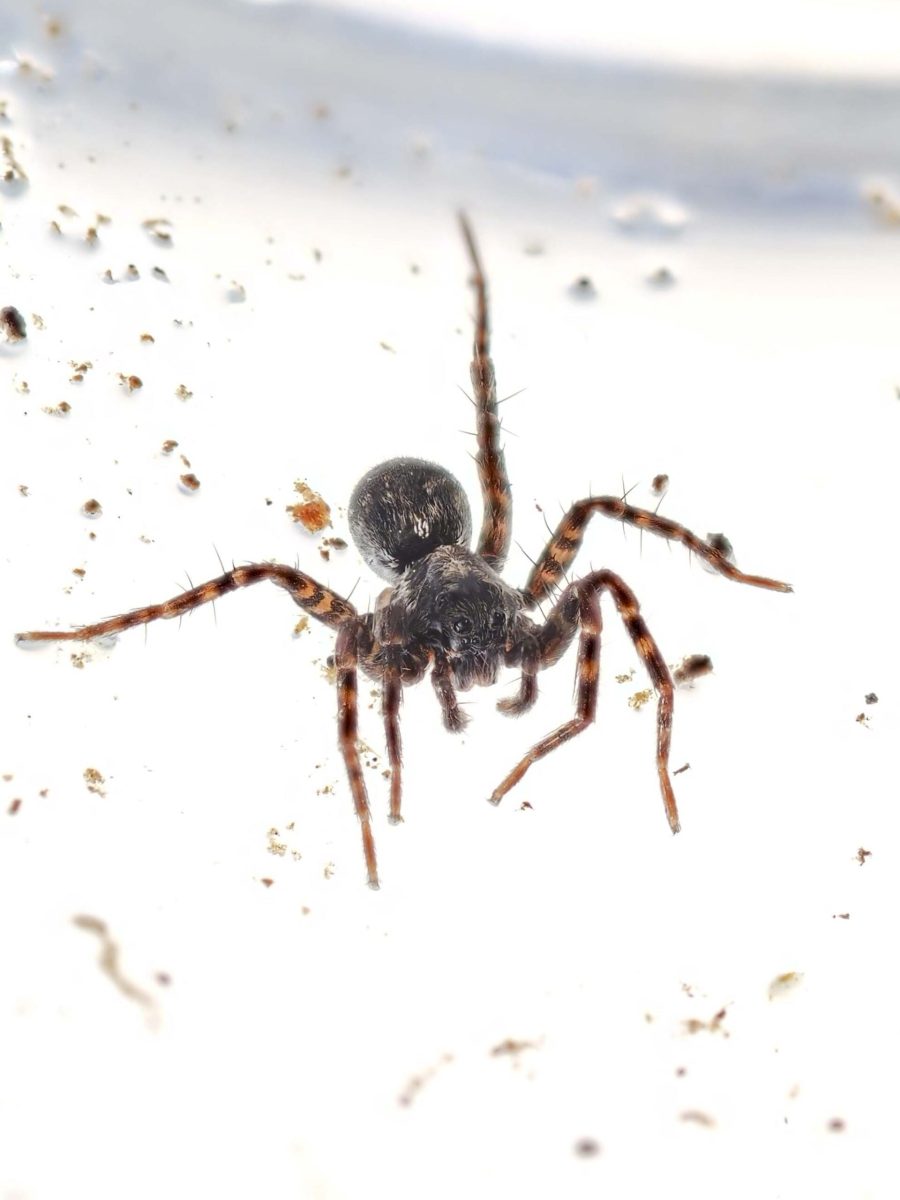

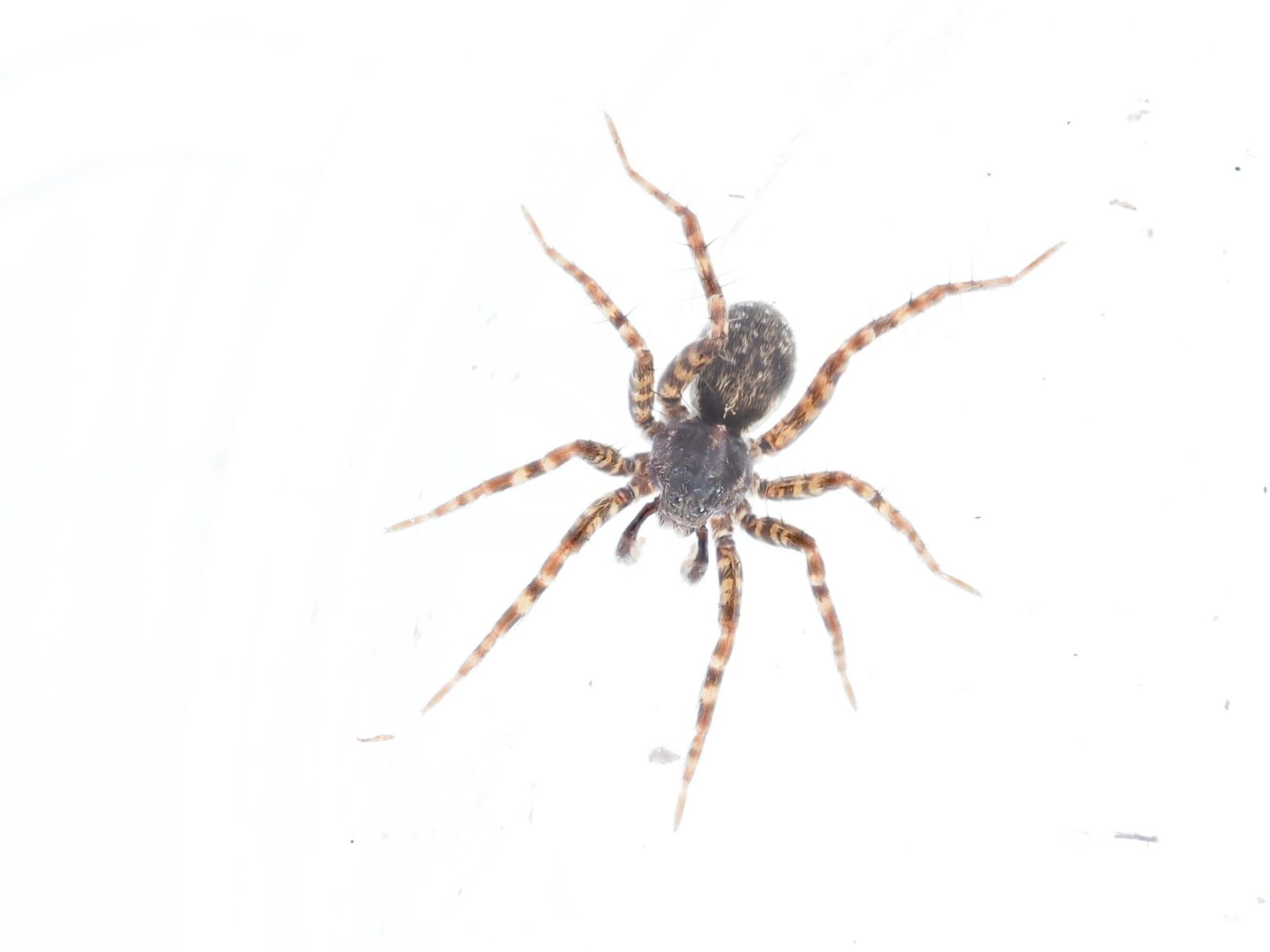
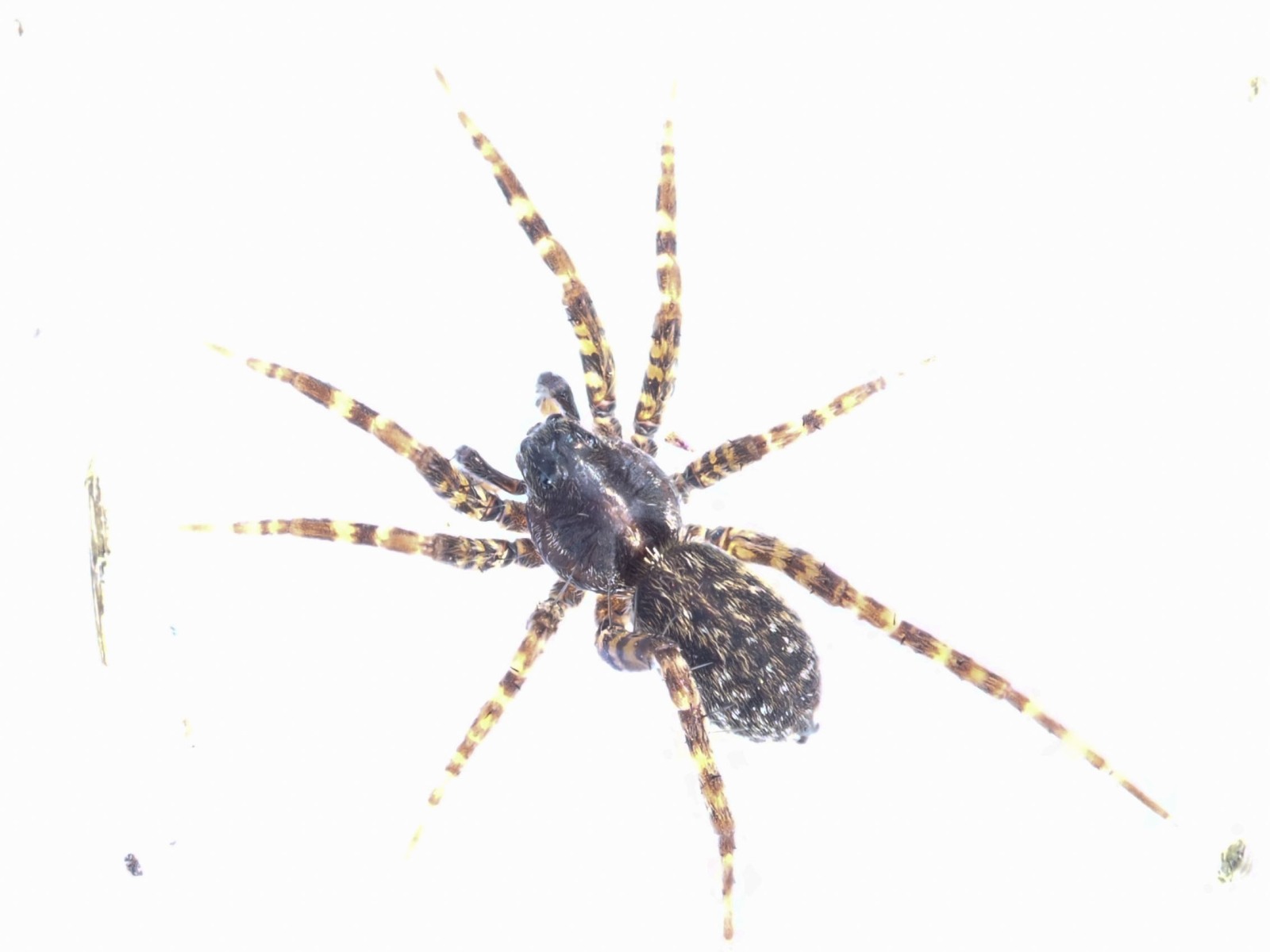
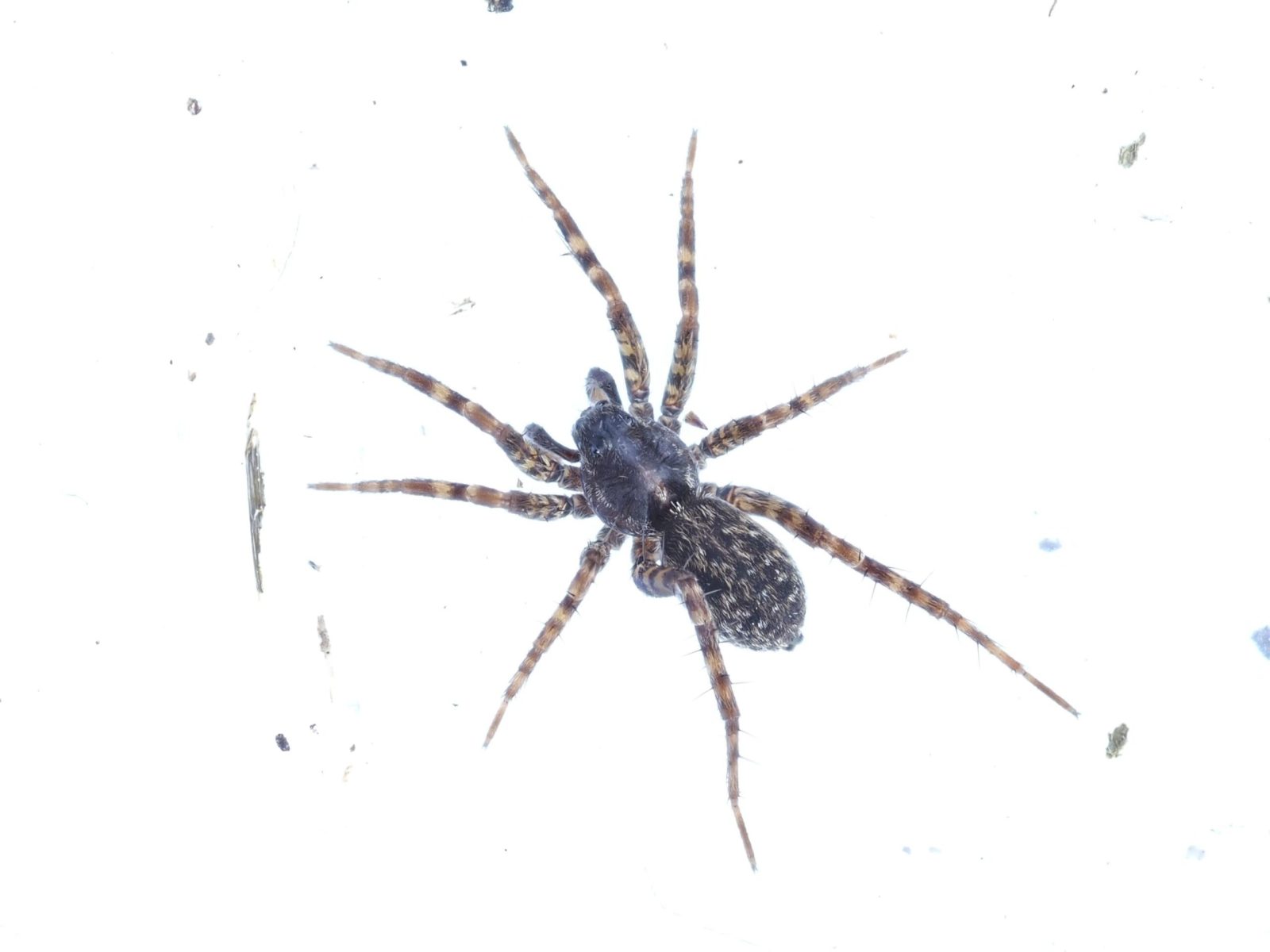
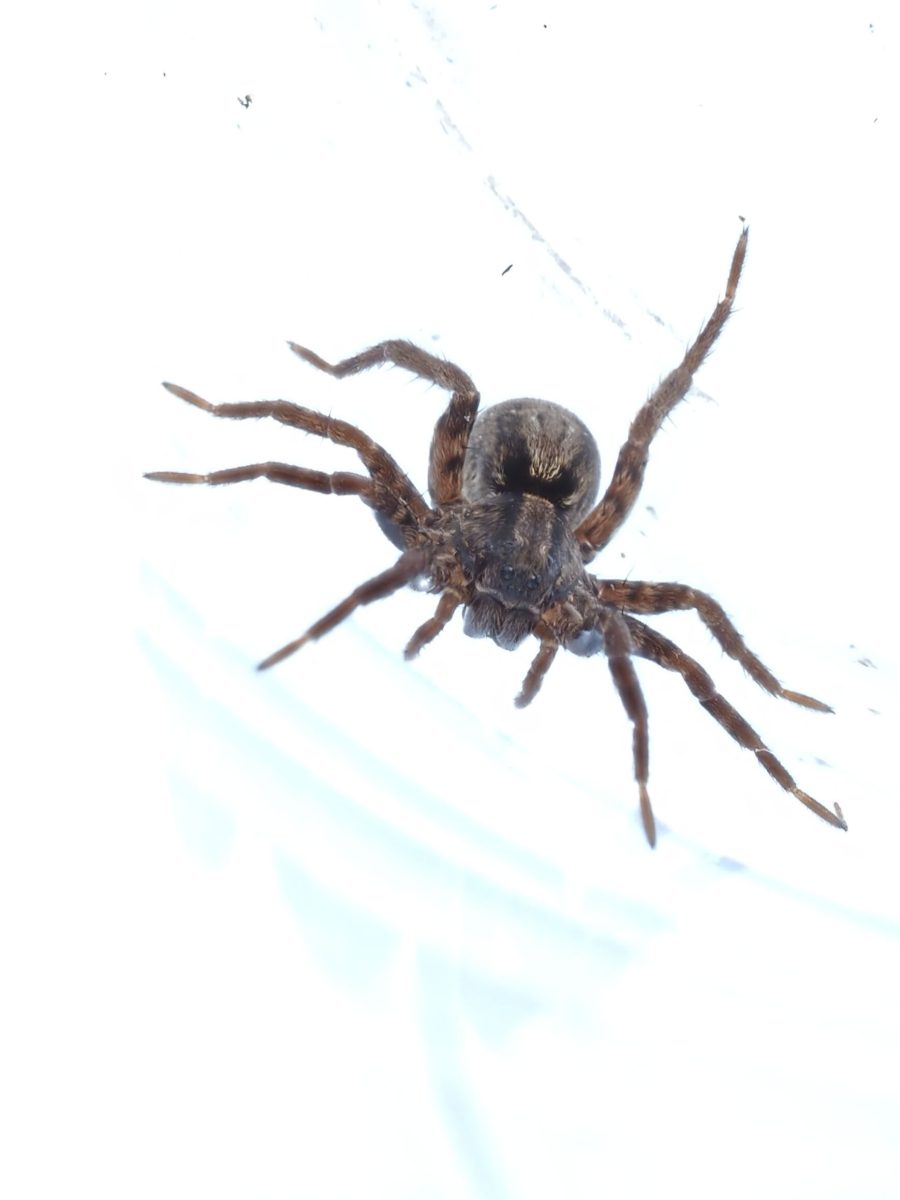
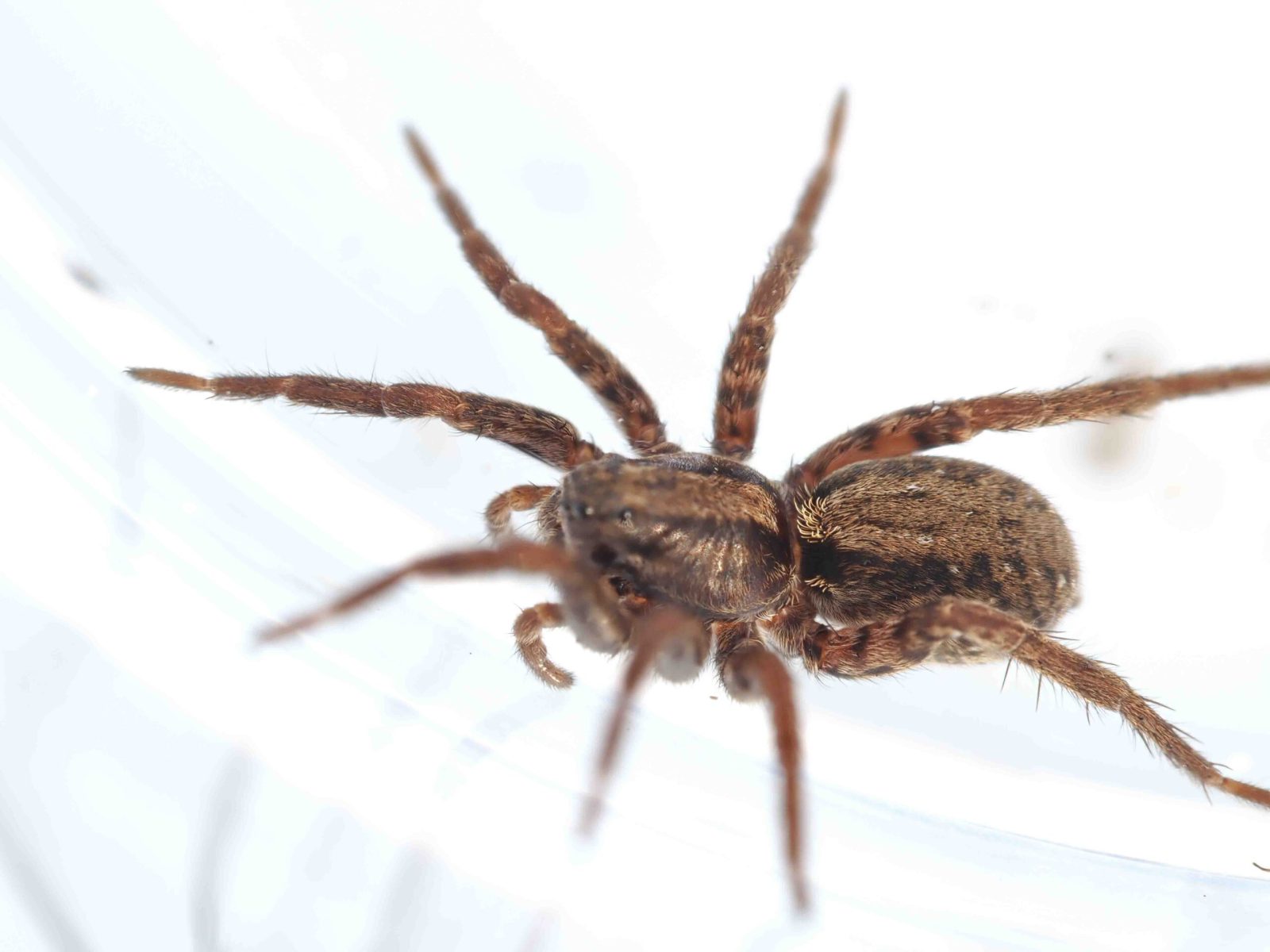


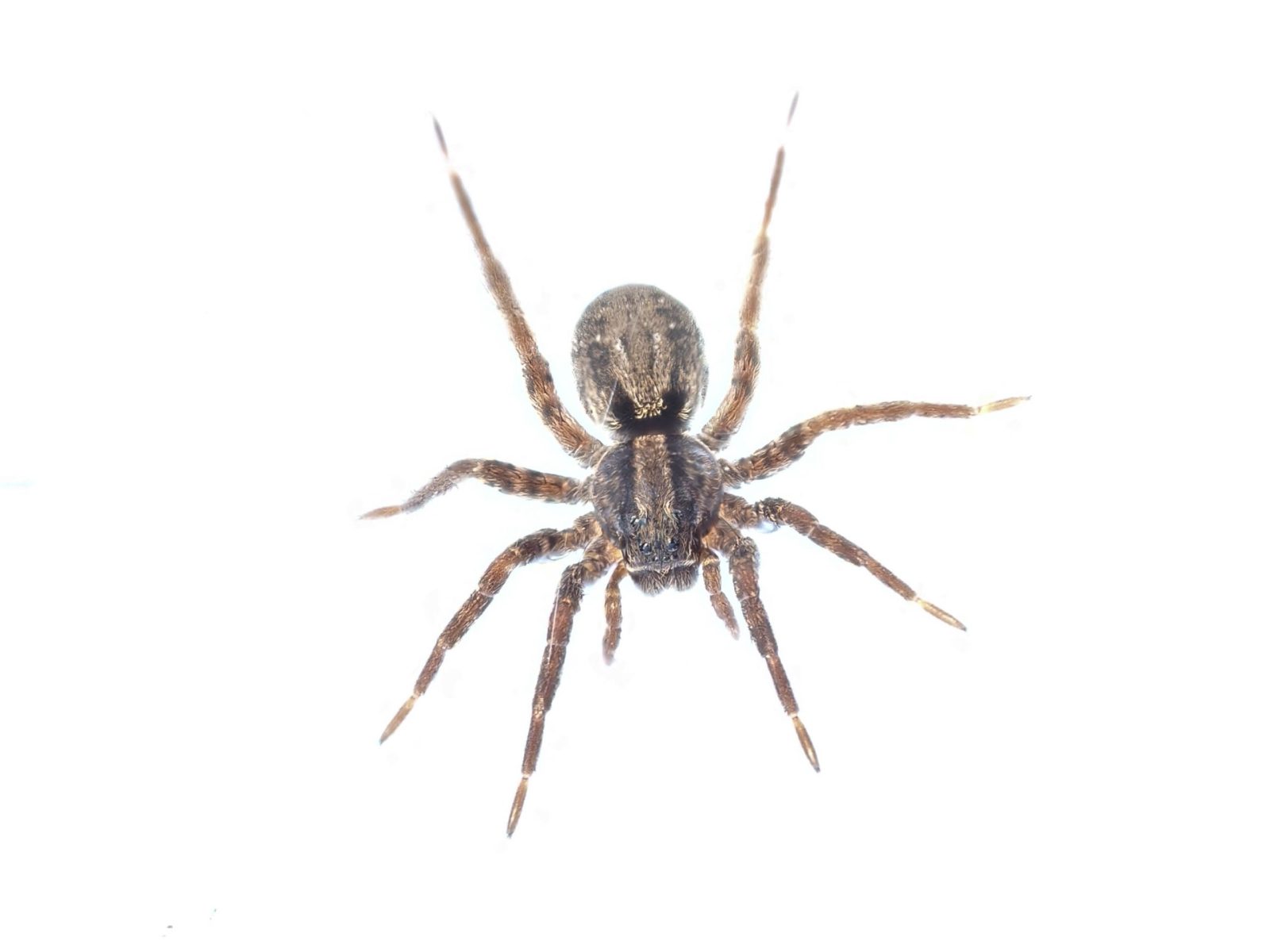

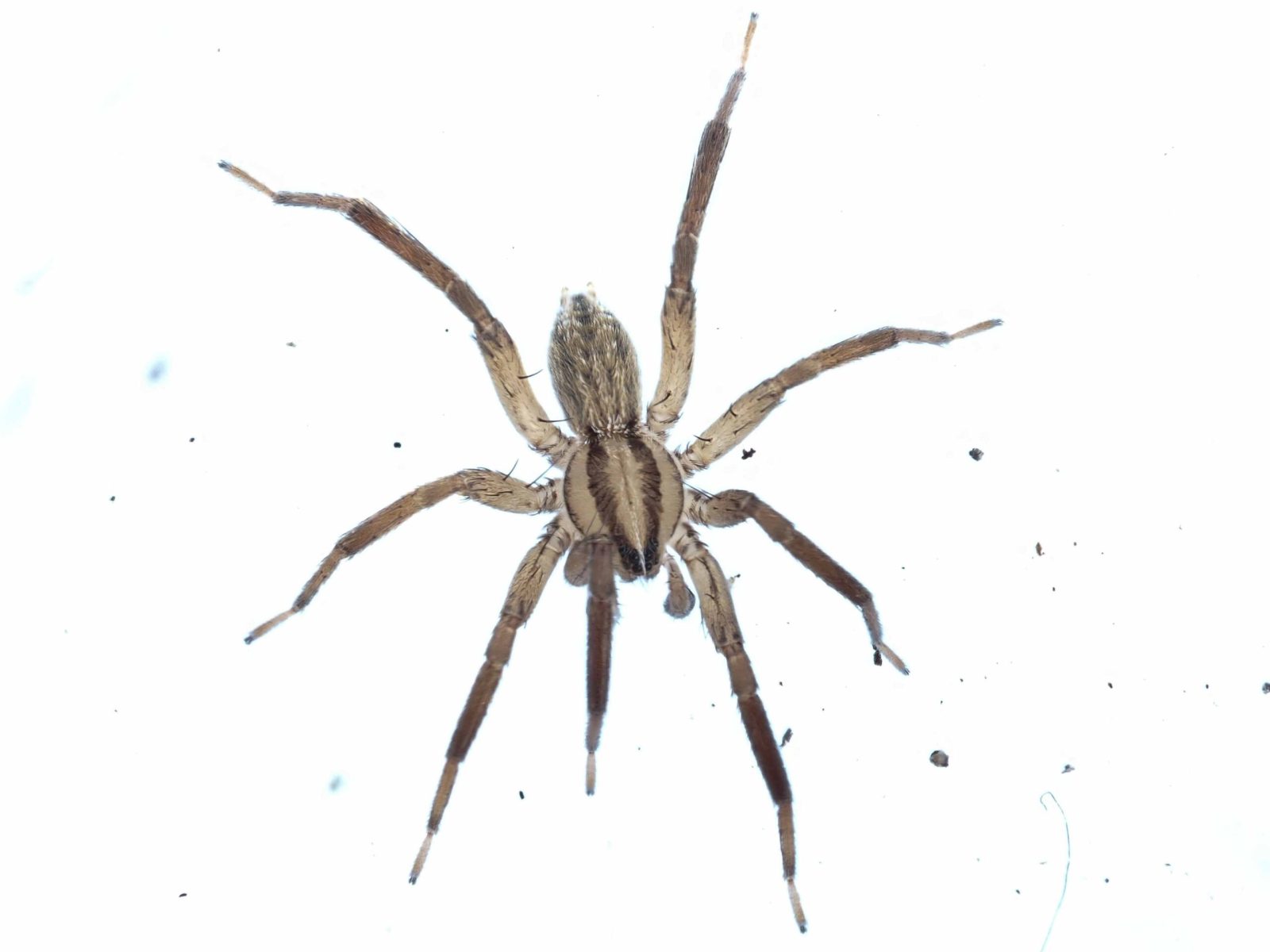
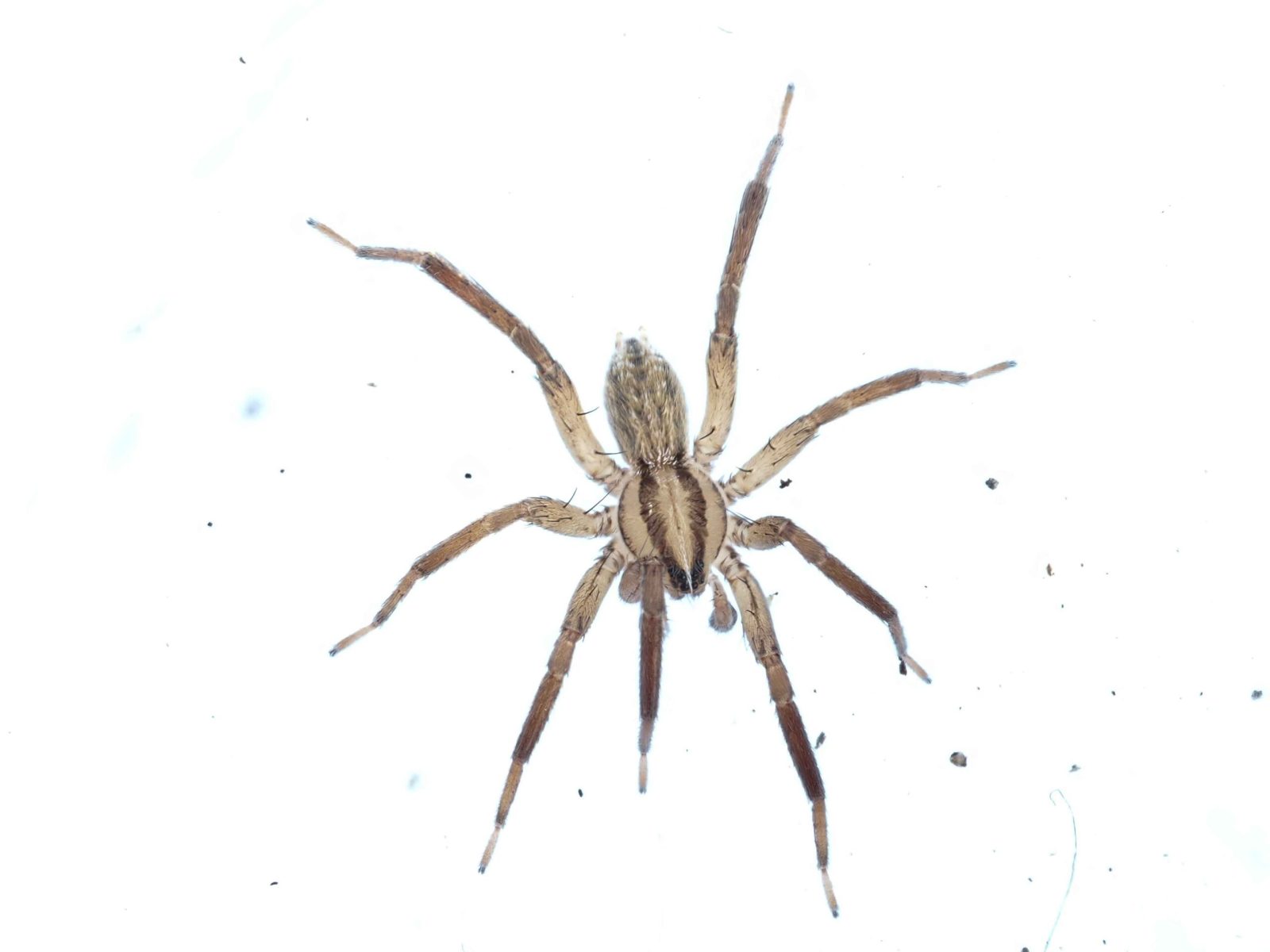
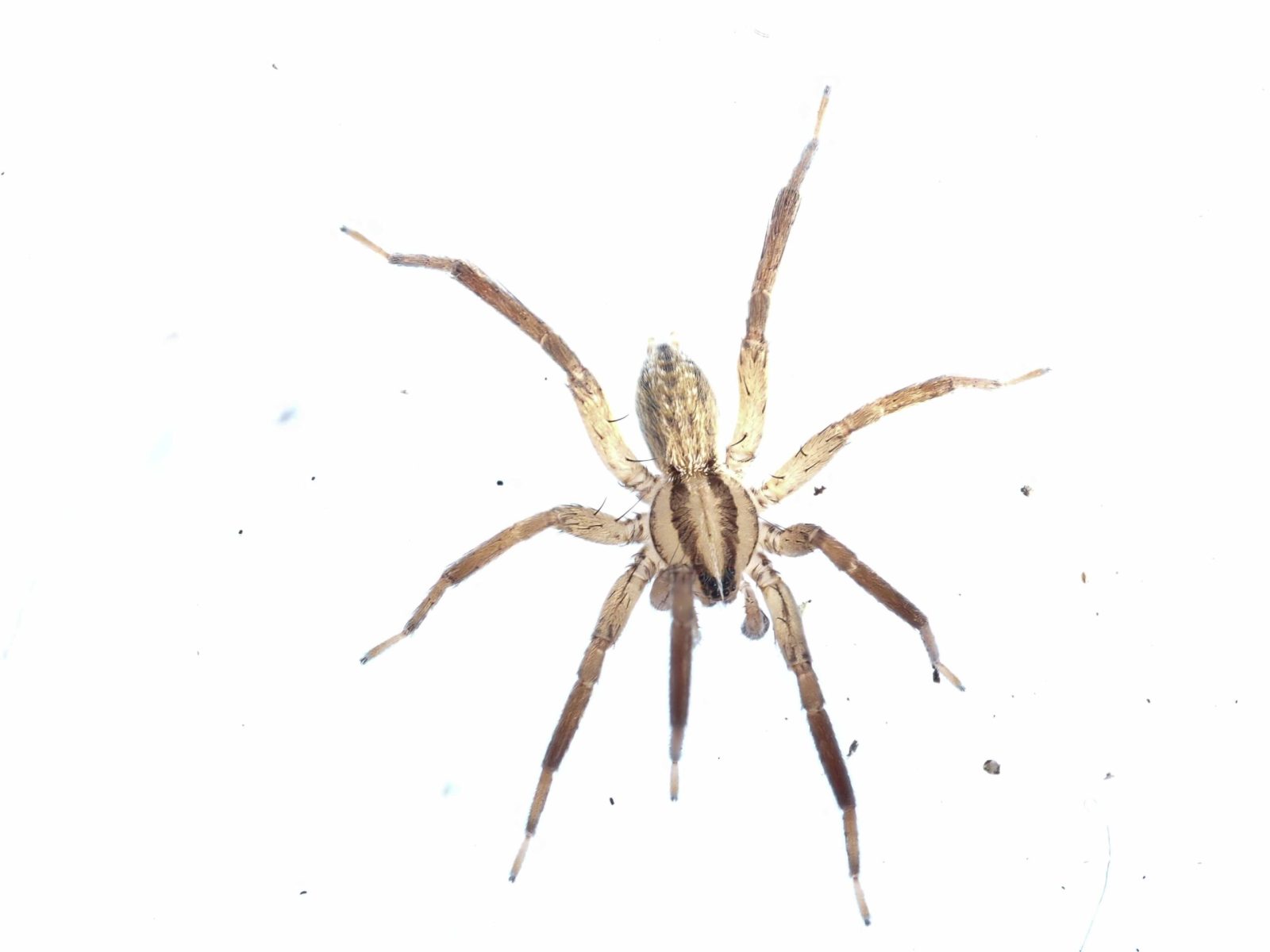
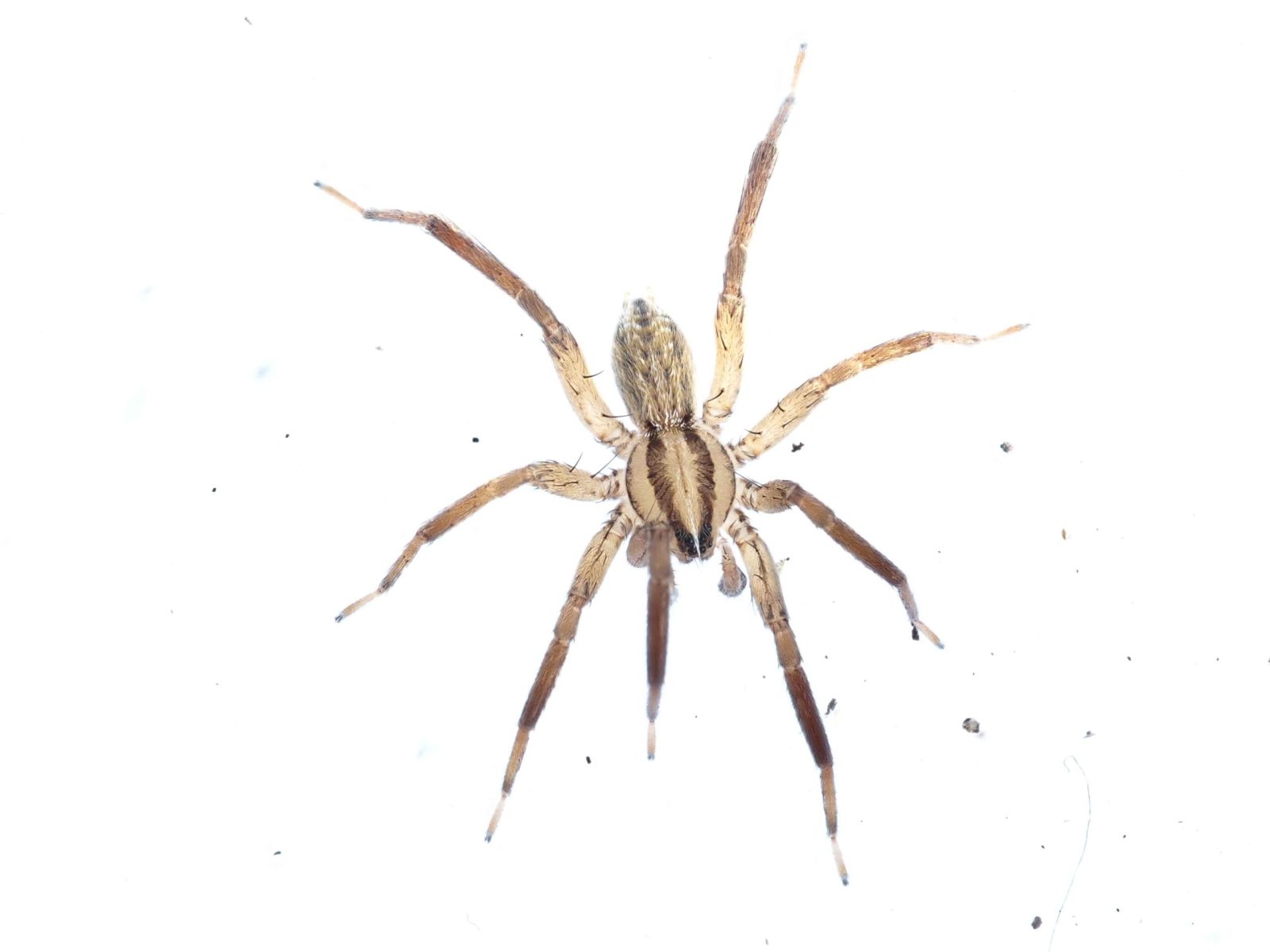
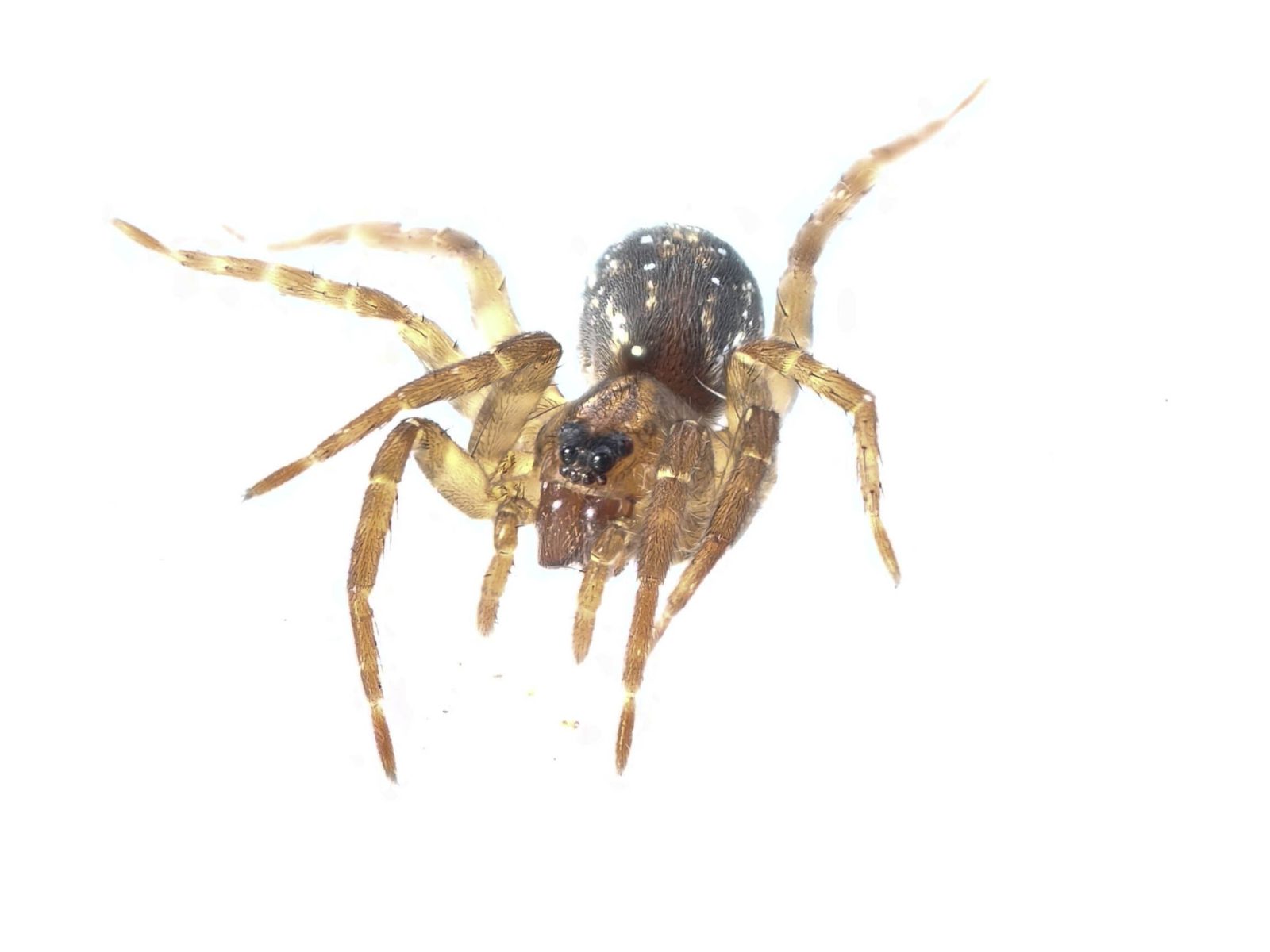
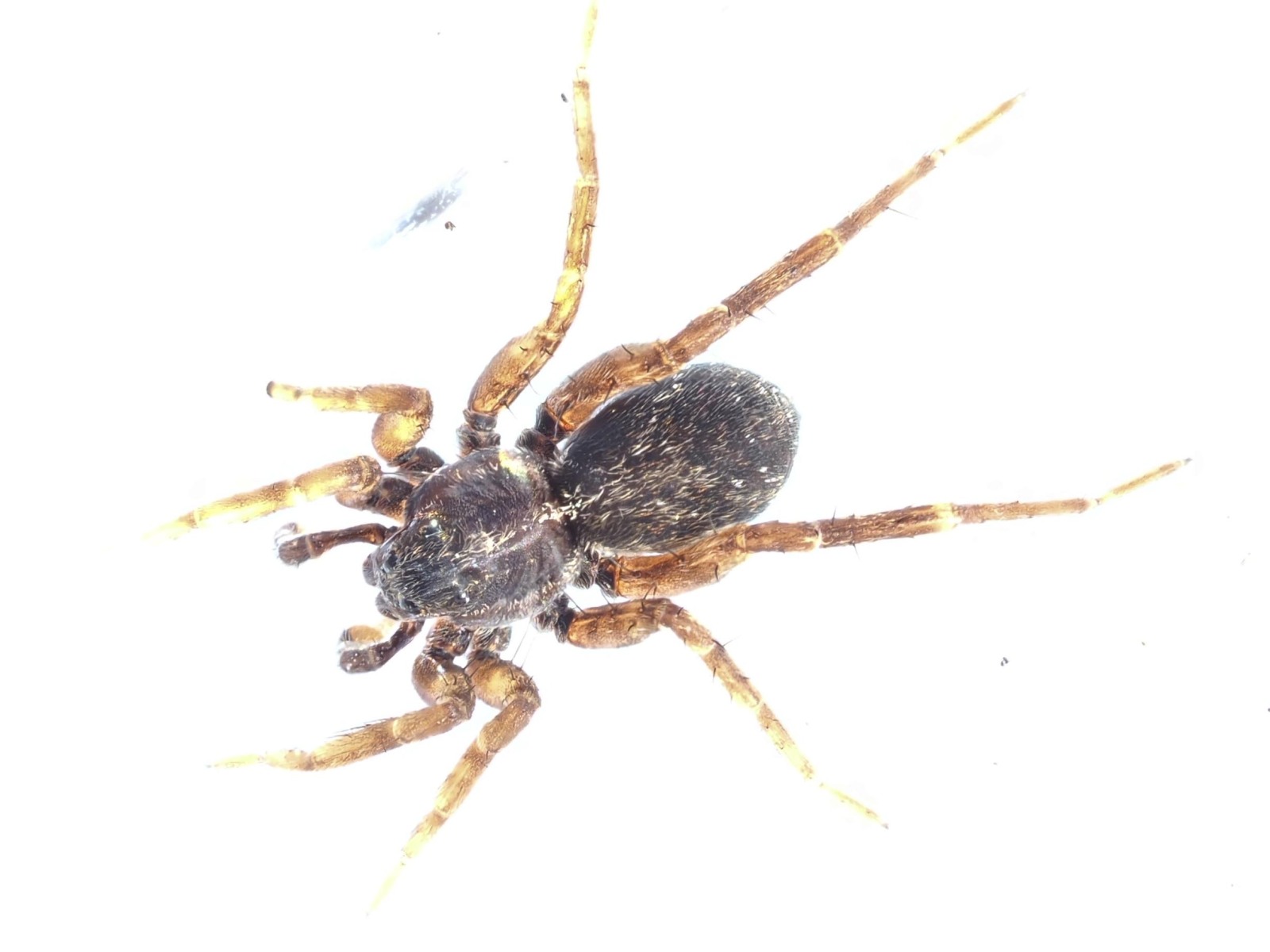
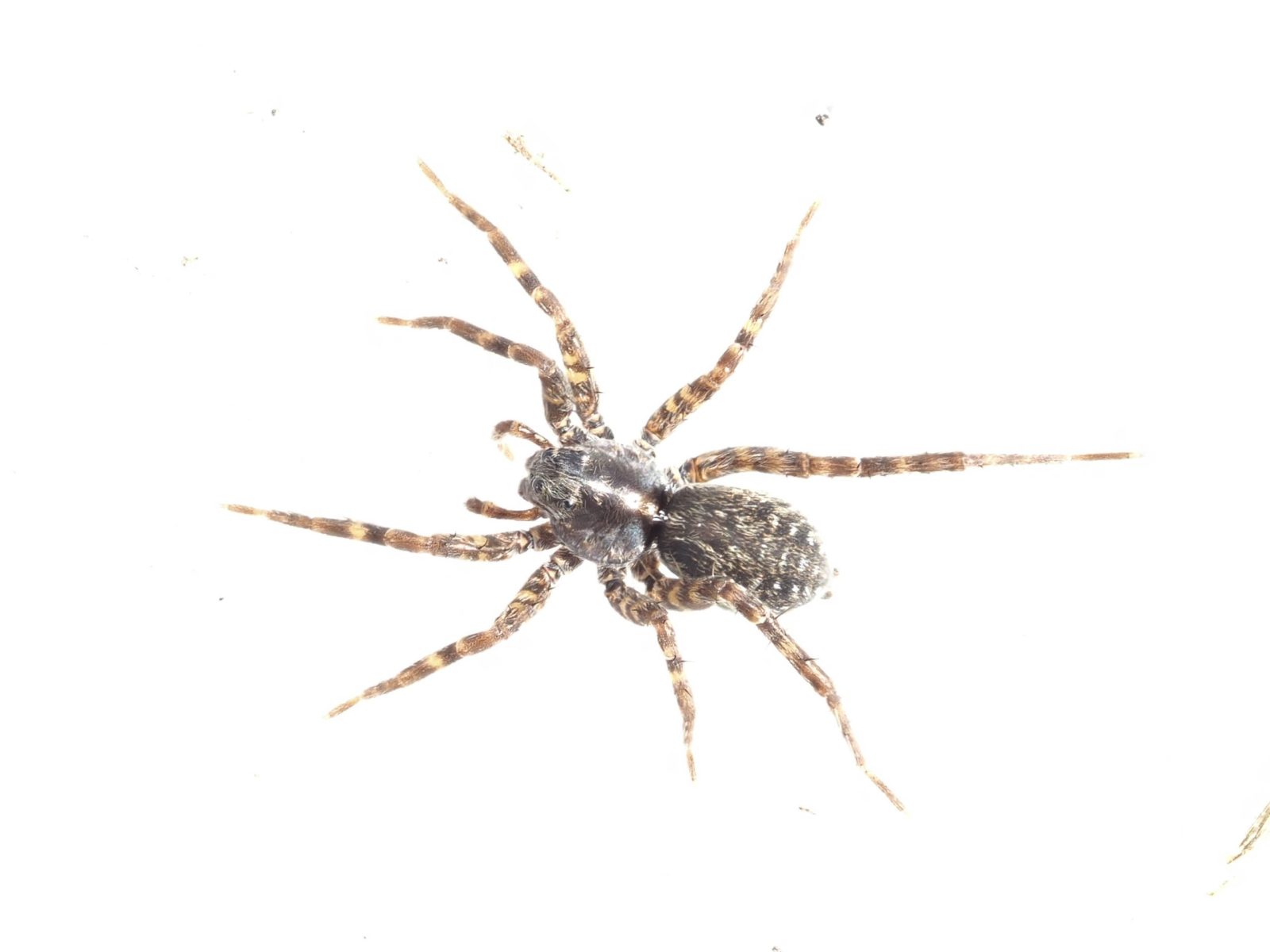


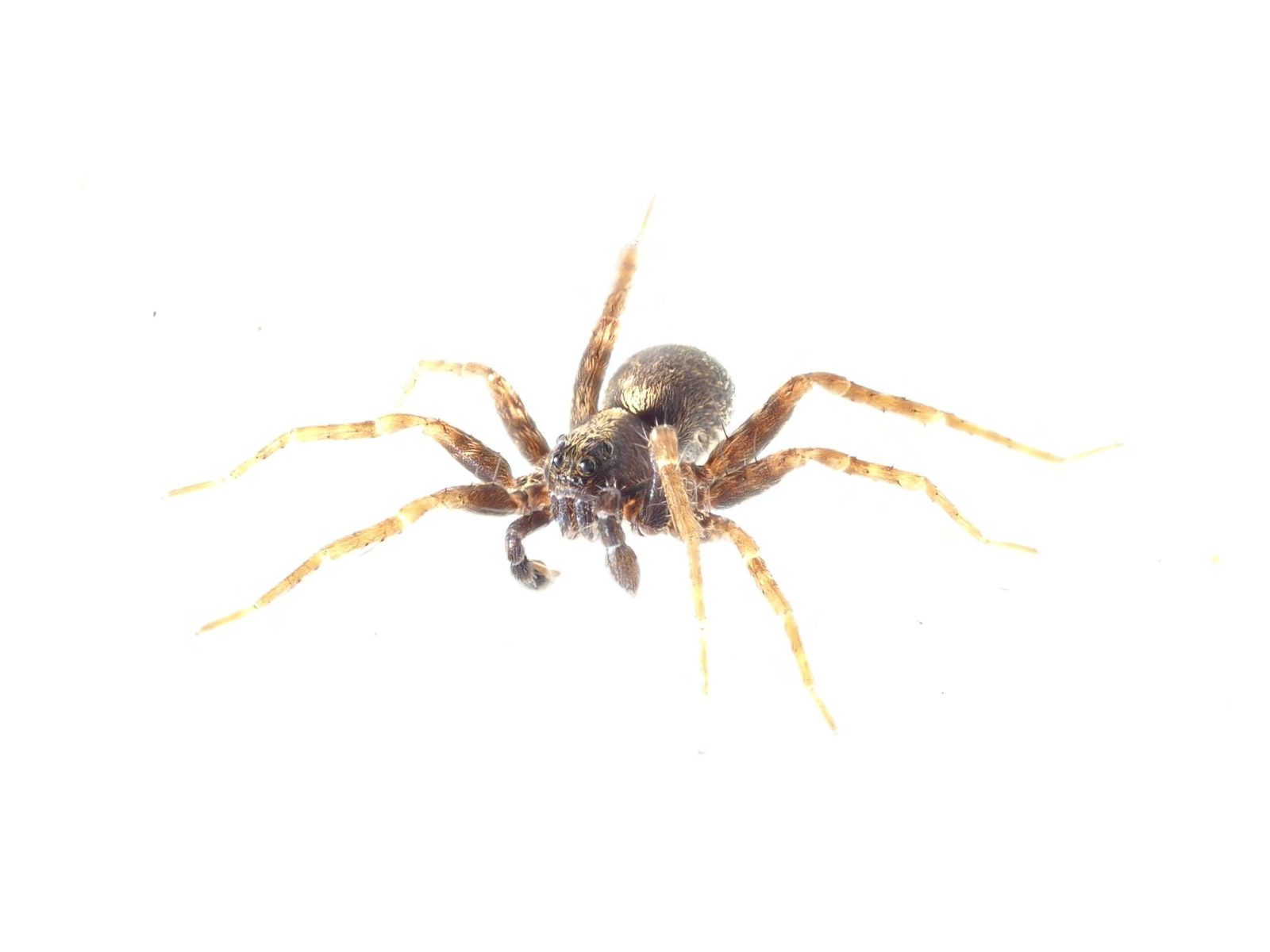
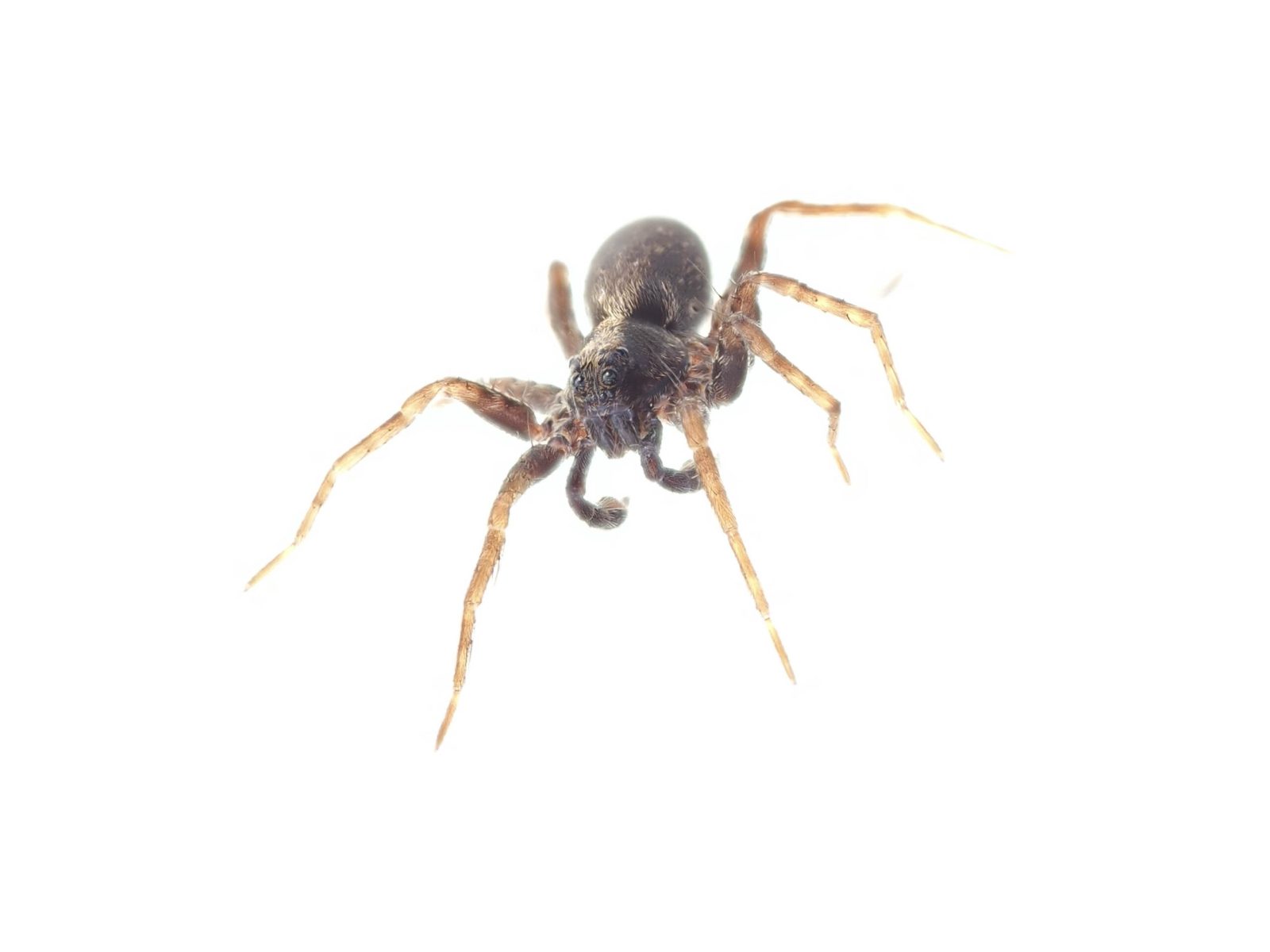
Garage Spider
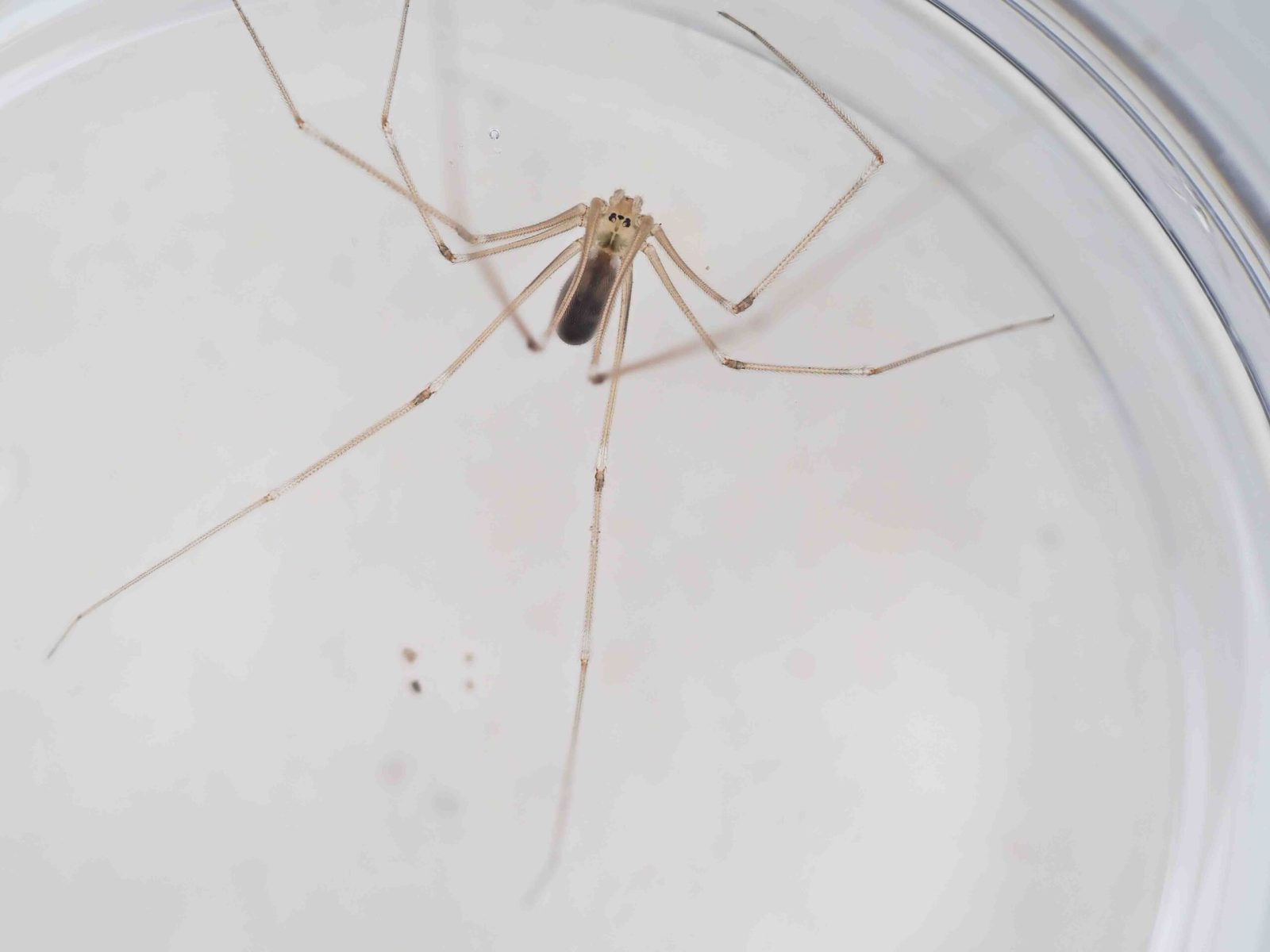

Kiveton Pit Tip, 19 March 2026
Kiveton Community Woodland (or Community Park) is a landscaped area established on the former Kiveton Park Colliery pit tip and provides a varied selection of walks.
But first, before leaving home, a common house spider.
![Eratigena duellica [Tegenaria gigantea] (Common House Spider)](https://www.doncasternaturalhistorysociety.org.uk/wp-content/gallery/2026-blog-les-coe-house-spider-march-19/Eratigena-duellica-Tegenaria-gigantea-Common-House-Spider-54-of-54-scaled.jpg?t=1773928679 "Eratigena duellica [Tegenaria gigantea] (Common House Spider)")
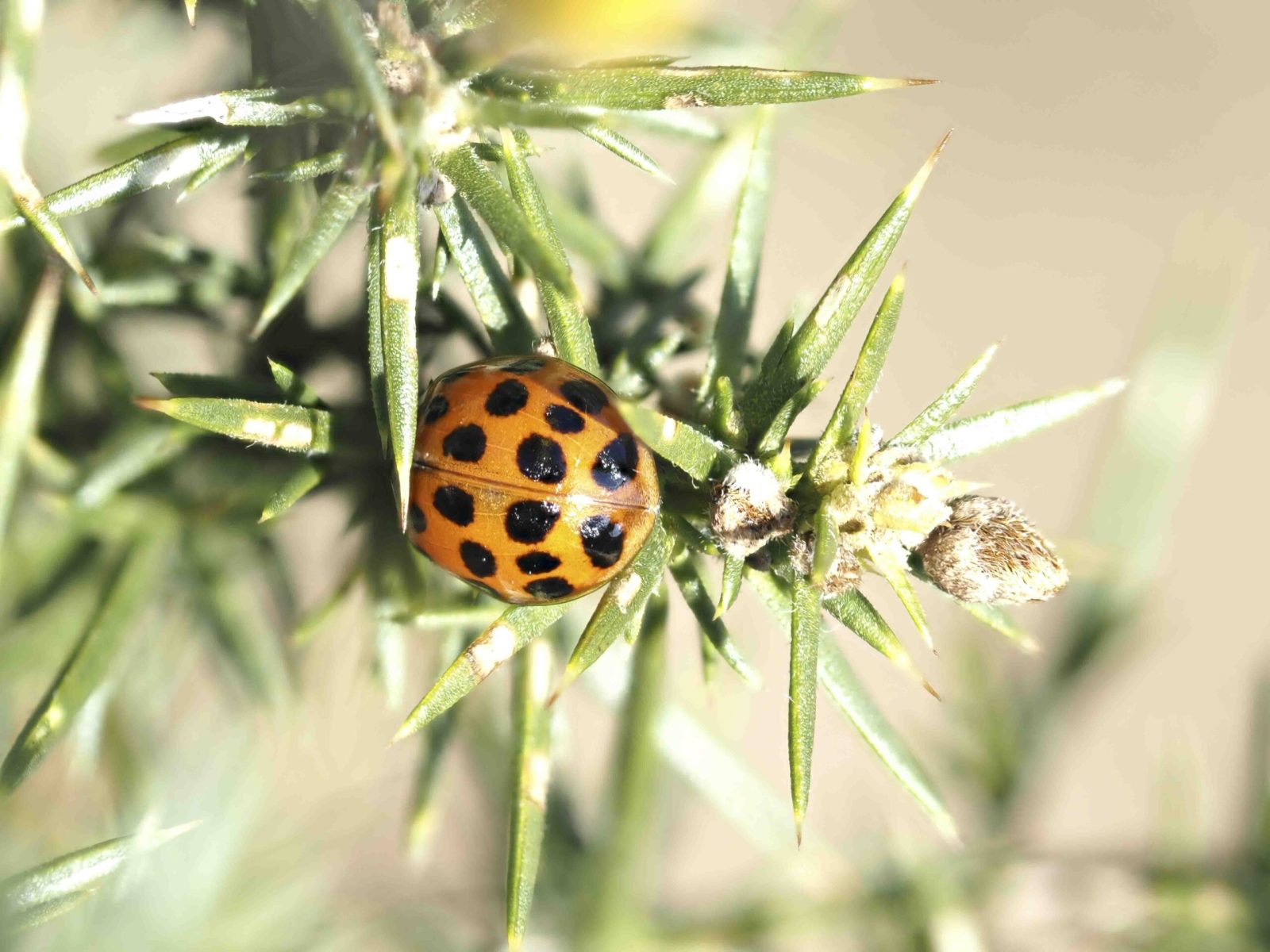
A Gorse Shield bug and a 22 Spot Ladybird were both found in Gorse.

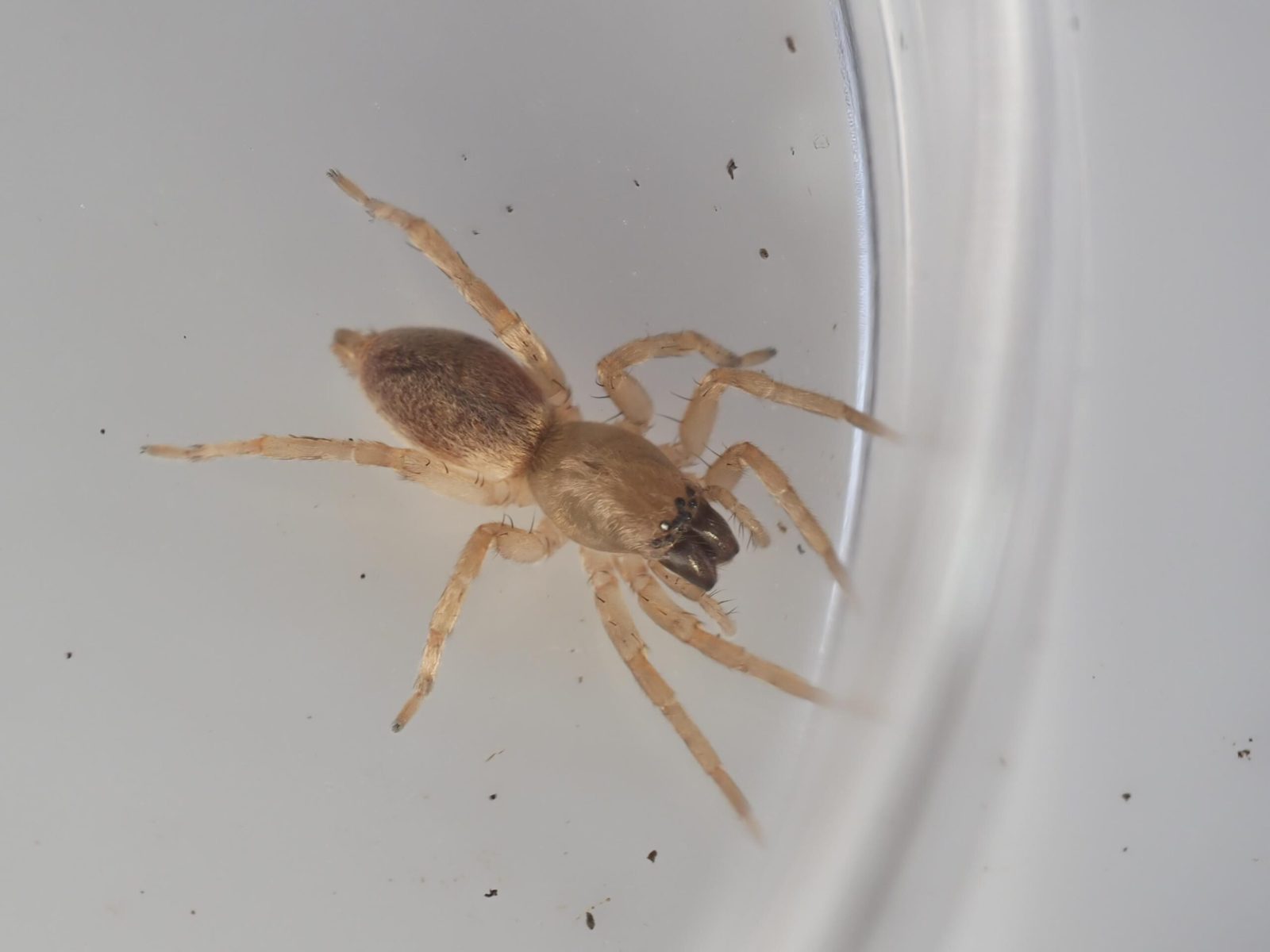
Old Eaa Hide, Potteric Carr with Colin Howes, 17 March 2026
A search amongst Phragmites litter produced a few spiders.
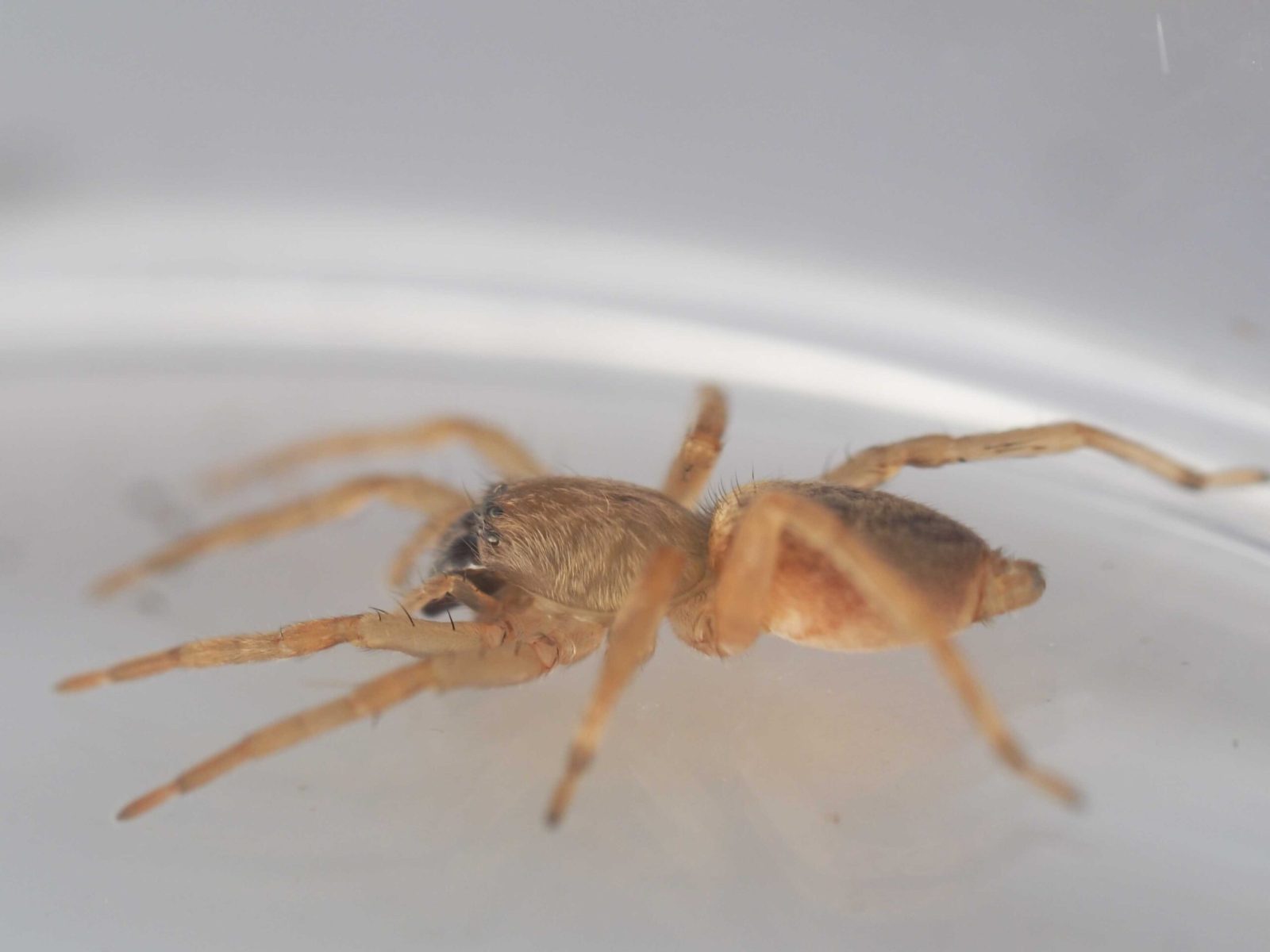
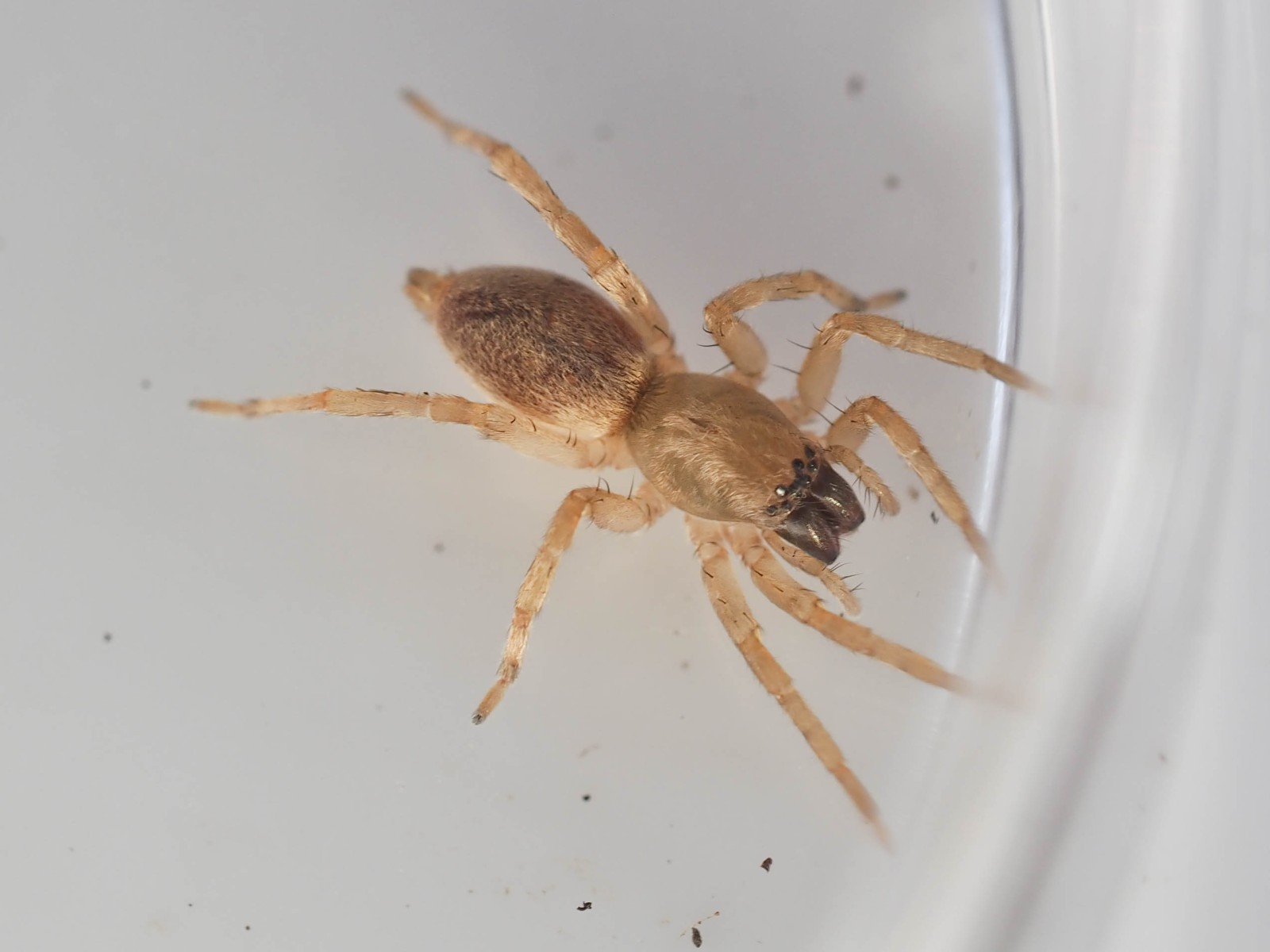
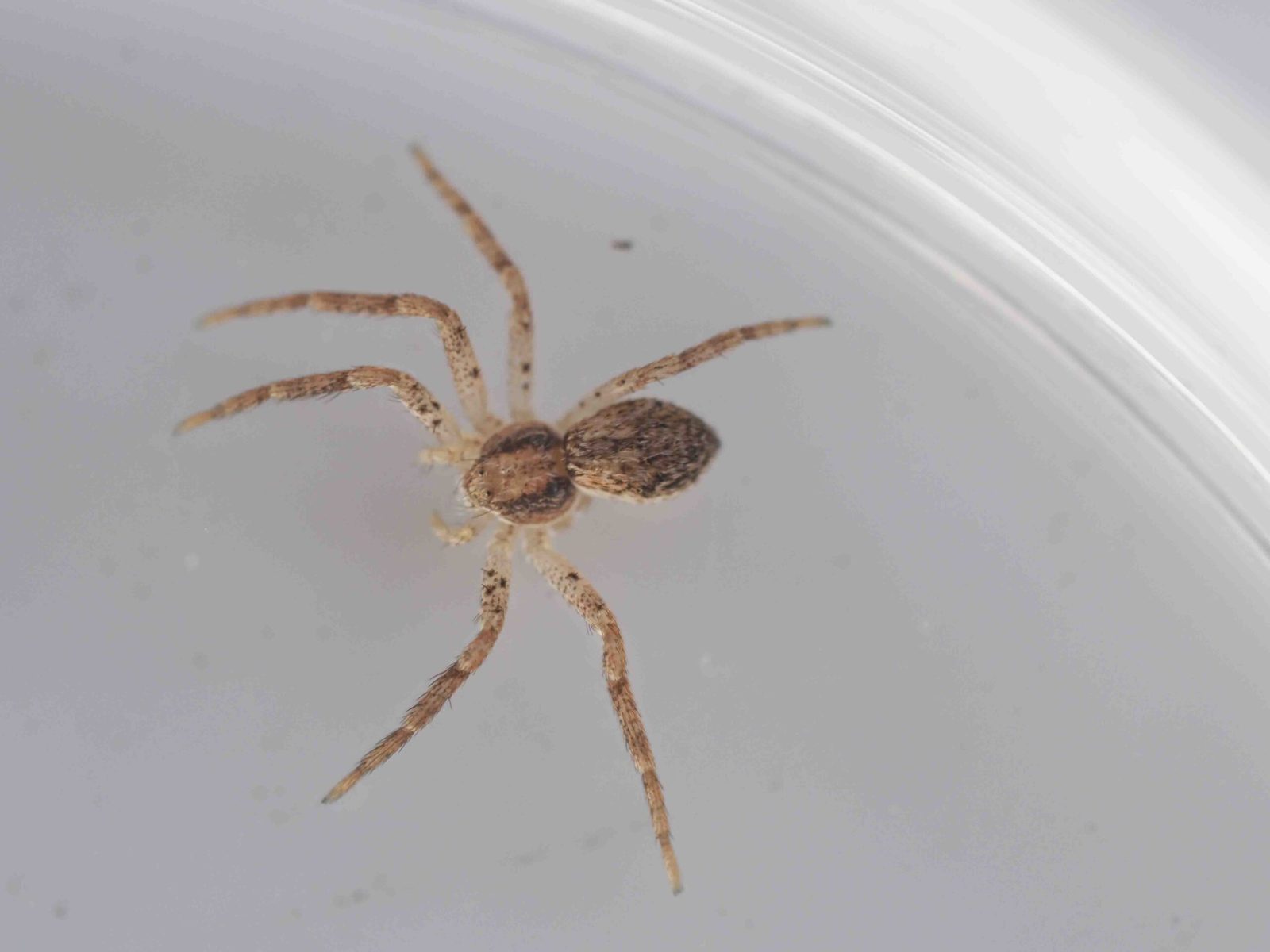

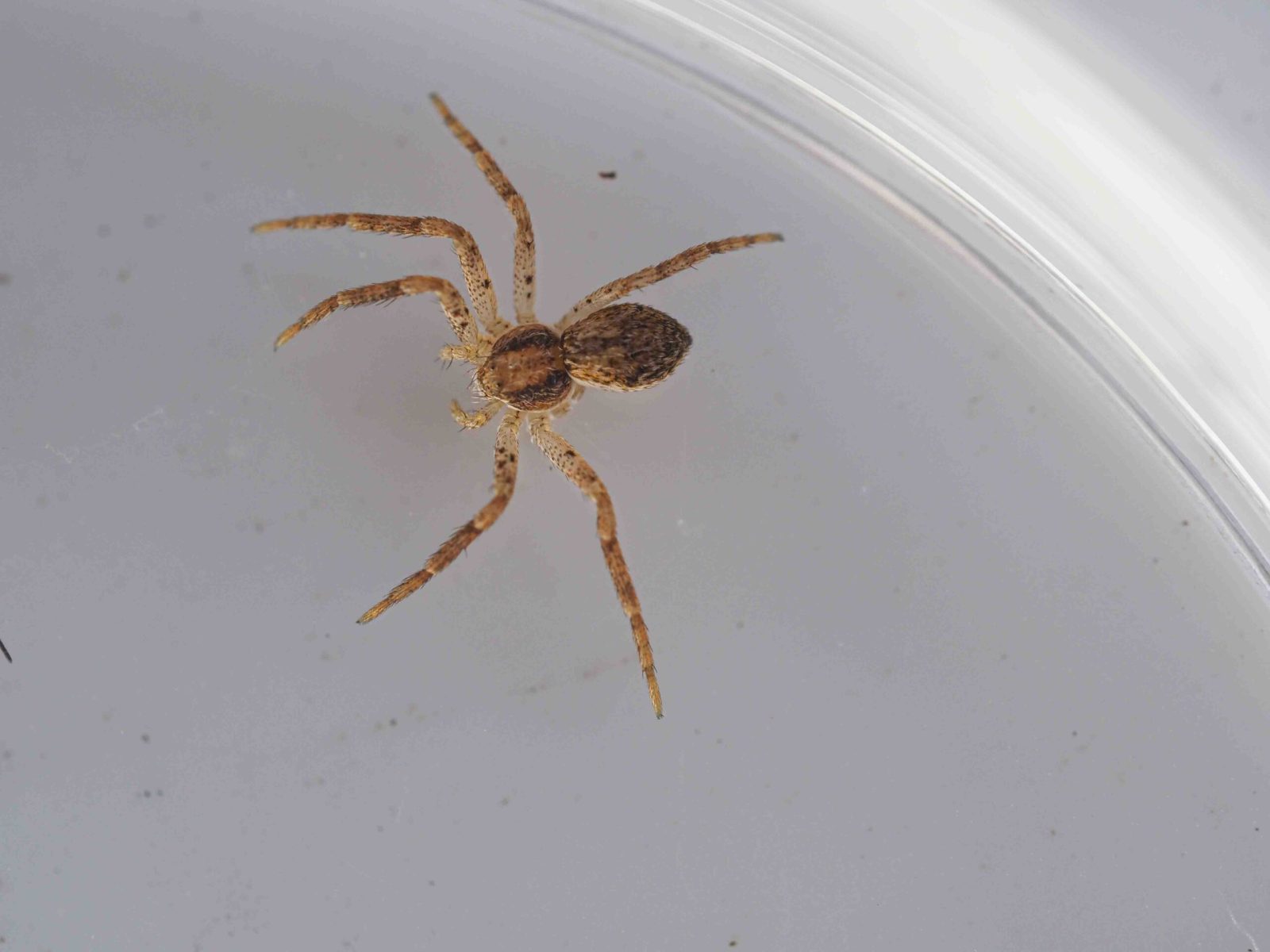
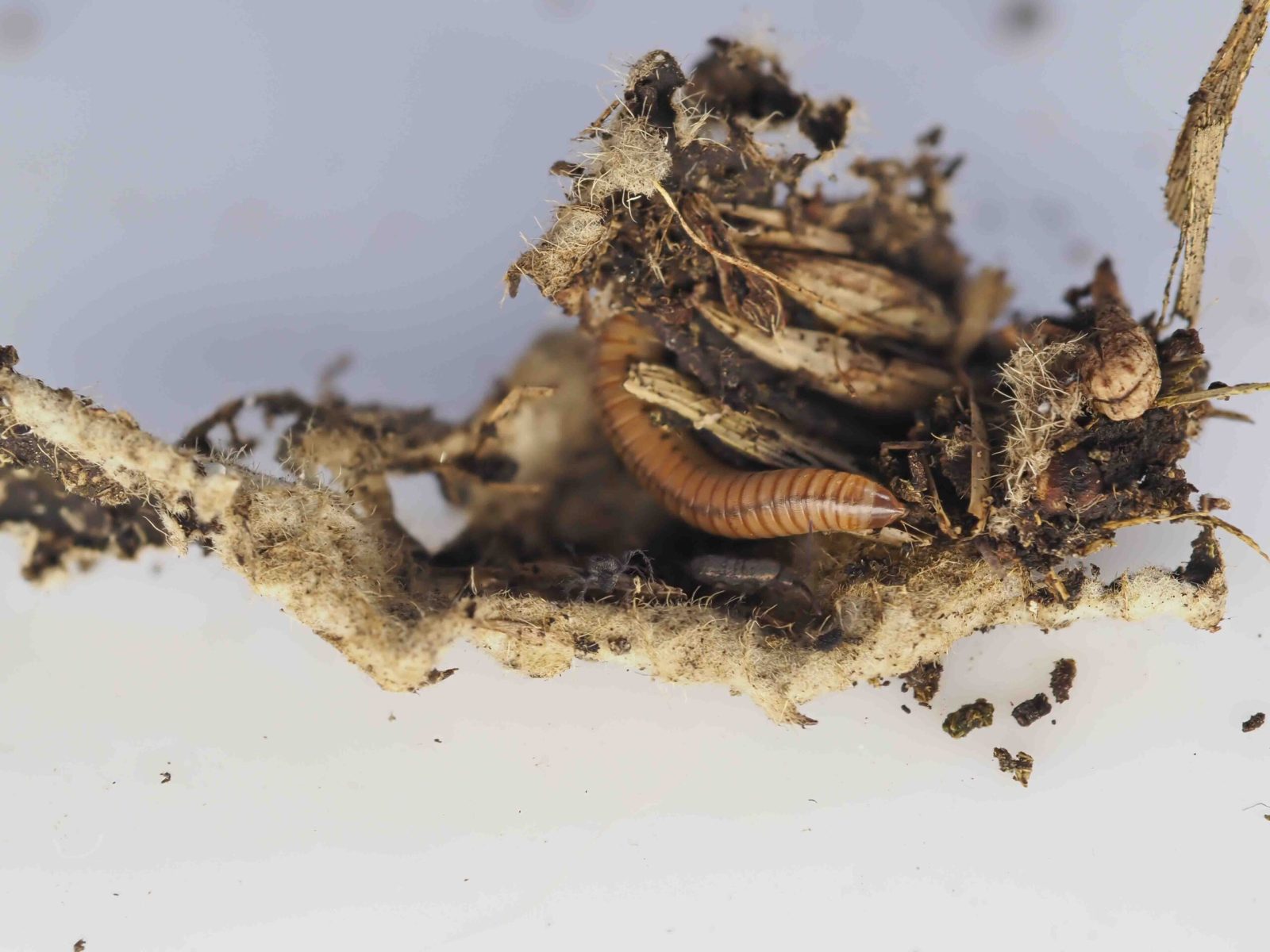
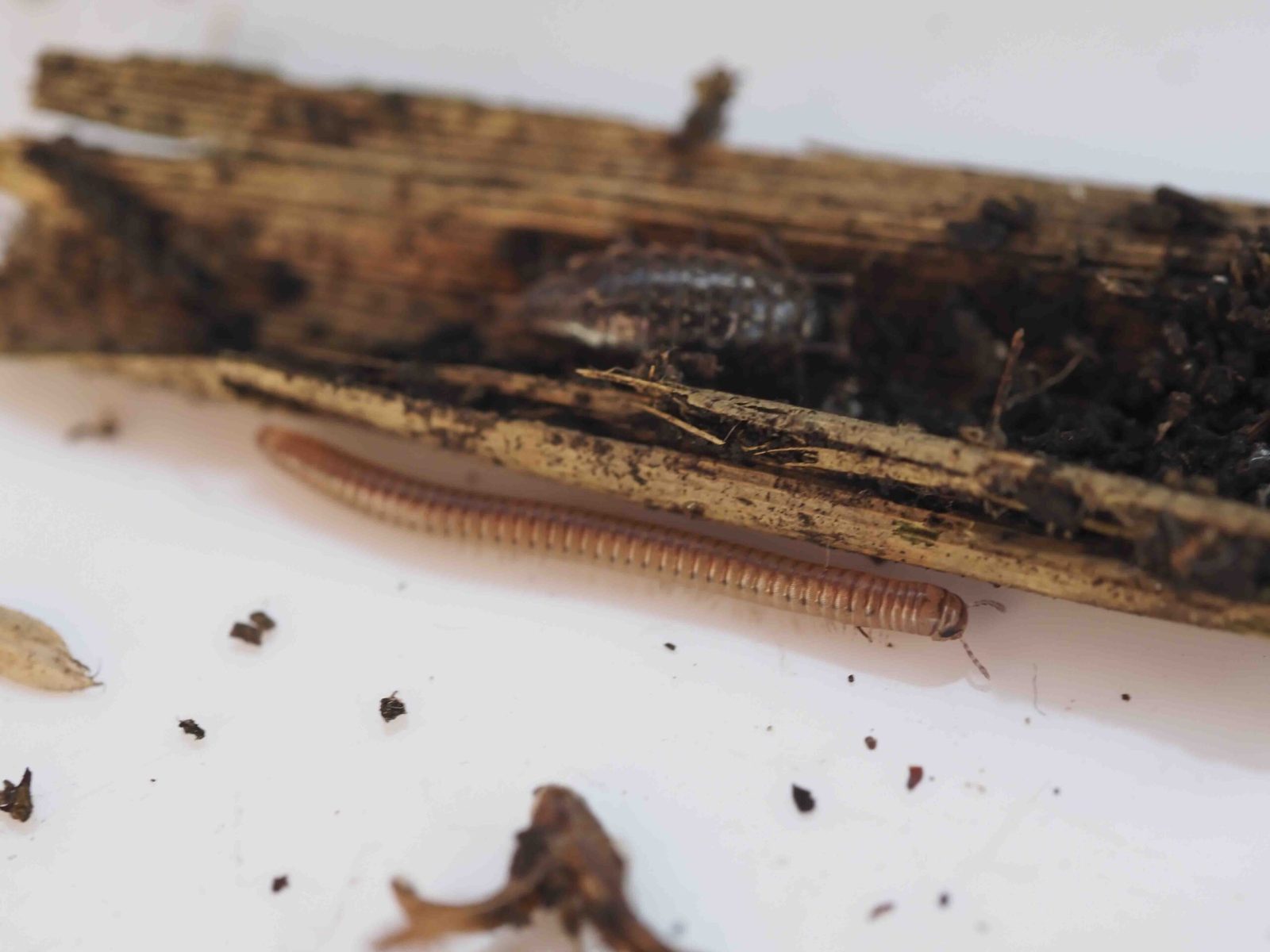
and some Millipedes

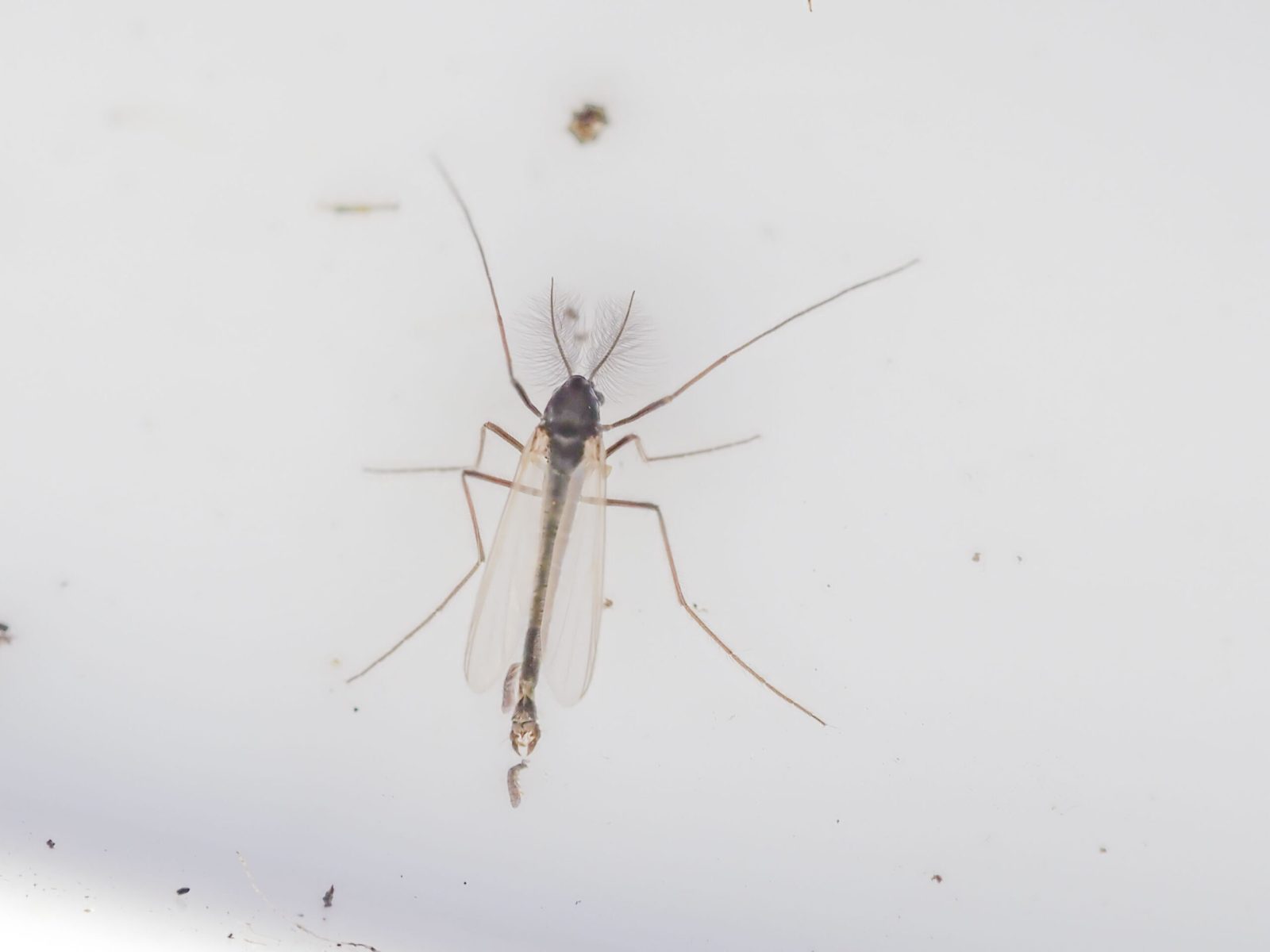
and a Mosquito
Barrow Hills SSSI 15 March 2026
A cold & very windy morning on a visit to this interesting reserve.
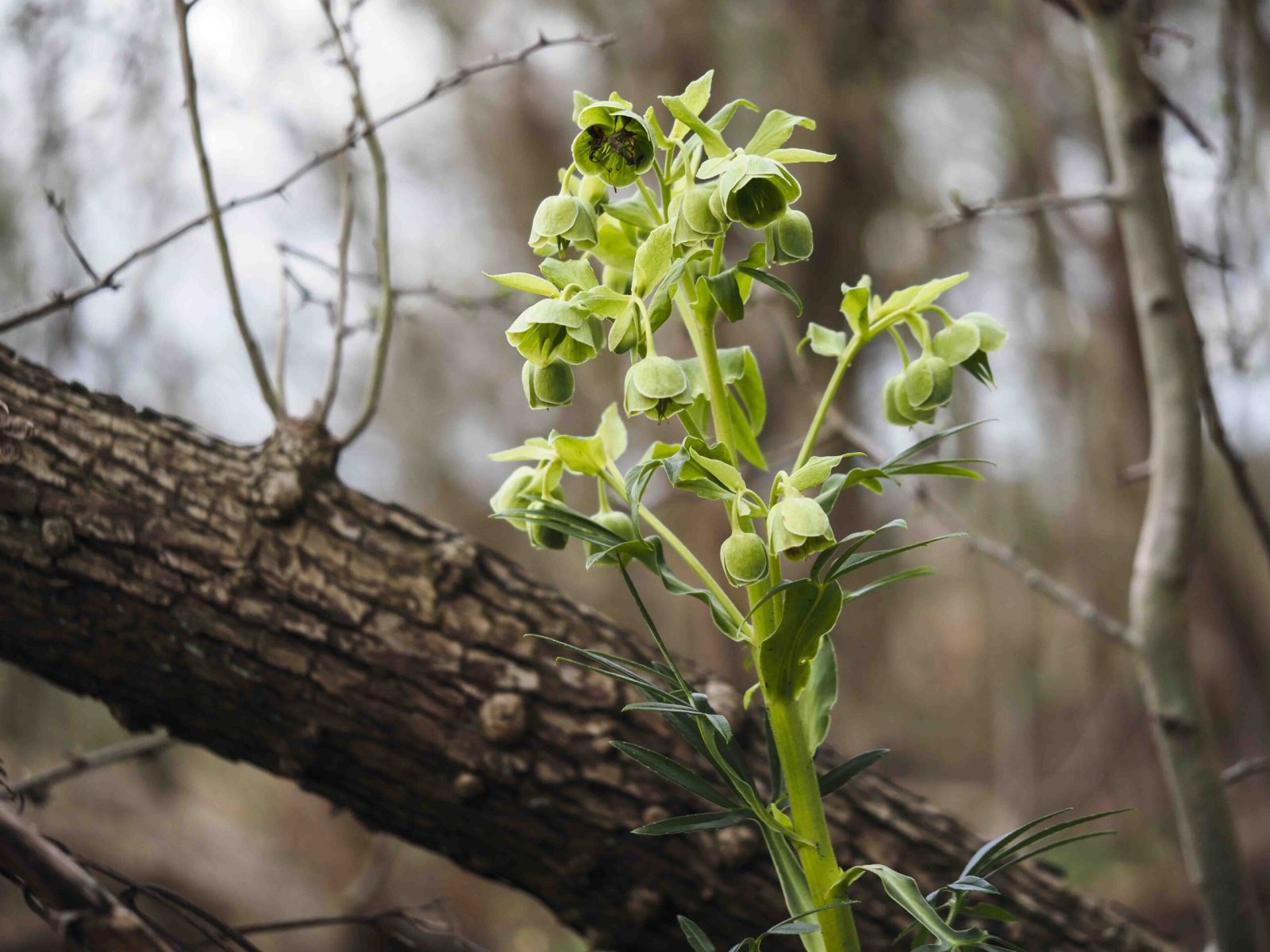

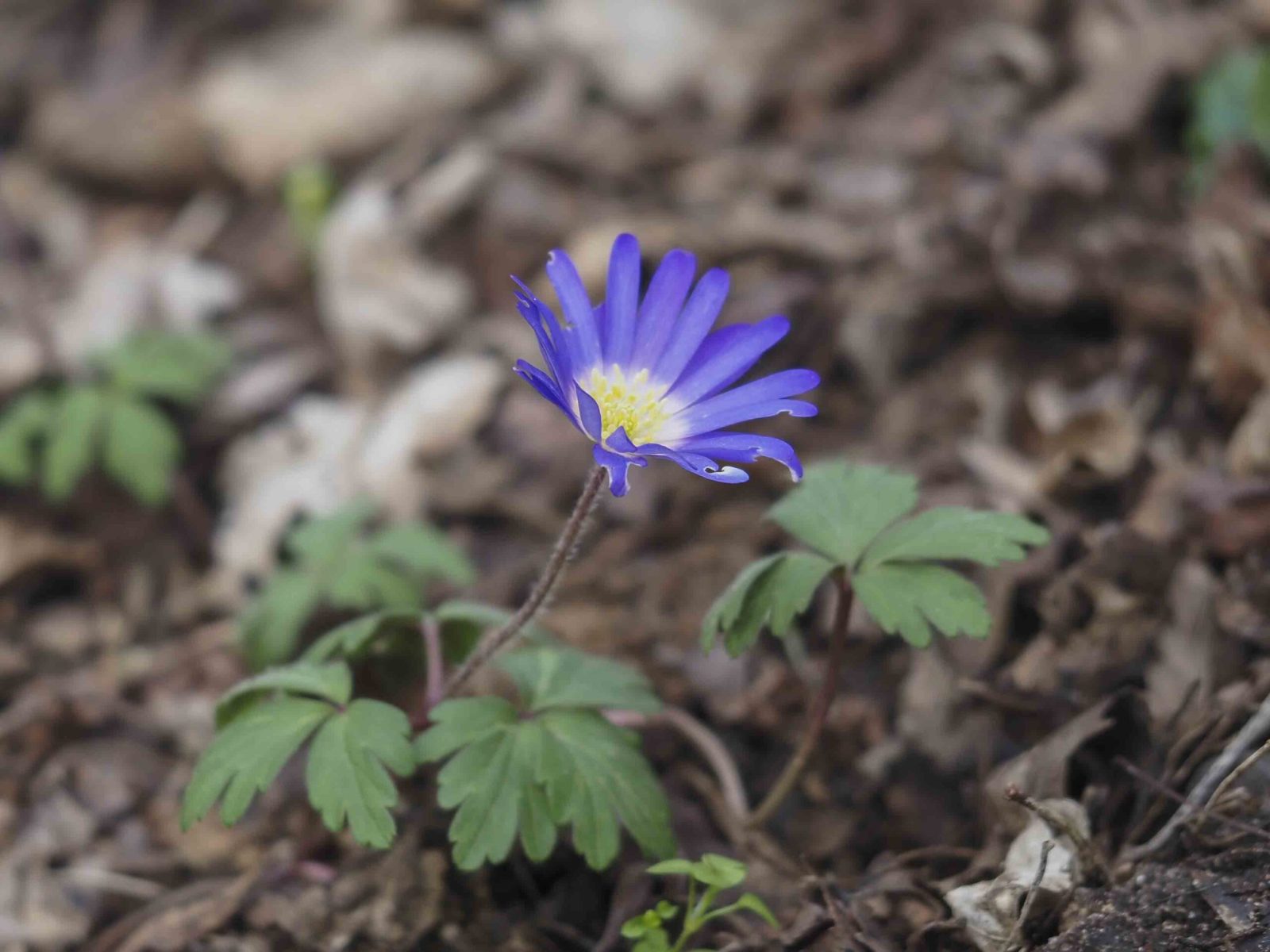
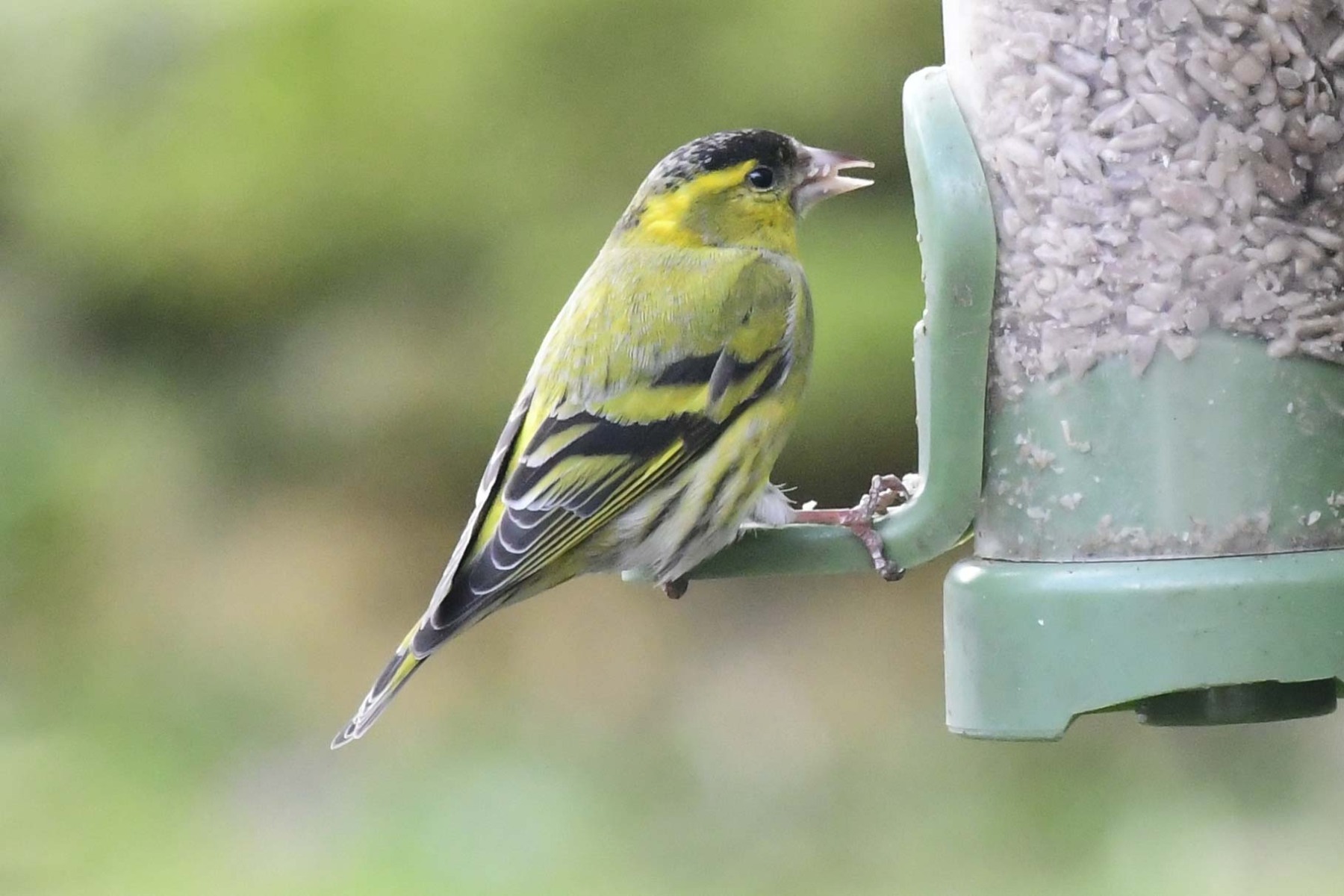
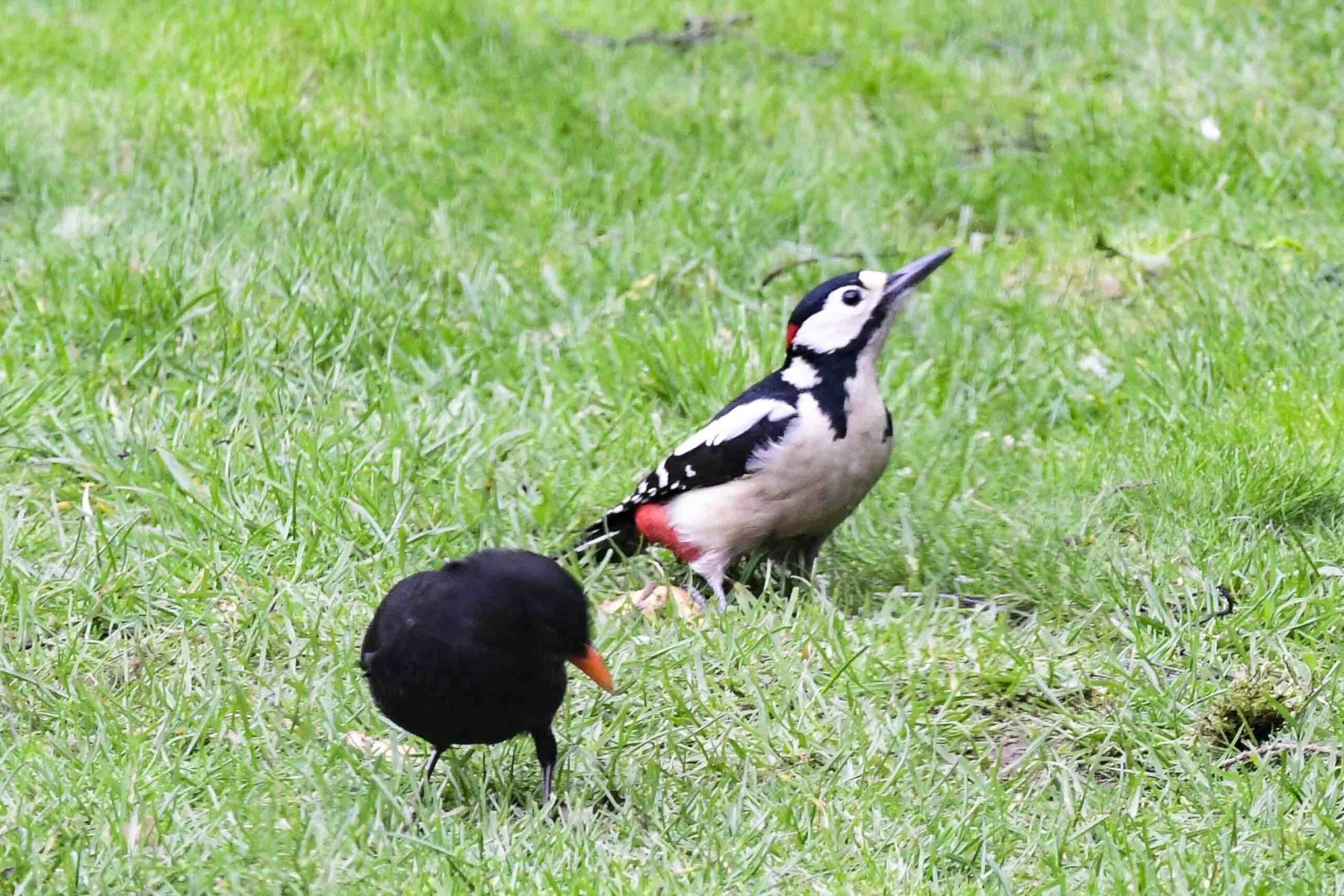
Garden visitors.
A couple of rare visitors to our garden
Daneshill Nature Reserve, 14 March 2026
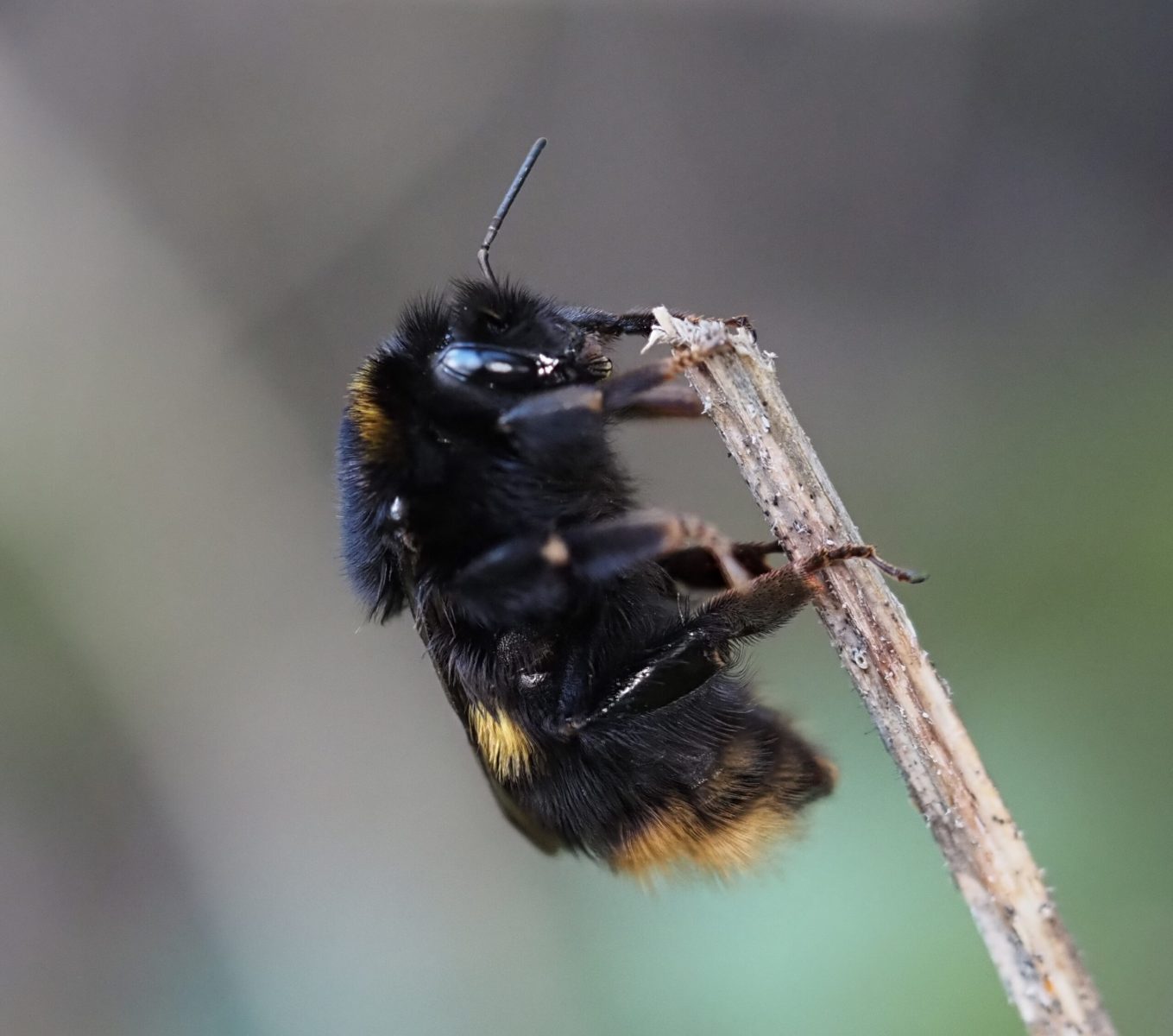

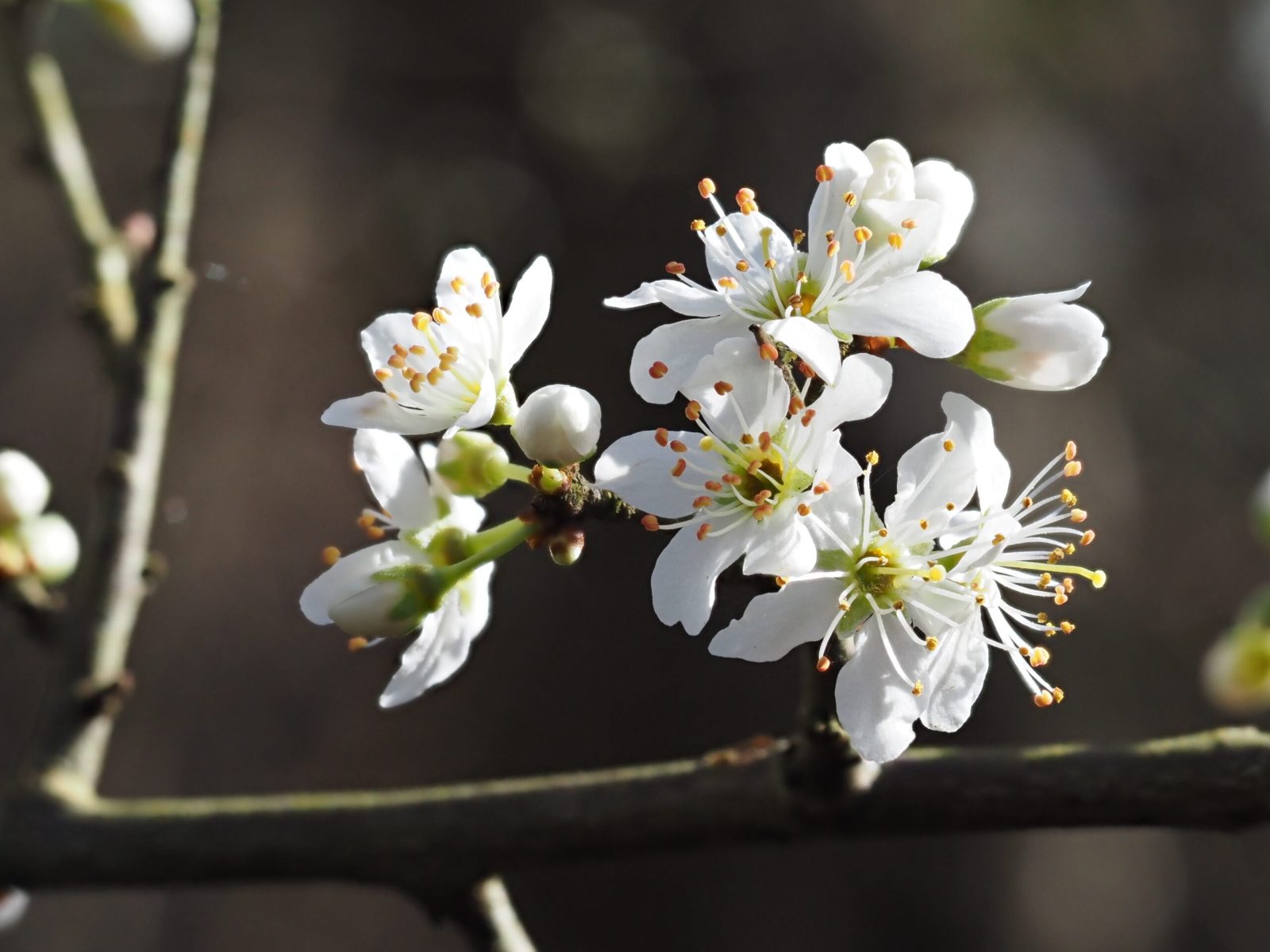
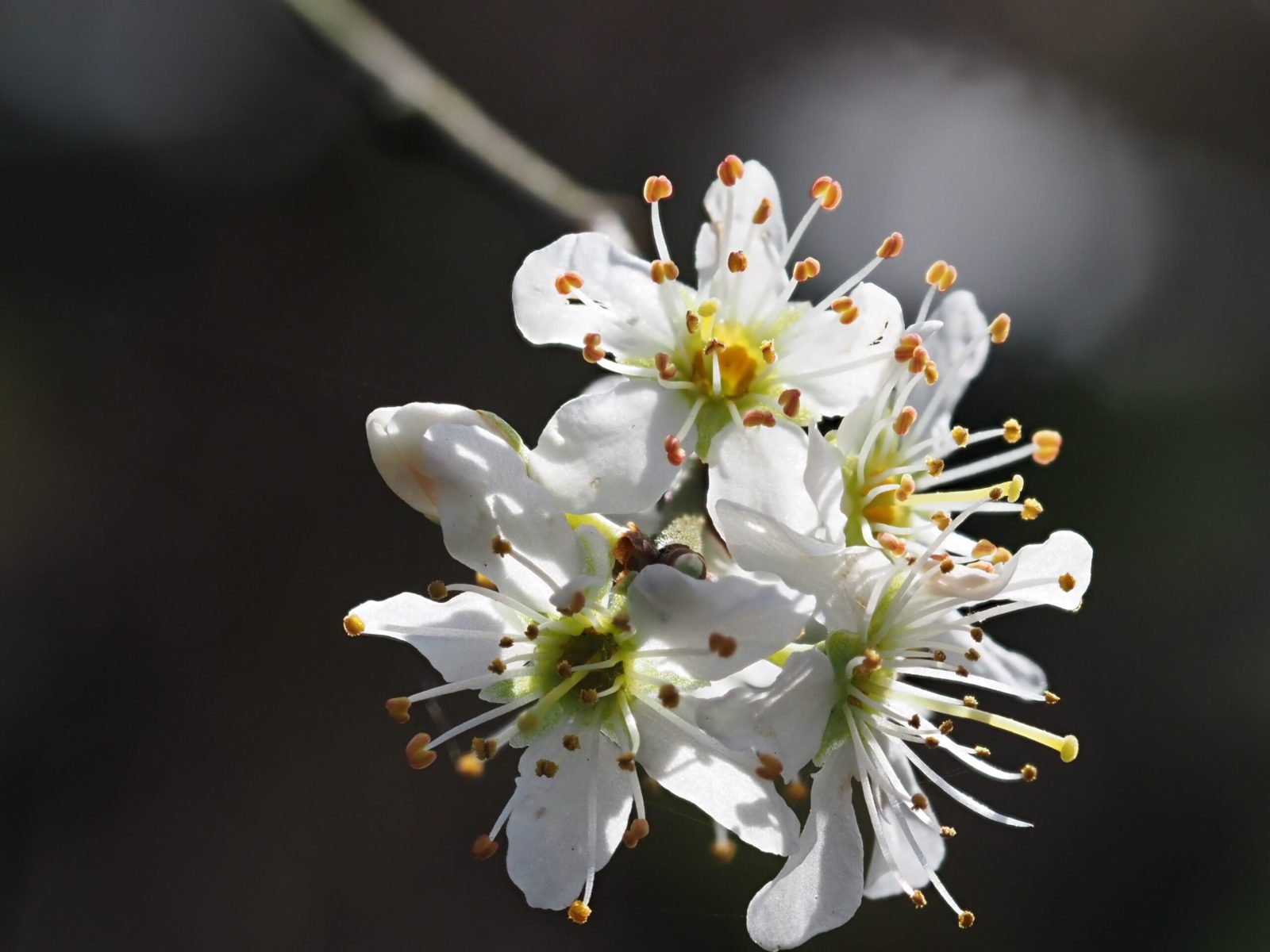
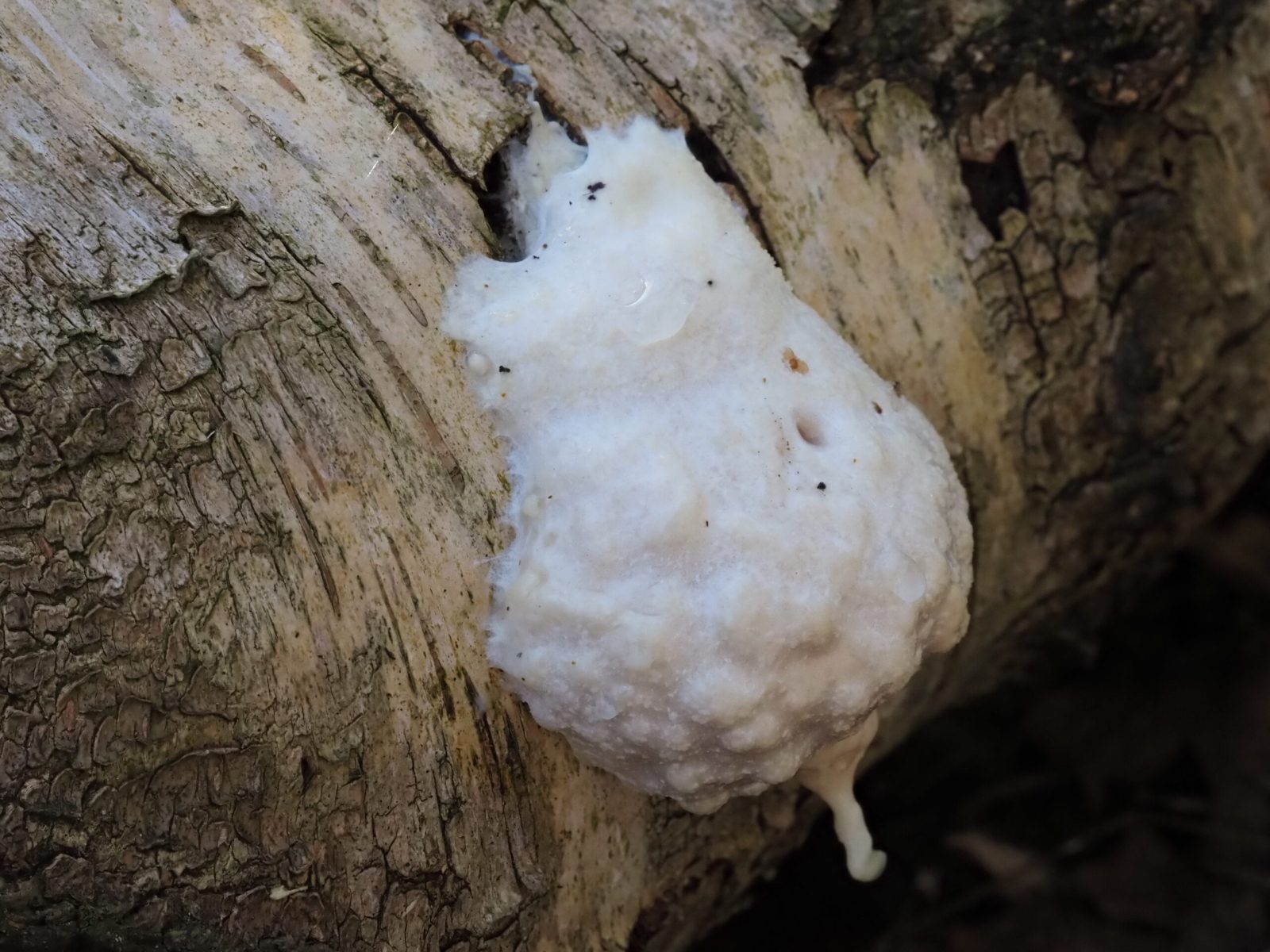
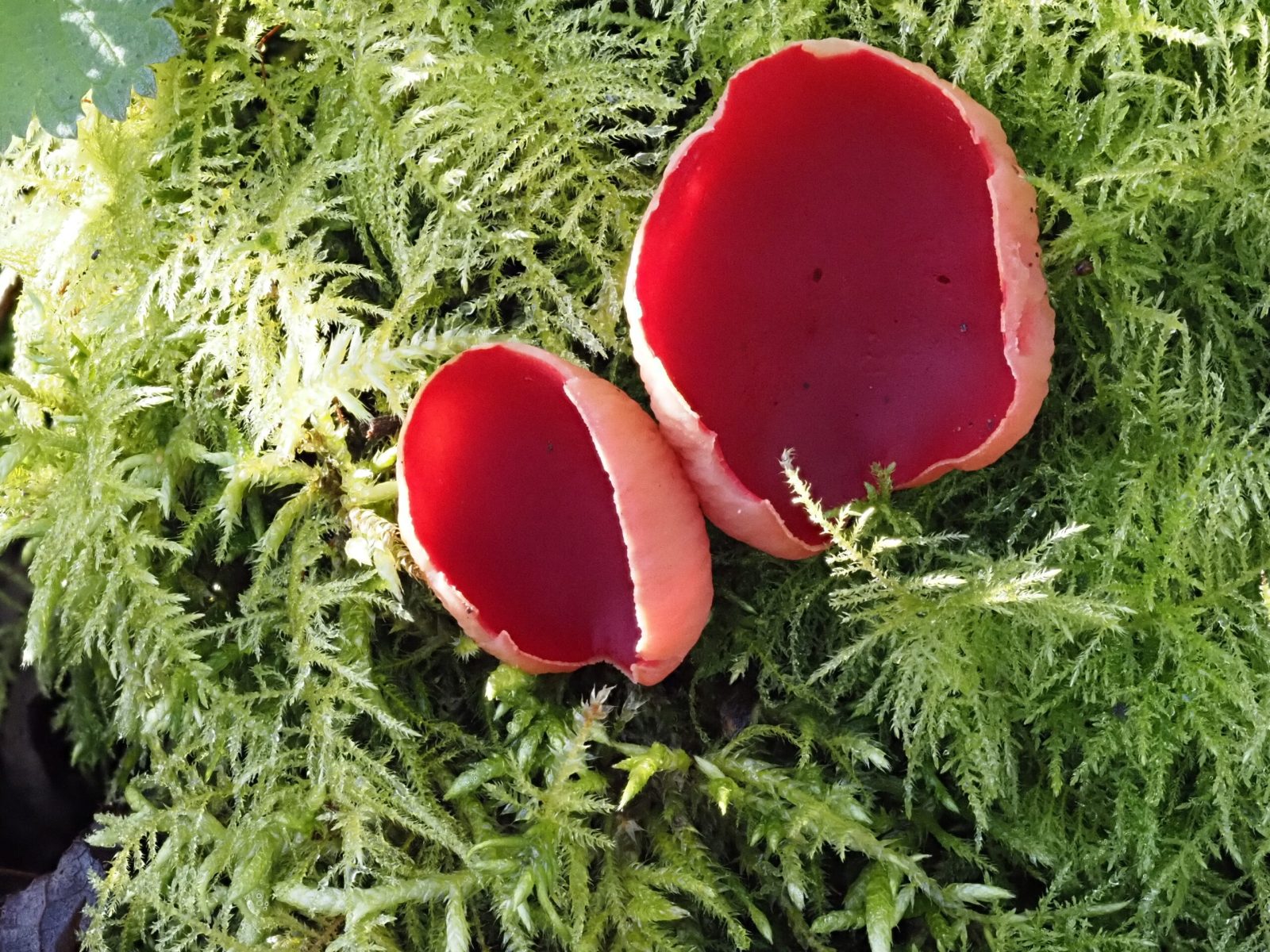
A morning wandering to see what is appearing in early March
Old Eaa Hide, Potteric Carr 10th March 2026 with Colin Howes
A most successful day out. The decision to bring the leaf litter collecting kit resulted in an interesting afternoon, and may well result in many more similar impromptu Nats outings.
Although no Pseudoscorpions emerged (one of the objects of our searches), the following species were identified using literature when Colin got back home:
Cylindroiulus punctatus – Blunt-tailed Snake Millipede found under bark.
Polydesmus angustus – Flat-backed Millipede discovered in a rotting Phragmites pile
Oniscus asellus – Shiny Woodlouse also under bark
Trichoniscus pusillus – Common Pygmy Woodlouse in the rotting Phragmites pile
Philoscia muscorum – Striped Woodlouse again in leaf litter
Immature spiders, which frequent the rotting Phragmites pile, included members of the following genera:
Xysticus – a Crab spider.
Phylodromus – a Running Crab-spider.
Lepthyphantes – a Money Spider
Linyphia – a in the Money Spider
There were also various springtails (Collembola) in the rotting Phragmites pile.
Interestingly, the fine material left after the leaf/reed litter had been broken/rotted down seemed to be invertebrate (probably Isopod) frass (= droppings).
Birds seen from the hide included Little Egret (4); Coot (8+); Mallard (5+); Teal (4+); Gadwall (2); Lapwing (4); Graylag Geese (3 pairs); Snipe (4); Blackheaded Gull (1).
Passerines seen included Goldfinch (8+); Bluetit (1); Great Tit (1);
Also, a suspected Chiffchaff, not calling but noted on the Merlin App along with a Bittern, which was not heard by either of us elderly gents with failing hearing.
Colin & Les
Dinnington, 4th March 2026
I had a goldcrest in the birdbath today.

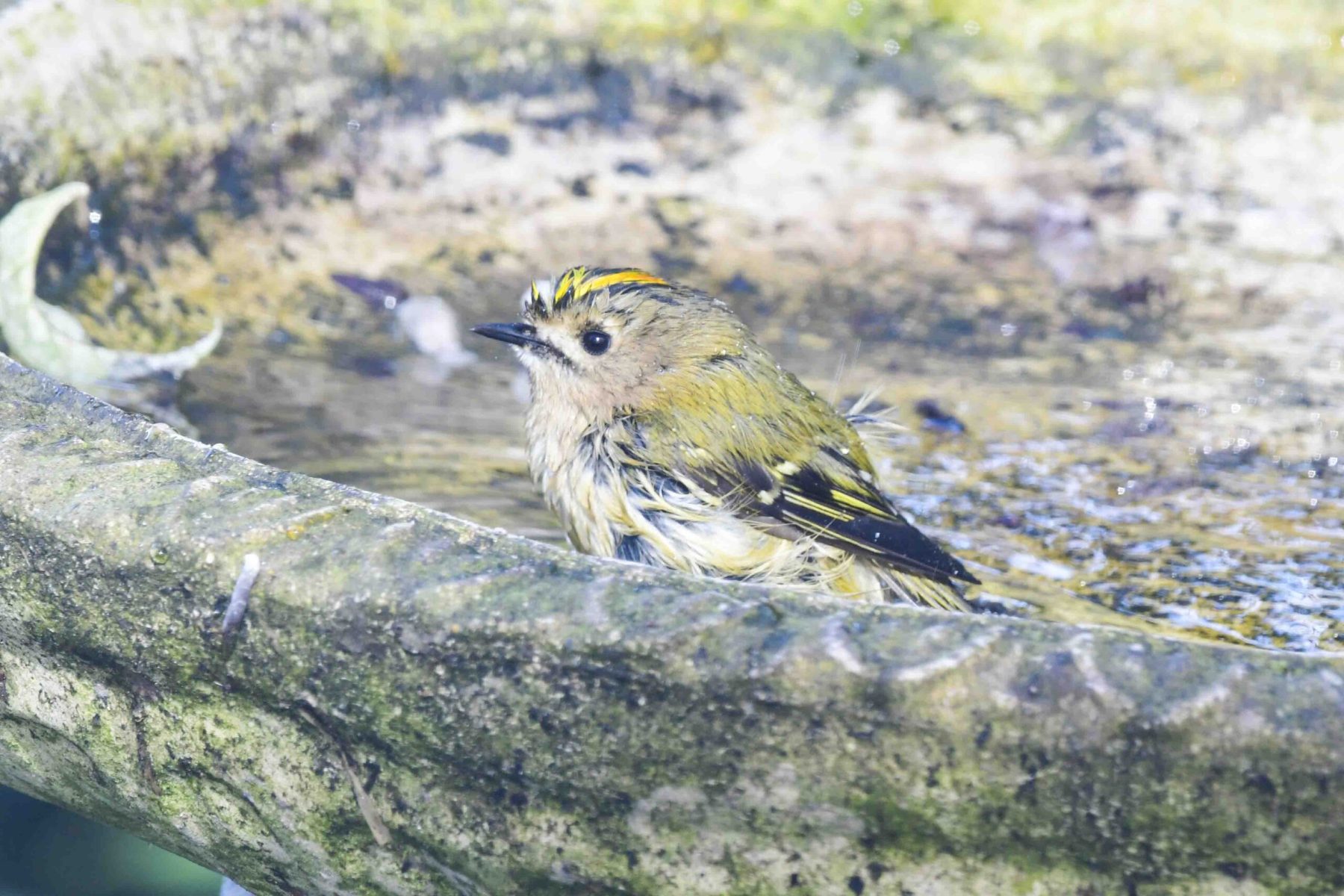
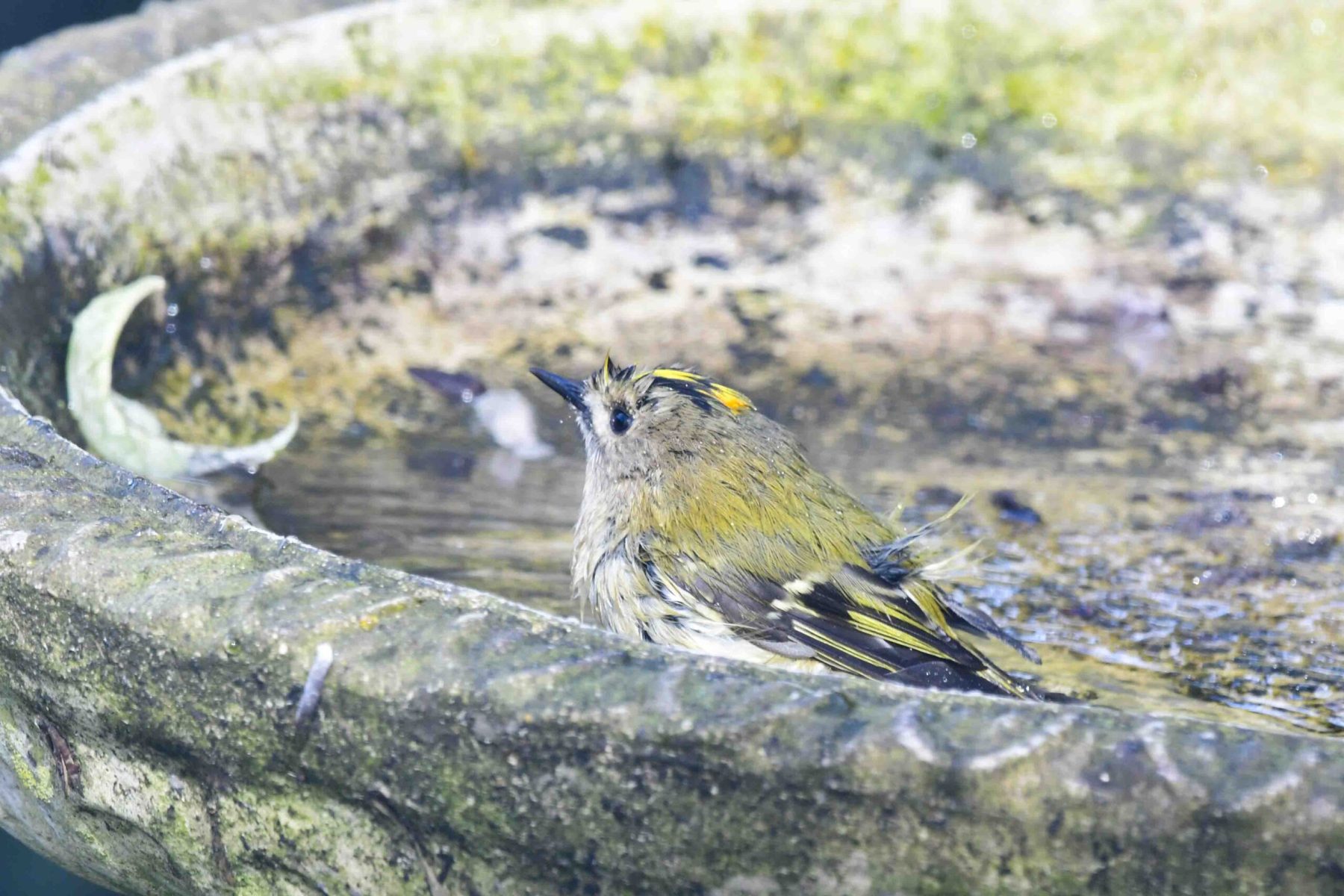
Lindrick Golf Course, 1st March 2026.
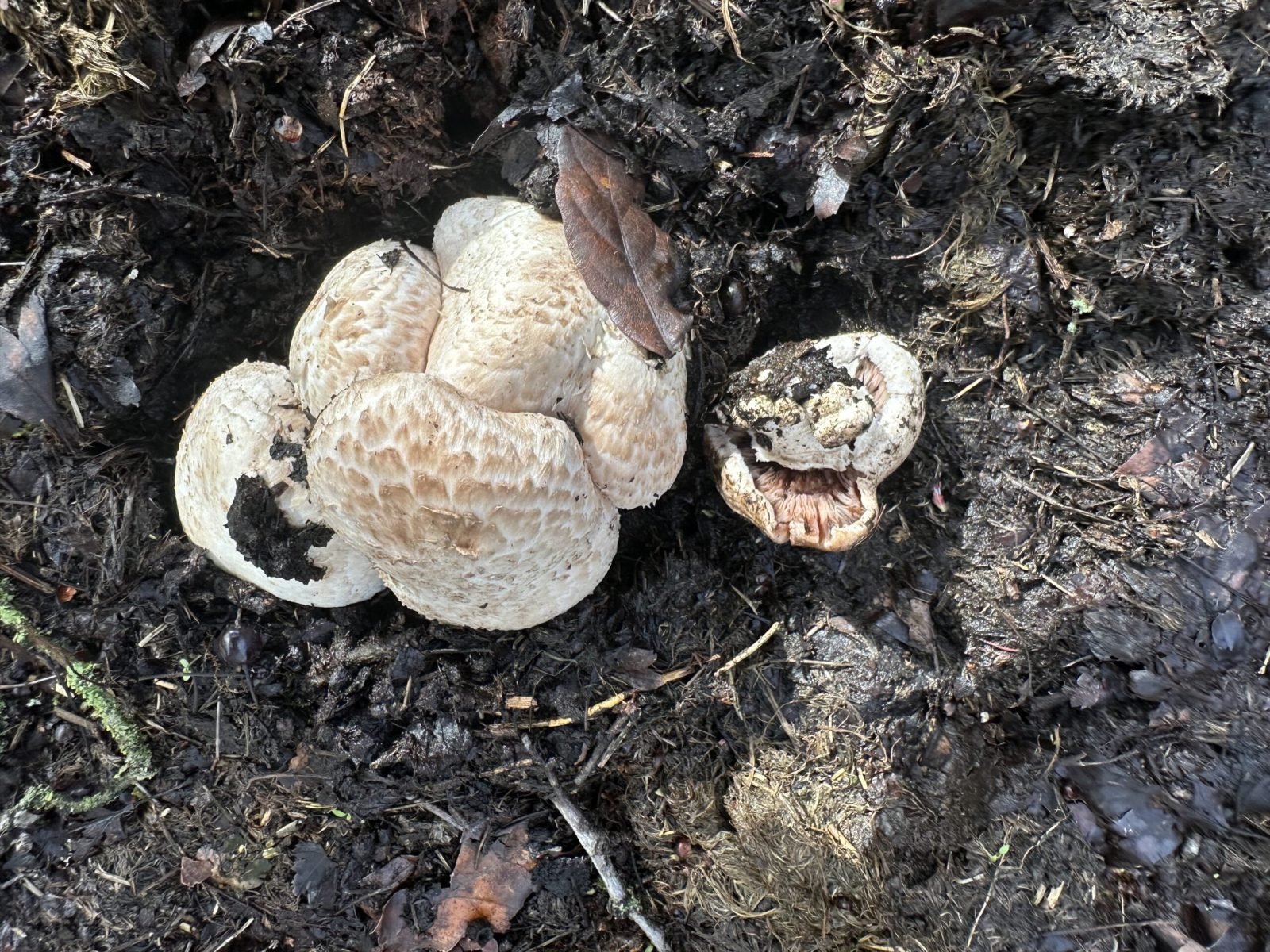
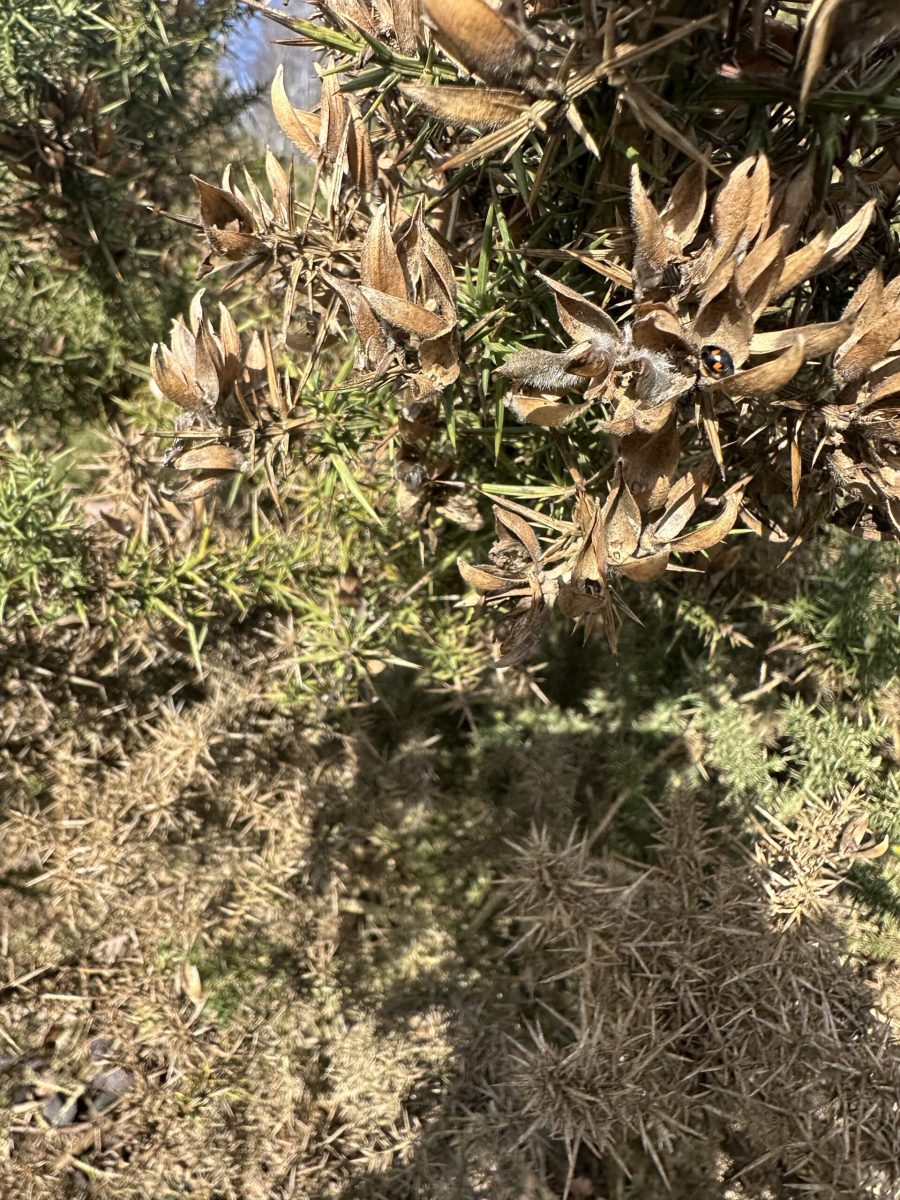
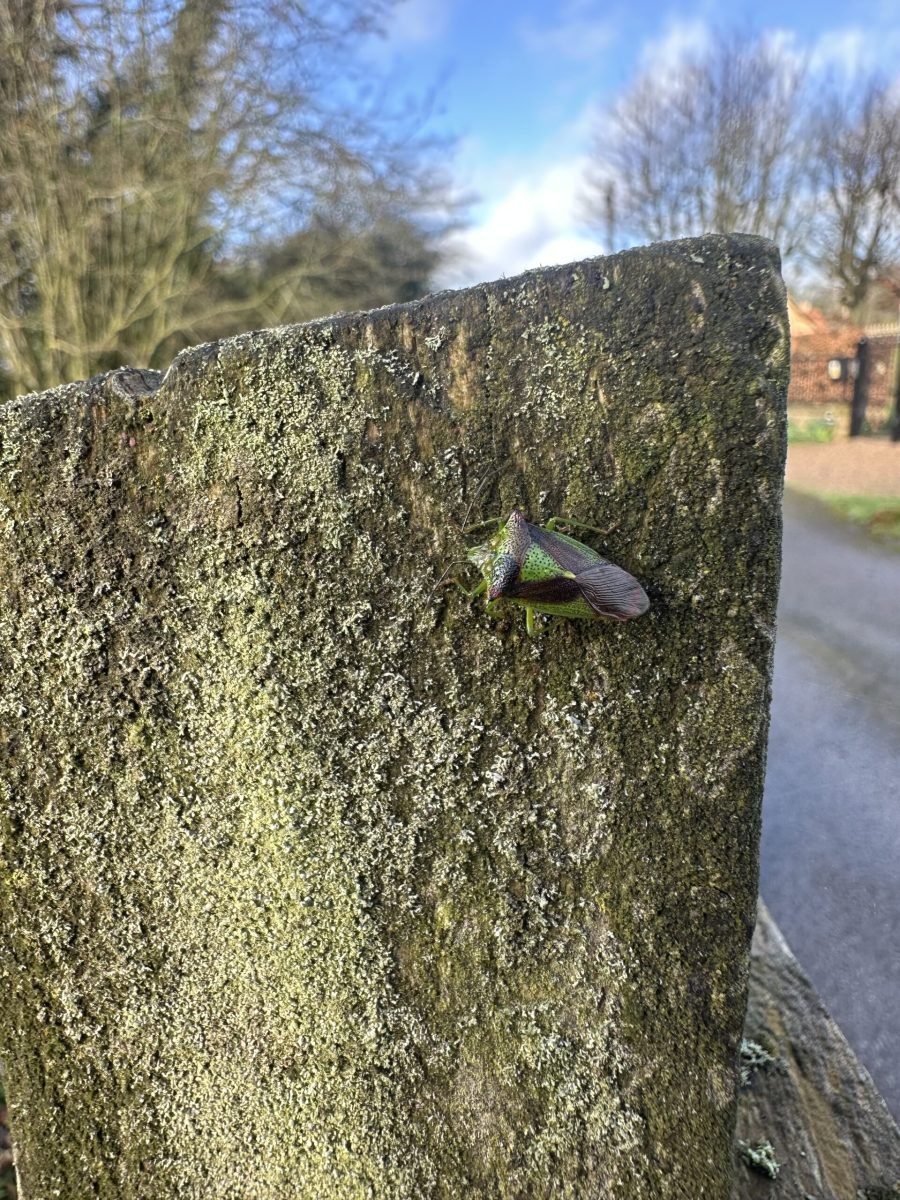
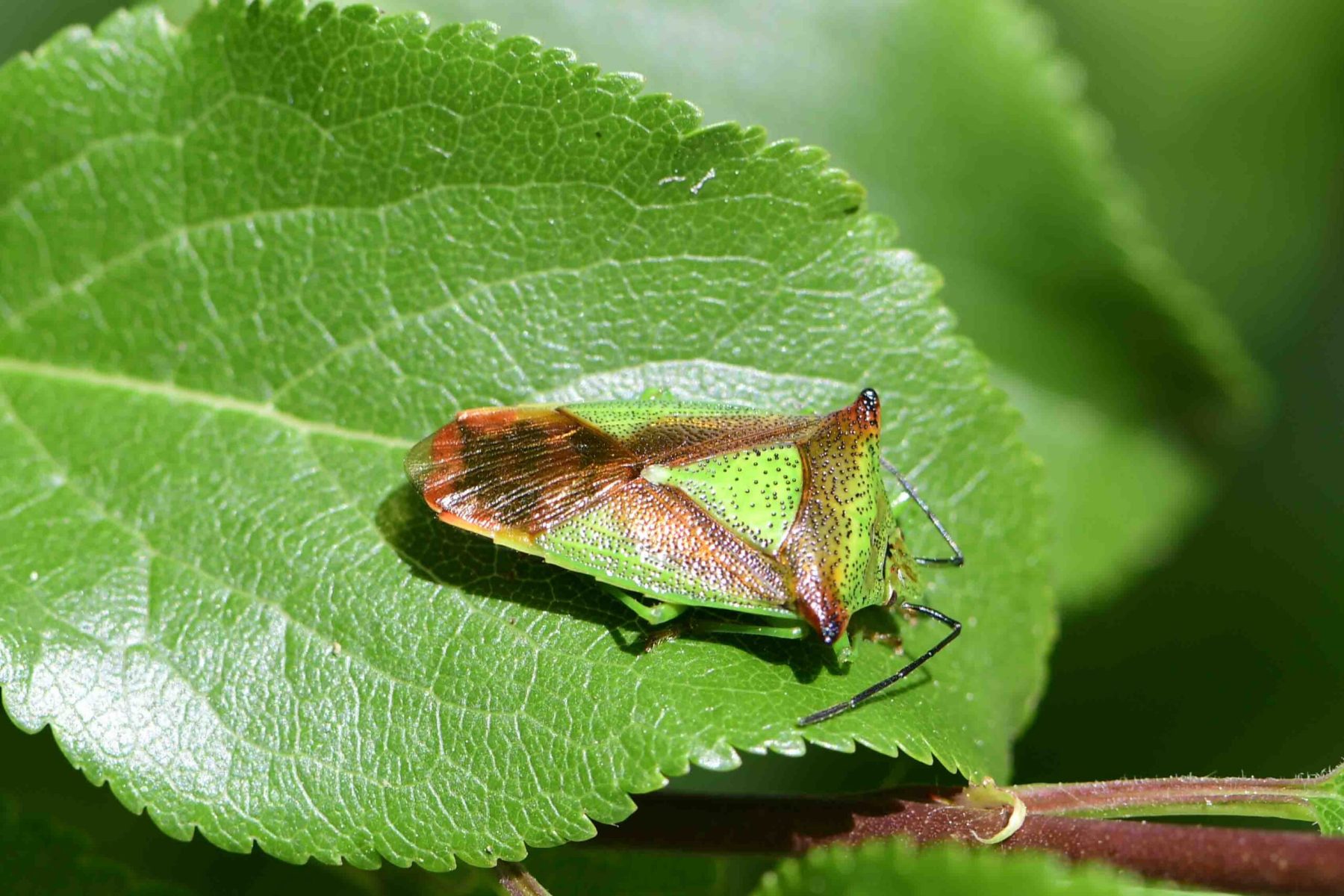
Hawthorn Shieldbug (Acanthosoma haemorrhoidale) on a fence post, a Gorse Shieldbug (Piezodorus lituratus) too far in the gorse to photograph, also a small bug, black with red spots, and a fungus on a rotting pile of old grass cuttings.

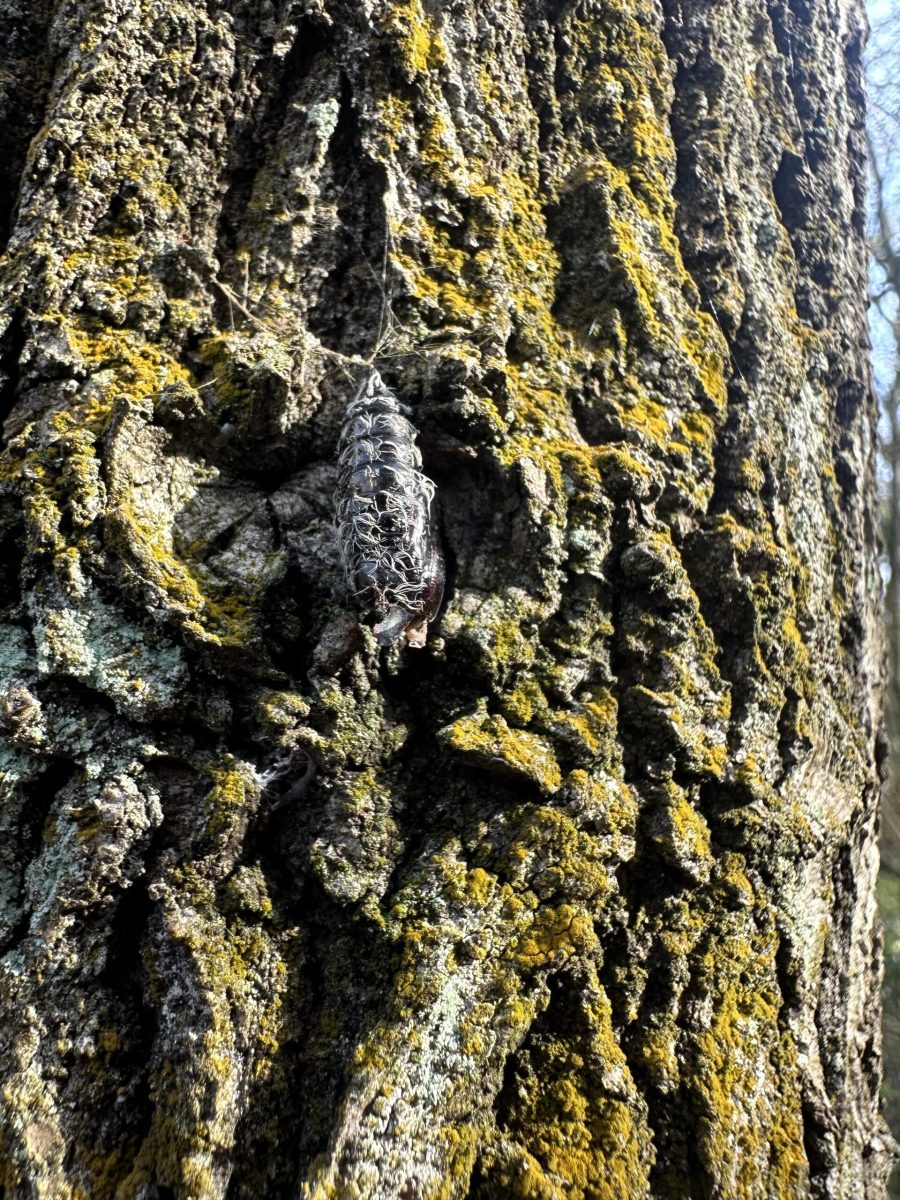


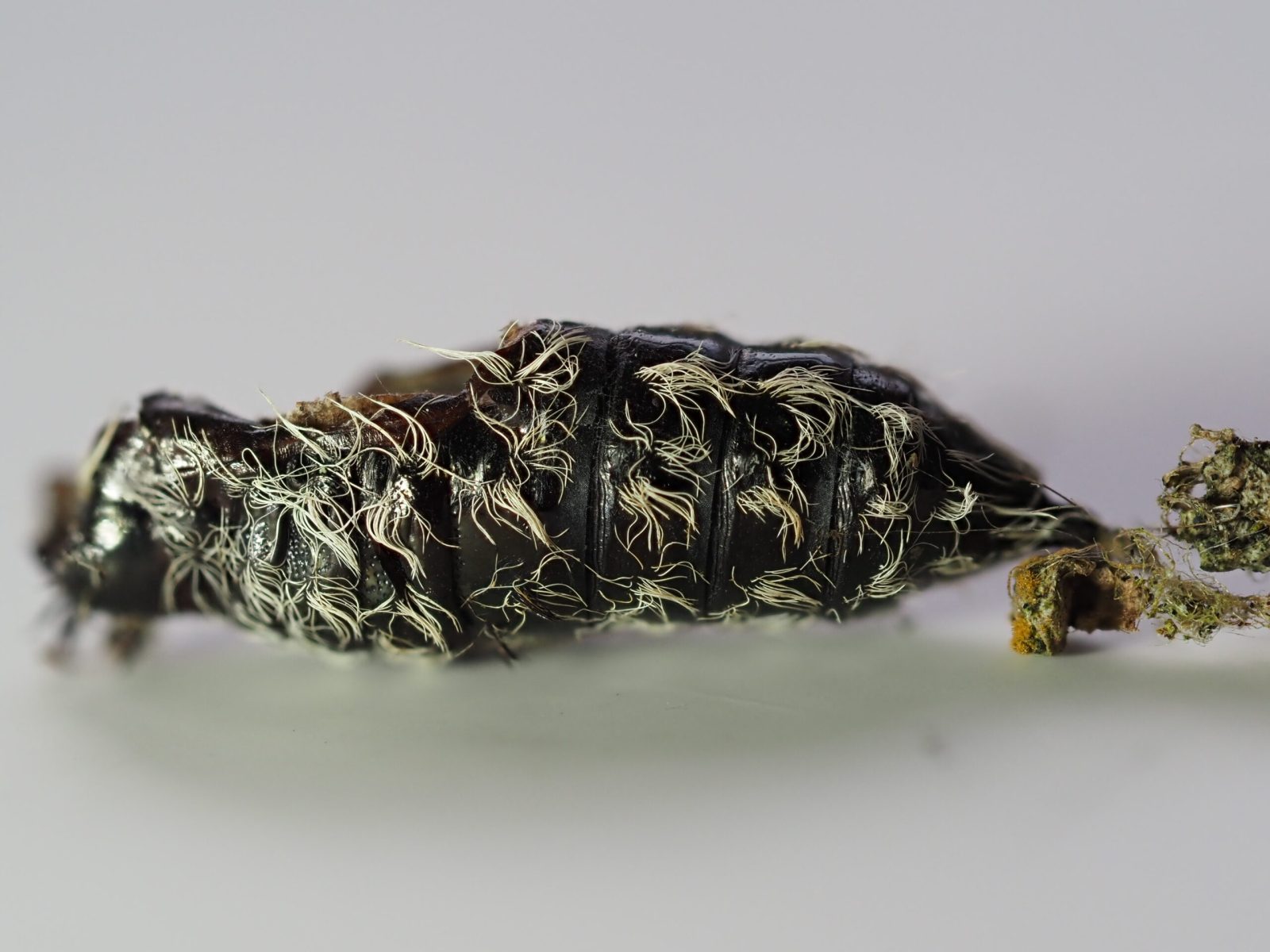
Lindrick Golf Course, 24 Feb 2026. A discarded pupae still attached to a tree trunk. The white hair like threads are trachea tubes that connect to spiracles on an insects body and then to it’s respiratory system.
Sunday 22nd February 2026, Dinnington
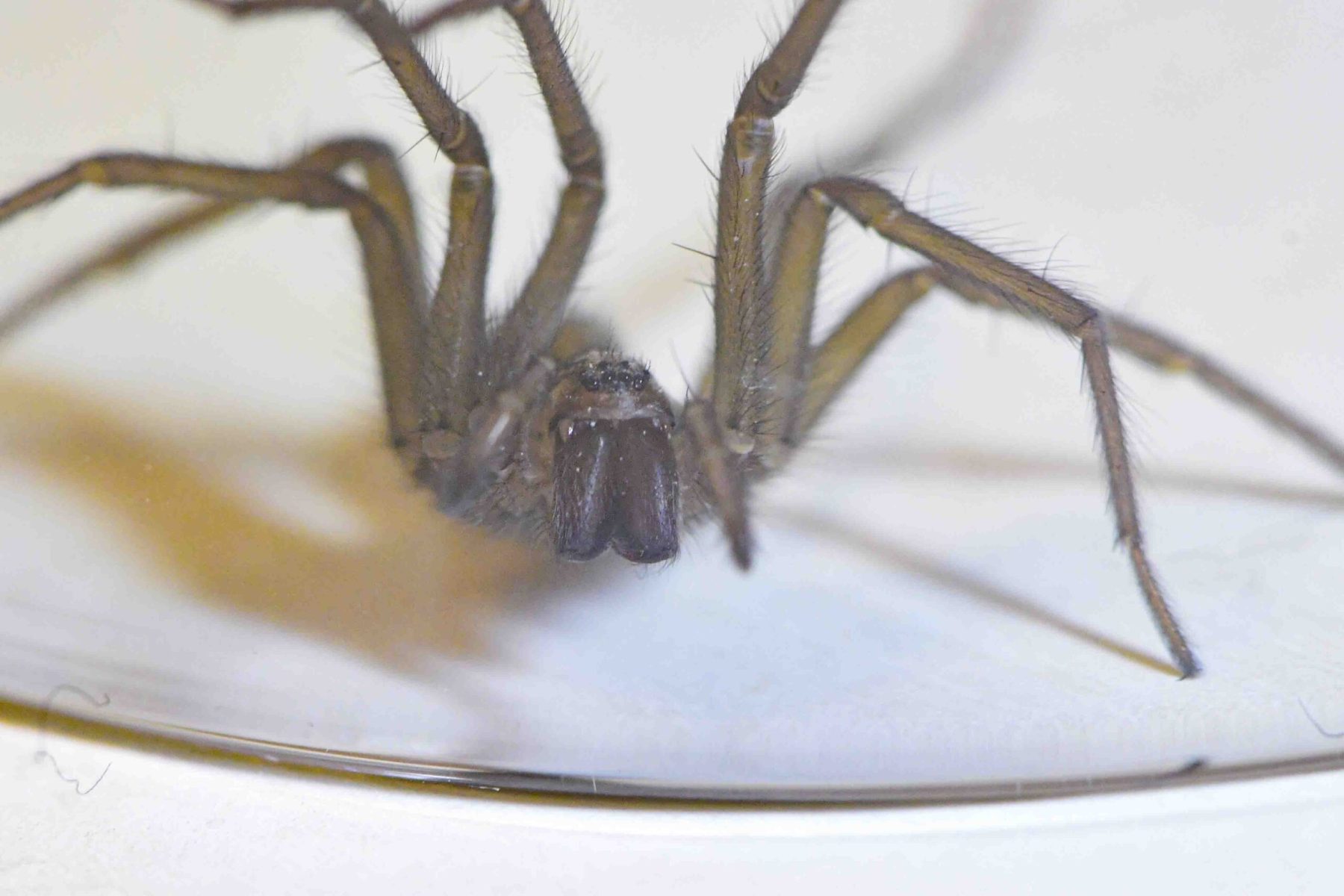

The first House spider of the year appeared this evening.
Wednesday 4th February, 2026, Dinnington
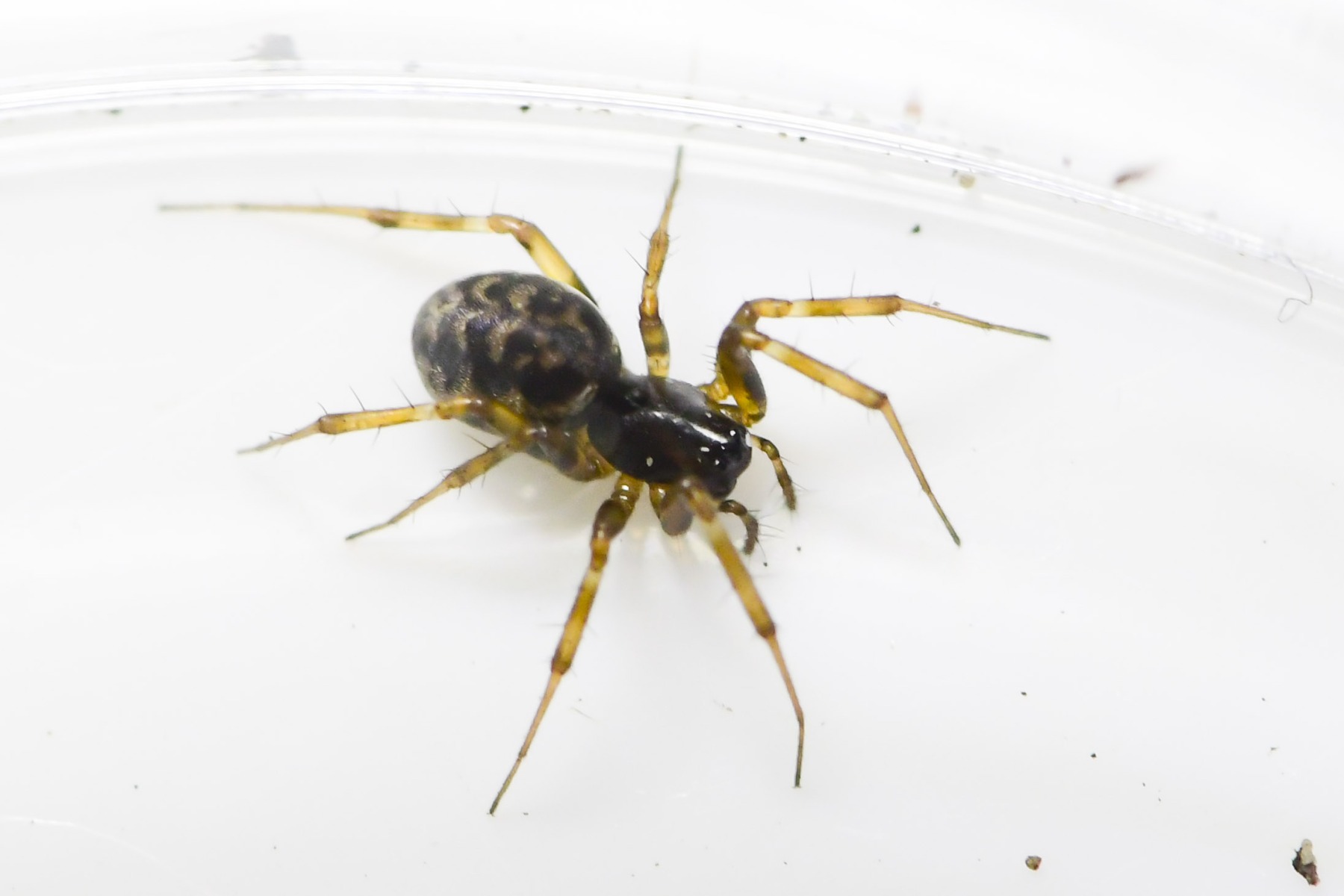
An unknown spider from my compost heap 4 Feb 2026
The spider has the appearance of a species which we are actually uncertain what it is called! It goes by the name Megalepthyphantes near collinus but there is a possibility it is either an undescribed species (in the genus Megalepthyphantes) or a described species but its variation is such that we cannot assign it to an actual taxon. Until DNA is taken and compared with specimens, we will have to resign ourselves to remaining uncertain.
Richard Wilson
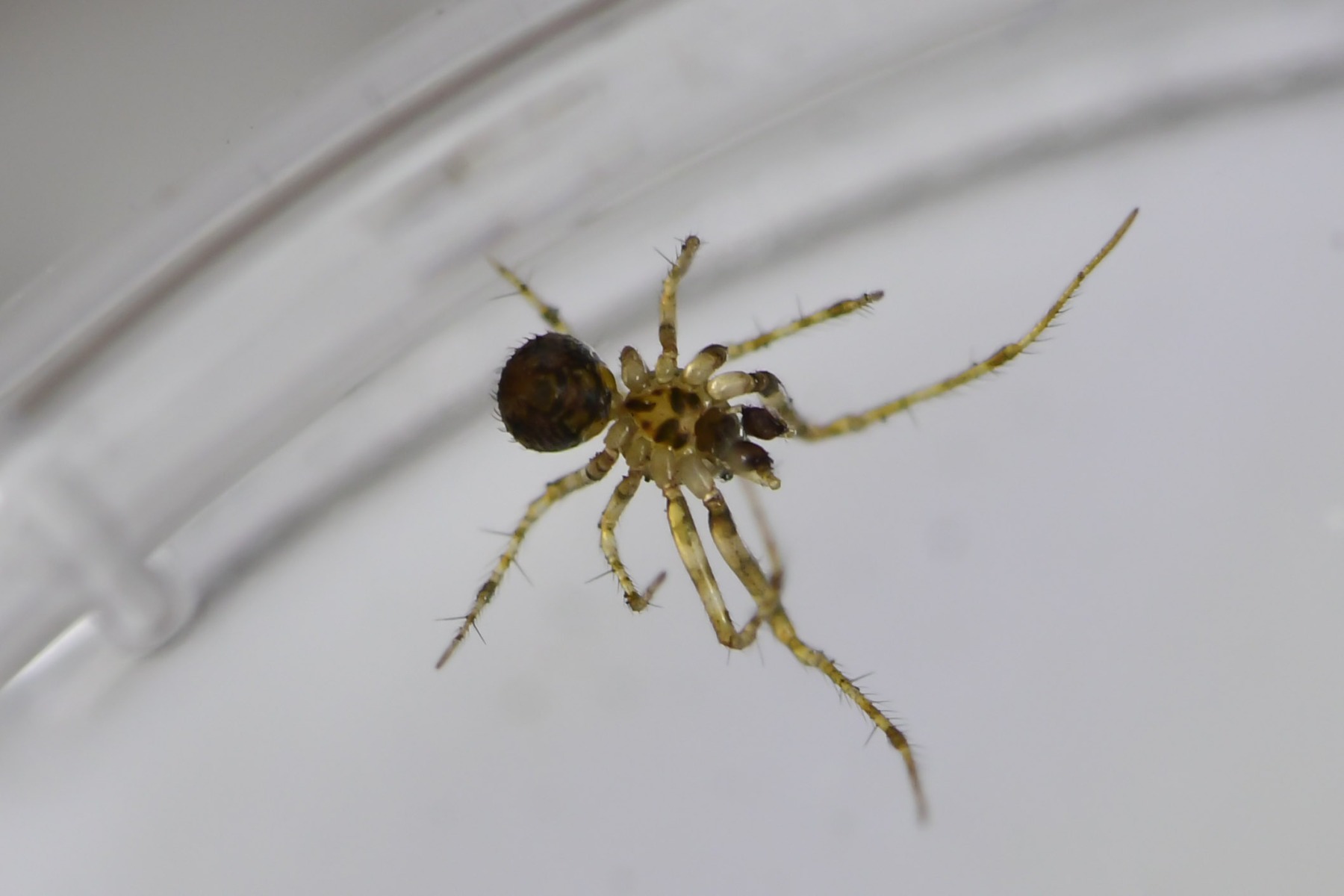
I run two compost heaps, when one is full, the second is used. Sieving through small samples taken from my full compost heap today, a small spider (3-6mm) was collected. The top layer of the compost heap (which was covered with an old carpet) contained clippings from woody herbage, and consisted of dry small leaves and fine twigs, being free from composted litter.
Unfortunately, the photo is of the sternum (underside) and is of little use for establishing an ID. However, it was examined, along with Colin, and determined to be a Ero sp. (Mimetidae). As it had one pair of tubercles, the markings of the abdomen suggested it to be E. cambridgei.
16th January, 2026
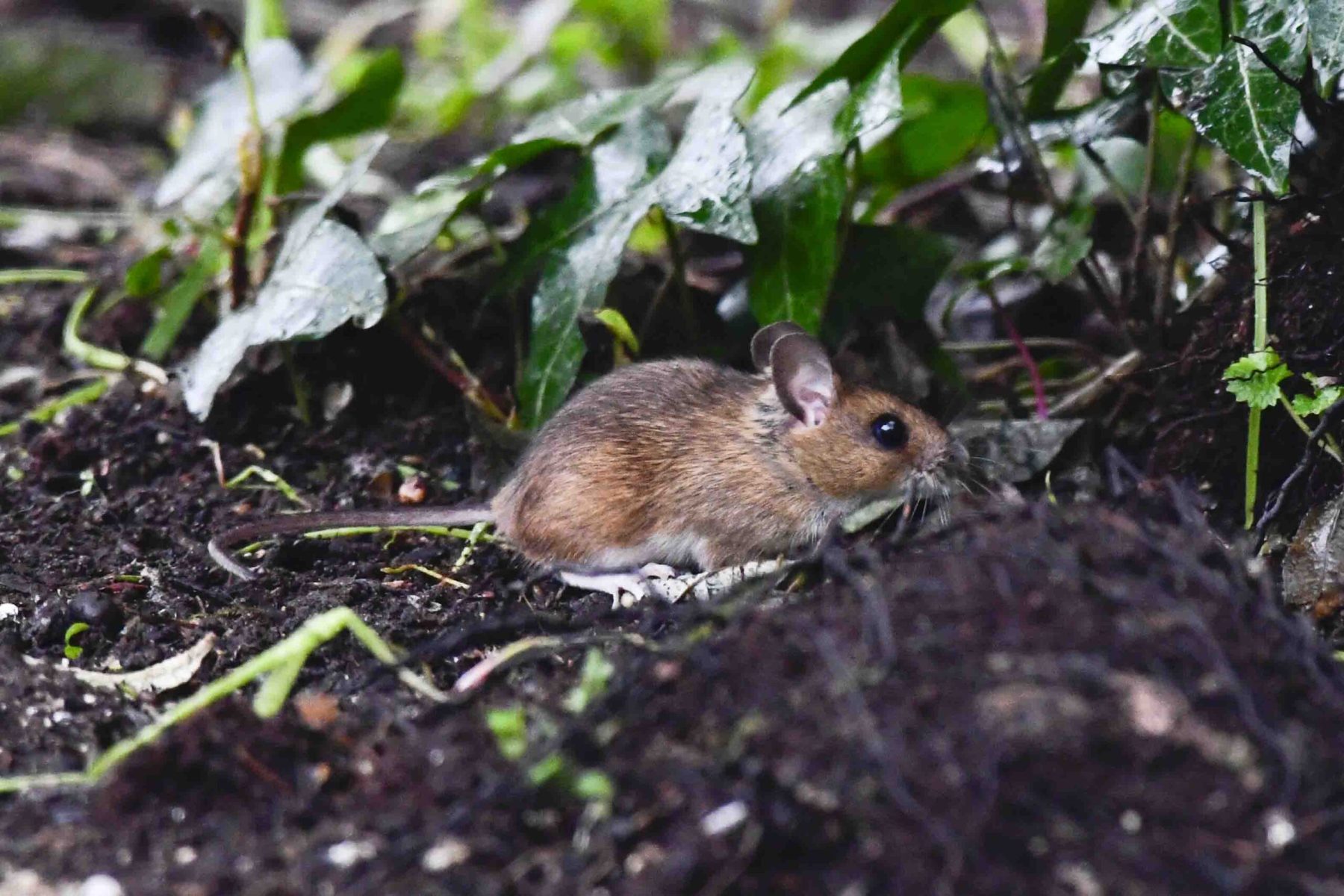
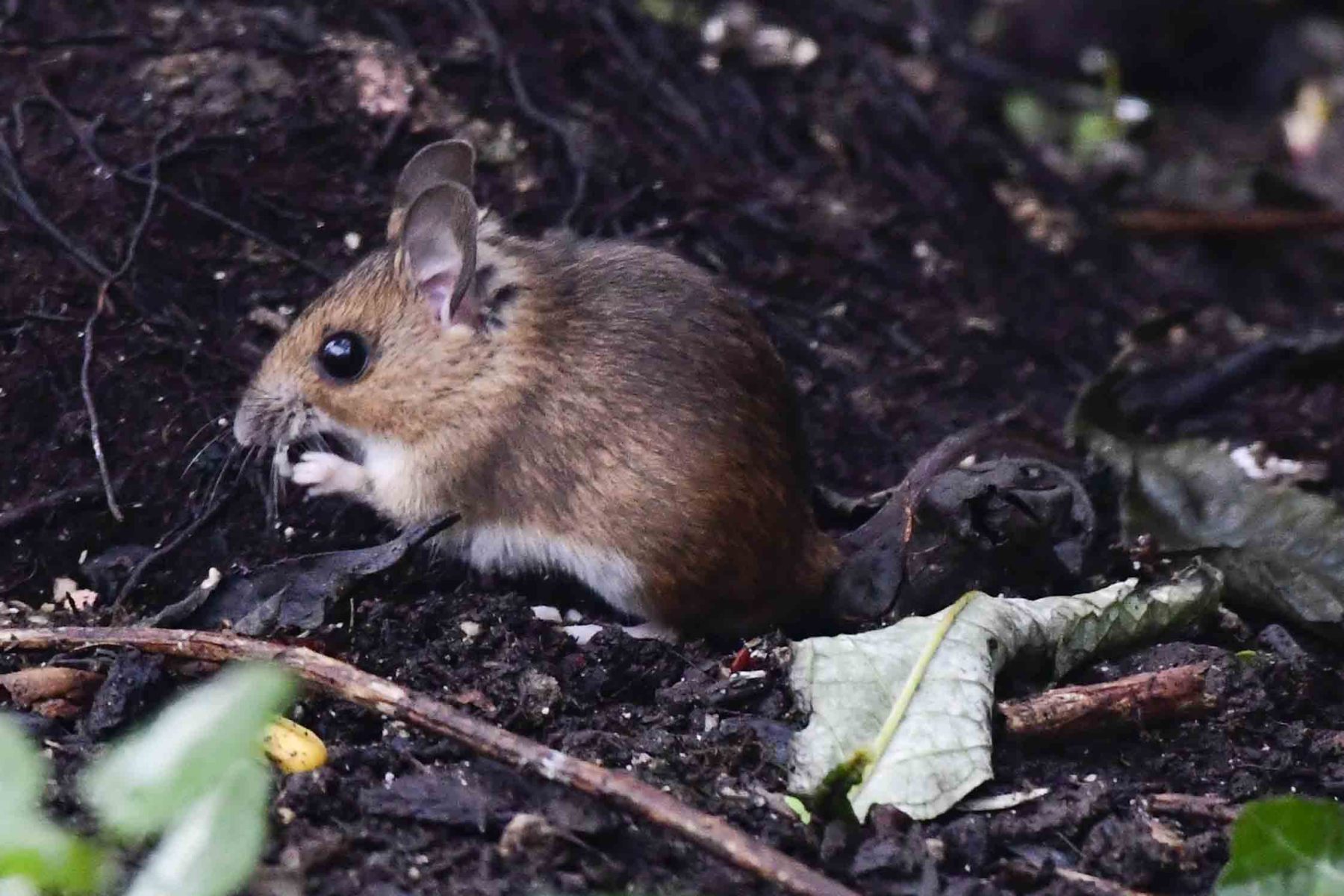
Wood Mouse under bird table in garden. It has been in my garden for several weeks, and after dark can often be seen feeding on the bird table.
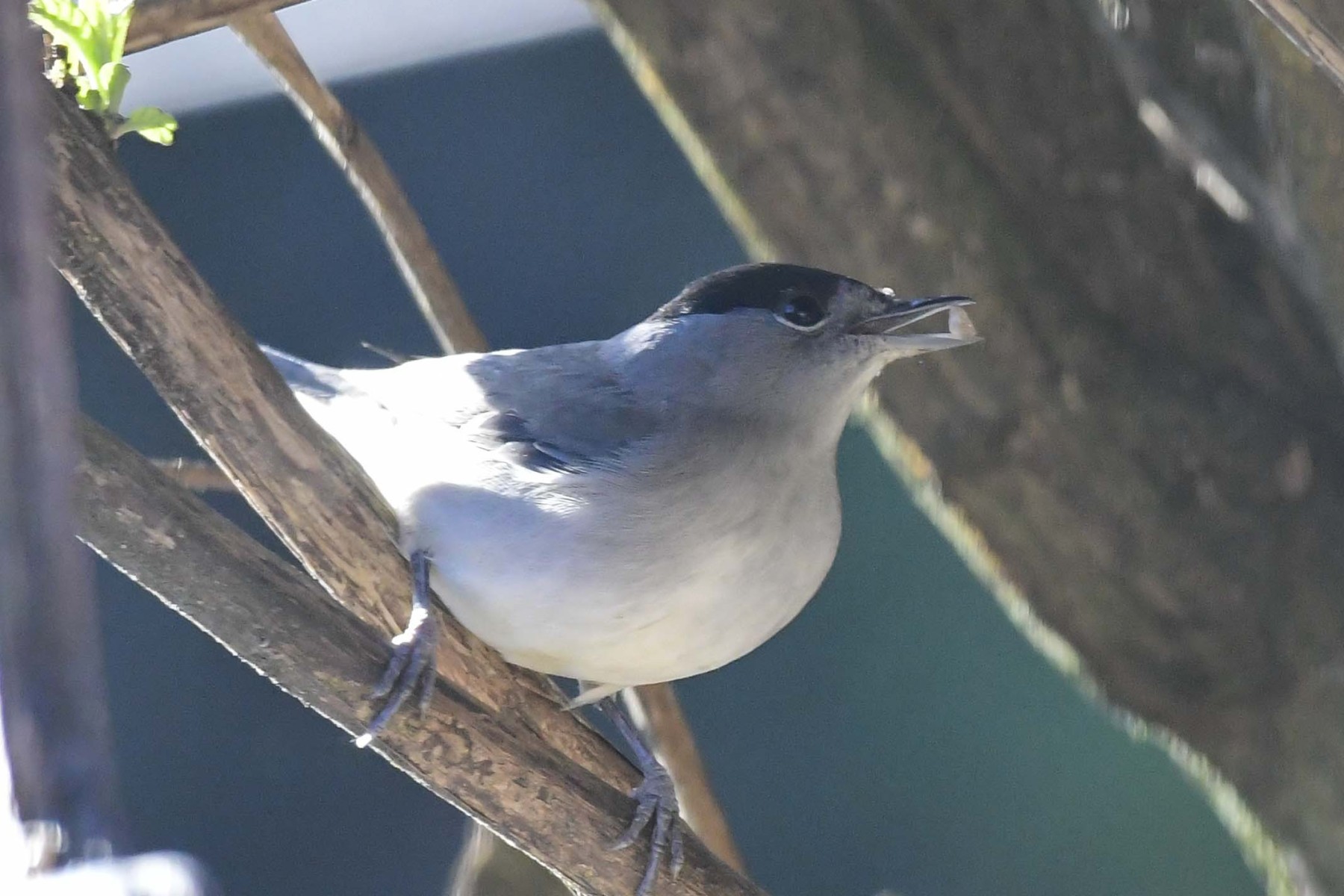
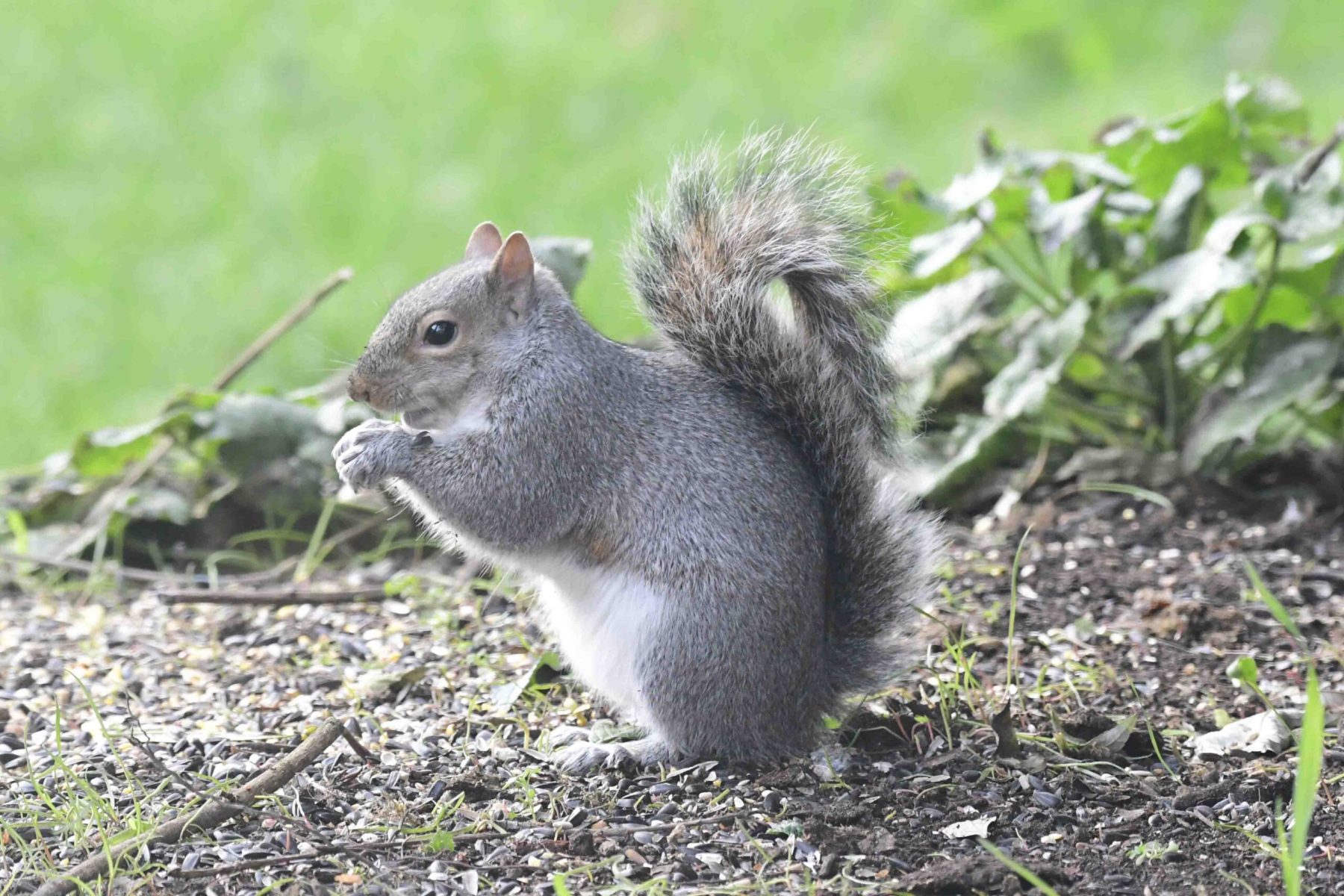
A Blackcap has been a regular at the bird table since November and two squirrels are also resident.