Meeting Reports April 2026
Loversall Delf, YNT Potteric Carr
A meeting at Potteric Carr to again explore the treasures to be found in Loversall Delf proved to be most successful with lots of interesting, and sometimes unusual, species discovered.
Colin & Les
Arachnida – Spiders
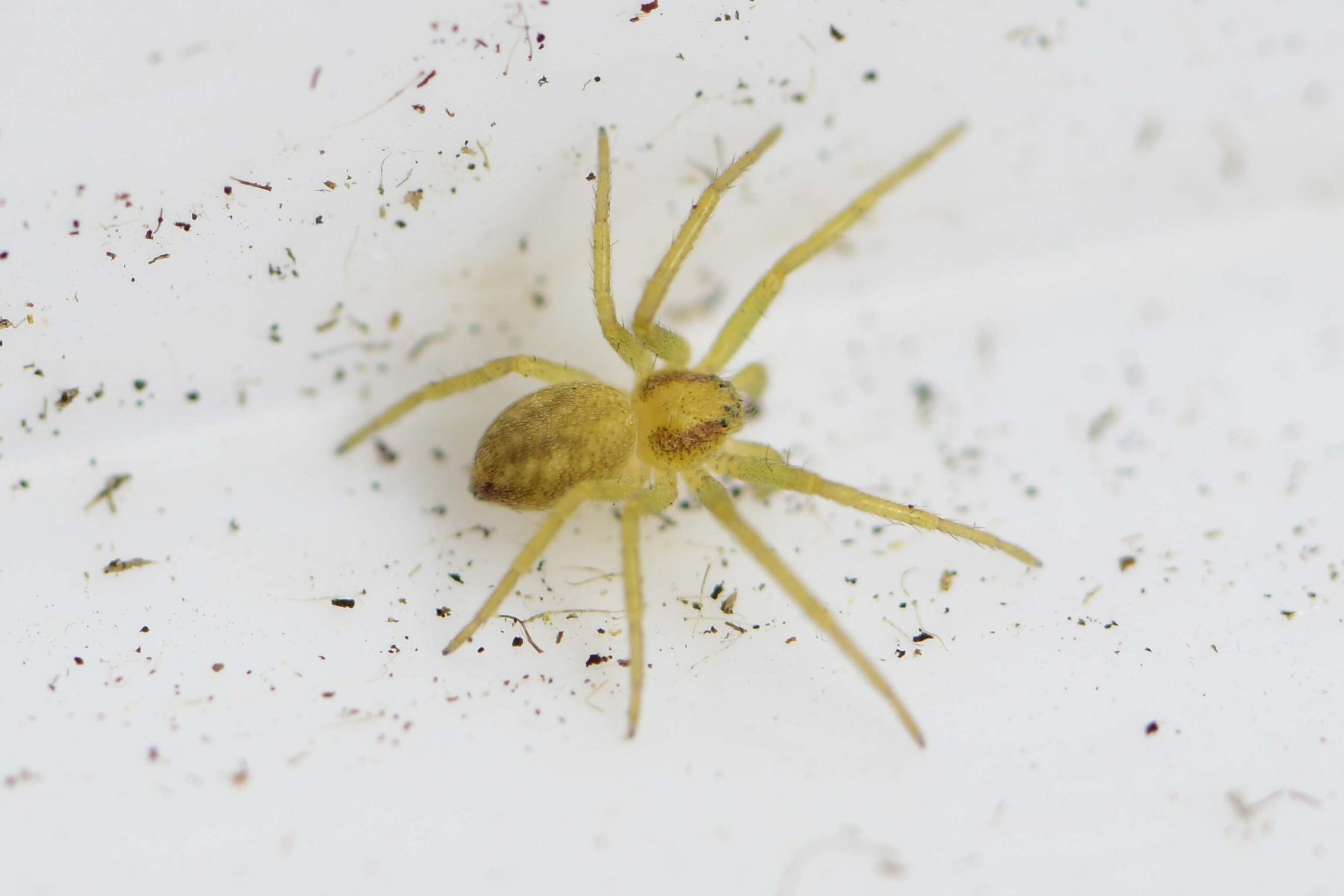
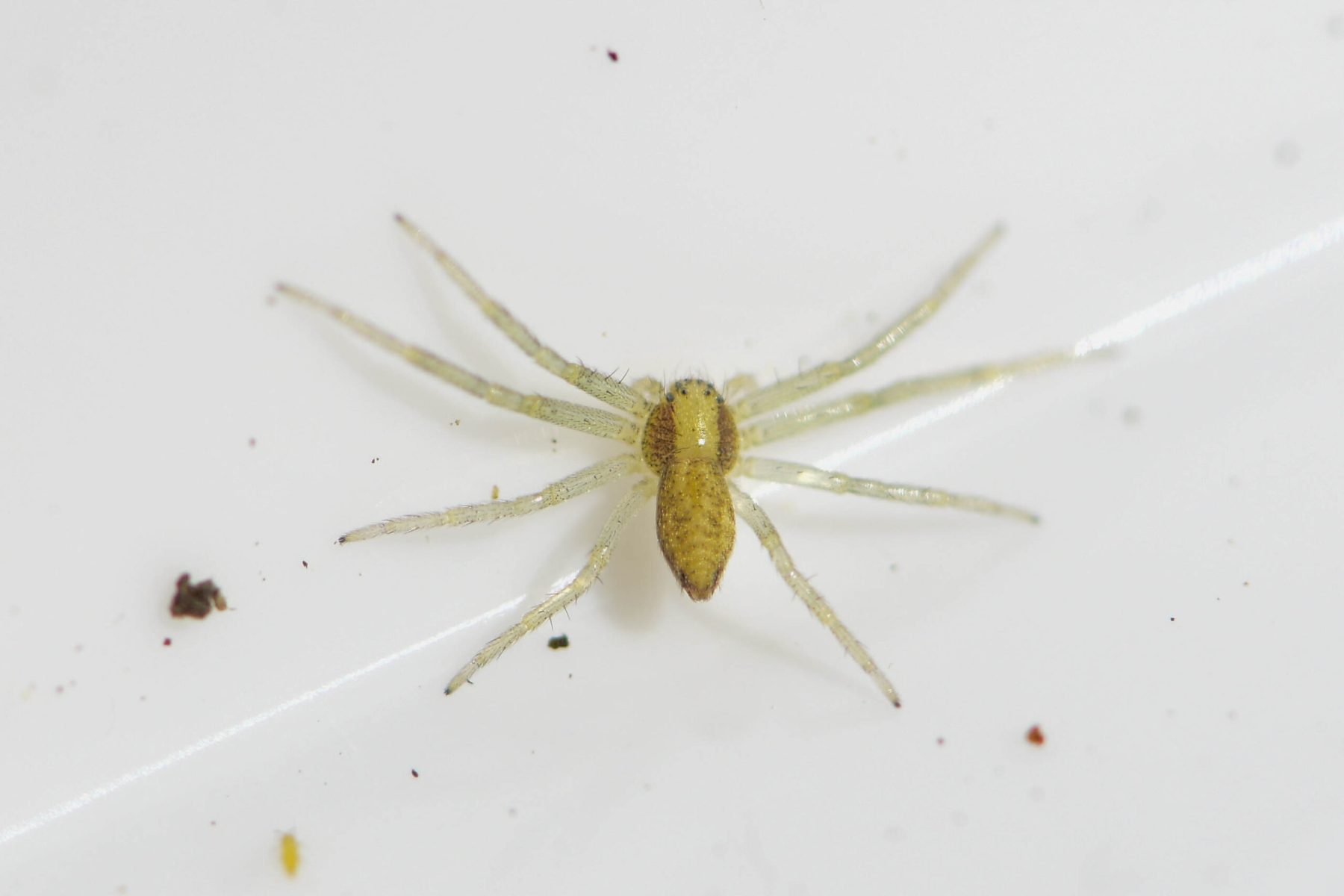
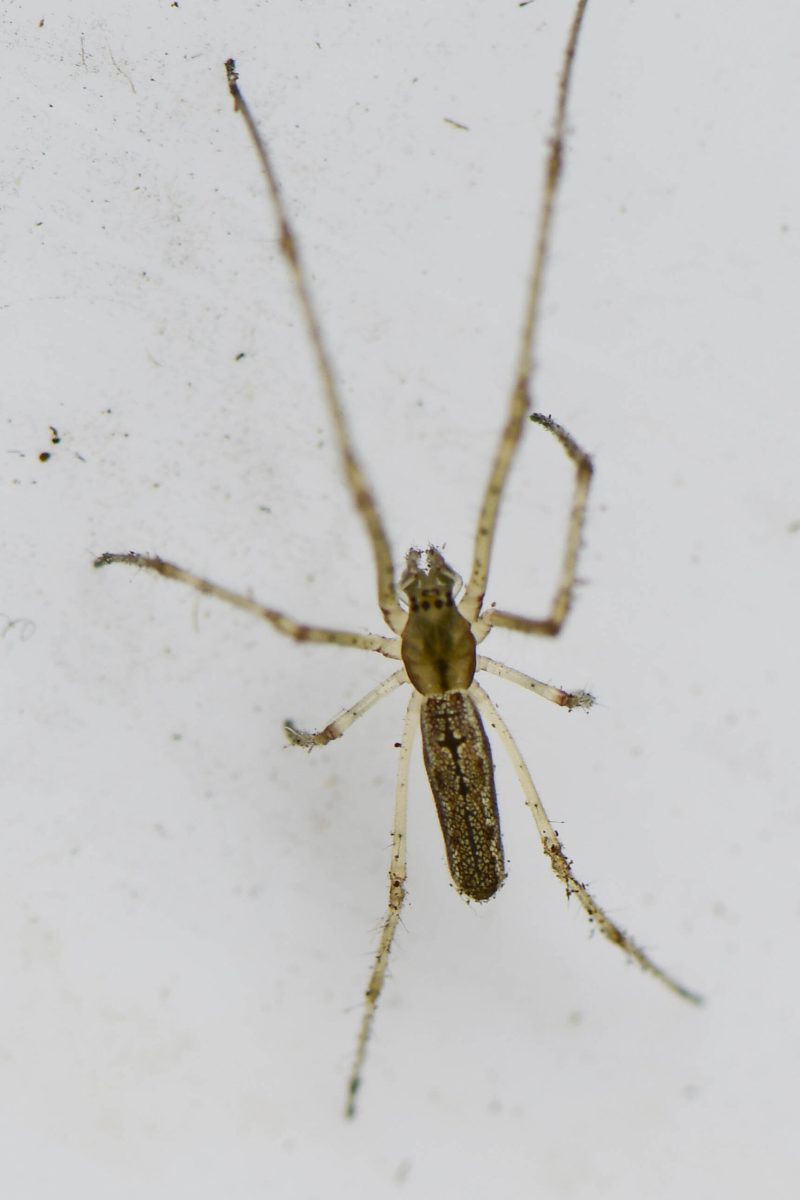
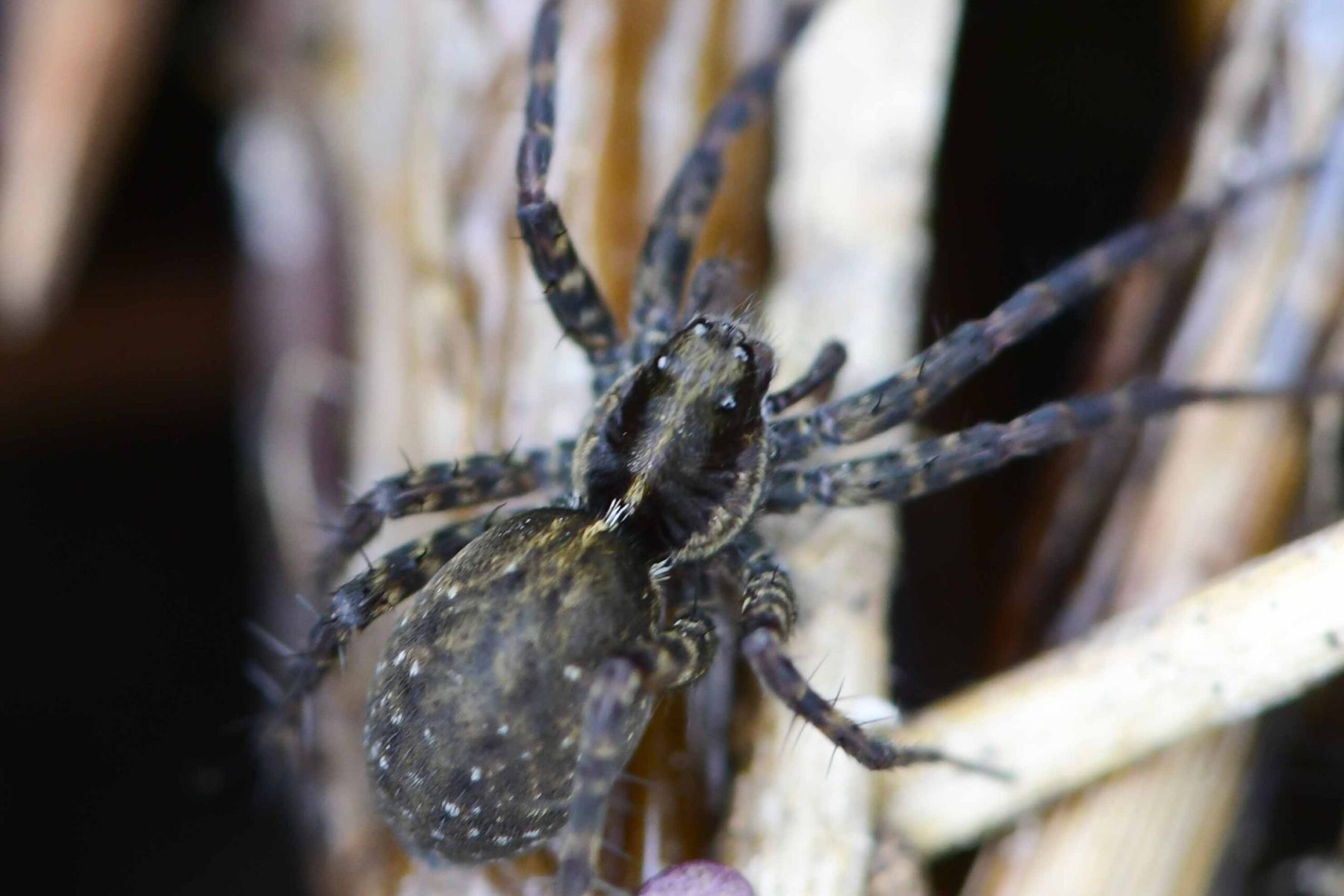
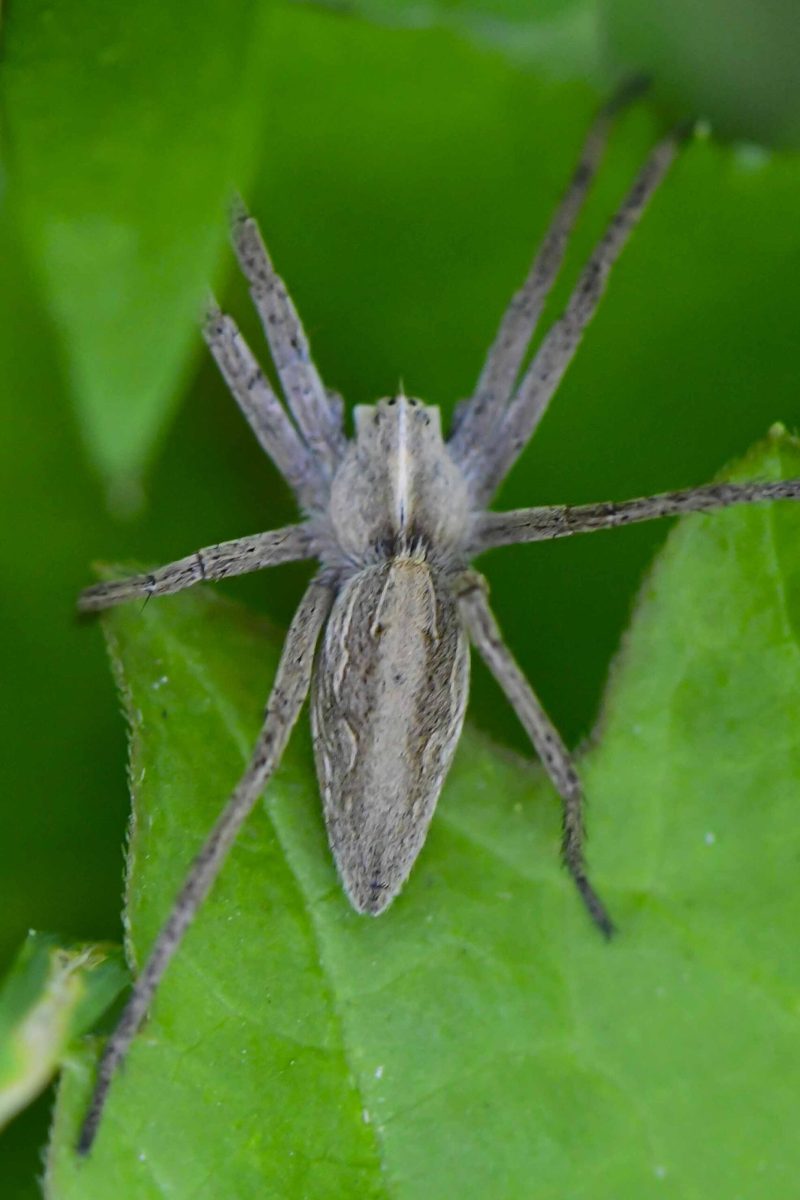
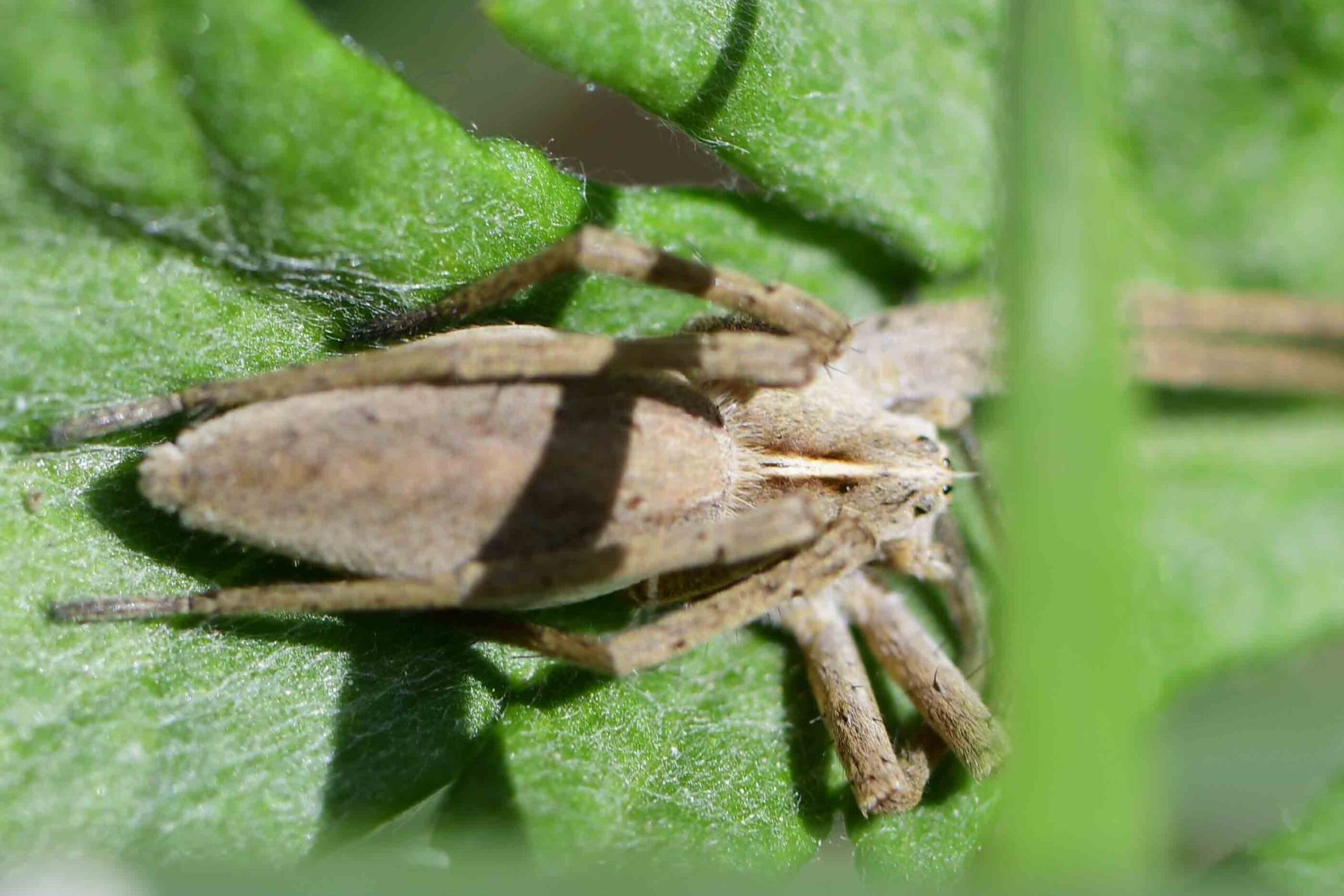
Philodromus agg., Richard Wilson comments “It certainly looks like P. albidus but as P. rufus has also been recorded in Yorkshire, it is not possible to say which this is. Both are plausible. It will have to go down as the aggregate.”

Coleopter – Beetles

Diptera – Insects




Hemiptera – True Bugs

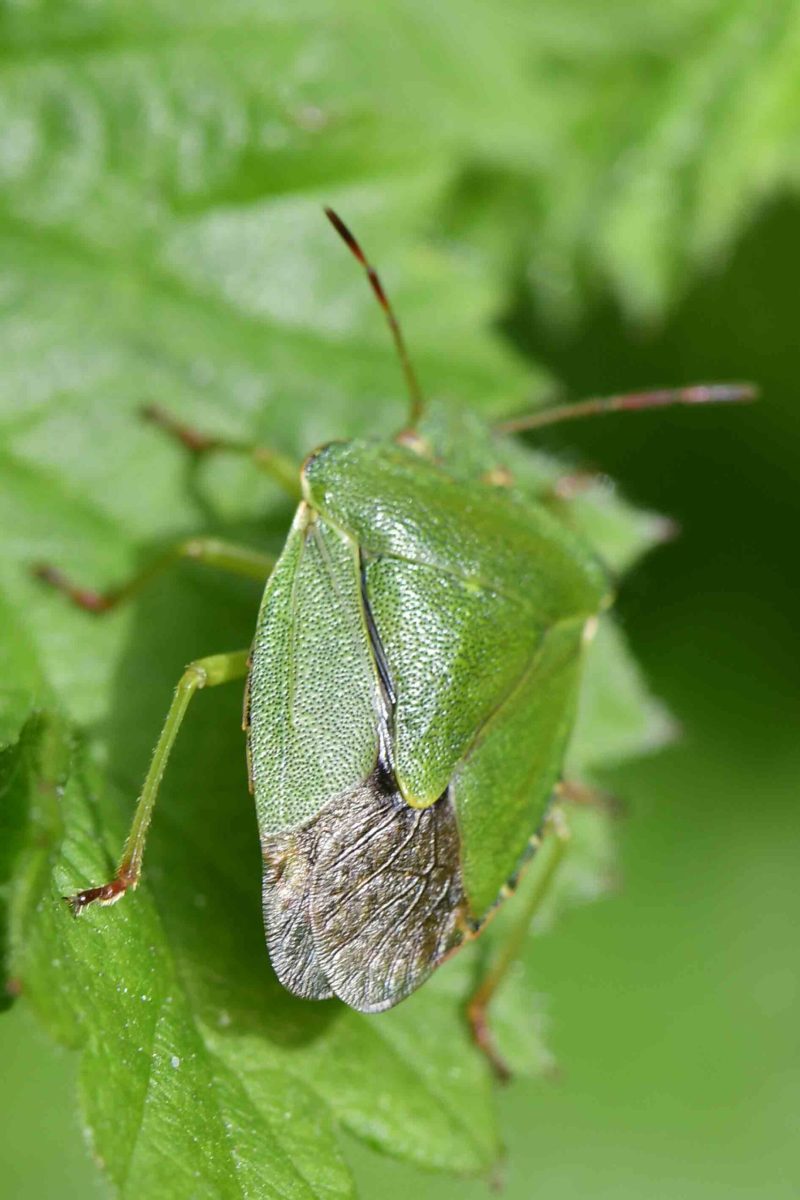
Hymenoptera – Ants
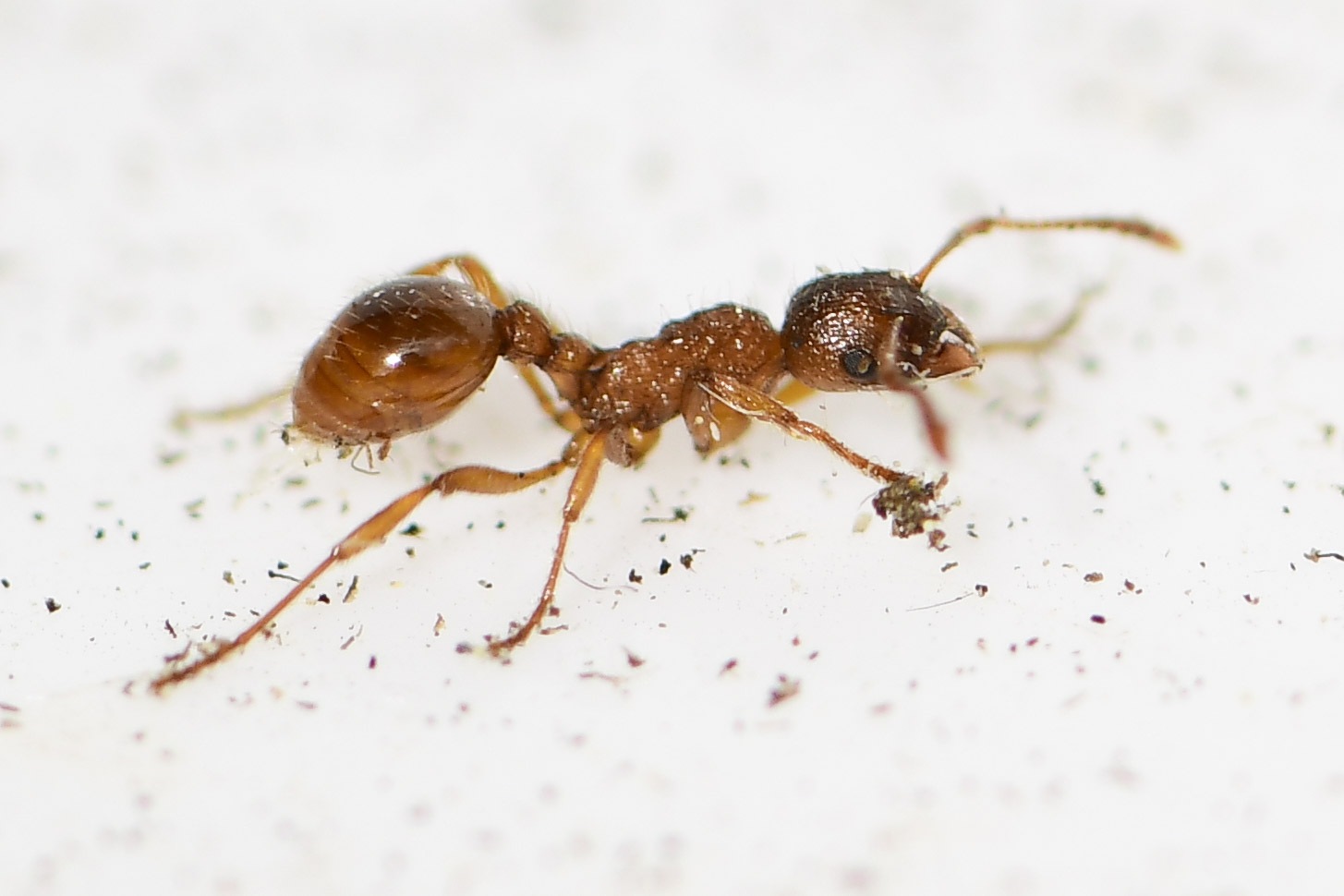
Neuroptera – Net-winged Insects
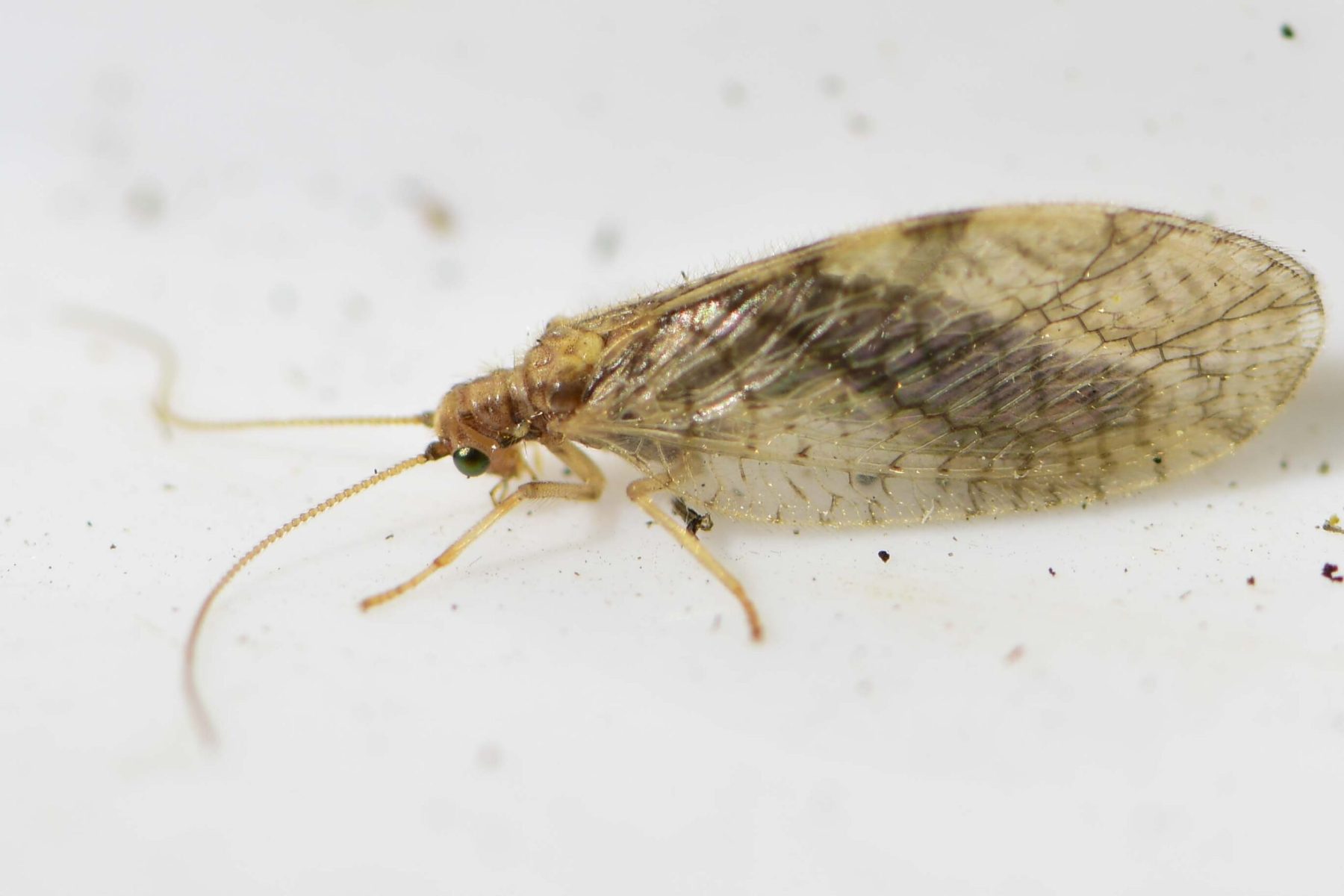
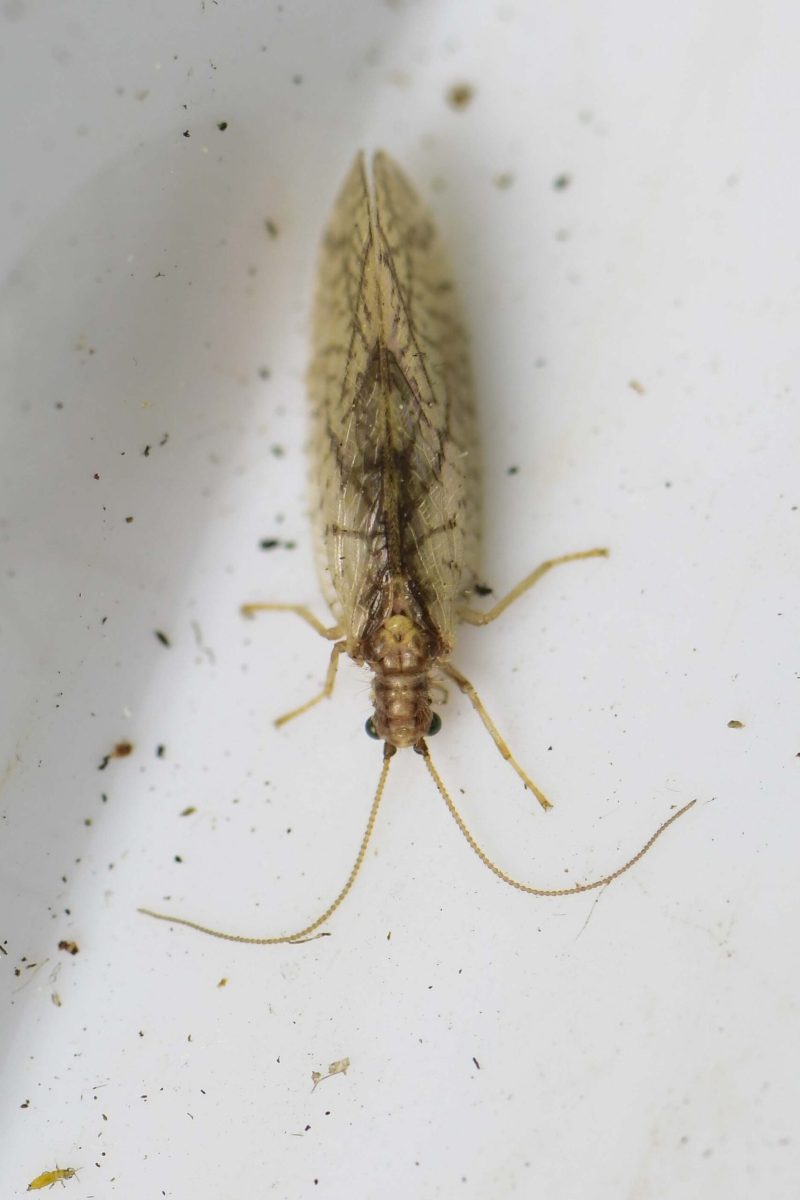
Opiliones – Harvestmen

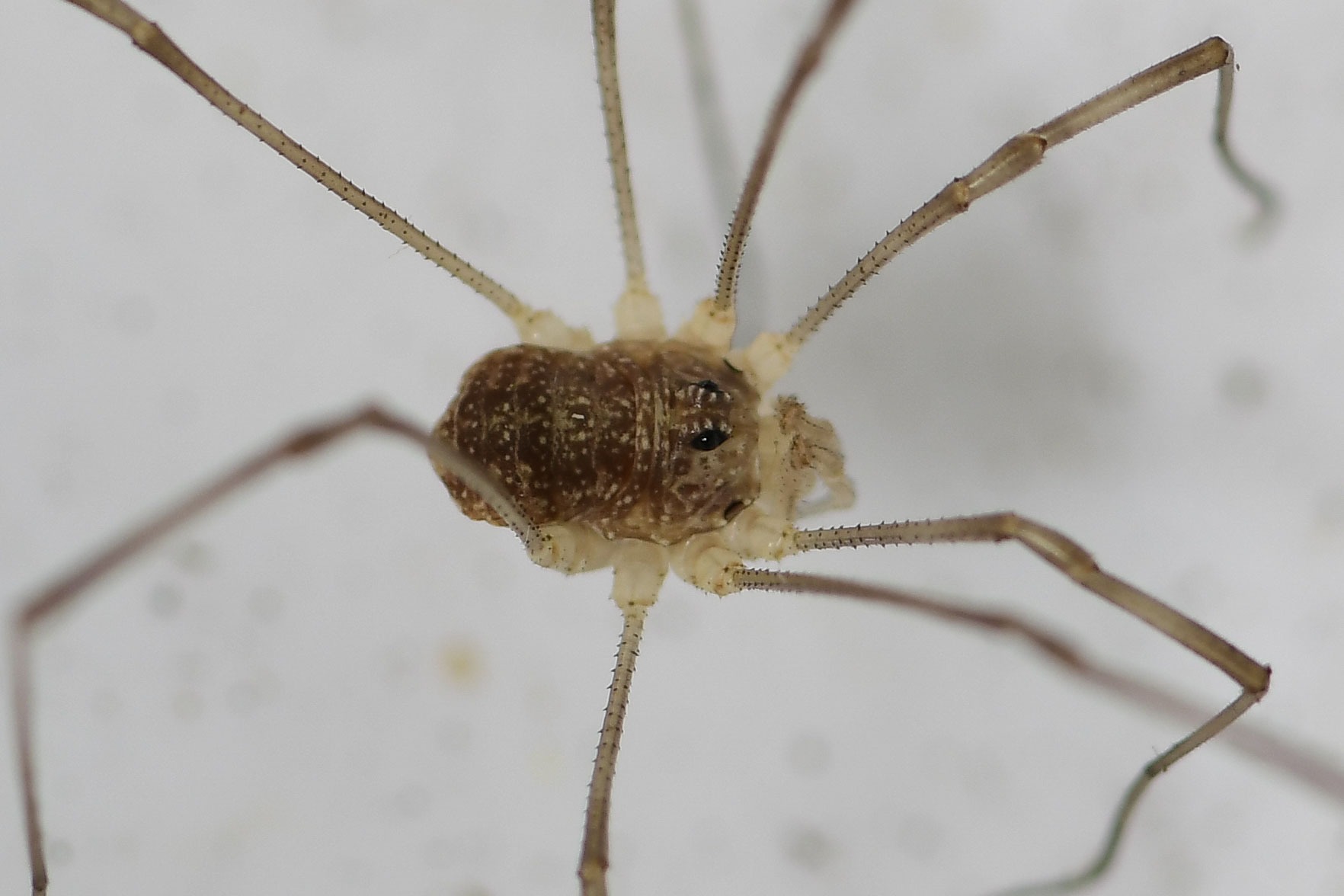
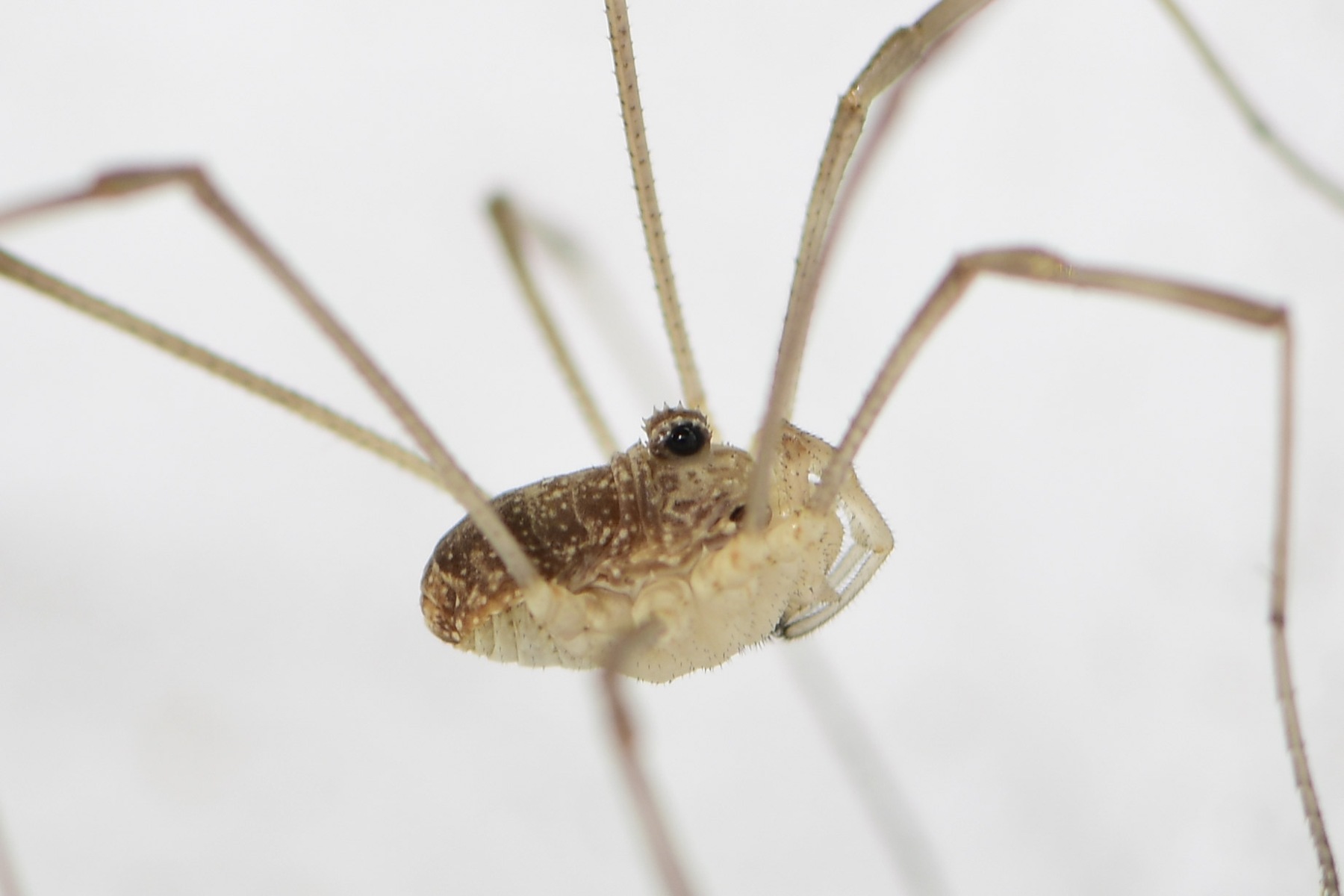
Miscellaneous items
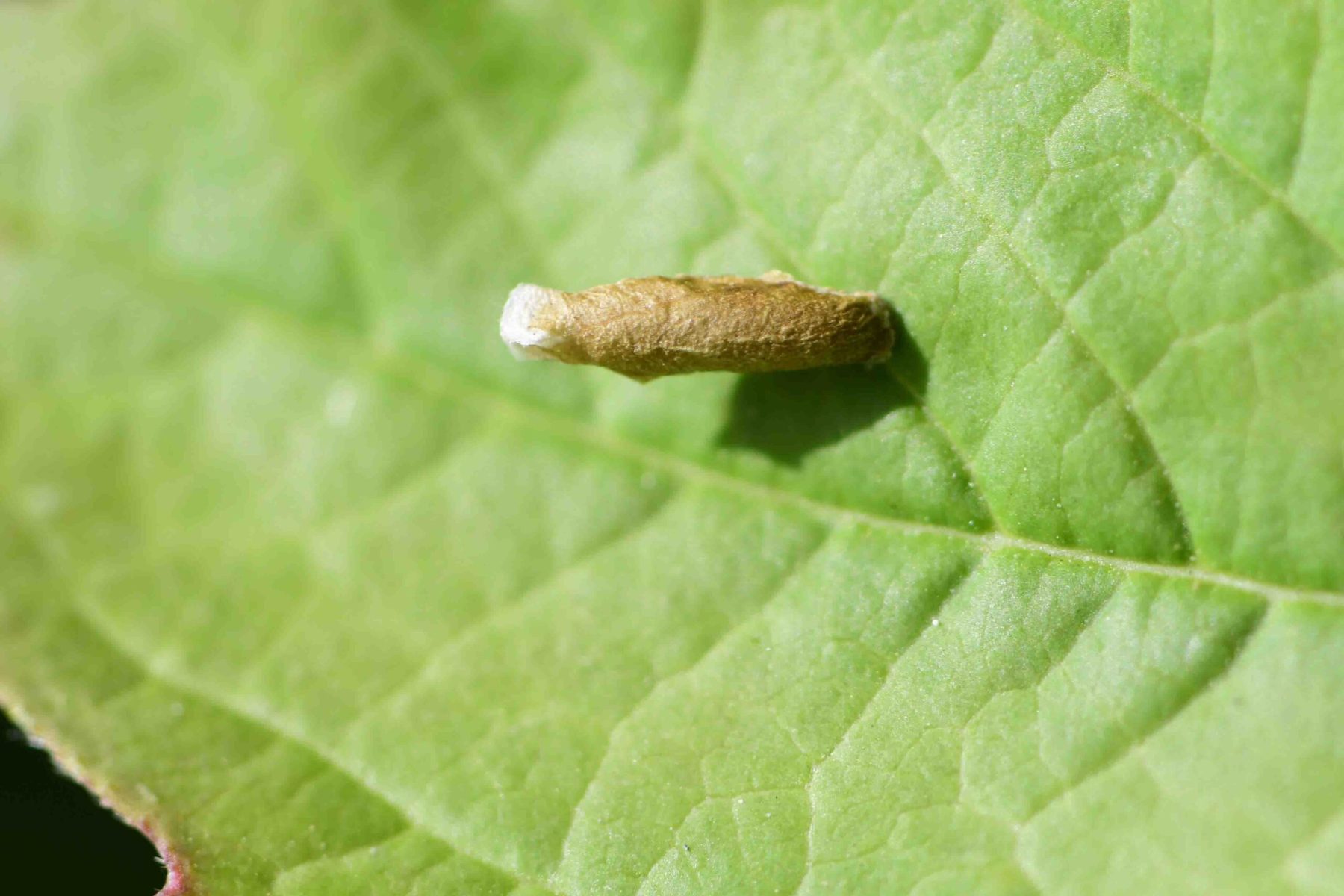
Doncaster Nats at Rossington (Grange Lane) Cemetery, Colliery Tip & Holmes Carr Great Wood
Leader: Jim Burnett
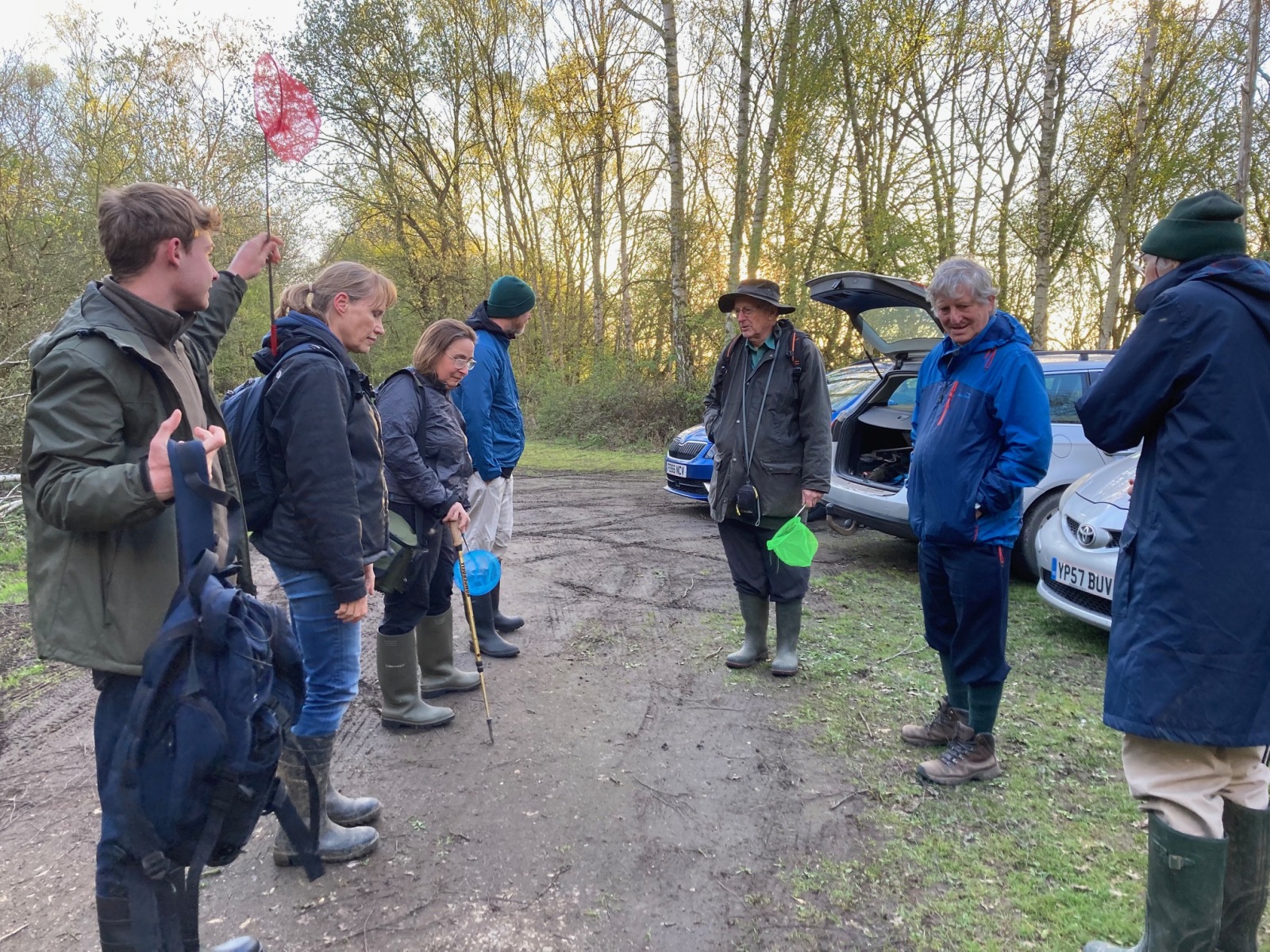
On a bright day with a chilly wind eleven members of the Society assembled 10.30am at the Cemetery along Grange Lane, Rossington SK6097 with a view surveying the recently re-landscaped Rossington Colliery Tip, resultant wetlands and the adjacent (southern) edge of Holmes Carr Great Wood. A pair of high soaring Common Buzzards wheeled overhead looking for carrion below.
Due to limited mobility, CAH & NB concentrated on the vegetation around the cemetery and the southern edge of Holmes Carr Great Wood.
The well-maintained turf of the cemetery was typical of local domestic lawns, the flowering component including Daisy Bellis perennis; Creeping Buttercup Ranunculus repens; Lanceolate plantain Plantago lanceolata; Dandelion Taraxacum officinale; Speedwells Veronica persica, V. hederifolia and V. serpyllifolia; Common Mouse-ear Cerastium holosteoides.
However, the shrub component of the boundary hedgerow had a remarkable diversity of native species including Field Maple Acer campestre; Sycamore Acer pseudoplatanus; Common Oak Quercus robor; Yew Taxus baccata; Ivy Hedera helix; Hawthorn Crataegus monogyna; Beech Fagus sylvatica; Blackthorn Prunus spinosa; Dogwood Cornus sanguinea; Hazel Corylus avellana; Holly Ilex aquifolium; Laurel Prunus laurocerasus Wych Elm Ulmus glabra; Wayfaring Tree Viburnum lantana. Groups of boundary trees of Pinus nigra had become a major landscape feature.
In the southern edge of Holmes Carr Great Wood, were spring flowers of Dog’s Mercury Mercurialis perennis; Lesser Celandine Ficaria verna; Greater Stitchwort Stellaria holostea; Bluebell Hyacinthoides non-scripta; Wood Anemone Anemone nemorosa ; Ground Ivy Glechoma hederacea; Wood Sedge Carex sylvatica; Wood Millet Milium effusum and Garlic Mustard Alliaria petiolate. Flowering shrubs were Hawthorn Crataegus monogyna and the very attractive Bird Cherry Prunus padus and Guelder Rose Viburnum opulus, though not as obvious, Common Oak Quercus robur, Field Maple Acer campestre, Sycamore Acer pseudoplatanus and Grey Willow Salix cinerea were also in flower. Other herbs as yet not in flower were Wood Avens Geum urbanum and Honeysuckle Lonicera periclymenum.
In the sunlit glades were frequent Orange-tip and occasional Peacock butterflies.
Birds in song and holding territory were Chiffchaff; Chaffinch; Blackcap; Whitethroat; Great Tit; Bluetit and Blackbird. Also present were Carrion Crow, Wood Pigeon and Magpie. Dead but standing birch trunks showed evidence of woodpecker holes and searches for invertebrates beneath loose bark.
The only mammal spotted was a Bank vole Myodes glareolus, running from the shelter of a Birch log to an underground hole beneath Bracken litter.
CAH & NB.
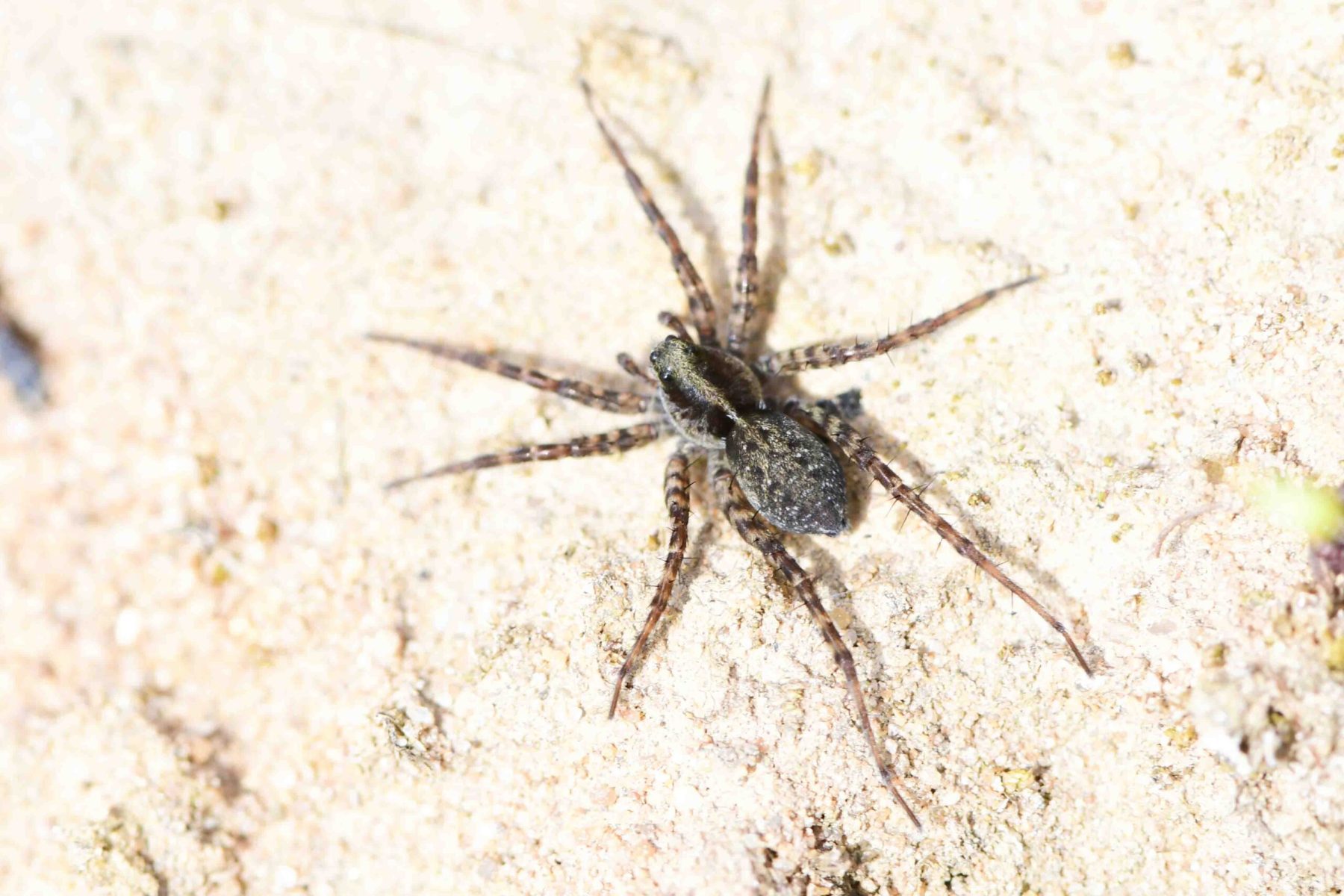
Arachnids


Insects – Coleoptera


Insects – Diptera


Insects – Hymenoptera


Insects – Orthoptera

Fungi

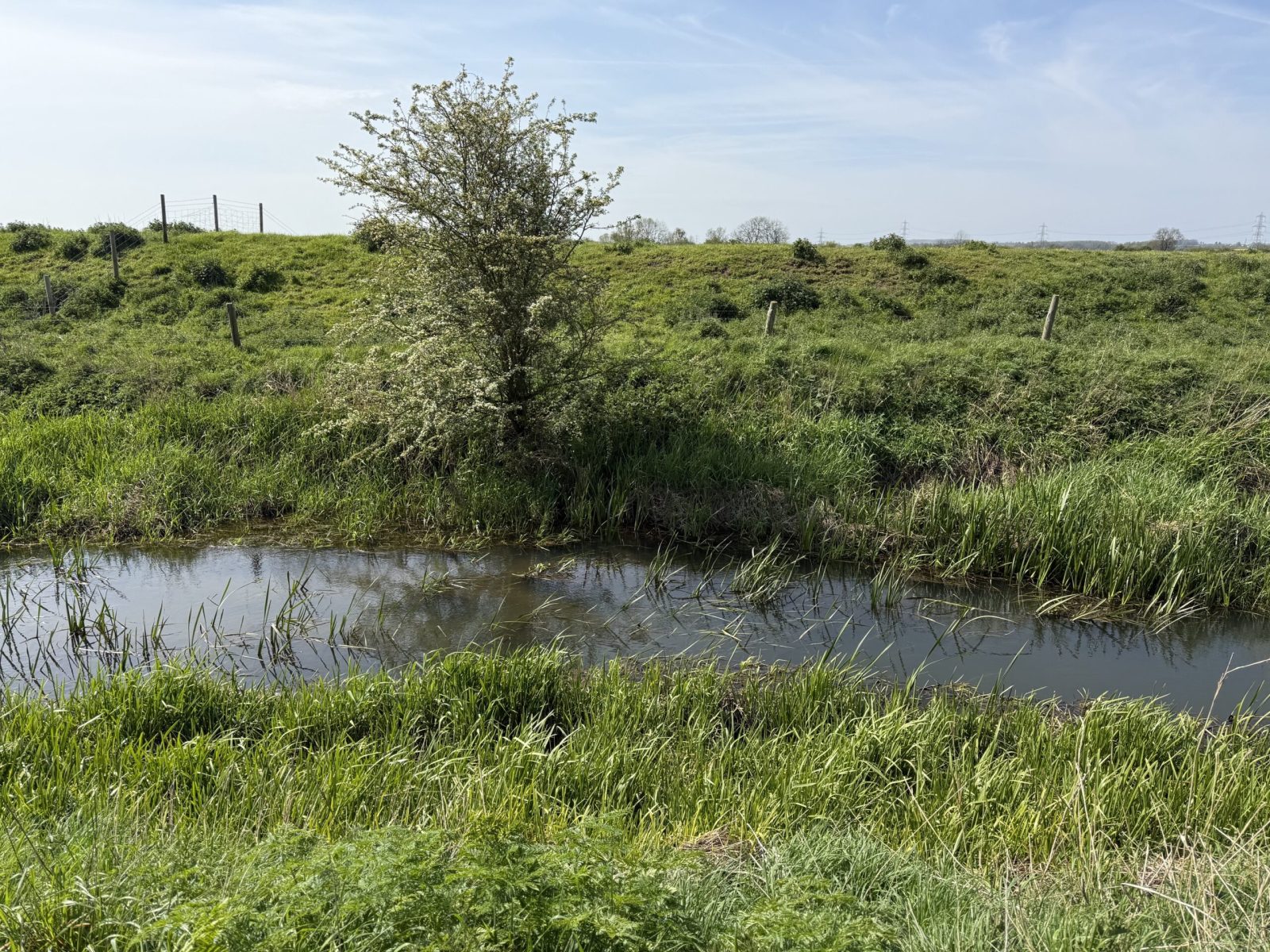
Views from the old tip

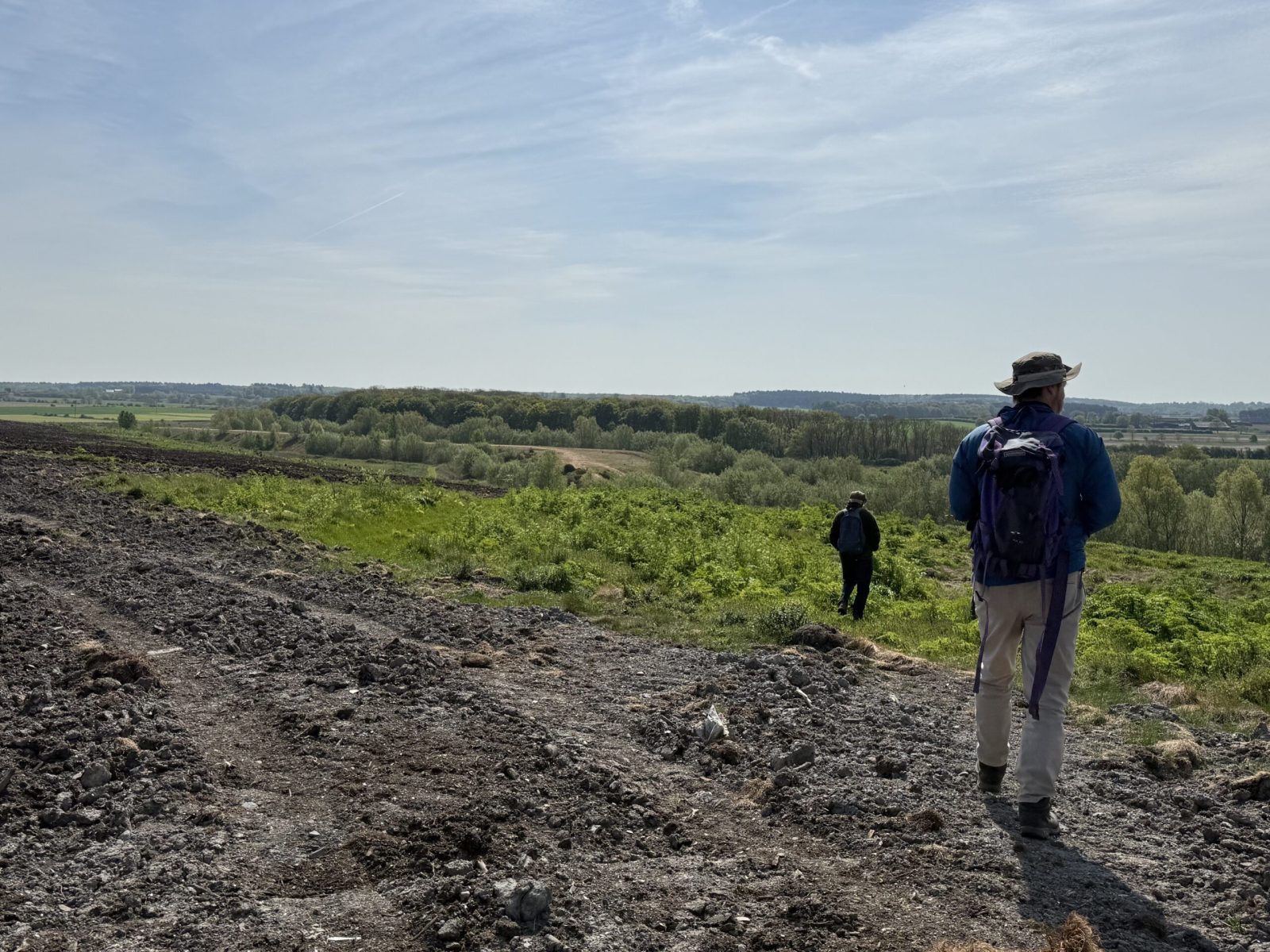
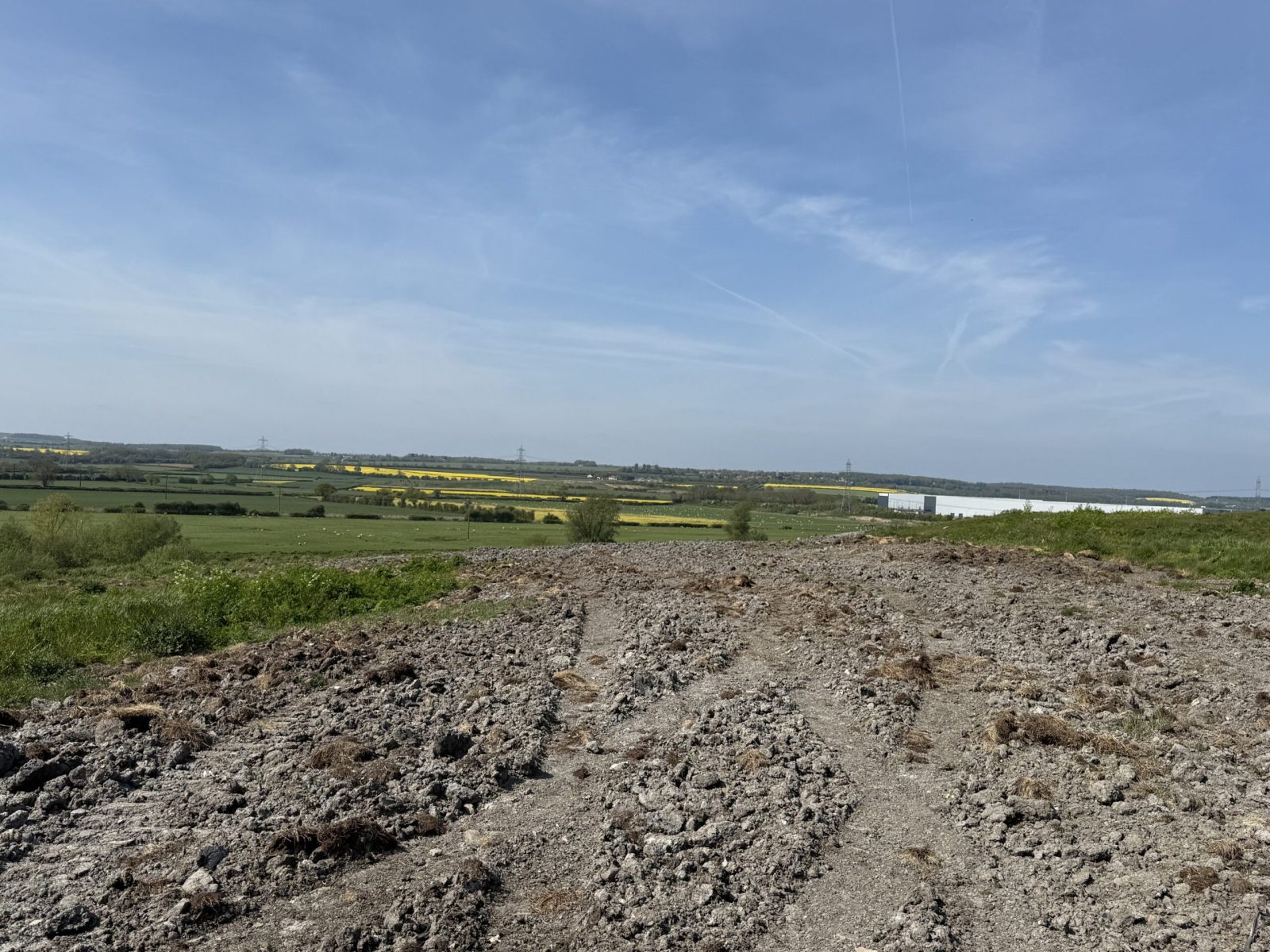
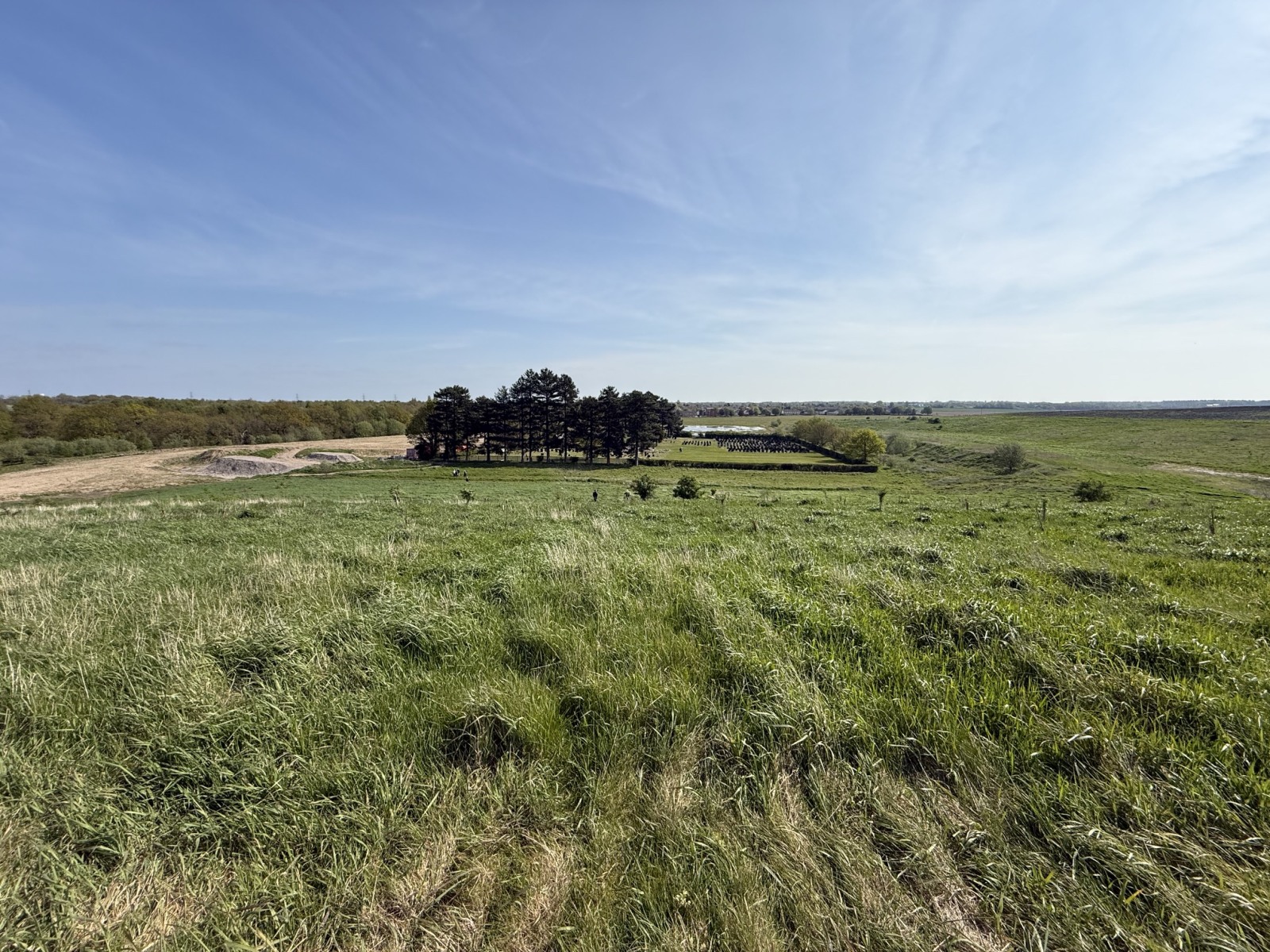

An impromptu visit to Potteric Carr on a sunny afternoon by Colin & Les.
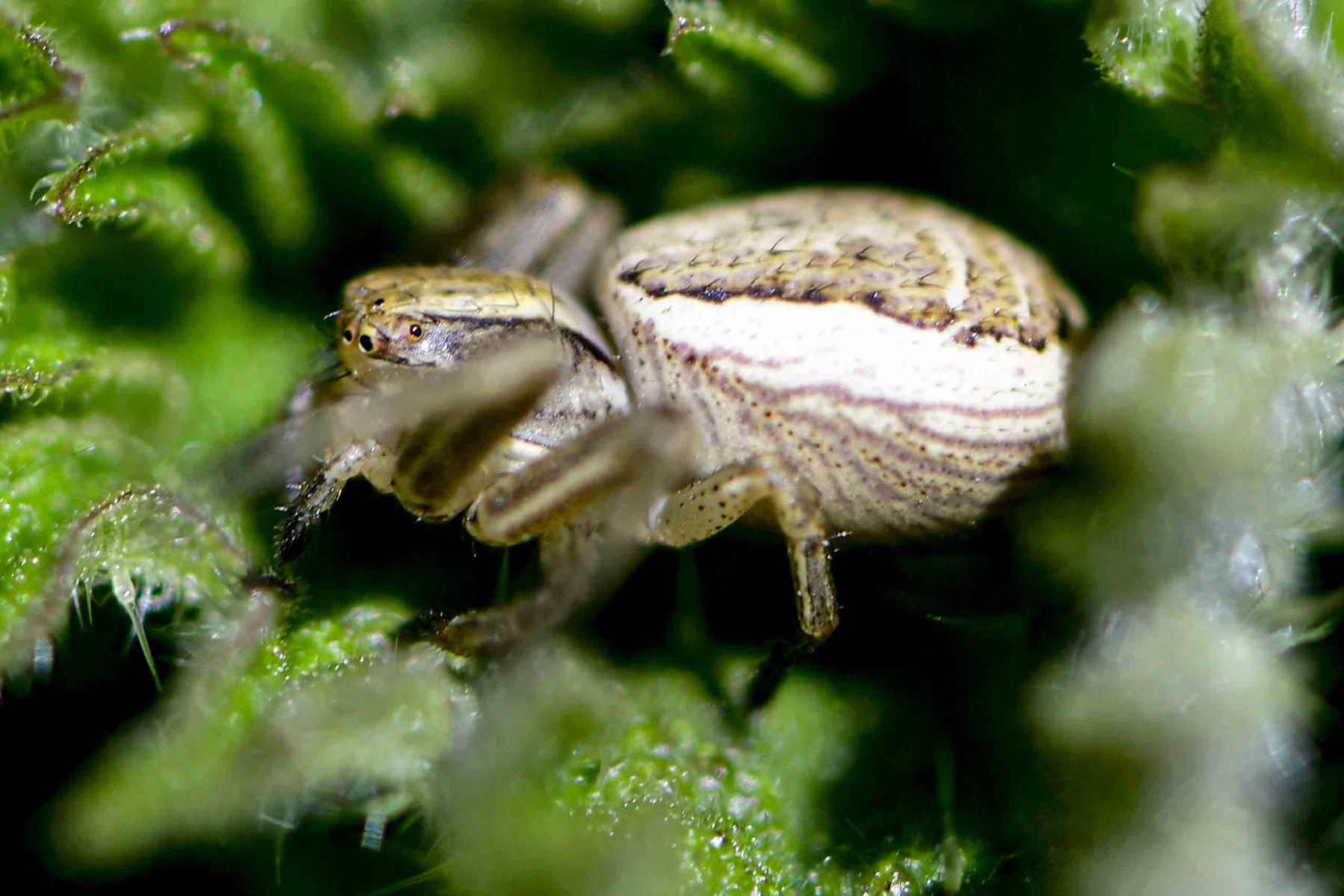

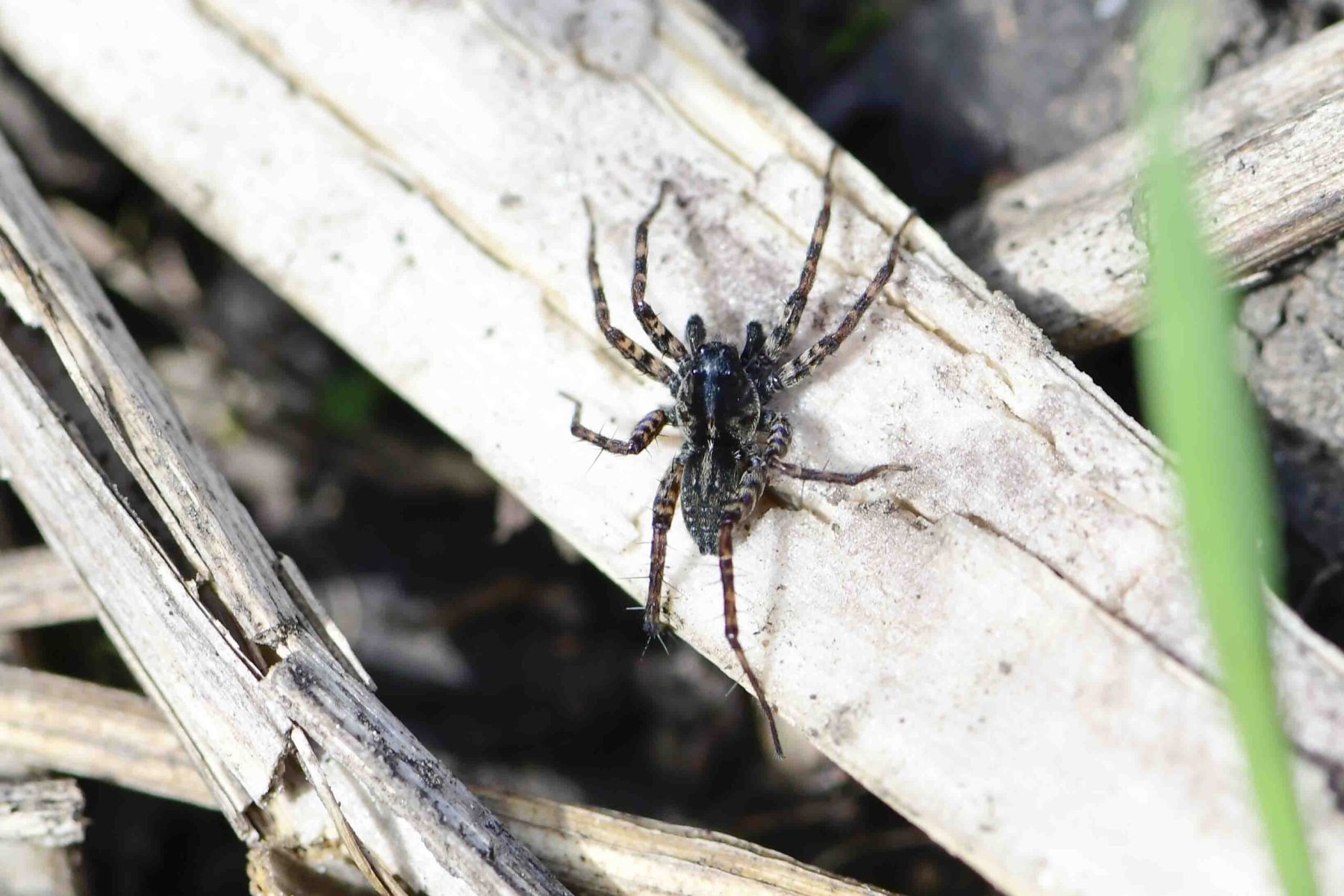

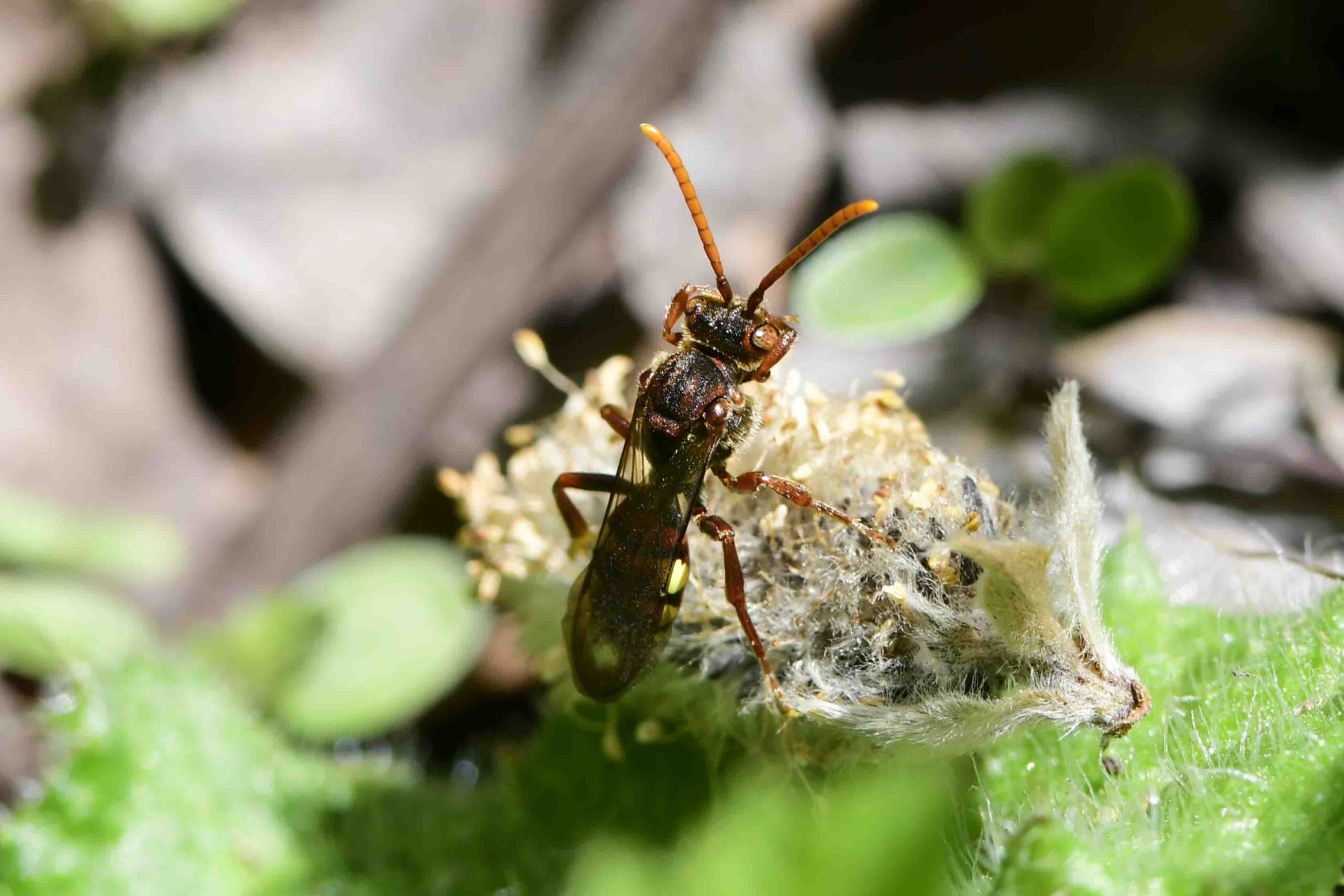
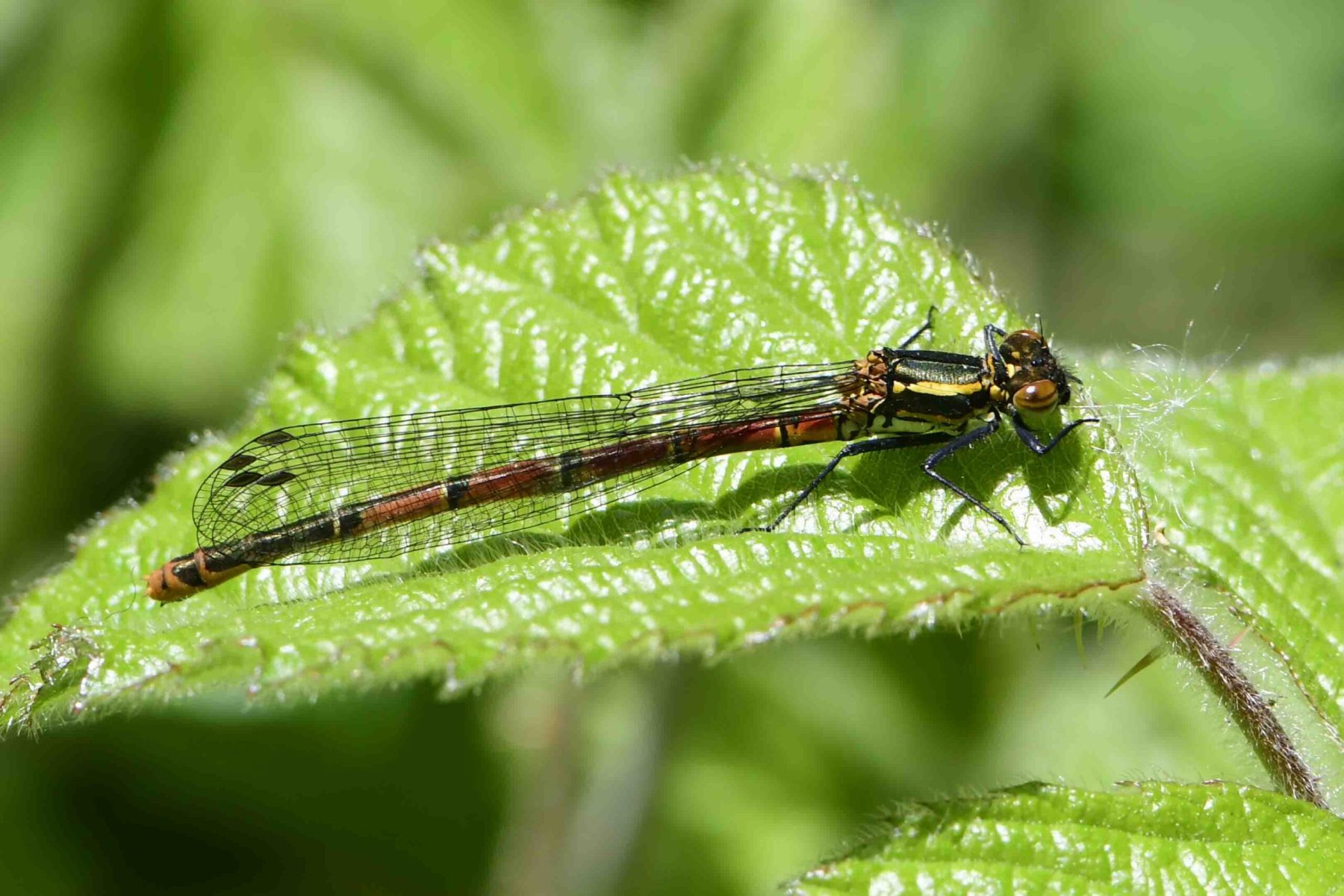


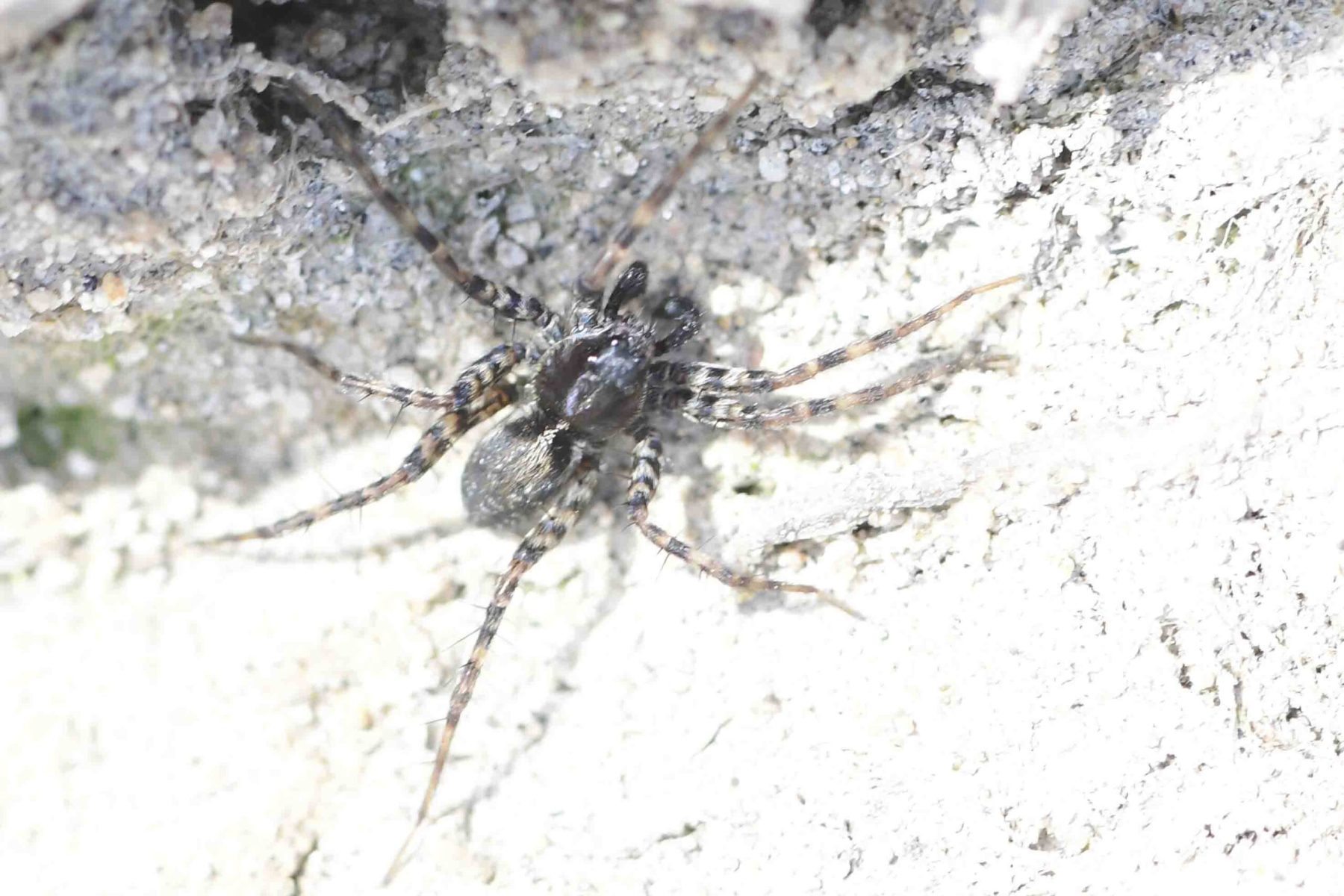
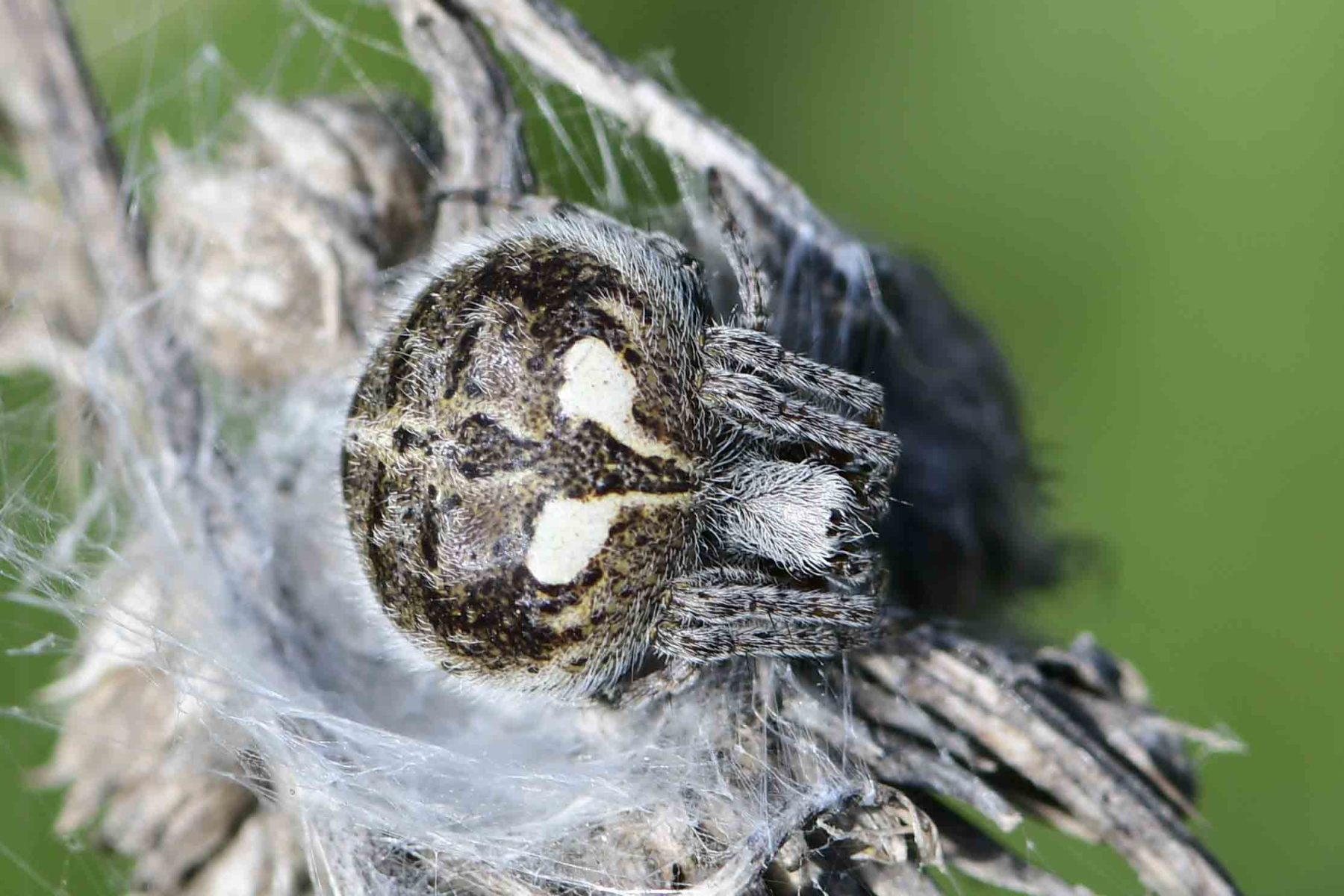
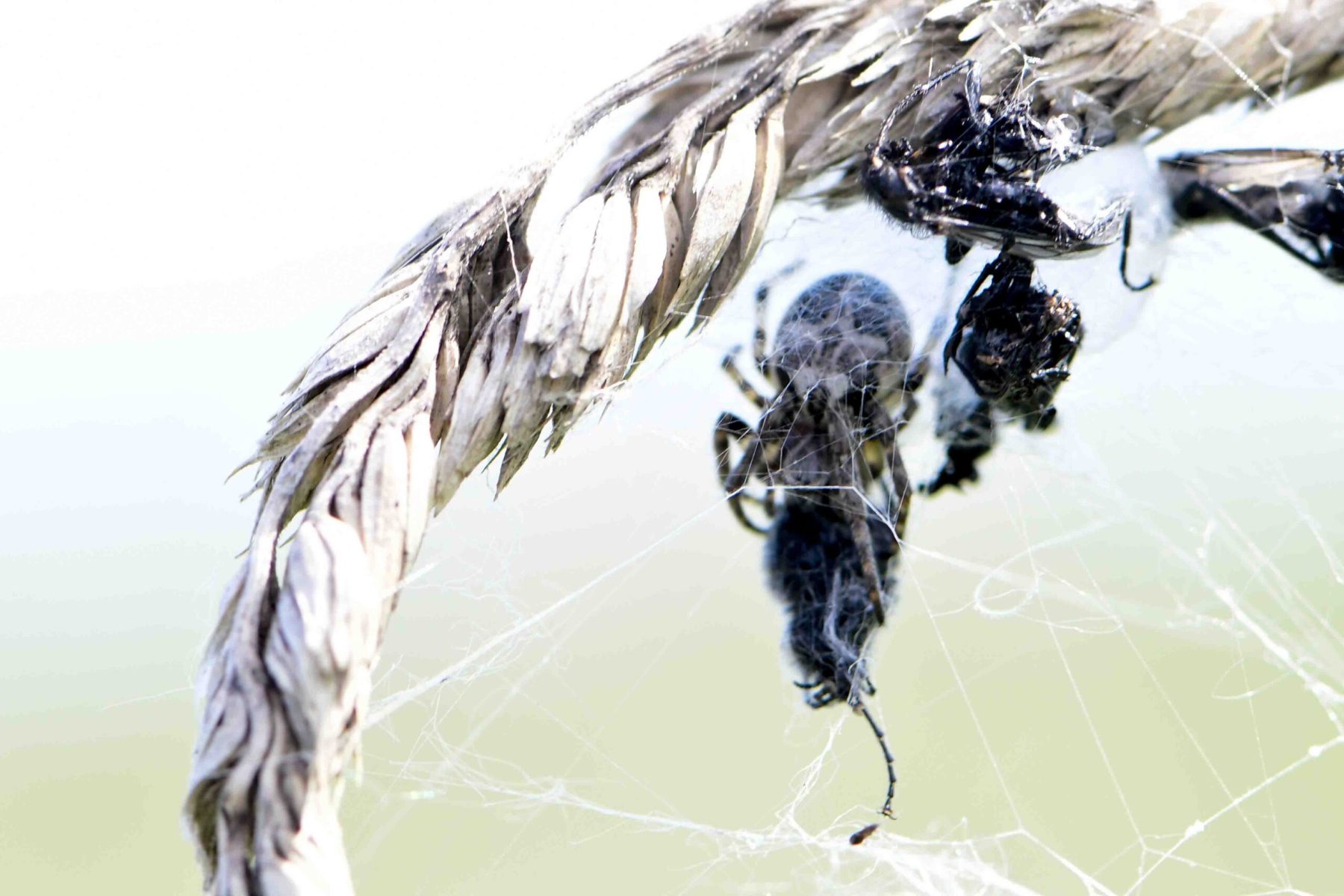
The spider in the first photo looks to be Ozyptila atomaria; I have added it to iRecord for comments.
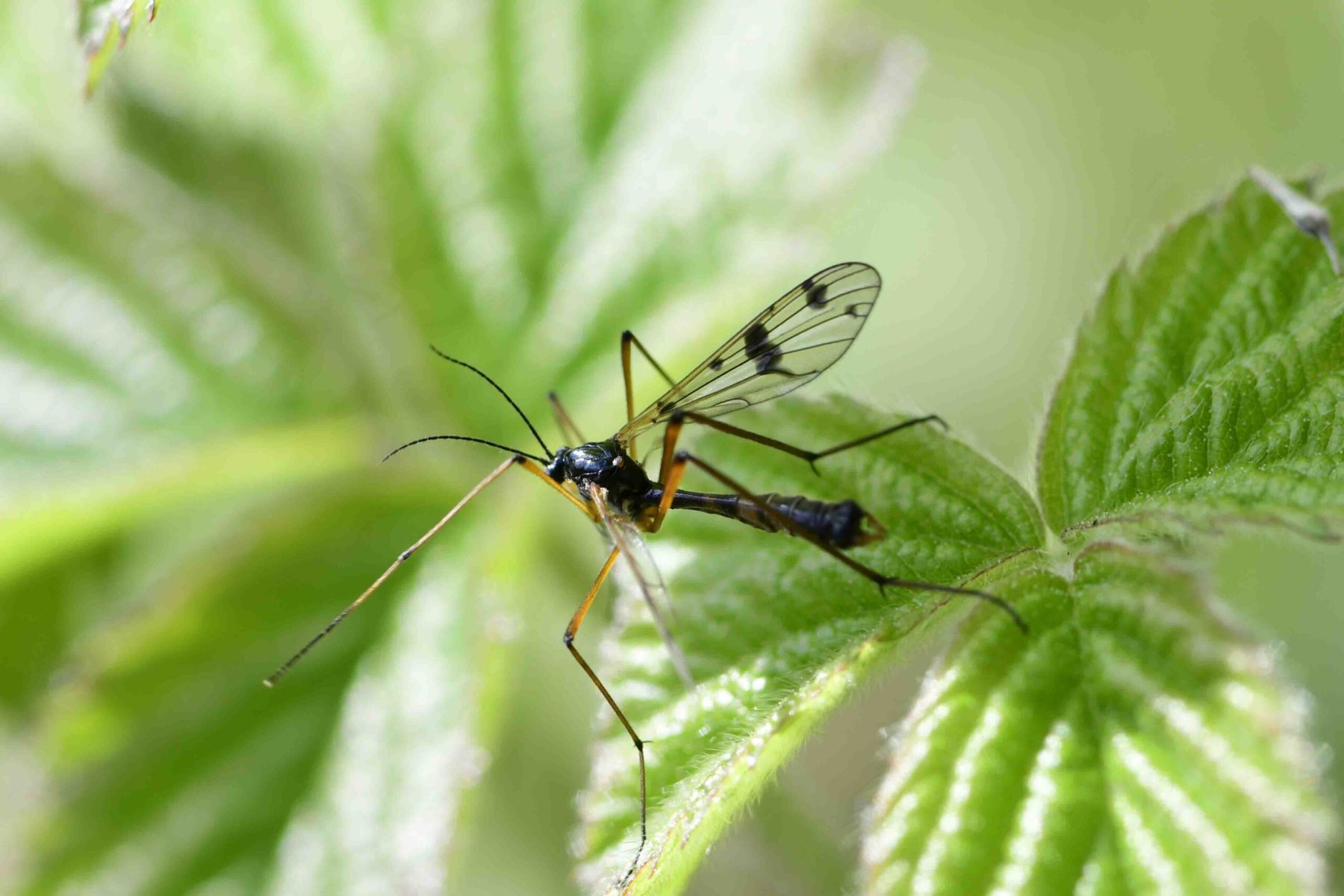


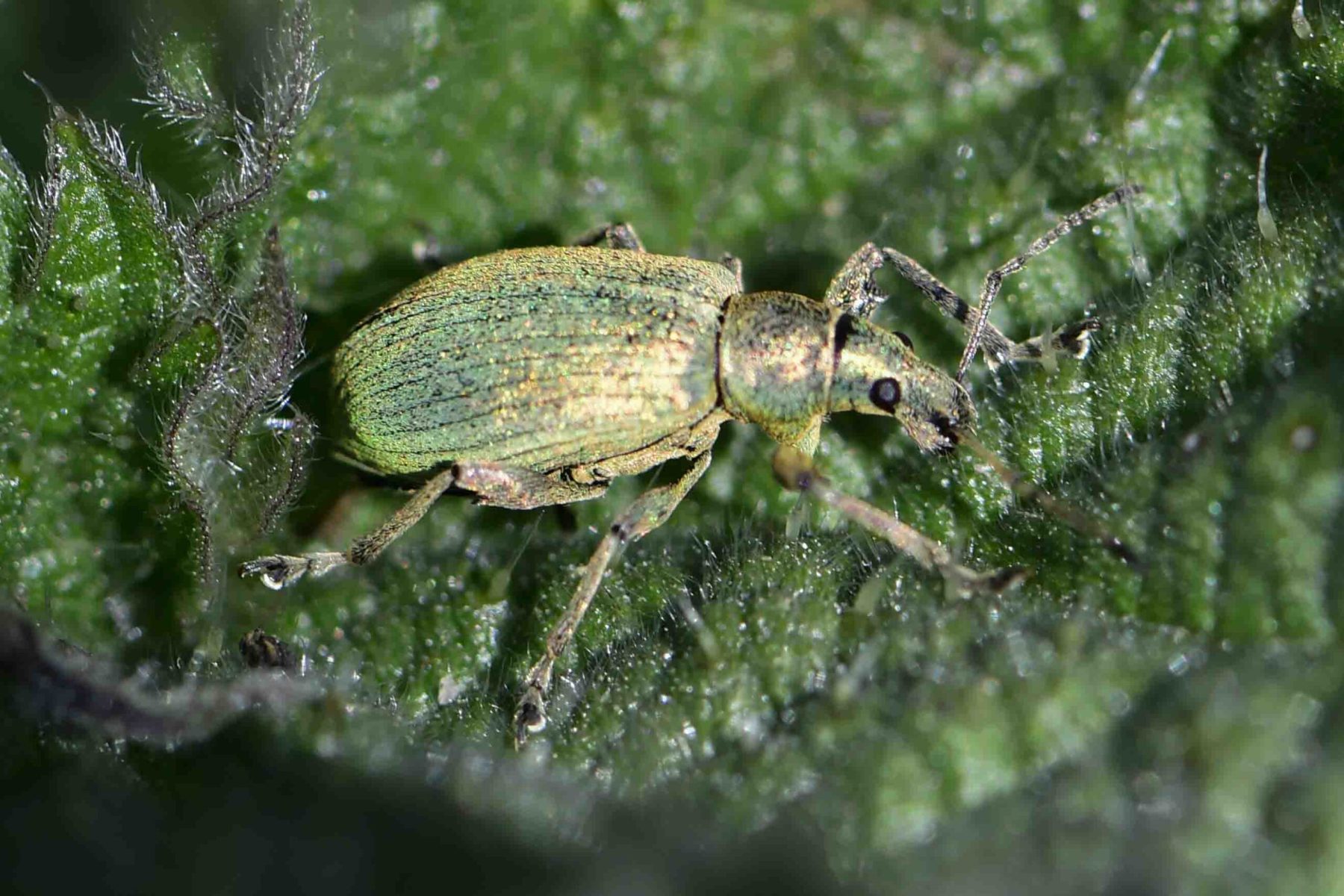
There are just 7 species of Ptychoptera in Britain, most records being from May and June. The most widespread are P. albimana, P. contaminata, P. lacustris followed by P. minuta, P. paludosa and P. scutellaris. A. W. Stubbs published a provisional Atlas with keys (1993) which can be found at https://nora.nerc.ac.uk/id/eprint/7509/1/Ptychopterid_Craneflies.pdf
Birdwatching.
An impromptu visit to Kings Wood on a sunny but later overcast afternoon by Colin & Les.
A visit to Kings Wood, Bawtry (SK 6494; 6594) at this time of year is an ideal venue for experiencing visions of springtime and noting the signs of old woodland.
Along the path from the carpark, north to the East-coast Main line, we found the following springtime icons in flower: Native Bluebell Hyacinthioides non-scripta (producing spectacular glowing drifts of blue across the woodland floor where dominant); Wood Anemone Anemone nemorosa; Wood Sorrel Oxalis acetocella; Woodruff Galium odoratum and Lesser Celandine Ficaria verna. Pignut Conopodium majus, which has edible tubers, was also found with some showing on the underside of the leaf a fungus, which appears as chocolate-brown rust pustules, Puccinia tumida.
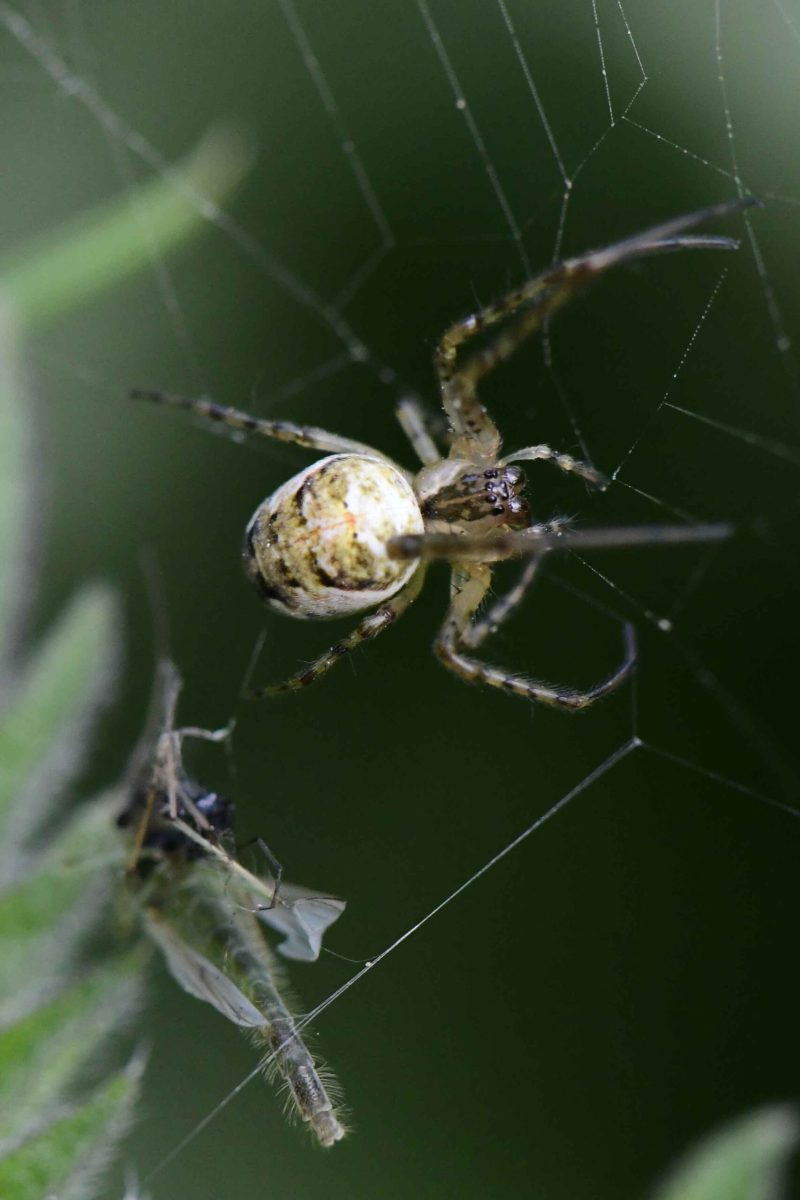
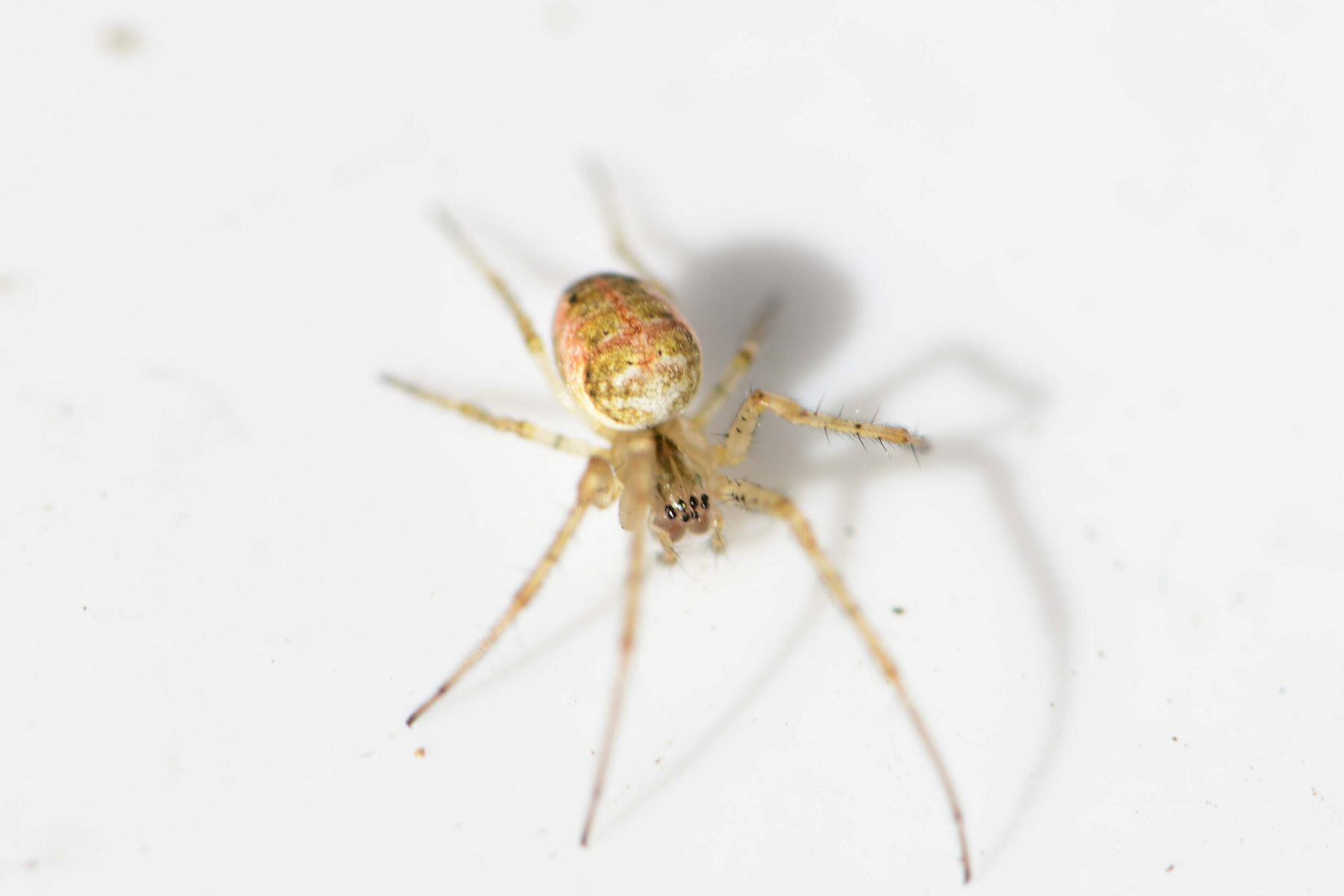
Metellina mengei
A Metellina sp. spider, identifiable by the ‘tuning fork’ mark on the carapace, was found on Galium; M. mengei appears in spring and is very common.
Two old woodland herbs were: Wood Melick Melica uniflora and Hairy Woodrush Luzula pilosa.
Other woodland edge plants coming into flower were: Jack-by-the-hedge Alliaria petiolate and Ground Ivy Glechoma hederacea and the straggling Three-veined Sandwort Moehringia trinervia.
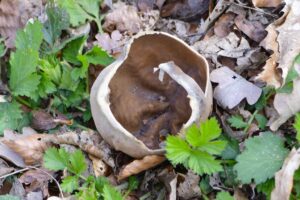
Disciotis venosa
Also, along the path Les found at least three groups (3 + 5 + 4) of the large fruiting bodies of the ascomycete fungus Bleach Cup or Veined Cup Disciotis venosus, a relative of the Morels (Morchellaceae).
These curious red-brown objects, resembling the rubbery interiors of dog-savaged tennis balls, were up to 5 inches in diameter.
Interestingly the NBM Atlas gives no records for the Doncaster region.
Bracken fronds were emerging in dryer areas and adjacent to damper paths were young Broad Buckler Ferns Dryopteris austriaca and Male Ferns Dryopteris filix-mas.
We returned south along the sandy path adjacent to the East-coast Main Line. Here, the protective barrier fence was being masked by the planting of a thick hedgerow mainly of Hawthorn but including Hazel and other natives. Into this new hedgerow was growing Bramble, Honeysuckle and Lesser Periwinkle Vinca minor, this latter component well in flower.
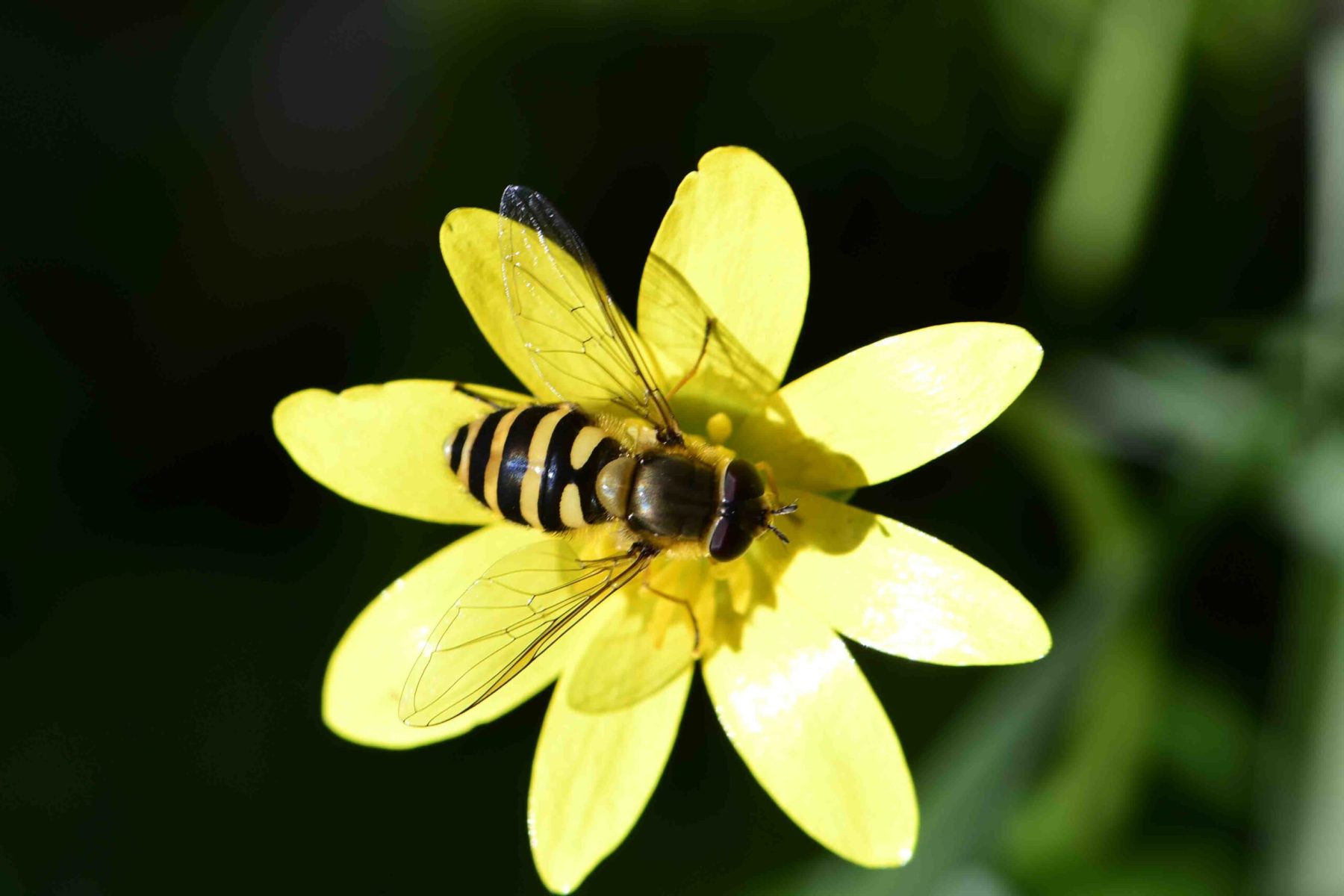
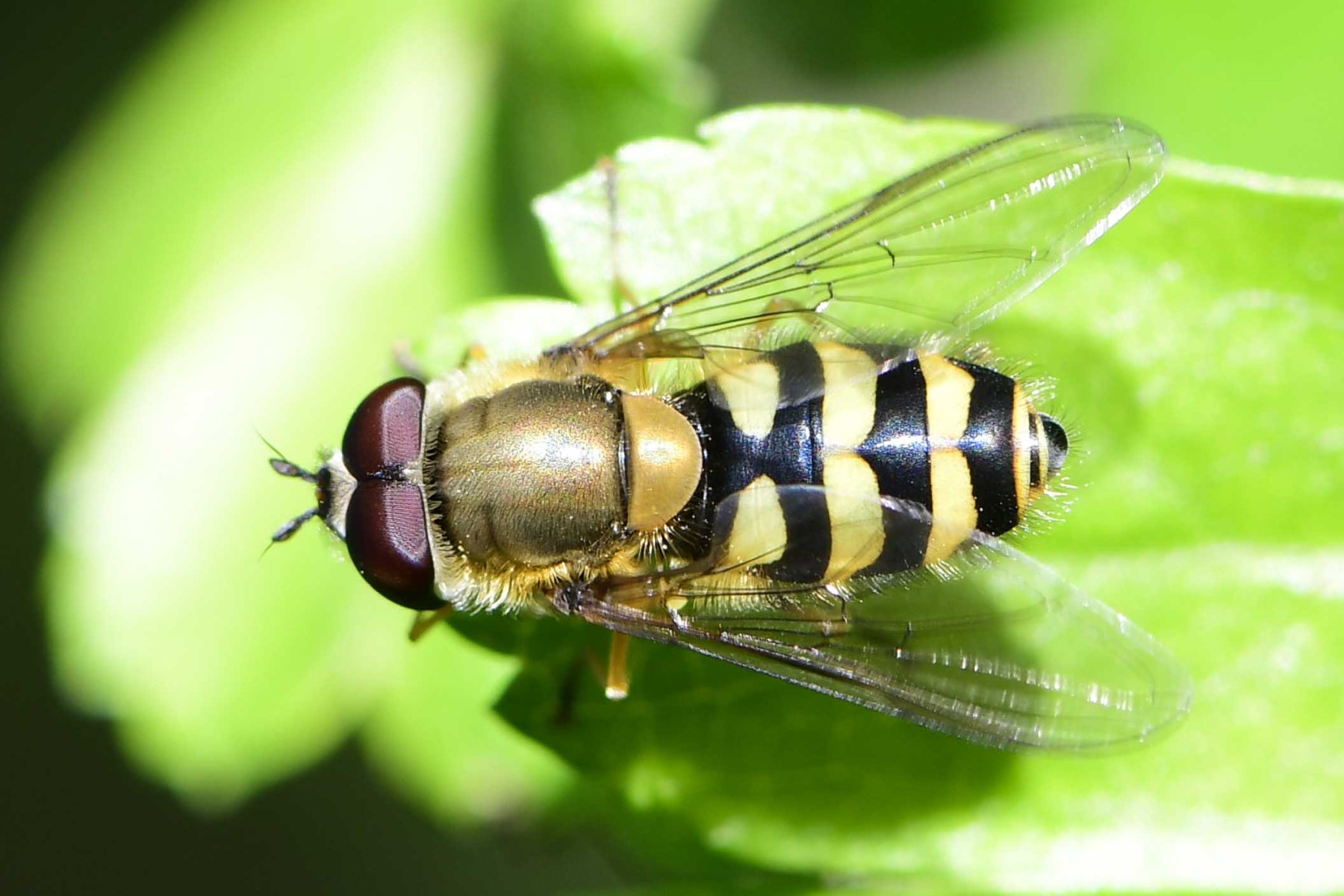
Along the pathways, subtle escarpments in the sandy soil, caused by emergent tree roots were being used by digger wasps for excavating their new underground nurseries and many newly excavated holes of various dimensions were encountered. Sadly, the wasps were either underground or too quick to photograph, so no species were recorded. Hoverflies are becoming more numerous as the weather improves.
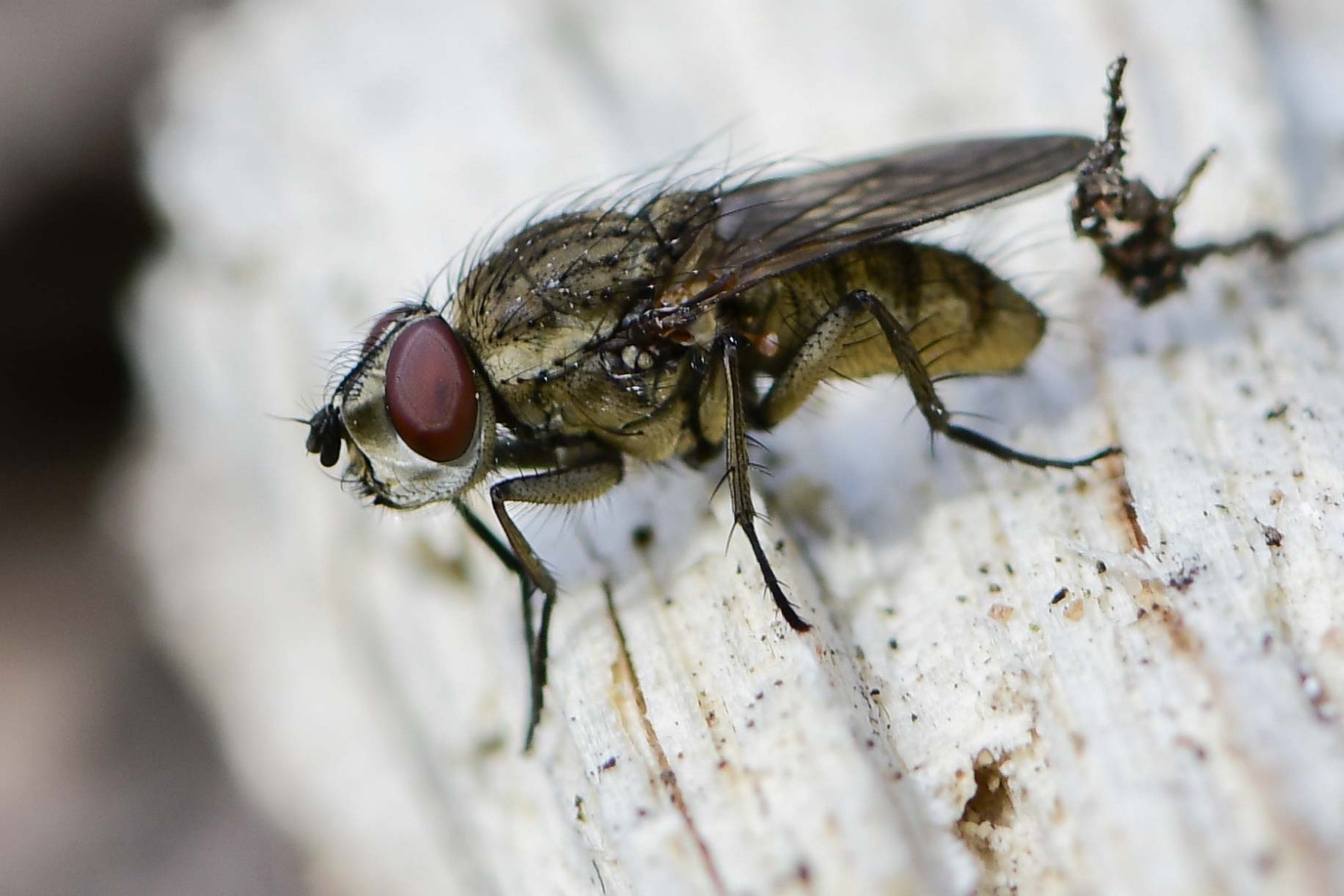
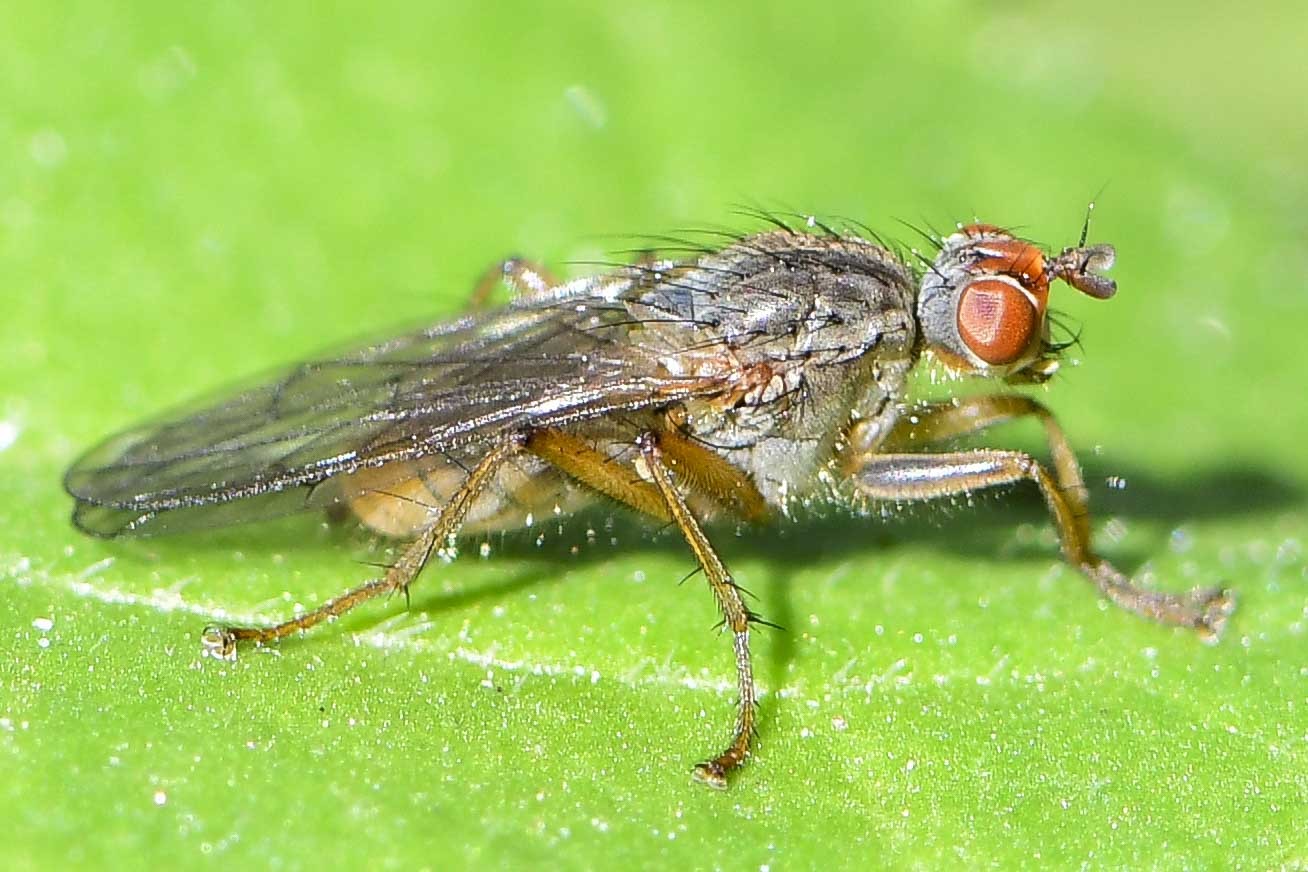
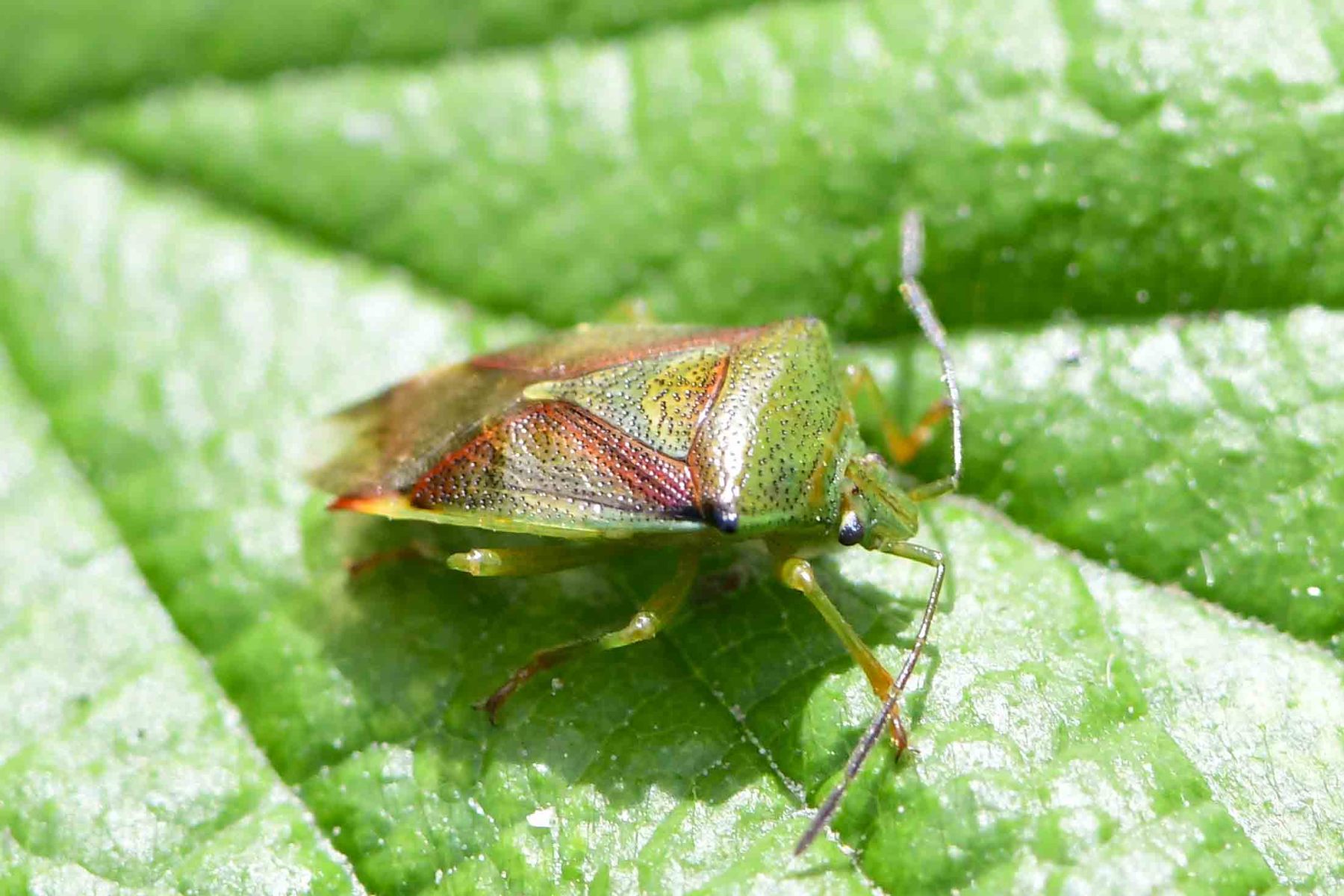
Wherever the bright sunshine was attracting invertebrates to settle on the vegetation, Les would attempt to photograph the creatures. This resulted in a useful list of species. The birch shieldbug Elasmostethus interstinctus had emerged from it’s winter hibernation, Scathophaga litorea, a dung fly, being one of the many flies to be found.
Butterflies which passed by included an unidentified White, a Brimstone Gonepteryx rhamni and several Peacocks Aglais io.
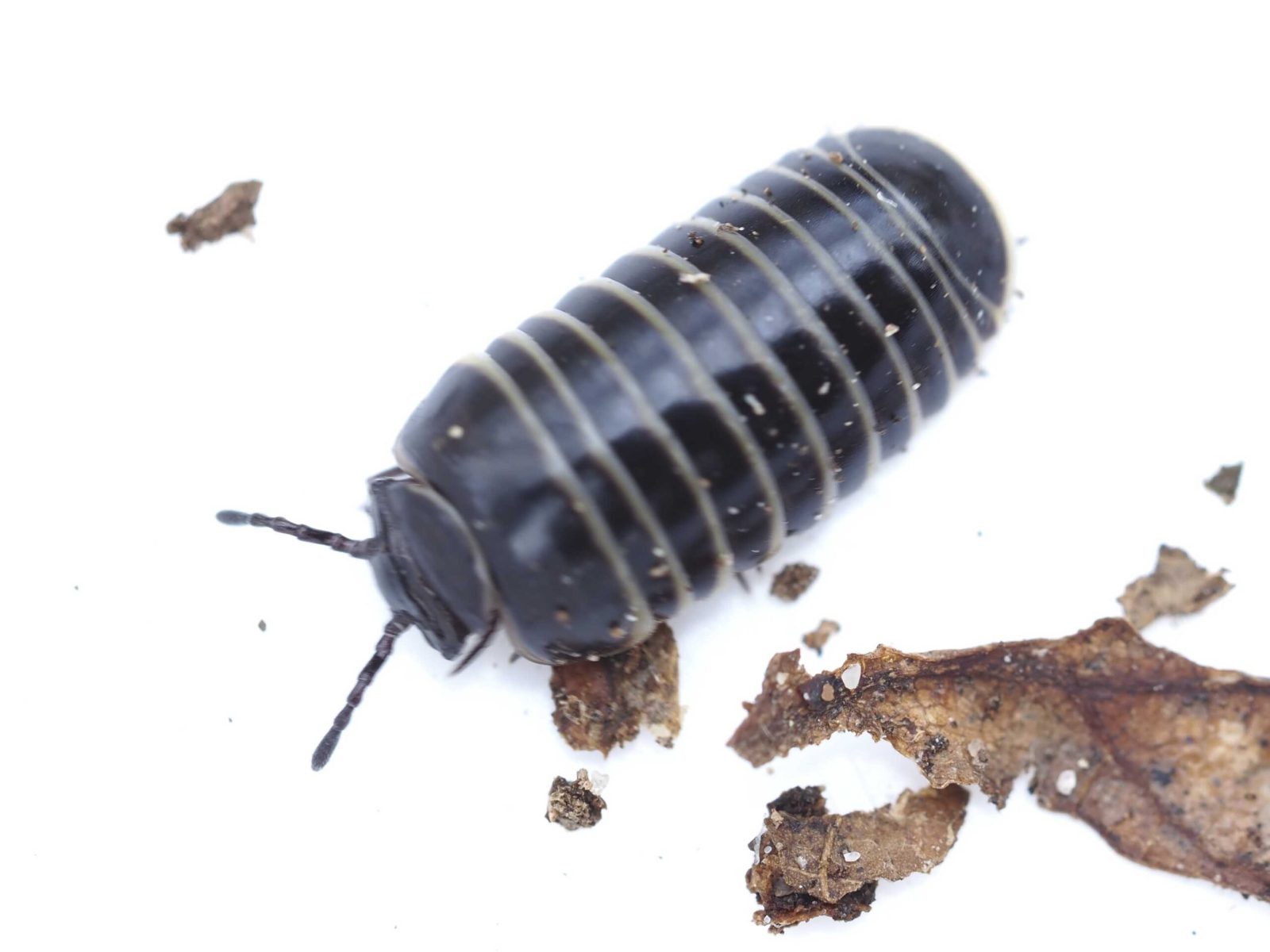
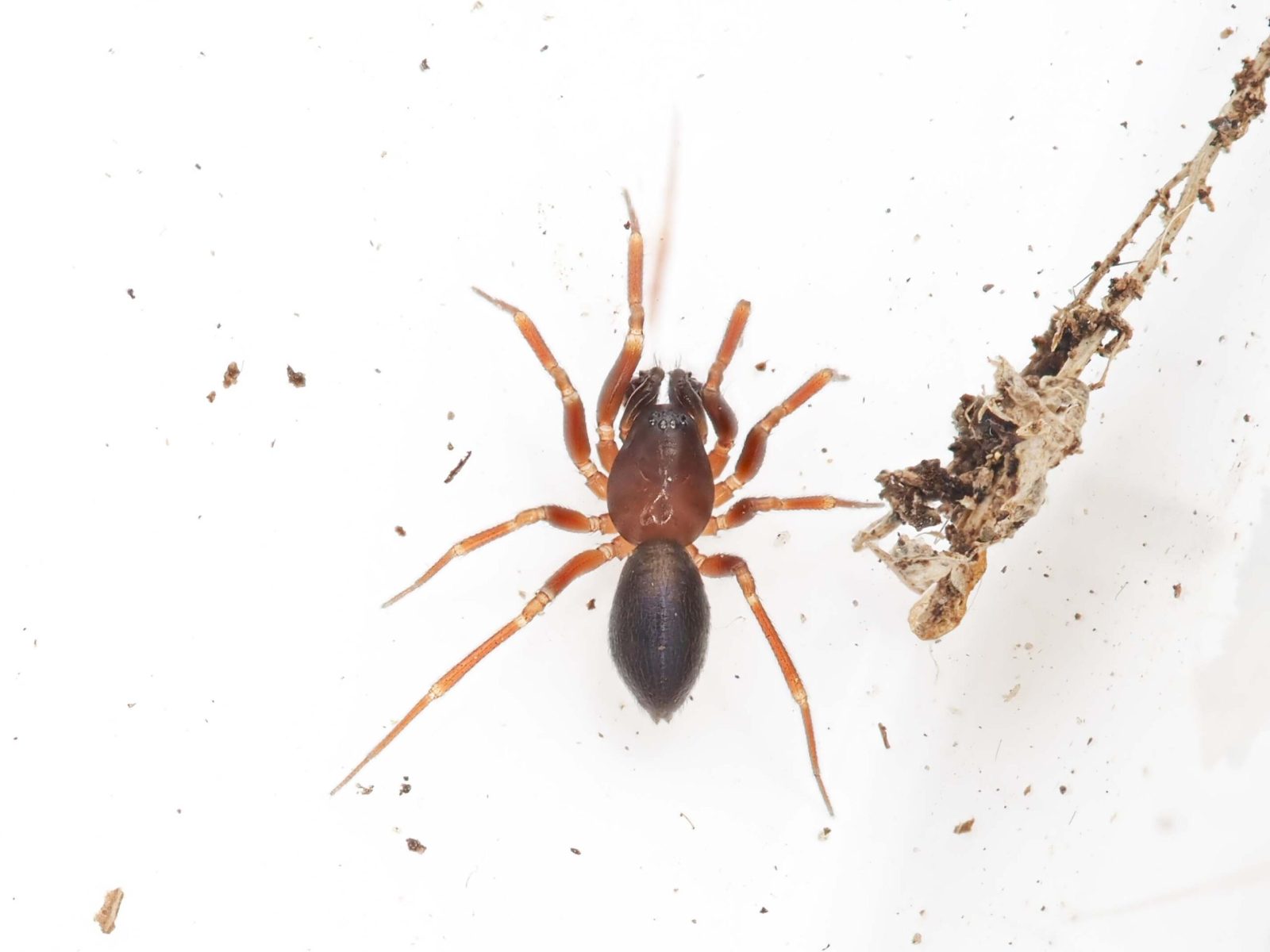
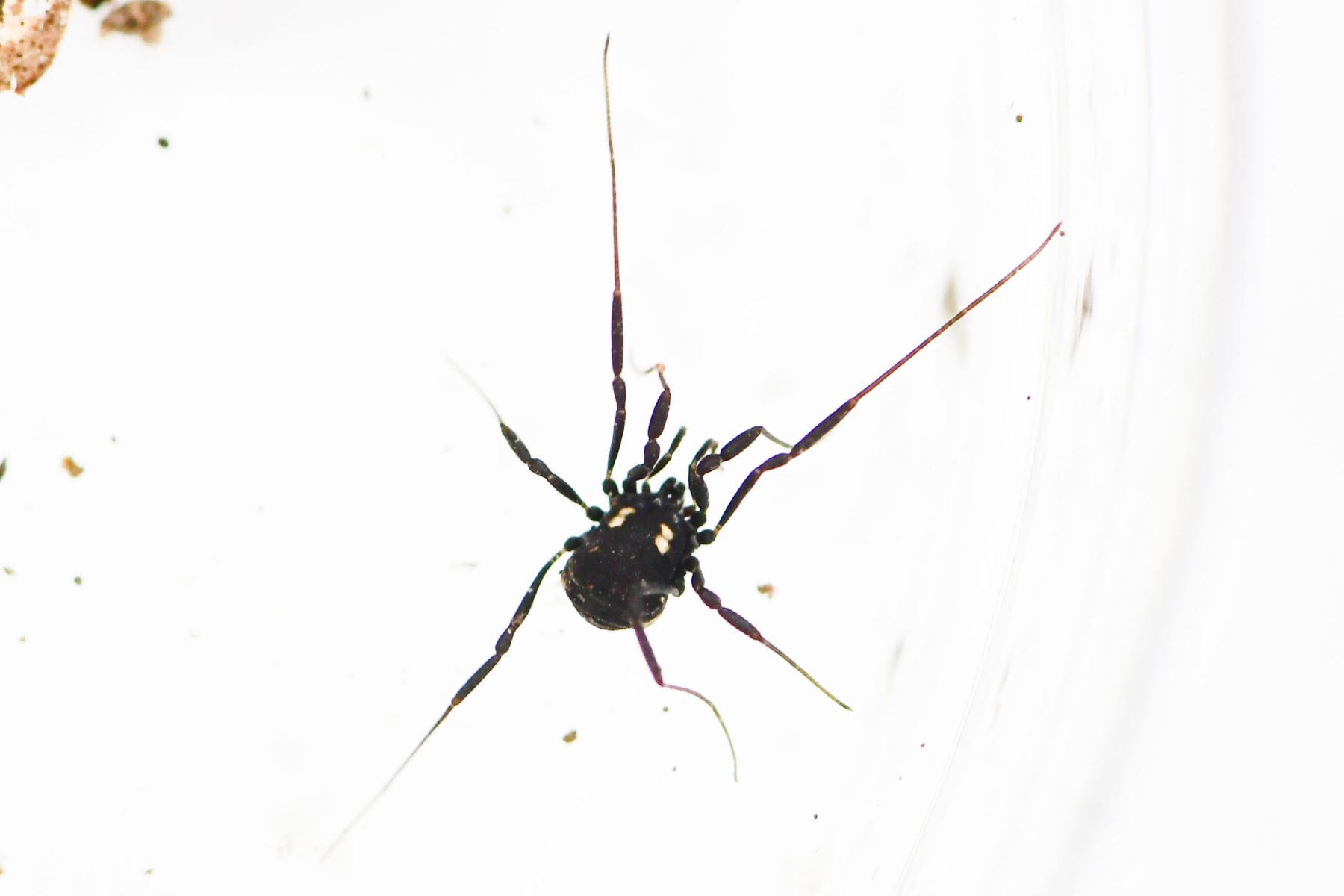
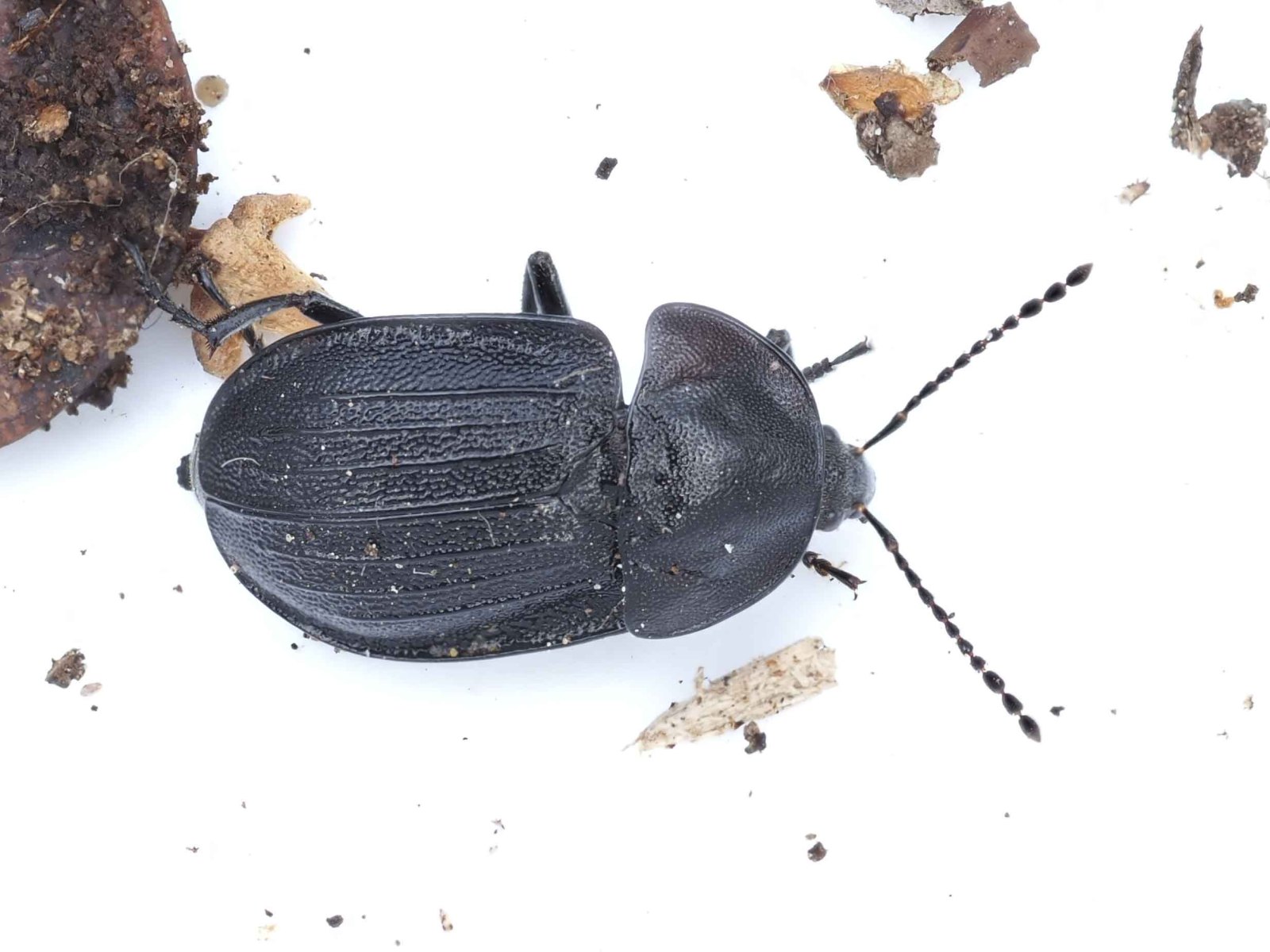
At the Deep valley which runs east to west just to the south of the car park we stopped for a rest on a fallen log and for the opportunity to search for leaf-litter invertebrates. This resulted in finding the Black Snail Beetle Silpha atrata (Phosphuga atrata), a pill millipede Glomerida marginata. A spider which was at first considered to be Dysdera crocata is being re-assessed and may be Drassodes cupreus. Of the three harvestmen found, one was the ubiquitous Nemastoma bimaculatum, that specialises on springtails and other small, soft-bodied invertebrates in the leaf litter. The other two are difficult to identify and may be sub-adults.
Birds encountered and heard during our visit (assisted by the App on Les’s iPhone) included the following:
Chiffchaff; Blackcap; Blue Tit; Great Tit; Green Woodpecker; Great Spotted Woodpecker; Nuthatch; Chaffinch; Greenfinch; Robin; Wren; Blackbird; Song Thrush; Wood Pigeon; Jay; Jackdaw; Carrion Crow; Buzzard (overhead); Sparrowhawk (from evidence of a kill).
At about 3.30 we retired to the café at nearby Yorkshire Caravans for some well-earned refreshment. The motorhomes on display, whilst highly suited to a wandering naturalist, would result in a draining of the bank balance to enable one to be purchased.





Postscript
Silpha atrata = Phospauga atrata
Description: It is around 15 mm long with a shiny appearance and broadly spaced ridges along the length of the elytra.
Habitat: Common in many different habitats including woodland, meadows and gardens. It can sometimes be seen resting under logs and debris with its head tucked under the pronotum.
When to see it: January to May.
Life History: Sometimes called the Black Snail Beetle, this species does indeed specialise in feeding on snails and has a narrow head adapted to this role. The larvae also feed on pulmonate snails and earthworms. I noticed that a record on the NBN atlas was just north of Bawtry. In fact, from the garden of Samantha Batty!
The pill millipedes, Glomeridae, are distinctive short stout millipedes that are able to roll into a defensive ball when disturbed. When adult they have just twelve arched body tergites (including the collum and the telson) bearing 17 (female) or 19 (male) pairs of legs.
Glomeris marginata is a distinctive, usually darkly pigmented millipede, reaching 20 mm in length (in stark contrast to the other three Glomeridae). It is unlikely to be confused with any other British or Irish millipede and is readily identified from a photograph. However, it is frequently mistaken for pill woodlice (such as Armadillidium vulgare) by inexperienced recorders. The last body segment of Glomeris is undivided but in the woodlice it appears to be split into three smaller segments. Also, when the animal is enrolled Glomeris is more egg shaped compared to the more spherical balls formed by pill woodlice.
The Black Harvestman Nemastoma bimaculatum is found under logs and within leaf litter, and common in woodland habitats. It is small and can be found as an adult throughout the year.
One of the very few harvestmen found as an adult during the spring, Rilaena triangularis (formerly Platybunus triangularis) is a common species of low vegetation in woods.
The Woodlouse-eating spider Dysdera crocata is not correct and more probably Harpactea hombergi. The Dung-fly Scatophaga litorea is unlikely since this is a coastal species. The usual local ones are Scatophaga stercoraria.
CAH.
A visit to see Meadow Fritillaries and also to visit the Owston churchyard
Leader Margaret Prior
An impromptu visit to Potteric Carr on a bright sunny afternoon by Colin & Les.
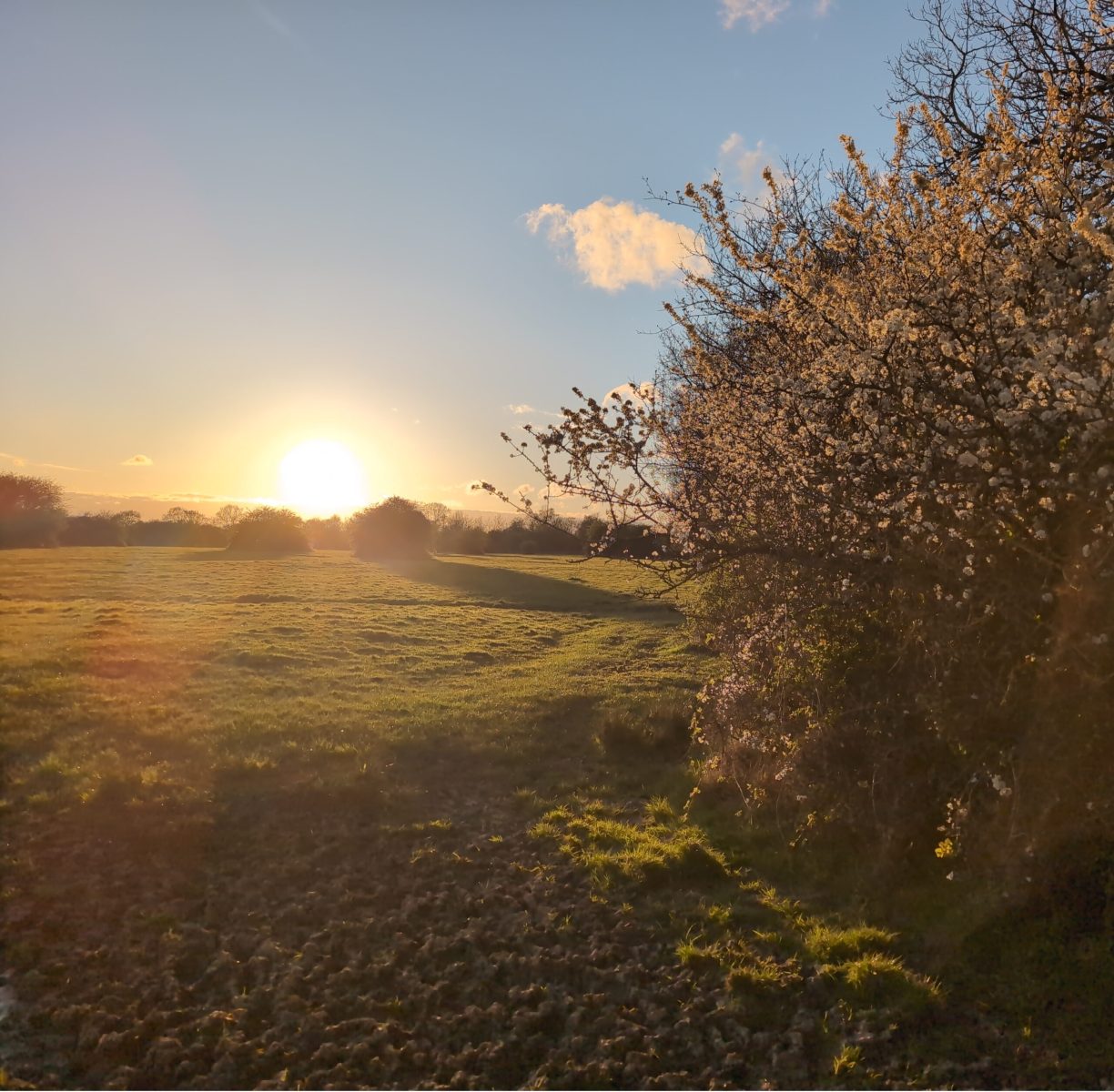
After an introductory coffee, we were welcomed onto the reserve by a circling and hovering Male Kestrel which demonstrated its boldly patterned fanned tail. Also, the grassland around the visitor centre veranda was decorated by populations of Cowslips Primula veris and clumps of Primroses Primula vulgaris with the occasional Cuckoo flower (also known as Lady’s Smock and Milkmaids) Cardamine pratensis.
Because of trees coming down during gales, (with gusts of up to 60km/h on Sunday 5 April), access to the Old Eaa hides was taped off.
We therefore proceeded down the tarmacked road adjacent to the Mother Drain, firstly seeing the flash of a kingfisher flying down to the pumping station. Interestingly, from the footbridge from the visitor centre, we saw in the clear, swiftly flowing water, small fish possibly 3-spines Sticklebacks between the clumps of starwort.
The beds of Jack-by-the-Hedge Alliaria petiolata, Stinging Nettles Urtica dioica and Broad leaved Dock Rumex obtusifolius were active with Orange Tip Anthocharis cardamines and Peacock Aglais io and Green-veined White Pieris napi Butterflies. The menagerie of dioecious (they have separate male and female trees) road-side Willows Salix spp were producing their range of flower types. On one of the willows was a Dock Bug Coreus marginatus. The road verge also attracted Bee fly Bombylius major and Comma Butterfly Polygonia c-album. Birds in song were Chiffchaff; Blackcap; Cetti’s Warbler; Robin; and Blackbird.
At the Willow Hide the choked reedbeds and sallow growth had been mechanically and impressively excavated and re-profiled, refreshing a much-loved birding site. Coot, Mallard and Graylag geese had already moved in and were defending territories. The warm weather was activating numbers of appropriately named Harlequin Ladybirds Harmonia axyridis which were swarming on the hide windows. While I attempted to liberate these into the wild, Les photographed a handsome male Nurseryweb spider also in the Willow Hide.
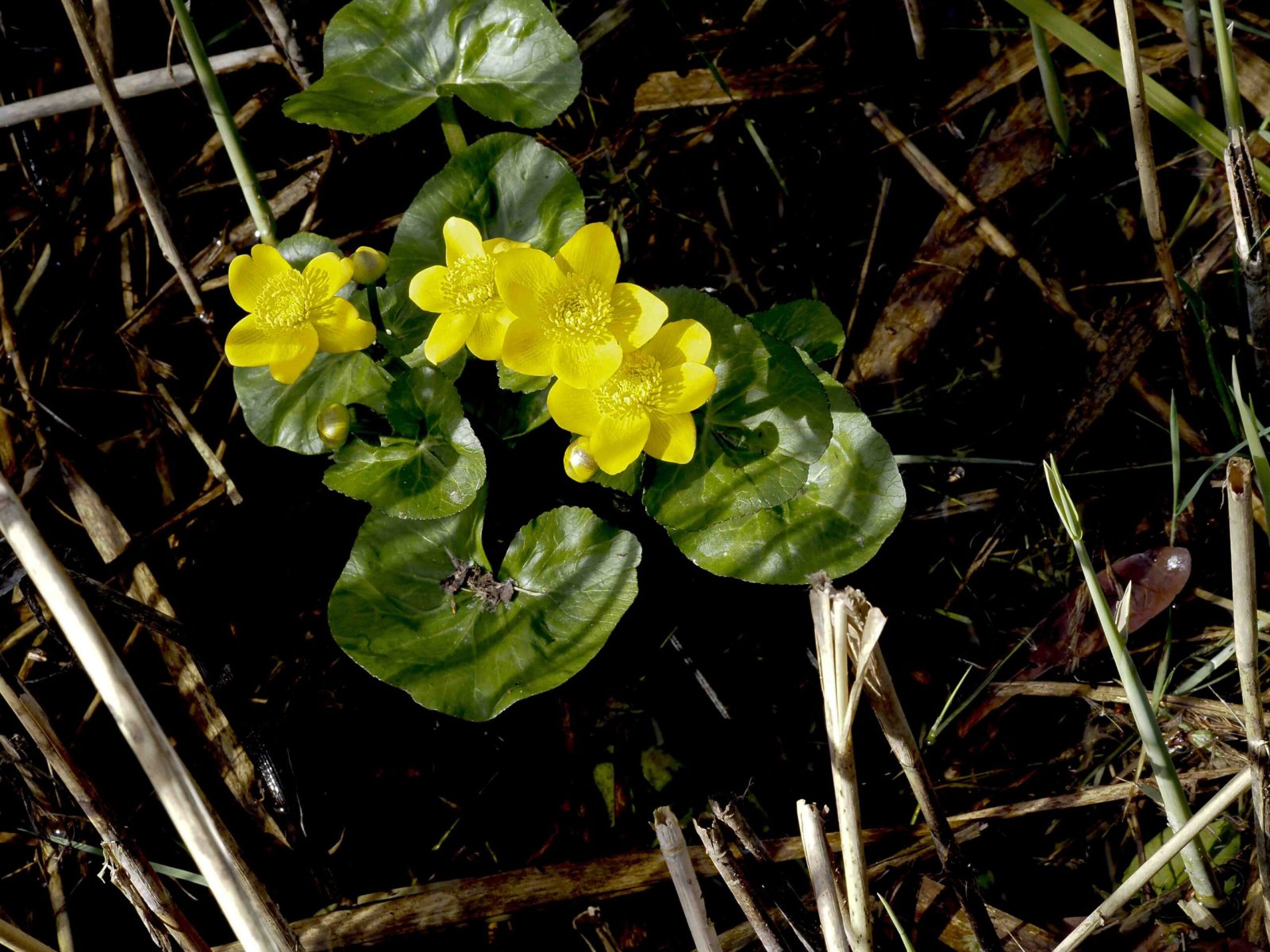
In returning to the centre we called at the pond dipping sites at Loversall Delves where King Cups Caltha palustris was in flower, Gyrinus (Whirligig) beetles, Notonecta Water boatmen were active and a couple of visitors watched a young Grass Snake swimming past, possibly prospecting for tadpoles.
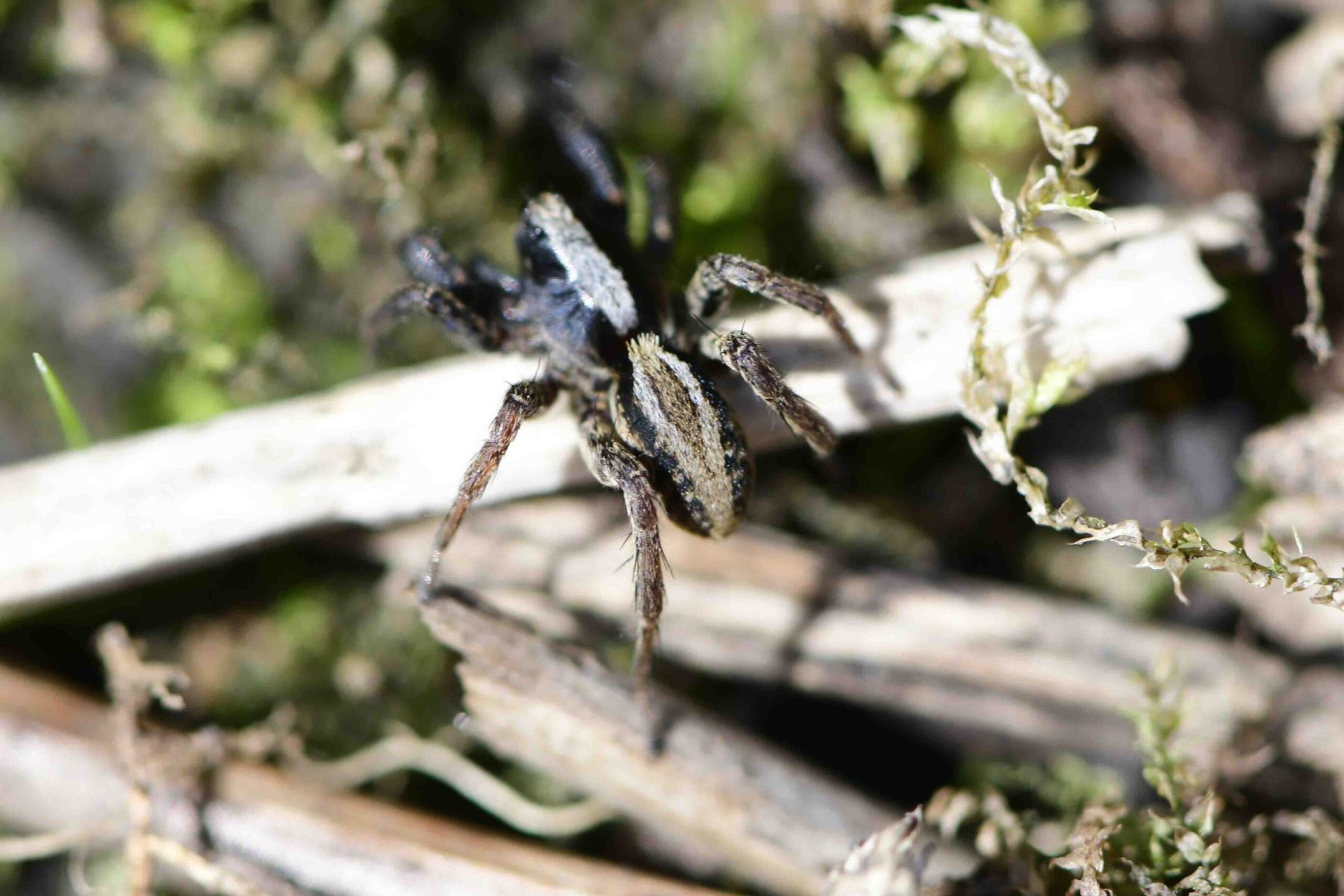
The Newt ponds failed to reveal any newt eggs and no Water Forget-me-nots Myosotis scorpioides were found. However Les caught and photographed a typical Lycosid spider Pardosa amentata.
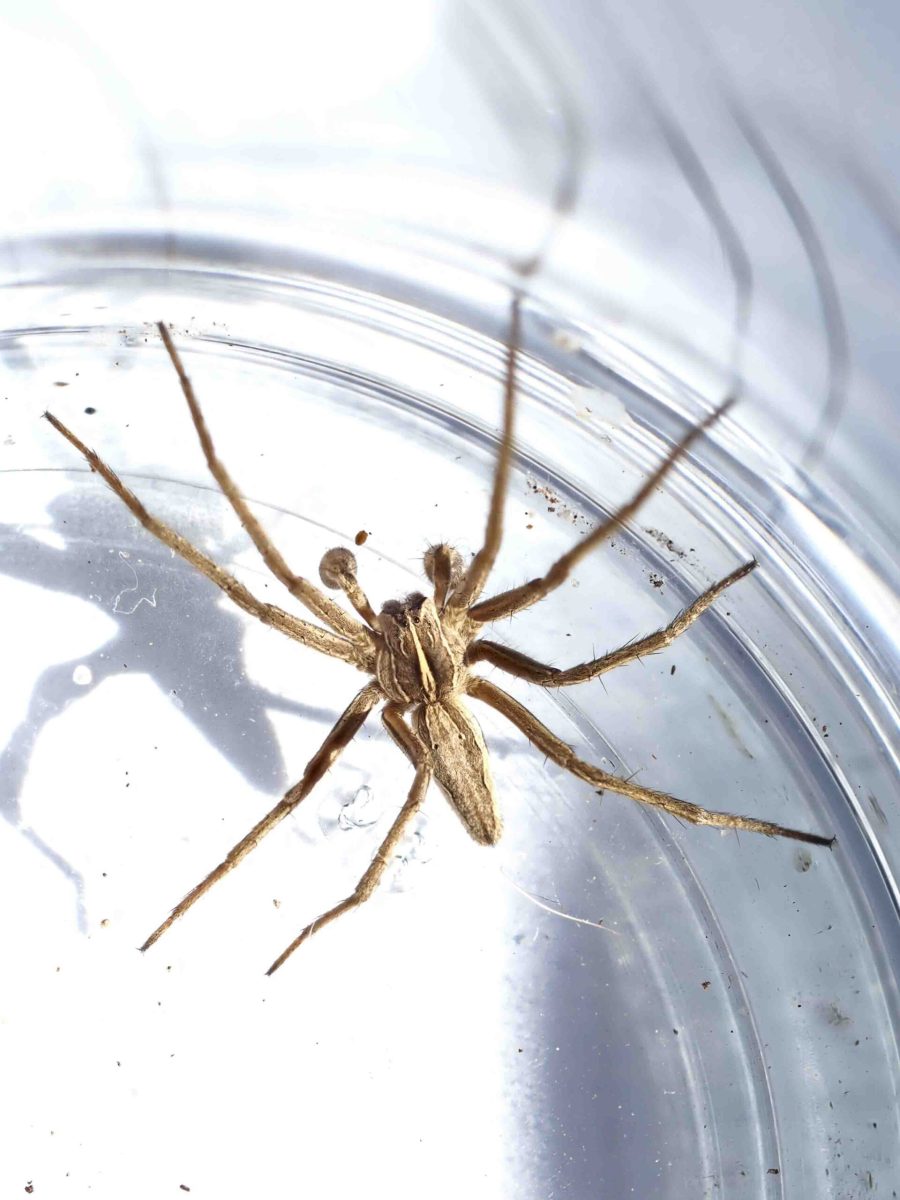
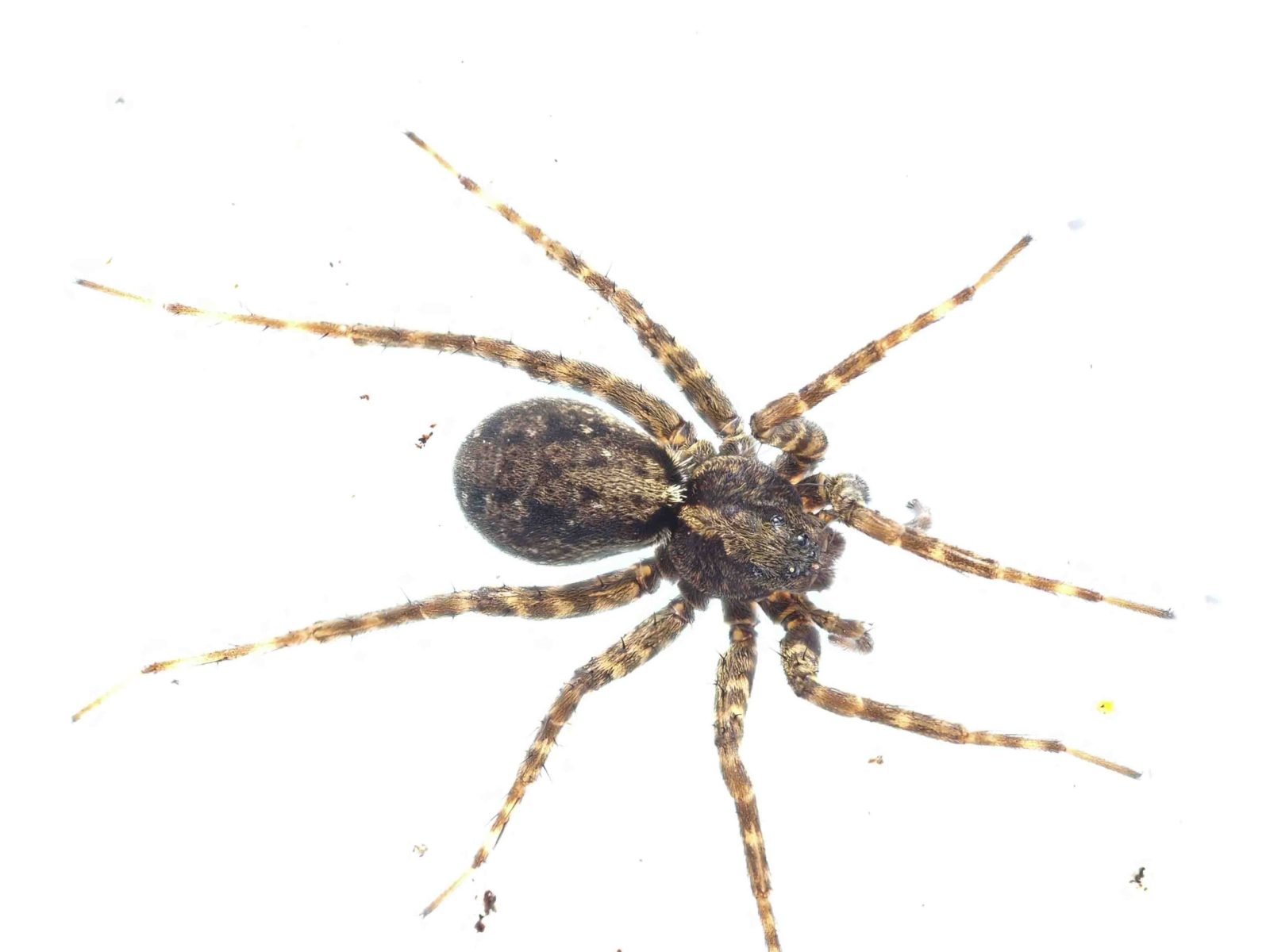

The unidentified spider has been suggested as likely to be Pardosa amentata by Geoff Oxford (BAS Hon Sec). This spider is common in a wide range of habitats. This one was taken (and returned) on the edge of a pond in wet vegetation. The Nurseryweb spider, Pisaura mirabilis, was found within Willow hide on one of the windows, which is not its usual habitat.


HERPTILE REPORT from Thorpe Marsh Nature Reserve.
GREAT CRESTED NEWT Triturus cristatus; SMOOTH NEWT Triturus vulgaris and COMMON FROG Rana temporaria.
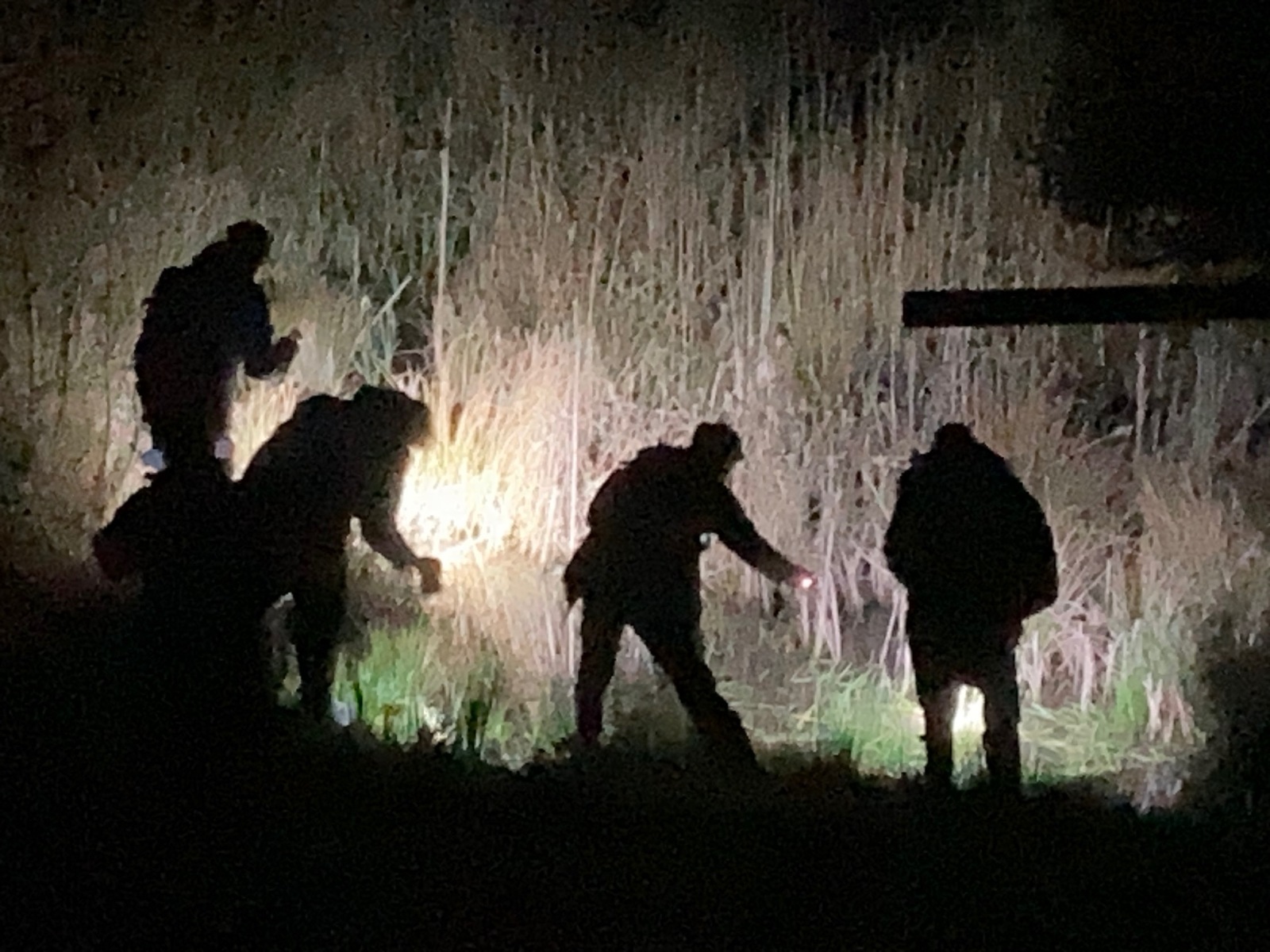
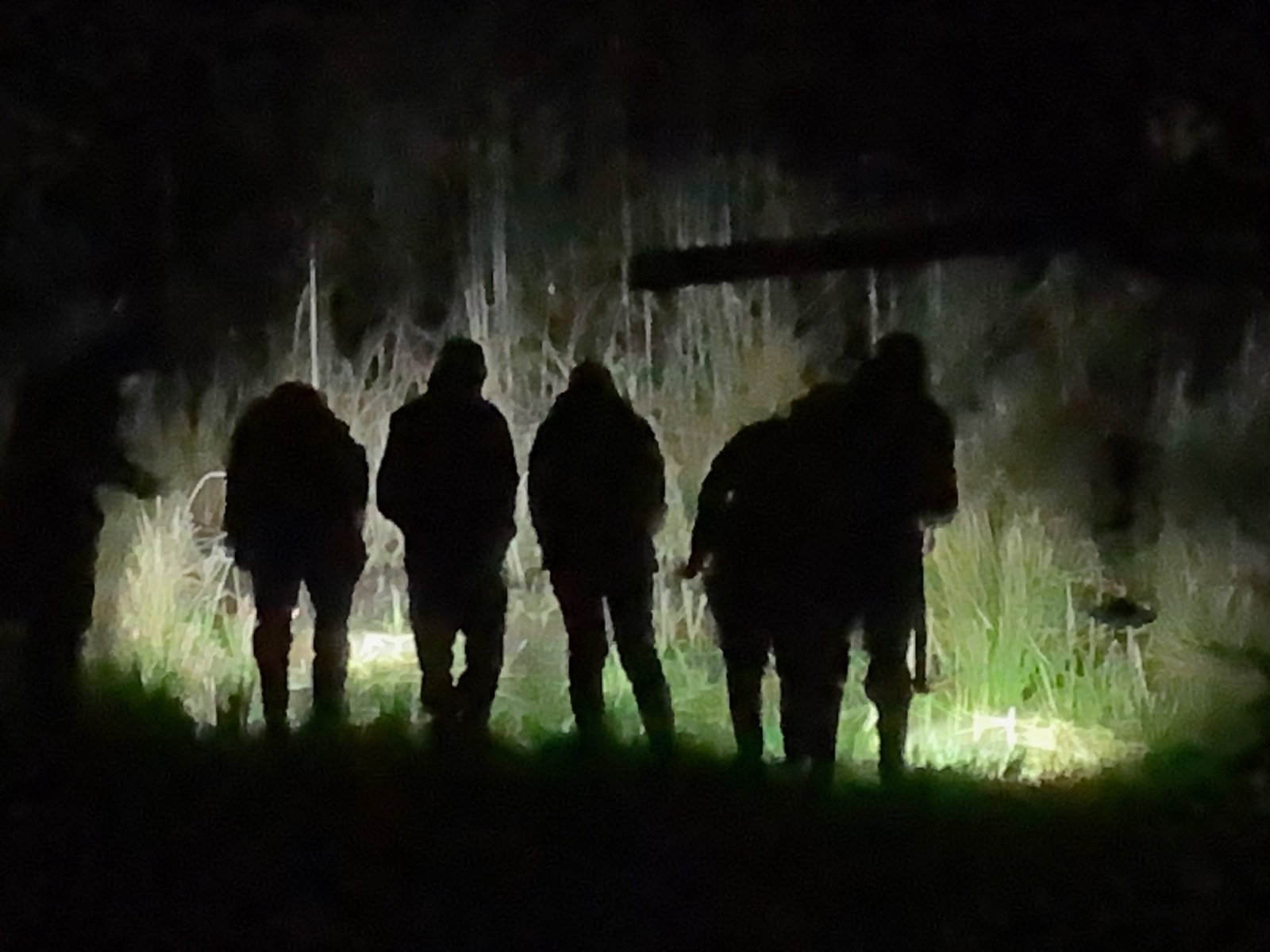
On the evening of 3rd April volunteer wardens JL, NL, MT and KW with Doncaster Naturalists’ Society members JB, LH, CAH and TP surveyed the following water bodies. We observed the following numbers of Great Crested Newts (GCN), Smooth Newts, curled-over leaves, each containing a newt egg (only a small sample examined) and Common Frog.
| Location | Grid Ref. | No of animals and curled leaves |
| Probable former retting pit (in Applehurst) used
for retting flax. |
SE 58600967 | 1 curled-over leaf. |
| Applehurst Flash
(less than 10% surveyed). |
SE 585097 | No newts
57 curled leaves including 10 that were probably Smooth Newt and 2 GCN. |
| Louis’s Pond | SE 585097 | 1 frog tadpole. |
| Railway Pond
(30% of the margin surveyed by torchlight). |
SE 581097 | 3 male Great Crested Newts, 8 curled leaves. |
| Feeding Station pond in north Mere area | SE 589095 | 3 male GCN and 1 male Smooth Newt.
There were also 3 Caddis Fly larvae. A Common Frog sat next to the Mere Scrape |
| Sicklecroft Pond | SE 590097 | 8 GCN, 2 smooth Newts and 1 unidentified newt. |
| Total | 14 male Great Crested Newts,
3 Smooth Newts, 1 unidentified newt, at least 65 curled leaves, 1 common frog and 1 frog tadpole. |
In all cases the eggs were laid on leaves of Water Forget-me-not, Mysotis scorpiodes.
There were water beetles in the Railway Pond and Sicklecroft Pond.
We also saw 14 Snipe at Applehurst Flash, heard a Tawny Owl and a Bittern was booming at the Mere Scrape. 4 or 5 small bats, probably Pipistrelles, flew past us.
M. Townsend with input from LH.
Supplementary Notes from the Nats Thorpe Marsh Newting Night, 3 April 2026
While the evening light lasted, the group had enjoyed views of Heron and Marsh Harrier but Sunset at about 7:46pm was trumpeted by the rather muted, un-sure ‘Boomings’ of a local Bittern. One wondered if its confidence was being undermined by the clarion, almost conversational tootings of the unexpectedly numerous locos on the surrounding railway network.
Rather appropriately on Good Friday, in the Applehurst wet grassland, Louise identified areas of Field Woodrush Luzula campestris also known as ‘Good Friday Grass’.
Out in this rural setting the night sky was rather impressive, featuring the Orion constellation in the west southwest with its bright twinkling star Betelgeuse marking his right shoulder. Canis Major featured with its main star Sirius and our neighbouring planets Jupiter and Venus traversed the sky, Venus setting beneath the western horizon at about 9.40pm.
These astronomical gyrations were accompanied by the periodic three syllable honkings of a pair of Graylag Geese making nocturnal flights over the local wetlands, though Julie and Nathaniel were also able to identify the calls of a Tawny Owl.
Members returning home from our evening of Newting were treated to a colourful, if eerie vision of the rather fabulous so called ‘Pink’ Easter Moonrise in the southeastern sky, the moon showing 96% of its disc.
According to the Greenwich Museum, there are three full moons in astronomical spring, beginning with the full Moon on 2 April, which in some Native American traditions is known as the ‘pink moon’, named after the seasonal wildflower rather than the Moon’s colour. In other cultures, this moon is called the ‘sprouting grass moon’, the ‘egg moon’, and the ‘fish moon’.
Three things to look for in the April Sky are:
- 22 April – try to spot the Lyrid meteor shower
- 13-20 April – celebrate International Dark Sky Week!
- Throughout the month – spot Venus in the sky at dusk
Finally, I would like to thank Mick Townsend and the Thorpe Marsh Volunteers for ushering us safely through the gated railway crossing and guiding us through brambles and briars, ditches and drains and various species of quagmire, and all in total darkness!
CAH
Les Coe
Over the past week (24 Apr – 30 Apr), this post has been viewed 47 times by 24 visitors.
In total, this post has been viewed 177 times by 100 visitors.