Meeting Reports March 2026
by Colin Howes & Les Coe.
The aim of our visit was to search for signs of the Spruce seed Moth Cydia strobiella on Norway Spruce Picea abies cones, a species which Samantha Batty had recently found as a new colonist in north Nottinghamshire.
Much of our time was therefore spent along a corridor of young conifers including Pines, Spruce and Larch (SK6395). Curiously, only two of the young Spruce trees had any cones and sadly none of these bore any signs of moths, larvae or pupae and none of the seeds appear to have been nibbled by anything.
Between the developing cones of a Larch was a silken cocoon which Les photographed, though we were unable to decide whether it was the product of moth or spider.

Silken cocoon on Larch, Bawtry Forest (31 March 2026)
The verges of the adjacent ride were lined with an abundance of flowering Primroses Primula vulgaris. Ground Ivy Glechoma hederacea was also coming into flower, so too were occasional Bluebells. On the bank of the adjacent drain Gorse bushes Ulex europaeus were also in flower.
In an area of tall mature Pines where adjacent land had been cleared and newly re-planted, at least four exposed trees had blown down, their direction of fall indicating the result of recent southwesterly gales. Their exposed root plates revealed sandy/pebbly soil of the Triassic Sherwood sands. These south-westerly facing exposures potentially offered nesting sites for hole-dwelling aculeate hymenopterans.
Lunch was had next to a sunlit Blackthorne in full blossom, abuzz with many insects. These were mainly Drone flies, Hoverflies, Bumble bees and Butterflies (up to 5 Peacocks; 1 Comma; 1 Brimstone).
Peacocks and the occasional Brimstone were along the rides throughout our visit.
The ‘Merlin’ app on Les’s iPhone detected territorial songs or calls of the following birds:
Carrion Crow; Jackdaw; Chiffchaff; Blue Tit; Coal Tit; Long-tailed Tit; Goldcrest; Dunnock; Linnet; Redpoll; Siskin; Robin and Wren.
Other birds seen and heard were Common Buzzards; Sparrowhawk (Female circling); Great Spotted Woodpecker (Drumming); Pheasant; Red-legged Partridge; Blackbird; Collared Dove; Wood Pigeon. On the verge outside the farm buildings on the edge of Bawtry Forest were four Guineafowl.
Since the area is managed for commercial forestry and as a pheasant shoot, signage warning visitors that vermin shooting took place, and the occasional spent cartridge, was to be expected. No doubt as a result of game-keeping, only one Grey Squirrel was seen and though pine cones were found throughout the site, only in one area were there signs of squirrel-chewed cones. Despite the sandy nature of the region only one Rabbit was seen and there were no signs of rabbit droppings or warrens. Diggings in wet turf indicated Badger activity and footprints along the muddy rides indicated the presence of Roe Deer, Muntjac Deer and large deer slots could have been from Fallow Deer.
Sieving in Oak litter adjacent to the east coast main line (SK6495) produced:
Pill Millipede Glomeris marginata
Flat-back Millipede Polydesmus complanatus
Snake Millipede Cylindroiulus sylvarum
Centipede Lithobius forficatus
Centipede Geophilus sp.
Striped Woodlouse Philoscia muscorum


Oligolophus tridens found in leaf litter in deciduous woodland (chelicerae with a spur underneath).


Metellina segmentata & Paidiscura pallens both found in leaf litter in deciduous woodland. (SK6495)
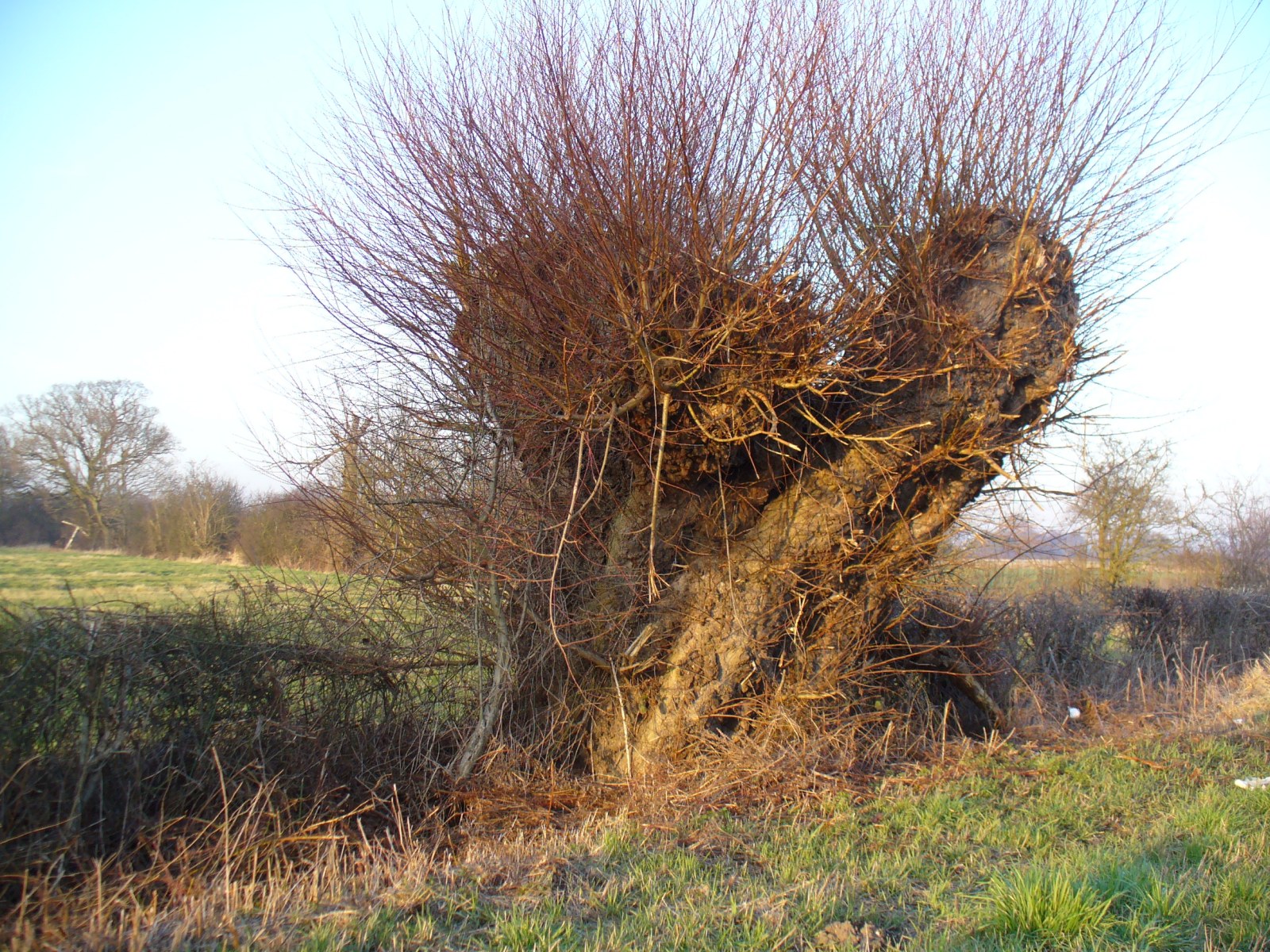
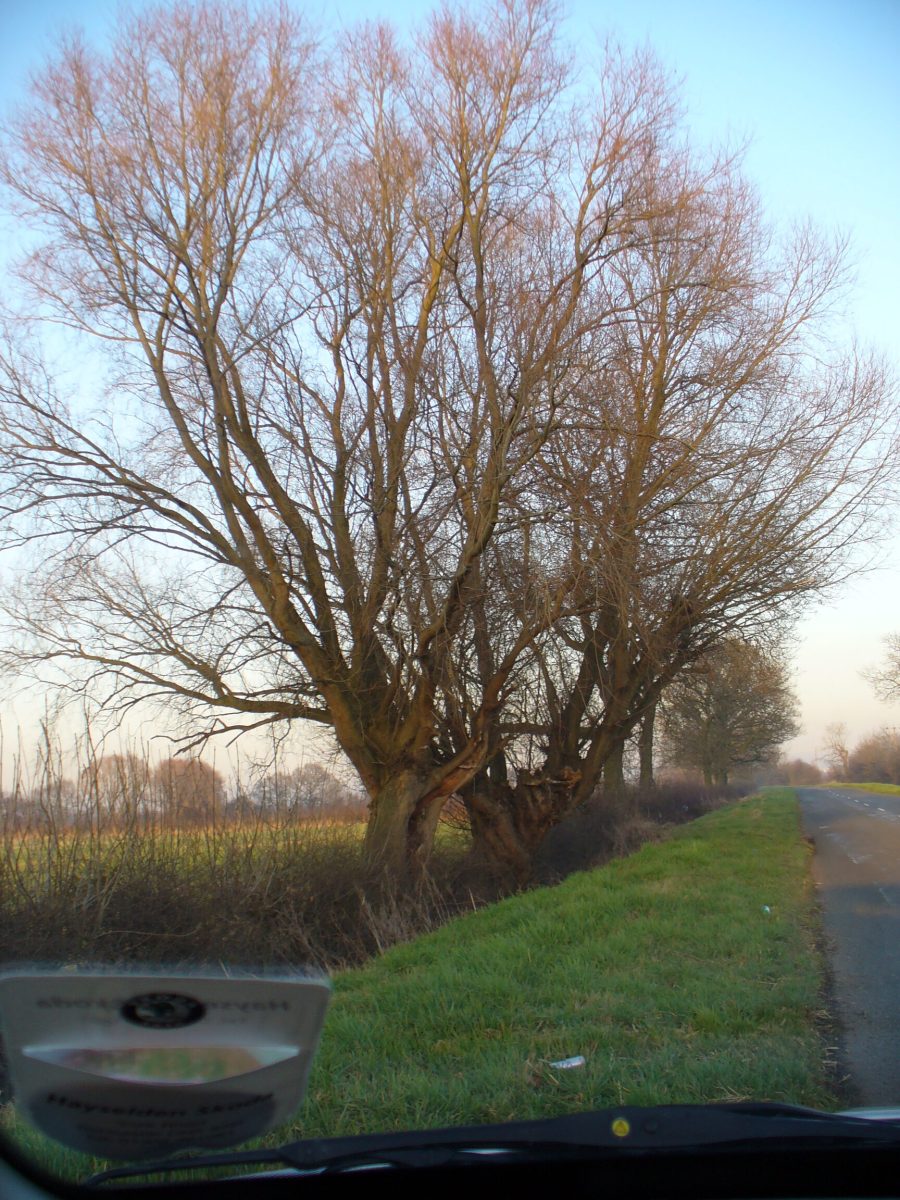
Veteran White Willows around Fishlake and Sykehouse.
A Unique part of the UNESCO Biosphere Buffer Zone
By Julian Small (Natural England)
This evening’s Nats meeting was brilliant. Julian Small’s lecture on his valuable work on the entomology associated with the Venerable pollarded White Willows in the Fishlake/Sykehouse area was a revelation.
A Forgotten eco-cultural landscape.
Funded by Natural England’s Nature Recovery Seed Corn Fund, the initial phase of the Veteran White Willows project delivered the first detailed audit of veteran and ancient white Willows (Salix alba) in the study area.
In Sykehouse and Fishlake, the study revealed an unexpectedly rich population of veteran and ancient white willows forming a vital but overlooked part of the region’s biodiversity heritage and sense of place.
Veteran white willows are far more widespread and significant than previously recognised, rivalling veteran tree concentrations in nationally noted historic parklands.
Some specimens measured 7-10m in girth, placing them among the largest white willows ever recorded in England.
Julian’s insect collecting work over the past two years discovered numerous Red Data Book rarities, including many saproxylic (dead/rotting wood) species, indicative of ancient woodland in the historic landscapes of the Humberhead Levels.
His preliminary work demonstrated that the conservation importance of this concentration of venerable trees was at least as significant as for the ancient Oaks of Sherwood Forest and the Dukeries.
Invertebrate highlights included the Forest Window-fly (Scenopinus niger), the spectacular Rhinoceros Beetle (Synodendron cylindricum) and three other species of nationally rare beetles.
His talk generated much discussion and highlighted the need for further associated studies. The value of the Nats undertaking moth-trapping around these trees was one such suggestion.
The following website has been created to receive additional material on this project:
www.ukeconet.org/fishlakewillows1.html and the project can be contacted via the email: syeconet@gmail.com
A vote of thanks was given by Jim Burnet (President).
CAH.




Comments
I found the talk given by Julian on the white willows interesting.
I remember seeing large willows beside the road leading from the river Don to Fishlake.
Also, there were a number of pastures between Sykehouse and Fishlake.
Some of the pastures had a dew pond in one corner. Some of these ponds contained Carex elata, not common in the district.
I wonder how many of these old pastures remain.
Ian McDonald. 31 March 2026
An early spring stroll.
Colin Howes & Les Coe
BIRDS
Coot 6
Moorhen 2
Little Grebe 2 (calling)
Mallard 3
Tufted Duck 6
Teal 1
Blackheaded Gulls 14
Carrion Crows 6
Wood Pigeons 4+
Robins (Singing) 4
Great Tit (Singing) 2
Wren (Singing) 2
Chiffchaff (Singing) 2
PLANTS
Climbing Corydalis: Ceratocapnos claviculata – common in peaty woodland soil; some just coming into flower
INVERTEBRATES
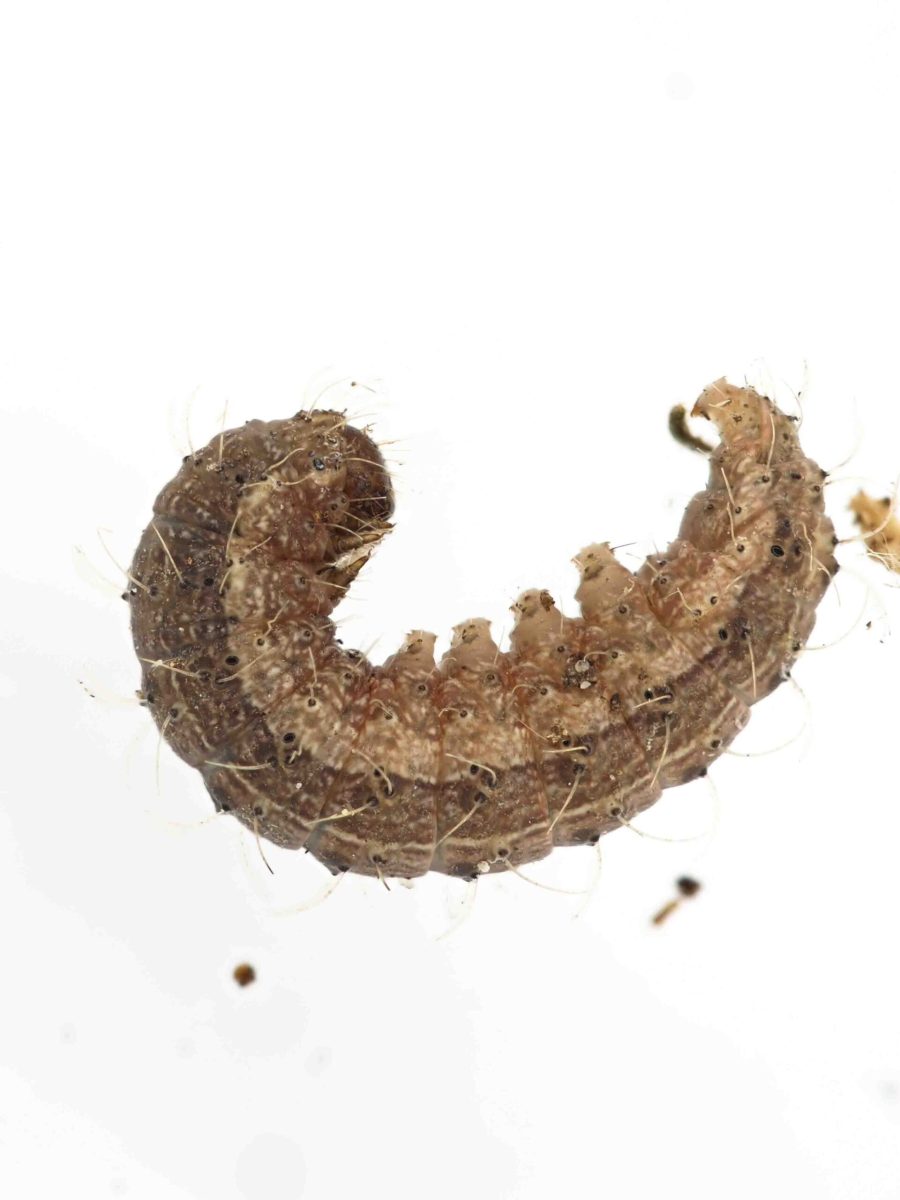
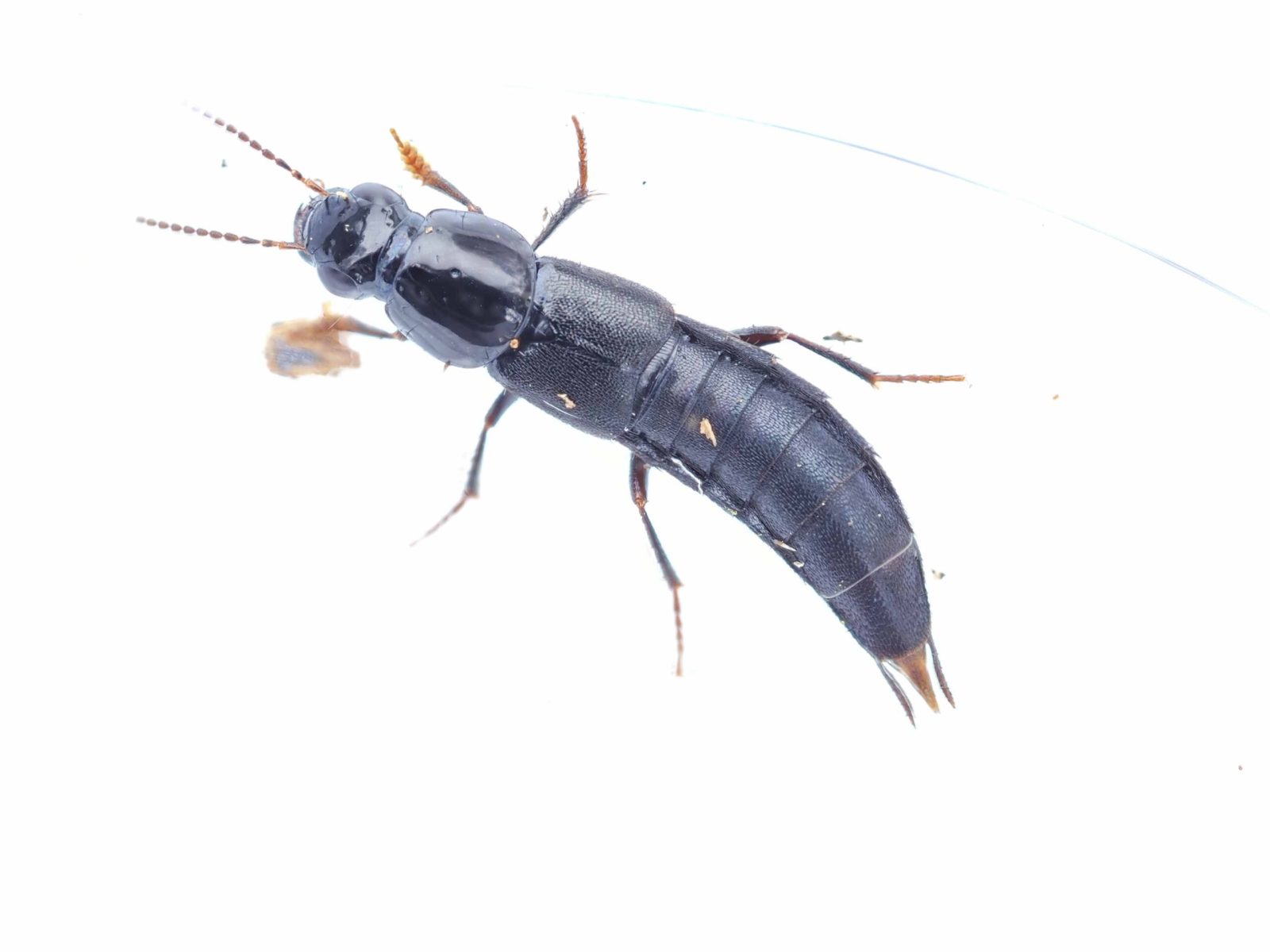
Sieved from Bracken Litter (SE6805)
Centipedes: Lithobius forficatus; Geophilus sp.
Millipedes: Cylindroiulus sp.
14 spot Ladybird Propylea 14-punctatum
Common Striped Woodlouse Philoscia muscorum
Common Rough Woodlouse Porcellio scaber
Various Lycosid Spiders
Rove Beetle: Tasgius sp.
Also on the wing Queen Bumblebees: Bombus terrestris & Bombus lapidarius
Tawny Mining Bee Female Andrena fulva



An Embarrassment of Riches.
Colin Howes
Up till the meeting started, I was only aware of Paul & Joyce’s trail-cam video and a PowerPoint item on Stoats and Ermine I’d assembled to bulk out the event.
Then out of the blue came Samantha’s Moths, Jeff’s Snowdrops, Joyce’s Aurora Borealis video and Ian’s Plant-Gall PowerPoint presentation … all sensationally good and I was proud of our modest little society and proud also of how well attended the event was.
By complete coincidence, Nigel’s Moviemakers equipment was compatible with Samantha’s, Joyce’s and Jeffs contributions and was set up for sound.
This was not the case with the Nats computer … at best we could only have shown them MUTE.
On the other hand, the Moviemakers kit wasn’t set up for PowerPoint (!) so Ian’s contribution had to be shown as a simple (un-enlarged) slide show.
Although the Nats computer was ‘all powered up’, it was not ‘all ready to go’, since the cable to connect up to the projector wasn’t nearly long enough to reach through the tangle of the Moviemakers gubbins. I could have set it up but that would have required another interval in the midst of proceedings.
Anyway, at the end of Ian’s Plant Gall presentation there was just enough time clear the room before we all turned into Pumpkins by 10pm.
Thus, we still have a PowerPoint presentation on Stoats and Ermine left over to show at another meeting, and through an unfortunate bit of mis-communication Trisha sent her photos to Louise, rather than having them on a memory stick.
Leading up to next year’s Moviemakers meeting we need to know in advance what material we have to show, (the titles, the formats and the durations of each). We also need to discuss the technical requirements with the appropriate contact at Moviemakers.
Having made those points, I must say I really enjoyed the evening, the collective contributions were exceptional. It was good to see Mark’s Freshwater Jellyfish film again but amongst the ‘Embarrassment of Riches’ the highlight for me was watching the close-up of that Grasshopper carefully handling and chewing on that blade of grass.
Doncaster Naturalists’ Visit to Hampole Wood 14 March 2026.
Leader: Tom Higginbottom
On a dazzlingly bright but bitterly cold morning 6 members of the Nats gathered in the hamlet of Hampole off the A 638 Wakefield Road (SE5010), the aim being to visit Hampole Wood. Hampole Wood, a significant local wildlife site, being an ancient deciduous woodland on magnesian limestone. The site supports a number of botanical and entomological rarities but is popularly known locally as a site for its carpets of wild daffodils in springtime. The 19th century botanist Mary Yarborough was one of the first to record its botanical rarities (see note below).
Wall Ferns in Hampole: While waiting for the Nats to assemble, I noticed numerous clumps of Maiden-hair Spleenwort (Asplenium trichomanes) growing in the mainly north-facing upper courses of the limestone wall along Leys Lane. A rough count found over 150 clumps. In showing these to Jim, he instantly indicated the presence of numerous clumps of the Wall Rue (Asplenium ruta-muralis). In the limestone walls along main Street were several Hart’s-tongue Ferns (Asplenium scolopendrium), a notable group growing in the drip-zone beneath a leaking roofing tile.
Tom safely conducted the group across the busy A638 and we proceeded to trudge up the 1.1km Butt Lane public footpath to the wood (from 32m in Hampole village to over 80m in the wood. Highest part of the wood is about 85m. To our left were the four wind turbines of the Hampole Wind Farm. The turbines which commenced generating in spring 2014, are evidently capable of producing enough electricity to power 5,400 homes per year … if the wind blows, and it was certainly blowing this day.
Plants recorded en route along Butt Lane were typical arable weeds
Anthriscus sylvestris Cow Parsley
Centaurea nigra Common Knapweed
Galium aparine Cleavers
Lamium purpurum Red Dead Nettle
Plantago lanceolata Ribwort Plantain
Potentilla reptans Creeping Cinquefoil
Rumex obtusifolius Broad-leaved Dock
Urtica dioica Stinging Nettle
Veronica persica Common Field Speedwell
Plus plants surviving from earlier crops such as Field Beans (Vicia faba).
Hampole Wood as a Local Wildlife Site was site 6.12 (SE4909; 5009; 4908;5008)
Tree Canopy: Main canopy trees consist of Ash (Fraxinus excelsior), Common Oak (Quercus robur), Sycamore (Acer pseudoplatanus) and Beech (Fagus sylvatica) which form locally dominant areas and there are scattered Yew (Taxus baccata) with occasional European Larch (Larix decidua), Silver Birch (Betula pendula) and Field Maple (Acer campestre).
Shrub Layer: Hazel (Corylus avellana) coppice forms the dominant shrub layer. Also common is Elder (Sambucus nigra) and Bramble (Rubus fruticosus agg.) with occasional Holly (Ilex aquifolium). Hawthorn (Crataegus monogyna), Rowan (Sorbus aucuparia), Dogwood (Cornus sanguinea), Guelder Rose (Viburnum opulus), Honeysuckle (Lonicera periclymenum) and Field Rose (Rosa arvensis) are also present in the shrub layer.
Herb Layer: The main spectacle at present are the carpets of Wild Daffodils (Narcissus pseudonarcissus). A few Snowdrops (Galanthus nivalis) were still in flower but their early spring showing was over. Ramsons (Allium ursinum) and Dog’s mercury (Mercurialis perennis) co-dominated the herb flora, carpeting the ground throughout most of the wood. The distribution of Wood Anemone (Anemone nemorosa), Native Bluebells (Hyacinthoides non-scripta) and Lesser Celandine (Ficaria verna) is more patchy but occasionally co-dominant with Dog’s Mercury. Also in the herb layer are Early Dog Violet (Viola reichenbachiana), Creeping Soft-grass (Holcus mollis), Pig-nut (Conopodium majus), Wood Avens (Geum urbanum), Wild Arum (Arum maculatum) and Wood Sedge (Carex sylvatica). Bracken (Pteridium aquilinum) locally dominates in dryer areas.
In the arable strip adjacent to the southern edge of the wood was a zone of Fodder Radish (Raphanus sativus) now desiccated but still full of seed, presumably grown for the benefit of game birds, the wood being managed as a pheasant shoot.
The public right of way took us through the wood where the rides had been cut with broad verges (possibly to keep back the invading tendencies of the brambles). Proceeding south of the wood, around Rat Hall Farm (SE4908) the boundary hedgerow included Wild Cherry trees (Prunus avium), Elder (Sambucus nigra), Hawthorn (Crataegus monogyna), Cow Parsley (Anthriscus sylvestris), Hogweed (Heracleum sphondylium), Stinging Nettle (Urtica dioica), Broad Dock (Rumex obtusifolia), Red Deadnettle (Lamium purpureum), Creeping Buttercup (Ranunculus repens), Cleavers (Galium aparine) and Spear Thistle (Cirsium vulgare).
Proceeding westwards, we linked up with Lound Lane, also known as Old Street. Here, the hedgerow herb-layer contained Greater Stitchwort (Stellaria holostea) Bluebells, Dog’s Mercury, Wood Avens, Lesser Celandine and Arum, seeming to have the character of a very ancient habitat. This contrasted with the species poor hedgerows running back towards Hooton Pagnell which were probably relatively modern enclosure-award boundaries.
We followed the path round the northern side of the wood, linking up with Butt Lane taking us back to Hampole.
Mammals:
The recent wet weather and muddy conditions provided opportunities to spot mammal footprints but most were human, domestic dog and horse. There were a few Roe Deer (Capreolus capreolus) tracks though no signs of Fox, or Badger. The samples of Hazel nut shells examined had all been opened by Grey Squirrels (Sciurus carolinensis). Back in the Autumn of 1993 during a national search for evidence of Dormice, I collected 987 Hazel nut shells from Hampole Wood (SE498090) but of these 646 had been opened by Squirrels or birds, 31 by Bank Voles (Myodes glareolus) and 7 by Woodmice (Apodemus sylvaticus) but there were no signs of gnawings by Dormice.
A few Mole (Talpa europaea) hills were noted around the woodland edges and mown rides but the best mammal record was of a Brown Hare (Lepus europaeus) on surrounding arable land.
Birds:
Species in Hampole (SE5010) included Robin, Blackbird, Chaffinch (all singing), Magpie and Collared Doves.
On the arable to the north of the wood, at the junction of Butt Lane and a track heading east to a parallel n-s track was an uncultivated area (SE1009) above which were singing two Skylarks (Alauda arvensis). On the way back no fewer than 12 Skylarks were counted in the air at the same time!
Birds noticed in or over Hampole Wood (SE4909; 4908; 5008) were Robin, Wren, Blackbird, Chaffinch, Great Tit, Wood Pigeon, Magpie and Buzzard.
The Richard Rolle Monument:
On returning to Hampole we proceeded down Leys Lane and Main Street to visit the Richard Rolle monument.
Hampole is the location where the mystic and religious hermit Richard Roll (from Thornton Dale, North Yorks) spent the most productive years of his devotional and literary life. Wikipedia gives the following: Richard Rolle (c. 1300 – 1349) was an English hermit, mystic, and religious writer. Also known as Richard Rolle of Hampole, since at the end of his life he lived near the Cistercian Nunnery in Hampole. In many ways, he can be considered the first English author, his vernacular works considered to have considerable religious authority and influence.
Naturalists may be interested to note that the earliest written prose usages of the term ‘weasel’ in the English language was by Rolle “Ye wesill overcomys him and slas [slays] him”. This was in his Hampole Psalter written about 1340. Here the term “wesill” is used figuratively as the personification of a predatory malevolent force, evidently with the perceived characteristics of a Weasel. Whether his knowledge of this animal was derived from imported cultural sources or first-hand field experience is not known (The Naturalist 137 (2012): 89-92).
19th century Botanical notes from the Hampole area:
Mary Cooke-Yarborough née Heathfield (1815-1906), second wife of George Cooke-Yarborough of Campsmount Hall, was a keen and competent botanist and who owned and used an interleaved copy of Smith’s Compendium of the English Flora (1836) which she annotated with plants she identified while visiting locations around Doncaster and elsewhere, presumably while on family holidays.
The following entries referring to Hampole and Hampole Wood have been abstracted from her annotations.
Hampole Wood:
Ajuga reptans Bugle 22 May 1849.
Aquilegia vulgaris Columbine 31 May 1847.
Convallaria majalis Lily of the Valley 27 May 1849
Galeobdolon luteum (= Lamiastrum galeobdolon) Yellow weasel-snout
(= Yellow Archangel 31 May 1847.
Orchis macula (=mascula) Early Purple Orchid 22 May 1849.
Ophrys muscifera (= insectifera) Fly orchid 22 May 1849.
Listeria (= Neottia) nidus-avis Bird’s Nest Orchid May 1849.
Paris aquifolia Herb Paris 22 May 1849
Buff-tailed Bumble Bee
Peacock Butterfly
Hampole:
Centaurea nigra Black Knapweed 30 July 1844.
Delphinium consolida (= ambigua) Field Larkspur 30 July 1844.
Dipsacus sylvestris (= fullonum) Wild Teasel 30 July 1844.
Geranium pratense Meadow Cranesbill 30 July 1844.
Hypericum hirsutum Hairy St John’s-wort 30 July 1844.
Papava dubium Smooth-headed (=Long-headed) Poppy 30 July 1844.
Scrophularia nodosa Knotty-rooted (= Common) Figwort 30 July 1844.
Senecio Jacobaea Common Ragwort 30 July 1844.
Spirea (=Filipendula) ulmaria Meadow Sweet 30 July 1844.
Valeriana officinalis Valerian 30 July 1844.
CAH.