Hello Margaret (General Secretary),
I can’t help noticing that there are gaps in the reporting of field meetings.
For those people who can’t attend field meetings the reports are a part of the Nats activities. They are also an important part of the Nats written history. In the coming years people may ask why the Nats only had three or four Field Meetings in a year because that is the number of Meetings that were recorded.
It is important, as I’m sure you will agree, that the Natural History of the Doncaster area is recorded in writing. In the ‘Guidelines for Walk Leaders’ it states that either the walk leader or someone nominated should produce a report of the meeting. This is not always followed and the findings of the meeting are lost forever.
I was looking forward to reading about Tim’s talk about “Yorkshire From the Air” and Louise and Colins talk “The End of the Line” about which I have a vested interest. There was no report about the Owston visit, a site with which I am familiar and would have liked to know how the site is now. There is no report about Brockadale, a site I have visited many times along with Don and Dorothy Bramley. Has the site altered with time?
If perhaps people can’t be bothered to put down in writing where the Nats went and what was seen, what is the point of going on Field Meetings?
Can you please raise this issue with the Members so that the History of the Nats activities are not lost. I hope I can look forward to reading the missing reports and that the Nats, like other organisations, do not stagnate and fold.
Best wishes,
Ian.
18 July 2026

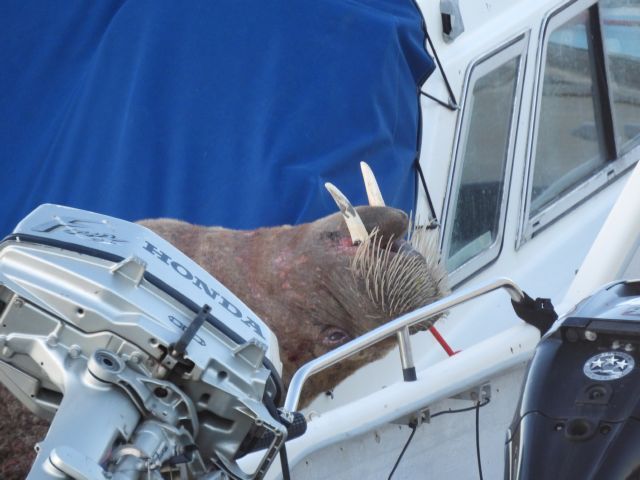
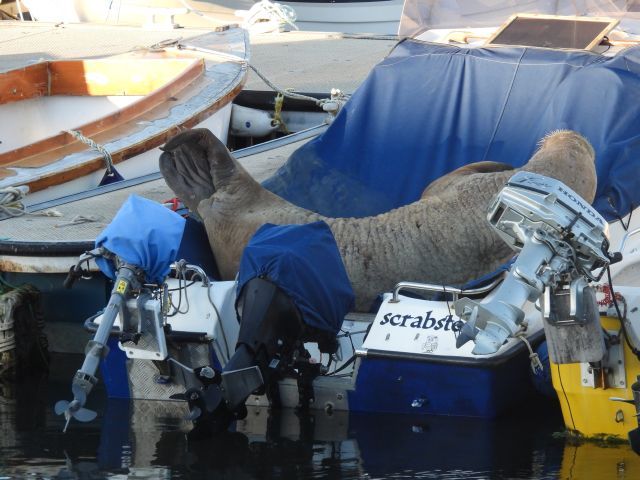
The images attached show ‘Magnus’ in Hopeman harbour, where he is still to be seen, as far as I can find out. He is about 8ft long and agile and has managed to climb steps up the harbour wall and onto small boats.
Ian.
Here are more details of ‘Magnus’
“On April 16th 2026 a Walrus was seen on the island of Stronsay, in the Orkneys. The Walrus, a young male, was nick-named Magnus as it was seen on St. Magnus day.
The next sighting of Magnus was in Lossiemouth harbour on April 21st. He was resting on a pontoon next to small boats.
He next appeared at Fraserburgh on April 22nd. Magnus then re-traced his journey and swam West to Macduff on April 23rd.
He continued West and turned up in Findochty harbour on April 27th.
After a rest there he landed in Hopeman harbour on the 30th.
His wanderings have resulted in crowds of people turning up to see this uncommon marine mammal. As the Walrus needs fairly long periods of rest between long swims it is important that they are not disturbed and have to move on before they are fully ready. The British Divers Marine Life Rescue are monitoring the Walrus and cordon off areas so that the public can see the Walrus without causing undue stress.”
I see from the new programme that you are going to Brockadale again this year.
There are two species to look out for;
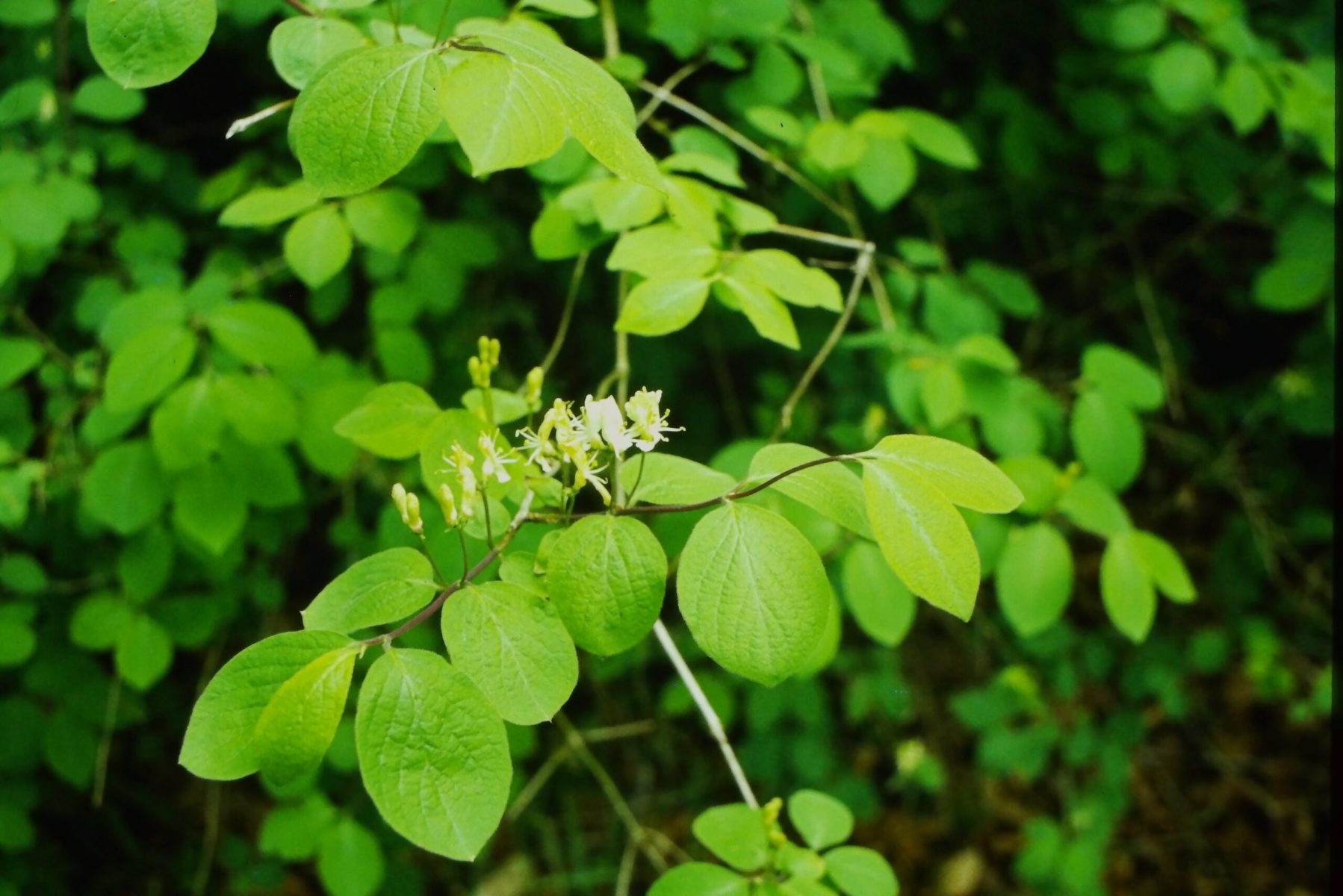
Fly Honeysuckle (Lonicera xylosteum) in the old quarry behind The Cottage,
and Venus’s Looking Glass (Legousia hybrida), on the edge of field north of the river, near a small brick building.
I’m disappointed to see that Inkle Moor (a forgotten fen) has not been included within the programme once again, perhaps next year.
Ian. 18 March 2026

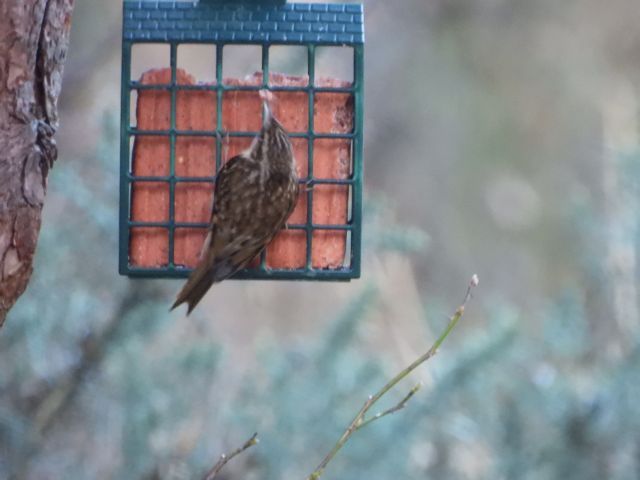
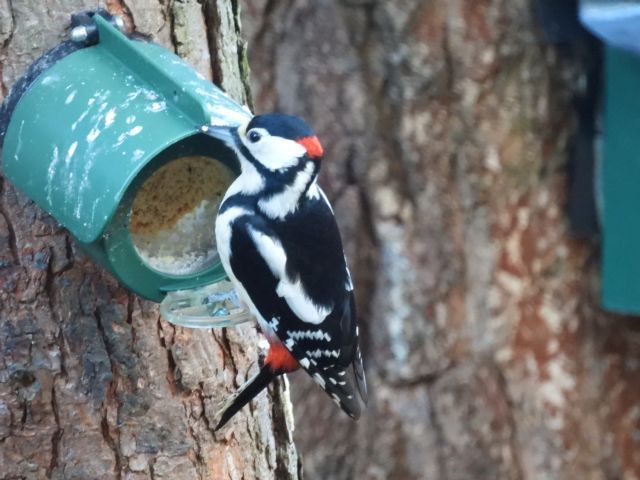
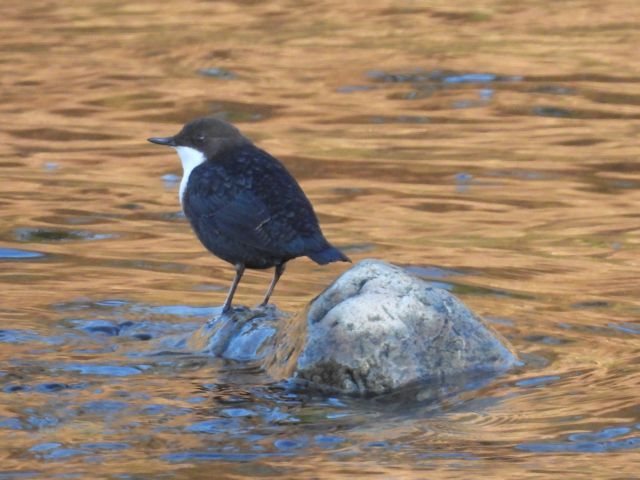
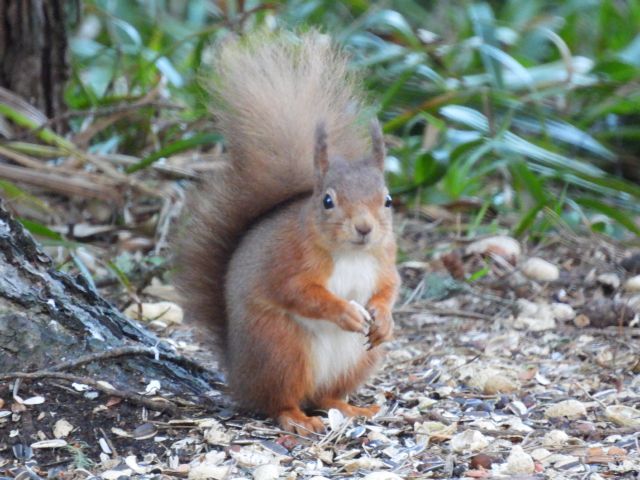
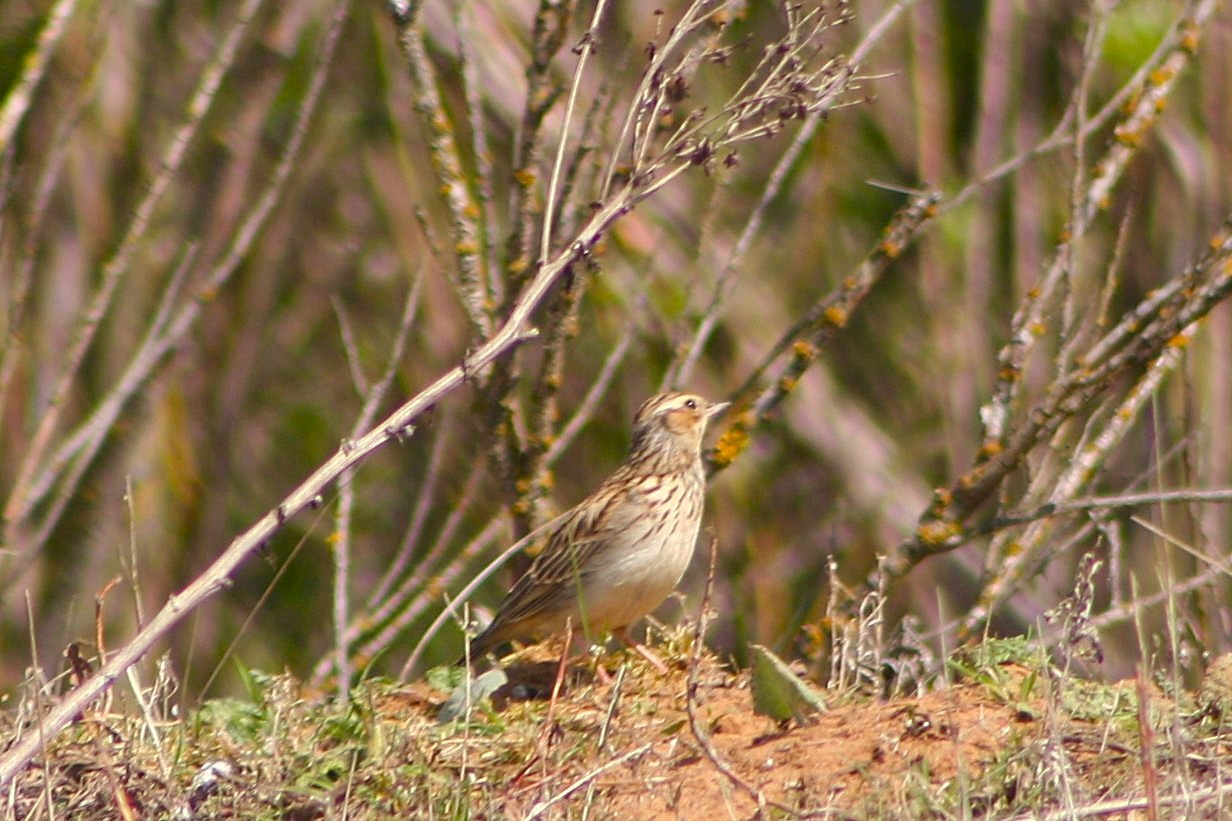
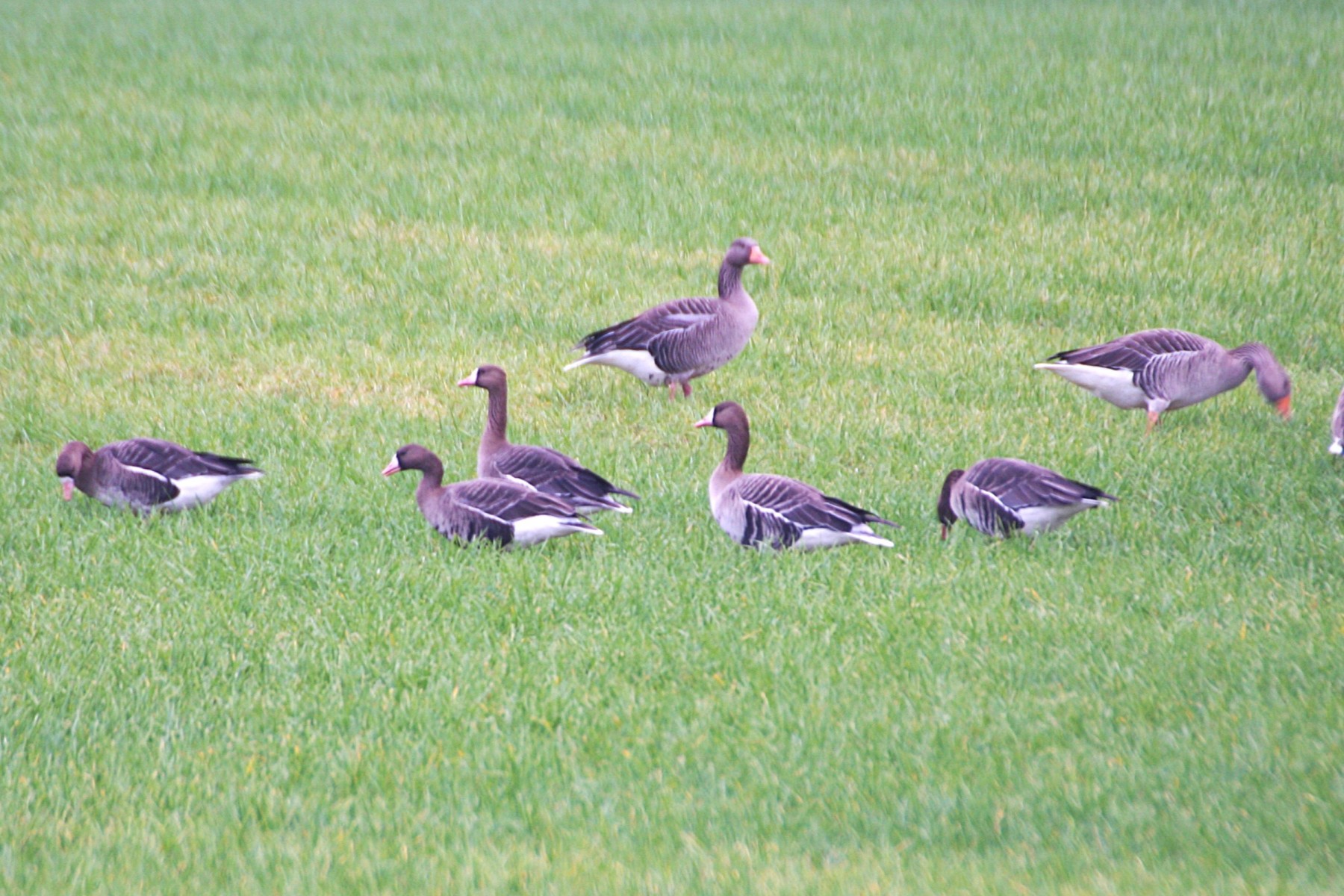
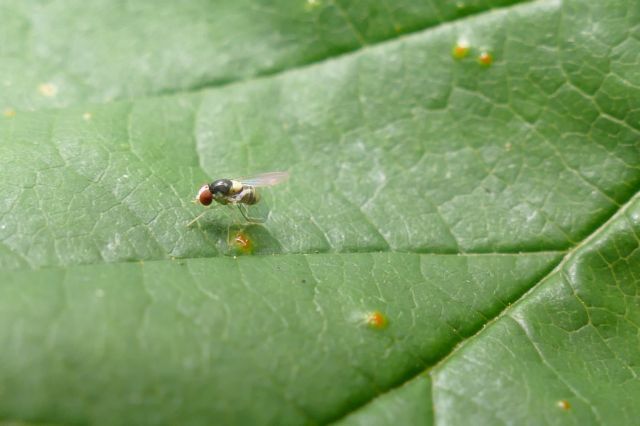
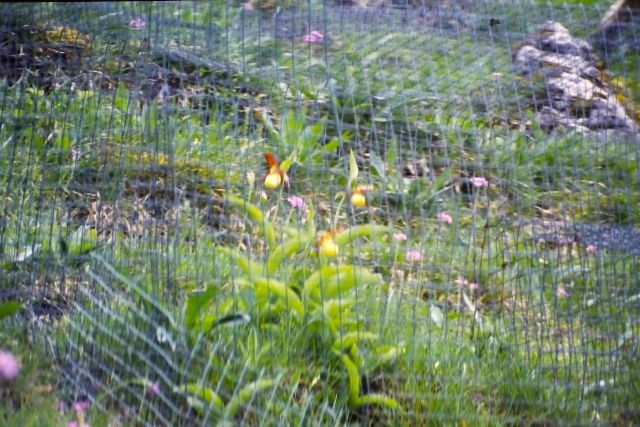
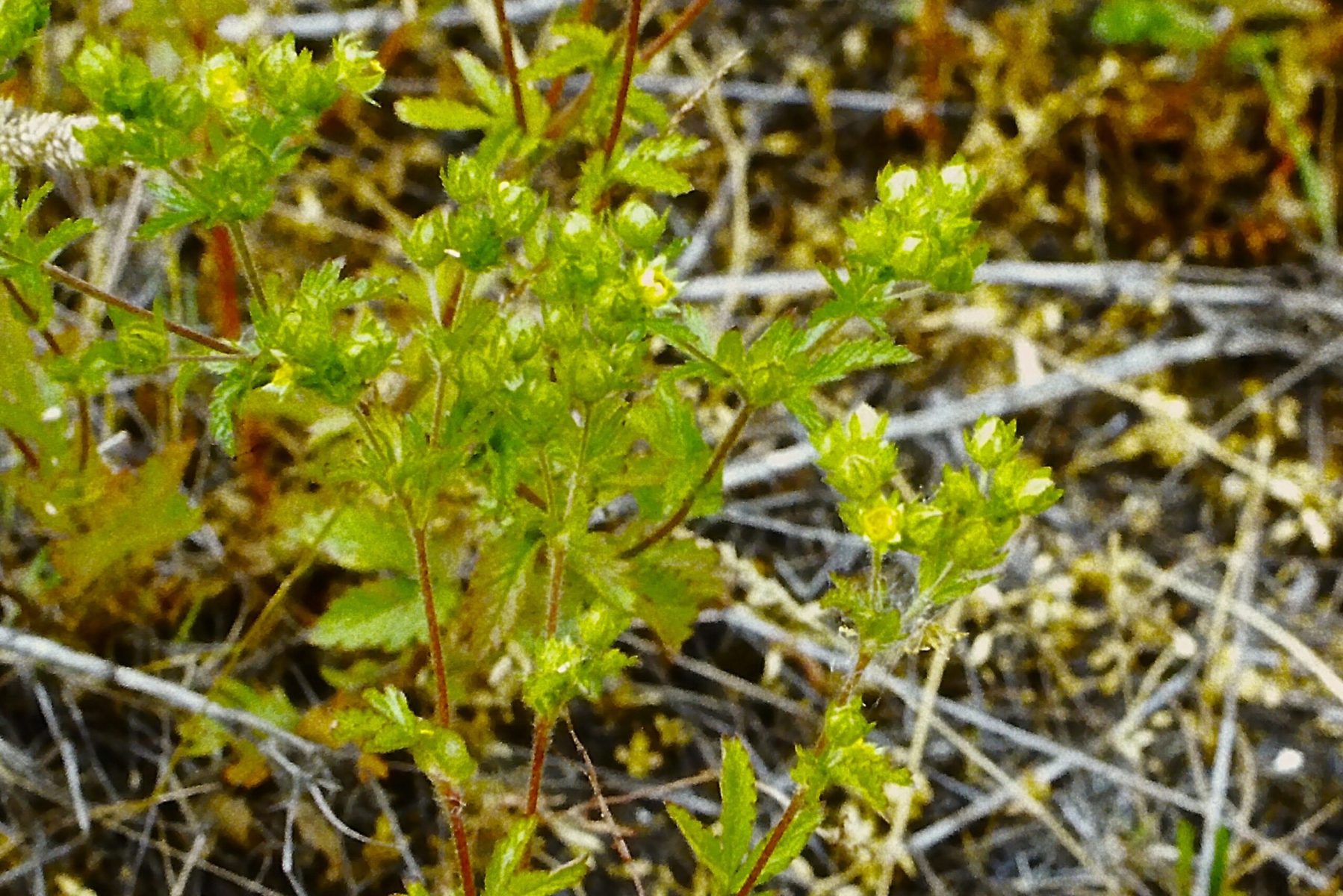


I saw this Heath Assassin Bug on Thorne Moors on 29/8/2018. The approx. location was SE726156. Ian.
From Stuart Foster – “It is not possible to be absolutely right with the identification as the male genitalia are best for this purpose, but I would say that it is most probably Coranus aethiops, the rarest of our two species in this genus.”
An interesting article by Trevor Pendleton on this species can be found using the link below. (Ed.)
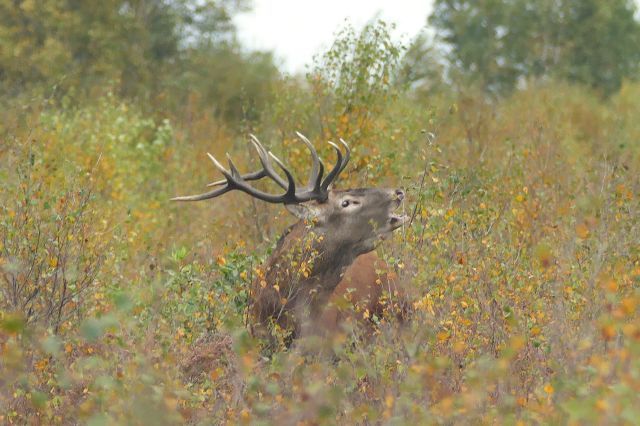
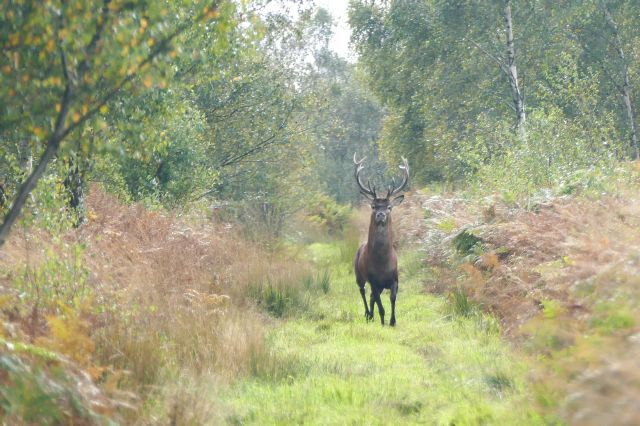
The deer on Thorne moor usually keep under cover during the day, except when it’s the rutting season. They come out of the cover at night and go into the fields to eat. There have been complaints about the number of deer on Thorne moor by the farmers and someone did a night survey using suitable equipment. The number of deer then were quite high. Mick Oliver and myself have seen Sika deer on Hatfield moors a couple of times, identified by their different white rear patterns.
I was told that the red deer on Thorne moor are in-breeding giving rise to problems in the deer stock. Some of the red deer are even blind; I flushed a hind out of bracken once and it ran into a fence. Someone else saw it and reported the matter to NE. A man came and shot the deer. Kevin Bull told me that Stags were introduced from Scotland to alter the gene pool, but the local stags were better fed and larger so they chased the in-comers away.
Once when I was on Hatfield moors I saw in the distance what looked like a group of white birds flying low over the moor. When I looked through the binoculars they were deer running over the open peat. After I photographed the red deer stag bellowing in the rut (see above), I carried on walking along the track. After a while I got the impression I was being followed, I turned round and saw a large stag following me (see above). When it got to within about 150 yards it realised what I was and disappeared into the scrub. A good thing as there was nowhere I could have gone to escape it.
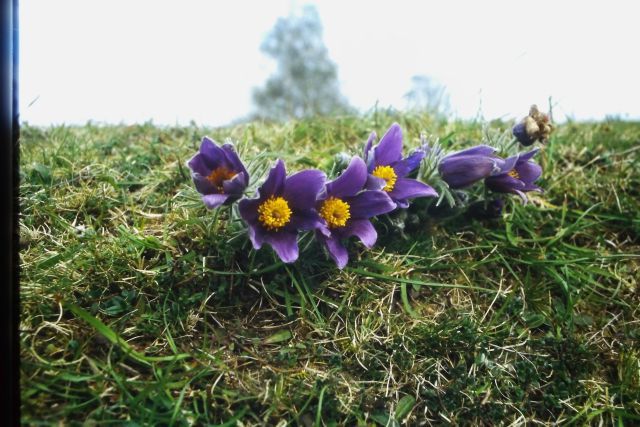
Pasque Flower
Having read Colins excellent article on the Pasque flower in the Doncaster area, it reminded me of when Dorothy Bramley suggested we go to Hills and Holes, Barnack, Cambridgeshire to see the plants there. (link to Colin’s article)
We were lucky to time it just right in 2002?